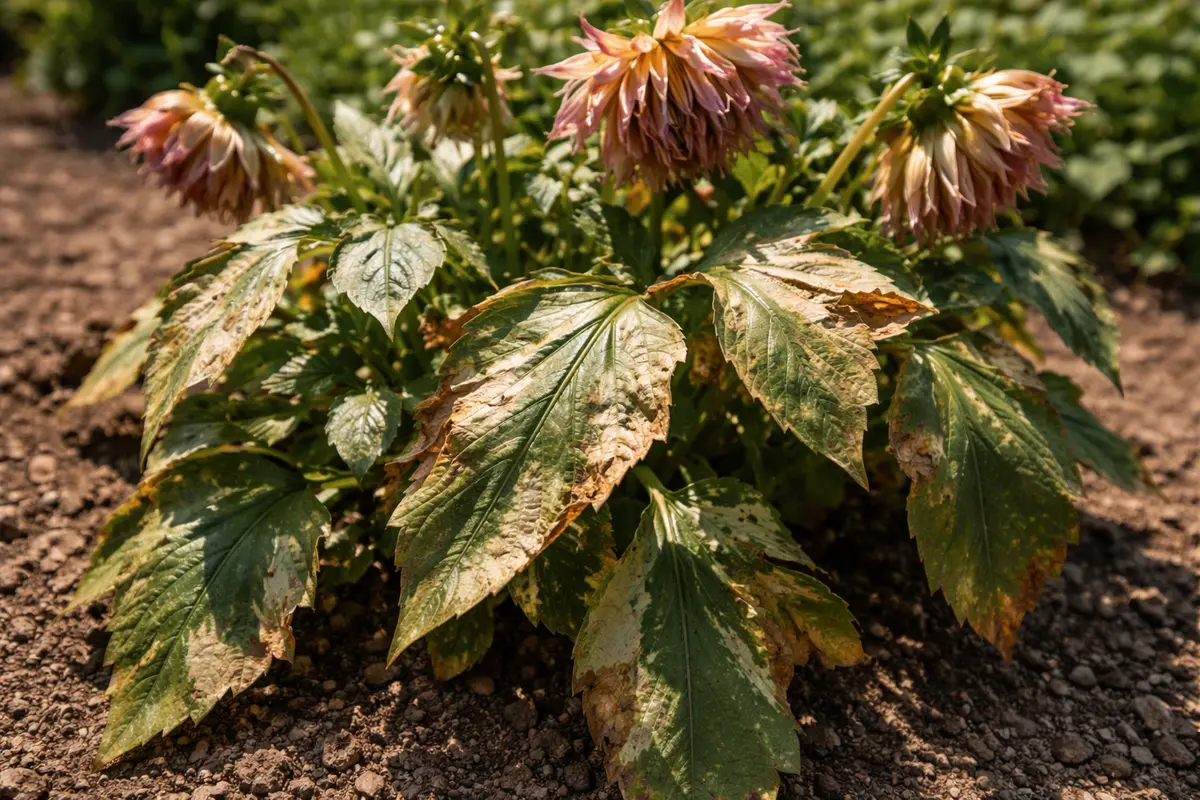
You may notice your dahlias drooping and wilting when the intense summer heat arrives, which is why you need to know how to stop flower wilting on dahlias after a heatwave. This wilting is often a sign of stress caused by excessive heat, leading to yellowing leaves and a decline in the overall health of the plant. If left unaddressed, this stress only gets worse, weakens the plant, and stalls growth, but you can improve the situation now by adjusting watering practices and monitoring soil moisture levels.
Step 1 – Water Dahlias Deeply to Revive Wilting
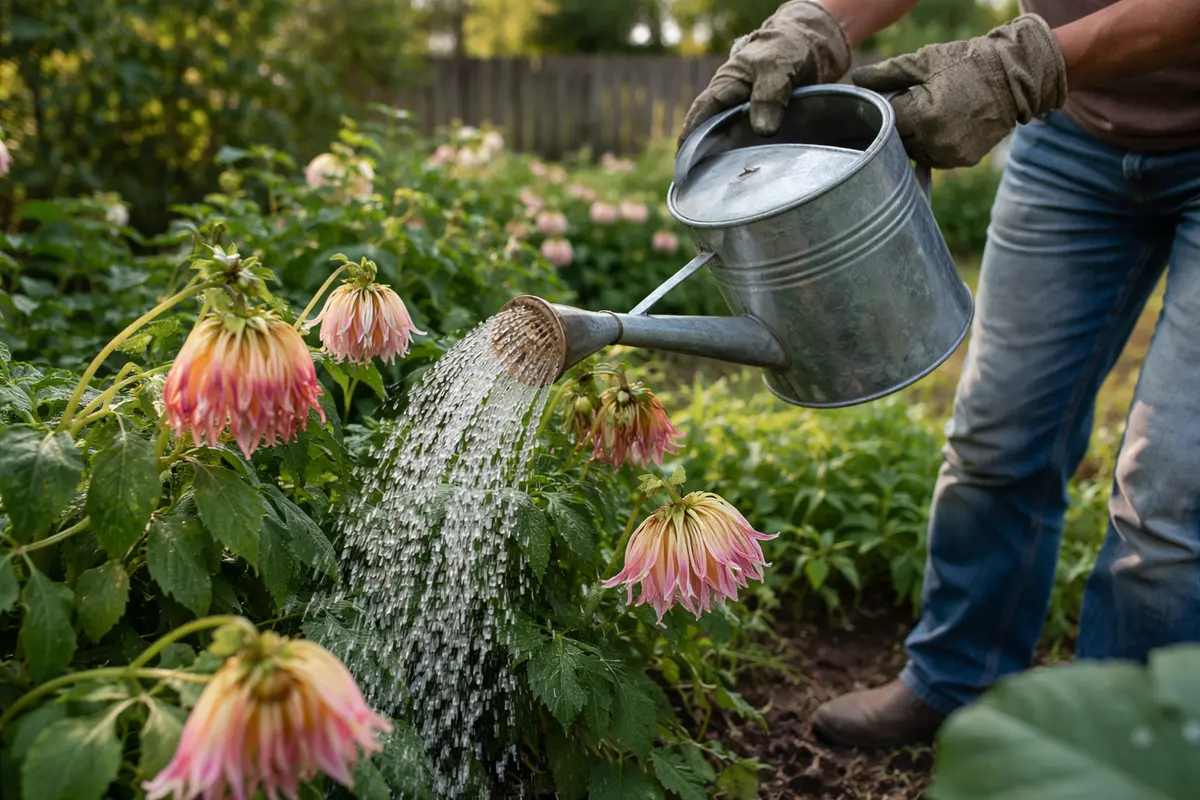
Water the dahlias deeply at the root zone immediately. You will see the flowers begin to perk up within a few hours as they absorb the necessary moisture. This action rehydrates the plant and helps combat the effects of heat stress, which can lead to rapid wilting. A good rule of thumb is to provide about one to two inches of water per week, ensuring it penetrates the soil to at least 12 inches deep.
In hot weather, dahlias lose moisture more quickly than they can replace it, especially if the soil is dry. When you water deeply, the moisture penetrates down to the root zone, allowing the plant to access hydration more effectively. This is critical because wilting can be an early sign of cellular dehydration, where the plant cells lose turgor pressure, leading to irreversible damage if not managed immediately. The difference will be noticeable when the leaves regain their crispness, signaling that the plant is rehydrated.
Many gardeners mistakenly opt for light watering, thinking it’s sufficient to address wilting. However, light watering only wets the surface and often fails to reach the roots, leaving the plant still thirsty. This mistake is particularly common if the surface appears damp; it’s easy to assume there is enough moisture. Timing is essential; perform this deep watering during the cooler parts of the day—early morning or late afternoon—to maximize absorption and minimize evaporation. If conditions exceed 90°F, consider watering every few days to keep soil moisture consistent when replenishing it is critical.
Step 2 – Assess Heat Stress Impact on Dahlia Blooms
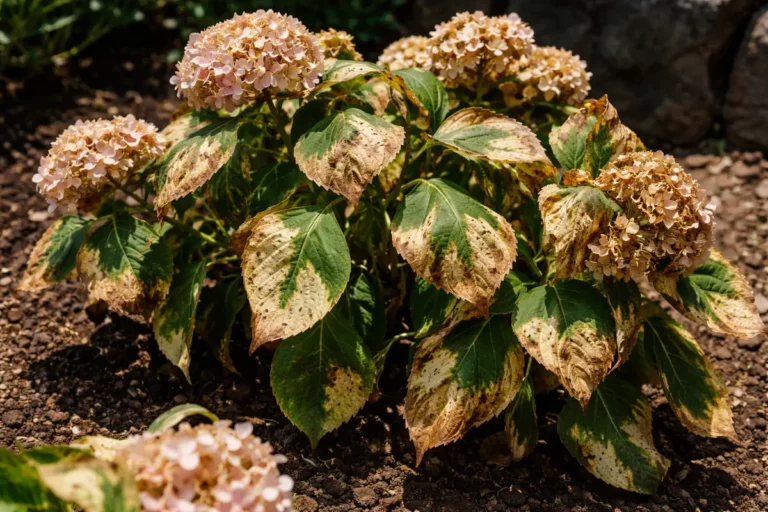
Inspect the blooms for signs of heat stress immediately. You should observe any discolored or crispy petals as key indicators of environmental damage. Identifying these stress signs allows you to understand the extent of the heat’s effect on your dahlias and decide the next steps for recovery. Take note of symptoms such as browning edges or shrinking petals, which indicate severe stress.
Heat stress can manifest within a few hours of extreme temperatures, causing flower heads to droop, petals to curl, and colors to fade. When assessing the flowers, look at other plants in the vicinity to check if they exhibit similar symptoms; if they do, it indicates the heat stress is affecting the garden as a whole. This condition occurs when the plant’s water loss rate exceeds its water uptake, leading to cellular damage and dehydration. By assessing the blossoms and surrounding foliage, you can gauge whether immediate environmental adjustments, such as providing shade or increasing watering frequency, are necessary.
If you notice yellowing or browning on the flower petals, it is crucial to distinguish between heat-induced damage and other potential stressors like pests or diseases that can mimic these signs. A common mistake is overlooking the need for consistent watering after assessing one bloom, failing to consider that all dahlias can be affected. If conditions remain consistently hot without relief, you may need to set up a shade structure to protect your plants from the sun’s harsh rays, especially during the late morning through early afternoon when sun intensity peaks.
Step 3 – Test Soil Conditions for Dahlia Wilt Symptoms
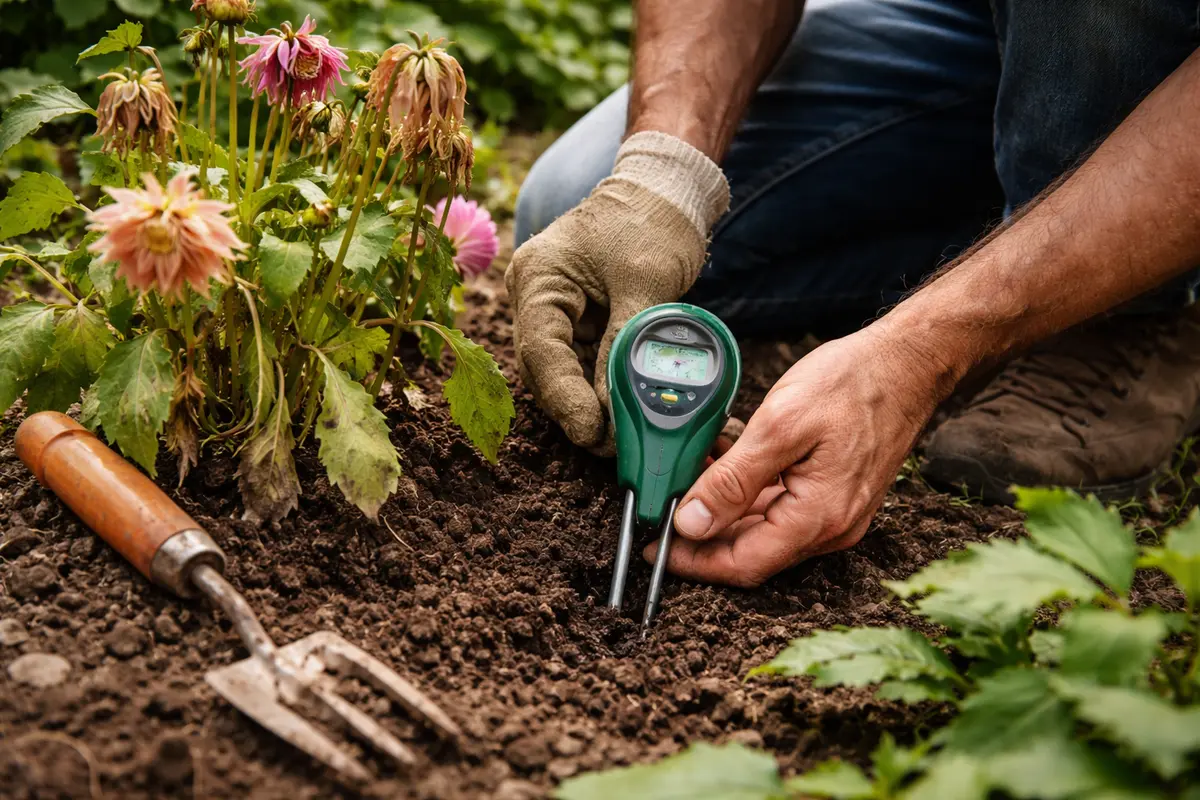
Check the soil moisture levels in the root zone. If the soil feels dry to a depth of at least 2 inches, this indicates insufficient moisture, which is likely contributing to the wilting. A thorough soil check can confirm whether your watering practices have been effective or if additional interventions are needed. Use a moisture meter or your finger to determine the soil’s condition; both offer reliable insight into moisture levels.
Soil moisture is critical; dry soils can cause the dahlias to exhibit stress even if they have received surface watering. The roots of dahlias depend on consistently moist soil for hydrating; without proper moisture levels, they struggle to take up water, leading to wilting and poor nutrient uptake. Understanding the moisture condition helps prevent confusion with other issues like root rot, which appears when the soil is too wet. If the soil does not retain moisture after watering, consider implementing a more aggressive watering schedule to combat the rapid water loss.
If the soil is compacted, it might not drain well and may also feel dry on the surface while retaining moisture below. Gardeners often mistake a wet top layer for sufficient hydration. If you encounter compacted soil during your check, consider loosening it with a garden fork and amending with organic material to improve aeration and drainage. Such amendments can include compost, which not only promotes air circulation but also enhances soil nutrition. Checking soil pH during this process can also reveal if acidity or alkalinity might negatively impact your dahlias.
Step 4 – Apply Fertilizer to Support Dahlia Recovery
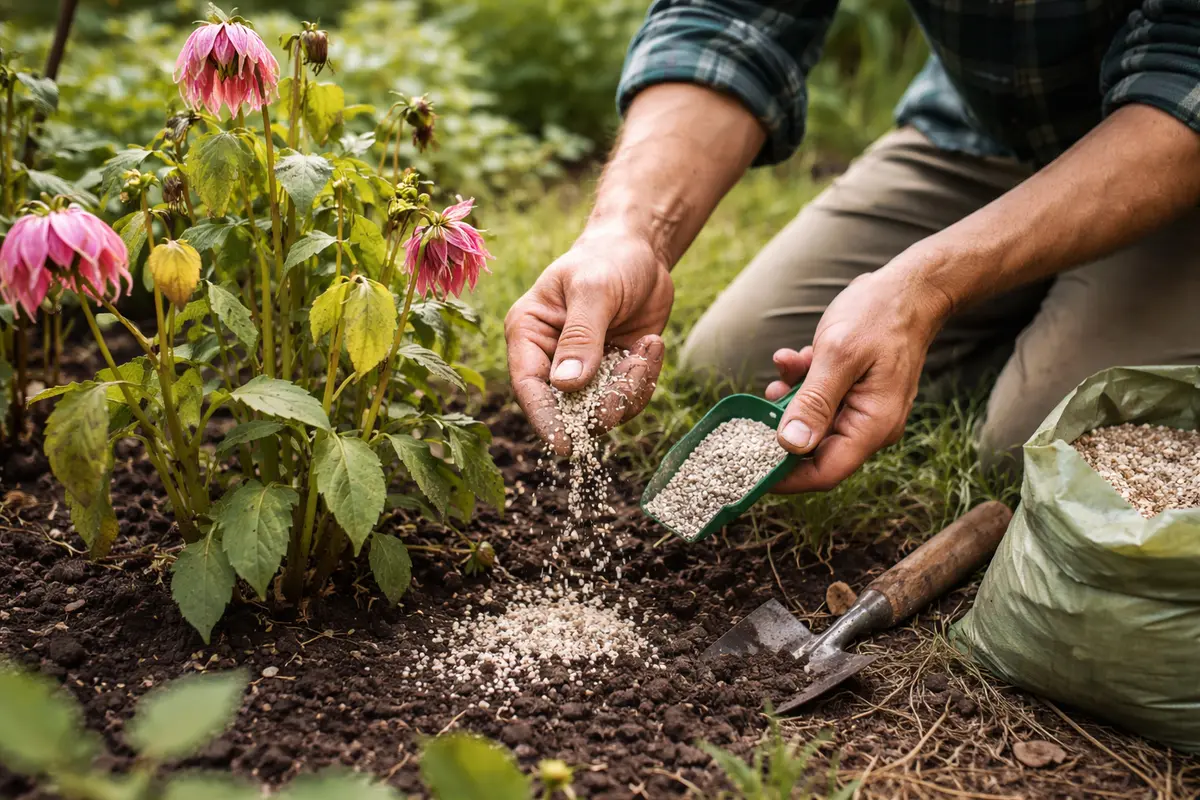
Apply a balanced fertilizer specifically formulated for blooming plants to support recovery. You will notice new leaf growth and healthier flowers within a week if the plants respond well to the nutrients. Fertilizer supports the dahlias in recovering from the stress of the heatwave and encourages vibrant growth if applied properly. The timing of fertilization is also important; it’s best to apply it after watering so nutrients can be absorbed more effectively.
Fertilizers provide essential nutrients that may have been depleted in the soil, particularly after extreme conditions like heatwaves when plants are under additional stress. Make sure to choose a fertilizer with an NPK ratio targeted for flowering, such as one with higher phosphorus content, to encourage blooming. As the dahlias absorb these nutrients, they will begin to recover, displaying improved vigor and coloration. Monitor the blooms closely after application, looking for bright green foliage as a sign of health.
Avoid over-fertilizing, as this can lead to additional stress or burn the roots, especially if the plants are already weakened. It’s crucial to follow the application guidelines based on the specific fertilizer being used. If you observe leaf burn or browning at the tips post-application, this indicates too much fertilizer has been applied, prompting the need to flush the soil with water to dilute excess nutrients. Consider using organic alternatives like fish emulsion or compost tea, which are gentler options that nourish the plants without the risk of chemical burn.
Step 5 – Water Dahlias Regularly During Hot Weather
Start by providing a consistent layer of mulch around your dahlias, which will help retain soil moisture and regulate temperature. You should notice that the flowers remain perked up and vibrant even during hot spells.
Excessive heat often leads to rapid evaporation of soil moisture, resulting in wilting and drooping flowers. By applying mulch, you create a barrier that reduces evaporation, allowing the roots to absorb water more efficiently. If your dahlias continue to wilt despite mulching, check the soil moisture level, as overwatering can also lead to similar symptoms.
As summer temperatures rise, adjust your mulch thickness to about three inches to accommodate the increased evaporation rate during peak heat. Additionally, consider incorporating a drip irrigation system during these hotter months to provide consistent moisture directly to the root zone, further safeguarding against wilting.
When dahlias receive sufficient moisture through regular watering, they can better withstand temperature fluctuations and extreme conditions. Hot weather conditions can exacerbate water loss through evaporation, particularly in sandy or porous soils, making consistent watering vital for plant health. If left unwatered, dahlias risk a significant drop-off in flower quality and might not bloom vibrantly. Regularly check the soil moisture and adjust your schedule as needed; an adaptive approach will yield the best results.
Consider using mulch to retain soil moisture, especially in particularly hot climates. During periods of excessive heat, apply a 2 to 4-inch layer of organic mulch around the base of your dahlias, ensuring that it does not touch the stems. Not only does mulch help regulate soil temperature and moisture levels, but it can also deter weeds that compete for water resources. If you notice that the mulch compacts or begins to break down, replenish it to maintain its efficacy and continuously protect the root system from temperature extremes.
Step 6 – Check Dahlia Petals for Signs of New Stress
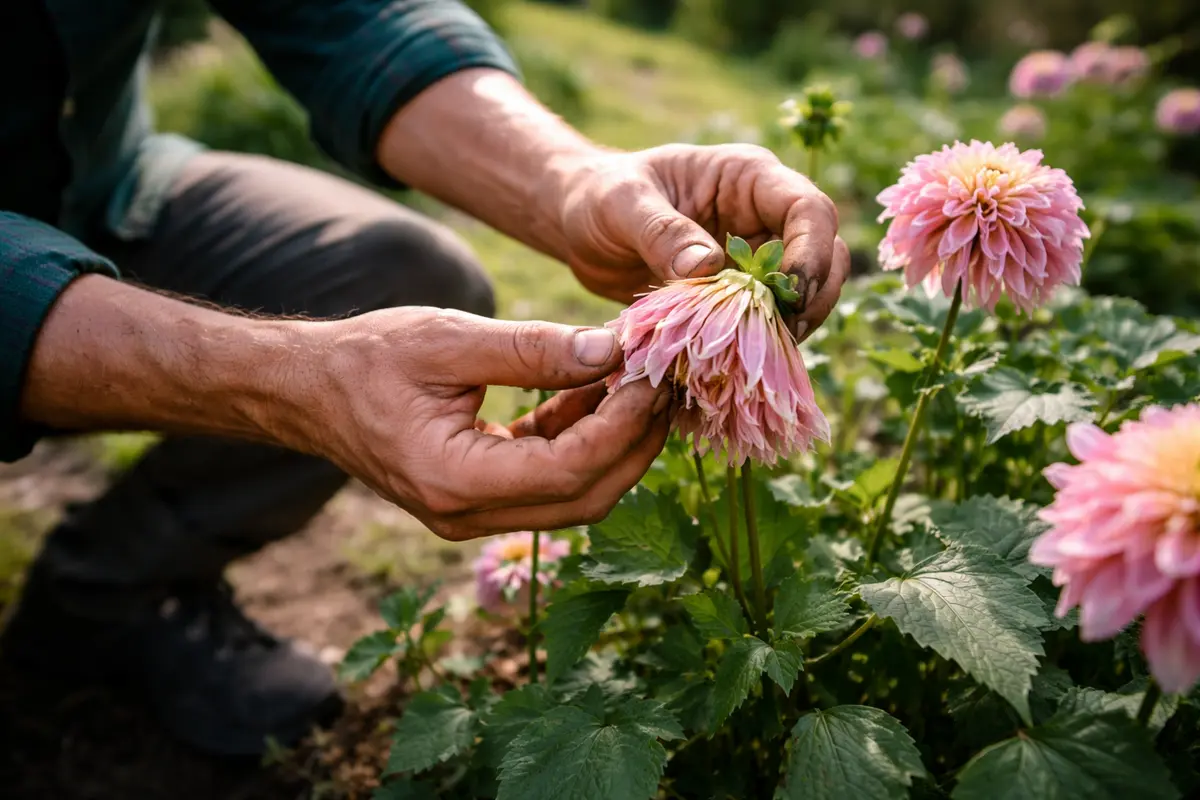
Start by checking the soil moisture and temperature of your dahlias daily after a heatwave. Observe the foliage for signs of drooping or browning edges, as well as the stems for any wilting. Recheck these conditions every morning, adjusting your watering schedule to ensure the soil remains cool and moist without becoming waterlogged.
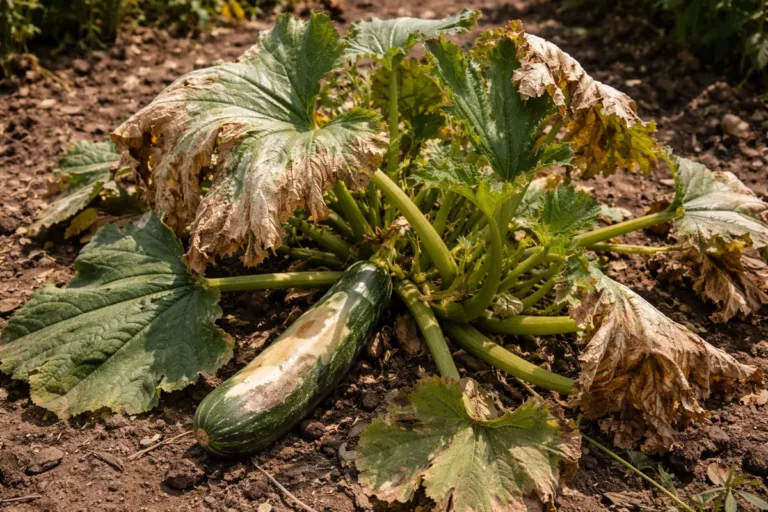
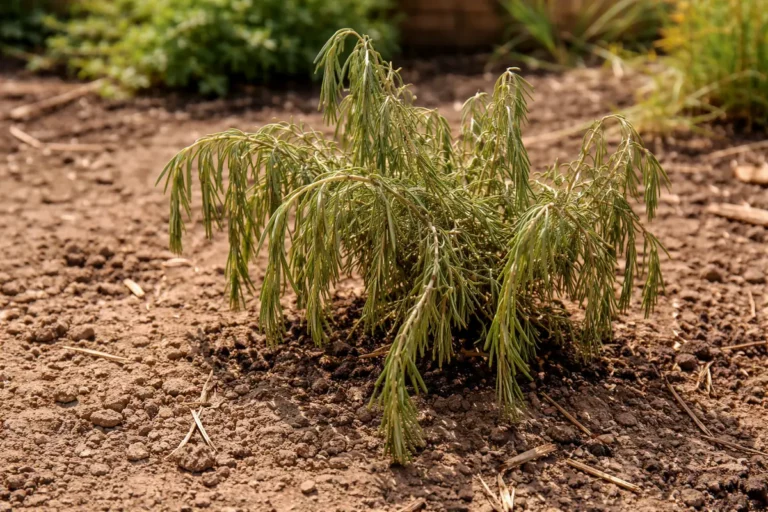
A fully recovered dahlia will stand tall with vibrant, lush green leaves and resilient flower buds that are firm to the touch. In contrast, early signs of returning wilting include leaves that lose their luster, appearing dull and floppy, while stems may become soft. If you notice dry, crispy leaf edges instead of firm texture, that indicates the issue is resurfacing.
If wilting persists despite proper watering and shade provision, consider applying a balanced liquid fertilizer to boost nutrient absorption during recovery. Escalate the situation by relocating pots to a partially shaded area to prevent further sun exposure, and if the condition does not improve within a week, consult a local gardening expert for tailored advice.
A fully recovered dahlia will display strong, upright stems and vibrant leaves alongside blooming flowers. Pay attention to leaf color and texture, which should transition from dull or crispy to bright green and smooth. In contrast, early signs of stress may include wilting petals, discoloration, or drooping. By regularly checking the condition, you can quickly address any recurring issues and adjust your care routine as necessary. Proper observation also helps distinguish between minor environmental stress and indications of a more significant problem requiring intervention.
If the wilting returns despite following these steps, it may indicate a more severe underlying issue such as root rot or environmental factors. In such cases, consider lifting the plant to inspect the roots. Healthy roots should appear white and firm, while rot leads to mushy brown roots. If you suspect disease, eliminating affected plants from the garden can help protect nearby dahlias. Alternatively, you might consider consulting a local gardening expert if the problem persists or if the dahlia location doesn’t allow for sufficient sunlight.
FAQ
How long does it take for dahlias to recover from heat stress?
Recovery from heat stress can take anywhere from a few days to a couple of weeks. The timeline depends on the extent of the damage and how effectively the dahlias are watered and fertilized during this period. Phototropism will become evident if conditions are normalized, with flowers leaning toward the sunlight as they begin to stand tall again. Regular monitoring is crucial to ensure signs of improvement are evident, such as new growth and restored flower color.
Can wilting spread from one dahlia to another?
Wilting itself is not a contagious condition; however, if the wilting is due to disease or pests, it can spread to neighboring dahlias. Therefore, it’s essential to inspect nearby plants for similar symptoms if one shows signs of wilting. Addressing any pests promptly can prevent an outbreak in your garden. Regular monitoring and immediate intervention will help maintain the overall health of your dahlia garden.
Should I remove wilted petals from my dahlias?
Yes, removing wilted petals can improve the overall appearance of the plant and promote healthier blooms. Deadheading encourages dahlias to focus their energy on producing fresh flowers rather than sustaining damaged petals. Ensure that any removal is done carefully to avoid additional stress to the plant, particularly when making cuts; use sharp scissors to cleanly sever the stem without crushing nearby growth.