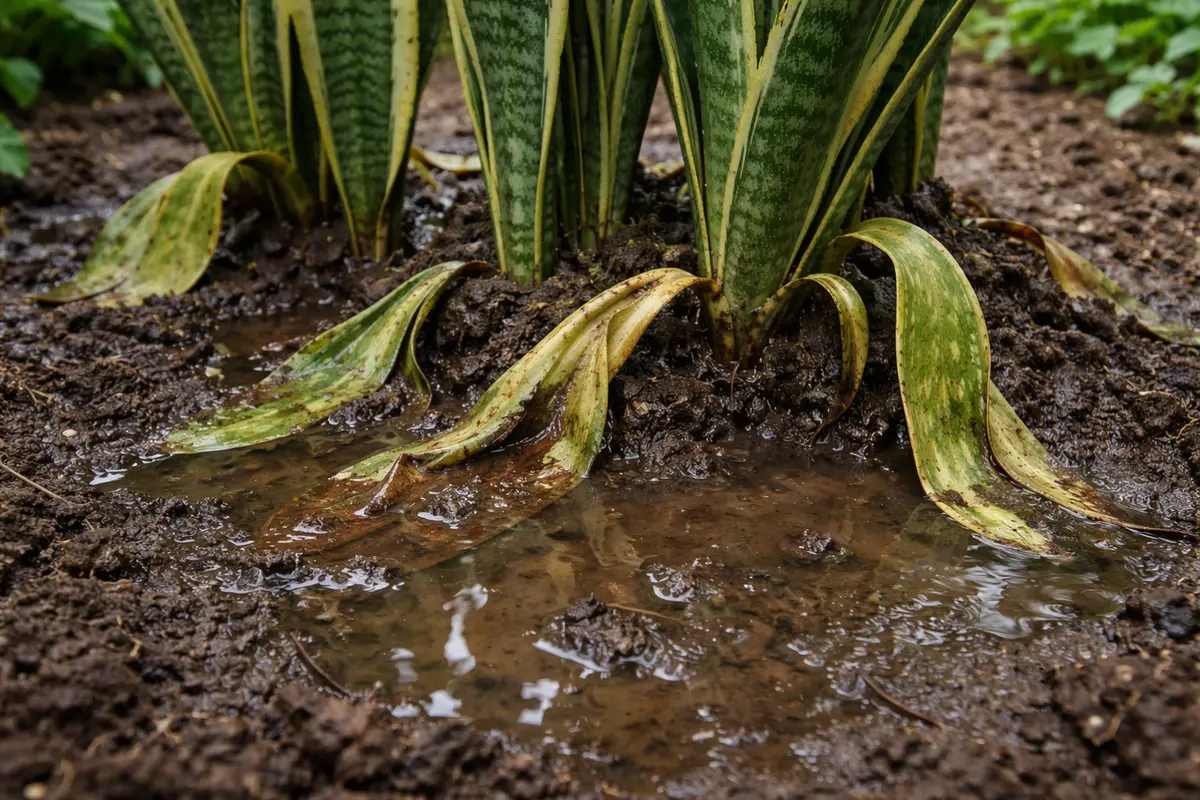
You may notice that your snake plants start to droop and lose their robust appearance during periods of overwatering, which is why you need to know how to fix wilting snake plants after overwatering. This wilting is often caused by excess moisture, leading to soft, mushy leaves that signal stress and possible root rot. If left unaddressed, this condition only gets worse and can spread throughout the plant, making recovery harder to achieve. Fortunately, by inspecting the root system and adjusting your watering habits, you can improve the plant’s health and prevent further damage.
Step 1 – Check for Excess Water in Soil
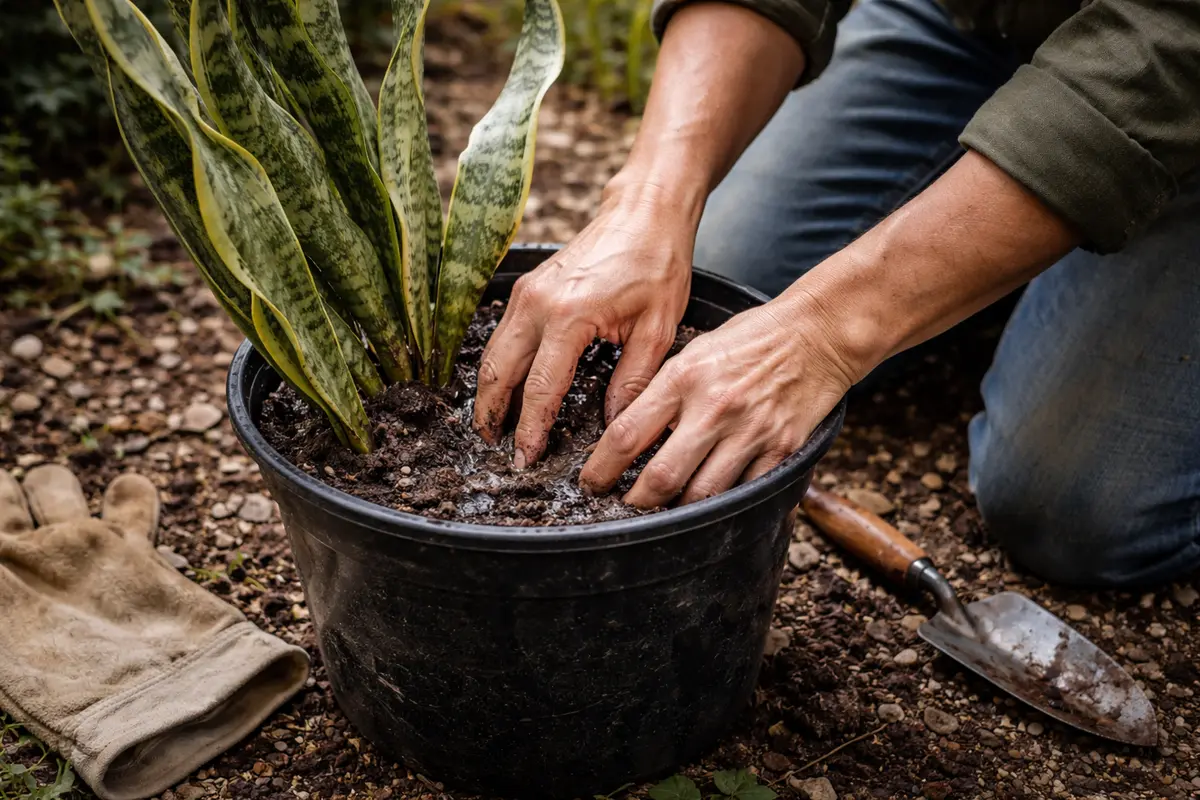
Start by inspecting the soil around your snake plant for excess moisture, particularly at the base and edges of the pot. You will likely find that the soil feels soggy or overly damp, which indicates a problem with water retention. Should you discover high moisture levels, it’s crucial to take action immediately, as delaying often results in worsening root rot or irreversible damage due to prolonged saturation. If moisture lingers in the soil for more than a few days after watering, it’s time to intervene.
Checking the soil promptly enables you to catch issues before they escalate. A quick way to gauge moisture content is to insert your finger into the soil about an inch deep; if it feels wet or muddy, it’s time to intervene. Snake plants are particularly susceptible to root rot when overwatered because their roots depend on air to survive—something saturated soil inhibits. If the soil remains excessively wet for too long, the roots begin to lack oxygen, leading to mushy tissue and potentially irreversible damage. You might also notice that water accumulates at the bottom of the pot, indicating poor drainage.
Many people mistakenly assume that snake plants, known for their hardy nature, can tolerate constant moisture; this misbelief often leads to overwatering and promotes conditions where root rot can develop. If you see yellowing leaves along with limp growth, that’s a clear sign you need to act on the water issue immediately. Additionally, if the soil has a pungent or sour smell, that’s another urgent indicator of potential root rot. Conversely, a healthy snake plant will have firm, upright leaves. Therefore, if your plant displays drooping leaves and you also notice a foul smell from the soil, the urgency to act is amplified, as immediate measures could save the plant from further damage. If overwatering persists, the risk of losing the plant entirely increases significantly.
Step 2 – Identify Overwatering Symptoms in Snake Plants
Start by removing the snake plant from its pot and inspecting the roots for any signs of rot. Trim away any mushy or blackened roots, and place the plant in a well-draining potting mix. You should see its leaves begin to perk up and regain their firmness within a few days as it begins to recover from the overwatering stress.
Overwatering can lead to root rot, a condition where the roots are deprived of necessary oxygen due to the saturated soil. As the roots decay, they fail to transport water and nutrients effectively, causing the plant to exhibit wilting and yellowing leaves. In contrast, a healthy root system should be firm and white, ensuring proper water uptake. If you notice the soil is still soggy after a few days, it indicates that excess moisture persists and needs further attention.
If the soil smells sour, it likely indicates significant root rot; in this case, repot the plant into fresh, dry soil and remove any decayed roots. Alternatively, if the plant seems limp but the soil is mostly dry, it might require a watering boost instead of immediate repotting. Check the leaves for firmness; if they’re still firm with dry soil, watering may be the better choice.
Overwatering usually leads to root rot, a condition that arises from a lack of oxygen in the soil. As the plant’s roots start to decay, its access to vital nutrients and moisture becomes compromised, and this decline in root health causes visible changes in the plant’s appearance, leading to droopy leaves that lose their vibrant color. Inspecting for visible signs is essential: if you observe any blackened or mushy roots when you check the root system, that’s a sure sign that overwatering has progressed negatively. Monitor the overall leaf condition; consistent limpness despite adjusting conditions suggests a serious issue.
If you observe a sour smell coming from the soil or brown discoloration on the leaves, these are additional clues pointing to root rot. In these cases, gently remove the plant from its pot to inspect the roots. Healthy roots should appear white and firm, while roots that are black, mushy, or smell off indicate rot and may need to be trimmed. A great concern is when over half of the roots are affected, which signals significant decay; if this is the case, consider replanting the snake plant in fresh, dry soil with better drainage properties. Otherwise, the plant may not survive long-term. By swiftly addressing existing issues, you can boost the odds of recovery, allowing your plant to rebound more effectively. If you find that the symptoms do not improve despite these steps, that signals a deeper underlying issue requiring immediate attention.
Step 3 – Repot Snake Plants to Improve Drainage
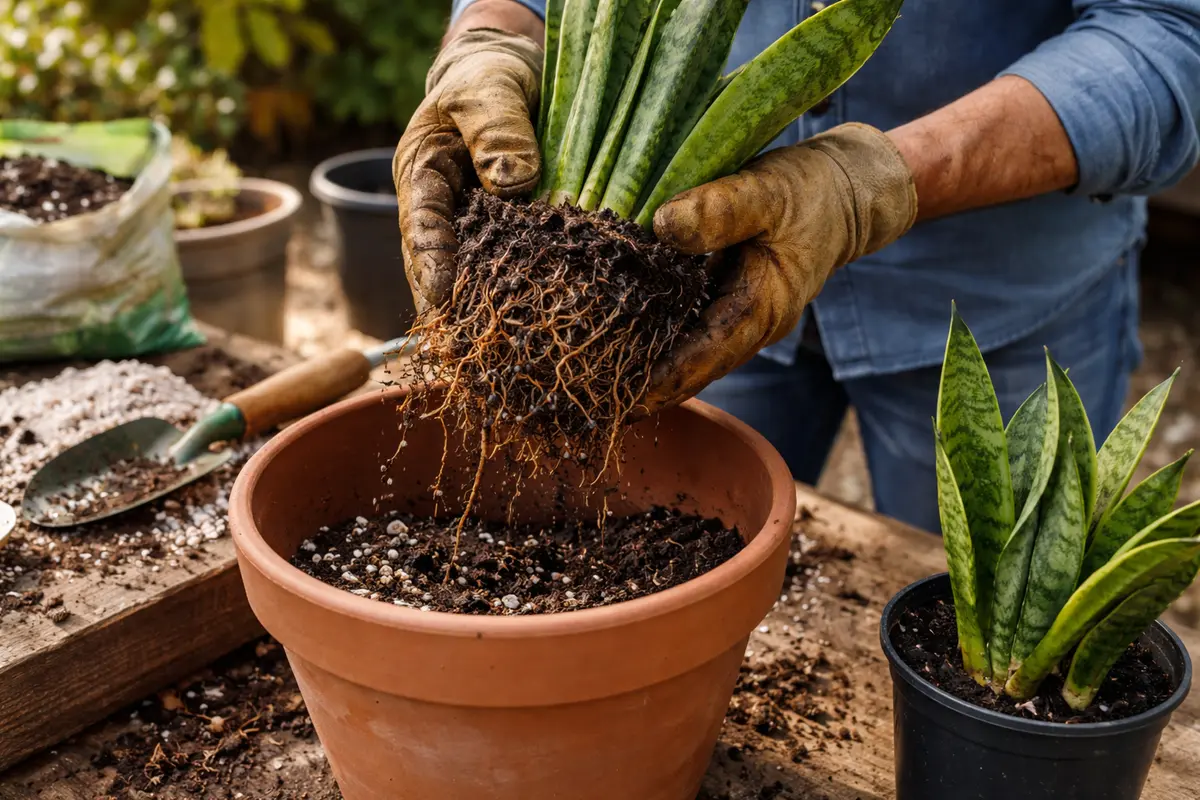
Start by removing the snake plant from its pot and gently shaking off excess soil. Inspect the roots for signs of rot—healthy roots will appear firm and white, while rotting roots are mushy and brown. After trimming away any damaged roots, repot the plant in fresh, well-draining soil. Water the plant sparingly while it adjusts, and watch for signs of improvement like firming leaves and new growth within a few weeks. To prevent future overwatering, establish a routine to check soil moisture weekly; only water when the top 2-3 inches are dry, especially during the growing season.
Typically, recovery from overwatering takes about two to four weeks, depending on the plant’s condition and the surrounding environment. If a snake plant is overwatered again, it could lead to a similar decline, characterized by yellowing leaves and continued wilting. Alternatively, an appropriate watering schedule will allow the plant to re-establish a stable moisture balance, avoiding further issues. If the leaves start to curl instead of wilting, check for underwatering as a contrasting diagnostic indicator.
A widespread mistake when transitioning from recovery to prevention is to resume frequent watering too soon. If the plant’s leaves appear firm and vibrant, but the roots aren’t yet fully healed, adjusting the watering schedule too early can easily lead back to overwatering. Always err on the side of caution and maintain a consistent moisture check, especially after the initial recovery phase.
The recovery timeline for a wilting snake plant can vary; typically, signs of recovery may be seen within two to four weeks if proper care is taken. Overwatering can recur if the plant is consistently placed in low light or overly humid conditions, which slows down the soil drying process. If the plant remains limp despite dry soil, check for root rot or pest infestations that require immediate action.
A common mistake during the recovery and prevention phase is repotting too soon, as the snake plant needs to stabilize in its current environment. If the wilting persists despite following recovery steps, consider adjusting the watering frequency and ensuring the light conditions are optimal. If the plant is overly dry, increase humidity slightly but avoid overwatering again to maintain balance.
Using a potting mix specifically designed for succulents and cacti can help ensure that the soil drains well, avoiding the overly moisture-retentive scenarios that harm the roots of your snake plant. Make sure your new pot has drainage holes, as they allow excess water to escape, thereby significantly reducing the risk of waterlogged conditions and root rot. Consider adding perlite or coarse sand to your potting mix to further improve aeration and drainage. With proper drainage being a critical element in snake plant cultivation, mimicking these conditions at home increases your plant’s chances of thriving.
A common misstep after repotting is to water the plant immediately, which many believe is necessary to settle the new soil. However, doing so can cause the new soil to remain overly damp, further exacerbating the predicament. Instead, it is advisable to wait 3-4 days after repotting to allow the plant to acclimate to the new environment and allow any residual moisture to dissipate before resuming your usual watering routine. During this wait, inspect the soil condition; it should be slightly dry but not completely devoid of moisture. If you check the moisture levels after repotting, you should find soil that is neither overly wet nor dry—it can then be watered lightly, promoting a healthy start. If this waiting period is extended, you may want to revisit your watering schedule to find a better balance. Consider that overwatering very rarely resolves on its own and requires proactive adjustments.
Step 4 – Inspect Leaves for Recovery Signs Weekly
Start by checking the moisture level of the soil—insert your finger about an inch deep. Observe whether the soil feels soggy or retains excess water; wait a few days to monitor any change in texture, particularly if the surface begins to dry out while deeper layers still feel damp, indicating improper drainage. Adjust your watering schedule accordingly, ensuring the pot has adequate drainage to prevent overload.
A fully recovered snake plant displays firm, upright leaves with a vibrant green color and defined leaf texture, contrasting with early signs of wilting, which show softening or curling leaves and darkened spots. If the plant does not regain its firmness or you notice new wilting signs, check the root health and drainage conditions in the potting mix.
If the wilting problem persists despite following these steps, consider repotting the snake plant in fresh, well-draining soil to facilitate better water management. If symptoms continue, evaluate the pot size for root crowding—switch to a larger pot if necessary to promote healthy growth and prevent further overwatering issues.
When assessing recovery, look for more vibrant green leaves and a reduction in droopy appearances. If the leaves start to revert back to their limp state during this period, this may suggest ongoing issues with moisture or lighting conditions that require swift attention. Light deprivation can stress the leaves, leading to further wilting, even after correcting the watering issue. Should you observe new growth sprouting, that indicates a positive turn in the development of your plant. It’s also important to ensure that any new watering schedule aligns with current environmental factors—like temperature and humidity—as these play significant roles.
If you notice the symptoms returning, it may indicate a need to reassess your watering schedule or the composition of the soil mix you have selected. A solid approach is to monitor the moisture level in the soil before watering, allowing the top 1-2 inches to dry out completely before rewatering your plant. This careful attention to detail will continue to help your snake plant thrive over time. Additionally, consider adjusting the plant’s location if it isn’t receiving sufficient bright, indirect light to promote healthy growth during its recovery phase. The right lighting can significantly improve leaf resilience. Pay attention to any potential temperature fluctuations too, as excessive heat can exacerbate dehydration, while cold drafts may stress the plant.
FAQ
How long does it take for a snake plant to recover from overwatering?
The recovery time can vary significantly but usually takes about 2-4 weeks once you implement changes. You should start seeing firmer leaves and new growth emerging within this period, contingent upon the extent of root rot and your plant’s overall health prior to intervention. Regular monitoring during this phase is essential to catch subtle changes, and remember to adjust your care approach based on the plant’s ongoing response.
Should I remove the affected leaves of my snake plant?
Yes, if the leaves are severely damaged or mushy, it’s best to remove them. This action diverts energy back into the healthy parts of the plant and improves air circulation around the remaining healthy leaves, thereby assisting in recovery and preventing any potential spread of root rot to healthier sections. Ensure you use sterile scissors to avoid introducing any pathogens during this clean-up process. You might even want to use a fungal treatment on the cuts to prevent infection during this critical recovery time.
Will my snake plant recover completely from overwatering?
With prompt action and proper care, many snake plants can recover fully from overwatering. However, severe root rot can lead to irreversible damage, making it crucial to act quickly once you spot the initial symptoms or if you notice a persistent decline in health despite intervention. Should recovery show no signs after a few weeks, consulting a gardening professional might be warranted to assess the situation further. Keep in mind that fostering a consistent watering habit alongside good light conditions will greatly assist in preventing future issues.