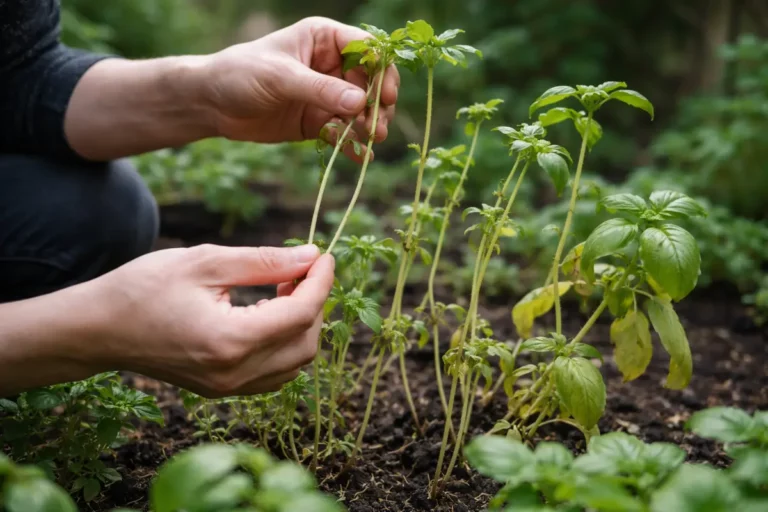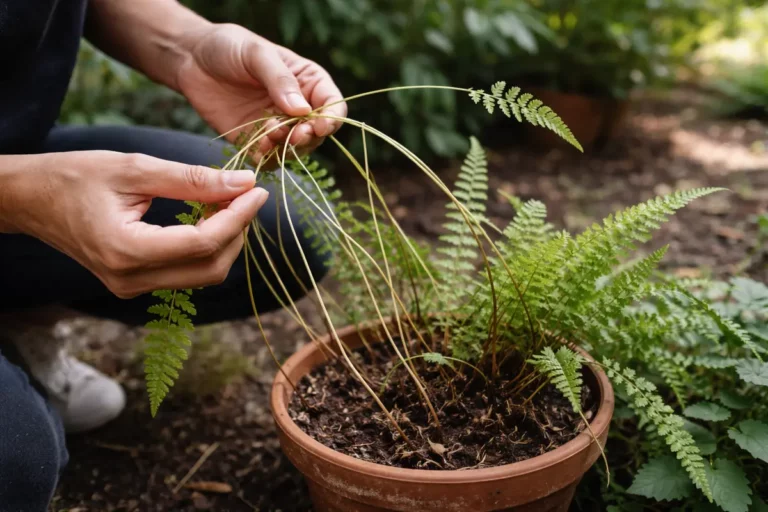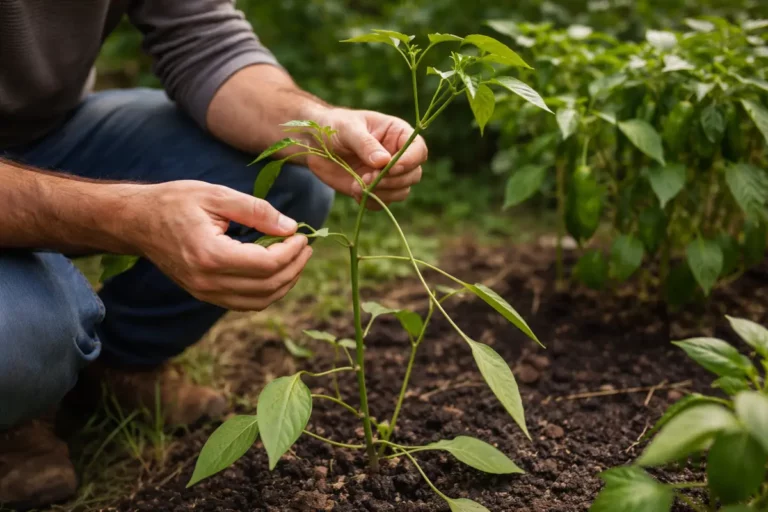
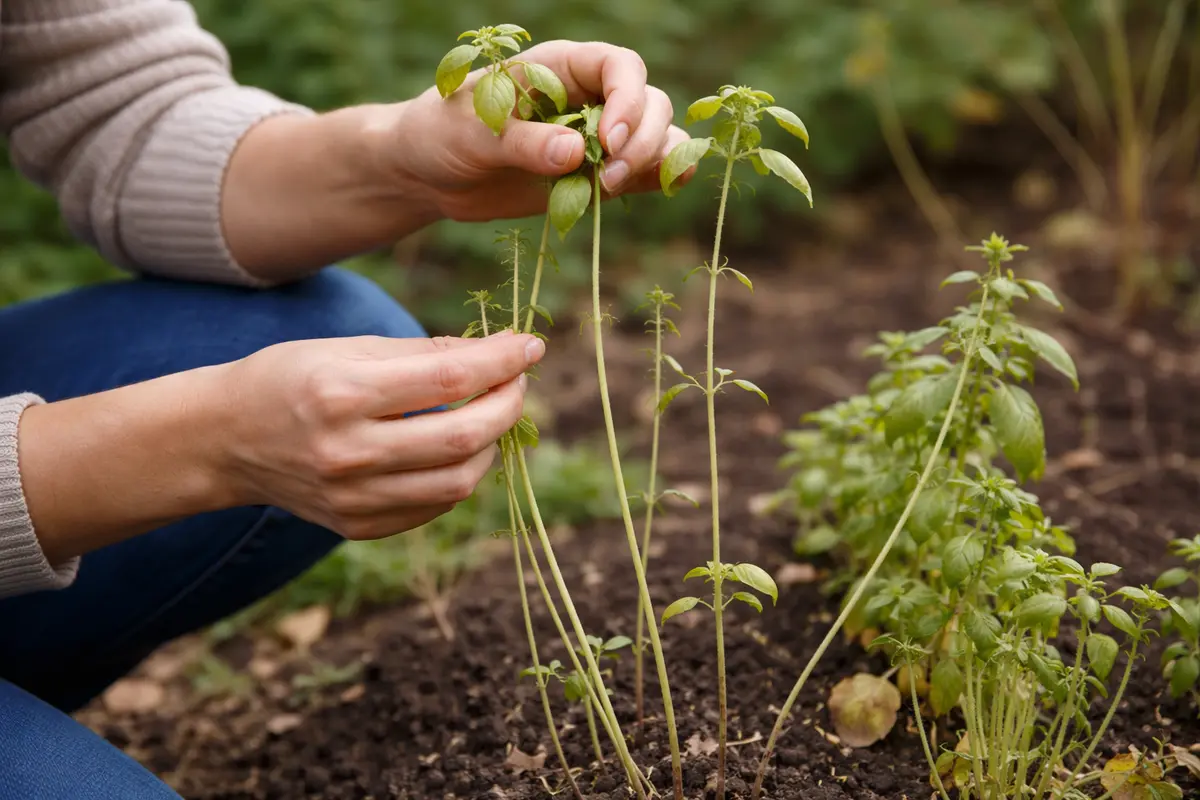
You may notice your indoor herbs stretching awkwardly toward the light during winter, a clear sign that you need to know how to treat leggy growth in indoor herbs during winter. This leggy growth occurs due to insufficient light, causing the stems to elongate while leaves may droop or fall away, leading to overall weak plants. Ignoring this issue can stall growth and make it harder to fix, but with some careful adjustments, you can improve their health by trimming the excess growth and providing better lighting conditions.
Step 1 – Trim Leggy Herb Stems for Light Access
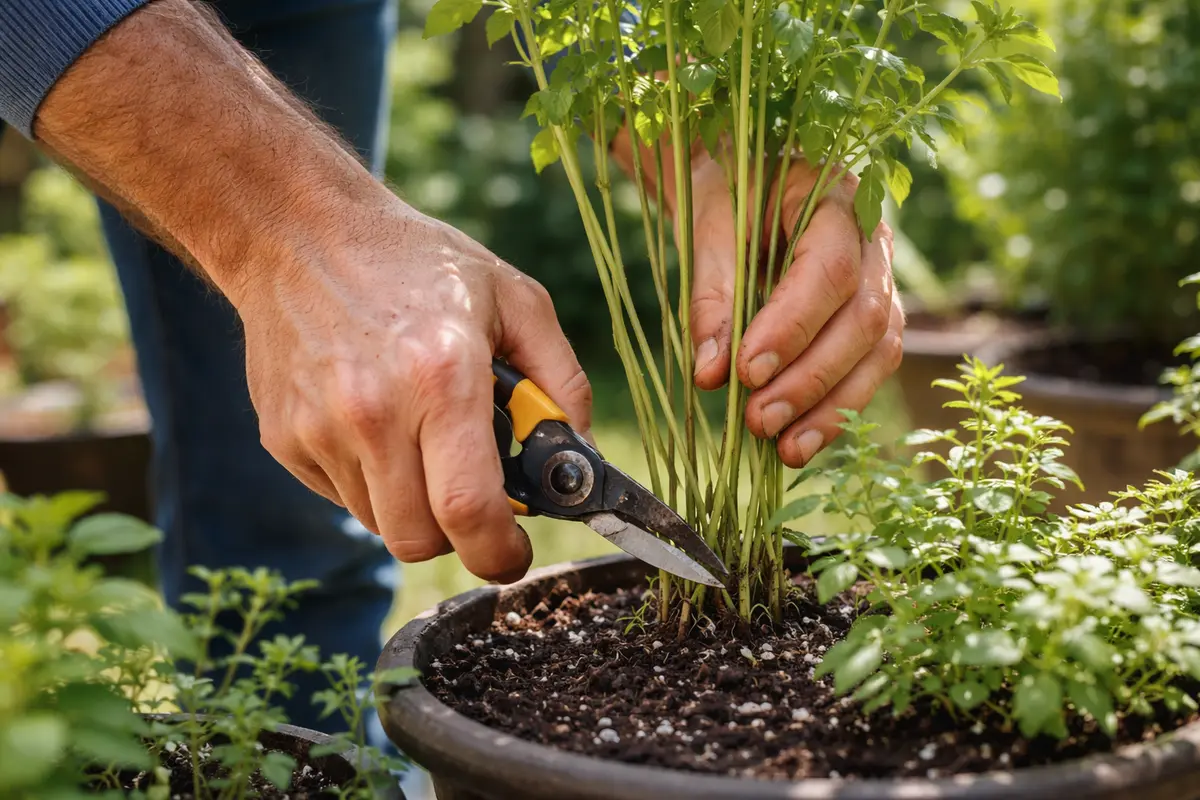
Begin by trimming back the leggy stems of your herbs to encourage a more compact growth form. You will observe a healthier shape as the herbs start to look fuller and less spindly almost immediately. This action reduces the plant’s height and allows the remaining foliage to utilize sunlight more effectively. When trimming, aim to cut just above a healthy leaf node, as this promotes new growth from that point, helping the plant recover faster. Typically, the ideal cutting length should be about one-third of the overall stem length to avoid shocking the plant. If a stem is particularly thin or weak, consider trimming more aggressively to stimulate stronger growth.
Trimming the stems not only helps control their size but also encourages bushier growth. Once you’ve cut back the stems, the plant will redirect its energy toward growing new foliage rather than stretching tall for light. This rejuvenation is critical since long, thin plants often struggle to support their weight, making them susceptible to breakage. For optimal results, check that the leaves left on the plant are healthy and robust; cutting too much from weak stems might lead to greater stress. A well-trimmed herb should maintain enough leaves to take advantage of available light. As a reference, if the stems start to exceed their initial height by more than 50%, it’s often time for a severe trim. Trim when you first notice significant stretching to prevent more pronounced issues.
A common mistake gardeners make is waiting too long to trim back leggy growth. If left for too many weeks without intervention, the plant can become even more elongated and may not recover fully. This problem is often exacerbated if multiple plants are positioned in similar conditions, leading to a cumulative stretching effect. Always check your indoor herbs regularly during winter months, as growth patterns can change quickly due to reduced light levels. If you notice signs of stress, like excessively elongating stems or yellowing leaves, then take action promptly by trimming to prevent further damage. Remember, the goal is more balanced growth, so don’t hesitate to prune even if it seems drastic. Timing is crucial; trimming should be done ideally towards the start of spring, as the plants begin to re-enter their active growth phase. If recovery hasn’t begun within a week of trimming, then rethink your light exposure.
Step 2 – Evaluate Light Exposure for Indoor Herbs
Inspect the light conditions where your indoor herbs are situated and adjust their placement to maximize their exposure to natural light. After reevaluating their position, you should see the herbs perk up as they benefit from improved light access within a few days. Proper lighting is essential for photosynthesis and robust growth, especially during winter months when natural light is limited. Aim for six to eight hours of bright indirect light daily; this range supports optimal growth without stressing the plants. If available sunlight is insufficient, even apartments with southern exposure may need grow lights to boost the light spectrum available to the herbs.
Herbs require at least six hours of direct sunlight or bright indirect light daily during the winter. Insufficient light leads to weak, stretched plants as they compete for the little that is available, noticeably causing stems to elongate and leaves to thin out. By ensuring they receive adequate light, you support the health of the herbs and lessen the chances of leggy growth returning. Check for signs of improved performance, such as deeper green foliage or stiffer stems, which indicate that the plants are responding well to the increased light. If you’re noticing that the leaves are turning yellow, it’s a critical sign that more light is needed. Furthermore, if you observe leaves curling or dropping, immediate repositioning should occur, as these are also signs of light deficiency.
If your herbs are positioned near a window that doesn’t receive enough light during winter, consider moving them to a brighter spot or supplementing with grow lights. Pay attention to the direction of the light; herbs often thrive in south-facing locations where they can receive the maximum allocation of natural light. If the light levels are continually low, switching their location to a south-facing window or using an artificial light source can yield better results. However, be cautious—if your herbs are too close to a heat source like a radiator, you may see scorched leaf edges, prompting you to reevaluate their proximity. A common error is not rotating the herbs; regularly turning them ensures that all sides receive equal light exposure, preventing lopsided growth. Remember, the proper lighting setup is vital for maintaining strong, healthy herbs, so take a few moments each week to adjust their position as needed.
Step 3 – Fertilize Herbs for Post-Winter Growth
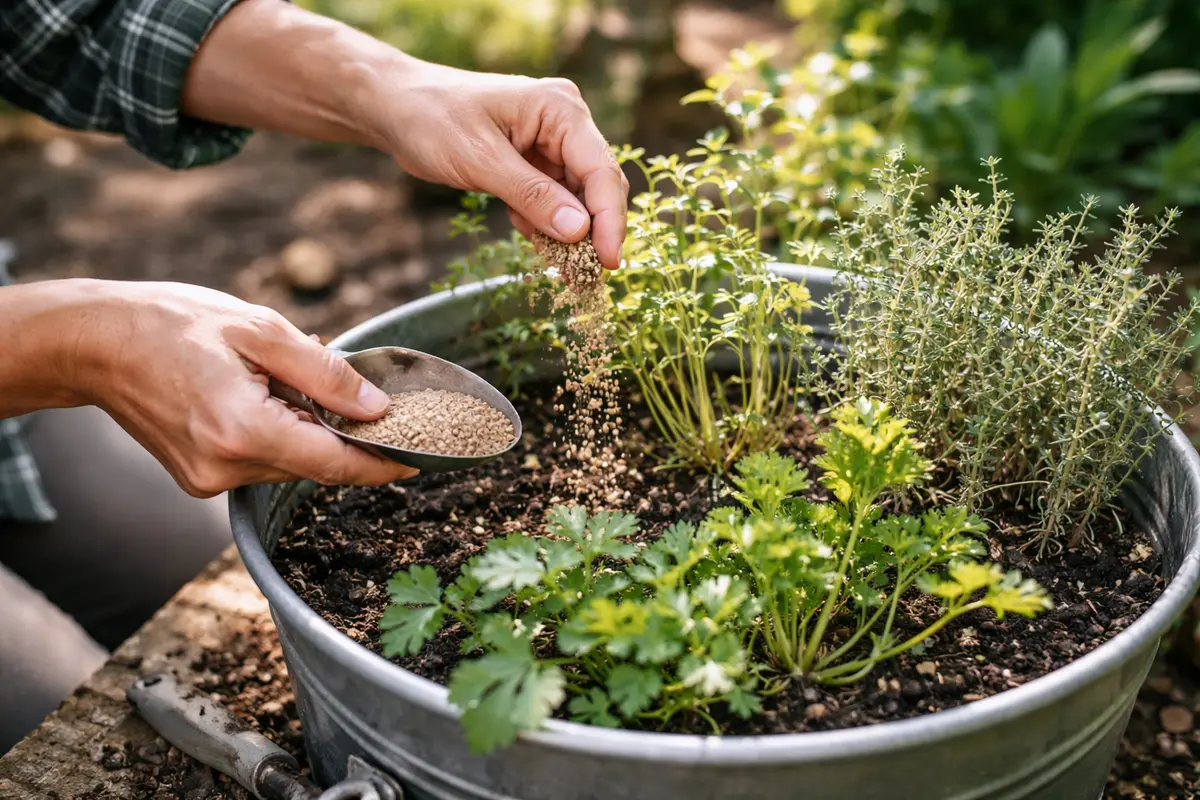
Apply a balanced fertilizer to your indoor herbs to support recovery and encourage new growth. After fertilizing, you should start to notice fresh growth within a week as the nutrients help rejuvenate the plants. For optimal results, use a diluted liquid fertilizer at a rate of one-quarter of the recommended strength every four to six weeks throughout the winter. This practice helps mitigate the risk of over-fertilization, which can lead to nutrient burn or uneven growth. In particular, using a fertilizer high in nitrogen can help stimulate leaf growth, an essential part of your herbs returning to health, while also ensuring that overall root development is supported.
Nutrients support vital plant processes such as photosynthesis and root development. By fertilizing correctly, your herbs will better utilize available sunlight, leading to sturdier growth. Fertilizing appropriately is particularly beneficial after trimming since it gives the herbs the boost they need to recover and thrive moving into spring. Monitor for vibrant green color returning to the leaves, which is a sign the herbs are effectively absorbing nutrients. Plants that show a return to leaf vigor within a few weeks indicate that you’re on the right track. If growth seems sluggish despite fertilization, it may be wise to reassess the soil conditions to ensure it’s not compacted.
It’s a common error to skip fertilization during the winter months, as many gardeners assume their plants aren’t actively growing. However, even though growth slows, winter is still a critical time for nutrient replenishment in potted herbs. If you continue to see little growth after a few weeks of care and feeding, investigate potential root issues, like root rot or compacted soil, which can also stunt the plants’ ability to absorb nutrients properly. Conducting a soil test can help determine pH levels and nutrient availability, allowing you to adjust your fertilization protocol effectively. If the plant’s roots are struggling or the soil appears too densely packed, you may need to repot the herbs into a well-draining, fresh potting mix. A consistent schedule combined with observation improves plant health significantly during recovery, especially through winter’s challenges. In lean soil, your petunia plants turn yellow in appears sooner.
Step 4 – Check Herb Leaves for Fresh Growth Signs
Monitor your herb plants regularly for signs of new growth after making these adjustments. You should look for new green leaves emerging within a week or so after implementing the previous steps. Regular monitoring will help determine if the adjustments were effective or if further action is necessary. Pay attention to the color and texture of the leaves; healthy new growth will appear vibrant and firm, essentially acting as a gauge for your plant’s recovery. If the new leaves appear pale or soft, further investigation into light and potassium levels may be necessary, as those factors can heavily influence new foliage vigor.
When a plant is recovering, you can expect to see new leaf buds forming and existing leaves becoming firmer and fuller. Early signs of issues might include wilting leaves or leggy tendencies returning, indicating that the light situation or nutrient availability might still need adjustments. Observing these changes allows you to gauge the effectiveness of your care and the overall health of the plant. If you see the same leggy growth returning quickly, investigate the care routine again, especially light exposure and watering frequency. If the watering routine involves allowing the top two inches of soil to dry out before a thorough soak, adjust this if necessary to ensure consistency.
If the issue of leggy growth continues, reassess the lighting and positioning of your herbs. Make necessary adjustments to ensure they are getting the adequate light and nutrient supply they need. Don’t hesitate to repeat the trimming if new leggy growth appears; removing the new stretches will allow for bushier regrowth from the existing leaves. It’s also important to note that if multiple plants are experiencing similar issues, it may indicate a systemic problem, such as inadequate light distribution in your home. Investing time in observation now will significantly aid your herbs in establishing themselves for the warmer months ahead. A consistent check every few days during this adjustment phase can help catch potential complications early and mitigate future leggy growth issues.
FAQ
How long will it take for my herbs to recover from leggy growth?
Recovery times vary, but you can generally expect to see signs of new growth within a week after addressing light and nutrition issues. Consistent monitoring and proper care will speed up recovery. The specific recovery time will depend also on the herb type and environmental conditions, so be patient, but remain vigilant in checking for responses in growth.
Can leggy growth spread to other plants?
Leggy growth itself won’t spread; however, if the underlying issues like poor light remain unaddressed, other plants in similar conditions may exhibit similar symptoms. Ensure all plants receive adequate light and care to prevent this. If other plants are in close proximity, their competition for light may lead them to stretch as well, amplifying the issue throughout your indoor garden.
Should I remove all the leggy parts of my herbs?
Not necessarily. You should trim back the most leggy parts, keeping healthy foliage intact to allow for recovery. Removing too much at once can stress the plant, so moderate pruning is best. A good rule of thumb is to remove no more than one-third of the stem length at a time to minimize stress and promote recovery without shock. Additionally, consider the growth stage and type of herb, as some may handle pruning differently.