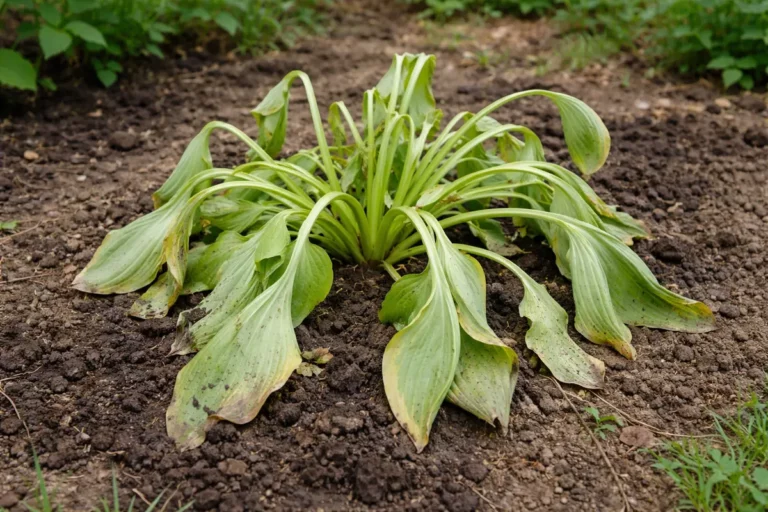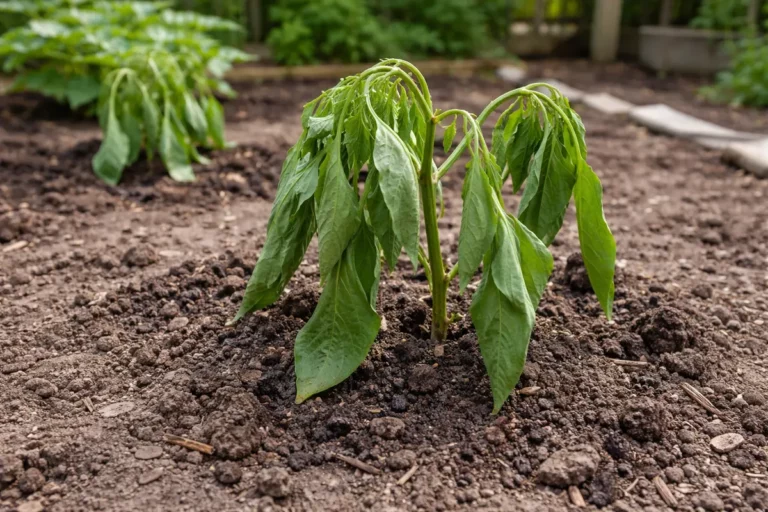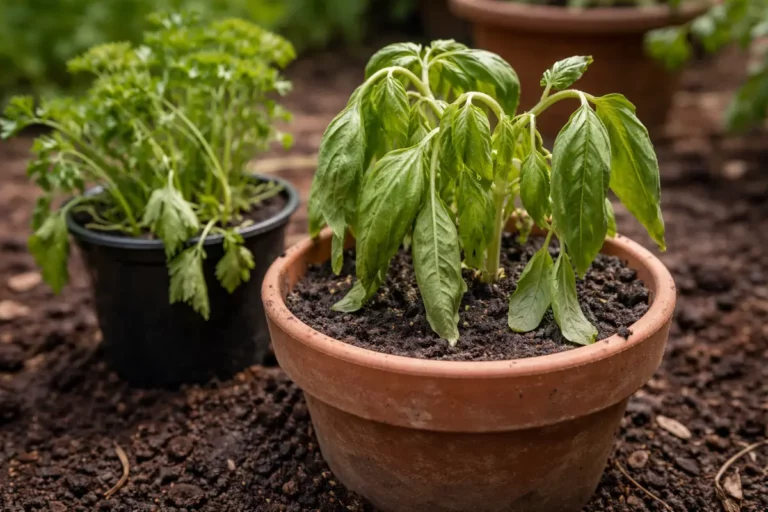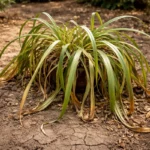
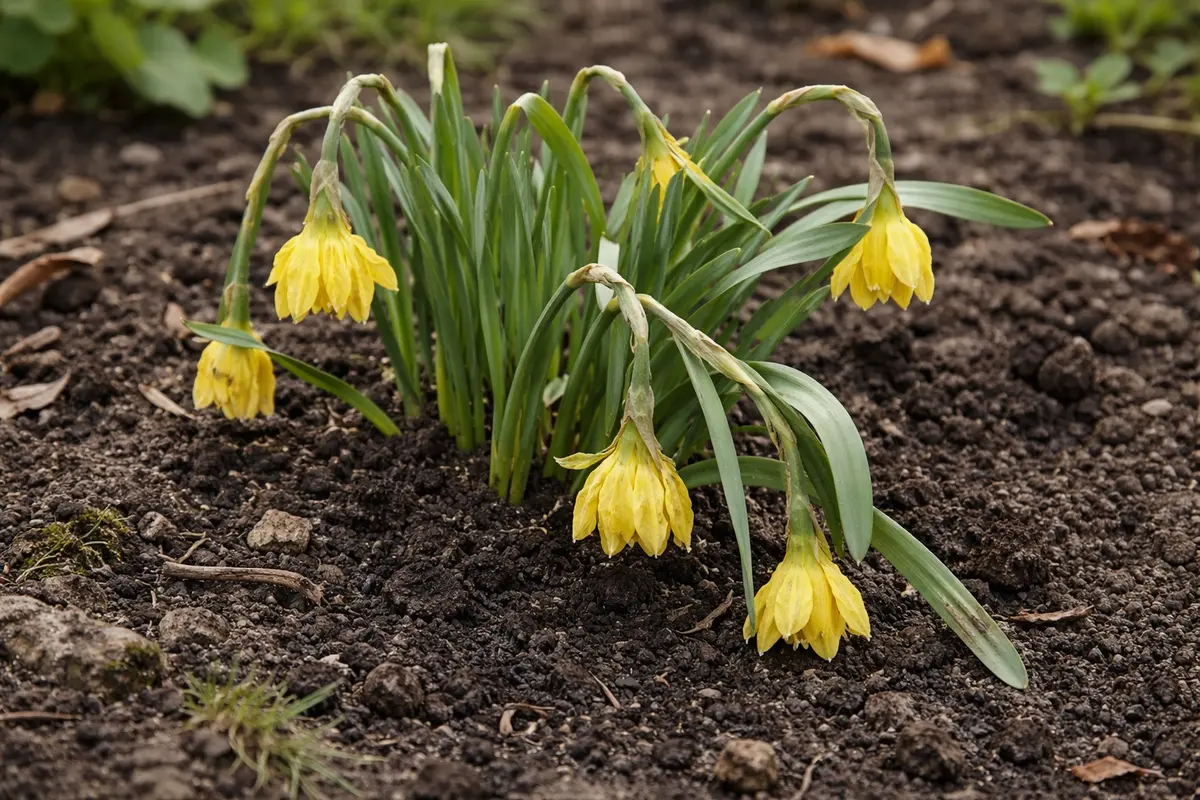
You may notice your daffodils looking sad and drooping after a recent transplant, which is why you need to know how to stop drooping daffodils after transplant shock. This wilting occurs because the roots struggle to establish themselves in their new location, leading to a decline in overall plant health. If left unaddressed, the condition can worsen, stalling growth and making recovery harder, but you can improve the situation now by inspecting the soil moisture and adjusting light conditions. Watering appropriately and giving the plants time to acclimate will help them regain their former vigor.
Step 1 – Inspect Drooping Daffodils for Immediate Signs
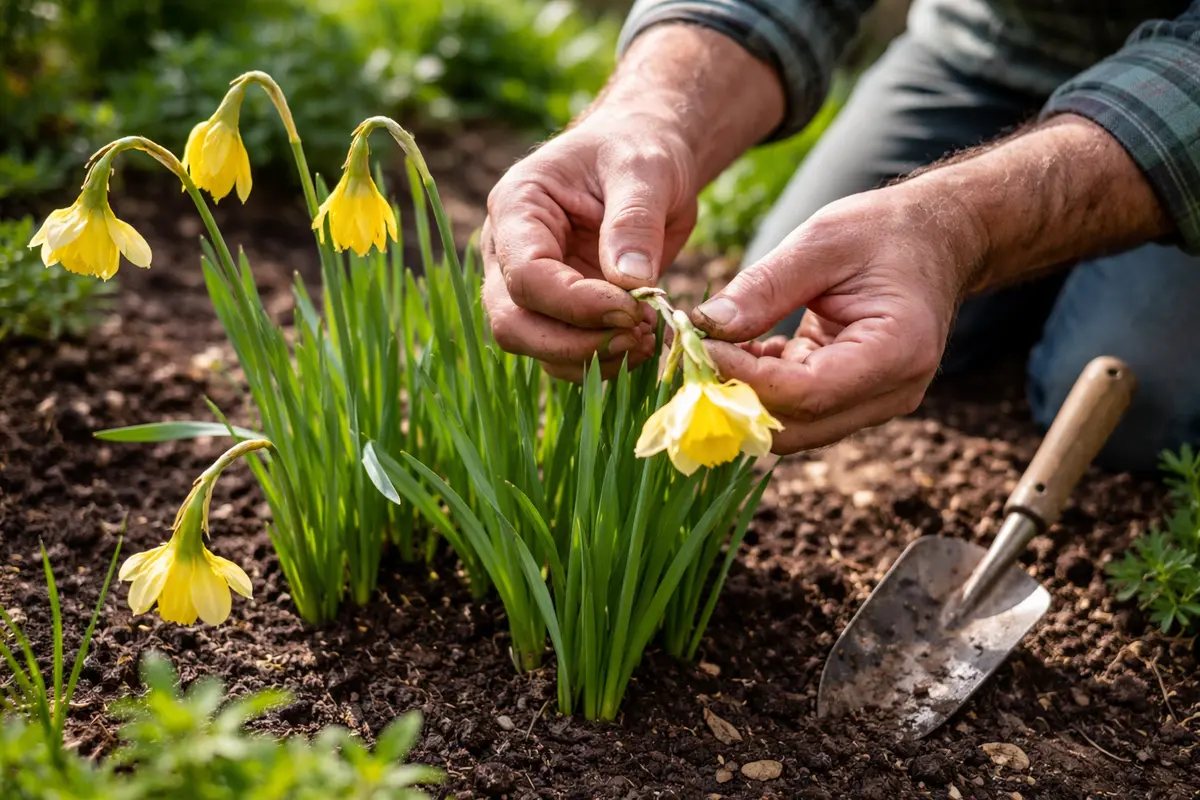
Start by checking the soil around the roots of the daffodils for moisture levels. You will notice if the soil feels overly wet or dry after inspecting. Adequate moisture is crucial for daffodils, as this enables their root systems to re-establish themselves after transplanting. Digging down about an inch with your finger can provide insight into moisture content. Ensure the top inch of soil is somewhat moist; if you find it dry, impending stress may be a key issue to address immediately. Even if the top layer feels adequate, deeper layers often possess moisture content that can either aid or impede recovery.
Transplant shock can result in dehydration if the soil is too dry, leading to wilting and drooping leaves. The roots need sufficient time and moisture to adapt to their new environment. If the roots remain dry, they will struggle to absorb necessary nutrients and water, exacerbating drooping symptoms if left unchecked. Even when the soil feels adequate superficially, deeper layers may still lack moisture; thus, pulling back the mulch or any surface debris could give you a more accurate picture of your soil’s condition.
Many gardeners make the mistake of not checking the soil before watering, leading to overwatering, particularly in heavy clay soils that retain moisture. If your daffodils are drooping and the soil appears muddy or smells sour, the roots could be suffocating due to waterlogged conditions. Always ensure your soil drains well to avoid these issues. A common oversight is not adjusting watering based on recent weather; rainfall or high humidity can significantly alter the soil’s moisture balance, making it essential to re-evaluate water needs regularly, especially after storms or dry spells. For instance, if heavy rain has saturated the soil, it could take a while for the moisture levels to adjust back to optimal; thus, postponing watering may yield better results for root recovery.
Step 2 – Diagnose Causes of Transplant Shock in Daffodils
First, check the soil moisture level around your daffodils. If the soil feels dry, water the plants deeply to rehydrate their roots, which should help them perk up within a few hours. If the soil is saturated, improve drainage by loosening the surrounding soil to prevent further stress.
Daffodils may droop due to stress from transplanting, often caused by insufficient root hydration or compacted soil. When roots are dry or stifled, they cannot uptake necessary nutrients or water, leading to the wilting appearance. In contrast, well-hydrated and loosely packed soil allows the roots to spread and thrive, reducing drooping symptoms.
If the soil smells sour or appears overly wet, this indicates root rot, which requires immediate action. In such cases, remove the daffodils, trim any rotten roots, and replant in fresh, well-draining soil to prevent further damage. If not this, check for pest infestations that may also stress the plants and require a different treatment approach.
Root rot is often due to poor drainage or overwatering, which can suffocate roots and block nutrient absorption. You may find that your daffodils have been sitting in waterlogged soil, compounded by the root system’s damage. By recognizing these symptoms early on, options like repotting the daffodils into better-draining soil mixes become clear. Amending your soil with coarse sand or perlite to facilitate airflow and water runoff will reinforce the modifications made to ensure that future watering does not replicate past mistakes. If a deeper contrast of light versus heavy soils is evident, a different mix for higher moisture levels may yield better results for that specific daffodil location.
If roots are not visibly rotting but still appear weak or limp, consider the possibility of dehydration due to an initial lack of moisture. In most cases, adjusting your watering strategy can help rectify this. In this case, increasing water frequency while ensuring the surrounding soil retains moisture without becoming soggy can significantly aid the recovery process. Consider assessing the soil composition if drooping continues despite increased watering. Daffodils in sandy soil may require watering more frequently, while those in clay environments may need droplets more cautiously due to holding moisture longer. Conducting a soil test could determine adjustments needed for pH levels or nutrient content, revealing if your approach effectively matches your garden’s specific needs.
Step 3 – Feed Daffodils with Nutrients to Aid Recovery
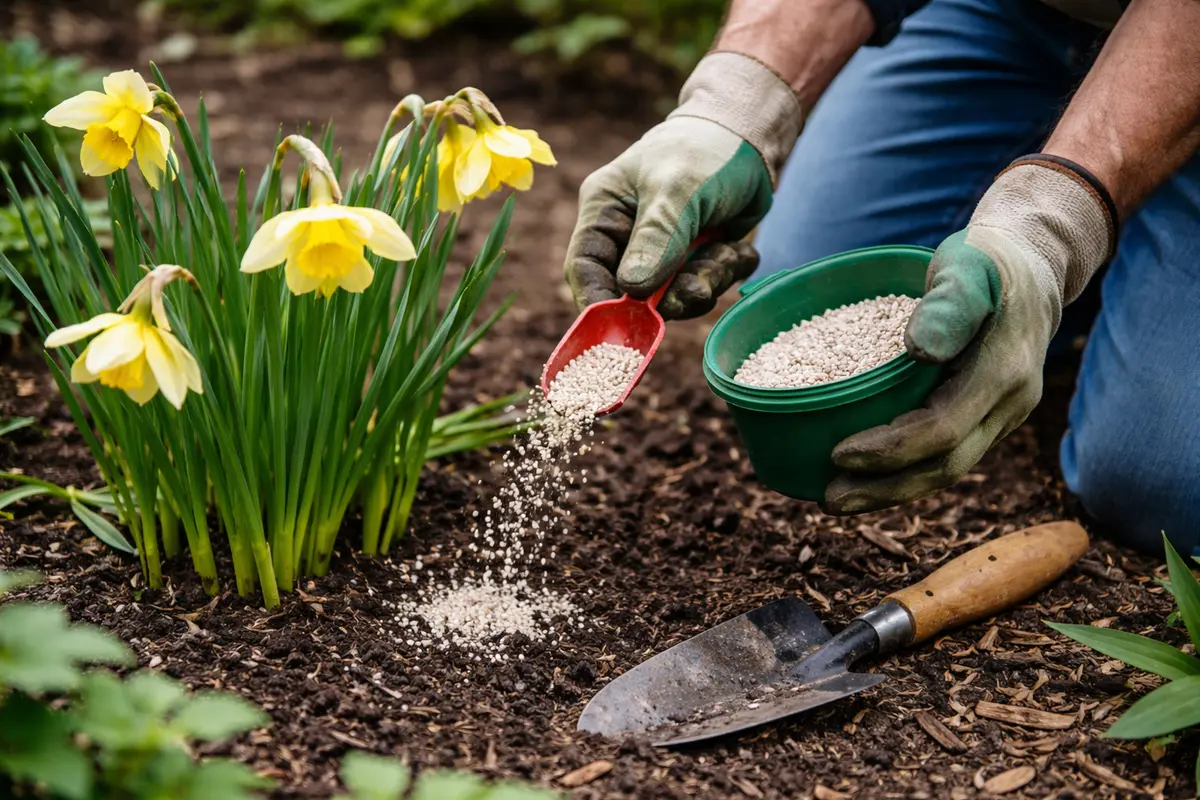
Apply a balanced, slow-release fertilizer designed for flowering plants around the base of the daffodils. You will observe stronger and more vibrant foliage and possibly even new flower shoots within a few weeks, especially as roots re-establish. This step is essential for providing the nutrients that may have been lacking during the transplant process. Aim for a ratio such as 10-10-10 to ensure a balanced intake of nitrogen, phosphorus, and potassium essential for recovery, as these elements are critical in driving new growth and flowering potential. Observe if any new growth during this period correlates with specific feeding timing and quantity.
Supplementing with nutrients will boost the plant’s health and help strengthen roots and leaves, critical for recovery after transplant shock. Daffodils often exhaust their energy reserves during replanting, making them more susceptible to nutrient deficiencies. By feeding them, you are replenishing their energy reserves, enabling them to prioritize root establishment and new foliage development. The timing of fertilization significantly affects effectiveness; applying nutrients just before new growth begins in spring maximizes uptake and coincides with their natural growth cycles. Furthermore, avoiding any nutrient application during dormancy can prevent fertilizer burn when the plants do not use the nutrients effectively.
It’s essential to set a routine for monthly feeding during the growth phase to help ensure ongoing health for your daffodils. However, many gardeners overlook the importance of nutrient timing, especially early in the growing season when demand is high. Remember that the seasonal timing of fertilization matters—apply nutrients when the foliage begins to appear to ensure that your plants take full advantage of the nutrient boost. If the foliage has started wilting or remains lackluster, consider adjusting your fertilizer formulation to one higher in potassium to help reinforce cell structure and resilience against further stress, aiding in their recovery from transplant shock. This careful nutrient monitoring can ultimately determine the longevity and vibrancy of your daffodils throughout the blooming season.
Step 4 – Check Daffodil Leaves for New Growth Signs
Monitor your daffodils closely by inspecting the leaves every 3-5 days for new growth or improvements in firmness. You should see leaves firming up or even the emergence of new shoots as evidence that the plant is recovering. Keeping a close eye will let you know whether your efforts are fruitful. New growth usually appears more vibrant and rigid compared to droopy leaves, indicating that recovery is progressing and the stresses are being alleviated. Watch for a return of color and texture, particularly if past droopiness was linked to nutrient deficiencies or moisture imbalance.
Early signs of recovery include firm leaves with vibrant color and healthy shoots; however, a return to drooping may indicate that the transplant issues persist and require reassessment. A successful recovery typically shows plants standing tall and developing new foliage or blooms, a sign that root and leaf health is improving. If signs of decline return, it might be necessary to reassess your watering habits, prune any damaged foliage, or check for pests in a proactive manner. Notably, if observed drooping correlates with insect infestations, a shift to integrated pest management might be necessary to prevent further energy depletion in stressed plants.
If the daffodils begin drooping again despite your interventions, it’s crucial to reevaluate your methods. A common mistake is to overlook re-evaluation of environmental factors like sunlight and humidity. You may need to investigate further for underlying issues like nutritional deficiencies or pest outbreaks that can significantly impede recovery. Persistently drooping could also indicate that the adjustments made were not adequate, necessitating another round of fertilization or checks on root health—with probing around the root zone crucial for determining if they stay consistently moist. For gardeners who may suspect any fungal presence, maintaining adequate airflow around the plant can mitigate some risk factors while exploring potential fungicides as part of an integrated recovery approach.
FAQ
How long will it take for daffodils to recover from transplant shock?
Recovery time can vary, but typically, daffodils start showing signs of improvement within 2 to 3 weeks after implementing the necessary care. You should see changes, such as improved leaf firmness and new growth shoots emerging, which are good indicators of recovery. For some gardeners, earlier signs, such as changes from droopy to firm leaves, might be noticeable within just a week, especially with optimal care during the early stages of recovery. Factors like soil type and local climate can also influence recovery times, making consistent assessments fundamental to gauge improvement accurately.
Will drooping daffodils recover if the soil moisture is adjusted?
Yes, adjusting the soil moisture can significantly help recover drooping daffodils, provided the roots have not suffered significant damage. Make sure to maintain consistent moisture levels without over-saturating the soil; this balance is key for recovery. If fluctuations in moisture were significant before adjustments, consider stabilizing the watering schedule to establish consistent hydration levels. Regular testing of the soil moisture can further ensure that you avoid the error of under or overwatering during critical recovery phases, enabling deeper root strengthening while alleviating shock-related symptoms.
Should I remove drooping leaves to help my daffodils recover?
Removing severely damaged or diseased leaves can be beneficial as it allows the plant to redirect energy to healthier growth. A helpful practice is to cut away dead or shriveled leaves to promote airflow and prevent disease from spreading. However, do not remove too many leaves at once, as they play a vital role in photosynthesis during the recovery period. Gradual pruning can optimize plant health, ensuring that enough foliage remains to support overall photosynthesis and energy production for continued recovery. Following this approach will often give a better view of how the plant is faring and enable adjustments in care as needed, particularly if you observe further signs of rot or stress.