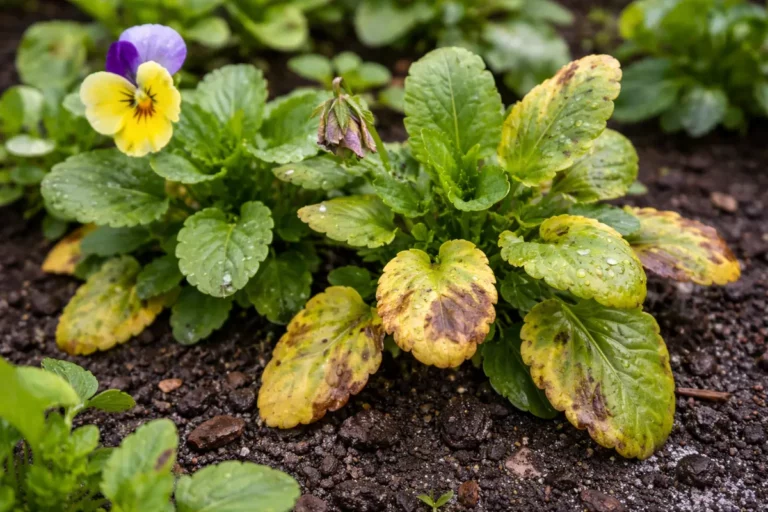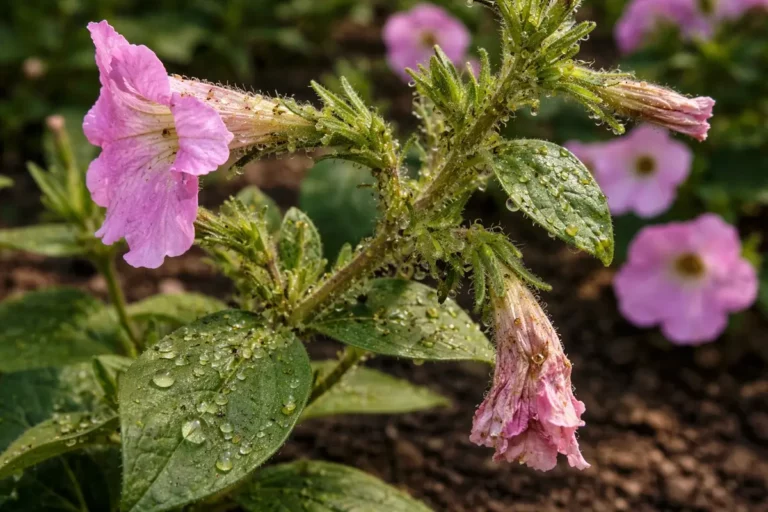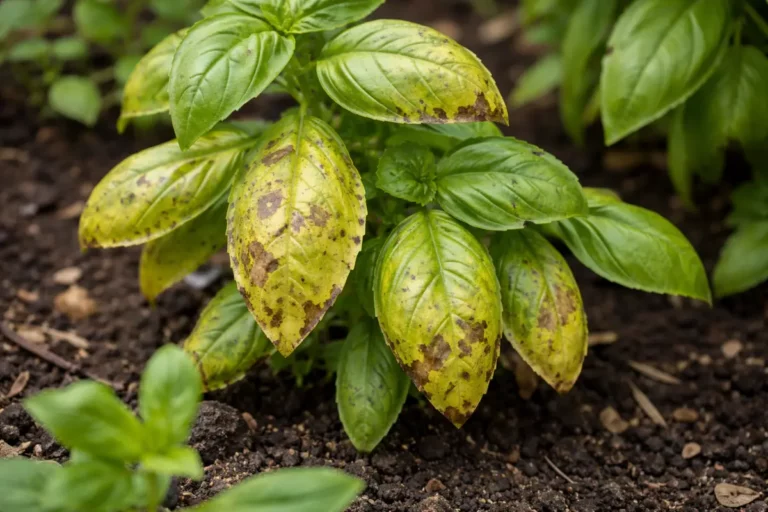
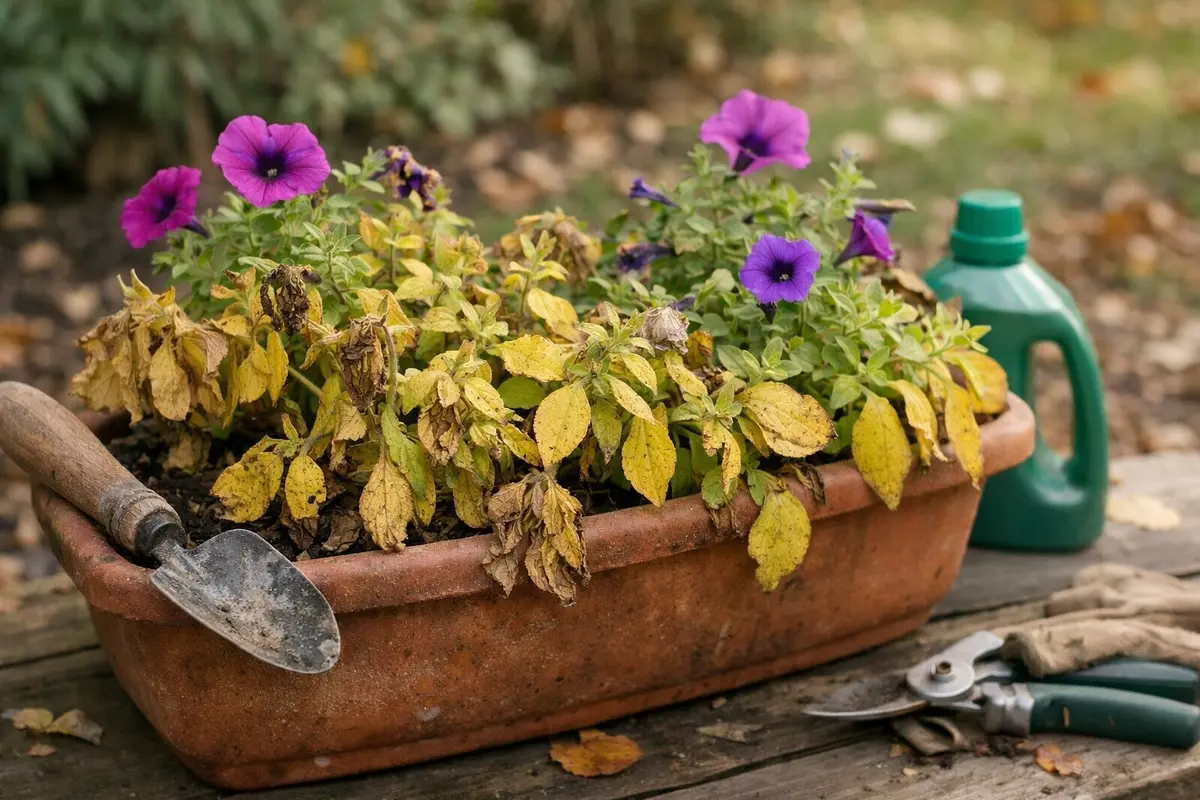
You may notice that your once vibrant petunia plants are developing yellow leaves as the fall approaches, which is why you need to know what to do if your petunia plants turn yellow in fall. This yellowing can occur due to various stress factors, often resulting from nutrient deficiencies or pests that cause wilting and leaf drop. Ignoring these signs can lead to worsening conditions that weaken the plant and make recovery harder, but fixing it is possible now if you check the soil, monitor the watering routine, and adjust your care accordingly.
Step 1 – Trim Yellowed Petunia Foliage Immediately
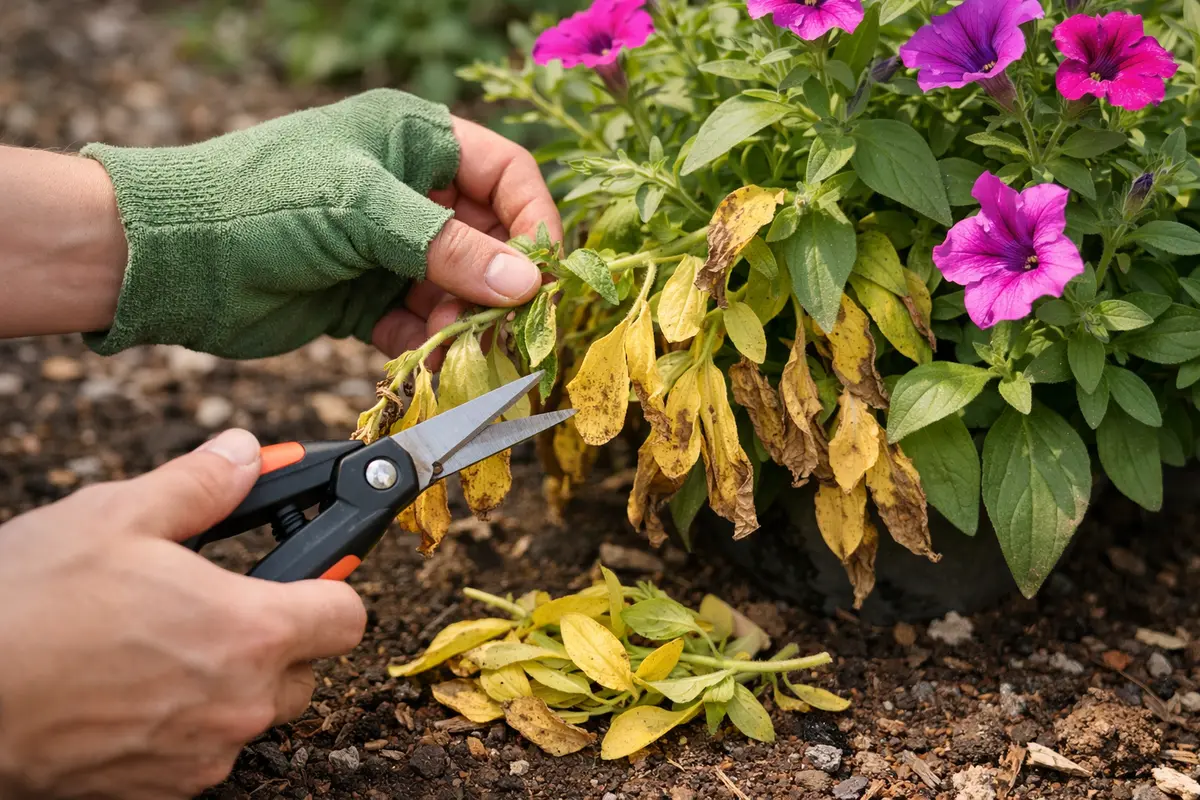
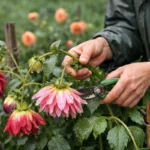
Start by trimming any yellowing leaves from your petunias as soon as you notice them. You will see the overall appearance improve, as healthy leaves are uncovered, allowing the plant to focus energy on recovery. Aim to remove leaves that are more than 50% yellow or brown, as these are unlikely to reverse their condition. For best results, use clean, sharp scissors or pruning shears to make clean cuts just above healthy foliage, which minimizes the risk of transmitting pathogens.
Trimming yellowed foliage helps the plant redirect its energy toward healthy growth rather than struggling with decaying leaves. This action can prevent diseases from spreading, as yellowed leaves are often more susceptible to infections. Additionally, removing this stressed foliage assists in improving air circulation around the plant, which can be crucial in preventing mold and mildew due to increased humidity in cooler weather. Proper disposal of trimmed leaves is essential, as they can harbor pests or diseases that might reinfect the plant later.
A common mistake many gardeners make at this stage is hesitating to prune, thinking the plant will recover on its own. This delay can worsen the condition, as yellowing leaves may deteriorate and impact the health of surrounding foliage. It’s essential to take swift action to promote healthier growth before it grows more challenging to manage. Furthermore, keep an eye out for residual yellowing or signs of new growth within a week following pruning; if no improvement occurs, a reassessment of care strategies is warranted.
Step 2 – Assess Nutrient Deficiency Causing Yellowing
Check the soil moisture level immediately; if it feels dry several inches down, water your petunias generously. After watering, observe for improvement in the leaf color within a few days, as the plants begin to regain their vibrant green. Healthy petunias should perk up and show new growth in response to adequate moisture.
Yellowing in petunias often indicates a lack of water, causing stress in the roots. When the soil is dry, the roots struggle to absorb necessary nutrients, leading to chlorosis, where leaves lose their green coloration. The roots may also experience shrinkage, making it difficult for the plant to access vital minerals and moisture. This is why daily check-ins on soil moisture can significantly influence plant health.
If you detect a sour smell from the soil, it could indicate root rot caused by overwatering or poor drainage. In this case, stop watering and allow the soil to dry out, potentially repotting the plant in fresh, well-draining soil to promote healthier roots. Always ensure the container provides adequate drainage holes to prevent recurrence. Moreover, a nutrient deficiency, particularly nitrogen, phosphorus, and potassium, can lead to the yellowing of leaves due to the essential role these elements play in plant health. Nitrogen, for instance, is crucial for chlorophyll production, which gives leaves their green color. Without enough nitrogen, new growth appears pale or yellow while older leaves will yellow as the plant reallocates nutrients to sustain itself.
Keep in mind that if your soil feels compact or has a sour odor, those signs indicate a lack of oxygen or severe nutrient depletion. To remedy this, consider adding compost or a balanced fertilizer rich in nitrogen, such as a 10-10-10 formula, to restore essential nutrients without causing further harm. Be aware that over-fertilization risks damaging the plant; particularly if soil testing indicates high levels of nutrients, as this situation often manifests through stunted growth and leaf burn rather than yellowing. If you suspect nutrient buildup or poor soil structure, amending the soil with organic matter can greatly improve its health and efficacy. If yellowing continues despite addressing nutrients, it might indicate an underlying issue that could require professional consultation or a more detailed soil analysis.
Step 3 – Revive Petunias With Balanced Fertilizer Treatment
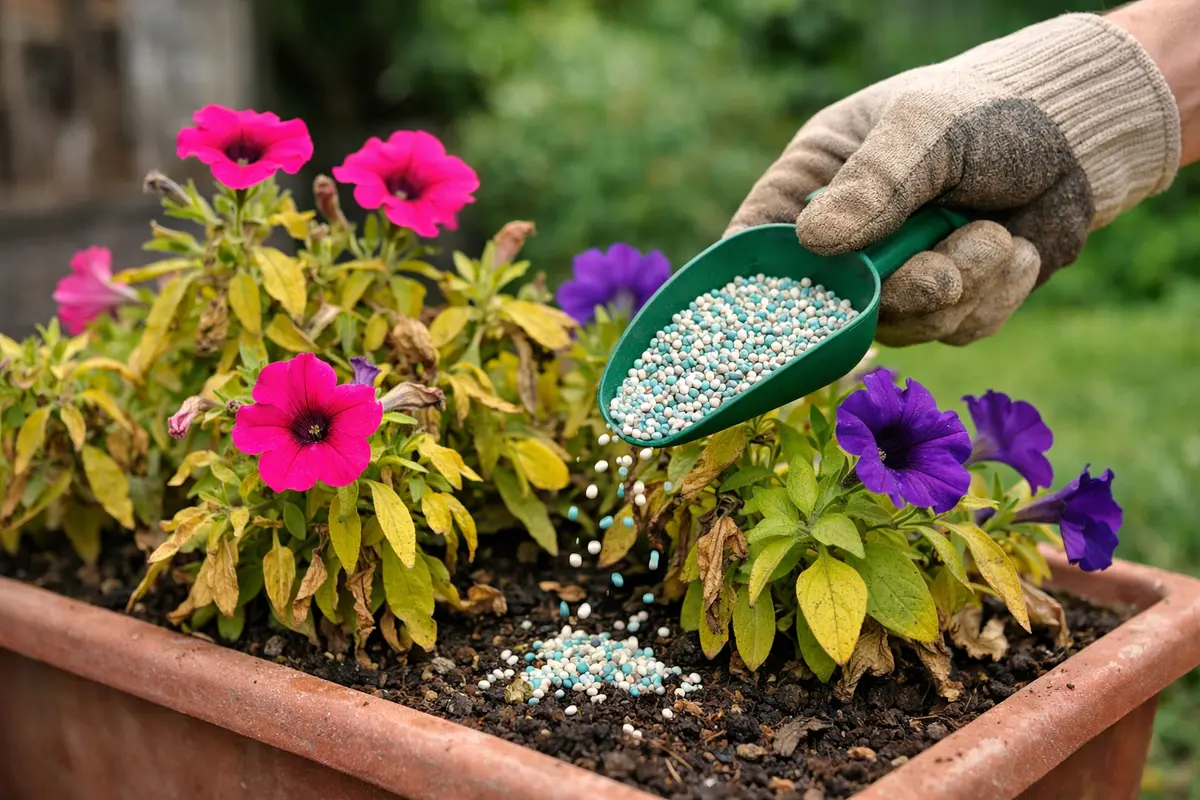
Apply a balanced, slow-release fertilizer to your petunias to help them recover. You should see new growth emerging within a week as a nutrient boost stimulates fresh foliage. Follow the package instructions, typically applying about 1/2 cup of fertilizer per square foot, and avoid spreading it directly on the roots to prevent root burn. Ideally, work the fertilizer into the top layer of soil after application to enhance absorption while preventing excess runoff during watering.
Using a balanced fertilizer rich in nitrogen, phosphorus, and potassium is key to providing your plants with the nutrients necessary for revival. This combination helps restore lost vigor and supports overall plant health, leading to greener foliage and brighter blooms. Fertilizing can have a profound impact especially during fall, when plants can benefit from additional nutrients as they prepare for dormancy. If applying fertilizer in the fall, choose a formulation designed for autumn with lower nitrogen levels to help the plants harden off for winter. If you are dealing with a related issue, cucumber plants develop covers a similar problem in detail.
A common mistake during recovery is over-fertilizing, leading to fertilizer burn — a condition characterized by brown leaf tips and wilting foliage. Ensure you follow package instructions for application rates since providing nutrients in moderation allows plants to absorb what they need without overwhelming them. An observable sign of over-fertilization is a crusty layer of salts on the soil surface, indicating it’s time to flush the soil with water to help wash away excess nutrients. If symptoms of fertilizer burn appear, it’s essential to reduce the frequency and amount of fertilizer used moving forward. Additionally, if your petunias are in pots, they may require less fertilizer than those in the ground, given their potential for different nutrient uptake conditions. Observing the plants closely for any signs of distress post-fertilization can help guide future practices more effectively.
Step 4 – Avoid Overwatering to Shelter Petunias in Fall
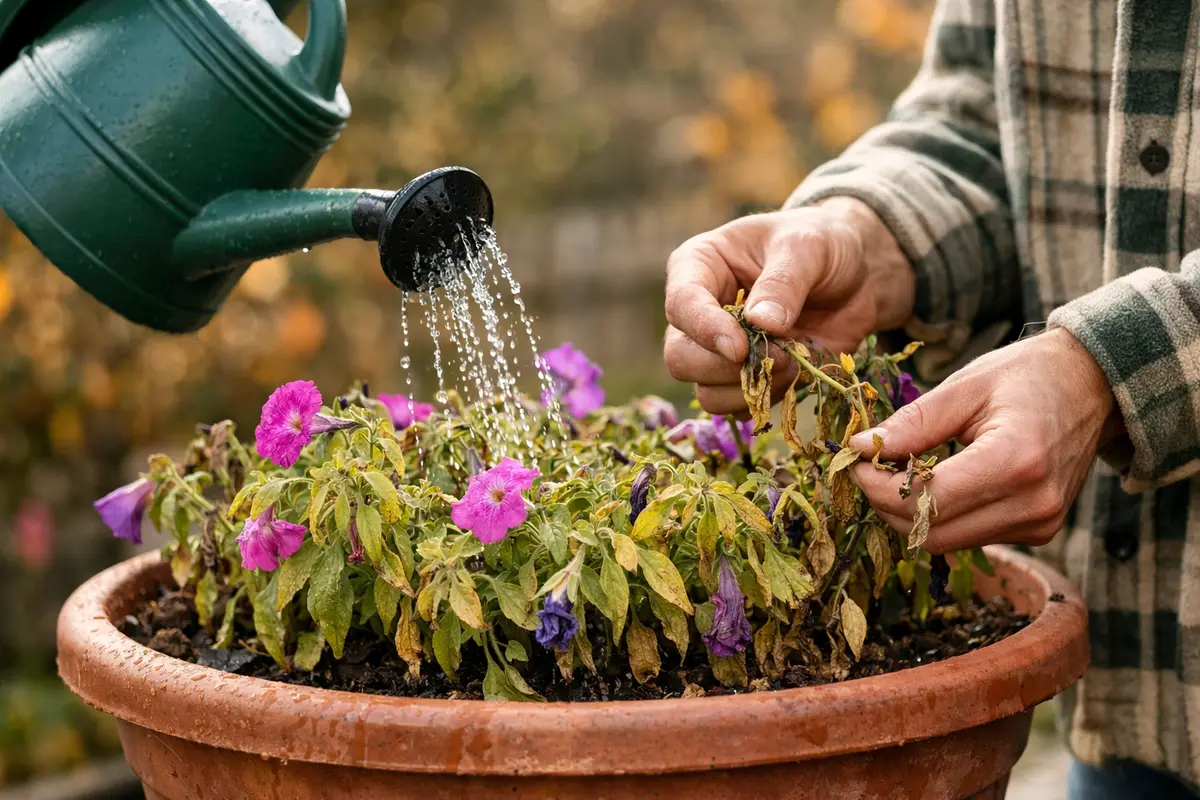
Reduce your watering frequency to prevent overwatering in your petunia beds. You will notice that the soil’s moisture levels stabilize, leading to healthier roots and improving the overall plant condition. Instead of watering on a set schedule, check the moisture content by inserting your finger about an inch into the soil. If it feels dry, then it’s time to water. As a general guideline, petunias typically require watering about once a week during the fall, depending on rainfall and humidity levels. You may also choose to observe the petunias and their environment — factors like wind can alter their moisture needs.
Overwatering is one of the primary causes of yellowing leaves because it can induce root rot and hinder nutrient uptake. When soil remains consistently damp, it deprives roots of necessary oxygen, compelling them to suffocate and fail. Ensuring that the soil dries slightly between watering encourages stronger root systems that can absorb nutrients more effectively. As colder weather arrives, petunias naturally need less water than during the summer months due to decreased evaporation rates. Tracking rainfall in conjunction with your watering schedule is part of effective moisture management; it allows precise tailoring to your plants’ needs. For a closely related scenario, see watering humid weather.
A common pitfall during this transitional season is to water too frequently, believing that cooler temperatures necessitate regular hydration. Leaf droopiness, curling, or a change in texture can indicate either over or under watering, which requires careful observation. Keeping a watering log can ensure that moisture levels align with the plants’ needs. An effective way to monitor the situation is to watch for the color of your petunia leaves; a healthy shade of green will turn dull or pale when the watering regime is not balanced. Adjusting to proper moisture management fosters healthier growth while also shielding against risks associated with excessive watering, which can lead to complicated health issues for your petunias moving forward.
Step 5 – Inspect Petunia Leaves for Signs of Recovery
Inspect your petunia leaves every few days to monitor for signs of recovery. You should observe new, vibrant growth or a return of the green color in leaves, indicating that the health of the plant is improving. Look for both new leaf growth and a general greening effect; these are positive indicators that your corrective measures are working. It can help to compare the appearance of new growth to the older, yellow leaves that were previously removed to evaluate progress accurately.
As your petunias respond to corrective actions, signs of recovery will manifest through increased leaf firmness and a richer green hue. These indicators signal that the root system is regaining its strength and is absorbing nutrients more efficiently. Regular monitoring during this time is crucial, as it enables you to catch any potential setbacks early on, such as renewed yellowing or wilting. Observable changes like leaf color intensity or texture can provide crucial insights into the plants’ recuperation efforts. An essential aspect of recovery is to also consider the environment in which your petunias are growing — cold drafts or fluctuating temperatures can unintentionally affect their progress.
If you notice a return of yellow leaves despite following your care plan, it may indicate another nutrient imbalance or a recurrence of overwatering. Instead of repeating the same process, adjustments need to be made to your care regimen; a professional soil analysis may be warranted if the problem persists. Besides, keep an eye out for potential pest issues, such as aphids or spider mites, that can stress the plants and lead to yellowing leaves. Acting quickly upon these observations will greatly bolster the chances of successful recovery; for example, severe yellowing can necessitate immediate steps to treat pests before they cause extensive damage. Monitoring pests is equally important as it helps maintain the overall health of your petunias throughout the growing season.
FAQ
How long does it take for petunias to recover from yellowing?
Recovery times for petunias can vary, but typically you should see improvement within a week after addressing nutrient deficiencies and pruning yellowed leaves. If conditions are right and proper care is implemented, new growth will be evident in about 7 to 10 days, with vibrant green leaves and fresh blooms signaling renewed health. If no improvement is seen after this time, revisit your treatment protocol for possible adjustments, as further monitoring may be necessary.
Can yellowing spread to other plants if left untreated?
Yes, if yellowing leaves are due to a disease or pest infestation, they can spread to nearby plants. Timely intervention is crucial to prevent weakening your petunia plants and affecting your entire garden’s vitality. Isolating affected plants and monitoring neighboring vegetation is a good practice to contain potential spread. Additionally, keeping the garden clean of debris can help minimize risks related to pests and diseases while assisting in maintaining the overall health of your garden.
Should I remove yellow leaves even if they still seem attached?
Yes, it is advisable to remove yellow leaves even if they are still attached to the plant. Removing them helps accelerate recovery and stops any potential diseases from spreading to healthier parts of the plant, allowing for more robust leaf growth and improved overall plant appearance. Regularly checking and pruning the plant can also foster better air circulation, reducing mold and mildew risks in the surrounding environment, which can be particularly detrimental in the fall. You may also find powdery mildew zucchini useful if this problem persists.