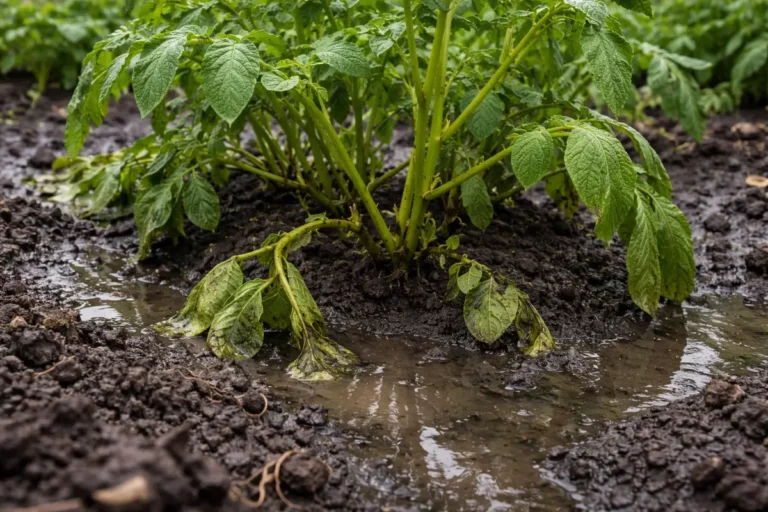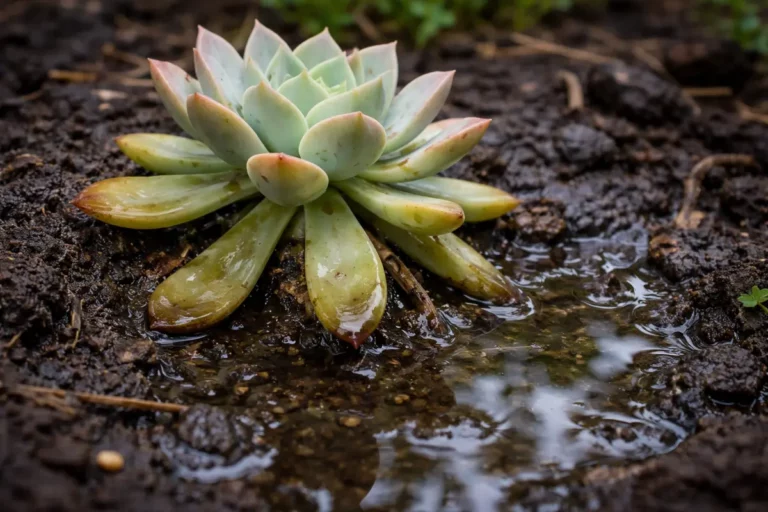
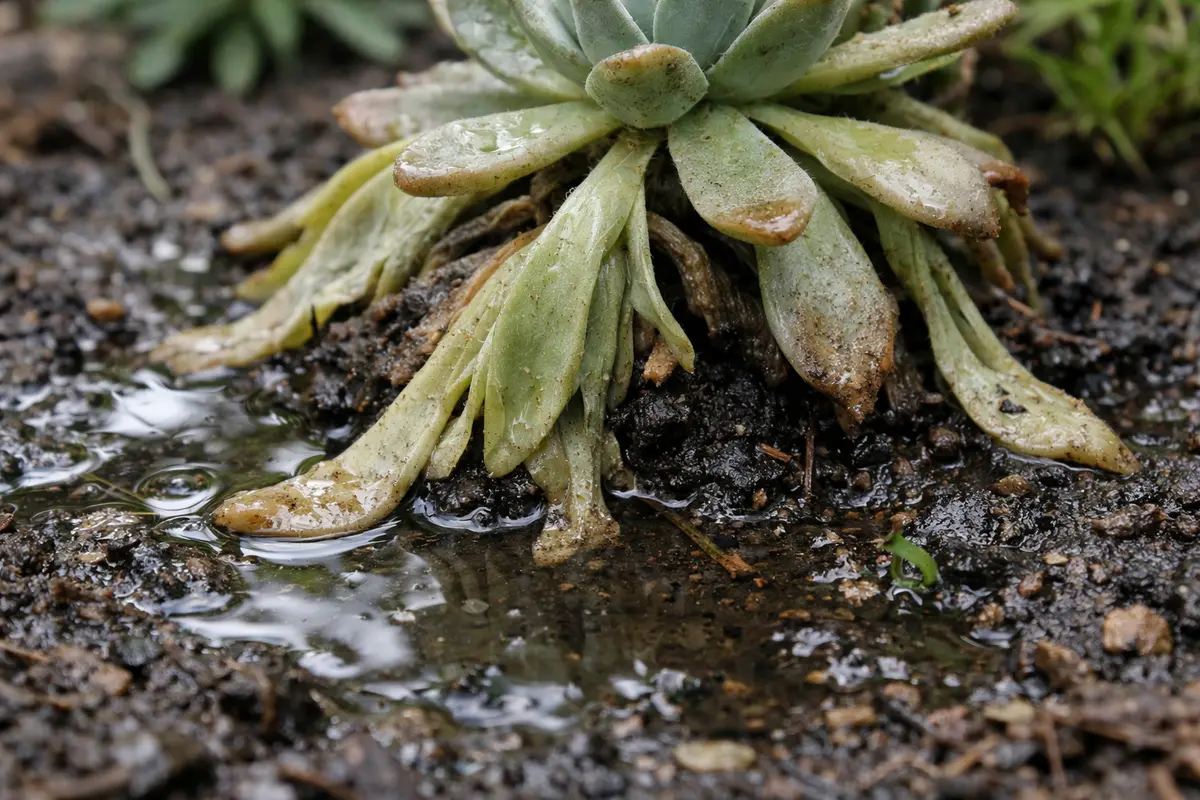
You may notice your succulent appearing limp and shriveled after a recent heavy rain, which is why you need to know How to treat wilting succulents after overwatering. This wilting often results from root rot, causing the leaves to droop and develop mushy spots. If you ignore the signs, the damage gets worse, ultimately weakening the plant, but with careful inspection and proper adjustments, it’s possible to restore your succulent’s health.
Step 1 – Remove Excess Water from Succulent Soil
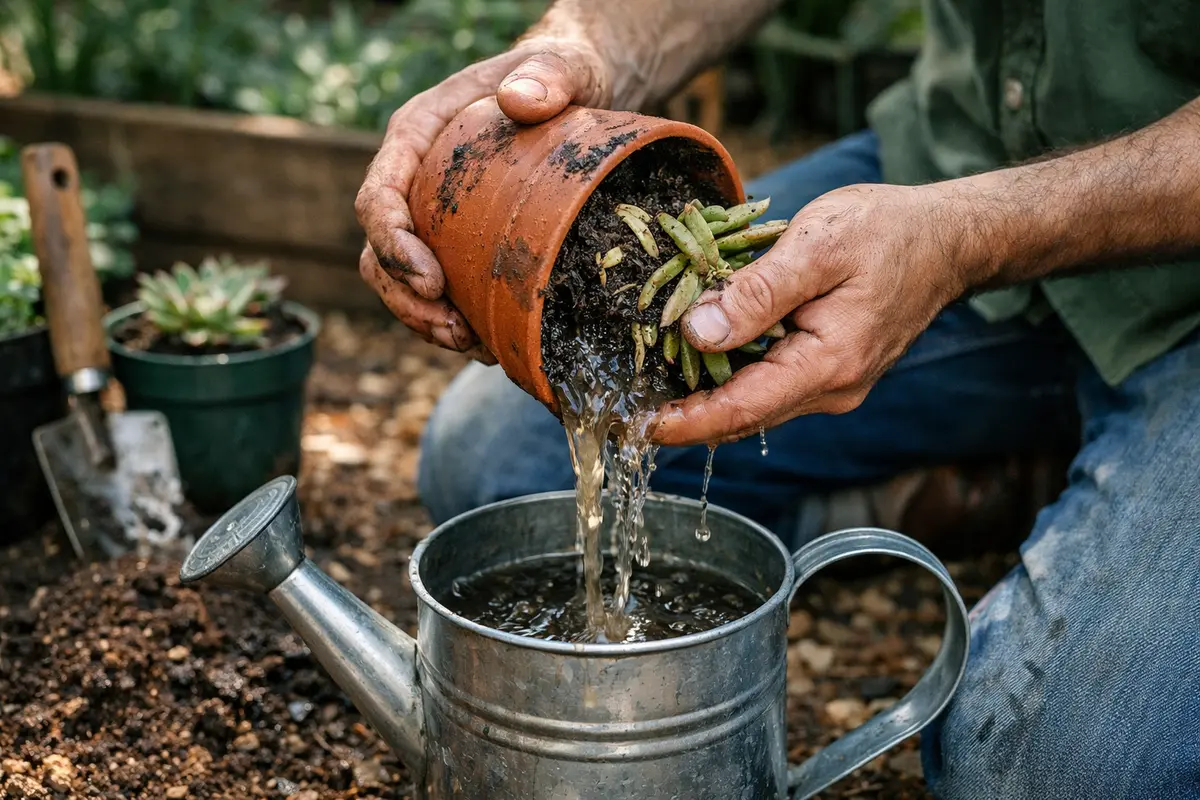
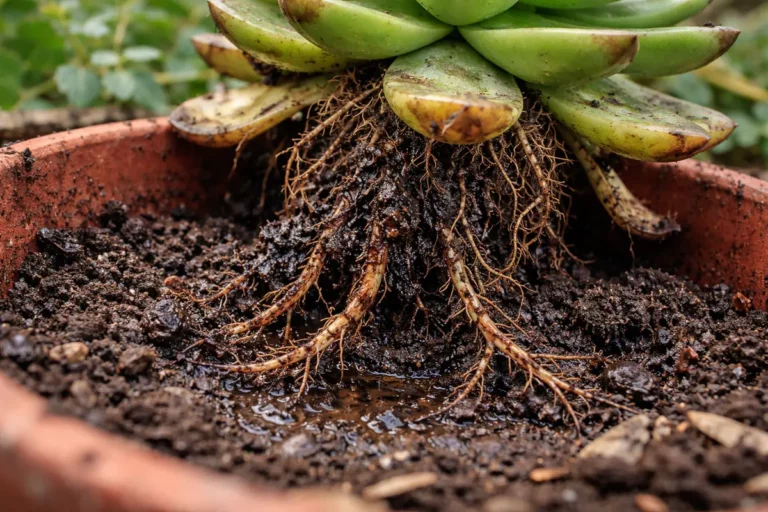
Start by carefully removing the succulent from its pot to access the soil and roots. You will notice the roots exposed to air, helping to prevent further rot. Inspect the roots for any signs of rot, such as mushiness or browning; trim off any affected areas with clean scissors. Healthy roots should feel firm and springy, enhancing the plant’s ability to stabilize and recover. It’s critical to identify those roots that are viable versus dead — healthy roots typically look white and feel solid, while diseased roots become dark and limp.
Acting quickly is critical because succulents can suffer irreversible damage if overwatering is not addressed promptly. If left unattended, excess moisture can lead to root rot, severely disrupting the plant’s ability to absorb nutrients and water effectively. Wilting in this case is not merely a thirst response but also a signal of potential cellular collapse. Additionally, be aware that signs of wilting can worsen if the succulent is exposed to prolonged periods without adequate sunlight after being overwatered.
An illustrative example highlights the importance of timing: a gardener noticed wilting too late and lost several plants, while their other, properly watered succulents thrived. If the succulent does not improve after trimming affected roots, check the potting mix to ensure it drains properly and does not hold excessive moisture. After removing the plant, look at the remaining soil in the pot — if the soil clumps together and feels excessively wet, it suggests the presence of an unsuitable potting medium that needs immediate replacement.
Removing excess water isn’t just a precaution; it’s essential for the health of your succulents. Extended saturation smothers roots, leading to anaerobic conditions that harm the plant. Check that your succulent soil feels slightly moist yet crumbly; consistently darkened and clumped soil indicates excessive wetness. If the soil remains soggy an hour after draining, consider repotting into a container with sufficient drainage holes to mitigate damage from retained moisture. Aim for at least four evenly spaced drainage holes along the base to enhance drainage.
A typical mistake involves leaving succulents in standing water, often underestimating their resilience to excess moisture. This oversight can lead to increased root rot, especially if drainage holes are insufficient. Be ready to transfer the succulent to a more suitable pot with robust drainage. If the original pot lacks holes or the soil is too dense, moving to a pot made of breathable materials, like terracotta, can significantly improve airflow and moisture regulation. Additionally, observe the surrounding humidity; high humidity may exacerbate the effects of overwatering and trigger a cycle of ongoing moisture retention that can worsen the condition of the plant.
Step 2 – Diagnose Root Rot in Overwatered Succulents
Begin by inspecting the roots for signs of rot; healthy roots should appear firm and white, while any that are mushy or darkened require immediate attention. After this inspection, you will clearly identify the condition of your plant’s roots. Root rot happens when excessive moisture allows harmful bacteria to break down root tissue. Identifying these textures and colors is crucial; unhealthy roots may exude a foul odor indicative of bacterial presence. Taking action at this stage can mean the difference between recovery and permanent damage.
Use sterilized scissors to carefully cut away the affected areas, ensuring you remove all the damaged tissue back to healthy, white roots. It is critical not to overlook this action, as it halts further decay and supports the succulent’s ability to regrow. When you encounter particularly foul-smelling roots, consider completely replacing the soil during repotting to eliminate lingering pathogens. This approach ensures that once healthy roots are not immediately reintroduced to an environment conducive to their decay.
Additionally, add a layer of gravel or coarse sand at the base of the pot to enhance drainage, which can help avert future overwatering problems. Regularly check your drainage technique; if water still retains in the soil after several days, it may be time to consider upgrading your pot or soil mix to prevent recurrences of root rot. If the container is too deep without ample drainage, water can pool at the bottom, creating an ideal environment for rot. Always ensure the planting medium is designed for succulents, infused with aeration capabilities to foster longer-lasting health.
Step 3 – Apply Drying Techniques for Healthy Succulents
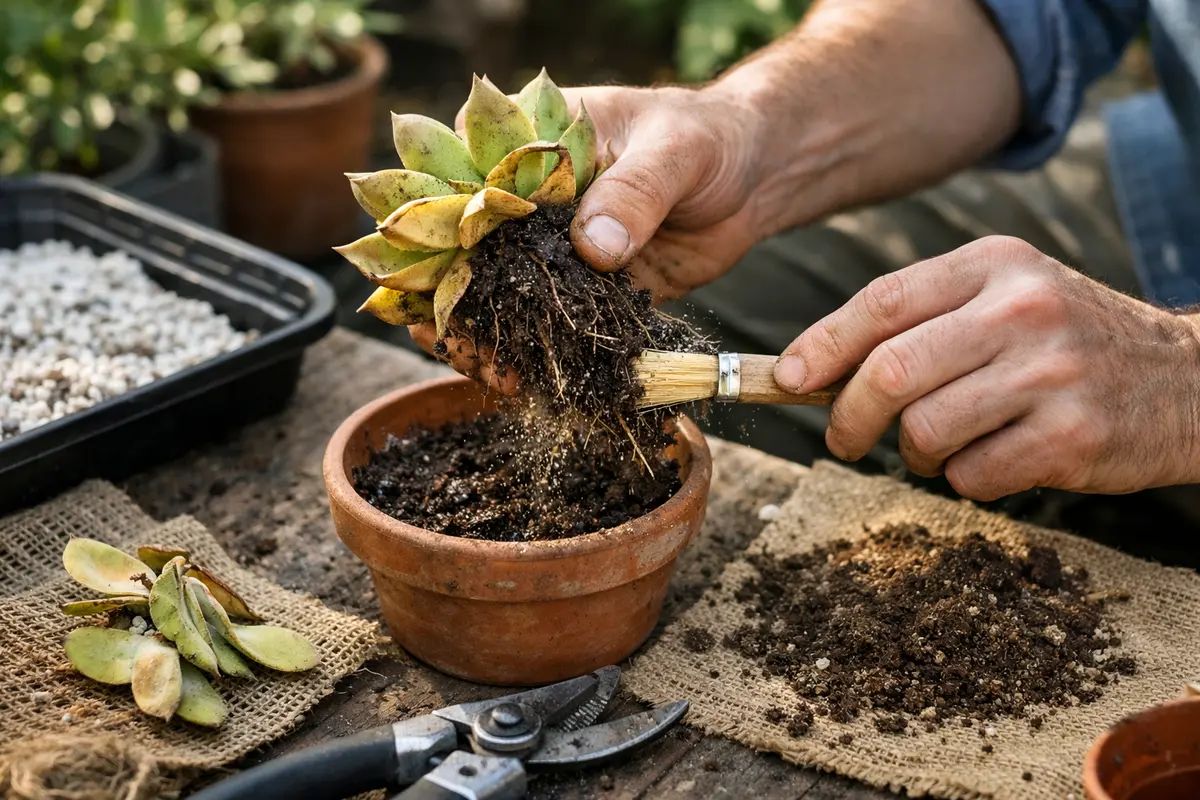
Start by allowing the soil to dry out completely before watering again; this step stops further wilting and helps stabilize the plants. After a few days, observe for signs of recovery such as firm leaves and new growth at the tips. To prevent future overwatering, establish a consistent watering schedule, ensuring the soil fully dries between waterings — typically every 2-4 weeks, depending on the humidity of your environment. During dry weather conditions, many succulents may require less frequent watering; in contrast, increased humidity might determine a need for more rigorous checks.
Recovery begins when the succulent stops wilting and starts showing signs of resilience; this may take 1-2 weeks under optimal conditions like bright, indirect light and moderate temperatures. If the plant appears lifeless despite following this step, check for adequate drainage — ensuring the pot has holes and that the soil allows for airflow is crucial. A succulent that develops a mushy texture suggests continued moisture retention, a sign to further delay watering. When in doubt, use the ‘finger test’ by inserting a finger or a skewer into the soil; if it feels moist beyond two inches, the succulent is still saturated.
To prevent relapse into overwatering, always check the moisture level before watering. If the leaves feel plump and healthy, maintain the current watering routine. However, if they start to wrinkle again, it’s a hint to extend the drying period to prevent additional stress. Drying techniques are effective as they enhance airflow around the plant, facilitating moisture reduction vital for recovery. Succulents that dry out properly have a greatly improved chance of revitalization; healthy roots function better, leading to overall growth. Conversely, dry conditions can cause leaf wrinkling, indicating a need for cautious rehydration; add small amounts of water gradually to avoid shock, perhaps reinstating hydration at intervals rather than all at once.
A common error is neglecting soil moisture checks. Use a moisture meter or your finger to gauge soil hydration depths — this insight helps in resuming a normal watering practice without distress. If frequent overwatering has occurred before this, be diligent in adjusting your schedule to include weekly inspections, especially in cooler months when succulents require less moisture. It is essential to ensure the soil is completely dry at least two inches down to give the plant time to rebound effectively. Balancing water and light with environmental factors is crucial for the long-term health of your succulents. A telling sign of overwatered succulents is the presence of heavy leaf drop or the leaves appearing translucent — these conditions indicate deep-root issues that need immediate address.
Step 4 – Inspect Leaves for New Signs of Wilting
Check your succulents’ leaves every few days for changes in their firmness and color. You should begin to see leaves perk up and regain their turgor, indicating improved health. For the next week, monitor whether the leaves return to their vibrant color and firmness, contrasting with those that continue to droop. If the leaves remain dull and limp, especially at the tips, it indicates a potential ongoing issue that needs addressing. The ideal signaling point for recovery will be when leaves appear glossy and firm, suggesting sufficient moisture content.
Watch for leaves feeling firm and vibrant instead of wilting or discolored. Healthy succulents will exhibit their normal texture and color as moisture levels stabilize. However, if you observe signs of recurring wilting or fading color, this could signal deeper problems, such as root rot or ongoing overwatering. If newly sprouted leaves begin to wilt or drop prematurely, this is a critical sign that immediate action is necessary. Resume close observation — if leaves start looking shriveled or browning persists, reassess your watering strategy immediately.
If the problem returns despite your efforts, evaluate your watering schedule and overall care approach. For example, if previously thriving leaves start to shrivel again, it may indicate that root rot hasn’t been fully resolved, requiring further trimming of affected roots. Another factor to consider is the growing season; succulents need significantly less water during their dormant winter phase. Adjusting your care routines can help maintain health over time, particularly if you keep a close watch on conditions. If you notice the same wilting symptoms reappearing, check your soil drainage and consider using gravel or additives like perlite to enhance soil aeration for healthy root development, as compacted soil can retain moisture longer than necessary.
FAQ
How long does it take for succulents to recover from overwatering?
Recovery can take anywhere from a few days to a few weeks, depending on the extent of the damage and the care provided immediately after discovering the issue. If root rot is present, recovery may take longer, and in severe cases, the plant may not fully bounce back. Observing signs such as leaf firmness, color return, and overall plant growth can help you assess recovery progress. If, after three weeks, there is minimal improvement, it might be necessary to reconsider your treatment or consult a knowledgeable nursery professional for additional support.
Should I remove affected leaves from overwatered succulents?
Yes, removing any leaves that are soft, discolored, or exhibit signs of rot can help the plant conserve its energy for recovery. Cutting away decayed leaves prevents further decay from spreading to healthier parts of the plant, allowing the succulent a better chance to thrive during its recovery process. Additionally, this can also improve airflow around the plant, which is particularly crucial in recovery phases following overwatering, promoting healthier growth patterns.
Will succulents recover after severe wilting from overwatering?
Many succulents can recover if given proper care and time following incidents of severe wilting. Key recovery steps include improving drainage conditions both in the pot and the surrounding environment, closely monitoring watering habits, and ensuring the plant is positioned in a suitable environment that promotes healthy growth. If conditions revert back to overwatering, consider modifying pot types, soil mixtures, or light exposure to better suit their natural needs, ensuring the plants can thrive without the risk of water accumulating excessively.