
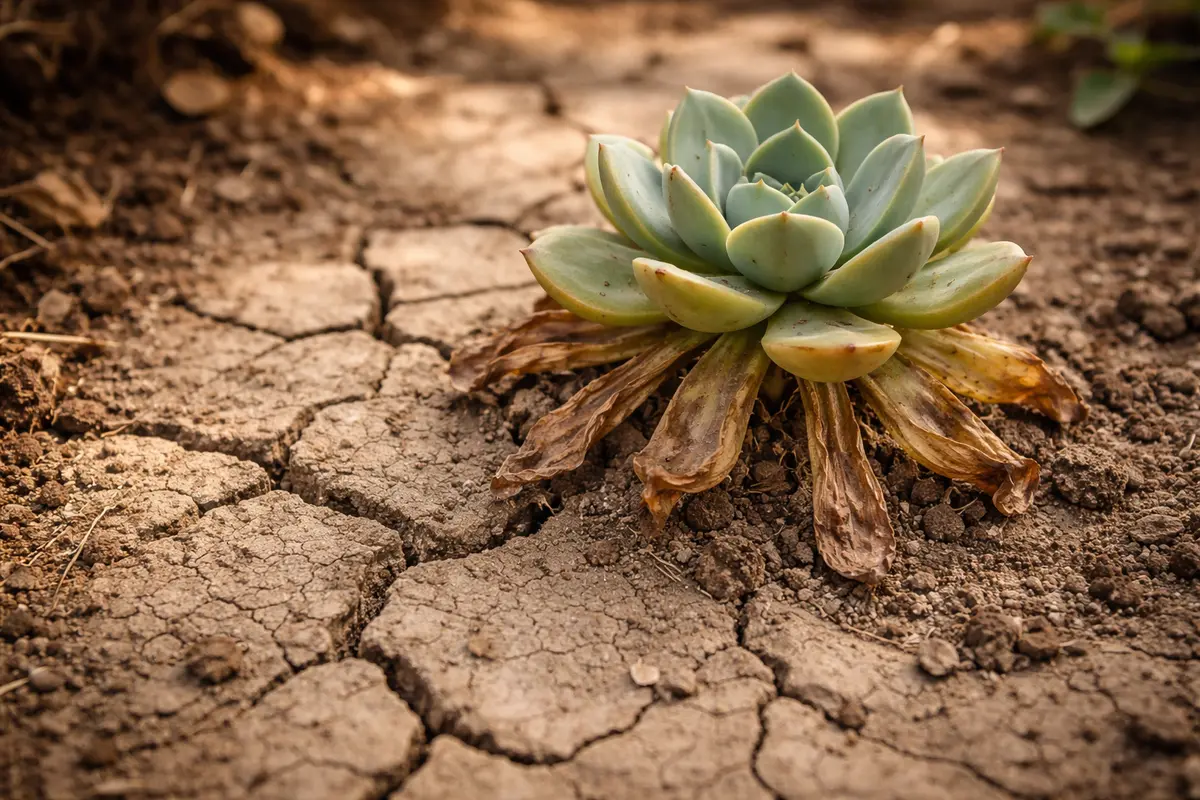
You may notice your succulents looking lifeless and sagging during the hot summer months, which is why you need to know how to revive wilting succulents after underwatering. This wilting occurs because the plants are not receiving enough moisture, leading to drooping leaves and overall stress. If left unaddressed, this condition can worsen and weaken the plant, making recovery harder, but you can still improve their health by adjusting your watering routine and inspecting their soil condition.
Step 1 – Inspect Succulents for Severe Wilting
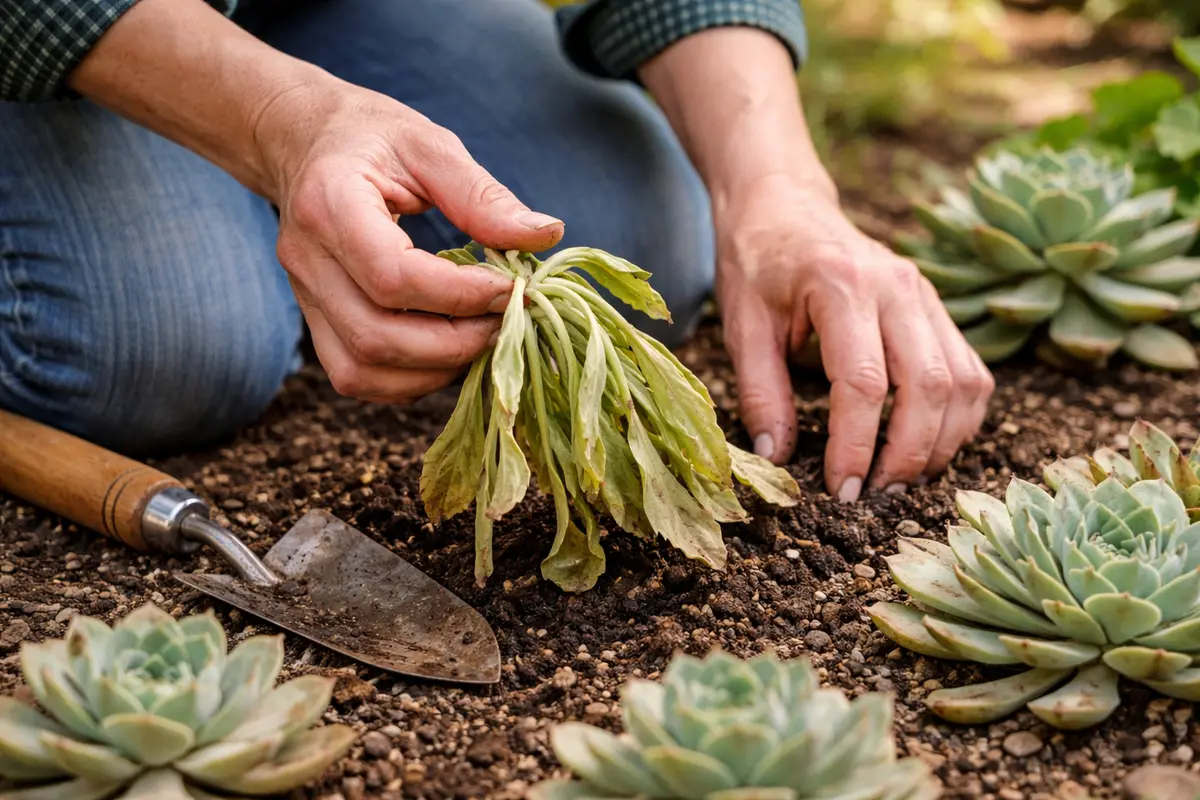
Begin by checking the leaves and stems of your succulents for signs of wilting. You will notice that leaves appear shriveled and may have a dull color shortly after inspecting them. Pay close attention to any leaves that feel soft or mushy; this indicates severe tissue damage. If the leaves are beginning to harden off at the tips or if there’s visible flecking on the leaf surface, this can indicate that the plant is at a critical stage where recovery is becoming hard.
Inspecting the plants promptly helps identify the level of stress they are experiencing. When succulents experience prolonged dryness, they lose turgor pressure, leading to the softening of leaves and stems. A detailed examination at this stage is crucial as acting quickly can prevent irreversible cellular damage. Shriveled leaves can also indicate a failure to uptake moisture from the roots, creating a downward spiral of dehydration. In addition, the color of the leaves can provide useful information; pale or yellowing leaves may indicate multiple issues, while a brownish tint could suggest further deterioration. Examine the stems for any signs of browning or drying out—these symptoms can indicate that the underwatering has progressed significantly. Addressing these visible cues becomes essential; if the stems feel lightweight or lack their usual firmness, root health is likely compromised, signifying that immediate action is necessary to restore them.
In my experience, I’ve often found that gardeners mistakenly believe their succulents can bounce back without immediate action. They may delay intervention, thinking the plants need only a little time to recover once watered. However, waiting too long can risk the healthy leaf structures, as chronic wilting leads to compromised roots and stunted growth. If you allow wilting to persist, serious stress signs can escalate, potentially leading to leaf drop and root dieback. A more subtle sign of advanced stress is if the leaves start curling inward—a clear indicator that the plant’s internal systems are failing to function properly due to moisture deprivation. Consider that even if you apply water, the plant may not respond effectively if left in a stressed state for too long; therefore, addressing the issue without delay is crucial. Take decisive action in examining the condition of each succulent closely and make note of any observations that could affect your recovery plan.
Step 2 – Diagnose Underwatering Issues in Succulent Soil
Inspect the soil moisture levels to identify how deeply the drying has affected the roots. You will feel that the soil is dry to your fingertips and may see that the plant is pulling away from the edges of the pot. A tactile check is essential; if you can easily pull the plant from its container, the soil has likely dried out too extensively. If the soil feels hard and compacted, this might indicate that the plant is encountering extreme stress, making it imperative to restore moisture levels right away.
Succulents require specific moisture levels for their roots to function correctly. Under ideal conditions, the soil should be dry an inch deep between watering sessions. However, if the soil crumbles or easily falls away from the roots, it indicates that the plant is underwatered and suffering from impaired nutrient absorption. The roots begin to shut down when deprived of moisture, leading to severe wilting symptoms. In severe cases, you might also observe a cracked or broken surface on the soil, which indicates that the plant hasn’t absorbed sufficient water. If your finger sinks deeply into the dry soil with little resistance, it confirms that immediate action is necessary. This means that it’s best to take a closer look and see if you can identify any visible roots through the drainage holes, as this may provide additional insight on their health.
If the soil feels crusty and dry, it’s essential to gently remove the plant from the pot to check the root condition. If the roots are visibly damaged or brittle, they may not fully recover. A common mistake among gardeners is to water the plant without inspecting the soil first. They risk further damaging fragile roots by flooding without knowing the precise condition. If the roots are looking brownish and slimy rather than firm and white, your succulent may have crossed over into root rot territory, warranting immediate action. Instead, they should take a cautious approach, performing a thorough inspection to assess the situation correctly. Overly compacted soil that retains water can create anaerobic conditions, leading to rot, while too sandy soil may not allow sufficient moisture retention. By ensuring the roots are healthy before proceeding, you can better tailor your recovery steps and maximize your chances of saving the plant.
Step 3 – Soak Succulents to Promote Recovery After Underwatering
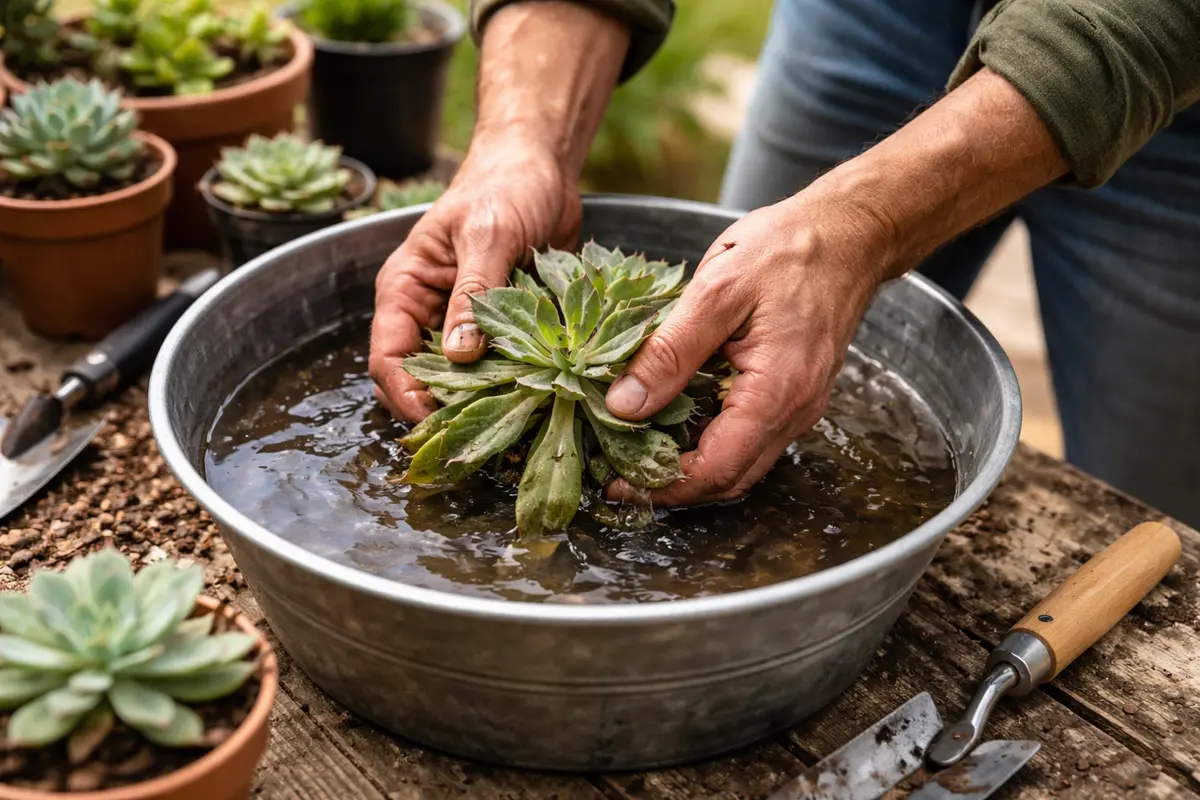
Water the plant generously, allowing the soil to become evenly moist, starting from the bottom of the pot. You will notice the leaves beginning to regain their firmness within a few hours after the soaked soil provides much-needed hydration. Use lukewarm water to initiate the process; this temperature aids in preventing shock and allows the roots to absorb moisture progressively. If you have drainage holes, placing the pot in a basin of water for about 30 minutes can ensure that the roots efficiently draw up moisture without overwhelming them initially.
Recovery involves rehydrating your succulent gradually to ensure the roots can absorb moisture without shock. By soaking, you encourage roots to uptake water efficiently—allowing the plant time to absorb moisture promotes healing. Gradually increasing moisture levels helps eliminate the risk of overwatering, which can suffocate the roots and allow for rot to set in. When soaking, provide at least 30 minutes for the roots to draw up water from the bottom, checking the top soil to ensure moisture reaches deep enough for optimal absorption. After soaking, allow the pot to drain thoroughly to prevent standing water, which can lead to further complications. If after this process the soil remains overly wet or muddy, it may indicate a longer-term issue that could require additional corrective actions.
A common mistake during this step is watering too frequently afterward. Many gardeners instinctively reach for the watering can once they see signs of life in their plants, while they should allow the soil to dry out partially before the next watering. Instead, wait at least a week before rechecking moisture levels; if it doesn’t feel dry, hold off completely. Frequent over-watering is often exacerbated by high humidity and low light conditions, especially for indoor succulents. Additionally, note that during the cooler months, root systems are less active; modifications to your watering routine must accommodate seasonal shifts. It’s crucial to develop a schedule that respects seasonal changes and varying humidity levels—this helps prevent future underwatering scenarios. For example, during a dry summer, you may need to check the soil moisture once every few days rather than weekly. If your plants show recovering signs but the soil remains constantly moist, adjust your watering strategy to strike the right balance for your succulent’s needs.
Step 4 – Check for New Growth on Revived Succulents Regularly
Recheck the succulents every week for signs of new growth. You will see new leaves emerging and existing leaves regaining their vibrant colors and firmness. Early signs might include a deepening of the leaf color or the appearance of tiny new sprouts at the base of the plant, indicating the positive effect of recovery. Monitoring these changes closely can provide additional reassurance two to four weeks into the recovery process, as a well-hydrated succulent will exhibit notable signs of improvement. During this monitoring phase, take note of the overall plant shape—if it begins to round out instead of remaining flattened, this suggests the plant is regaining healthy structure.
Just as monitoring is essential for recovery, it helps prevent future issues. A thriving succulent typically showcases healthy, vibrant leaves. However, it’s essential to remain vigilant; sometimes, symptoms of wilting can reappear even after initial recovery if conditions remain unfavorable. Check the surface moisture of the soil regularly, remaining skeptical of any signs of underwatering once the plant starts flourishing again. Conditions like intense sunlight or heat can compound the stress factor, requiring further adjustments in your care routine. If temperatures frequently soar and your plant is still exposed directly to sunlight, consider relocating it to a more shaded area to mitigate stress.
If signs of wilting reappear, revisiting the treatment steps immediately and making adjustments is crucial. For instance, if the soil feels dry too soon after watering, examine your routine to see if you need to water more frequently during hotter months or provide more shade for the plants. Recognize that a sudden change in environmental factors, such as humidity levels, can play a role in how your plant consumes moisture. Skilled gardeners recognize that environmental factors heavily influence moisture retention. Furthermore, if you notice new pests or signs of fungal disease, address these issues as they arise to prevent them from becoming significant problems. **A well-rounded aftercare routine**, including consistent observation, can make the difference; thus, maintaining an adaptive mindset is vital for ongoing health.
FAQ
How long does it take for succulents to recover from underwatering?
The recovery process can vary; however, most succulents begin to visibly improve within 1 to 2 weeks after proper watering. You should see new leaf growth emerging as the plant rehydrates, indicating a successful recovery. Observing slight changes daily can provide insight into the plant’s progress, with more robust indicators like vibrant colors often appearing after a week.
Can underwatering spread to other plants in the garden?
Underwatering itself does not spread like a disease; however, if the conditions that led to underwatering remain unchecked, they can affect neighboring plants. Injury caused by underwatering might attract pests or diseases, potentially jeopardizing overall garden health. To maintain optimal conditions, make sure all plants are on a proper watering schedule, and regularly inspect them for signs of stress.
Should I remove dead leaves from my succulents after reviving them?
Yes, it’s helpful to remove any dead or shriveled leaves after the plants show signs of improvement. This pruning can enhance airflow and help the plant focus on new growth rather than expending energy on damaged tissues. Removing only the dead portions while leaving healthy, plump leaves intact encourages the plant’s future photosynthesis and vitality, setting the stage for successful spring or summer growth.