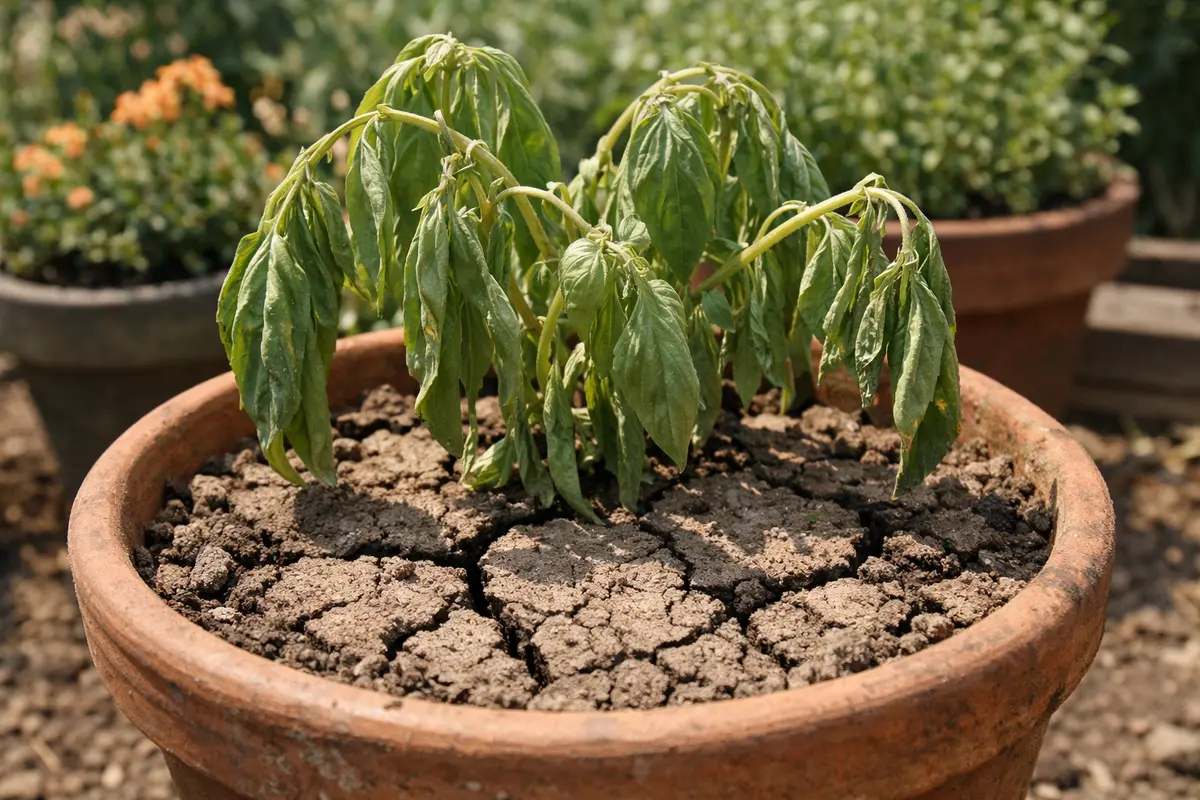
You may notice your potted herbs drooping and showing signs of yellowing during a particularly hot summer afternoon, which is why you need to know what to do when potted herbs start wilting in direct sun. This wilting occurs as the plants struggle to retain moisture, leading to stress and potential damage. If left unaddressed, the issue can worsen, setting the plant back and stalling growth, but you can improve the situation now by watering, adjusting their placement, and monitoring their condition closely.
Step 1 – Water Herbs to Combat Wilting
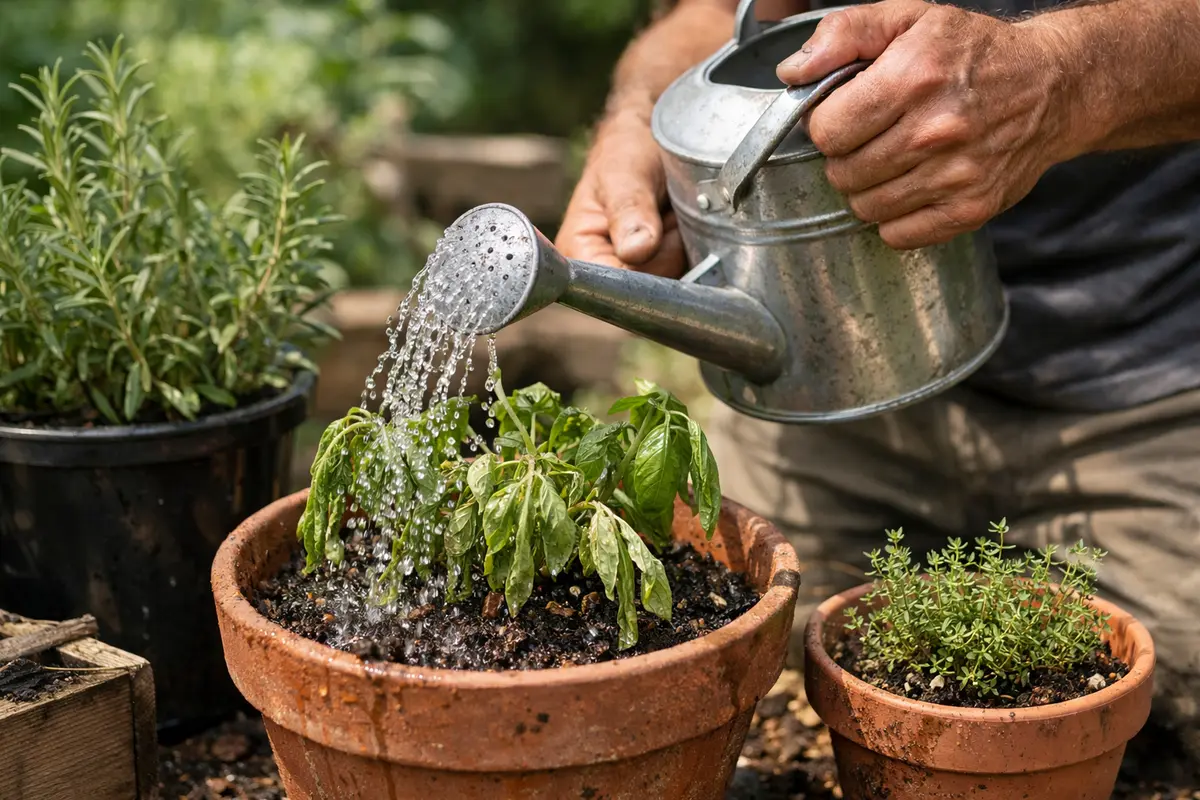
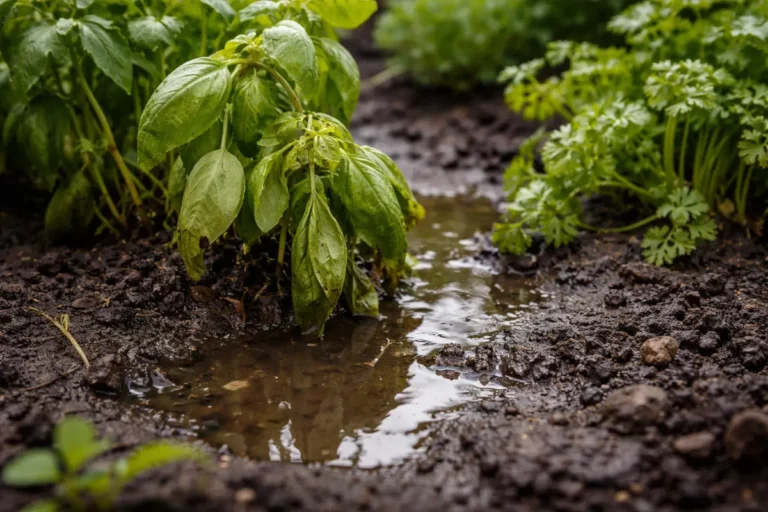
Water your herbs deeply to combat wilting immediately. You should see the leaves perk up and regain firmness within a few hours. Aim to saturate the soil thoroughly until water drains out of the pot’s bottom, which ensures that moisture reaches deeper roots as well. When you water, it’s vital to ensure the top inch or so is well-saturated but also for the moisture to penetrate much deeper, ideally to at least 6 inches deep, to fully recharge the root zone. If the soil is still dry after one watering, apply a second round of water after 30 minutes to ensure the moisture has time to soak in.
Deep watering replenishes the moisture that the roots need to function effectively. If the soil is dry, the roots can’t absorb the necessary nutrients, leading to wilting as the plant struggles to maintain its structure in hot weather. For herbs like basil or rosemary, which have a higher transpiration rate in hot weather, aggressive watering may be required, and in extreme heat exceeding 90°F, watering may need to be done twice daily to prevent severe wilting. Identify the moment your pots become dry by lifting them; if they feel notably light, they need water. If the drainage holes are blocked, you may need to unpot the herbs to clear the obstructions to allow proper drainage.
A common mistake gardeners make is to water lightly without soaking the roots, especially in clay-based soils that can retain moisture differently than sandy soils. You might assume that just wetting the top layer will suffice, but roots need to access moisture deeper in the soil. If you fertilize when the soil is dry but not thoroughly watered, nutrients won’t effectively reach the roots, harming plant vitality. To further enhance drainage, consider adding perlite or vermiculite to your potting mix; this can improve aeration and prevent compaction. Remember to check for pot drainage; if water accumulates at the bottom, the drainage holes might be blocked, which can suffocate the roots. It’s advisable to inspect your potting soil on a regular basis; sometimes, soil expands and can compact around the holes, leading to improper drainage. These meticulous practices ensure your herbs receive adequate moisture, establishing a solid foundation for their recovery and future growth.
Step 2 – Check for Soil Dryness Under Herbs
Check the soil moisture level under your herbs to correct root-space issues. If the soil feels dry more than an inch deep, it’s a sign that your plants need better watering habits. Use your finger to probe deeper than the surface to ensure an accurate assessment of moisture levels. This isn’t merely a casual inspection; you should get a feel for how dry the soil is at multiple depths, examining 2 to 3 inches below the surface to ensure careful evaluation. If, after an inch of moisture is found, it feels uniformly dry underneath, your task will shift towards improving your watering techniques.
Drought conditions can cause the soil to lose moisture quickly, especially in potting soil mixes that drain rapidly or in smaller pots with limited volume. Inadequate moisture causes roots to shrink away from the soil, reducing their efficiency in water absorption. If the soil has reached a point of extreme dryness, it may even compact, forming hard clumps making it challenging for the roots to penetrate or access moisture. Identifying the moisture level helps determine your next steps and addresses a primary cause of wilting. If left unattended, the soil may harden, making it even harder for the roots to reestablish contact with the soil and absorb water effectively.
If you notice the soil is overly compacted or has a sour smell, it’s important to aerate and amend it with organic matter to improve drainage and nutrient retention. A soil amendment could include compost or peat moss, which can enhance moisture retention while encouraging a looser texture. If the soil appears too wet or soggy, examine if your pots have proper drainage holes. Be aware that plants sitting in standing water can develop root rot, significantly harming their health. Another mistake is replacing potting mix immediately without assessing for existing drainage issues; better drainage strategies must be integrated first. If the potting soil feels excessively crumbly or is pulling away from the edges of the pot, indicating it’s dried out beyond normal reach, this could suggest that your watering schedule needs urgent reevaluation. Regular disturbances to the soil texture, particularly if it pulls away from the edges of a pot, can lead to water being channelled straight through without soaking, so monitoring this can prevent further wilting. These observations guide you in developing better watering strategies and promoting healthier soil conditions for your herbs.
Step 3 – Feed Herbs with Balanced Fertilizer Mix
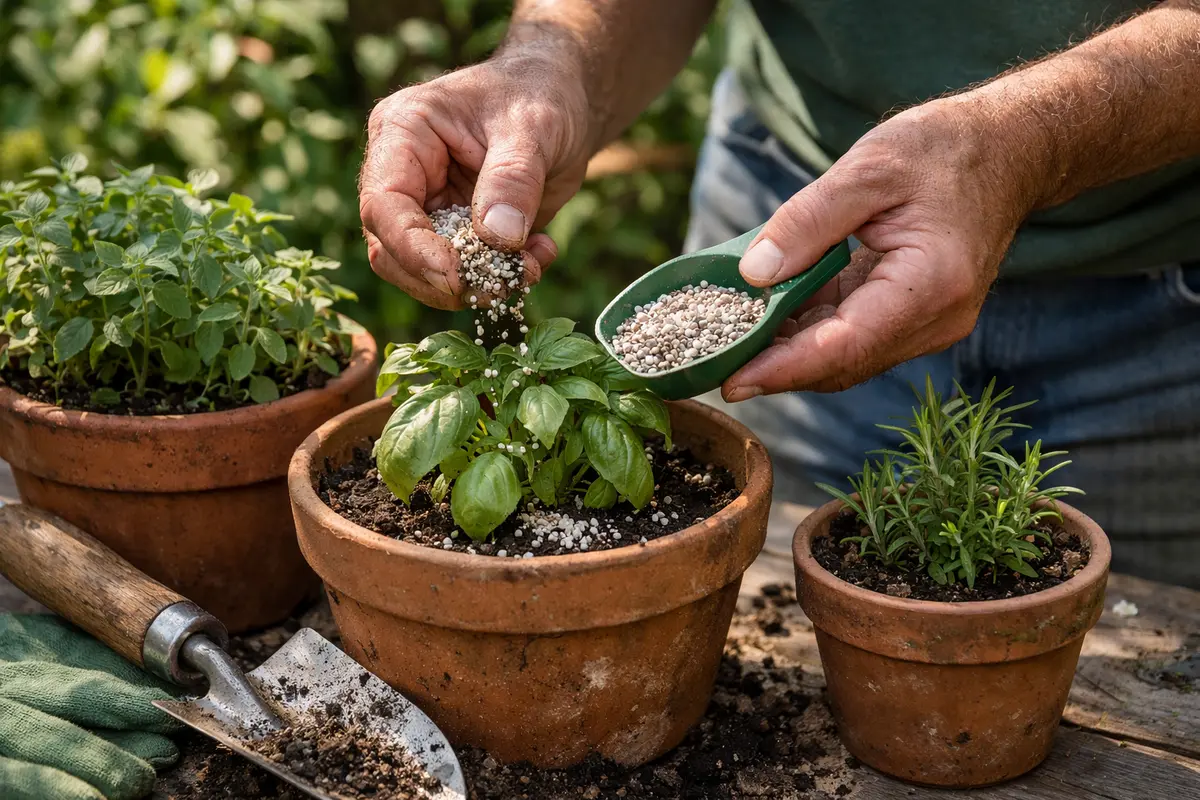
Apply a balanced fertilizer mix to your herbs to nourish them back to health. You should see signs of new growth and improved leaf resilience in about a week. Select a fertilizer with a complete ratio, such as 10-10-10, and follow the manufacturer’s recommended dosage carefully, paying attention to how your specific herb responds. Split the doses, fertilizing at 50% strength first and increasing gradually as recovery progresses. Over-fertilizing can burn the roots, especially in stressed plants recovering from wilting, so it’s critical to monitor the weeping from roots after application.
Fertilizing gives plants the nutrients they need to recover from stress and perform optimally. Nutritional deficiencies can occur after the plant has used up the available nutrients in the potting mix, especially if they are under-watered or under-fed. This step is vital to provide the essential macronutrients such as nitrogen, phosphorus, and potassium required for new growth. Be sure to fertilize only when the herbs are adequately hydrated to avoid any risk of nutrient burn, which could lead to further wilting. Consider using a diluted, liquid fertilizer to allow for easier absorption, especially if the soil is particularly dry. If recovery does not become apparent within a week, reassess soil pH with a testing kit, as improper pH can hinder nutrient absorption.
Sometimes, gardeners overlook the need for fertilizer in the spring/summer months believing that herbs can thrive on water alone. After recovering from wilting, failing to fertilize can lead to pale, sluggish growth that presents weak and unhealthy plants. Specific herbs like cilantro or dill may show a quick flush of growth; however, they need regular attention. Typically, if you do not feed every 4-6 weeks with a balanced mix, your herbs will sustain injury when subjected to direct sunlight. The problem can be exacerbated by the prolonged heat of summer that demands higher nutrient input, as herbs actively grow. To ensure optimal performance, check that you’re using high-quality water; using distilled water if your tap water is heavily chlorinated, as this can impact nutrient uptake. If recovery appears stagnant, testing the soil for pH and nutrient levels with a soil test can provide insights into what specific amendments may be necessary. Correcting for soil pH can often lead to quick improvements, so keeping a close eye on this can save your herbs from future struggles.
Step 4 – Inspect Leaves for Signs of Stress
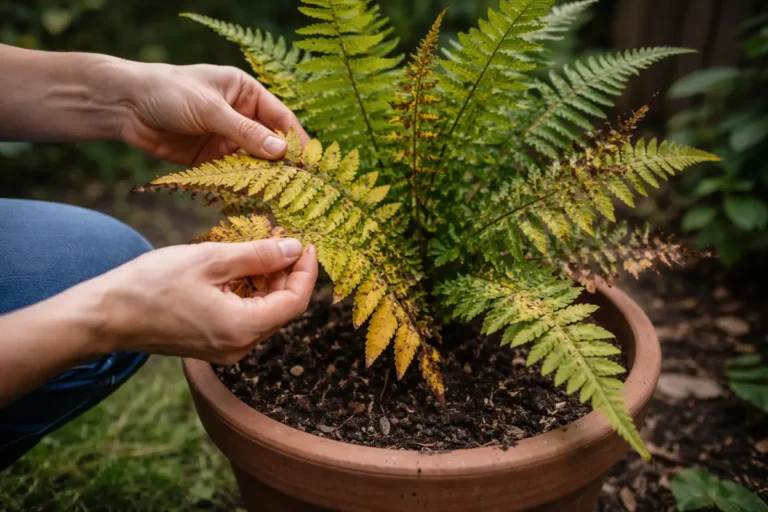
Inspect the leaves for any signs of stress, such as yellowing or browning edges. You should look for fresh growth and firmness within the next couple of weeks to signify recovery. Implement close examinations to identify different stress indicators—yellowing may suggest nutrient deficiency, while crispy edges often point to underwatering or sunburn. Observing a rapid decline in leaf turgor, where the leaves lose their plumpness and start to wrinkle, is a pressing signal that the plant continues to struggle. If yellowing continues despite following care steps, reassess your light conditions.
A healthy herb plant should show vibrant green leaves and new shoots—a sign that it’s bouncing back. In contrast, persistent yellow or wilting leaves indicate ongoing issues that require attention. Checking for pest infestations, such as aphids or spider mites, can also help determine if the herbs are facing challenges beyond hydration and nutrients. Implementing a preventative approach with neem oil spray might safeguard your plants if pests are suspected. This vigilance allows you to gauge efficacy and pivot to more drastic measures—if it persists, you may need additional treatments or relocation to improve environmental conditions. In the case of severe damage, removing leaves that are more than 50% afflicted can redirect energy into healthier regions of the plant.
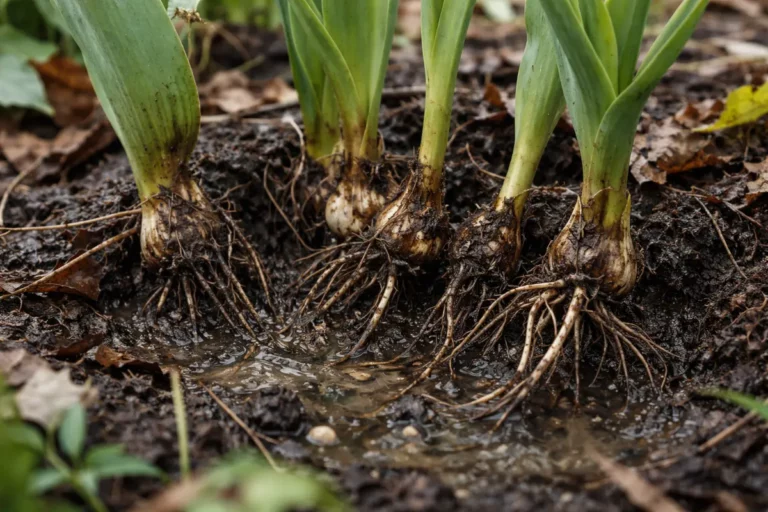
If you notice stress signs returning despite your efforts, revisit your watering and fertilization methods. It’s important to study water retention and drainage systems; the roots may be suffering from overwatering, indicated by a soured soil scent. If the soil remains overly wet, this necessitates a switch to a more breathable planting medium. Additionally, over time, roots can become susceptible to root rot or other fungal-related diseases. If stress continues, consider relocating the pots to a location with less direct sunlight during the hottest parts of the day or even employing shade cloths for a bit of relief until the plants recuperate. Considering the shifting light conditions as seasons change is vital as well; winter light may be vastly different, leading to overreaction to direct sun that previously seemed manageable. If the recovery signs fade again, it may indicate a deeper systemic issue that could benefit from professional assessment or moving the herbs to a more consistent environment with controlled light exposure.
FAQ
How long does it take for wilting herbs to recover after watering?
Once you water your wilting herbs thoroughly, you can expect to see signs of recovery within a few hours. However, full recovery, showing new growth and lush leaves, generally occurs within a week if the conditions remain favorable, including appropriate sunlight and compost support. It’s essential during this time to monitor not only their hydration but also the quality of light for sustained recovery. If light levels drop during cloudy days, adjusting their position briefly can also help.
Can I leave my herbs in direct sunlight after they start wilting?
No, it’s best to temporarily move your herbs to a shadier location until they recover. Continuous exposure to direct sunlight can further stress the plants and hinder their ability to bounce back. While they need sunlight for photosynthesis, limiting direct intensity can prevent further dehydration during the recovery process. Additionally, consider re-establishing environmental factors like humidity, as hot air can exacerbate moisture loss; misting them lightly can help. If shade is not available, using sheer curtains can also help soften the impact of direct sunlight.
Should I remove any affected leaves from my wilting herbs?
Yes, it’s a good practice to remove any dead or severely wilted leaves as they won’t recover. Pruning these leaves helps the plant redirect its energy to new and healthier growth. Additionally, this action can reduce the risk of attracting pests that are drawn to decaying foliage. As a rule of thumb, if the leaf feels brittle or mushy, it’s best to remove it to promote a healthier overall structure. Always use sharp shears, preferably sanitized between cuts, to avoid transmitting disease between cuts. The remaining healthy leaves can repair more effectively when free of stress from dying foliage.