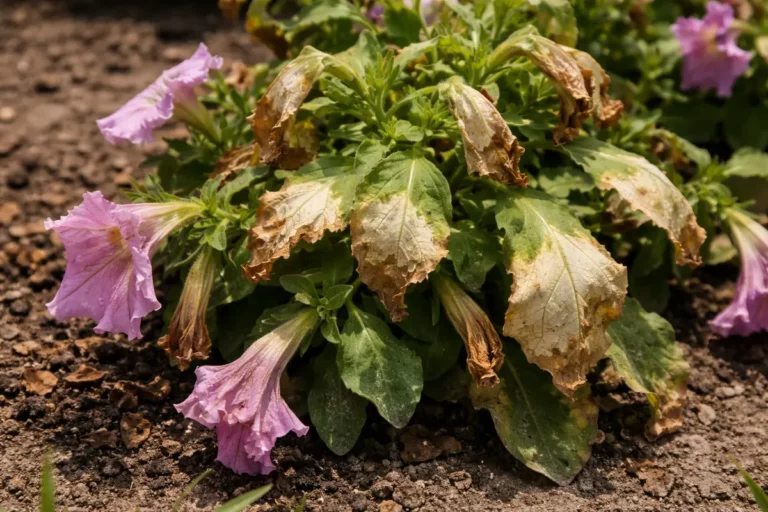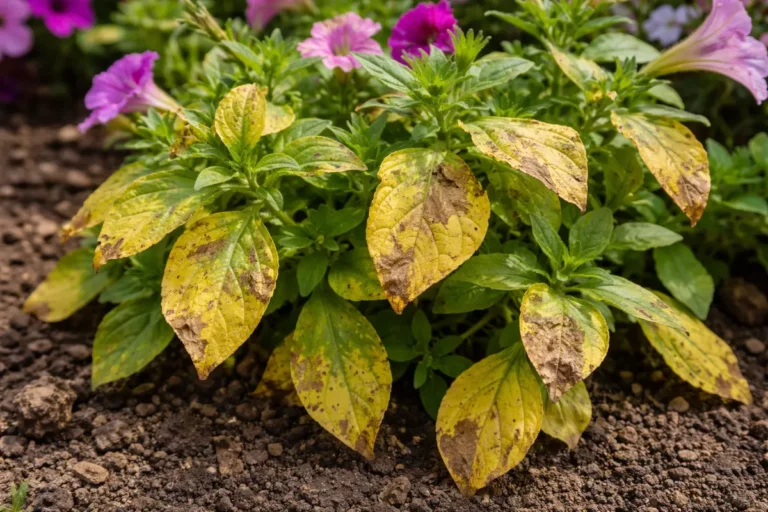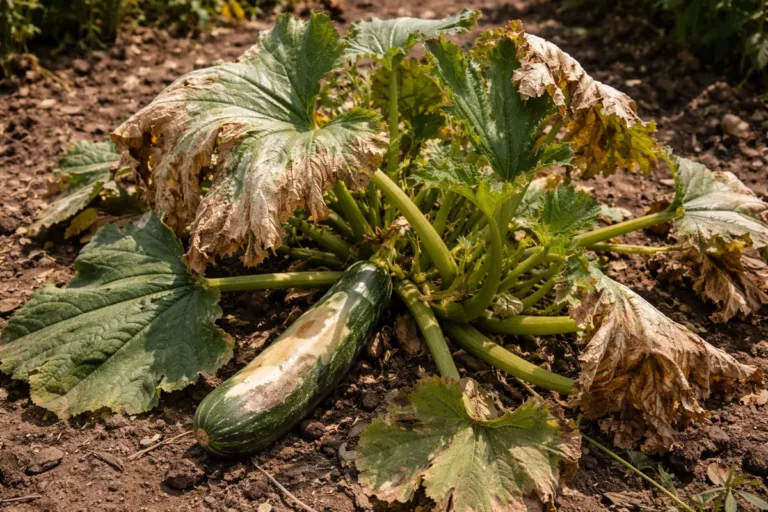
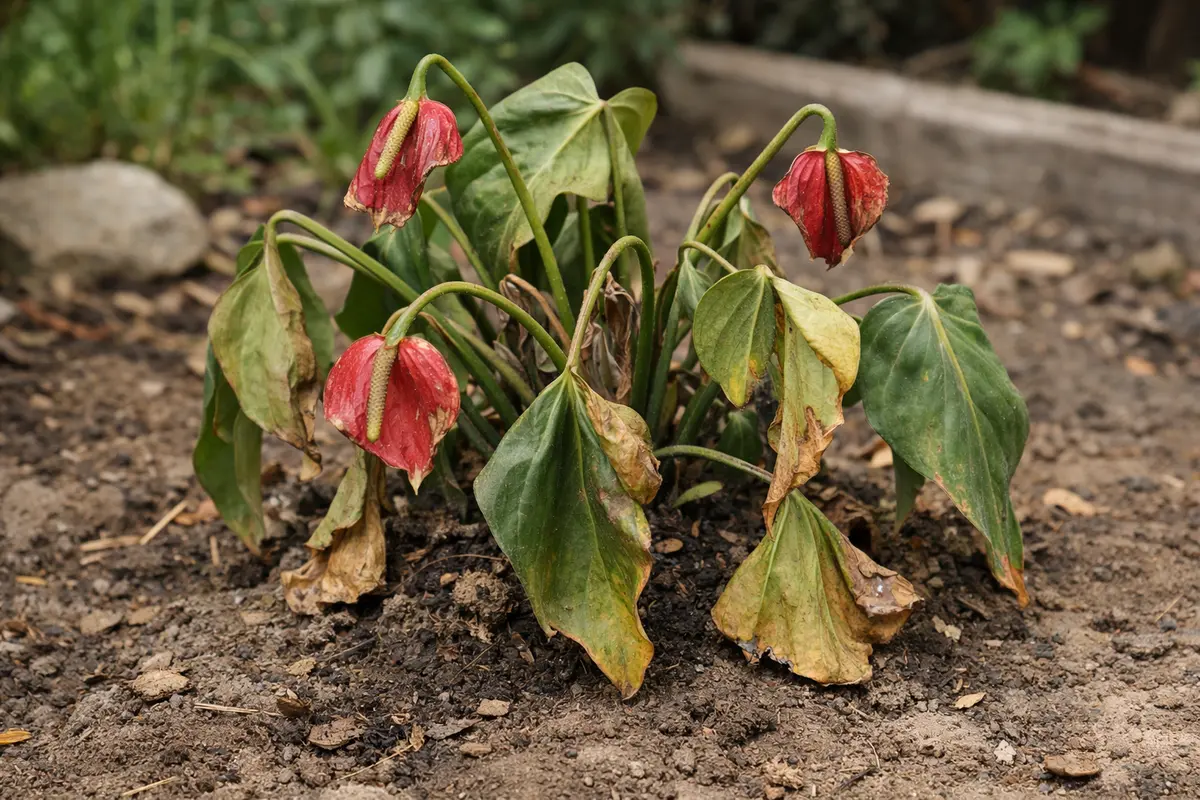
You may notice your beautiful anthurium looking less vibrant during a heatwave, which is why you need to know how to stop drooping growth on anthurium during heatwave. This wilting is often caused by insufficient water uptake when temperatures rise, leading to drooping leaves that can signal significant stress on the plant. If left unaddressed, the situation can worsen, weakening the plant and making recovery harder, but it’s possible to improve conditions now by adjusting your watering routine and monitoring light levels.
Step 1 – Water Anthurium to Combat Heat Stress
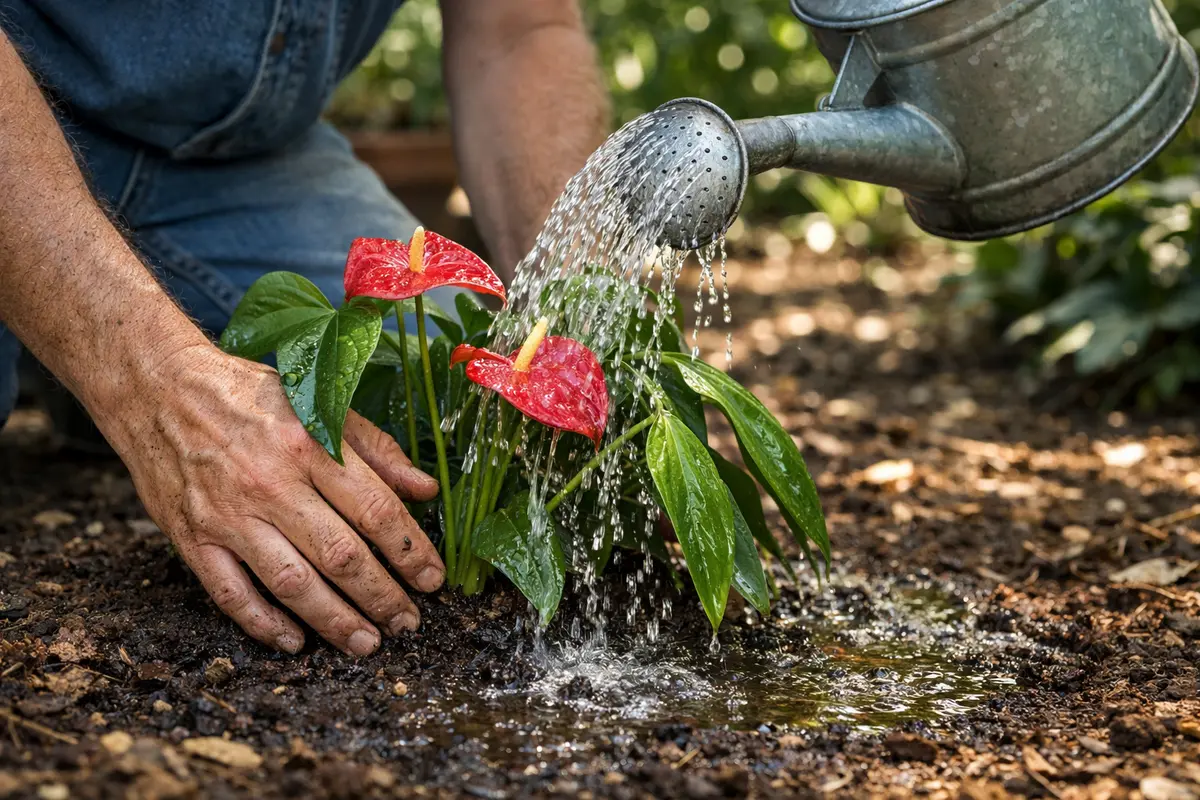
Water the anthurium thoroughly to combat immediate heat stress. You should notice the leaves perk up within a few hours, revealing a better overall appearance. This initial watering is crucial, especially when temperatures soar above 85°F (29°C), as moisture loss through evaporation significantly increases. Aim for approximately 1-2 cups of water per plant, depending on its size.
This step works because anthuriums require consistent moisture, and during heatwaves, roots can dry out quickly. When the plant is deprived of water, it struggles to maintain rigidity, leading to drooping leaves. This delicate balance is vital; replenishing the water supply quickly provides energy for photosynthesis and overall health. If watering doesn’t show immediate results, you may find that the soil is hydrophobic, meaning it has repelled water due to prolonged dryness.
A common mistake is underestimating the amount of water needed; simply moistening the topsoil won’t suffice. In hot weather, ensure that the water reaches a depth of about 6 inches to directly hydrate the root system. Otherwise, you may continue to see leaf droop, indicating that the problem persists. If your pot has drainage holes, allow excess water to drain out completely; stagnant water can lead to further complications with root health.
Step 2 – Assess Light Levels Affecting Drooping
Start by checking the soil moisture levels around your anthurium. Water the plant thoroughly if the top inch of soil feels dry to the touch, and observe the leaves begin to perk up within a few hours, indicating that the drooping is improving.
The drooping growth typically occurs because the roots are not receiving enough water, leading to stress in plant tissue. During a heatwave, soil moisture evaporates quickly, causing the roots to become dehydrated and less capable of transporting nutrients and water. This results in both wilting leaves and drooping stems, while healthy, hydrated plants will have firm, upright foliage.
If the soil smells sour, it may indicate root rot due to overwatering, in which case you should repot the plant in fresh, well-draining soil to promote healthier root conditions. Alternatively, if you notice yellowing leaves along with drooping, this could mean nutrient deficiency, which requires fertilization to rectify.
Anthuriums naturally thrive in indirect light, and excessively bright conditions lead to water loss and increased temperatures around the plant. The leaves will curl and droop when stressed due to lack of hydration, which disrupts their ability to photosynthesize effectively. Correcting the light exposure allows the plant to retain moisture, mitigating further drooping. If indoor conditions don’t suffice, consider utilizing sheer curtains or relocating near a north-facing window to ensure optimal light without direct sun exposure.
If it appears the plant is still drooping even after adjusting the light, check other environmental factors such as soil quality or air circulation. High humidity or stagnant air could contribute to fungal issues, creating a different set of problems, which might require a different approach to care. Invest in a small fan to circulate air, especially during peak heat hours, ensuring your plant can thrive in a more stable environment.
Step 3 – Test Soil Moisture for Overwatering Issues
Start by thoroughly inspecting your anthurium for signs of drooping growth, which often manifests as sagging leaves that become limp and lose their usual turgor. Look for any yellowing or browning at the leaf edges, indicative of stress and dehydration caused by the heat. Addressing this issue promptly can result in improved leaf firmness and upright positioning within a few days of care.
Drooping leaves may resemble other problems like overwatering, where leaves turn mushy and develop dark spots. In contrast, drooping due to heat stress typically retains a firmer texture, without the soft, squishy feel associated with overwatering. If leaves exhibit a yellowing hue but remain stiff, this confirms heat-related drooping rather than root rot. If not this → check for other symptoms such as waterlogged soil or visible pests.
If you’re uncertain about the cause of drooping, allow the plant to acclimate over several days in a cooler, shaded area before proceeding with treatment. Monitor any changes in the leaf texture and appearance during this observation period, as fluctuations may help pinpoint the issue more accurately. This careful approach prevents premature actions that could worsen the plant’s condition.
When soil is saturated, it deprives roots of oxygen essential for nutrient uptake and can create conditions favorable to root rot. This wilting appears similar to underwatering, but the leaves will feel soft and pliable rather than crisp and dry. Thus, it’s essential to differentiate these states to apply the correct remedy. Be cautious; if signs of root rot show up, the plant may need repotting or a complete root treatment.
If you suspect overwatering but the soil doesn’t smell sour or show signs of rot, allow it to dry for several days and monitor the plant’s response. If drooping continues, consider repotting into fresh, well-draining soil to remedy root health, ensuring optimal growth conditions. Choose a mix specifically designed for tropical plants or add perlite to standard potting soil, enhancing aeration and drainage.
Step 4 – Feed Anthurium to Encourage Stronger Growth
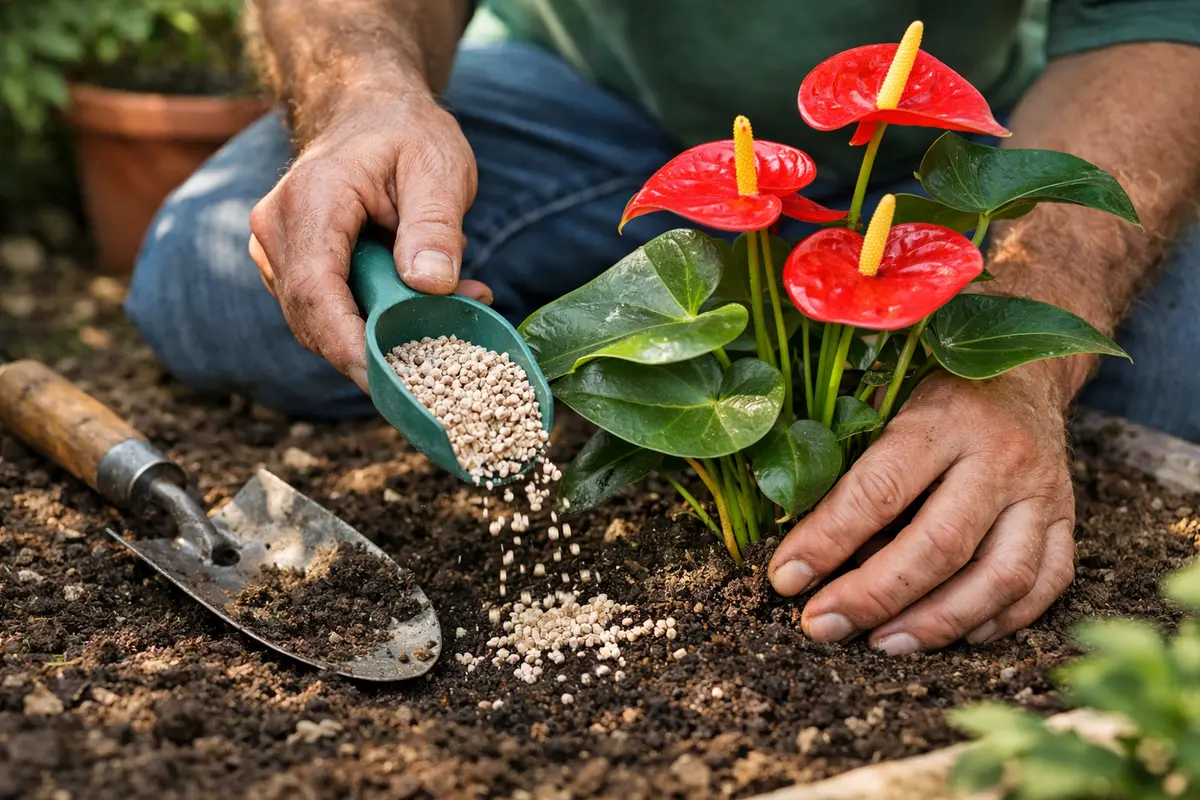
Apply a balanced fertilizer that is high in potassium to nourish your anthurium. Within a few days of application, you should witness new growth emerging, along with leaf firmness returning. Fertilization reinforces the plant’s resilience against heat stress by boosting overall health. Use a water-soluble fertilizer at a dilution of half the recommended strength to avoid overwhelming the plant.
Fertilizer provides essential nutrients that promote strong tissue development, crucial for recovering from heat stress. When provided with adequate nutrients, leaves can rejuvenate faster and regain their lush appearance. A healthy plant also helps resist future stress and can quickly replace any damaged foliage. Observe the plant’s reaction post-application; yellowing of the leaves can point to nutrient deficiency or over-fertilization, both of which require immediate adjustment.
Be cautious not to over-fertilize, as this can lead to fertilizer burn which compounds droop issues. Following the manufacturer’s guidelines for application rates is vital; too much fertilizer can damage the roots already struggling under heatwave conditions. Monitor the plant’s response and retune the frequency of feeding as needed. Adjust your feeding schedule based on the season, as plants typically require less fertilizer during their dormant periods.
Step 5 – Water Thoroughly to Guard Against Heatwaves
Start by relocating your anthurium to a shaded area during peak sunlight hours, ideally to a spot with filtered light. By doing this, you will see the leaves regain their turgidity, reducing drooping and allowing the plant to stabilize in hot conditions.
Heatwaves often trigger drooping when plants are exposed to intense sunlight and dry air, leading to dehydration. By providing shade, you directly address this root cause, as the plant will not lose moisture as rapidly in cooler conditions. If your anthurium is still drooping despite shade, check the soil moisture levels; dry soil can exacerbate the symptoms.
As temperatures rise seasonally, ensure you increase humidity around your plant. You can achieve this by misting the leaves regularly or placing a humidity tray filled with water beneath the pot. This additional layer of prevention helps to combat the drying effects of heat, allowing your anthurium to thrive even during the hottest months.
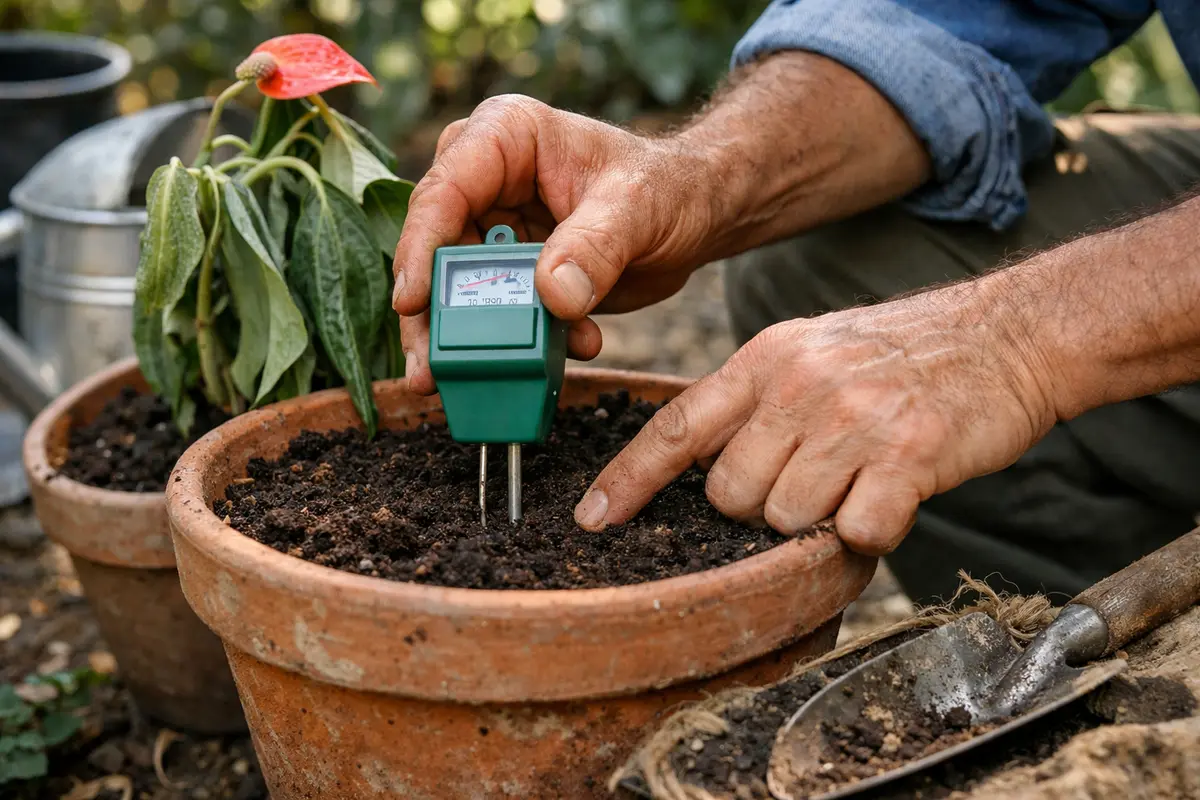
Regular watering is essential as it offsets the stress from heat and evaporation. It ensures that roots remain hydrated, which directly affects the plant’s ability to absorb nutrients and water from the soil. Consistently moist soil creates a better environment for anthuriums to thrive, especially when temperatures are high. Use a soil moisture meter for accuracy; when it indicates low moisture levels, it’s time to water again.
During extremely hot conditions, consider adjusting your routine to address evaporation more effectively; this could include watering twice a week or using mulch to reduce surface water loss. Also, keep an eye on seasonal temperature variations that may necessitate changes in watering frequency, particularly during peak summer heat. Make sure the mulch layer is kept at around 2-3 inches deep, as this will help maintain soil moisture without suffocating the roots.
Step 6 – Check Leaves for Signs of Recovery Weekly
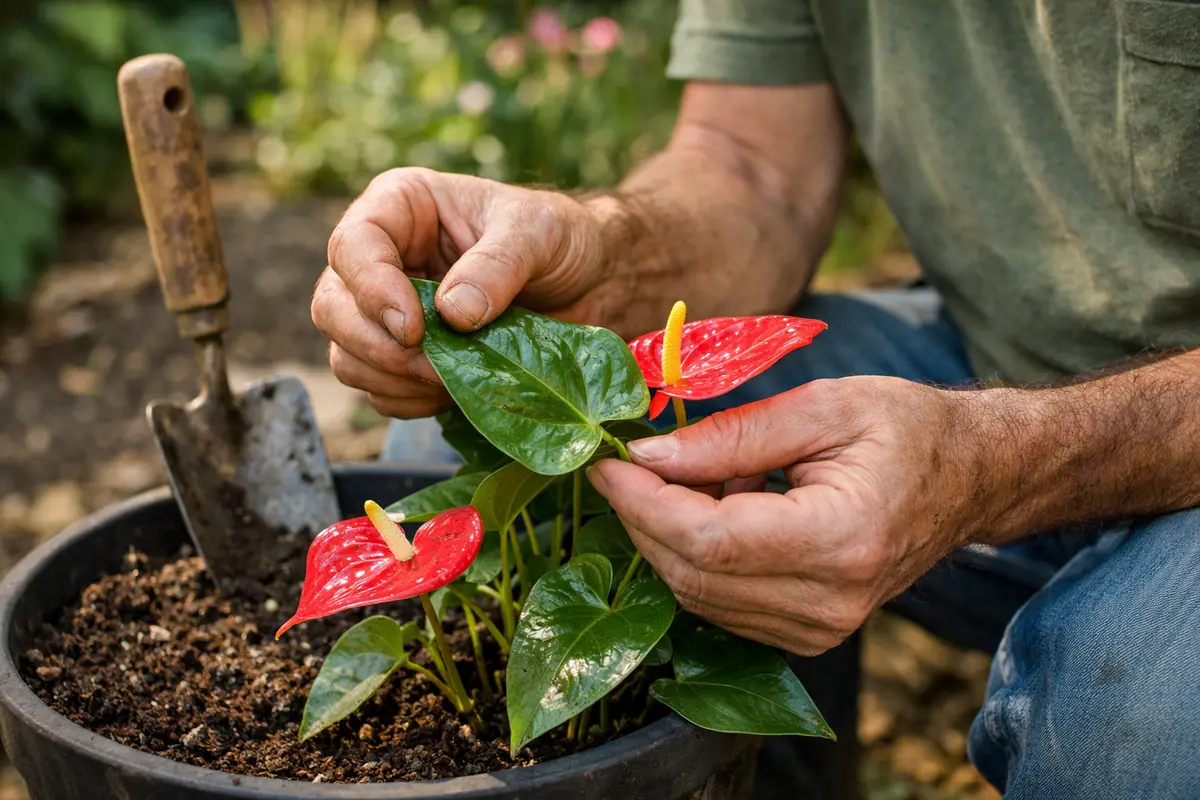
Start by checking the moisture level in the soil daily during the heatwave, ensuring it remains consistently damp but not soggy. Observe the plant for wilting leaves, browning edges, or curling foliage, which are signs of stress from high temperatures. Recheck these conditions every morning and late afternoon, and adjust watering as necessary to counteract the dry heat.
A fully recovered anthurium showcases vibrant, upright leaves with a glossy texture, indicating sufficient hydration and recovery from heat stress. In contrast, early signs of the problem returning include limp leaves that lose their luster and start to sag again, signaling the plant has not regained full strength. If the leaves appear crinkled and dull rather than smooth and shiny, immediately revisit your watering routine.
If the drooping persists despite your efforts, consider relocating the anthurium to a spot with indirect light and cooler temperatures, which can alleviate further stress. If the plant’s condition worsens, check for root rot, which may require repotting in fresh soil, as continued exposure to heat without sufficient care can lead to greater issues.
A fully recovered anthurium will demonstrate vibrant green leaves that are upright and firm, representing effective hydration and nutrient uptake. Watch for signs of returning issues, like yellowing or soft leaves, which signal that adjustments may be necessary or that pests could be a factor. Regular assessment allows you to catch any issues early before they progress into serious problems. Keeping a small notebook may help track improvements and setbacks.
If drooping occurs despite thorough efforts, consider reevaluating your environmental controls, including temperature, humidity, and light exposure. If necessary, consult with local specialists for tailored advice based on your plant’s specific growing conditions and any visible signs. Observing patterns—the frequency of drooping in relation to temperature spikes—can inform your long-term care strategies.
FAQ
How long does it take for anthurium to recover from heat stress?
Recovery can take anywhere from a few days to several weeks, depending on the level of stress experienced. Observing for signs of new growth within one week is an encouraging sign, indicating that the plant is on the right track to recovery. If significant recovery doesn’t happen after two weeks, consider reassessing your care strategies.
Can drooping growth on anthurium spread to other plants?
No, drooping growth does not spread; however, if the condition is due to an underlying issue like pests or fungal disease, those can spread to other plants. Maintaining good hygiene and monitoring surrounding plants can help prevent any issues from escalating. Regularly inspecting nearby plants can also catch potential problems early.
Should I remove drooping leaves from my anthurium?
Removing severely drooping or damaged leaves can help the plant focus its energy on healthier growth. However, wait until you see signs of recovery first, as premature cutting can lead to additional stress. When pruning, use clean, sharp scissors to prevent introducing pathogens, thus ensuring your cutting method doesn’t inadvertently affect plant health.