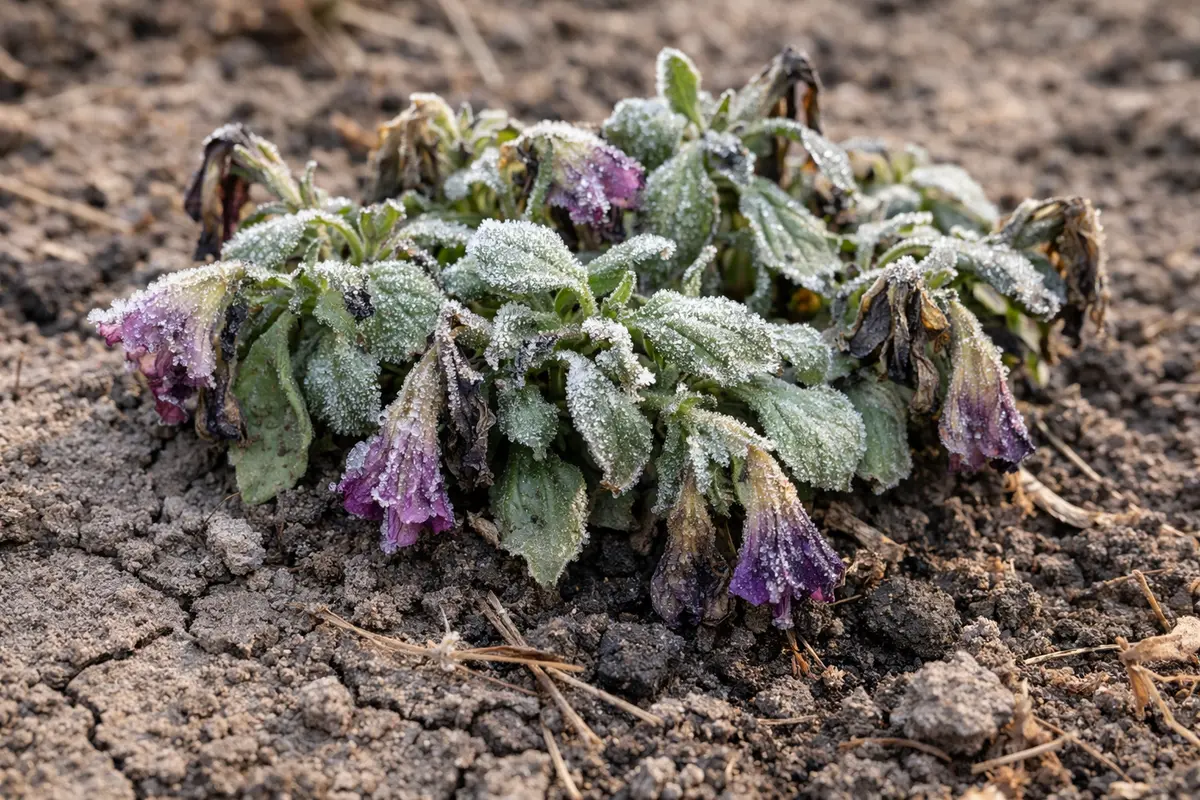
You may notice your petunias drooping and losing their vibrant colors when temperatures plummet at night, which is why you need to know, “Why are my petunias wilting after a cold snap.” This wilting occurs as the cold stress can damage the plant’s cells, leading to mushy spots and decline. If left untreated, the issue can spread, weakening the plant and making recovery harder, but you can still fix it by checking for damaged foliage and adjusting your care routine accordingly.
Step 1 – Inspect Petunia Leaves for Frost Damage
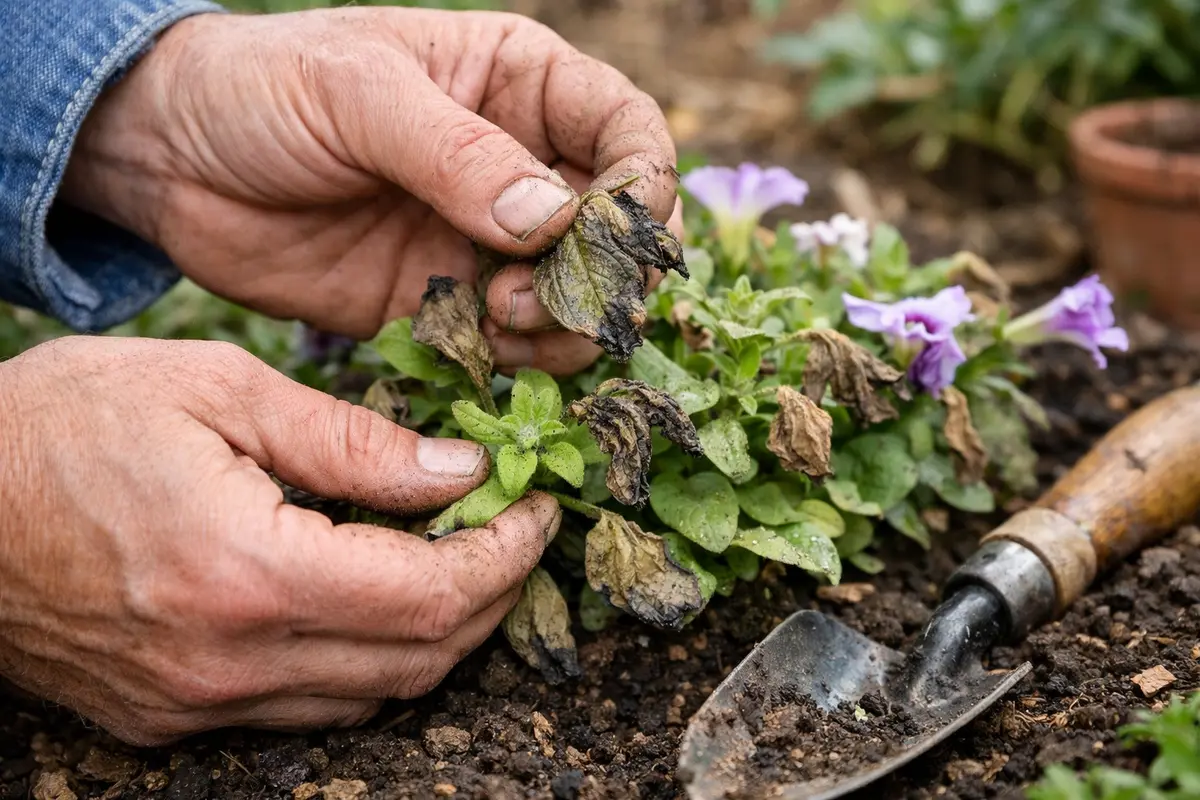
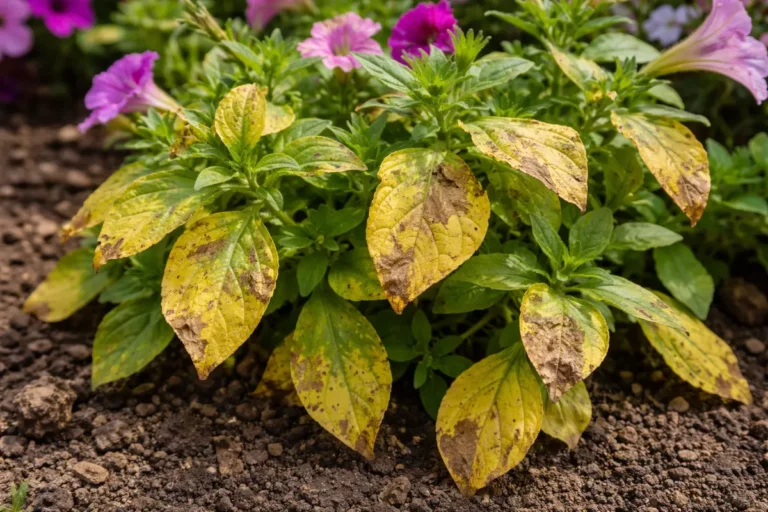
Check the petunia leaves closely for signs of frost damage. You will observe brown or black lesions that indicate frost has penetrated the leaf tissue. Additionally, examine the undersides of the leaves, as they might also show signs of browning not visible from above. It’s a good idea to inspect the plants in the afternoon when the sunlight can reveal more subtle damage, as warmer temperatures can increase visibility of frost impact. Look for wilting or curling at the leaf edges, as these are often telltale signs of frostbite as well.
Acting swiftly is crucial because, once leaves are frozen, the plant struggles to absorb nutrients and moisture. The cold causes ice crystals to form inside plant cells, breaking cell membranes and leading to wilting. Darkened, limp leaves often signal entry points for pathogens, which become more active when plants are stressed. A good practice is to make a visual note of which leaves look compromised daily. If you observe a shift in leaf color or texture from day to day, this indicates further intervention is necessary. Creating a baseline observation may help identify how rapidly the situation evolves; for example, within two to three days, if a leaf darkens more noticeably, immediate action is indicated.
Common mistakes include assuming that all damage is superficial and neglecting to prune back affected areas. For instance, failing to remove obviously dead leaves may allow disease to spread, exacerbating the issue. If you observe multiple leaves exhibiting severe wilting yet leave them untreated, you create a risk of a cascading effect, causing adjacent healthy leaves to deteriorate. Instead, consider performing a gentle tug on affected leaves; if they come off easily, they should be removed. Regular checks can provide the advantage of catching damage early before it exacerbates. In short, observing gradual changes can prevent broader plant decline and allow you to intervene before the damage is extensive.
Step 2 – Diagnose Root Issues from Cold Exposure
Start by checking the soil moisture around your petunias. If the soil is too saturated or too dry, adjust the watering accordingly. You should notice a gradual improvement in the leaves’ turgidity and color after making these adjustments.
When petunias experience wilting after a cold snap, it often indicates root damage due to sudden temperature changes. Cold temperatures can lead to frozen soil, restricting roots from absorbing water, which results in visible wilting. In contrast, if the leaves are limp but not discolored, the issue may be overwatering, causing root rot instead of frost damage. If you find the soil feels soggy, investigate for signs of root rot.
If the soil smells sour, your petunias may be suffering from root rot. In this case, immediately stop watering and consider replanting in fresh, well-draining soil. Alternatively, if the wilting is accompanied by leaf discoloration without any foul odor, adjust your watering frequency instead, prioritizing a balance to prevent further stress.
Frost-damaged petunias can struggle to transport water and nutrients effectively. When frost penetrates the plant, roots can lose their capacity to function, leading to systemic failure that renders your plants more vulnerable to disease. Not only does cold weather cause damage, but it also sets the stage for opportunistic mold and rot if the soil remains overly saturated with moisture that the compromised roots cannot uptake. If left unaddressed, root damage can lead to nutrient deficiencies that manifest as discoloration and stunted growth on leaves. You should be prepared for this possibility by knowing which petunia varieties are hardier, as some respond more favorably to adverse conditions — for instance, ‘Wave’ petunias often handle cold snaps better than others.
If the leaves seem affected but the stems feel firm, it may indicate that only the outer tissue has been affected. In this scenario, carefully trimming back frost-affected leaves while leaving healthy shoots can facilitate recovery. This precautionary approach helps concentrate the plant’s energy on surviving areas and encourages new growth without wasting resources on damaged tissue. Prompt removal of damaged parts not only aids in recovery but prevents the attraction of pests that may thrive in unhealthy plant tissues. Consider marking your plants to monitor response in terms of new leaf formation over the next week; this ensures you can track growth patterns closely after frost incidents.
Step 3 – Revive Petunias with Deep Watering Technique
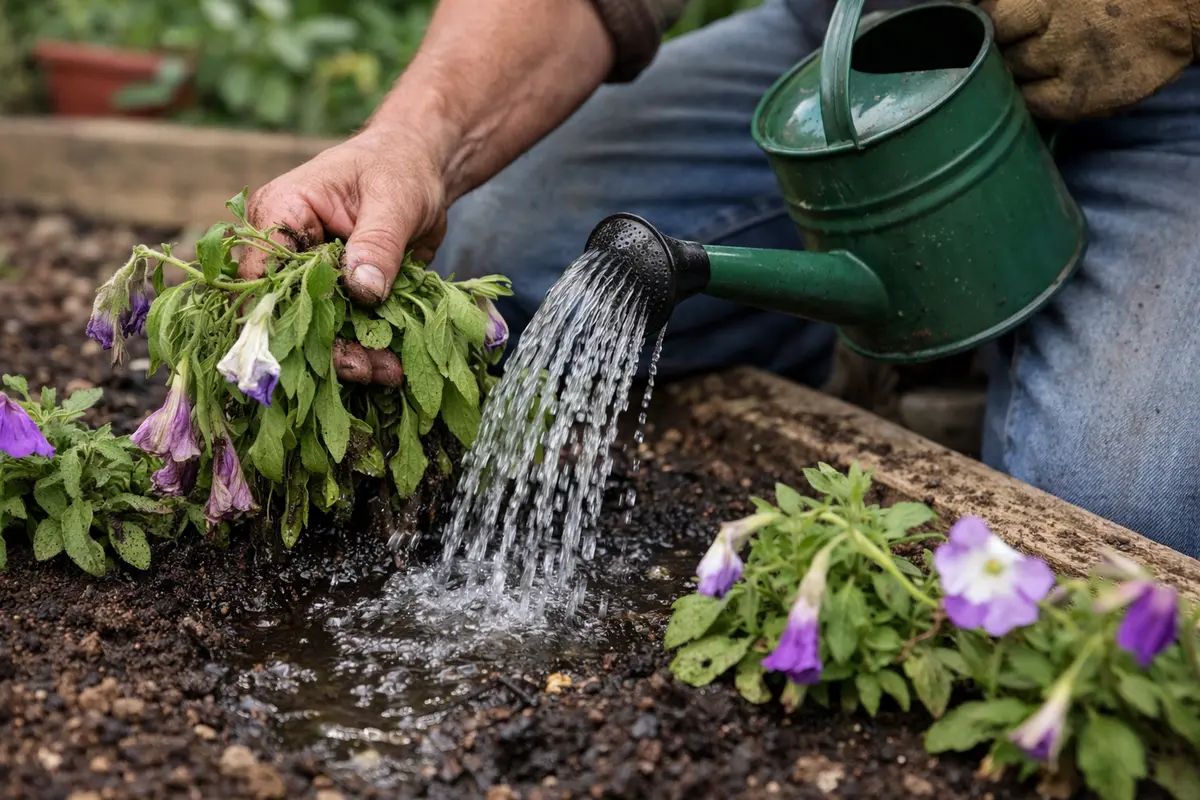
Water your petunias deeply to help them recover from wilting after a cold snap, ensuring the soil is consistently moist but not soggy. Within a few days, you should start to notice signs of improvement, such as the leaves regaining their firmness and blossoms starting to perk up. To prevent future wilting, develop a habit of covering your petunias with frost cloth or moving pots indoors before a forecasted drop in temperature.
Recovery from wilting due to cold shock can take several days to a couple of weeks, depending on the severity of the cold and the overall health of the plants. If the leaves turn brown and mushy, it indicates overwatering, while crisp leaves signal damage from the cold itself. If you don’t see any improvement after a week, check the drainage of the soil to ensure it isn’t retaining too much moisture.
A common mistake during the recovery phase is over-fertilizing out of concern for your wilting petunias, thinking it will speed up recovery. Instead, focus on watering and allow the plants to stabilize before introducing fertilizers again. If the weather outlook continues to show cold temperatures, adjust and cover the plants earlier to mitigate stress.
Recovery from cold damage can take one to three weeks, depending on plant conditions and care. If your petunias were in a sheltered spot, they might recover faster than those exposed to harsh winds and frost. Watch for signs of stunted growth as these indicate a longer recovery time, while faster growth suggests your recovery efforts are effective. If the temperature unexpectedly drops again before your plants are fully established, they may wilt yet again, highlighting the need for early intervention.
A common mistake during recovery is overwatering the petunias, thinking they need extra moisture to bounce back. Instead, this can lead to root rot if the soil remains waterlogged. Adjust your watering schedule based on the substrate’s moisture level; if the soil feels soggy, check drainage solutions instead of flooding your plants. This shift in approach ensures that you’re providing the right conditions for recovery without exacerbating the problem.
Watering deeply benefits petunias post-frost by replenishing lost moisture and encouraging root activity. As water seeps into the soil, it spreads to areas where root hairs are actively seeking sustenance, thereby stimulating new root growth. Consistency in moisture levels is essential; the soil shouldn’t dry out completely between waterings, especially as temperatures fluctuate during early spring. As a standard practice, aim to allow moisture to penetrate at least six inches deep—this is where most root activity occurs, and observing soil color change can indicate if this has been achieved. You should monitor soil moisture not just after watering, but daily during recovery, keeping records if necessary.
Be cautious; however, as overwatering can lead to root rot, particularly if your soil has poor drainage. If frost compromise has occurred, the added moisture can quickly push an already weakened root system toward failure. Signs of root rot typically include a foul odor and blackened roots when assessed. Therefore, adjust your watering schedule: if you sense that the soil remains consistently moist and the sunshine’s intensity increases, switch to a less frequent watering schedule. Switching to a soil mix designed for better drainage can help mitigate these concerns. In heavy clay soils, consider integrating coarse sand or perlite to enhance drainage capability and maintain optimal moisture without drowning the roots. Regularly checking for excess water pooling is crucial in preventing a potential crisis.
Step 4 – Check Petunia Growth for Signs of Recovery
Monitor your petunias daily, focusing on both leaf firmness and new growth emerging from the center of your plants. Look for colors regaining vibrancy in the leaves and robust new shoots forming, which signal positive responses to your care efforts after frost exposure. A healthy petunia will present vibrant green foliage with sturdy shoots, indicating that nutrients are flowing effectively through its system; a color change typically shows improvement.
If browning persists or new growth is slow to appear, the plants may still be under duress from cold injury or suffering from other issues, including hidden pests or nutrient deficiencies. Regular monitoring allows you to patrol for any faded or wilting leaves that may signal additional setbacks affecting the health of the plant. If recovery signs don’t emerge within a week to ten days, re-evaluate your watering practices, soil condition, and exposure to sunlight; these environmental factors are often primary contributors to plant stress. Examining surrounding plants for similar symptoms can also provide insight into an environmental issue rather than a singular plant concern. For instance, if neighboring plants begin wilting too, an analysis of soil nutrients may be warranted.
If wilting returns and no new growth emerges, investigate both soil conditions and pest activity critically. Keep an eye out for spider mites or aphids, which can exacerbate wilting and stunted growth. If your standard gardening efforts yield little improvement, it might be necessary to consult local gardening experts for additional information. Many local extension services or plant specialists can provide insights into climate-specific plant behavior that could aid in recovery or effective alternative solutions tailored to your region’s environmental challenges. Remember to have your observations documented—it’s easier to identify trends and problems when you have a record to refer to.
FAQ
How long does it take for petunias to recover after a cold snap?
Recovery time varies but typically takes about one to two weeks. You should see signs of new growth within this period if conditions improve and adequate care is maintained. However, if cold weather continues to fluctuate, recovery can extend past this timeframe, leading to inconsistent growth and potential re-injury. Be prepared for a longer wait if your petunias were heavily damaged or if adverse weather persists in your area.
Can root rot spread to other plants if my petunias are affected?
Yes, root rot can spread, particularly in warm, damp conditions. It becomes crucial to isolate affected plants and improve soil drainage to protect nearby plants and monitor their health. Checking surrounding plants for wilting and root conditions helps to ensure the overall health of your garden, especially if plants share soil or watering systems, warranting a thorough inspection. Symptoms such as yellowing of leaves in neighboring plants can signal a wider problem.
Should I remove all affected leaves from my petunias?
Not necessarily all; only remove severely damaged leaves that show no signs of improvement. Pruning can help direct energy towards healthy growth while minimizing additional stress on the plant. Moreover, ensuring your cutting tools are sterile is essential, as this prevents introducing pathogens that can further harm the plant. After removing leaves, applying a diluted plant recovery solution can foster healing and prevent infection in the exposed stems.