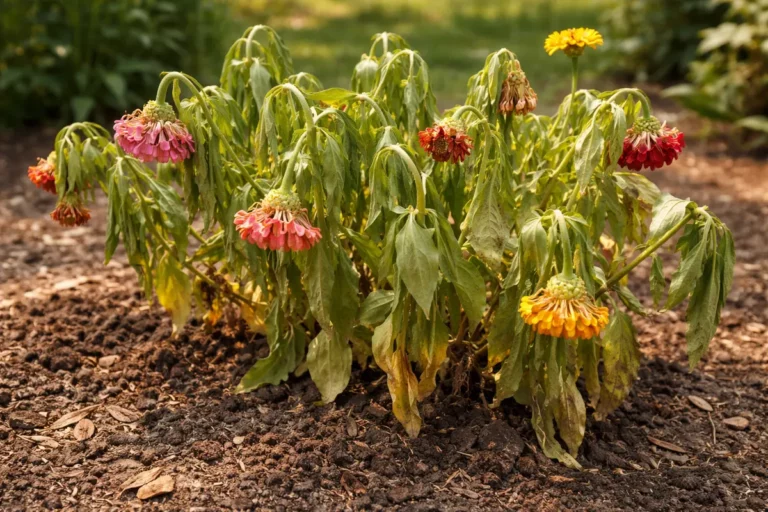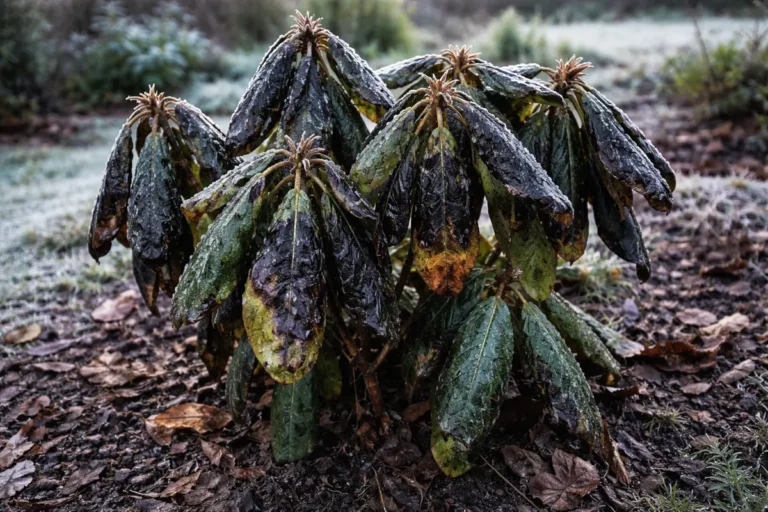
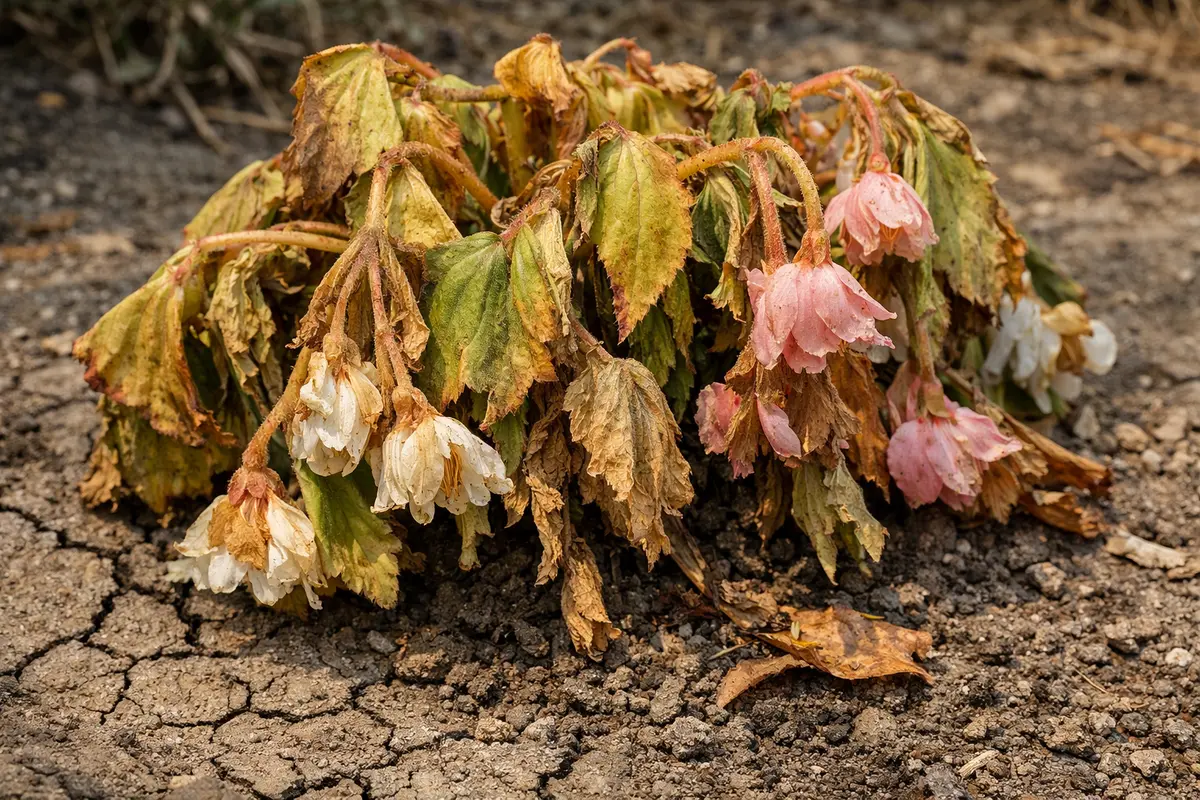
You may notice your begonias drooping during the hot days following a recent heatwave, which is why you need to know why are my begonias drooping after a heatwave. This drooping indicates that the plants are experiencing stress, often due to wilting from excessive heat and lack of moisture. If ignored, the wilting can worsen and weakens the plant, making it harder to revive, but fixing it is possible now if you inspect the soil, adjust your watering routine, and monitor their environment closely.
Step 1 – Water Begonias to Revive Drooping Leaves
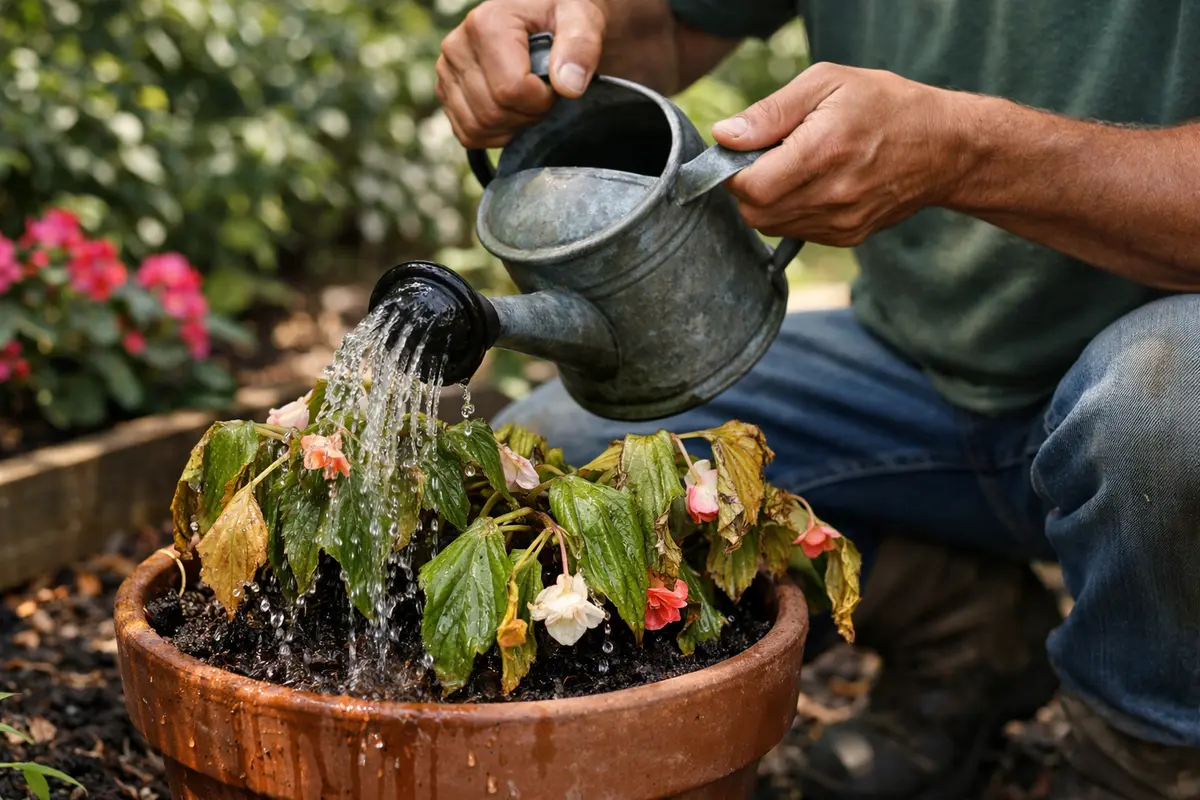
Water your begonias immediately to begin reviving their drooping leaves. You will see the leaves perk up and regain their turgidity within hours as they rehydrate. This initial watering is a crucial step to halt further wilting and stress that can lead to prolonged recovery times or plant death. Make sure to soak the soil thoroughly until excess water drains through the bottom of the pot.
During a heatwave, begonias can lose moisture at an alarming rate. The process of transpiration accelerates, causing the plant to lose water faster than its roots can replace it. If the loss continues for too long, the plant may suffer irreversible cellular damage, leading to severe wilting or death. To gauge how dire the situation is, observe if the leaves are not just drooping but also turning yellow or becoming papery. Thirsty plants display drooping leaves that lose their firmness, signaling urgent care needs. If you notice crispy edges on the leaves, the plant has already suffered moisture loss that may lead to distress.
Many gardeners overlook the urgency of watering immediately after a heatwave, mistakenly thinking their plants can recover without intervention. A common error is waiting several days to assess the plant’s condition before taking action. By the time this delay occurs, recollecting moisture may prove more difficult. If regular moisture isn’t established quickly, the plant could face irreversible damage, including retraction of leaves and degraded foliage. Right after a heatwave, it’s essential to form a habit of checking water levels regularly to prevent future stress during harsh weather conditions.
Step 2 – Identify Heat Stress in Begonia Plants
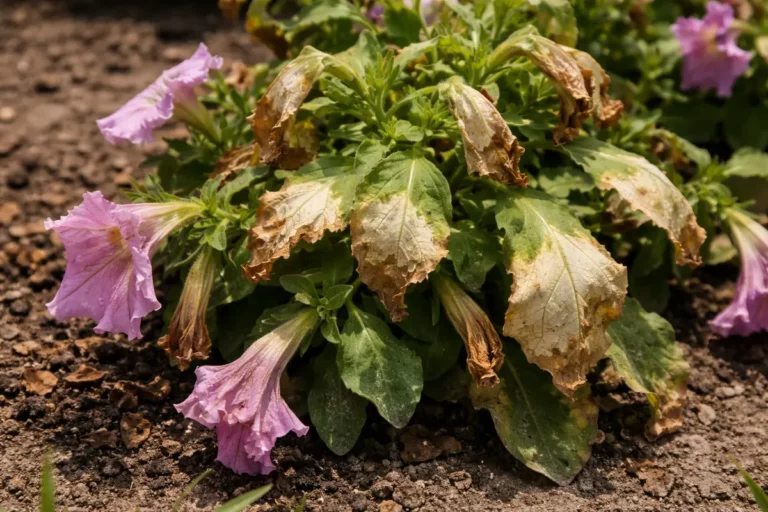
Examine your begonias closely to identify the exact signs of heat stress. You will observe soft, drooping leaves and, potentially, dried or crispy edges, which indicate the plant is struggling to cope with heat exposure. Additionally, browning at the tips of the leaves often confirms that the heat has impacted the plant’s health significantly. This assessment is vital for determining your next care strategy.
When exposed to intense heat, begonias may lose not just water but essential nutrients as well. Leaves that start to appear limp indicate that the roots are having trouble taking up water, often due to compacted, dry soil. To check the soil, lift the pot gently; if it feels light, this is an indicator that the soil has dried out significantly. Identifying heat stress early allows you to take corrective measures that can restore the plant’s health before further complications develop, possibly preventing more extensive stress reactions.
If you notice that some foliage is worse off than others, check the soil moisture. If the soil is dry to the touch, then the watering needs immediate adjustment. Conversely, if the soil feels excessively wet beneath the surface, consider decreasing the watering frequency to avoid root rot, which can cause drooping as well. This differentiation helps pinpoint the exact issues affecting the plant effectively, and being proactive can make a significant difference in recovery speed.
Step 3 – Test Soil Moisture for Drooping Symptoms
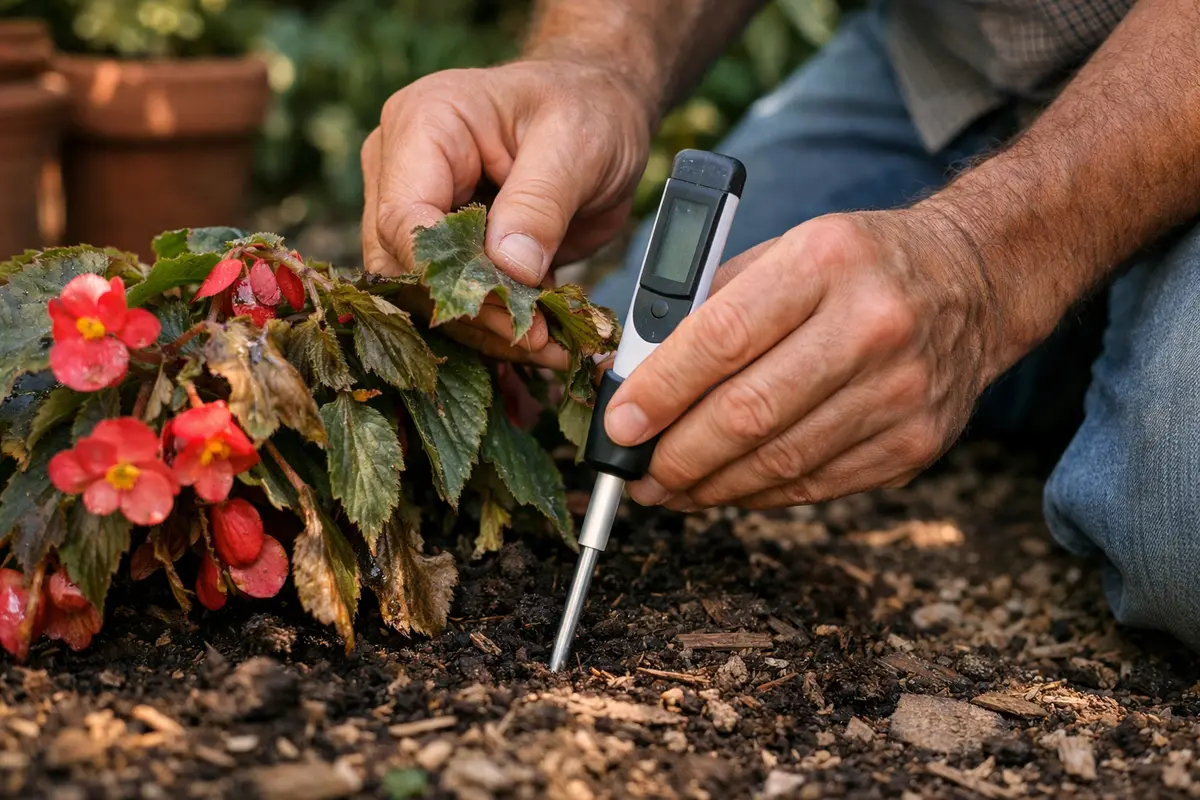
Start by inspecting your begonias for signs of wilting. Drooping leaves that feel limp and lack firmness often indicate that the plants are suffering from heat stress and dehydration. If you notice that the soil feels dry to the touch, this further confirms the problem.
Check for similar issues, such as overwatering, which can also cause drooping but often leads to yellowing leaves and a mushy texture. In contrast, heat stress usually results in a more uniform droop without any signs of discoloration or sogginess. If your begonias are wilting without any yellowing or soft spots, it’s a clear indication of heat stress rather than root rot.
If you are uncertain about the cause of the droop, observe the plants over the next few days. Monitor the soil moisture levels consistently and note any changes in the leaves’ appearance. If there’s no improvement in firmness or texture after a week, further assessment of environmental conditions or soil quality may be necessary.
When soil moisture is insufficient, begonias can exhibit wilting because their roots cannot absorb enough water. A quick touch test reveals whether water is available to the plant; drier soil signifies pressing hydration needs and a signal that you need to act quickly to prevent further damage. Keep in mind that prolonged dryness leads to increasingly brittle leaves. Correctly gauging moisture levels can prevent further stress and alleviate the drooping symptoms. In contrast, if you find that the soil is soggy or a foul odor is present, this indicates overwatering.
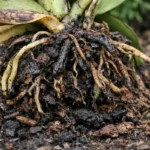
If the soil remains wet, it might indicate root issues or underlying diseases that require prompt attention. Your begonias could be drooping not just due to heat but also because of root rot or other soil-related problems. You should inspect the roots for signs of rot or damage. Sniff the soil and check for any signs of mold; if this is detected, it can signal that fungal diseases are at play, affecting the plant’s ability to take up water. Pay attention to any leaves that yellow during this check, as this can highlight multiple problem areas, indicating a need for thorough evaluation and potential upsizing of the container for better drainage.
Step 4 – Treat Begonias with Nutrient Boosting Solutions
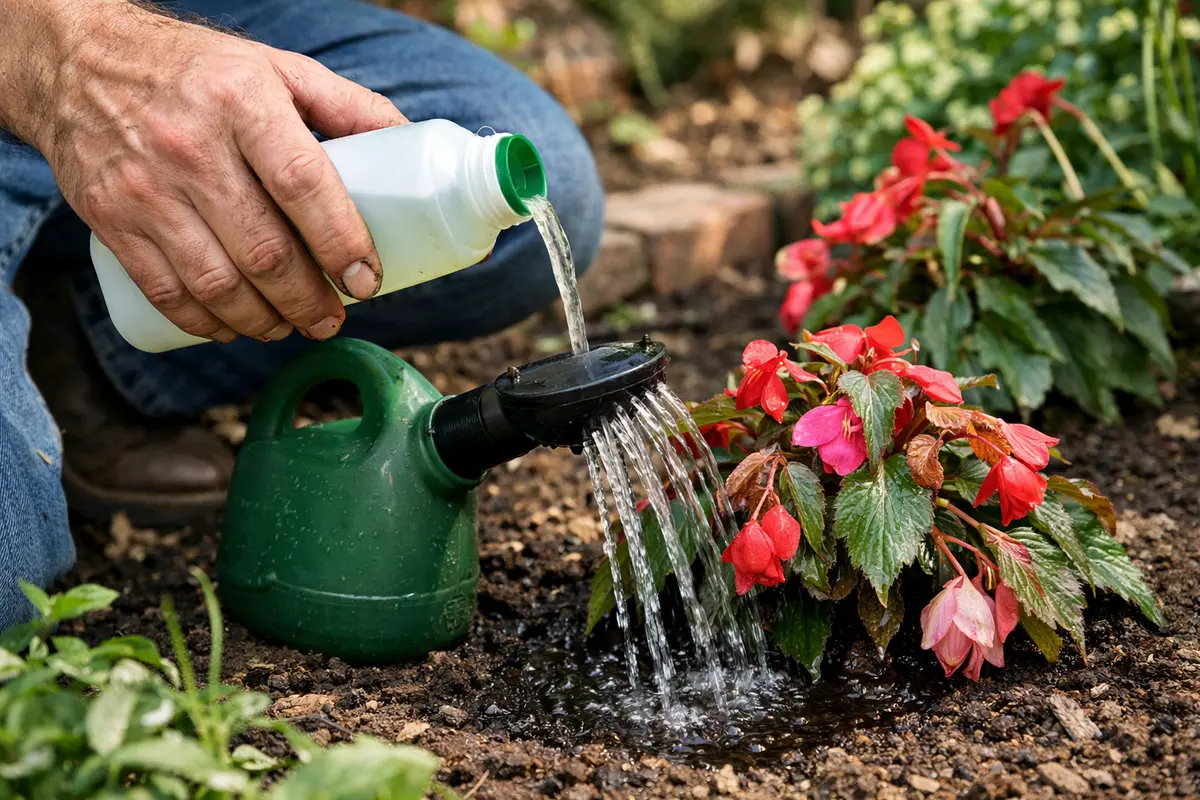
Start by thoroughly watering your begonias at the base, ensuring the soil is moist but not soggy. Within a few days, you should observe the leaves starting to perk up, indicating that they are absorbing the moisture and recovering from the heat stress.
Recovery for begonias after a heatwave typically takes about one to two weeks, depending on their initial condition and the surrounding environment. During this time, expect new leaf growth and a return of vibrant colors, showcasing a healthy plant. Adequate shade, humidity, and consistent watering can speed up recovery, while dry air and high temperatures may hinder it. If the leaves remain limp despite your efforts, check if they are receiving too much direct sunlight.
Avoid the mistake of overwatering your begonias as a response to the drooping. This can lead to root rot, which manifests as yellowing leaves and an unpleasant odor from the soil. Instead, ensure a good balance of moisture; if your soil feels consistently soggy, reduce your watering frequency to allow the plant’s roots to breathe properly.
During hot weather, begonias often struggle to maintain a balance of essential nutrients as they divert their energy toward surviving heat stress. Fertilizers can help replenish these nutrients and provide the energy needed for recovery. It’s critical to follow recommendations carefully and not over-fertilize; excessive feeding may burn the roots, leading to further wilting rather than alleviating their condition. A cautious approach is best; applying nutrients slightly after addressing hydration can foster a more effective recovery.
One mistake to avoid is applying fertilizers when the plants are still recovering from severe wilting. Inadequate hydration creates a risky situation; if the plants aren’t stabilized first, the fertilizer could add further stress that the weak root system cannot support. Monitor the condition of the plants closely; signs of progress such as new growth or improved leaf texture indicate that they can handle additional nutrients. Remember also that environmental factors, such as extreme heat, can affect how plants absorb fertilizers, making monitoring all the more critical.
Step 5 – Water Begonias Consistently in Hot Weather
Start by watering your begonias deeply to help them recover from the heatwave. You should see the leaves perk up within a few hours, indicating that they are absorbing the moisture they desperately need.
High temperatures can cause soil to dry out rapidly, leading to drooping leaves due to dehydration. By establishing a routine of checking the soil moisture regularly and watering deeply at the first sign of drooping, you directly address the underlying issue of insufficient hydration.
In extremely hot conditions, consider adding a layer of mulch to retain soil moisture and protect the roots from heat. If your begonias continue to droop despite watering, check if they’re getting too much direct sunlight, which can cause additional stress.
The environmental conditions, such as temperature and humidity, significantly influence moisture needs. In hot weather, begonias require more frequent watering to counteract the rapid moisture loss due to evaporation. Consider an additional watering session during extreme heat or apply mulch around the base to help retain moisture in the soil. It’s important to regularly assess the soil moisture levels to gauge when the plants need hydration. Not adjusting your watering habit can lead to repeated stress, as failure to notice slight changes in soil moisture can lead to either drought stress or overwatering.
As the season shifts, be aware of changing weather patterns, including sudden spikes or drops in temperature that may cause variations in evaporation rates. Incorporating a moisture retentive mulch can aid in preventing soil from drying out too quickly. On particularly hot days, increase your watering frequency to maintain adequate soil moisture; if possible, aim to water early in the morning or later in the evening to minimize evaporation. This method ensures that your begonias are adequately hydrated, minimizing the risk of drooping in response to high temperatures. Neglecting small adjustments based on the weather may lead to unwanted stress reoccurring, so remain vigilant and responsive.
Step 6 – Check Begonias for New Growth Weekly
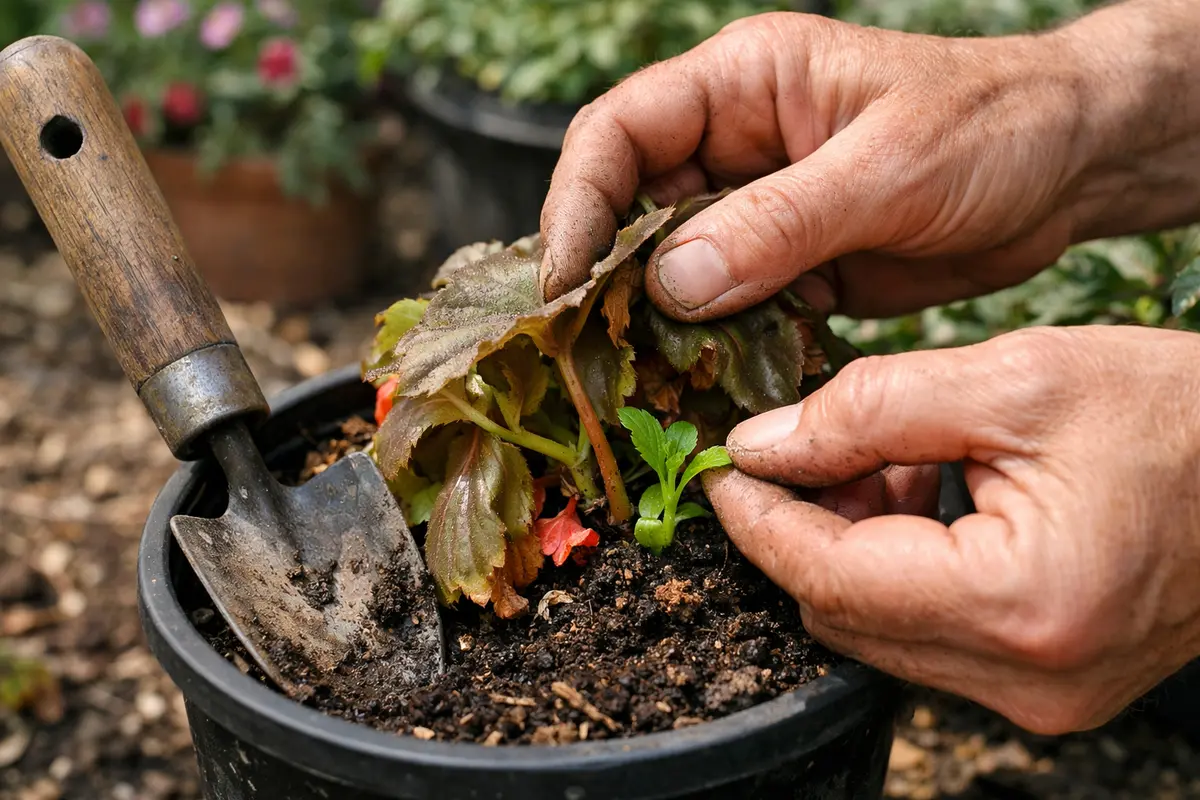
Start by checking the soil moisture level about an inch below the surface; feel for dampness. Observe any wilting or drooping leaves, which indicates stress primarily due to heat exposure. Recheck these conditions in 24 hours to monitor any changes, looking for corrected leaf positioning or texture.
A fully recovered begonia showcases upright, vibrant leaves with a firm texture and bright color. In contrast, if you notice soft or curled leaves with a dull appearance reemerging, the plant may be regressing toward stress conditions. If you see yellowing leaves while the stems remain firm, check the soil again for excess moisture.
If drooping returns despite proper care, reduce sunlight exposure and provide a light misting to increase humidity around the plant. Escalate to relocating the begonia to a shaded area or using a humidity dome if the leaves continue to deteriorate. This strategy boosts recovery chances while addressing the adverse effects of heat exposure effectively.
New growth serves as an excellent indicator that your begonias are returning to full health after the heat stress period. Noticing vibrant color changes and leaf firmness can guide your next steps in their care. If you start seeing leaves unfurl after a period of drooping, that’s a strong positive sign. As the plant improves, it will signify that the adjustments you have made are effective, empowering you to maintain care routines that support ongoing plant vitality.
If new growth fails to appear after a week, or if drooping returns unexpectedly, it may be necessary to reassess your watering and fertilizing methods. During this monitoring phase, consider external conditions affecting recovery, such as sudden temperature changes, wind exposure, or inadequate light coverage. Be prepared to adjust your care regimen accordingly. For instance, moving the plants to a more shaded area on particularly hot days or evaluating light exposure at different times can make a significant difference. Implement additional watering or nutrient supplies as necessary, taking special care not to overwhelm the plants with too many changes at once.
FAQ
How long will it take for my begonias to recover from heat stress?
Recovery time can vary based on the severity of heat exposure and your care actions, but typically, you should see improvement within one to two weeks after addressing the issue. Check for signs of new growth and perkier leaves as key indicators of successful recovery. If the situation worsens, swift reevaluation of care routines may be needed to avoid long-term damage.
Should I remove drooping leaves from my begonias?
Yes, remove drooping or dead leaves if they show no signs of recovery after a few days. This helps improve the plant’s overall appearance and allows it to redirect energy toward revitalizing healthier foliage. However, wait until you are confident in its recovery before pruning to avoid stressing the plant further, particularly if it is still dealing with moisture or nutrient challenges.
Can I save begonias that are severely wilting after a heatwave?
Often, begonias can recover from severe wilting with prompt action, including adequate watering and nutrient replenishment. Monitor their condition closely after care adjustments; however, if the roots are damaged from overwatering or heat stress, or if the drooping persists excessively, a professional assessment might be necessary to avoid further complications or diagnose diseases that could threaten the plant.