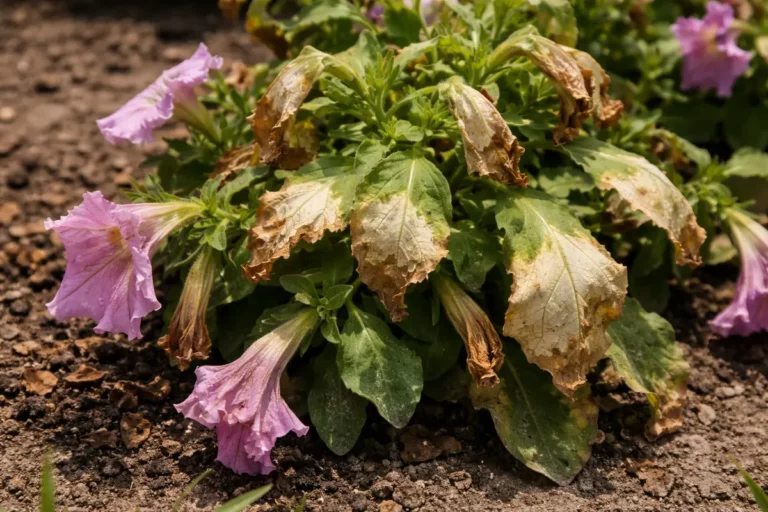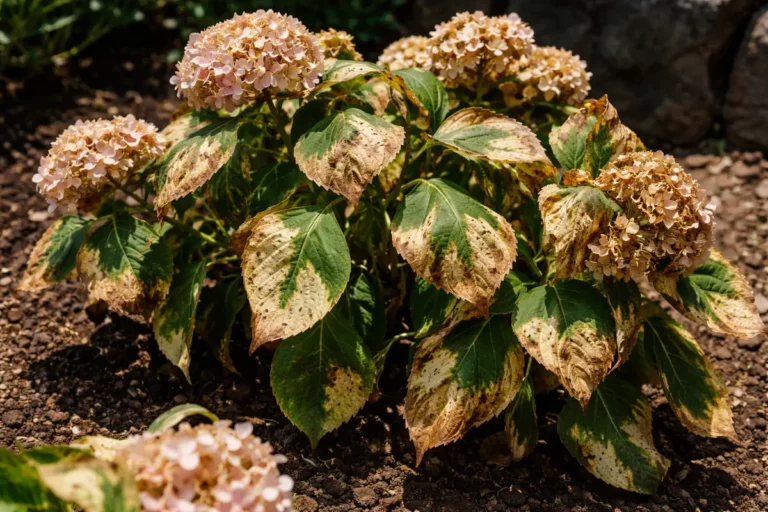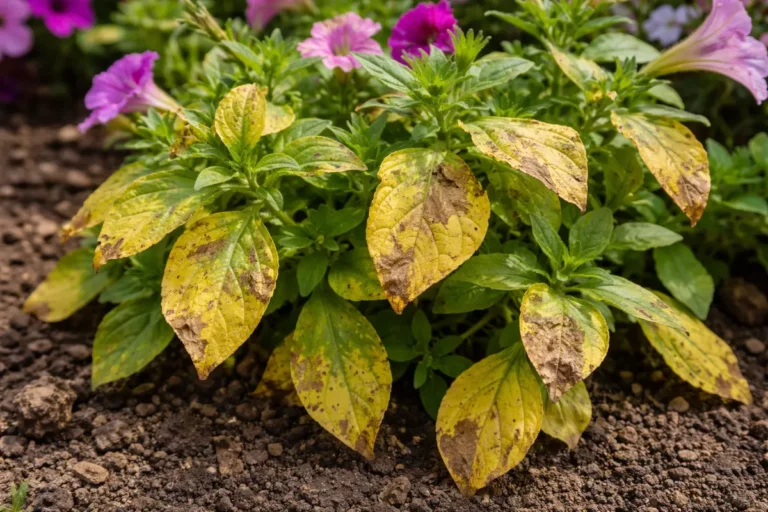
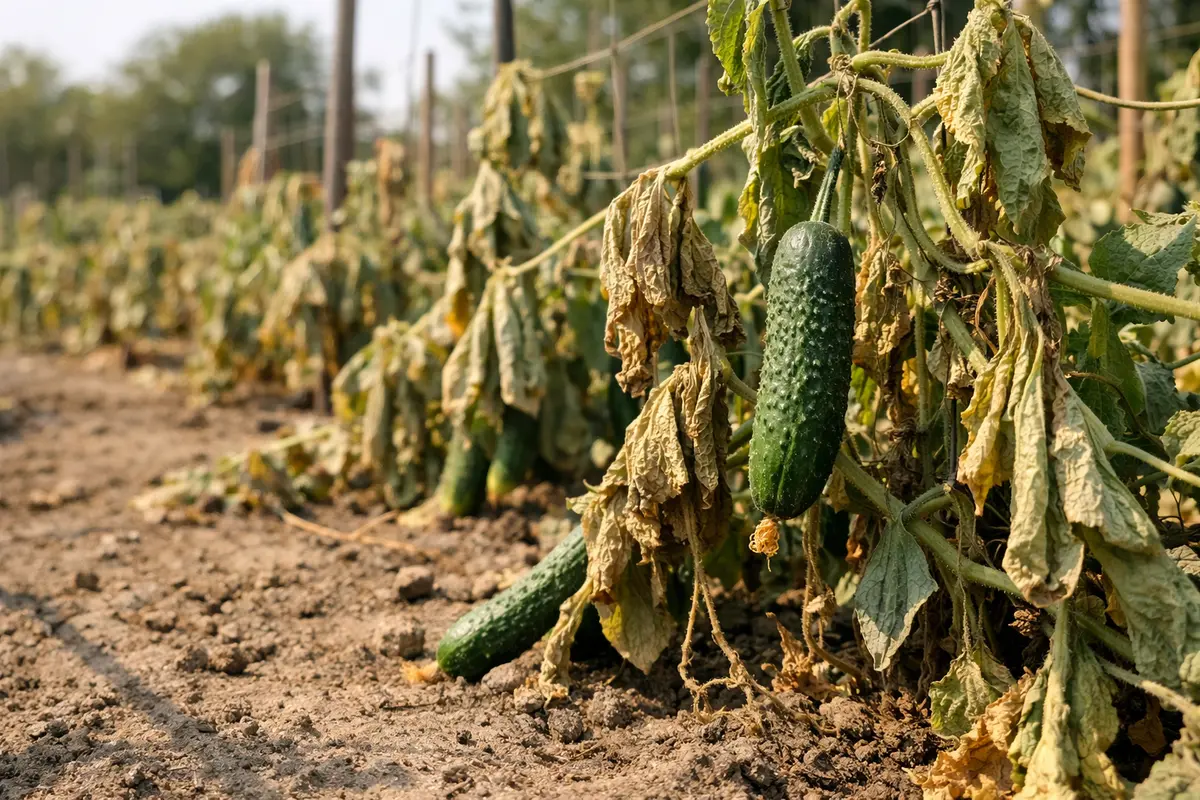
You may notice your cucumber plants drooping and looking stressed during the heatwave, which is why you need to know, “Why are my cucumber plants wilting during the heatwave.” This wilting is often caused by insufficient moisture levels, leading to damage that affects the leaves and stems. If left unaddressed, the situation can worsen, weakening the plant and making it harder to recover, but you can still improve your plants by adjusting your watering routine and monitoring their conditions closely.
Step 1 – Water Cucumber Plants Immediately in Heat
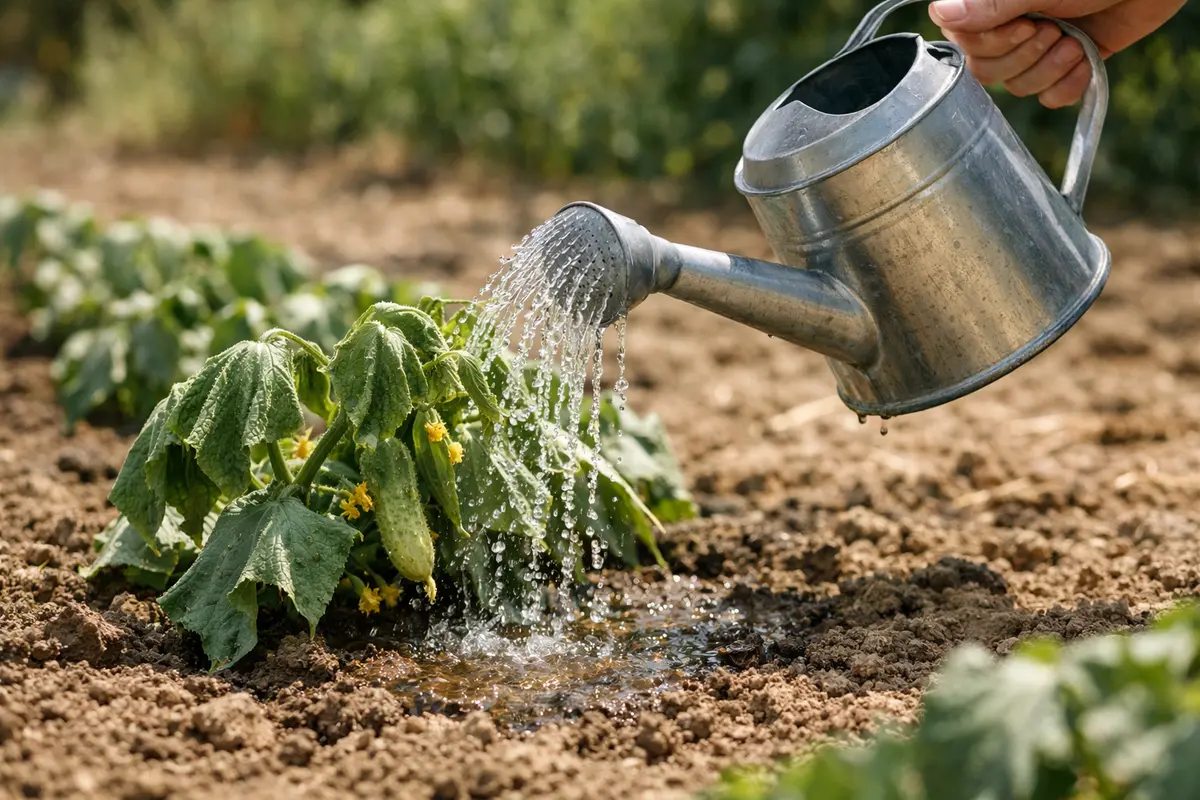
Water your cucumber plants immediately and thoroughly. You should notice the leaves begin to perk up within a few hours. Apply about 1-2 inches of water directly to the base of each plant, ensuring it reaches the root zone where moisture is desperately needed. If the temperature is particularly high (above 90°F), consider a second watering later in the day to prevent further stress.
Immediate watering provides the necessary moisture that helps cucumber plants recover from heat stress. Cucumber plants, like many vegetables, rely on consistent moisture levels in the soil to maintain healthy cell function and prevent wilting. In hot weather, if the soil is dry, plants can lose turgidity, causing them to appear limp and unhealthy. A rapid response is essential in high temperatures to replace the moisture lost through transpiration and ensure optimal growth conditions.
Timely action in this scenario is crucial. For example, some gardeners delay watering, thinking the plants can withstand the heat, only to find that the lack of moisture leads to irreversible wilting. In reality, each hour without sufficient water exacerbates the problem, often resulting in further damage like sunburned leaves, poor fruit development, or even plant death. Keeping an eye on weather forecasts and soil moisture regularly can allow for more proactive care during heatwaves. A common mistake during this step is to only wet the surface; deeper watering encourages root growth and resilience against future heat stress. If you are dealing with a related issue, afternoon heatwave containers covers a similar problem in detail.
Step 2 – Diagnose Heat Stress in Cucumber Leaves
Check the soil moisture around your cucumber plants immediately. If the soil feels dry about an inch below the surface, deep water the plants to rejuvenate them and observe if they begin to perk up within a few hours. If possible, check for signs of wilting and physical damage like browning or curling leaves.
When cucumber plants wilt during a heatwave, it often indicates insufficient water reaching the roots due to dry soil conditions. As the temperature rises, the plant’s transpiration rate increases, causing more water to be lost through the leaves than can be absorbed through the roots, leading to wilting and stress. During this time, it’s crucial to identify whether the issue is related to watering or if there’s a more serious ailment affecting the roots. A related fix is explained in cucumber plants develop if you want to compare approaches.
If you notice that the soil smells sour or has an unpleasant odor, it suggests root rot caused by overwatering or poor drainage. In this situation, remove affected plants, improve soil drainage, and consider replanting with disease-resistant varieties to ensure a healthier garden. To further this, you might see soft, brown areas around the base of the stem, indicating root problems. Heat stress manifests when plants can’t absorb enough water, causing physiological symptoms such as curling and browning of edges. When temperatures soar, cucumber plants struggle to transpire effectively, resulting in moisture loss exceeding their uptake. This imbalance creates a feedback loop that can quickly worsen if not addressed promptly. Signs of overheating can also include drops in yield, with flowers wilting and dropping before they have a chance to set fruit. Common mistakes here include not respecting the balance between watering and allowing for drainage—overwatering can be just as harmful as underwatering.
Step 3 – Test Soil Moisture Before Further Action
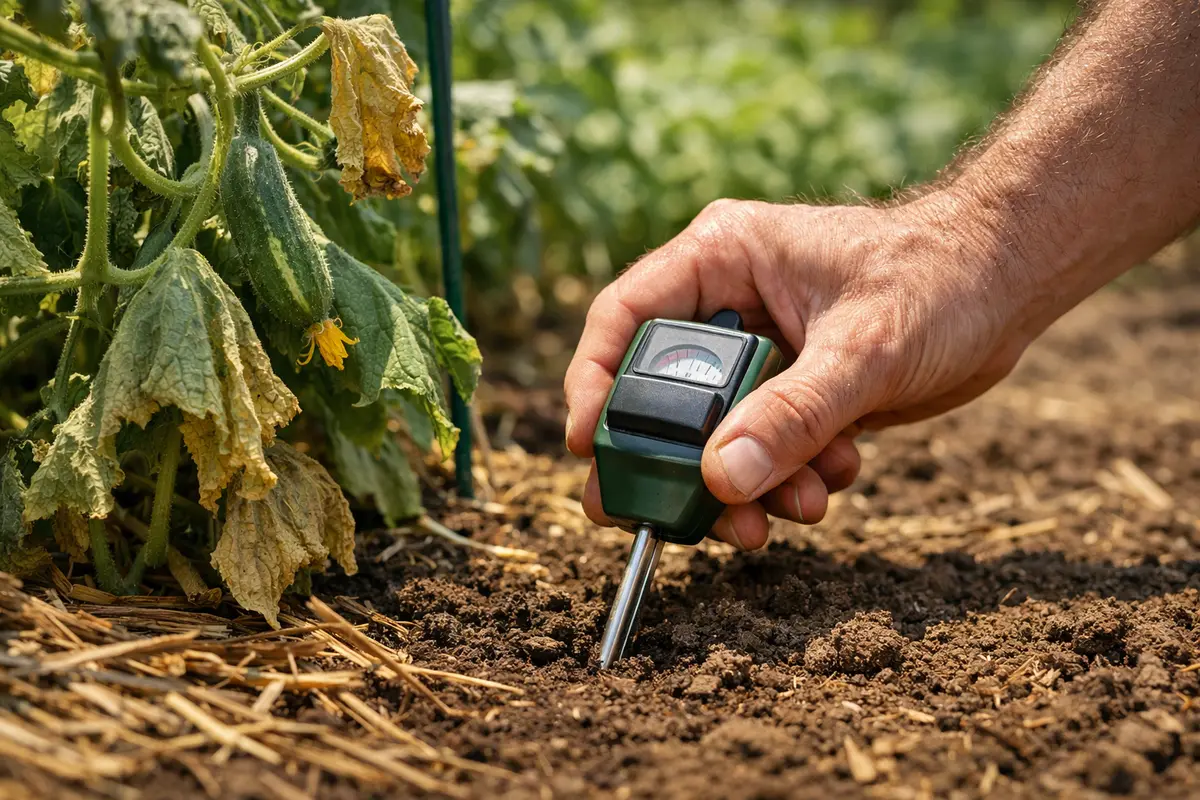
Check the soil moisture levels around the cucumber roots. If the soil is dry 2-3 inches below the surface, this indicates underwatering. To accurately assess this, use your finger or a soil probe to test the moisture at different depths. If the upper layer is dry yet deeper layers remain saturated, it may indicate drainage issues.
Soil moisture serves as a critical indicator of the plant’s health. When the topsoil feels dry upon touching, it’s a clear sign that the cucumber plants are not getting enough water. A proper moisture check is essential; if you find dryness below the surface, it’s likely time for a deep watering session. This approach ensures that the moisture penetrates to the root zone, where it’s effectively utilized by the plants, rather than just wetting the surface—which may not be sufficient for recovery.
If you’re unsure about the moisture level, consider using a moisture meter. After testing, if the meter indicates dryness but the plants exhibit no signs of browning or stress, it might be time to adjust your watering techniques rather than dramatically increase frequency. For instance, if soil moisture appears adequate yet leaf stress persists, it may indicate other factors such as root disease or nutrient imbalances requiring further investigation. Practicing consistent moisture testing can prevent the stress response seen during extreme heat. A common error is to only assess the surface soil; root systems may suffer if skimming this step in assessment.
Step 4 – Revive Cucumber Plants with Balanced Fertilizer
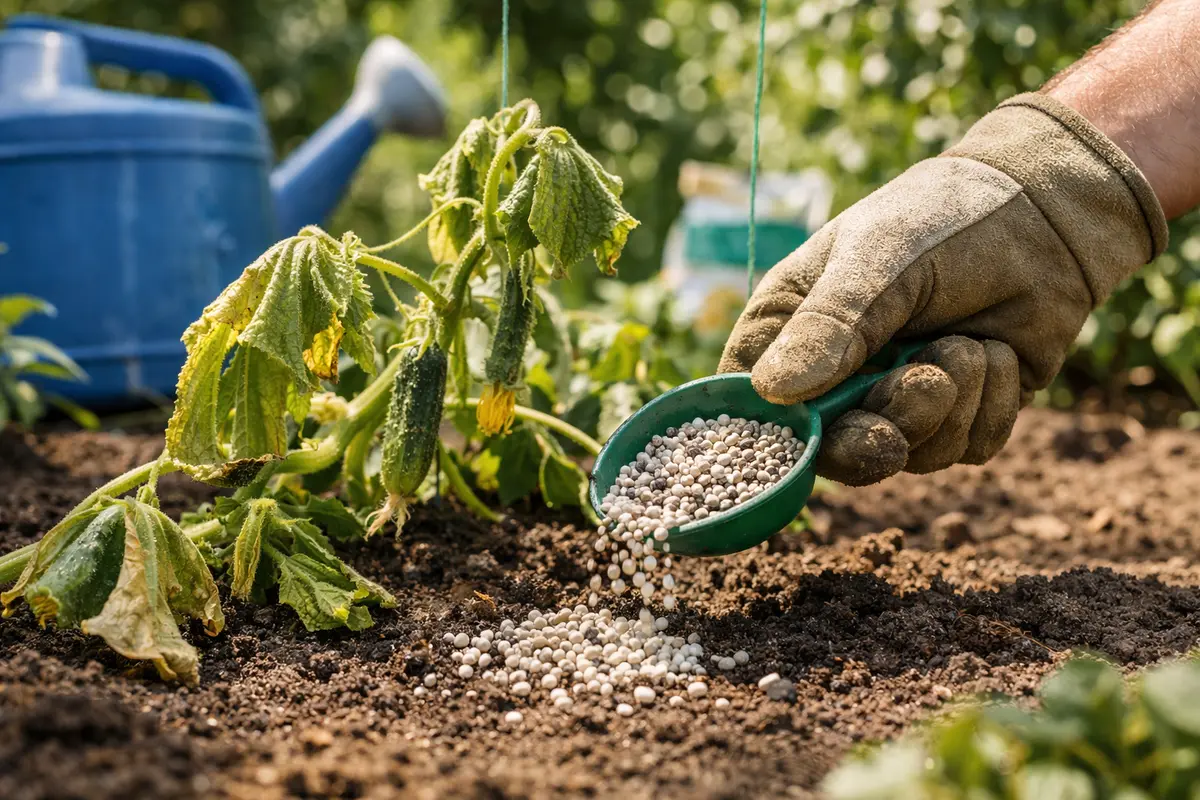
Apply a balanced fertilizer to promote recovery. Within a few days, you should see improved green color and new leaf growth. Aim for a balanced N-P-K ratio, such as 10-10-10, applied at half the recommended rate to prevent over-fertilization, as stressed plants may not handle full doses well.
Using a balanced fertilizer in the recovery phase encourages the plants to take up nutrients needed for rejuvenation. Excessive heat can deplete nutrient levels in the soil, leading to deficiencies that hinder plant health. Fertilization post-watering is optimal, as the moisture in the soil enhances nutrient absorption via the root system, fueling recovery and enabling healthier growth in the face of ongoing challenges. Regular assessments of soil health should precede fertilization, ensuring that nutrient deficiencies are effectively addressed.
A common mistake during this phase is to over-fertilize, assuming that expedited recovery necessitates more nutrients. Over-fertilization can lead to nutrient burn, characterized by yellowing leaves and die-back, ultimately harming plants already stressed by heat. For instance, if a gardener applies a full dose of fertilizer during recovery without confirmation of soil moisture and nutrient needs, it can inadvertently worsen the situation. Therefore, applying fertilizer at a reduced rate, especially during this vulnerable stage, is a smart approach. In some cases, nitrogen-only fertilizers can lead to excessive leaf growth without substantial fruit development, resulting in unproductive plants instead of addressing their stress effectively.
Step 5 – Water Cucumber Plants Consistently During Hot Days
Water your cucumber plants deeply in the early morning when temperatures are cooler, ensuring that the soil is adequately moist. This consistent watering will help maintain soil moisture, keeping your plants from wilting during intense heatwaves.
High temperatures combined with low humidity can lead to rapid soil moisture loss, causing cucumber plants to suffer from water stress. By watering deeply and consistently, you create a reservoir of moisture that helps the plants withstand the heat, effectively addressing the root cause of wilting.
During hotter months, you can also apply a layer of organic mulch around the base of your cucumber plants to further retain soil moisture. This additional layer helps insulate the roots against extreme temperatures and reduces evaporation, providing an extra buffer against wilting.
Extreme heat can cause soil to dry out rapidly, leading to stress in cucumber plants and wilting. By incorporating mulch into your garden routine, you address this root problem by creating a barrier that reduces evaporation and keeps the soil consistently moist, promoting robust growth and recovery even in scorching conditions.
During the peak of summer, consider increasing your watering frequency in the early mornings or late evenings when temperatures are cooler. Additionally, if a particularly intense heatwave is forecasted, applying a shade cloth can provide extra protection and help your cucumber plants thrive under extreme conditions.
High temperatures and insufficient moisture can lead to water stress in cucumber plants, causing them to wilt. Consistently watering not only supplies the necessary hydration but also helps maintain soil moisture levels that are crucial for healthy growth. By addressing these environmental factors, you can effectively minimize the risk of recurrence in wilting, aiding your plants’ resilience against heat stress. If you notice consistent wilting even after adequate watering, it could indicate that roots are not capable of uptaking water efficiently—prompting an examination of root health is imperative.
As the seasons change or during particularly hot weather, adjust your watering frequency by increasing moisture levels in the soil during the hottest parts of the day. Additionally, consider applying mulch around the base of your cucumber plants to retain soil moisture and lower soil temperatures, providing an extra layer of protection against extreme heat. Too much mulch could lead to water pooling, causing chicken roots, while too little wouldn’t offer enough protection. Therefore, approach mulch application judiciously and ensure that it’s replenished as needed during dry spells. Regularly check both the moisture of the soil and the condition of the mulch layer to ensure optimal plant health.
In addition, during peak summer months, employing mulching techniques can significantly aid moisture retention. Organic materials, like straw or shredded leaves, serve not only to keep moisture in but can also help moderate soil temperatures, creating a more conducive environment for root systems. Conversely, if you find that cooler temperatures are resulting in excess water in the soil, you may need to adjust your watering schedule accordingly to prevent root rot or other related issues that can arise from prolonged wet conditions. As winter approaches, ensuring proper measures to prepare your cucumbers for a dormant stage will also be essential in mitigating heat exposure.
Step 6 – Inspect Cucumber Foliage for Signs of Recovery
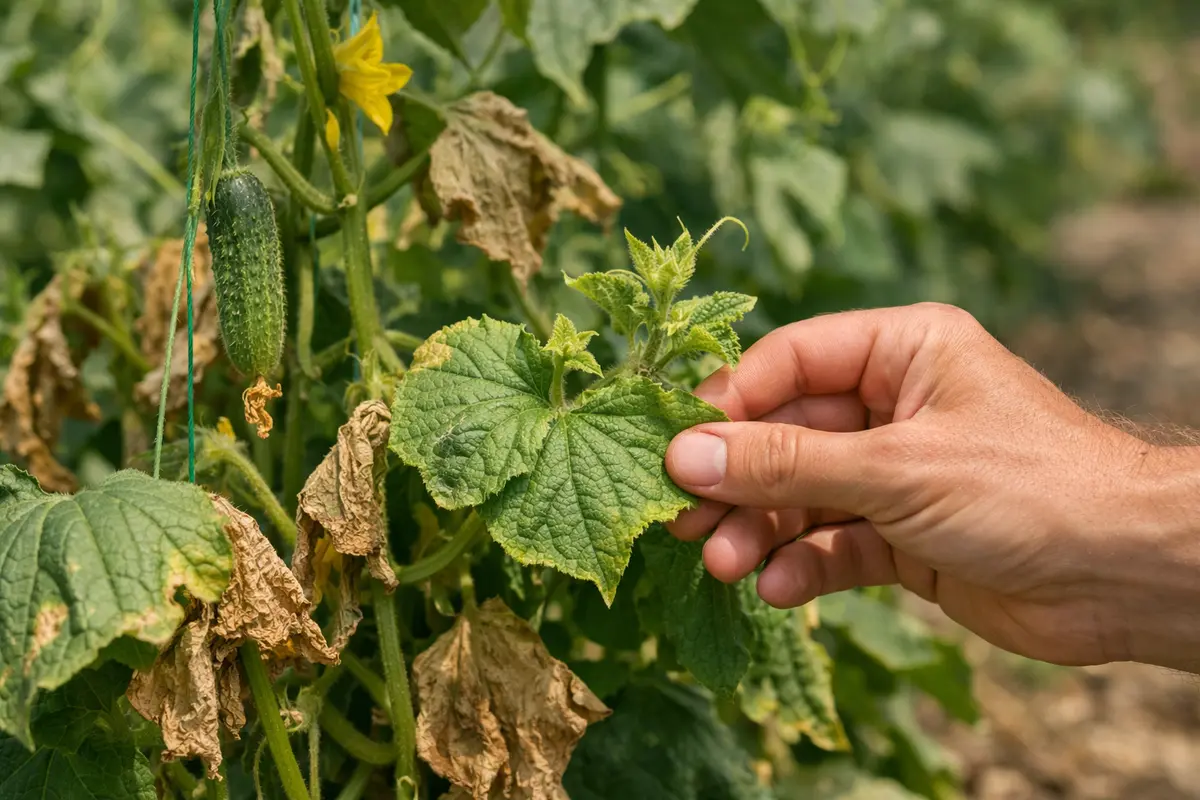
Check your cucumber plants every morning to assess their condition during the heatwave. Look for signs of wilting, yellowing leaves, or drooping stems. If you observe these symptoms, water the plants deeply to hydrate the roots, and monitor them closely over the next few hours for signs of recovery.
A fully recovered cucumber plant displays vibrant green leaves that stand upright and firm, showing no signs of wilt. In contrast, if early signs of wilting return, the leaves may become limp again, with a dull tint or a papery texture, indicating that the plant is struggling once more.
If wilting returns despite your efforts to keep the plants hydrated, examine the soil for drainage issues, as overwatering can create root rot. In this case, it may be necessary to reduce watering frequency or consult a gardening expert for deeper issues like pests or diseases affecting the plant’s health.
A fully recovered cucumber plant will display vibrant, upright leaves with a rich green color, while early signs of the problem returning may include yellowing edges or a slight droop during the hottest part of the day. The texture of healthy leaves will feel firm and resilient, whereas wilting leaves will appear soft or limp, lacking their usual perky stance. It’s vital to maintain diligence in observing changes since even minor variations can signal underlying issues.
If symptoms return despite your efforts, enhance your watering schedule or implement shading techniques to protect the plants from the relentless heat. Should the problem persist, consider using shade cloth or relocating container plants to a more sheltered area where they can receive filtered sunlight. If recovering plants still exhibit concerns after a few weeks, consider soil tests to check for nutrient imbalances or infections, as these can also contribute to ongoing stress. Prioritizing a healthy balance of moisture, nutrients, and sunlight exposure will significantly improve the chances of successful growth.
When assessing recovery, healthy cucumber plants will show vibrant green leaves and firm stems. Regular observation not only helps you track recovery but also allows for the prompt identification of any issues that might re-emerge, like signs of additional wilting or other stress markers. If conditions remain favorable and consistent hydration is maintained, these signs indicate that the plants are bouncing back and adapting effectively to their environment. If signs of recovery do not appear after a week, consider reevaluating your soil conditions or environmental factors. Sometimes, shifting to a location with partial shade can make a significant difference during particularly hot days. In scenarios where plants show minimal recovery, the underlying issues can often relate to soil quality or root health, flagging a need for adjustments or perhaps even a replanting effort may be warranted if root systems have been severely compromised. Being vigilant and responsive in your gardening practices will keep your cucumber plants thriving.
FAQ
How long will it take for my cucumber plants to recover from heat stress?
Cucumber plants can start showing signs of recovery within a few days if you address water needs promptly. However, full recovery may take a week or more depending on the extent of damage and environmental conditions. Active monitoring during this period is essential to catch any regrowth issues that may arise.
Can wilting cucumber plants recover completely after a heatwave?
Yes, if the plants are given adequate water and care, they can fully recover from heat-induced wilting. Signs of recovery include new leaf growth and vibrant color returning to the foliage. Regular and attentive care increases the likelihood of a successful comeback.
Should I remove any wilting leaves from my cucumber plants?
It is advisable to prune severely wilted or damaged leaves, as they can drain energy from the recovering plant. However, only remove leaves that are not recovering; healthy leaves should be left in place to aid in photosynthesis. Ensuring a balance in foliage can affect light absorption as the plant works on recovery.