
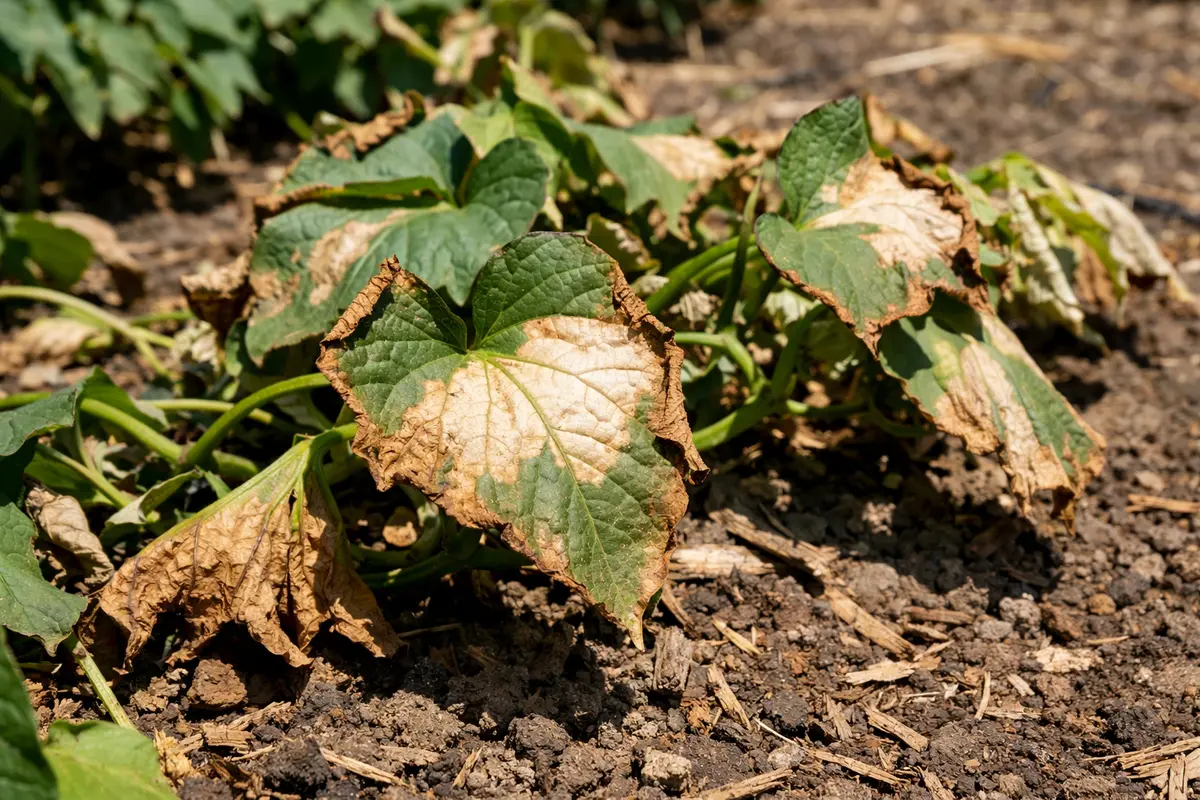
You may notice your sweet potato vines drooping during a heatwave, a clear sign that you need to know what to do when sweet potato vines droop during a heatwave. This wilting occurs as the plants struggle to cope with extreme temperatures, leading to drooping leaves and overall stress. If left unaddressed, this condition can weaken the plant and lead to more damage, but it’s possible to fix it now by adjusting your watering routine and providing some shade.
Step 1 – Water Sweet Potato Vines Immediately
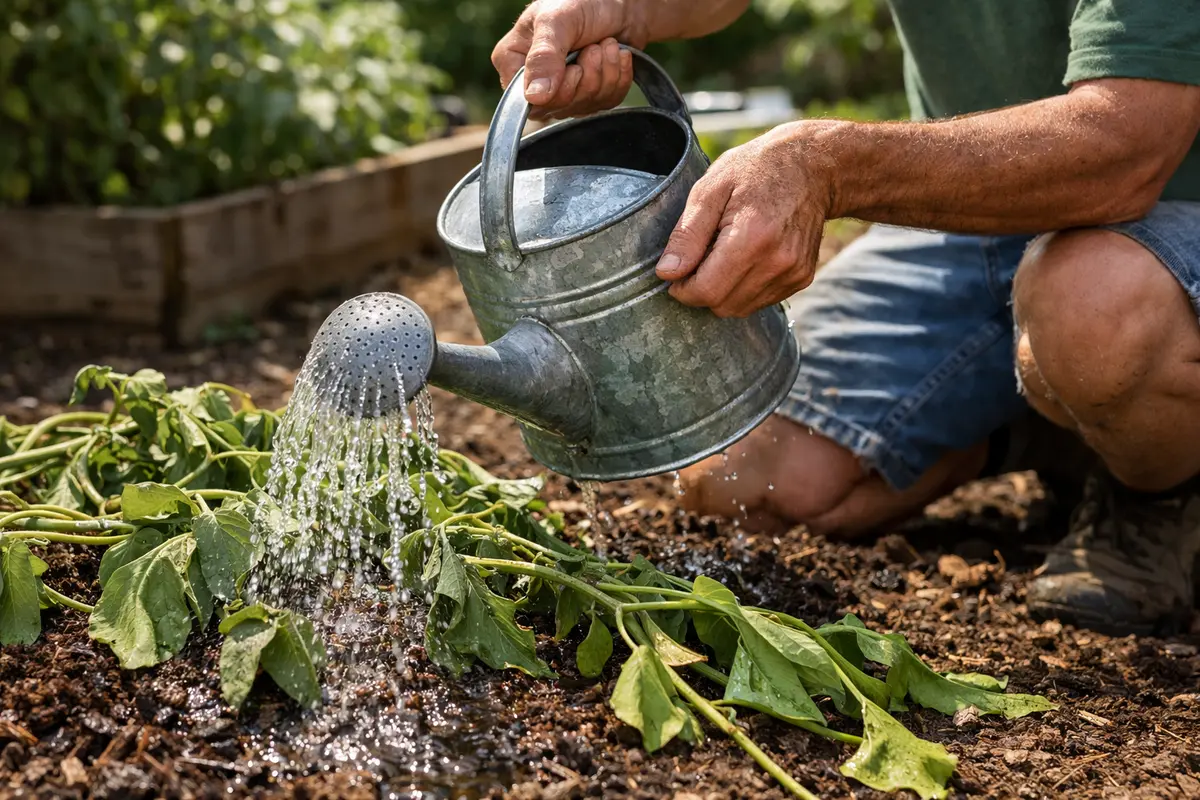
Begin by watering the sweet potato vines deeply and adequately. You should see the plants begin to perk up within a few hours after the soil absorbs the moisture. Aim to saturate the soil thoroughly, ensuring that the water penetrates about six inches down from the surface. Keep an eye on the soil texture; if it remains dry after watering, you may need to reassess your watering method.
Watering immediately can alleviate heat stress and revitalize wilting plants by replenishing moisture in the root zone. Sweet potato vines require consistent moisture, especially in extreme heat, since they can suffer from dehydration quickly. When you see leaves begin to stand upright with a healthier texture, this indicates effective absorption of the water. The leaf surfaces should feel firm and refreshingly crisp, contrasting with the wilting sensation before watering. This responsiveness to watering highlights how crucial proper soil hydration is for plant resilience under stress.
Many gardeners make the mistake of only giving a superficial watering, which doesn’t reach the deeper roots. If you wait too long to water, the plant can further stress and lead to permanent leaf damage. In cases where dry soil has persisted for several days during a heatwave, aim for daily watering until signs of recovery are obvious. A good practice includes using a soaker hose or drip irrigation to deliver water slowly, allowing it to seep into the soil, which enhances moisture retention while preventing runoff. If dry conditions continue, friction in the soil’s structure can develop, leading to further problems in moisture absorption. Pay attention to the soil’s texture, as compacted or clay-heavy soils may require more water and longer soak times.
Step 2 – Evaluate Heat Stress Factors for Drooping
First, check the soil moisture level around your sweet potato vines and water them deeply if the top inch feels dry. This immediate action will help perk up the drooping vines within a few hours, restoring their turgidity and vitality. If the vines do not respond after watering, it may indicate a more severe issue requiring your attention.
When sweet potato vines droop, it often indicates a lack of moisture in the soil, causing the roots to struggle in taking up water. As the soil dries out, the plant tissue becomes desiccated, leading to wilting leaves; by contrast, soil that retains adequate moisture allows the plant to maintain its structural integrity and thrive. If the soil feels dry yet the plant remains limp, check for root rot, which signifies overwatering and damaged roots. Signs to watch for include a foul scent or mushy root texture, both indicators of rot.
If the soil smells sour, indicating potential root rot, refrain from watering further and improve drainage by amending the soil with perlite or sand. Alternatively, if the leaves appear discolored, like yellowing or browning, inspect for pests such as aphids or spider mites that could also be causing stress, requiring targeted treatment instead. A common misstep is assuming wilting always correlates with drought; a thorough examination can reveal if the droop is due to an excess of moisture instead. Addressing the cause promptly is crucial as prolonged stress can lead to irreversible damage.
Sweet potato vines require moist conditions to thrive. Dry soil means the roots can’t absorb adequate nutrients, leading to a cascade of stress responses from the plant. If you find the vines drooping but the soil moist, examining root health is critical; roots that are blackened or mushy need immediate attention. If your soil is dry, consider the type of soil you’re using. Sandy soils might dry out faster than clay soils due to their larger particle size and lower water retention. Adjusting your watering based on the soil type can dramatically improve moisture retention; for clay soils, it’s essential to water more gently and slowly to avoid waterlogging, whereas sandy soils demand more frequent watering as they can drain away quickly. If the soil is excessively compacted, it can also hinder absorption. In that case, consider aerating the soil to facilitate better water penetration or working in organic materials to improve the structure.
Step 3 – Test Soil Moisture for Sweet Potato Vines
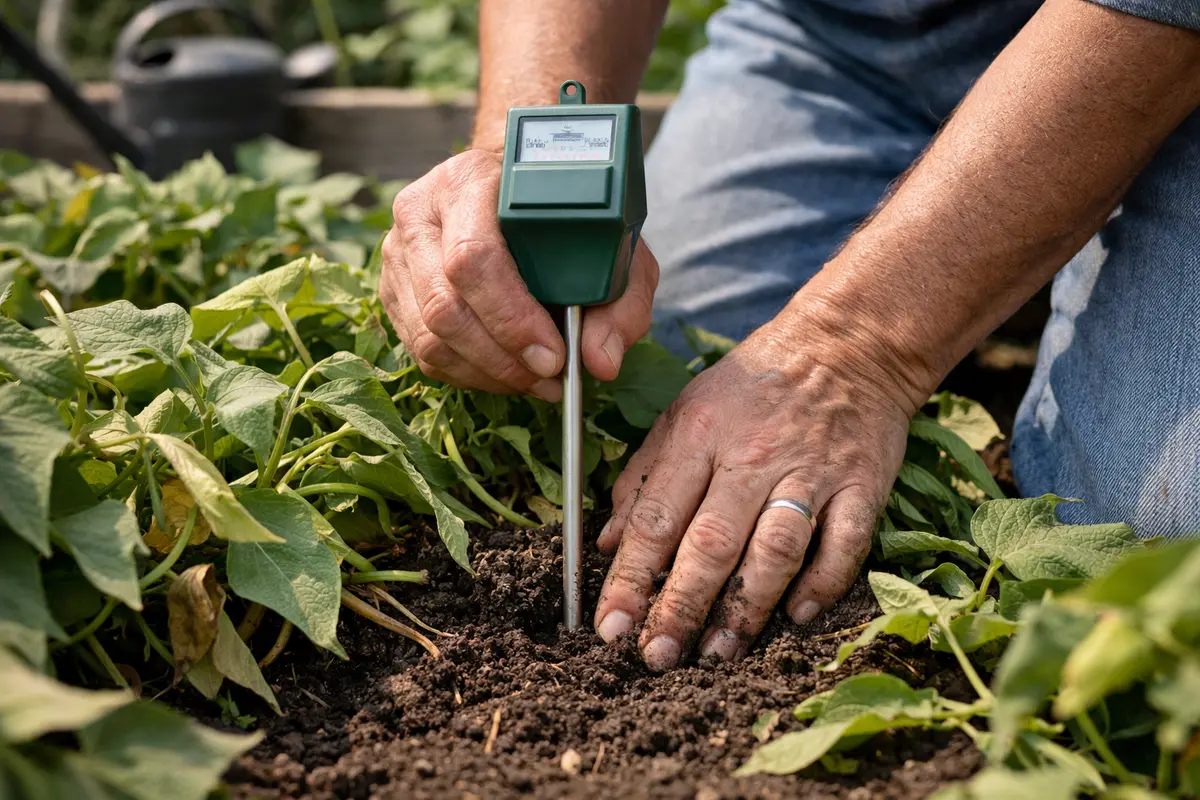
Check the moisture level by inserting your finger into the soil about 2-3 inches deep. You should feel moist soil rather than dry and crumbly, which would confirm inadequate watering. This simple test can effectively reveal whether the plants lack water, as well as guide your subsequent watering choices. If your finger comes out clean and dry, deeper watering is urgently required.
If the soil feels wet and heavy, overwatering might be the issue, contributing to root rot and stress in the plants. Sweet potato vines prefer well-drained soil that retains moisture but does not stay soggy. If the soil continues to feel dense and unyielding despite watering, an arterial issue may exist, making it crucial to check drainage conditions in the planting area. Small geological changes, such as compacted soil, can lead to major drainage problems that disrupt normal plant functions.
Observe the state of roots: if you find that the soil is still moist but the leaves are drooping, check for symptoms of root rot with a sour smell or darkened roots. If symptoms persist after correcting moisture, consider checking for pests or diseases affecting the leaves. Conditions like leaf spot or pest infestations can lead to similar drooping symptoms, requiring targeted treatment methods distinct from those used for water-related issues. It’s important to address the root issues as they could create a cycle of stress if left untreated.
Step 4 – Apply Nutrients to Revive Drooping Vines
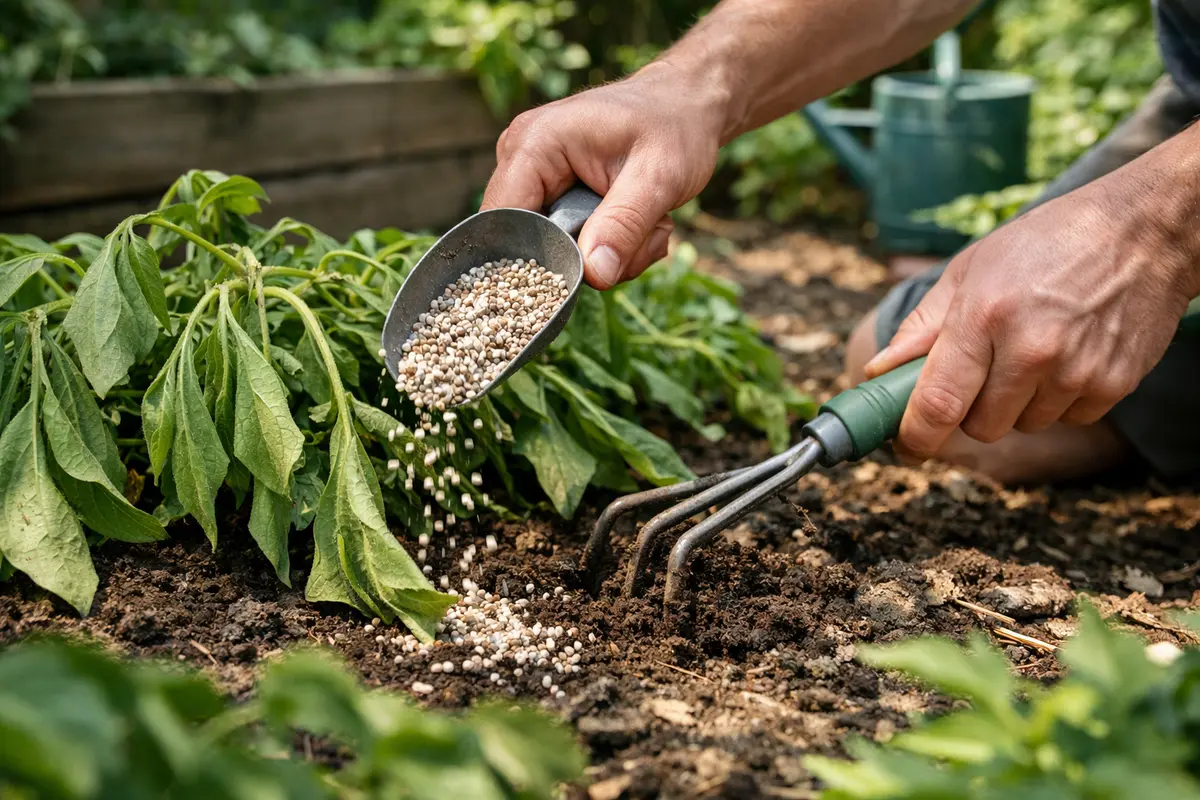
Give your sweet potato vines a balanced fertilizer solution to provide essential nutrients for recovery. After applying the fertilizer, you should notice green leaf growth within a week as the plants respond positively to the nutrients being supplied. Choose a granular or liquid fertilizer high in potassium and phosphorus, as these elements are vital for root development and overall plant health. Following the recommended application rates is crucial; too much can cause backlash rather than healing.
Applying a balanced fertilizer can support the recovery process by feeding the plants vital components they may have lacked due to stress. This boost is especially beneficial after struggling with heat stress, as sweet potato vines require additional nutrients to regain their vigor. You can expect leaves to become a richer green tone, with new shoots emerging as the plant rallies from nutrient applications. Watch for signs of nutrient burn, such as leaf edges browning or crispy tips, which indicate that the fertilizer amount may need reevaluation.
Avoid the common mistake of over-fertilizing during recovery. Adding too much fertilizer can burn the roots, leading to further drooping or even plant death. If the vines still look droopy within a week, you may need to check for additional stress factors, such as excessive sunlight exposure or signs of pest infestations, that could further hinder recovery. Pay close attention to how the leaves behave; if they start curling or browning on the edges, this can indicate nutrient burn or stress linked to environmental pressures. Also, consider periodic soil tests if issues persist; assessing nutrient availability can provide guidance on further amendments.
Step 5 – Water Consistently During Future Heatwaves
Start by providing deep watering to your sweet potato vines at least once a week, ensuring the soil remains consistently moist. As a result, you will see the vines perk up and regain their vibrant green color, reducing the chances of drooping even during extreme heat. This tie between proper hydration and plant resilience can’t be overstated during periods of high temperatures.
High temperatures can create dry soil conditions, leading to stress in sweet potato vines. When the soil is allowed to dry out, plants begin to wilt, which is often observed when the soil surface is hard and cracked. Implementing a deep watering routine directly addresses the moisture deficit that triggers this stress response. Consider testing a time lapse, watering deeply at a set frequency; observing the impact over the coming days can yield insights into effective practices for your growing conditions.
During particularly hot spells, enhance your watering routine by applying mulch around the base of the vines. This layer helps retain soil moisture and regulates temperature, allowing the sweet potatoes to thrive. If you notice the mulch drying out quickly, check the watering frequency and increase it accordingly. This extra measure can often extend the time between waterings while still protecting the roots.
Maintaining a regular watering schedule can play a vital role in preventing sweet potato vines from facing stress during future heatwaves. Deep watering sessions allow for moisture to penetrate effectively to the roots and reduce the risk of heat-induced drooping, ensuring a steady supply of hydration. Aim for soil temperatures below critical heat thresholds; roots that heat up excessively can stop functioning properly, preventing nutrient uptake. If soil temperatures consistently exceed desirable levels, consider replanting strategies to explore better microclimates in your garden.
Consider tracking your watering patterns based on seasonal changes. During scorching summer months, increase water frequency and be mindful of soil drying rates, especially in sandy or fast-draining soils. Awareness is crucial; if you notice wilting occurring sooner than expected under consistent heat, adapt your routine quickly to prevent severe damage. Over time, look for patterns in moisture retention and actively respond by altering your maintenance frequency for optimal results.
Step 6 – Inspect Leaves for Fresh Wilting Signs
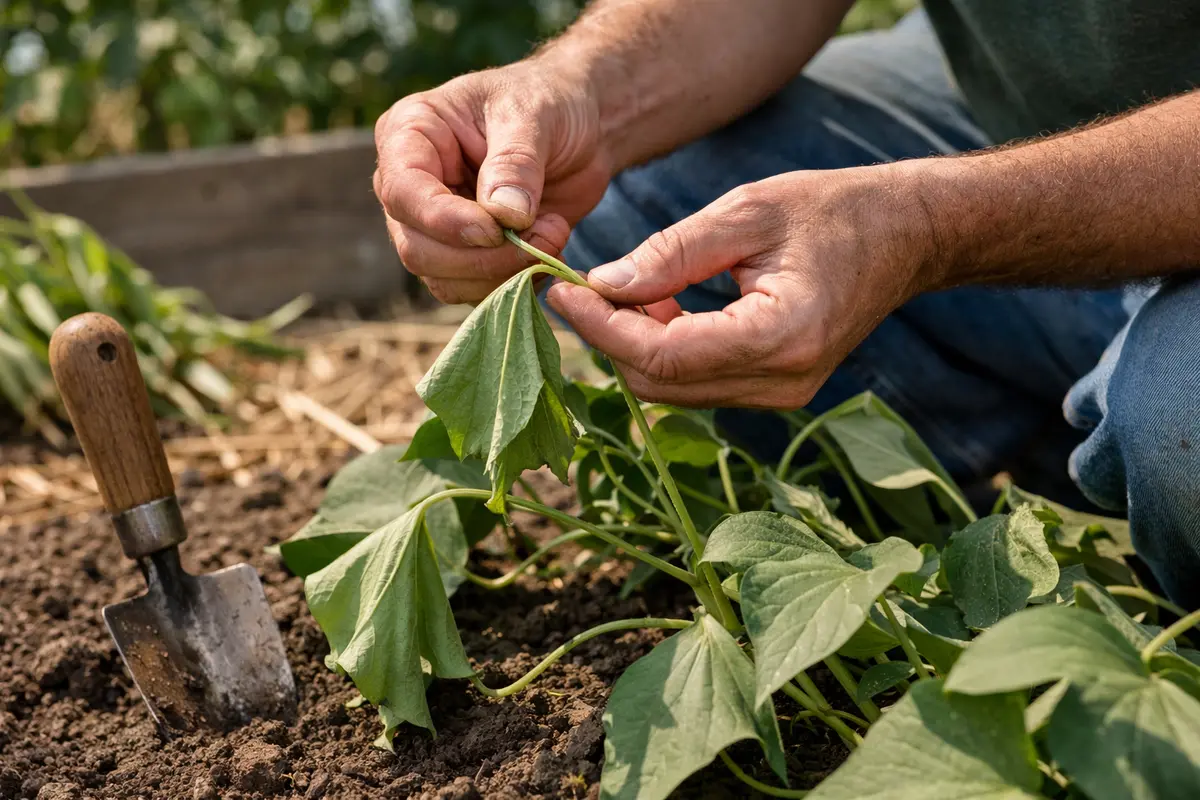
Check your sweet potato vines regularly for new signs of wilting or drooping leaves. After two weeks of following the previous steps, observe any changes in the plant’s overall posture. Healthy vines should exhibit an upright stance with vibrant green leaves and minimal wilting symptoms. Invest time in these inspections; catching issues early can prevent a minor situation from becoming critical.
Once fully recovered, healthy vines should show firm leaves perking up and vibrant coloration without yellowing or shriveling. Pay close attention to the leaf shape and texture; if leaves feel soft or appear discolored, this could indicate further moisture issues or nutrient deficiencies. Regular inspections help catch any signs of return heat stress or new issues early, allowing for fast responses that keep your sweet potato vines thriving. Over time, look for patterns in plant behavior that can help predict stress onset before it becomes visible.
If you observe that the vines begin drooping again despite maintaining routine care, consider relocating your plants to a shadier area during the hottest times of the day or adjust watering methods further. Signals such as persistent drooping can indicate deeper issues, such as potential root damage or miscalculations in environmental needs that require additional assessment and intervention. Experimenting with slight adjustments in care can uncover entirely different outcomes when multiple factors are at play.
FAQ
How long does it take for sweet potato vines to recover after drooping?
Recovery time for sweet potato vines after drooping can range from a few days to a couple of weeks. If proper watering and nutrients are consistently provided, visible improvement can usually be seen within a week’s time. However, it is essential to monitor the plant closely for any setbacks during this period. Regular reassessment of the conditions is important to ensure recovery remains on track.
Can overwatering cause sweet potato vines to droop?
Yes, overwatering can lead to root rot and adversely affect the plant’s ability to absorb water, resulting in drooping leaves. It’s critical to ensure the soil drains effectively and that you are not watering too frequently. If the soil remains saturated for extended periods, the roots will suffocate, exacerbating moisture-related stress. Recognizing the early signs of root distress can make a significant difference in plant recovery.
Should I prune damaged sweet potato vines after a heatwave?
If you notice dead or severely drooped leaves persisting despite recovery efforts, it’s best to prune them to redirect energy to healthier parts of the plant. Pruning helps to promote the growth of new leaves and encourages the overall vitality of the vine, allowing it to bounce back more effectively after the stress of a heatwave. Make sure to use sharp, sterile tools to avoid introducing pathogens during the pruning process.