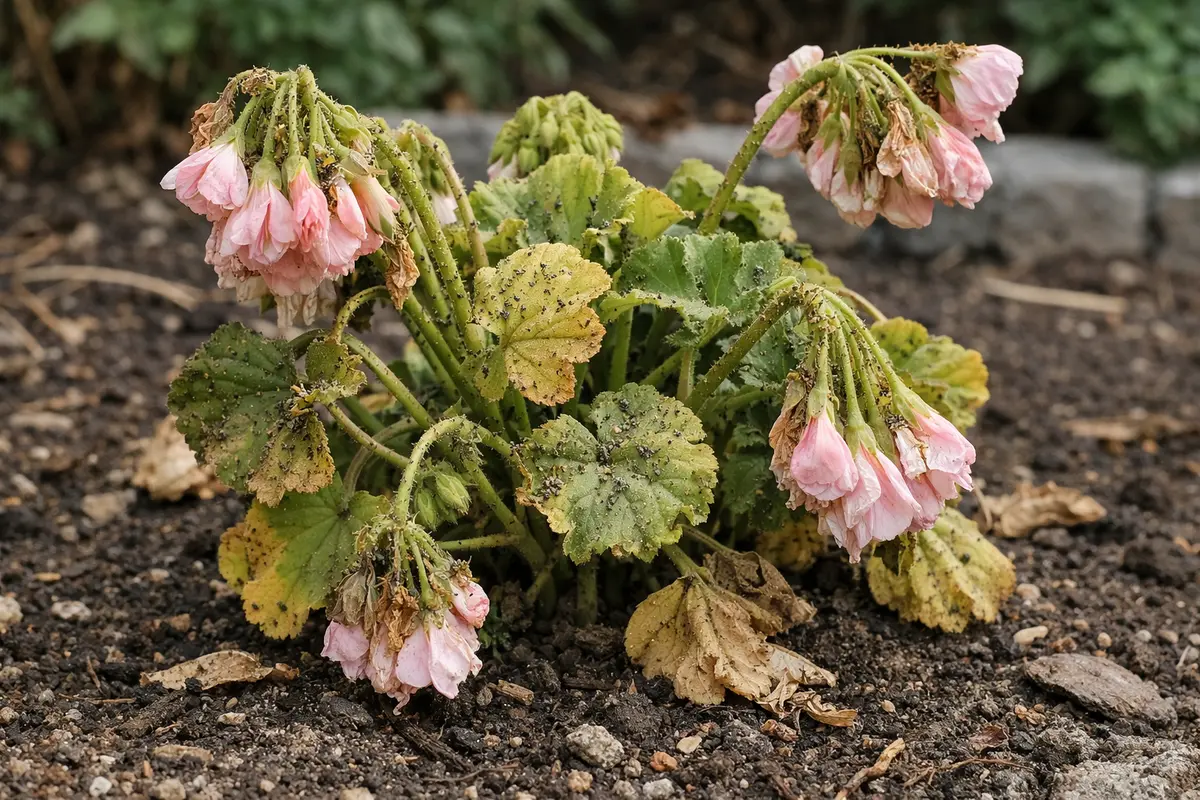
You may notice small clusters of tiny insects on your geraniums during flowering season, which is why you need to know how to stop aphids on geraniums during flowering season. These pests feed on the plant’s sap, leading to yellowing leaves and stunted growth. If left untreated, the damage worsens and can spread to neighboring plants, making recovery harder. Fortunately, fixing the issue is possible now; you can inspect your plants regularly and remove any infested leaves to help keep your geraniums healthy.
Step 1 – Spray Affected Geraniums with Soap Solution
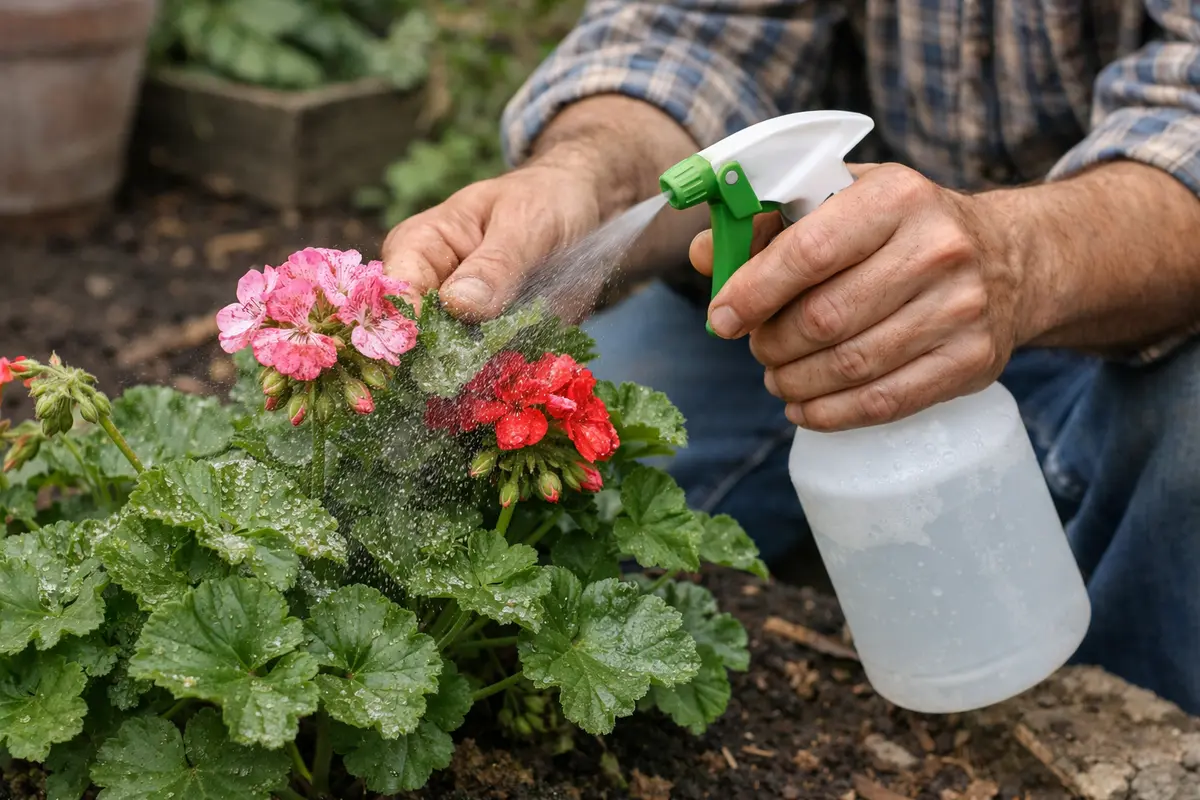
Start by applying a soap solution directly to the leaves and stems of the affected geraniums. You will see many of the aphids begin to disappear within a day, as the soap suffocates them and disrupts their feeding. Ideally, this initial spray should be done during cooler parts of the day, such as early morning or late afternoon, to minimize stress on the plants. You need to ensure that the soap solution thoroughly covers all affected areas for maximum effectiveness.
This immediate action is crucial because it prevents further damage by limiting the aphids’ ability to feed on your plants. The soap clogs their breathing pores (spiracles), effectively suffocating the insects. If you delay, the aphids will continue to reproduce, leading to a larger infestation that could overwhelm your geraniums. If you notice that treatment was done one day without any noticeable impact, plan for a second spray within 48 hours to create a relentless assault on the aphids. During the initial application, focus especially on any visible clusters, ensuring thorough wetting of all affected areas — a direct hit increases the effectiveness of the soap, so treat carefully around the leaf unions and stem joints, which are often high-traffic areas for aphids.
However, a common mistake at this point is using a dish soap containing additives like fragrances or degreasers. These additives can harm the plants or deter beneficial insects, which are crucial for maintaining garden health. Instead, opt for a gentle, biodegradable soap, like pure castile soap, making sure to mix it at a concentration of about 2 tablespoons per gallon of water. If you notice some aphids persistently returning after treatment, this may signal a need to reapply in 4-5 days. Furthermore, if rain is expected within 24 hours, consider waiting to apply until you know it will be dry, as rain can wash away the treatment before it has time to work on the aphids and allows them to recover.
Step 2 – Examine Leaves for Aphid Colonies
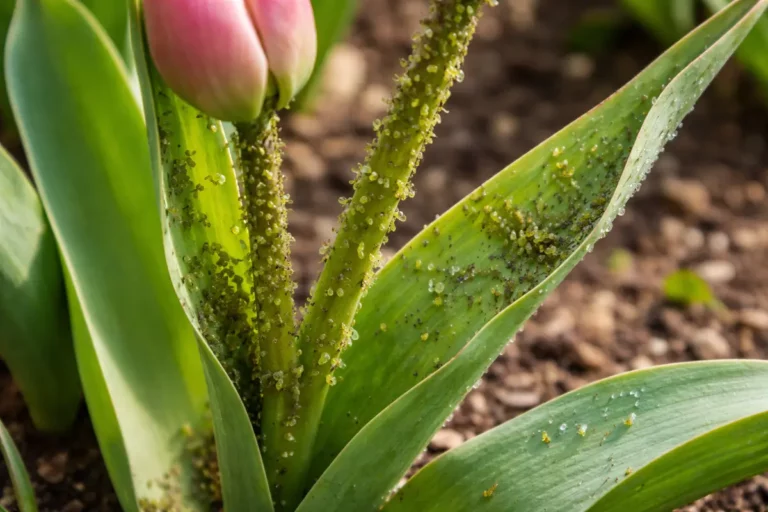
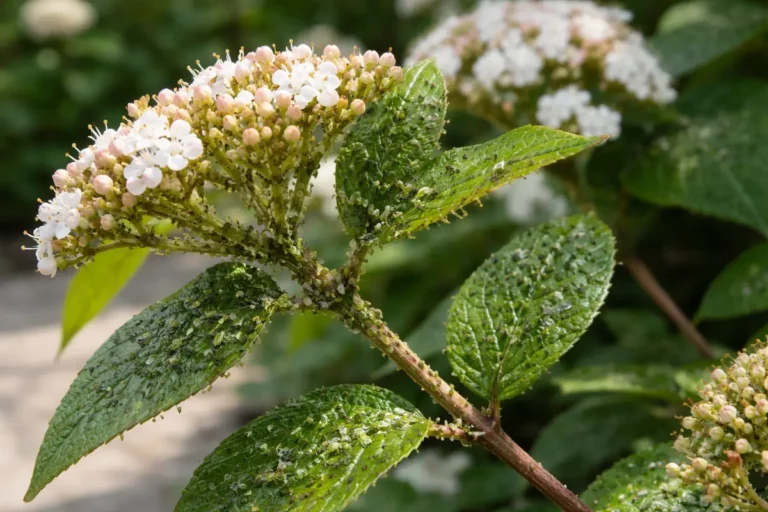
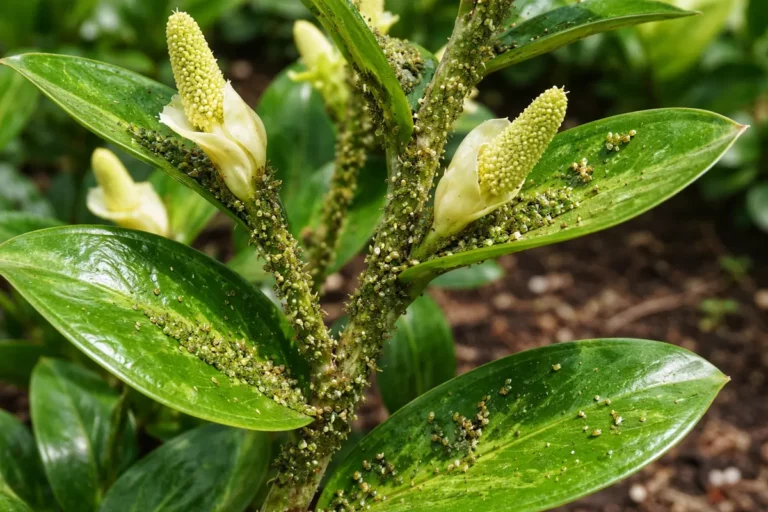
Check the undersides of the leaves for clustered aphid colonies. You should find distinct groups of aphids, often in shades of green or black, as well as sticky honeydew residue that they excrete. Remember, this visible honeydew is also a signal of aphid presence and can encourage the growth of sooty mold if left unchecked, further harming the aesthetic of your plants. If you see a significant amount of honeydew accumulating, this indicates that aphids have been active for a longer time, necessitating a more controlled and aggressive approach.
Identifying aphid colonies is essential because it allows you to target your treatment effectively. If these pests are left unchecked, they can spread quickly, damaging your geraniums further by transmitting plant viruses. By assessing the situation closely, you can understand the extent of the infestation and decide on the best course of action. A thorough check should include not just the undersides but also the stems and flower buds, as aphids often hide in these less visible areas. Signs of aphid activity might include yellowing leaves or distorted growth — look for any abnormalities as you inspect. If you see leaves curling or stunting significantly, chances are the infestation is severe, necessitating immediate action.
In some cases, if you notice only a few aphids and minimal damage, it might be tempting to skip spraying. However, this can allow their populations to rebound significantly. If you apply treatments only to the visible areas without thoroughly checking the entire plant, you might miss a hidden colony ready to reproduce. Always inspect multiple leaves to get an accurate picture of the overall health of your plants. Alternatively, if you find heavy infestations, consider using a stronger insecticidal soap or a neem oil solution to help eliminate them more effectively. In extreme cases, be prepared to remove severely infested leaves to curtail the problem before it escalates; if your removal leads to more exposed stems, ensure to treat those treatment areas to prevent new aphids from settling in.
Step 3 – Boost Geraniums with Nutrient-Rich Fertilizer
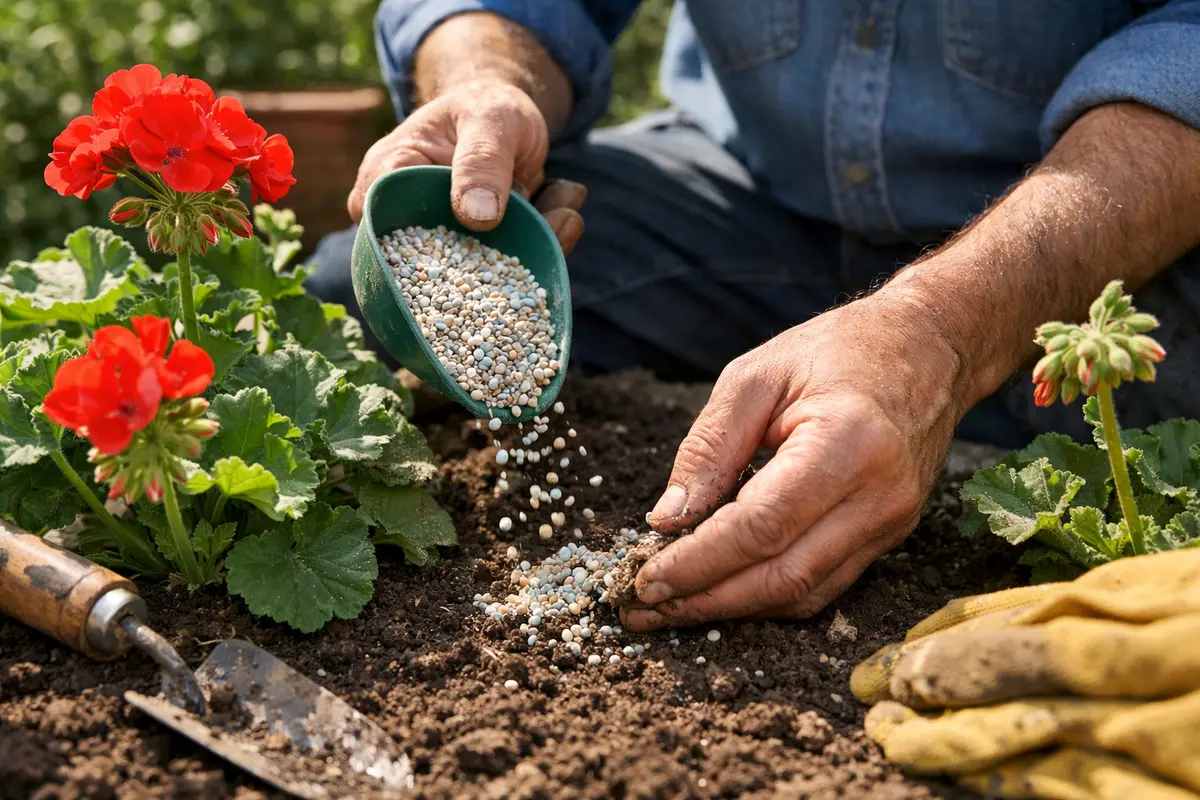
Apply a balanced, nutrient-rich fertilizer to your geraniums to support their recovery. You should see new growth emerge within a week, indicating that your plants are responding positively. Look for a fertilizer high in nitrogen, phosphorus, and potassium — this specific nutrient trio helps in root development, blooms, and overall plant wellness. When you apply fertilizer, you should follow the label’s recommended doses, as excess can harm roots and lead to nutrient burn.
Nutrient supplementation is vital after an aphid infestation because the plant’s energy reserves are depleted from fighting off the pests. When you provide necessary nutrients, it helps rejuvenate the geraniums, leading to stronger and more resilient growth. Apply fertilizer at the suggested dosage, usually once every 4-6 weeks, and ensure it’s diluted in water to facilitate absorption. If your fertilizer shows signs of being a slow-release type, expect longer intervals between active application. Pay special attention to how the plants respond; if you detect signs of leaf burn or wilting, this may indicate that you have overcompensated with fertilizer, so scale back immediately. Watch for a slight peeling of the leaf tips, which is a telltale sign to act fast.
Moreover, it’s essential to ensure the soil is moist before fertilization; otherwise, salt buildup could occur from fertilizers, harming plant roots. A common mistake is applying fertilizer during excessively hot weather, as this can further stress the plants. Instead, aim for times when temperatures are moderate, possibly shortly after watering. Remember that geraniums also benefit significantly from less frequent, thorough watering to ensure nutrients are delivered and digested efficiently. If the soil feels compacted or dry several inches down, it’s time to water thoroughly before fertilizing to prevent root damage. If you feel the soil is waterlogged, allow the plant to dry out before attempting a fertilization routine to avoid drowning the roots.
Step 4 – Shield Flowers from Aphids with Neem Oil
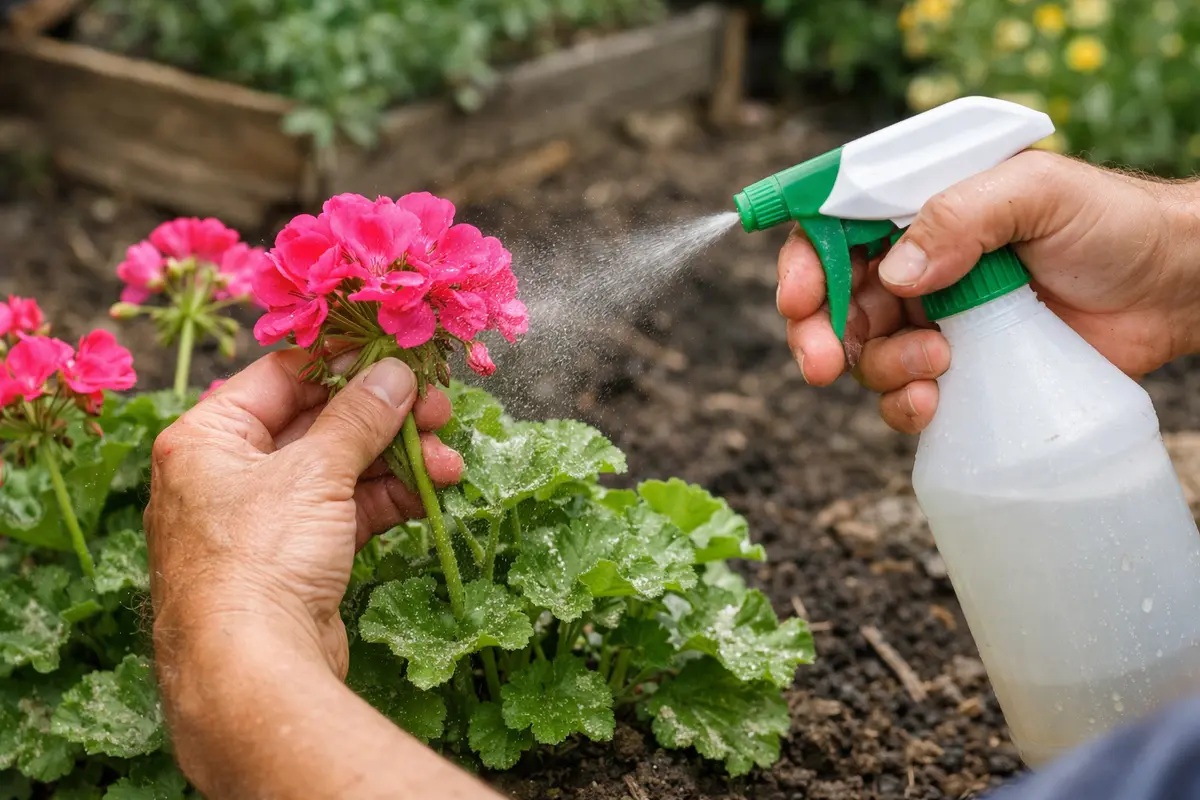
Apply neem oil to your geraniums as an ongoing preventive measure against aphids. This will create a protective barrier that deters new infestations from taking hold. It’s wise to start applications as soon as the first flowers bloom, as aphids tend to thrive during the peak flowering stage when plants are most vulnerable. When using neem oil, always ensure to carefully follow the instructions; a diluted solution of 2 tablespoons per gallon of water typically works well for most instances.
Using neem oil helps address the root causes that lead to aphid infestations by disrupting their life cycle. The oil acts as both a repellent and an insect growth regulator, preventing aphids from maturing and reproducing effectively. Regular applications, recommended every two weeks during flowering, will help keep your geraniums safe. If you observe impending rain, check your application schedule since persistent rain breaks down the oil’s protective properties, reducing its effectiveness. In addition, staying vigilant about monitoring local weather changes could guide you to adjust the frequency of your applications.
During extremely dry conditions or high temperatures, neem oil application may need adjustment; consider increasing your frequency to weekly. Additionally, if your geraniums are in a high-traffic area for beneficial insects, such as ladybugs, ensure to apply neem oil late in the evening to minimize impact on these helpful allies. If you notice any adverse effects from the neem oil treatment, such as leaf discoloration or drooping, it might suggest the concentration is too high; consider diluting it further. Always conduct a patch test on a single leaf before a full application to check for any adverse reactions, especially when applying during peak heat. If unrest or irregular spotting expands across the plant, reassess the mixture and frequency of application.
Step 5 – Check for New Aphids Bi-Weekly on Geraniums
Monitor your geraniums bi-weekly for signs of new aphids or damage. You should observe sturdy, healthy leaves without any new signs of curling or honeydew residue. If any new growth appears deformed or small, this may indicate recurring aphid problems. Regular vigilance also allows you to catch problems early, which is essential since aphids can reproduce rapidly, leading to large-scale infestations in a short time. If you notice plants behaving erratically or suddenly wilting despite proper care, these could point to an underlying reinfestation.
A thorough monitoring schedule allows you to catch any returning aphids early before they can establish a new colony. This vigilance is particularly crucial during the peak growing season when aphids reproduce quickly. By routinely inspecting your plants during the early morning or late afternoon, you can maximize your chances of spotting these pests before they gain a foothold. Always check areas that have shown past infestations for renewed signs, as even a single aphid can initiate a new breeding cycle. Pay attention to weather conditions, as fluctuating temperature and humidity can make aphids more active. If you have recently added new plants to your garden, increase your monitoring frequency as they can introduce pests from other locations. Stressed tissue can make aphids on cucumber plants after heavy easier for pests to exploit.
If you notice signs of aphid reappearance—like curled leaves or sticky surfaces—immediately repeat the soap spray treatment. If these measures seem ineffective within 3-4 days, it may be time to consider employing more aggressive options, like targeted insecticides or reaching out to local extension services for expert advice. Implementing a pest log will help track your observations and could give insight into the timing and effectiveness of treatments. Documenting when activities occur, such as applying neem oil or fertilizers, will provide clarity on when and how to adjust your approach based on growing conditions, helping maintain the vitality of your geraniums. Lastly, always ensure to rotate treatments periodically to reduce the possibility of aphid resistance to any given strategy.
FAQ
How long does it take for geraniums to recover from aphid damage?
Recovery can take a few weeks, depending on the extent of the damage and the effectiveness of treatments applied. With proper care, you should see new healthy growth begin within a week after fertilization. In cases of severe infestation, this process may take longer, requiring persistent management to fully restore plant health.
Can aphids spread to other plants in my garden?
Aphids can spread quickly, especially in overlapping growing seasons or during windy conditions. If you discover aphids, inspect neighboring plants regularly to prevent a larger infestation. Implementing quarantine measures for newly planted or recently purchased plants can also help minimize the risk of spreading these pests throughout the garden.
Should I remove leaves with aphid damage?
If the damage is severe with significant curling or wilting, removing and discarding those leaves can help reduce the population. Affected leaves create a breeding ground for new aphids, so prompt removal is often beneficial. After removing damaged foliage, keep an eye on the plant to ensure enough energy remains for recovery, and supplement care with nutrients if necessary.