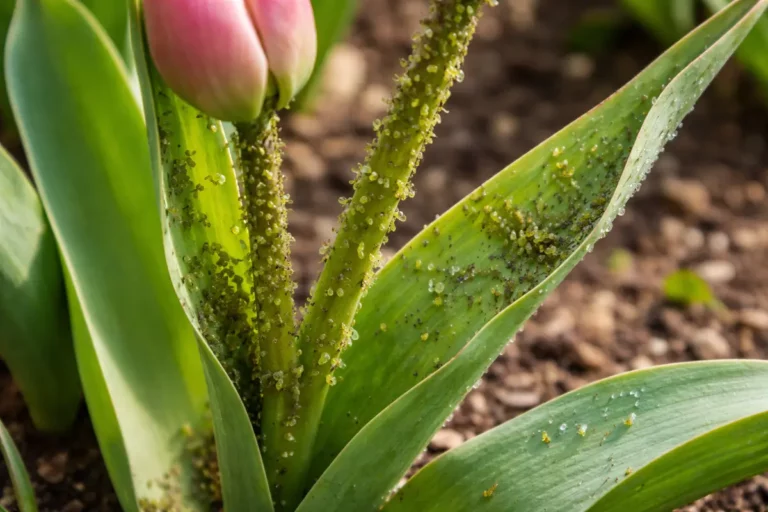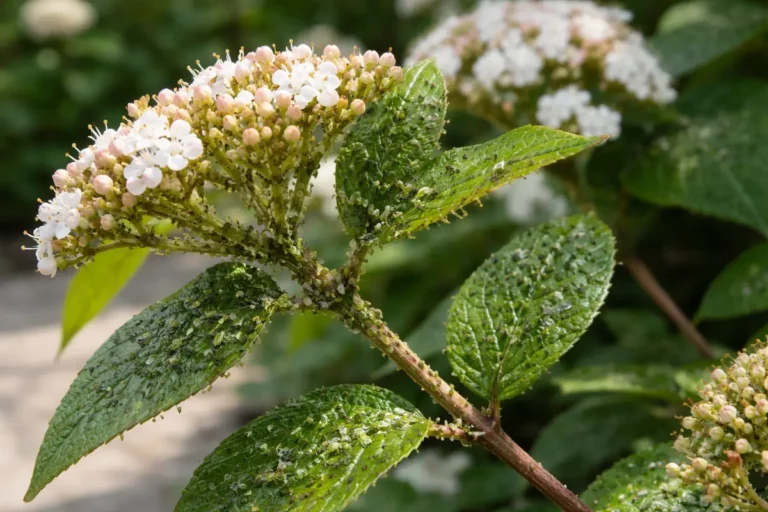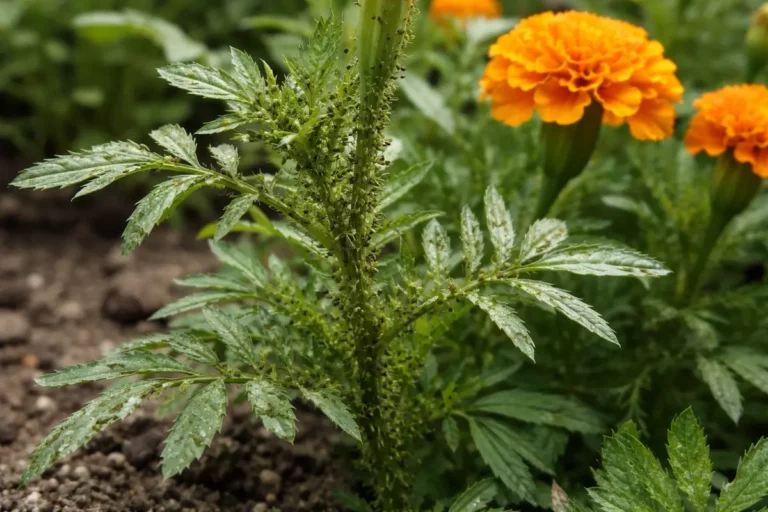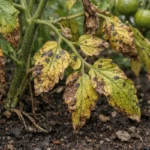
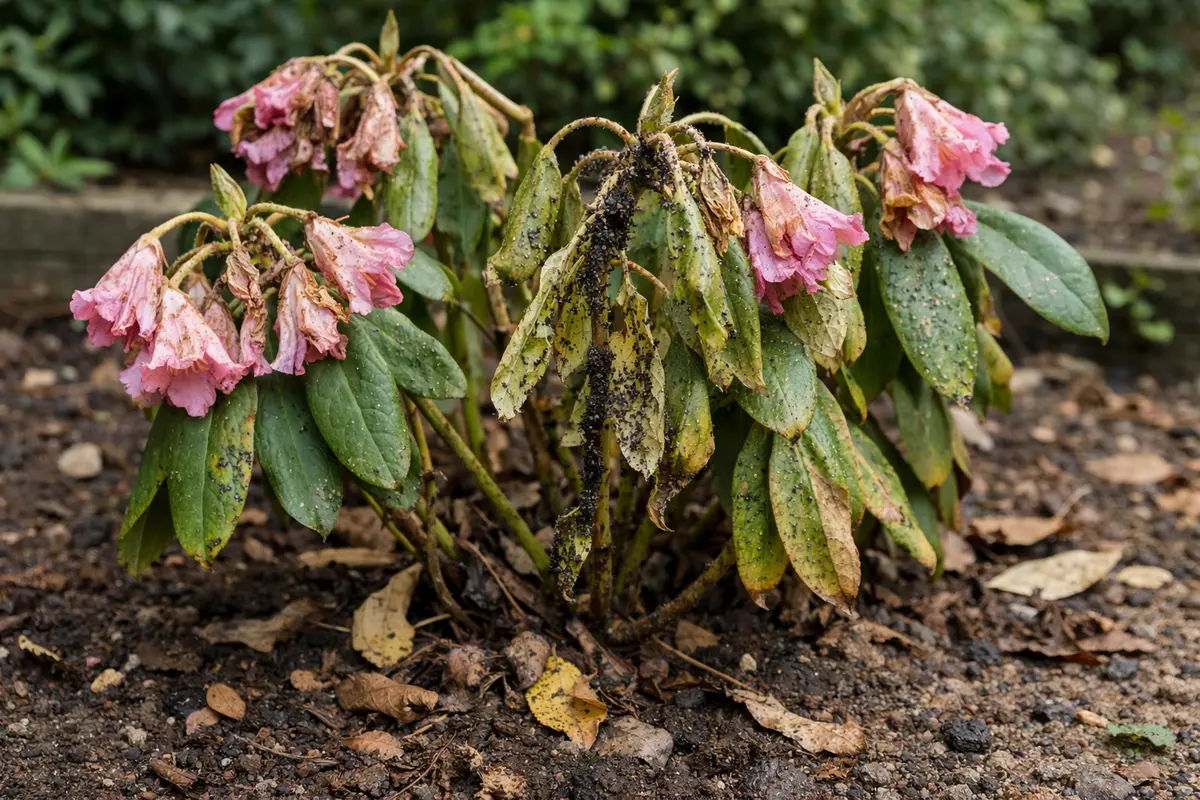
You may notice clusters of tiny, green pests clinging to your beautiful rhododendron blooms during flowering, which is why you need to know how to stop aphids on rhododendron plants during flowering. These sap-sucking insects can cause yellowing and wilting of leaves, leading to serious damage if left untreated. If ignored, the infestation gets worse, weakening the plant and stalling growth, but you can address this now by inspecting your plants closely and removing any visible aphids to improve their health.
Step 1 – Spray Insecticidal Soap on Rhododendron Leaves
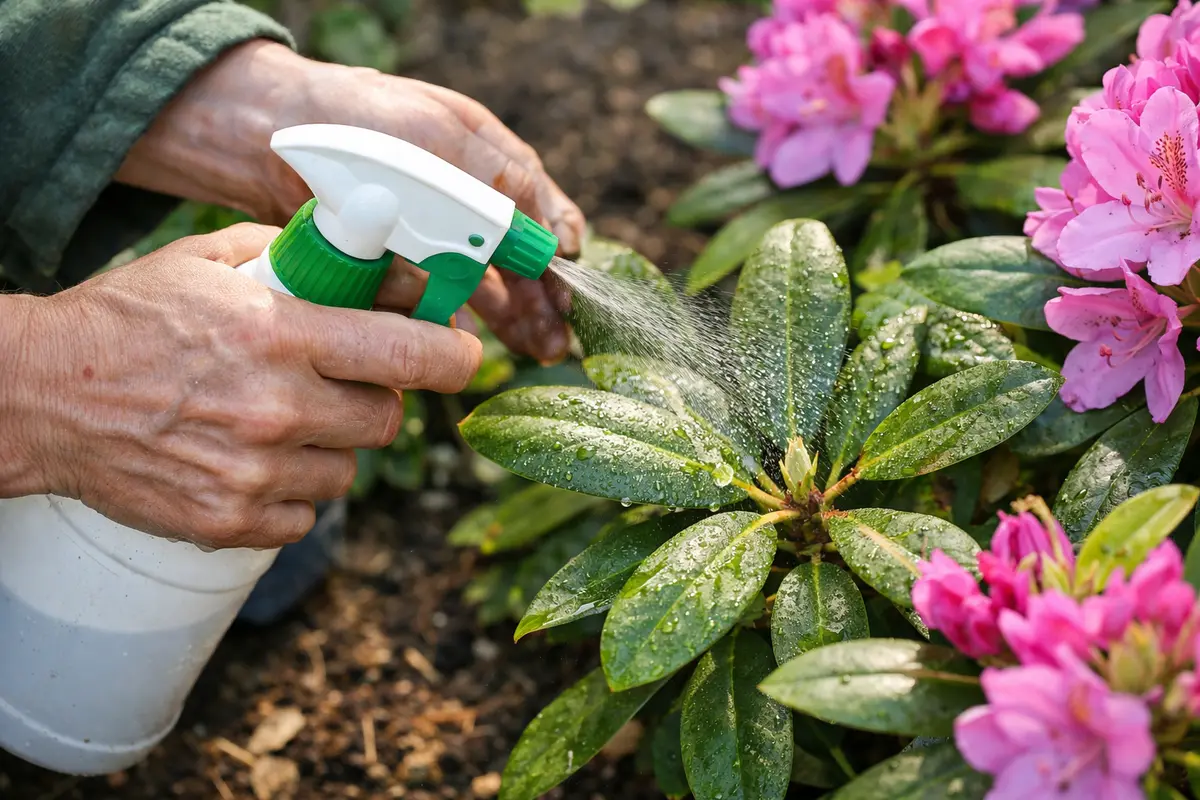
Start by spraying insecticidal soap directly onto the undersides of the affected rhododendron leaves. After 24 to 48 hours, you should see a marked reduction in aphid activity as they begin to die off. If you notice fewer pests but still see some activity, repeat the application every few days to ensure an effective eradication.
Insecticidal soap works by suffocating aphids due to its fatty acid content, disrupting their cell membranes, and ultimately leading to their demise without harming the plant. Acting quickly is crucial because aphids reproduce rapidly, and their populations can increase exponentially in a matter of days if not addressed. The longer you wait, the more damage they engender, leading to stunted growth and reduced flowering in your rhododendrons.
Many gardeners often make the mistake of applying insecticidal soap only once instead of ensuring thorough coverage. It’s essential to target not just the visible aphids but also any potential eggs that may be hiding on the underside of the leaves. Pay extra attention to new growth where aphids frequently establish colonies. If your plants still show signs of aphid activity after the initial treatment, reapplying the spray can dramatically improve outcomes. Be sure to check the weather reports; in excessive heat conditions, it may be more effective to spray in the early morning or late afternoon to minimize evaporation and increase effectiveness. Additionally, if the aphids seem resistant, consider alternate methods or different insecticidal soaps, as formulation variations might yield better results.
Step 2 – Investigate Aphid Infestation Sources on Plants
First, check the undersides of the rhododendron leaves for a shiny substance and clusters of small green or black insects, which indicate aphid infestation. Remove any visible aphids using a strong stream of water or by hand, and you should see a reduction in the sticky residue known as honeydew on the foliage within days.
Aphids feed on the sap of the rhododendron by inserting their mouthparts into the plant tissue, which leads to stunted growth and leaf distortion. Over time, heavy infestations can weaken the plant, making it more vulnerable to diseases; this is when you may notice curling leaves and yellowing of the foliage. If the leaves are curling but no aphids are detected, check for spider mites, which can cause similar symptoms but typically leave fine webbing on the plant.
If you notice a sour smell from the soil around the rhododendron, it may indicate root rot caused by overwatering, which can attract aphids as the plants become stressed. In this case, improve soil drainage by amending it with compost or moving the plant to a better-drained area. Alternatively, if you find ants near the plant, it’s likely they are protecting the aphids, so treat the area to deter the ants as well. Warm, crowded beds sometimes invite stop pests on asparagus before they.
Aphids are often attracted to plants that exhibit stress from environmental factors, such as poor soil health or insufficient watering. Identifying the specific sources of infestation will enable you to tackle the root cause and help prevent further outbreaks. Problems like nutrient deficiencies or drought stress can weaken your plants, making them more susceptible to aphid attacks. If you notice weak or yellowing leaves, this could indicate underlying health issues that need to be addressed. To reinforce plant health, consider soil testing to diagnose potential deficiencies accurately.
If you observe a high aphid concentration on a few specific plants, it might be best to isolate these plants initially. This not only prevents the aphids from spreading to healthier foliage nearby but also gives you an opportunity to treat them more intensively. Additionally, enhancing the overall health of your rhododendrons by ensuring proper soil quality and moisture levels can mitigate susceptibility to future infestations. Pay attention to the moisture content; if you have not watered sufficiently after a dry spell, consider adjusting your watering schedule to avoid further stress. Regularly checking soil acidity and moisture content will also allow your plants to thrive, making them less appealing to aphids.
Step 3 – Fertilize Rhododendrons to Encourage Recovery
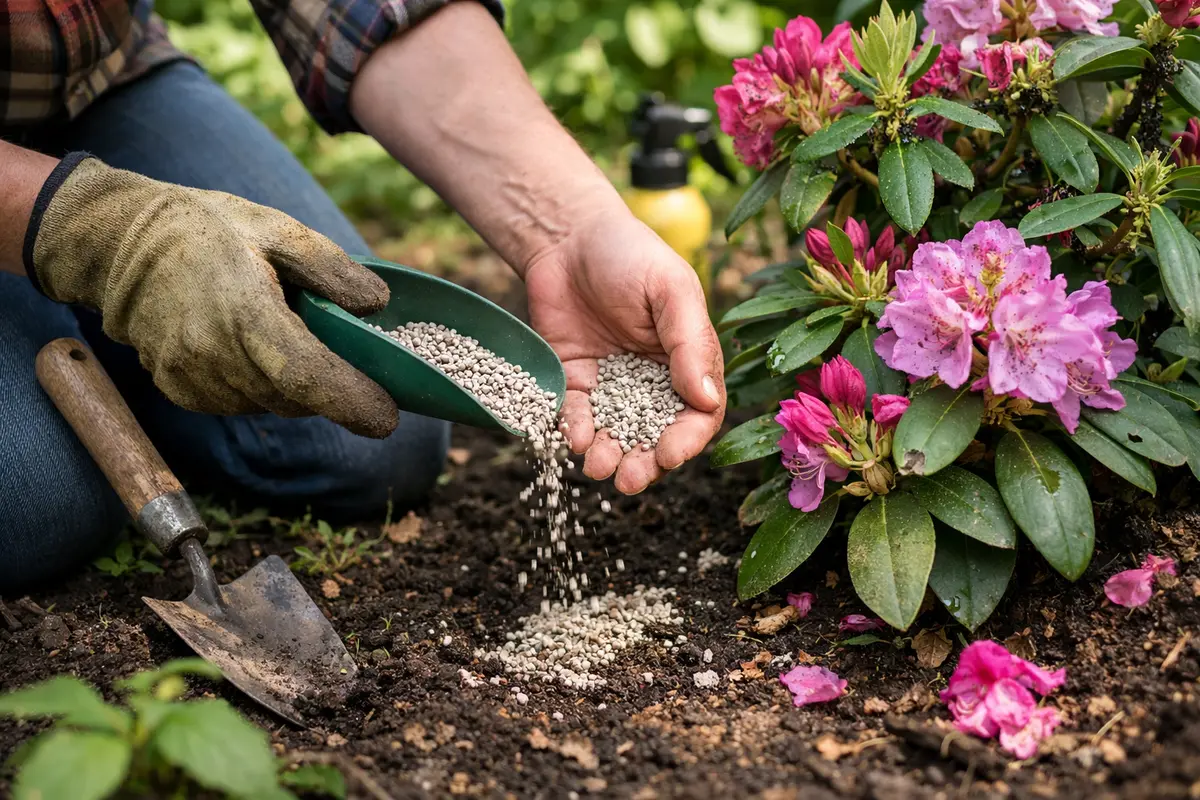
After utilizing pest control measures, apply a balanced, slow-release fertilizer to your rhododendrons to support their recovery. Within a few weeks of application, you will notice improved plant vigor and healthier foliage as nutrients begin to seep into the soil, enhancing growth. Look for new leaves developing and bright green color as signs of successful fertilization. A targeted fertilizer with a nitrogen-phosphorus-potassium ratio suited for flowering plants may yield better results.
Healthy rhododendrons are more resilient and can effectively withstand aphid attacks. Adequate fertilization boosts their capacity to produce new shoots and leaves. Keep an eye out for dark green, sturdy leaves, as well as robust new growth, which indicate that your rhododendrons are bouncing back from the stress caused by aphid feeding. If you see an absence of new growth after fertilization, this may suggest that other underlying issues need addressing, such as soil compaction or drainage problems.
Be cautious not to over-fertilize, as this can lead to nutrient burn, especially during the flowering phase when plants are under various forms of stress. Sometimes, well-meaning gardeners mistakenly think that more fertilizer equals better outcomes. Instead, applying a balanced amount during early spring can set the stage for optimal growth without overwhelming the plants. If your fertilization coincides with periods of heavy rain, be vigilant in checking soil moisture levels frequently to avoid root rot, which can develop quickly with over-watering combined with nutrient overload. A good practice is to monitor the top inch of the soil; it should feel dry before you water again.
Step 4 – Use Companion Plants to Deter Aphids Next Season
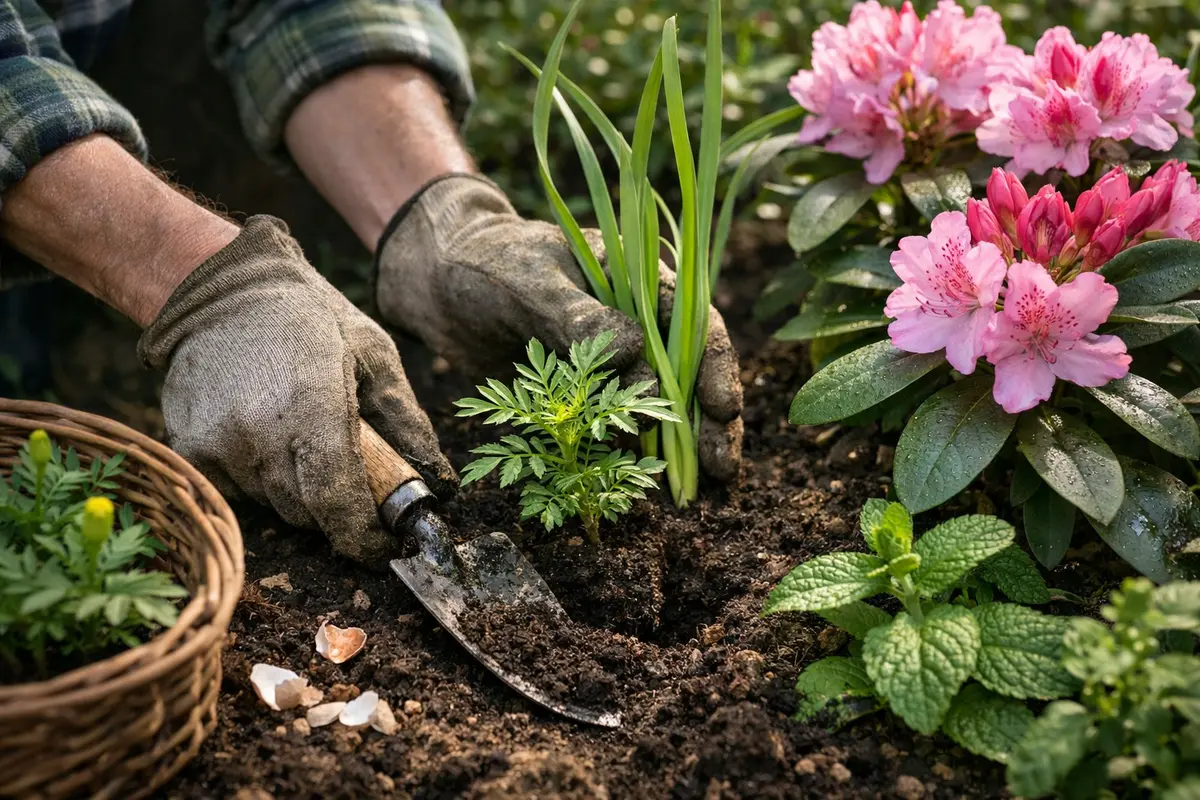
Start by regularly spraying your rhododendrons with a mixture of water and insecticidal soap to directly eliminate aphids. This routine treatment will not only kill existing aphids but will create a hostile environment for future infestations, leading to stronger, healthier blooms.
Aphids thrive in warm, dry conditions, and these environmental factors can lead to their rapid reproduction. By maintaining consistent moisture around your rhododendrons and applying insecticidal soap, you disrupt their preferred habitat, preventing recurring infestations, unlike when plants are left unmonitored and surrounded by dry soil where aphids flourish. If you notice drooping leaves, check the soil moisture levels; if it’s too dry, adjust your watering schedule.
In early spring, before flowering begins, increase the frequency of your preventive sprays to fortify your plants against aphids. Additionally, consider introducing beneficial insects like ladybugs in your garden to serve as an extra layer of protection, as they feed on aphids and can help keep their numbers in check.
Companion planting effectively disrupts aphid habitats and helps space out planting, reducing the likelihood of extensive infestations. For effective aphid control, regularly check the health and growth of your rhododendrons alongside your companion plants. This proactive approach, rooted in complementary agriculture, helps ensure that both species thrive together, mitigating the chances of future infestations. On another note, planting too close together can lead to higher humidity and moisture retention, which may inadvertently attract aphids.
Moreover, remember to choose plants that thrive in similar conditions as your rhododendrons. For example, if your garden experiences hot summer days, select companion plants that prefer slightly cooler soil or can withstand dry periods, ensuring their survival alongside your rhododendrons. Through careful selection, you can cultivate a biodiverse ecosystem that diminishes the likelihood of aphid infestations while fostering overall plant health and resilience. Take note that in dry conditions, beneficial insects may not stay as prevalent, so regular checks and appropriate upkeep are crucial for sustainability.
Step 5 – Inspect Flower Buds for Persisting Aphid Activity
Start by checking your rhododendrons every few days during the flowering period to monitor for aphid infestations. Look closely at the new growth, undersides of leaves, and flower buds; observe any sticky residue or distortions on the foliage. Recheck every three days to catch any early signs of aphids and track changes in the plant’s appearance.
A fully recovered rhododendron will display vibrant, unblemished leaves and abundant flowers, with no signs of deformation or sticky residue. In contrast, early signs of aphids returning include curled leaves accompanied by a sticky substance on surfaces, which can serve as a signal for emerging infestations. If the leaves show yellowing or have a dusty appearance, it’s time to take further action.
If aphids persist despite monitoring, apply a stronger natural insecticidal soap or neem oil treatment, following the label instructions for application frequency. If infestations continue, consider introducing beneficial insects like ladybugs to eliminate the aphids naturally, or consult a local garden center for more potent remedies tailored to rhododendron care.
A fully recovered rhododendron should exhibit vibrant new leaves and healthy flower buds, suggesting that the aphids have been effectively cleared. However, if you encounter signs of new aphid activity or increased leaf curling, it indicates the problem might be resurging. Taking a vigilant approach now will help you catch a potential resurgence early and prevent a full-blown infestation from occurring next time. Aim to perform these inspections particularly after rain or high humidity periods, as aphid activity can spike under these conditions.
If you find new aphid colonies forming post-treatment, consider introducing natural predators like ladybugs in the area, as they efficiently feed on aphids and can establish a long-term defense system. This biological control method can help combat aphid issues naturally and sustainably. Should you still see no improvement after trying several measures, escalating to a systemic insecticide might become necessary. However, keep in mind that systemic solutions should be used as a last resort, to minimize impact on beneficial insects already present in your garden. Timing your use of systemic pesticides during less favorable light conditions can help protect pollinator populations.
FAQ
How long will it take for my rhododendrons to recover from an aphid infestation?
Recovery time for rhododendrons after aphid treatment can vary but you should see visible improvements within two to three weeks. As the plants receive proper care, including fertilization and pest management, new growth will indicate they are on the mend. Be attentive to their environment, ensuring that they are not under new stressors during their recovery to promote faster healing. If visible recovery is not seen within that time, consider re-evaluating your treatment methods and soil health.
Can aphids spread from one rhododendron plant to another?
Yes, aphids can quickly spread from one rhododendron to another, especially if plants are located close together. Monitoring your garden regularly while treating affected plants promptly is crucial to preventing infestations from escalating and spreading to nearby flora. This is particularly relevant if your plants come into contact during windy weather, as it can facilitate the movement of aphids. If you see nearby plants showing signs of distress similar to the affected ones, treat them preemptively to safeguard their health.
Should I remove the infected leaves from my rhododendron?
Yes, removing heavily infested leaves can help reduce the overall aphid population and minimize stress on the plant. Make sure to use clean, sharp pruning shears to avoid causing further damage. Additionally, isolating the removed foliage is vital for preventing reinfestation; discard it far from your garden area or place it in a sealed bag for disposal. Be proactive in your inspection routine; lookout for any nearby plants that may have also been affected during your inspection, ensuring that the aphid population does not rebound.