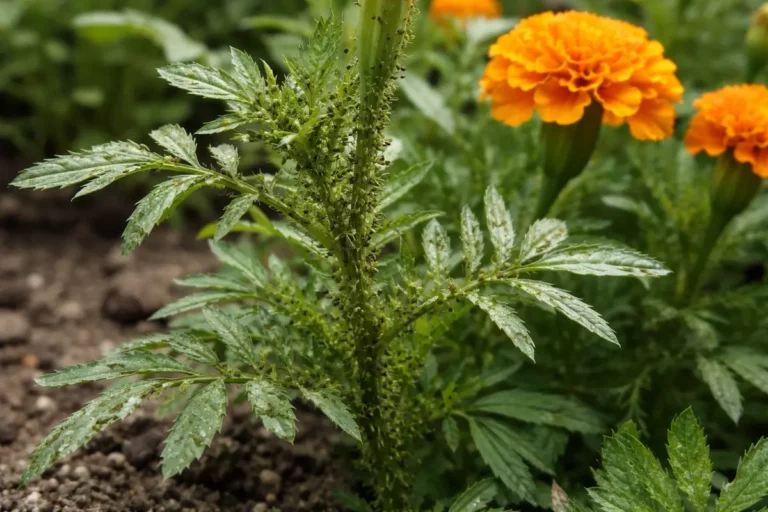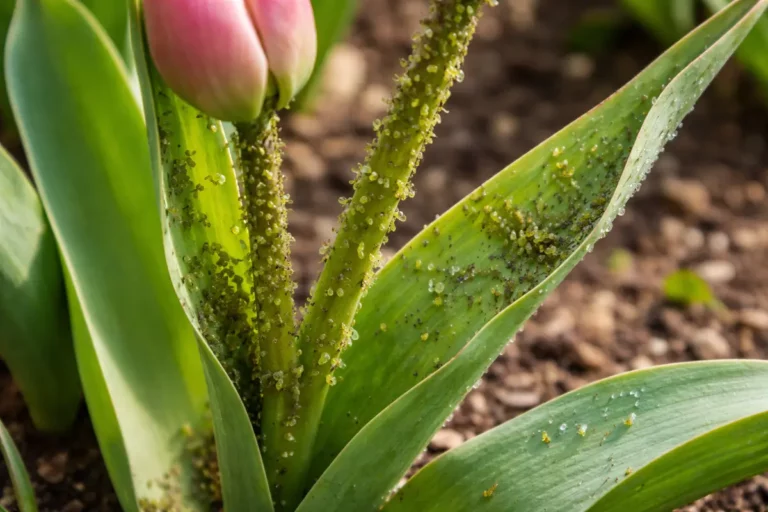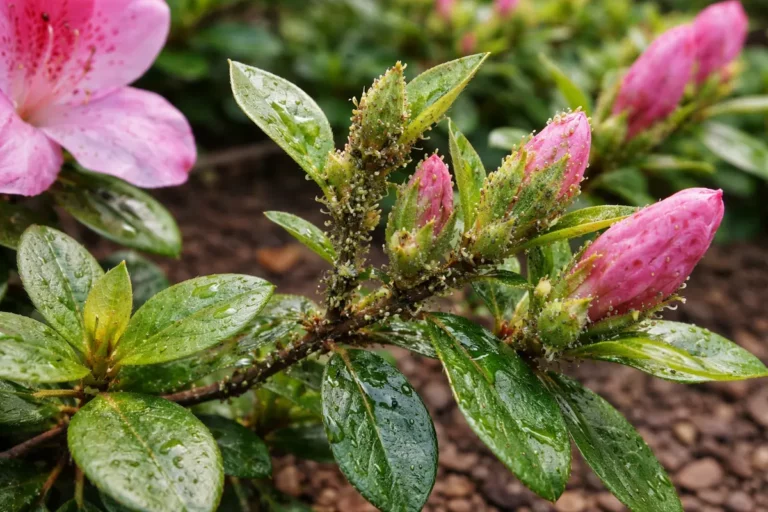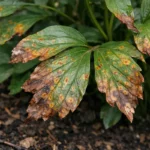
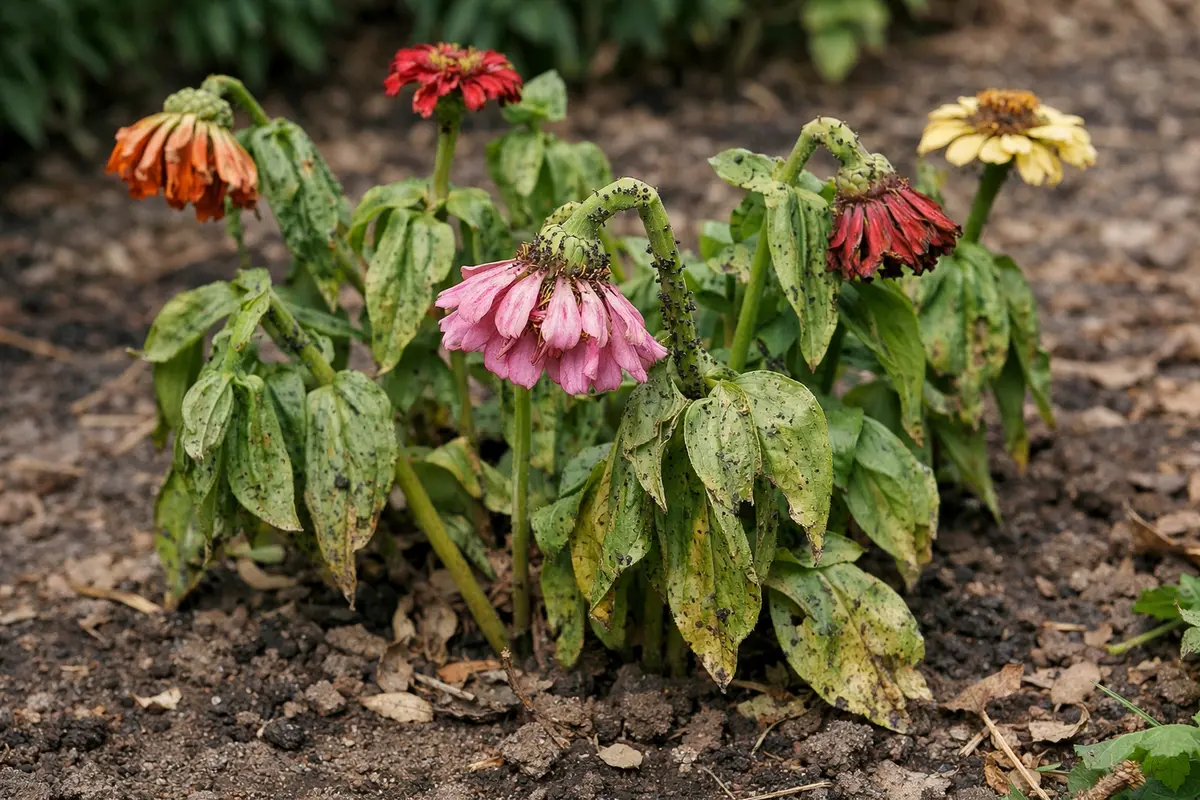
You may notice tiny green bugs clinging to your vibrant zinnias during summer, a clear sign that you need to know how to stop aphids on zinnias during summer. These pests suck the sap from the plants, leading to yellowing leaves and stunted growth. If left unchecked, the infestation gets worse and weakens the plant, often resulting in wilting or premature death of blossoms. It’s possible to remedy the situation now by inspecting the foliage and removing affected areas or treating them effectively.
Step 1 – Spray Zinnias With Insecticidal Soap Immediately
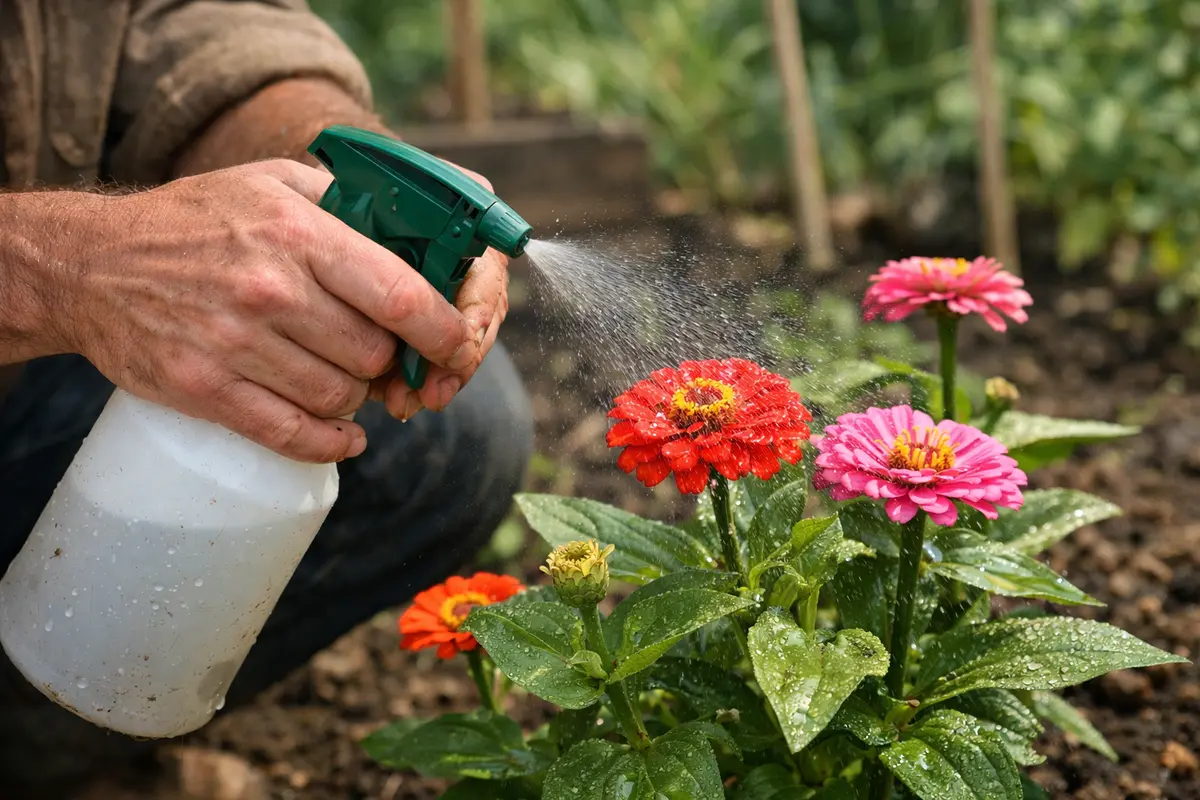
Spray your zinnias with insecticidal soap generously, ensuring both the tops and undersides of the leaves are fully coated. Within a few hours after application, you will begin to see aphids dropping off or becoming immobile. For optimal results, apply the spray during the cooler parts of the day, ideally in the late afternoon, to prevent rapid evaporation and ensure better adherence to the pests. Aiming for this timing also helps to minimize potential leaf scorch, especially in direct sunlight.
This action is crucial because insecticidal soap works by suffocating the aphids, effectively cutting off their oxygen supply. The longer you wait to treat an aphid infestation, the larger the population gets due to their rapid reproduction cycles, which leads to more severe damage and weakened plants. Zinnias are especially susceptible to aphids during hot summer months when the plant’s energy is focused on blooming, creating a prime target for these pests. Timely intervention can mean the difference between a controlled infestation and a total loss, especially when you notice any sticky residues or curled leaf edges signaling the presence of aphids.
A common mistake gardeners make at this stage is not using enough soap or failing to spray the undersides of leaves, where aphids often hide. Only spraying the visible leaves may result in missed colonies and can allow populations to flourish. Utilizing this immediate action can stabilize your plants’ condition and prevent further damage caused by the feeding insects. Recognizing the need to thoroughly saturate your plants can help avoid future issues and ensure that the insecticidal soap is effective.
Step 2 – Check for Ants Feeding on Aphid Honeydew
Start by inspecting the underside of zinnia leaves for aphids and their honeydew residue. Remove any visible aphids by spraying the plants with a strong jet of water to dislodge them, which can often be very effective against lighter infestations. Follow up with a neem oil solution to eliminate any remaining pests effectively. In a few days, you should see a decrease in aphid numbers and less sticky residue on the leaves, while keeping an eye on the plant’s overall health.
Aphids thrive on soft, young plant tissues, feeding on sap, which can cause stunted growth or curled leaves. When aphid populations explode, they can create a thick layer of honeydew, leading to sooty mold that can hinder photosynthesis, potentially causing more long-term damage. Watch for wilting leaves as they may indicate severe feeding and damage; if you observe black sooty mold, it confirms aphid activity. Noticing wilting, yellowing, or curling leaves is a strong indicator that your plants are under stress, and if you’re not seeing any aphids but still have similar leaf damage, check for spider mites as an alternative pest issue.
If you notice blackened leaves and a sticky film but can’t locate any aphids, check for other sap-sucking pests like spider mites or thrips. The presence of tiny webs or speckled leaf damage can indicate spider mites, which require a different treatment approach. Utilize insecticidal soap or introduce beneficial insects like ladybugs to combat these pests effectively. Observing the underlying communities and feeding relationships among these insects is crucial, as biological control can help in the long term by establishing a healthier garden ecosystem.
Ants are known to farm aphids, providing them protection from predators in exchange for the sugary honeydew they produce. If ants are present, the aphid population can continue to thrive and become a recurring issue. This relationship is often overlooked because it complicates your aphid problem; treating just the aphids will not eliminate the support they receive from ants. Monitor carefully because addressing the ant issue can yield immediate benefits for your zinnias. If you find ants, use a barrier method like diatomaceous earth around the base of the plants to deter them; if this doesn’t help, consider using bait traps specifically designed for effective ant control.
Applying diatomaceous earth involves sprinkling it around the plants and ensuring that it dries to create a barrier that ants cannot cross. When using barriers, it’s crucial to reapply after rainfall or heavy dew to maintain effectiveness. Otherwise, aphids will likely return quickly, keeping your zinnias in a constant battle for health. If treatments are ineffective, reassessing your plant’s location to ensure it’s away from high ant traffic areas could provide better outcomes.
Step 3 – Apply Neem Oil to Help Zinnias Recover
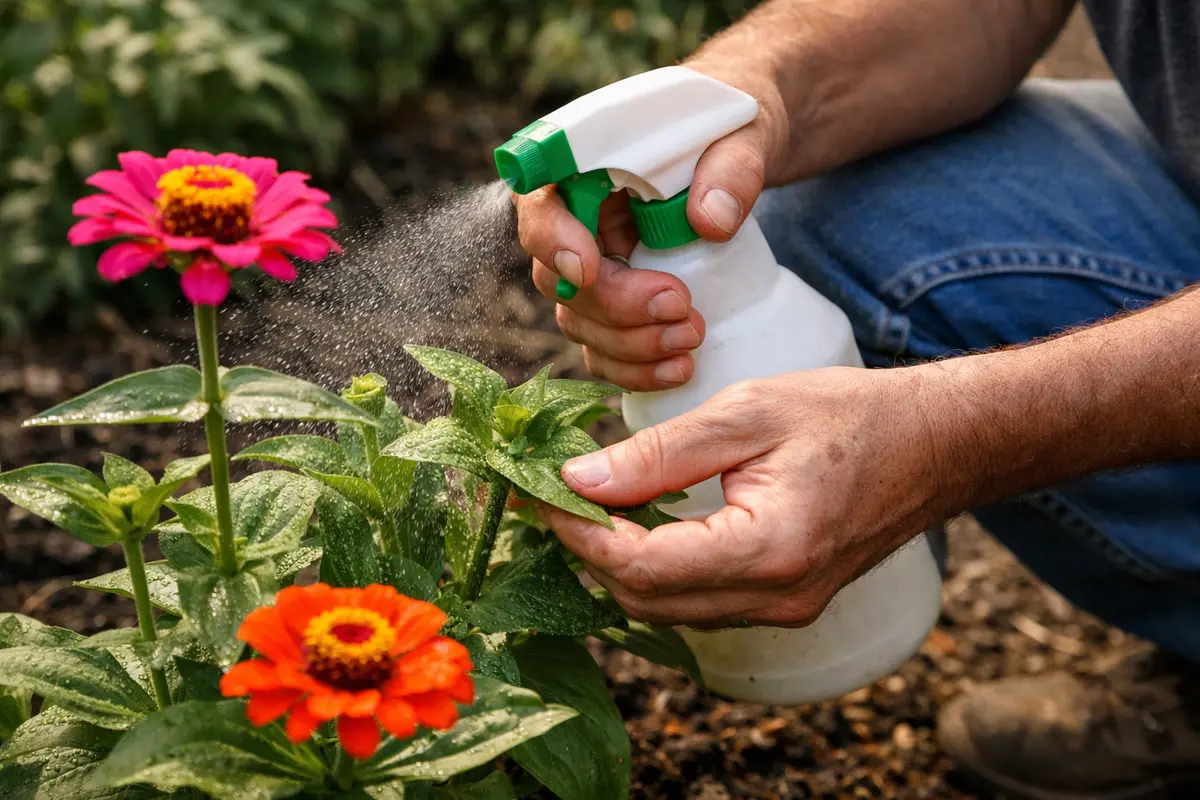
Apply neem oil to your zinnias to promote recovery and deter future aphid invasions. A proper application should encourage healthier leaves and fewer pests within 4-5 days, as the neem oil disrupts the life cycle of aphids and promotes vigorous plant growth. For effective results, mix neem oil according to label directions, usually about 2 tablespoons mixed with a gallon of water, and ensure thorough coverage of all plant surfaces.
Neem oil works by suffocating insects and deterring others due to its strong scent. It disrupts aphids’ feeding habits, leading to fewer opportunities for the pests to mature or reproduce effectively. This disruption is essential for your zinnias’ recovery and long-term vitality. Zinnias showing signs of recovery will exhibit renewed leaf growth, with colors becoming more vibrant and stems firming up. Consistent monitoring post-application will help reinforce this recovery phase, with close observation of leaf texture and color helping indicate progress.
A key pitfall during recovery is the temptation to over-fertilize your plants, thinking they need additional nutrients to bounce back. In reality, over-fertilizing can lead to salt buildup in the soil and stress your plants further, thereby creating a more inviting environment for pests like aphids. You should also keep your watering routine consistent, as zinnias can benefit from steady moisture. Notice that signs like drooping leaves may signal insufficient watering, and during the recovery period, it becomes critical to maintain a balanced approach to both nutrients and water to avoid inviting further infestations.
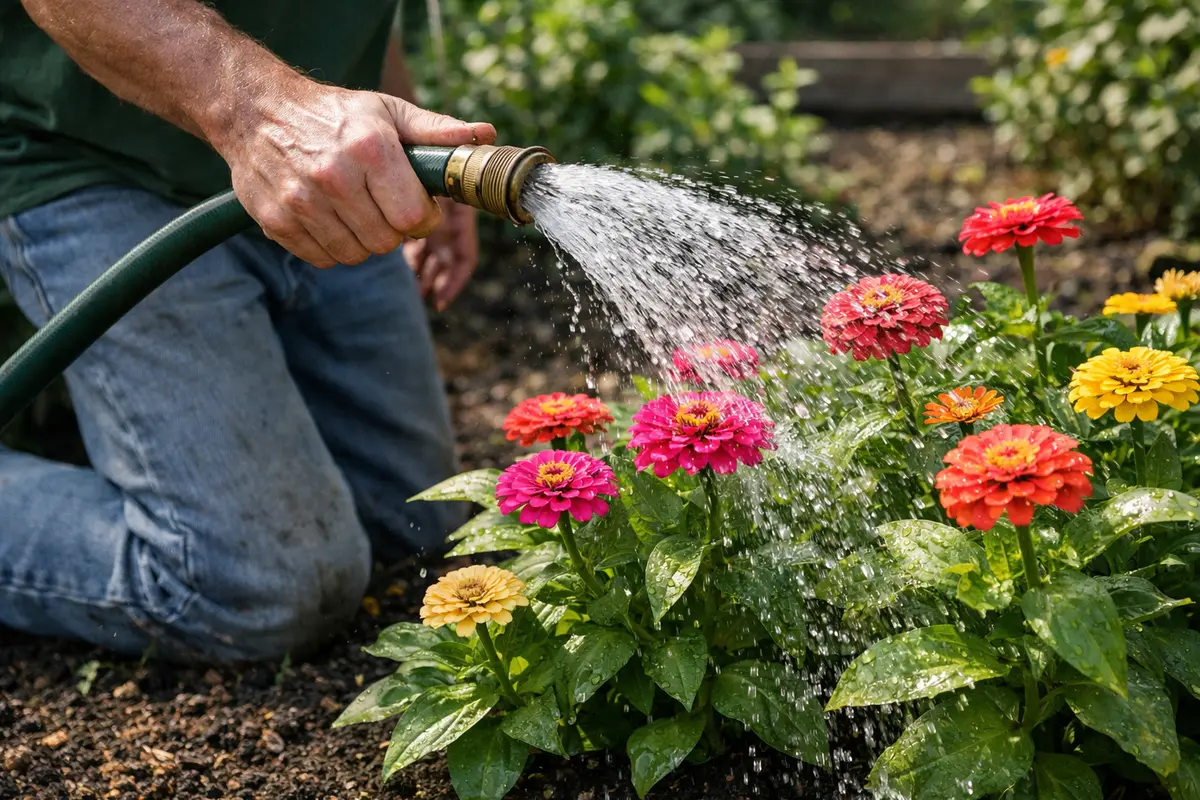
Step 4 – Water Zinnias Early to Deter Aphids’ Spread
Start by applying neem oil to your zinnias every two weeks throughout the summer. This natural insecticide disrupts aphid reproduction and strengthens the plants, resulting in fewer infestations over time and promoting healthy foliage development.
Aphids thrive in warm, dry conditions where plants are stressed, and moisture levels are low. By regularly applying neem oil, you are not only targeting existing pests but also creating an unfavorable environment for future aphid colonies, as the oil helps improve plant moisture retention. Monitoring the weather and your local environment can help you decide when increases or alterations might be necessary.
In particularly hot and dry spells, increase your neem oil application to once a week to bolster your defense against these pests. Additionally, consider introducing beneficial insects, like ladybugs, which will serve as a secondary layer of protection by preying on existing aphid populations. Creating a habitat through companion planting can also be beneficial, as surrounding zinnias with pest-repelling plants may reduce aphid attraction.
Well-hydrated zinnias are more resilient and can withstand aphid feeding better, which may prevent further spread. If the leaves of your zinnias are wilting or showing discoloration, it may indicate dehydration, making them prime targets for pests. By committing to a steady watering routine in the early morning, you reduce the chances of stress and growth stunting caused by high temperatures in summer. If the soil is dry to the touch at a depth of 2 inches, it’s time to water; consistency is key in preventing pest outbreaks.
Consider adjusting your watering schedule based on heat or rainfall during summer; an increase may be necessary during particularly hot weeks. If you’ve noticed that the soil dries out quickly, increase your watering frequency; conversely, during cooler or more humid periods, you may want to reduce it to prevent waterlogging. This approach not only helps avoid aphids but also improves your plants’ resilience against other summer diseases. Creating thriving conditions encourages a natural balance in your garden ecosystem, attracting beneficial insects that will help manage pest populations.
Step 5 – Inspect Zinnias Weekly for Pest Reappearance
Start by checking your zinnias every few days for the presence of aphids, particularly on the undersides of leaves and at the tips of new growth. Observe signs of recovery such as new leaves emerging and a return to vibrant color. If you notice any clusters of aphids returning, recheck your plants weekly to ensure that effective measures are being maintained.
A fully recovered zinnia will display bright green leaves, firm textures, and abundant blooms, contrasting sharply with the early signs of aphid infestation, which include curled leaves and a sticky residue known as honeydew. If the plants begin to exhibit yellowing or browning again, it indicates that aphid numbers are increasing, necessitating immediate action.
If aphids reappear despite monitoring and treatment, increase the frequency of insecticidal soap applications or consider introducing beneficial insects like ladybugs, which feed on aphids. Additionally, if not treated promptly, excessive stress may cause wilting, so ensure your zinnias are also receiving adequate water and light conditions.
Regular inspections allow you to catch any minor re-infestations before they escalate into a larger problem; keeping track of aphid sighting patterns will help you apply preventative measures swiftly. Healthy plants will exhibit vibrant color and strong, upright growth as they rebound from an aphid attack, showing no signs of stress or infestation. Use a magnifying glass if needed to check closely, particularly in the under-leaf areas. The under-leaf area is crucial since many pests tend to reside there, and maintaining a routine of visual checks can significantly reduce the chances of a repeat infestation.
If you notice signs of aphids returning despite your preventative efforts, consider increasing the frequency of treatments or exploring alternative pest management options, such as introducing beneficial insects like ladybugs. Scout for areas where ladybugs are commonly available; they are natural predators of aphids and can assist in maintaining control over pest populations. If the problem persists after those measures, it may be time to consult with a gardening professional with experience in integrated pest management. Your diligence will reinforce your zinnias’ defenses and keep your garden thriving throughout the summer.
FAQ
How long does it take for zinnias to recover from aphid damage?
Recovery from aphid damage typically takes 1-2 weeks, depending on environmental conditions and the severity of the infestation. With prompt treatment, you will start seeing signs of improvement, such as new growth and firm leaves. The speed of recovery is directly influenced by continued care practices, such as consistent watering and maintenance of suitable soil conditions, acting as stress relievers for the plants.
Can aphids spread to other plants in my garden?
Yes, aphids can quickly spread to nearby plants, especially in crowded conditions. Regular inspection of your garden can help catch any new infestations early on, reducing the risk to your other plants. Implementing border plants, such as garlic or marigolds, can act as natural deterrents and create an additional buffer for your zinnias, minimizing the chances of infestations.
Should I remove affected zinnias from my garden?
Only remove zinnias if they are severely damaged and not showing signs of recovery after treatment; otherwise, healthy plants can typically bounce back with proper care. Monitor closely to ensure they regain their vigor, and keep a watchful eye for pests. Severely affected plants may indicate more systemic problems in your garden, which could warrant a more thorough evaluation of your pest management strategies, as these could affect neighboring plants as well.