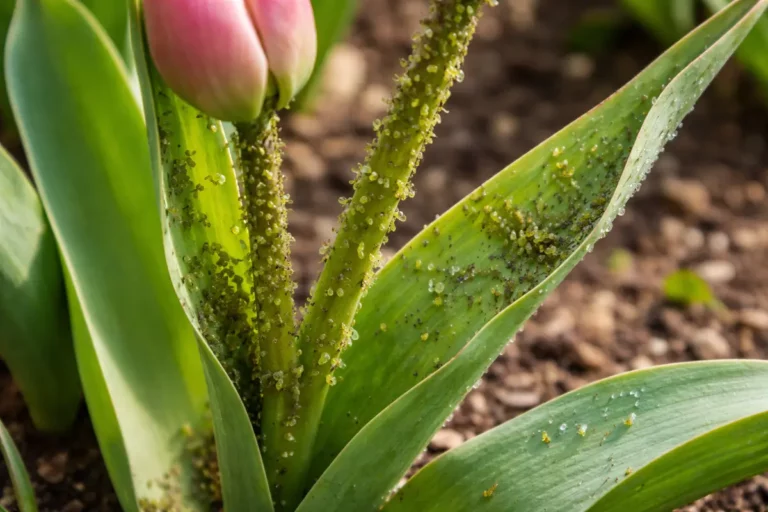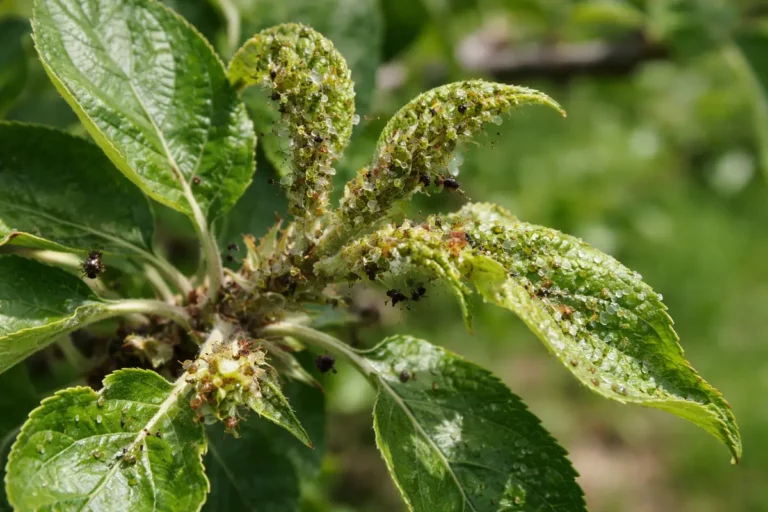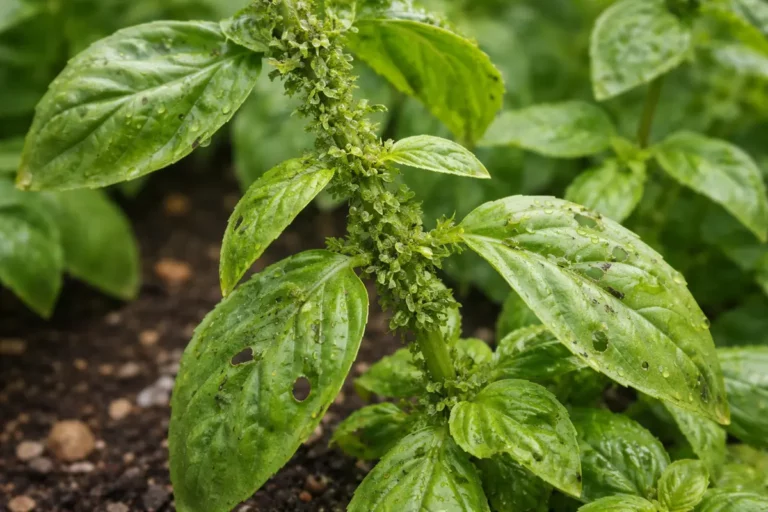
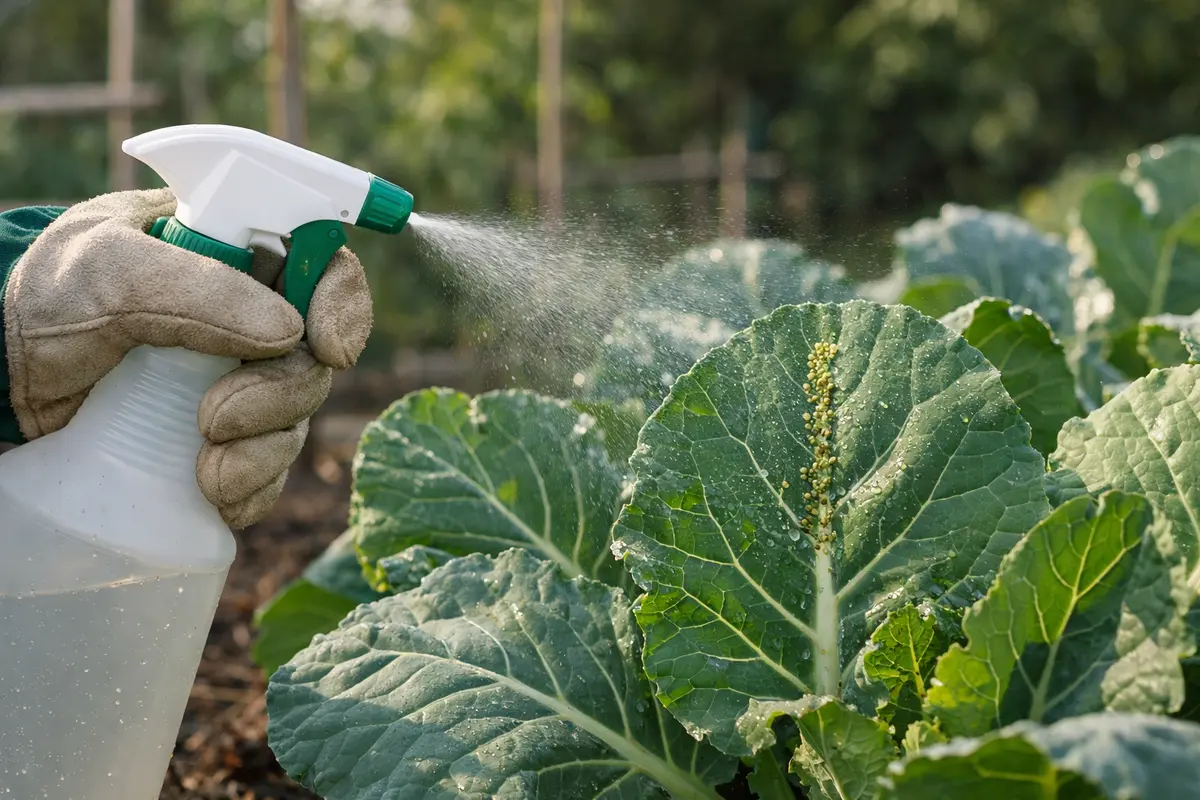
You may notice small clusters of tiny insects on your collard greens during spring growth, which is why you need to know how to prevent aphids on collard greens during spring growth. These pests suck the sap from the leaves, causing yellowing and wilting, leading to significant damage if left unchecked. Ignoring the problem only makes it worse, as it can spread to neighboring plants and weaken the overall health of your greens, but addressing it now allows you to check, inspect, and monitor your plants effectively.
Step 1 – Spray Soapy Water on Aphids Immediately
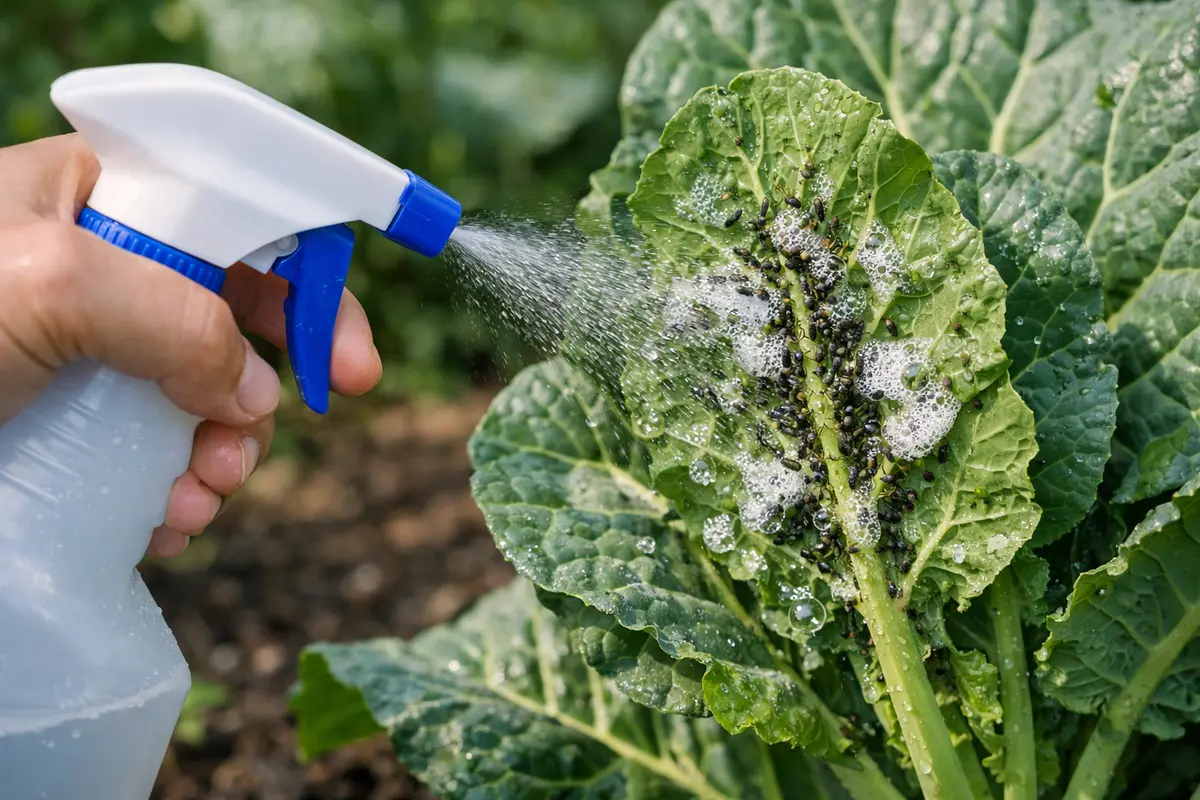
Start by spraying soapy water directly on the aphids infesting your collard greens. You will see the aphids start to drop off the leaves within a few hours of application. Prepare a mixture of 1 tablespoon of liquid dish soap (preferably biodegradable) diluted in 1 quart of water for effective treatment. For severe infestations, increase the soap ratio to 2 tablespoons; however, avoid excessive soap concentration as it can harm delicate plant tissues and lead to potential leaf burn.
This action suffocates the aphids by blocking their airways, which disrupts their protective waxy coating. Immediate action is crucial; delaying treatment allows the population to grow and spread, worsening the issue. Ensure to apply the soapy water on both the upper and lower leaf surfaces to achieve thorough coverage against the pests. Full coverage is critical; neglecting the undersides where aphids often cluster can lead to their rapid resurgence.
Your first move is to properly time the application—spray the soapy water in the morning or late afternoon to minimize leaf damage from heat. Also, avoid applying just before rain, as excessive water can wash the soapy treatment away. For the next few days, watch for signs of reduced aphid activity, such as fewer aphids on leaves and decreased sticky residue, which indicate a successful treatment. Monitor leaf recovery closely; healthy foliage will show improved turgidity and color as you continue to keep an eye on recurring infestations.
Step 2 – Diagnose Aphid Infestation on Collard Greens
Inspect your collard greens regularly for signs of aphids, which are small green or black insects clinging to the leaves. If you spot them, spray the affected plants with a strong jet of water to dislodge them, or apply insecticidal soap to eliminate existing populations. Following this action, you should observe a reduction in aphid numbers and healthier leaves unfurling over time.
Aphids thrive in stressed plants, often due to nutrient deficiencies or poor soil health. When collard greens lack essential nutrients, they become more vulnerable to aphid infestations as their natural defenses weaken. The soil quality directly influences root health, enabling plants to uptake necessary elements like nitrogen and phosphorus, thereby fortifying themselves against pests. If you are dealing with a related issue, petunia plants turn covers a similar problem in detail.
If you notice that your soil smells sour or has a slimy texture, this may indicate poor drainage or decomposition issues that can lead to root rot. In this case, amend your soil with organic matter like compost, or improve drainage by loosening compacted soils to cultivate a healthier environment for your collard greens. Alternatively, if the symptoms resemble a nutrient deficiency, test your soil and apply a balanced fertilizer appropriate for leafy greens.
Aphids thrive in nutrient-rich environments, particularly when nitrogen levels are high in the soil, which promotes rapid plant growth. As the collard greens grow, their tender new shoots serve as an inviting target for aphids. These pests feed on the plant’s sap, causing weakened leaves and stunted growth due to the extraction of vital nutrients.
If your soil smells sour or shows signs of waterlogging, it indicates poor drainage that can stress the plants, making them more susceptible to aphids. In this case, improve drainage by adding organic matter like compost or mulch; this will facilitate healthy root development and reduce vulnerability to pests. Alternatively, be cautious of woolly aphid infestations, which look similar but require a different treatment approach with targeted neem oil applications.
Aphids thrive on the sap of collard greens, which is drawn from the plant’s tissue. When they feed, they weaken the plant, causing yellowing of the leaves and stunted growth. The soap mixture disrupts their cell membranes, ultimately killing them, while the excess nitrogen in the soil can encourage their rapid reproduction if left unchecked.
If you detect a sour smell from the soil, it indicates root rot or improper drainage, which can attract other pests. In this case, improve soil aeration and drainage by adding organic matter or compost to the soil mix. This will not only enhance root health but will also create a less hospitable environment for pests like aphids to thrive.
Aphids thrive in weak or stressed plants, often due to nutrient deficiencies, poor soil conditions, or inadequate watering routines. When the roots are not getting enough nutrients, the plant tissue becomes less resilient, providing an ideal environment for aphids to attack. Healthy plants are more capable of warding off pests as they have stronger defense mechanisms and improved vigor; therefore, regular evaluation of soil conditions for compaction or nutrient levels is essential. For example, if the soil feels overly compacted or has a sour smell, it might indicate underlying issues that need immediate remediation.
If you notice sticky residue on leaves, this could be a sign of honeydew from aphids or other sap-sucking insects. Always check for a broader pest issue; the presence of honeydew also attracts ants that can protect aphids from their natural predators. Furthermore, aphids tend to cluster on the undersides of leaves, causing distinctive curling and deformation in foliage. Monitoring for these changes is crucial; once established, aphids can also attract sooty mold, a black fungal growth that thrives on the honeydew they excrete. If you see more than just a few aphids or widespread leaf curling, it is critical to act swiftly to avoid severe plant decline. Regularly checking the underside of the leaves can help catch infestations before they spread; a common oversight is neglecting this vital inspection routine.
In cases with only a few aphids on a single leaf, careful monitoring may suffice. However, if you notice new growth affected or a surge in aphid numbers, take immediate action, such as utilizing the soapy water solution, as rapid population growth can lead to severe infestations. Conversely, if the infestation appears widespread across multiple plants, introducing beneficial insects like ladybugs or aphid parasitoids may help since they prey on aphids and significantly reduce their population without introducing harmful chemicals into your garden.
Step 3 – Feed Collard Greens for Recovery from Damage
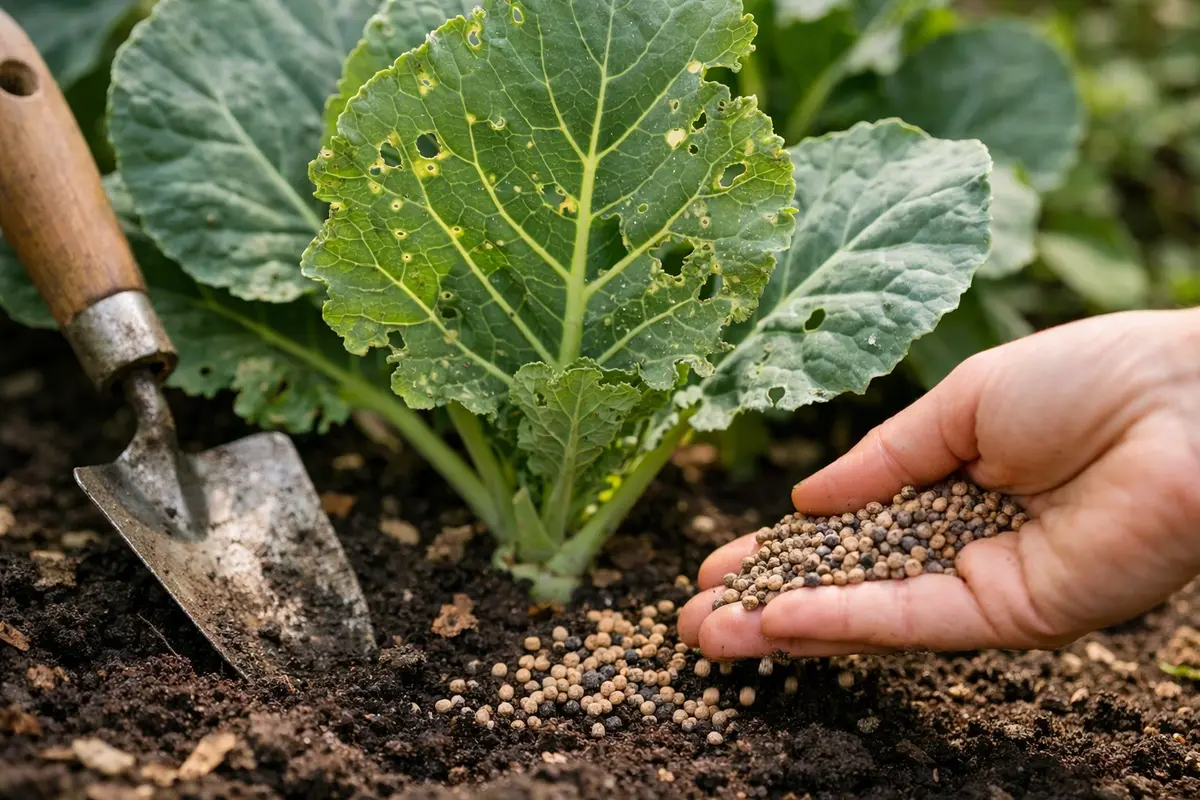
Apply a balanced, slow-release fertilizer to your collard greens to facilitate recovery from aphid damage. You should see new, healthier leaves beginning to emerge within approximately one to two weeks post-application. Recovery begins when you provide a formulation with an N-P-K ratio of approximately 10-10-10, which offers the plant a well-rounded mix of nitrogen, phosphorus, and potassium necessary for regeneration. A proper nutrient balance supports your plants as they bounce back from stress and strengthens their natural defenses.
Your first move is to nourish the plants with essential nutrients to promote vigorous regrowth. Healthy, well-fed plants are better equipped to withstand pests and recover from aphid-induced stress. Timing is crucial; apply fertilizer at least one week after any aphid treatments to allow your plants to stabilize, as they need their energy reserves to kick-start growth.
From here on, avoid the common mistake of over-fertilizing, which can lead to salt buildup in the soil and stress your plants further. Follow the manufacturer’s guidelines on application rates, and flush the soil with plenty of water if you suspect salt accumulation. Watch for signs of brittle leaf margins or edge burn, which indicate potential over-fertilization. Additionally, monitor moisture levels closely, especially during warmer weather, since heat can increase evaporation rates and impede nutrient absorption. For the next few weeks, new leaf growth should exhibit vibrant green coloration and noticeable thickness to signal successful recovery. If any sign of chlorosis appears, promptly reevaluate nutrient availability to ensure your collard greens are receiving the care they need.
Step 4 – Water Collard Greens with Care to Avert Aphids
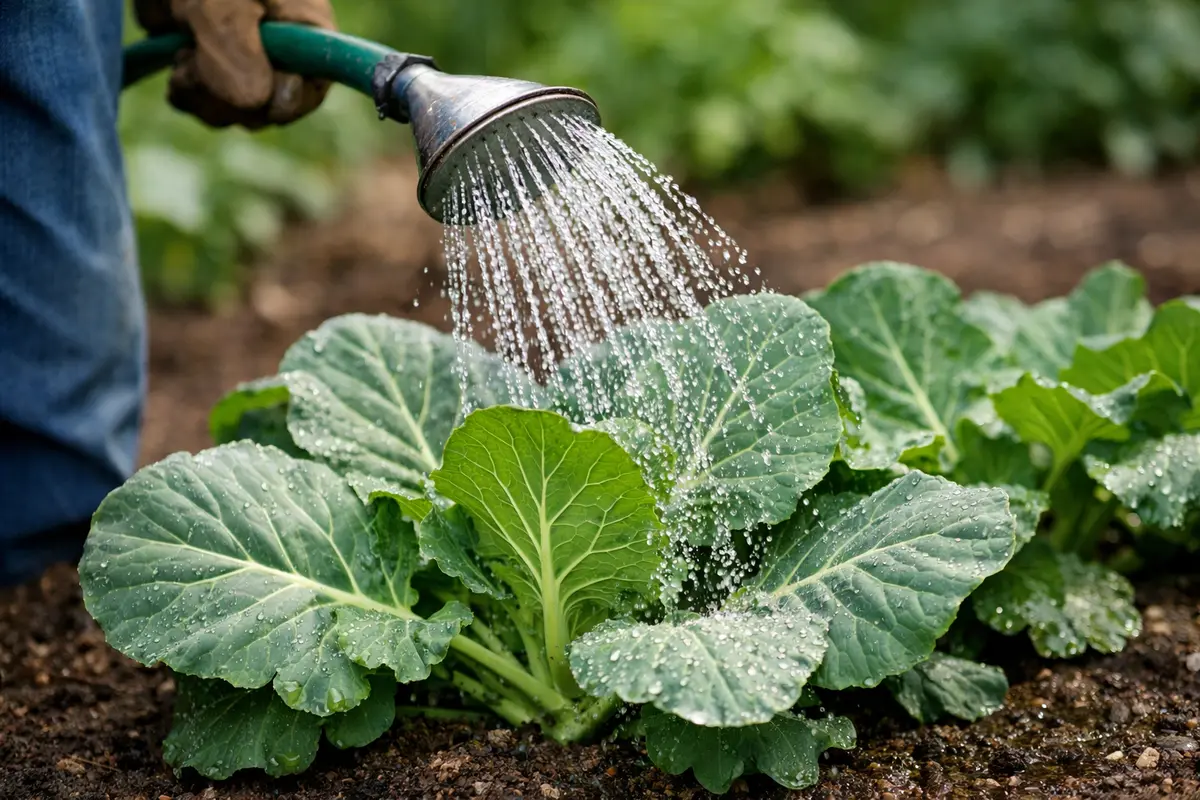
Start by watering your collard greens deeply but infrequently to deter aphid populations. This results in healthier plants with stronger roots that can better withstand stress. Aim for 1-2 inches of water per week, adjusting based on soil moisture levels. Observing the soil composition is crucial; sandy soils drain quickly and require more frequent watering, while clay soils need less.
To maintain optimal watering habits, establish a routine based on visual and tactile cues. If the soil appears dry or you notice wilting leaves, increase the watering volume or frequency. Conversely, if the soil feels overly compacted or soggy, scale back the watering schedule to prevent conditions that attract pests like aphids. For a closely related scenario, see prevent aphids kale.
During dry spells, ensure your watering penetrates at least six inches deep into the soil each time. Incorporate organic mulch around your plants; a 2-4 inch layer improves moisture retention and serves as a barrier against weeds that harbor pests. Adjust your watering practices based on weather forecasts, particularly after heavy rain when soil saturation may reduce your watering needs.
Step 5 – Inspect Collard Greens for New Aphid Activity Weekly
Inspect your collard greens weekly for signs of new aphid activity. Observe any fresh damage or clusters to ensure timely intervention. Continue this routine, as consistent monitoring protects your plants from severe infestations. Check both the upper and lower leaf surfaces, noting not just visible aphids but also symptoms such as curling leaves or honeydew residue. Early detection assists in managing pests effectively, offering a buffer against rapid population increases.
For the next inspection, watch for the emergence of healthy, vibrant leaves free from distortion or aphids, alongside steady new growth. If you spot sticky residue or sooty mold, these signal recent or ongoing aphid activity that requires immediate action. If fresh aphids or damage are identified, applying the soapy water spray will effectively reduce the population, especially if used while the infestation is active. Adjust your inspection frequency based on seasonal conditions, particularly after rain, which may hide lighter infestations. A related fix is explained in afternoon heatwave containers if you want to compare approaches.
If the infestation continues despite treatment, explore alternative options like introducing natural predators, such as lacewings or ladybugs, or using insecticidal soap specifically formulated for aphids. Regular inspections after heavy rainfall are crucial, as rain can wash away insecticidal treatments and create conditions favorable for pest resurgence. Establishing a consistent inspection routine not only for collard greens but also for neighboring plants promotes early detection and swift action, supporting the overall health of your garden and ensuring that your greens remain vibrant and productive.
FAQ
How long does it take to see results after applying insecticidal soap for aphids?
Typically, you will notice aphids dropping off the leaves within a few hours of applying insecticidal soap, with full effects observable within 1-2 days. However, repeat applications may be necessary for complete aphid control during severe infestations, so consistent monitoring after treatment is crucial to verify efficacy. Regular check-ins allow quick escalation to alternative treatments if required.
Can aphids spread to other plants in the garden?
Yes, aphids can spread quickly to other plants if not managed promptly. They reproduce rapidly and can transfer from one plant to another, causing widespread damage throughout the garden. Implementing preventive measures, such as introducing beneficial insects and maintaining overall plant health, helps mitigate this risk significantly, particularly under favorable conditions for aphid proliferation.
Should I remove affected leaves after treating an aphid infestation?
Yes, removing badly infested leaves can contribute to reducing aphid populations and preventing further spread. However, ensure you dispose of them properly to avoid inadvertently reintroducing the pests into your garden. Keep monitoring nearby plants for any fresh damage or signs of returning aphids to ascertain that further intervention is not required; vigilance remains essential for maintaining control.