
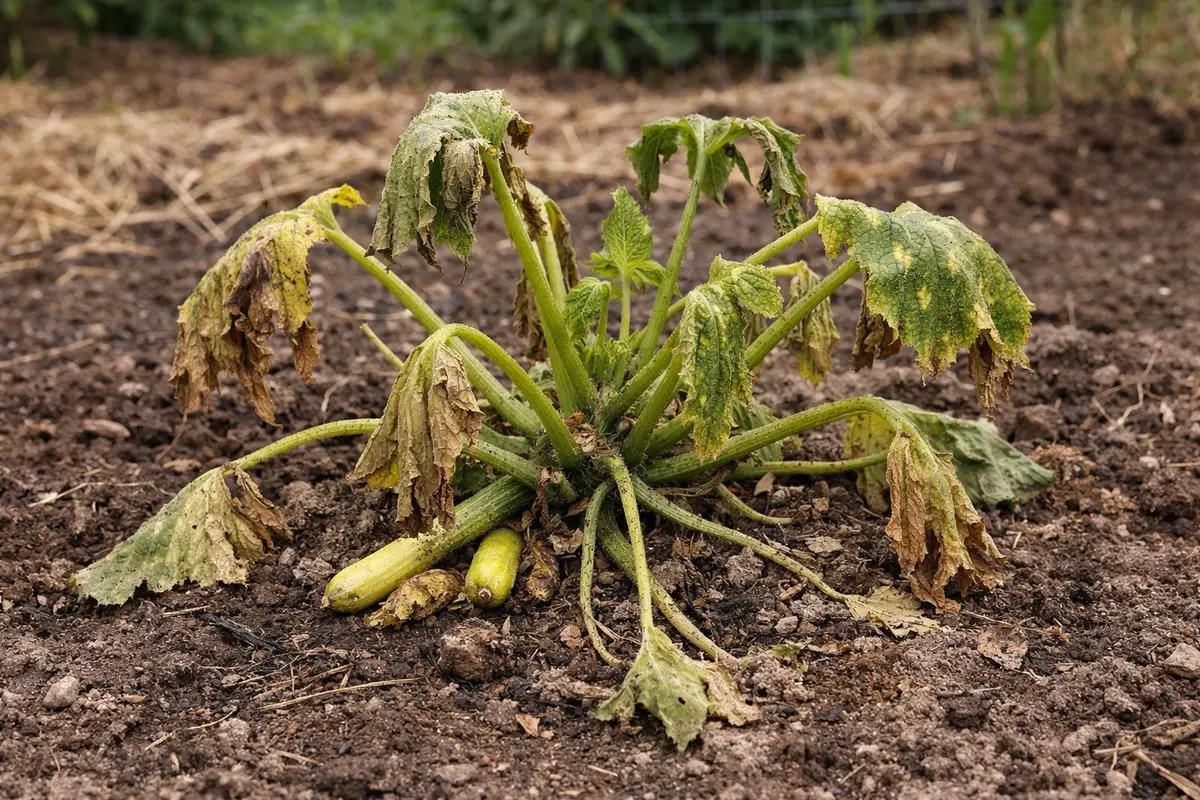
You may notice your zucchini plants appearing sluggish during the summer heat, which is why you need to know what to do when your zucchini plants are stunted. This stunting often occurs due to root issues or nutrient deficiencies, leading to yellowing leaves and drooping stems. If left unchecked, this condition can spread and ultimately weaken the plant, making recovery harder. Fortunately, you can improve the situation now by checking the soil, watering appropriately, and adjusting your fertilization methods.
Step 1 – Check Zucchini for Pests or Disease

Inspect the leaves and stems of your zucchini plants for any signs of pests or disease immediately. Look closely for pests like aphids or spider mites on the undersides of the leaves or along the stems. These pests are often small and may be mistaken for dirt or plant debris if not examined closely. Pay attention to other signs like sticky residue on leaves, which can indicate honeydew from aphid infestations.
Acting fast is crucial since pests can proliferate quickly, leading to extensive damage. Pests feed on the plant’s sap, disrupting nutrient uptake and water absorption, which results in stunted growth. Leaf discoloration or distortion often follows, making timely inspection essential. Additionally, if you see webs on the plants or leaves curling, this could indicate a spider mite infestation that has already taken hold. If left too long, these pests will cause the plant to divert energy towards defense mechanisms rather than growth.
Sometimes, gardeners mistake nutrient deficiency for pest damage, ignoring the signs. This misunderstanding can delay treatment for an infestation. If you observe wilting in addition to discoloration, check for pests first; quick action can minimize damage and may save your harvest. If you find an infestation, apply an insecticidal soap or a neem oil solution — using a gentle spray method in the early morning or late evening will prevent potential harm to beneficial insects. Avoid applying harsh chemicals during the heat of the day, as this can exacerbate plant stress and lead to further decline. Remember, the longer you wait, the more entrenched the problem can become, with rapid declines in your zucchini’s health.
Step 2 – Diagnose Nutrient Deficiency in Soil
Test the soil’s nutrient levels using a soil test kit available at garden centers. After testing, you will notice if deficiencies in nitrogen or potassium are affecting your plants’ health. This is best done during the early spring or when you first notice signs of stunted growth. If your soil test reveals low levels of essential nutrients, it’s time to act.
Soil deficiencies directly affect how plants absorb nutrients needed for growth. Nitrogen promotes leaf health, while potassium contributes to overall vigor and fruit development. Without the right balance of these nutrients, zucchini plants struggle to thrive, leading to the stunted growth you are witnessing. Signs of nutrient deficiency include yellowing leaves and poor flowering, where the plant fails to produce viable blooms. Checking the texture and smell of the soil can also provide insights; compact, sour-smelling soil may indicate poor drainage and nutrient issues.
If your soil test reveals low nitrogen but sufficient potassium, focus on nitrogen-rich fertilizers to remedy this imbalance. Conversely, if potassium is low, a fertilizer high in potassium can provide necessary support. Apply fertilizers according to the package instructions, and avoid over-fertilization, which can lead to nutrient burn. If you see browning or crisping of leaf edges after applying fertilizers, this is a clear sign of over-fertilization. Because zucchini plants are sensitive to sudden changes, introducing nutrients gradually can help minimize stress. A consistent feeding schedule with organic options like composted manure can benefit long-term growth and soil health.
Step 3 – Water Zucchini Plants Deeply for Recovery
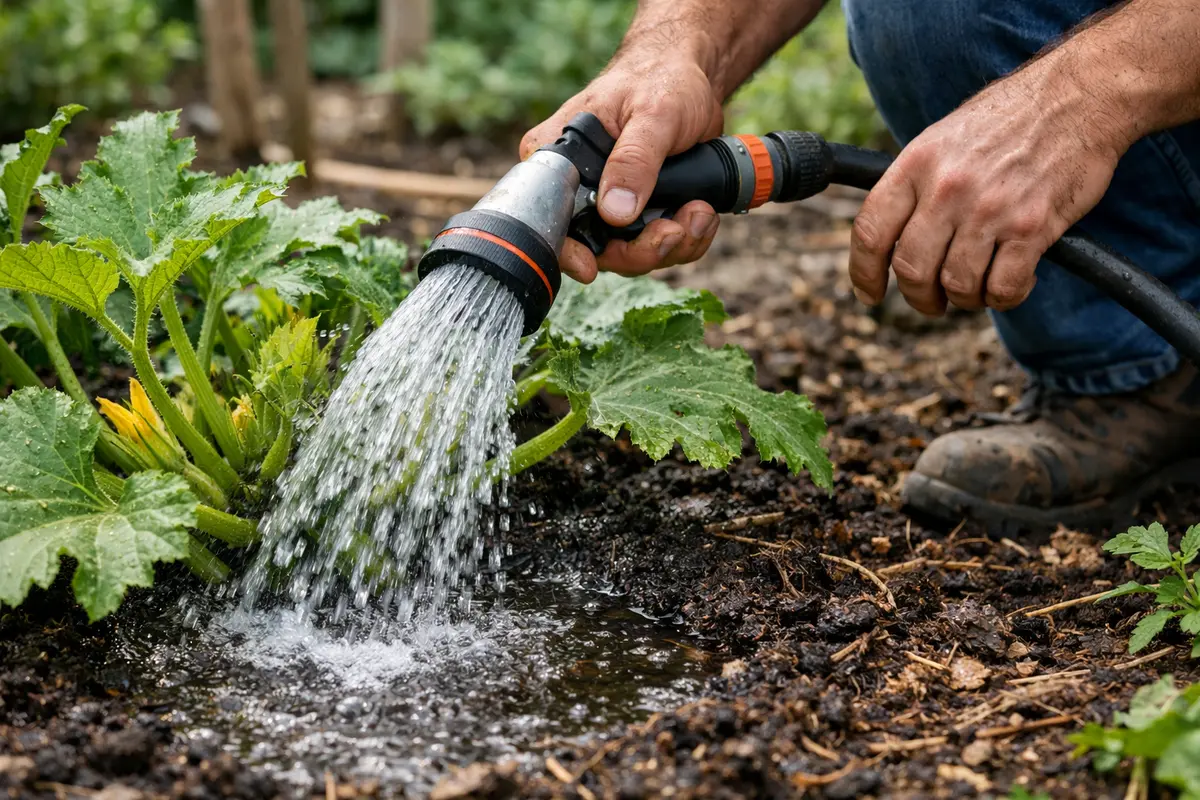
Start by gradually increasing water to your zucchini plants, ensuring the soil remains consistently moist but not waterlogged. Look for immediate signs of recovery, such as greener leaves and new leaf growth within a week.
A realistic recovery timeline for zucchini plants often spans two to three weeks, during which you should see new shoots emerging. Healthy regrowth is characterized by robust leaves that are a vibrant green, while stunted plants will show yellowing and wilting. If your plants are not improving and the leaves are still yellow, check the soil moisture levels to ensure they are not too dry or overly saturated.
A mistake to avoid during recovery is over-fertilizing, which can damage roots and hinder growth. Instead, apply a diluted organic fertilizer once the plants show signs of recovery, as this provides nutrients without overwhelming the plants. If you observe continued stunting after introducing the fertilizer, check for pests, as they can also impede proper growth.
Realistic recovery can take up to two to three weeks, during which you should see gradual improvement. Healthy regrowth includes sturdy new leaves and an increase in overall plant size. Warm temperatures and consistent moisture level in the soil can speed up this process, while excessive heat or dry spells may hinder recovery and lead to further stunting. If your plants are still showing signs of stunted growth after two weeks, check their root conditions for compacted soil or disease.
A common mistake during recovery is overcompensating with water or fertilizer, which can lead to root rot or nutrient burn. Instead, maintain a moderate watering schedule, allowing the topsoil to dry slightly between waterings. If your zucchini plants develop yellowing leaves instead of strong new growth, check for over-fertilization as a potential issue before adjusting your care approach.
When zucchini plants receive deep watering, it stimulates root growth and nutrient uptake, enhancing their resilience. Zucchini thrives in well-drained soil but requires adequate moisture; without this, their growth is hampered. Utilize a soil moisture meter if you’re unsure how deep to water; when the reading indicates dryness at 4-6 inches, it’s time to add more water. A consistent watering schedule can help ensure that the plants access the moisture they need for healthy growth. Look for signs of plant stress, such as wilting or drooping leaves, which indicate the need for immediate watering.
Beware of overwatering after applying fertilizers, as it may wash away nutrients or contribute to root rot. If you notice the topsoil is dry but the plant appears stressed, let the soil dry slightly before watering again. Recovery typically takes a few days, so be patient to avoid disrupting progress; quick fixes may lead to more substantial issues down the line. An ideal watering routine for zucchini plants is 1-2 inches of water per week, adjusted based on rainfall and temperature conditions. If watering is inconsistent, the plant may not establish strong roots, leading to ongoing issues.
Step 4 – Mulch Around Zucchini to Retain Moisture
Start by ensuring your zucchini plants receive consistent watering, providing them with about 1-2 inches of moisture per week. You should see a noticeable improvement in growth within a few days, as the plants begin to thrive with the proper hydration.
Stunted growth in zucchini often occurs when they experience inconsistent moisture levels, leading to stress and nutrient deficiencies. By establishing a regular watering schedule, you mitigate the risk of drought-related stress, which directly addresses root rot and nutrient uptake issues. If your plants were wilting sporadically, they are likely suffering from a lack of consistent moisture. If not this, check your soil drainage to prevent waterlogging.
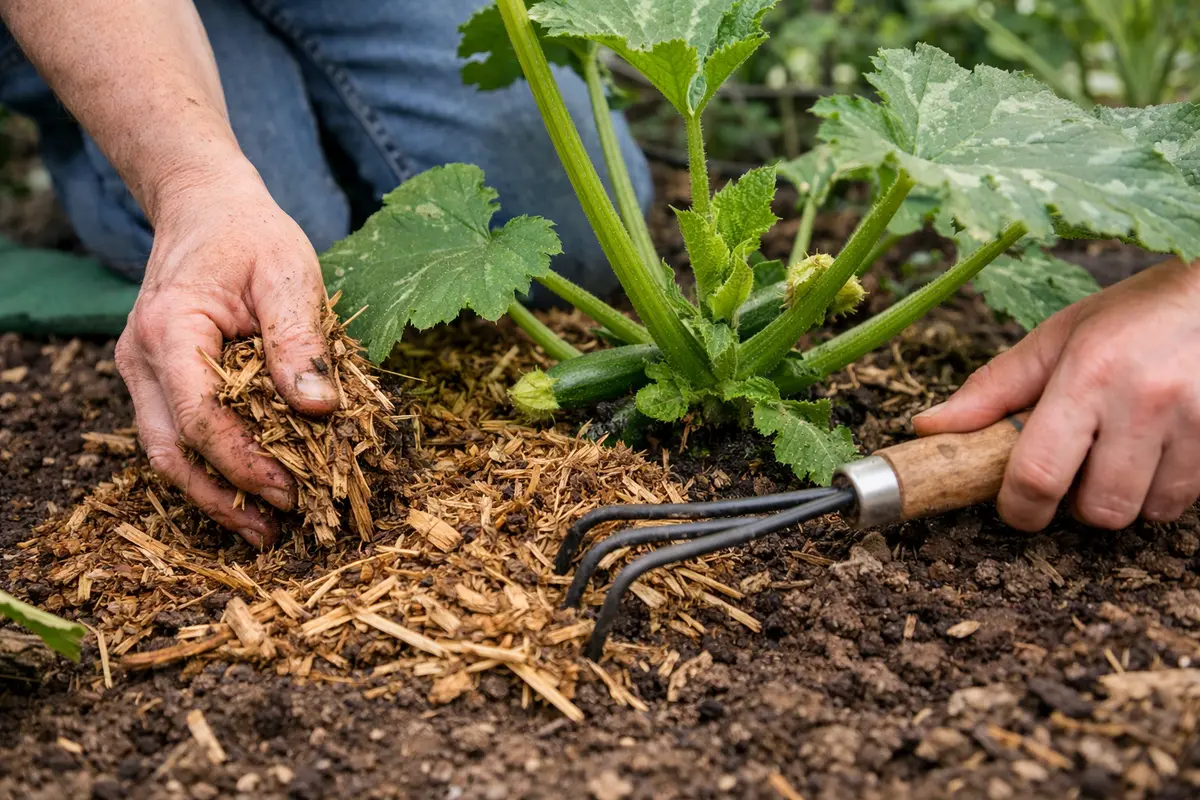
In climates with high temperatures, consider using mulch around the base of your zucchini plants to retain soil moisture. Applying a layer of organic mulch can also help regulate soil temperature, protecting the roots from heat stress during the peak summer months. Additionally, during rainy seasons, reduce watering frequency to avoid over-saturation, ensuring your plants grow robustly.
Mulching is an effective method to maintain soil moisture, especially during hot weather, preventing the roots from drying out. Good moisture levels enable optimal nutrient absorption, preventing stress that stunts growth. Additionally, mulch helps suppress weed growth, which competes with your plants for water and nutrients. Use materials like straw, grass clippings, or shredded leaves, which decompose slowly and enrich the soil over time. Regularly inspect mulch thickness, as it can break down over time, requiring replenishment.
In warmer months, consider using straw or grass clippings, but avoid using wood chips, which can draw nitrogen from the soil as they decompose. If you’re applying mulch in the cooler months, reduce the thickness to allow the soil to warm up faster, as zucchini is sensitive to cold soil. Monitor moisture levels closely under the mulch; if you pull back the layer and the soil is still dry underneath, you may need to adjust your watering habits or apply another layer of mulch. A common mistake is to apply too little mulch or not to monitor its condition, which can allow weeds to flourish and moisture levels to drop.
Step 5 – Inspect Zucchini Leaves for New Growth Weekly
Check the leaves of your zucchini plants for signs of new growth and general health every week. You should see fresh, green leaves emerging and previously wilted leaves gradually perking up, demonstrating that your intervention strategies are working. Take note of any changes in leaf size and color; healthy leaves will be vibrant and firm, whereas unhealthy ones will be limp or discolored. If new shoots are smaller than expected, it may indicate that additional care is required.
Healthy zucchini plants will produce vigorous new growth within days to weeks, indicating that the environment is becoming conducive for recovery. Signs of improvement include new leaf formation and overall firmness of the stems. Tracking these changes is vital to ensure that your corrective measures are effective. If you see new growth stalling or other symptoms like wilting returning, it may mean that a new problem has arisen, such as insufficient watering or an unnoticed pest presence. Regular observations help ensure that minor issues do not escalate into significant threats.
If you observe that growth has stagnated or if you notice signs of disease returning, such as browning leaves, you may need to adjust your watering regimen or perform another pest check. Continuous monitoring will help you catch any potential issues early, allowing you to adapt your care methods as needed. If after several weeks you see no improvement, it may be time to reassess your soil quality or consider relocating your plants to a different area, as prolonged location issues can impact growth as well. This proactive approach not only aids in rescuing your plants but also equips you with knowledge for future gardening endeavors.
FAQ
How long does it take for zucchini plants to recover from stunted growth?
Recovery times can vary, but typically, you should start seeing improvements within 1-2 weeks if appropriate actions are taken. If the issue was primarily watering or nutrient-related, new growth should appear quickly, assuming that environmental factors are favorable. However, more severe damage may require additional time for recovery, and patience is crucial.
Can pests spread rapidly in zucchini plants?
Yes, pests like aphids and spider mites can multiply quickly, often doubling their numbers within a week. To mitigate risk, regular checks and prompt action are crucial to prevent infestations from causing significant damage. If left unchecked, a small issue can rapidly escalate into a serious problem, impacting your yield and potentially spreading to nearby plants.
Should I remove affected leaves from zucchini plants?
Removing severely damaged leaves can promote overall plant health by channeling resources to healthier parts of the plant. However, do this cautiously; if many leaves are affected, it may indicate deeper issues requiring further investigation. Make sure to dispose of affected leaves away from your garden area to avoid spreading any potential diseases, ensuring each cut is clean to minimize infection risks.