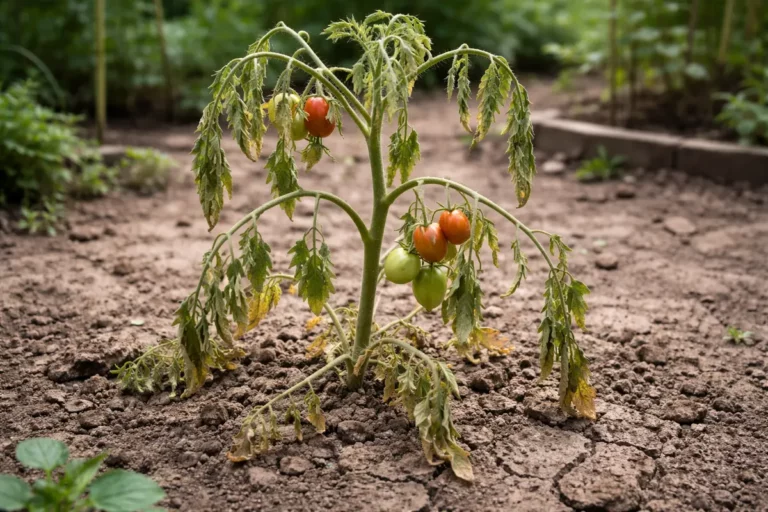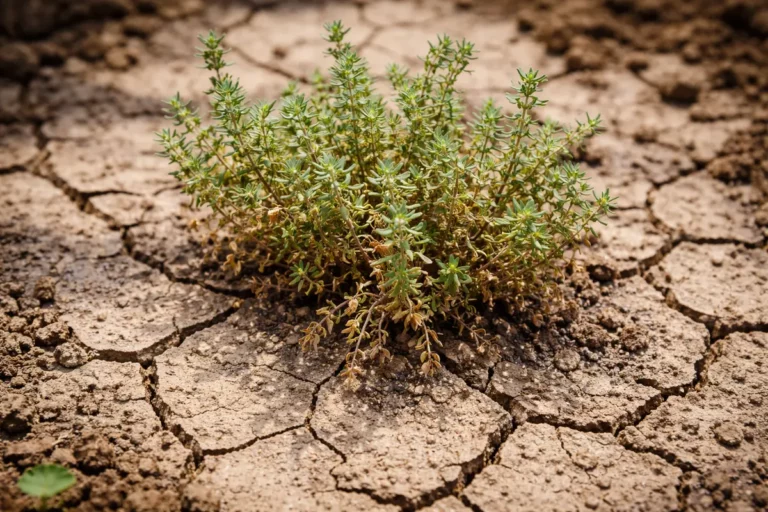
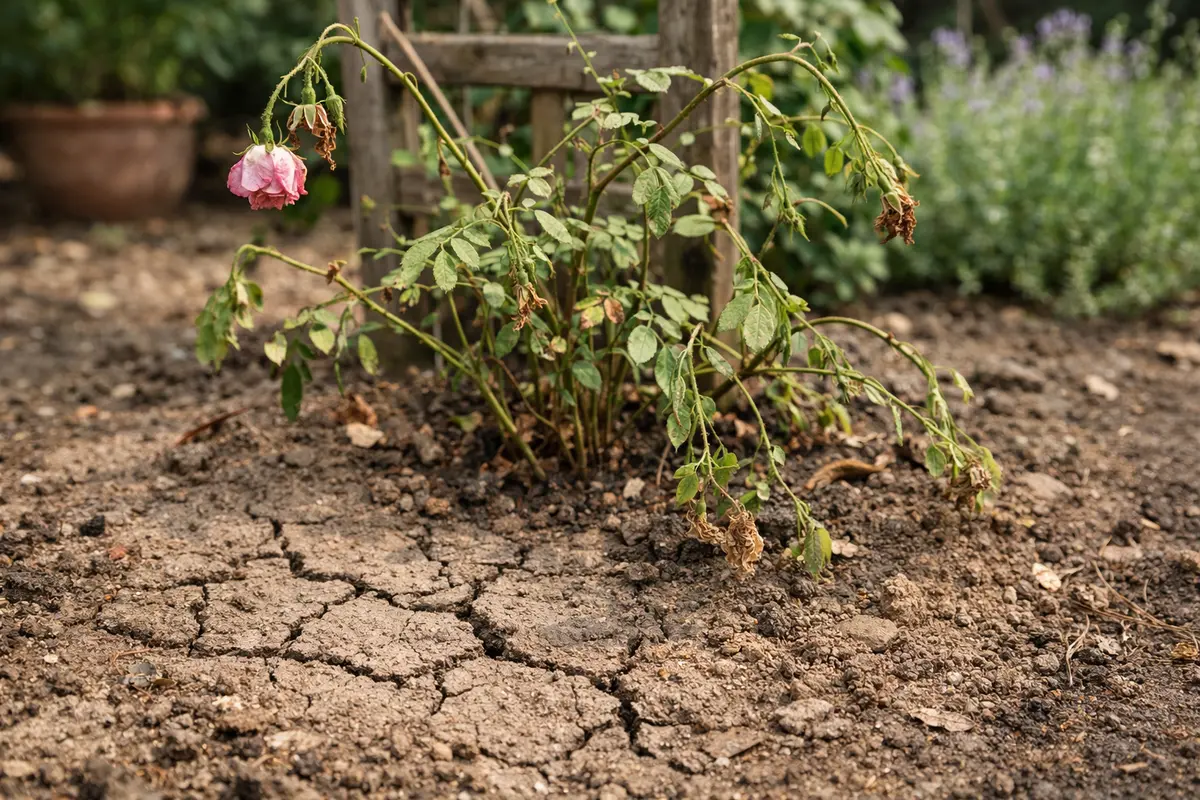
You may notice that your climbing roses are languishing under the summer sun, which is why you need to know how to treat stunted growth in climbing roses during summer. Symptoms like yellowing leaves and wilting stems often signal a nutrient deficiency or inadequate watering. If left unaddressed, the problem worsens, setting the plant back and stalling growth, but it’s possible to remedy this by inspecting your plants and adjusting your care routine accordingly.
Step 1 – Prune Stunted Climbing Rose Growth Immediately
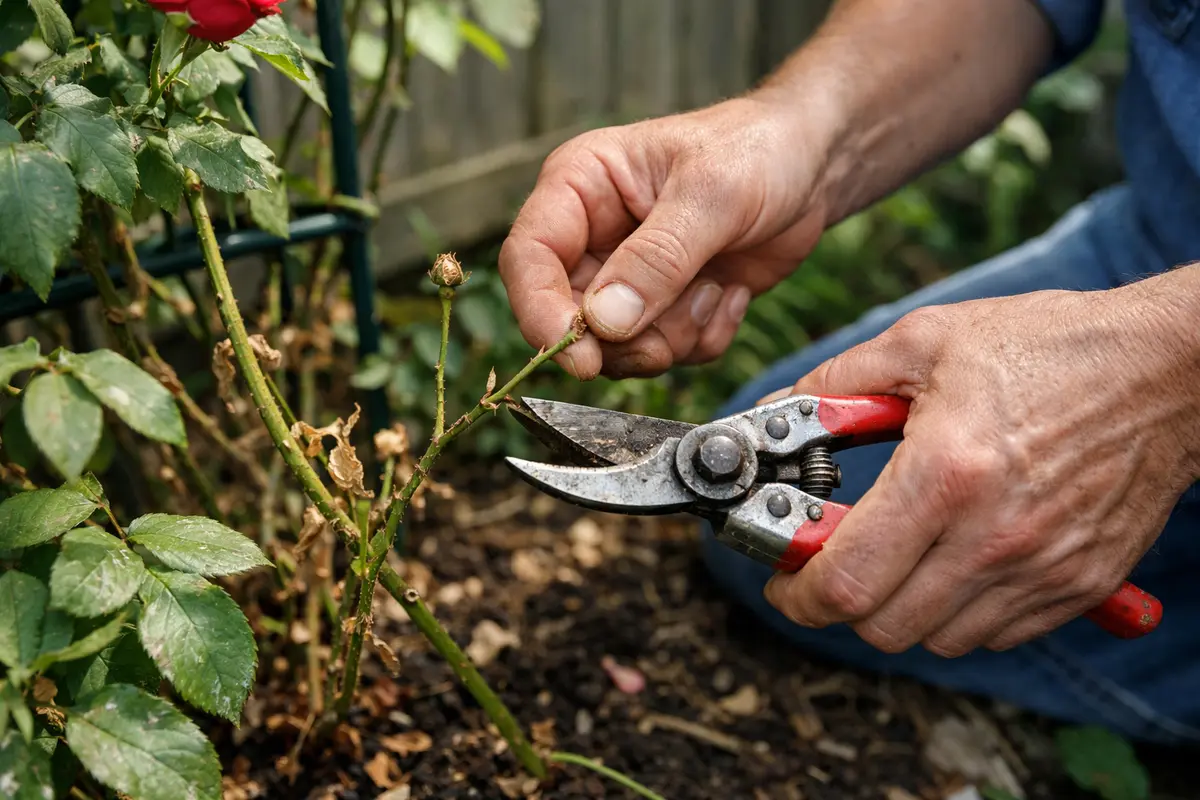
Start by pruning any dead or damaged stems from the climbing roses. You will notice an immediate improvement in airflow and light exposure to the remaining foliage, crucial for recovery. This action should be taken during the early morning or late evening to reduce stress on the plant, ideally on cooler days to prevent overwhelming your plants with heat. Aim to remove not only all dead wood but also at least one-third of healthy-looking stems to stimulate new growth effectively. Make your cuts just above a healthy leaf node to encourage vigorous new shoots to emerge. Use a clean, sharp pair of pruning shears to avoid jagged cuts, which can invite disease.
Pruning now ensures that the plant can redirect energy away from dead tissue, allowing it to allocate more resources to healthy growth. This immediate action helps focus on strong stems capable of producing blooms while preventing pests and diseases that thrive in neglected areas. The sooner you prune, the less likely it is that the plant will experience further stress or disease spread, enabling it to focus on blooming and recovery. New shoots are more likely to emerge from healthy nodes, visibly improving the overall shape and vigor of your climbing roses.
A common mistake is delaying pruning, under the impression that the plant will recover independently. If you wait even a week, affected areas can develop fungal infections, exacerbating the plant’s condition. This unrecognized urgency can cascade into more severe growth issues, making recovery increasingly difficult. As you check each stem, if you find any blackened tips or soft, mushy areas, recognize those signs for immediate removal to stabilize the plant’s health and kickstart its recovery. If you inadvertently remove too little, the plant may struggle to recover, leading to extended periods of poor growth, so be decisive but careful with your pruning.
Step 2 – Diagnose Nutrient Deficiency in Climbing Roses
Start by testing the soil for nutrient deficiencies to identify the primary issues affecting your climbing roses. You should see improvement in leaf color and overall plant vigor within 7 to 10 days after applying the appropriate fertilizer. For an accurate diagnosis, consider using a soil test kit or send samples to a lab for detailed analysis, ensuring you check various soil depths as nutrient levels often differ between surface layers and deeper soils. For instance, heavy rains can leach nutrients away, resulting in deficiencies that may not be evident at the surface.
Climbing roses need specific nutrients, particularly nitrogen, phosphorus, and potassium, to flourish in the summer heat. Without these essential components, you may notice symptoms such as yellowing leaves or lackluster blooms. For example, dark green leaves with yellowing edges suggest nitrogen deficiency, while discolored leaf veins with green margins can indicate potassium deficiency. While these signs can be visually identified, confirm the deficiencies through soil testing for a more precise assessment, which can ultimately determine the specific fertilizer mix needed. An informed approach allows you to cater directly to what your roses need for enhanced health and vitality.
If you find that the soil emits a sour smell or feels unusually compacted, you need to aerate or amend it to enhance both nutrient richness and drainage. Poor drainage could lead to roots drowning, worsening the stress on the plant. Therefore, if your roses do not show improvement after fertilization, check the pH level. Soil that is too acidic or alkaline can obstruct nutrient uptake; aim for an ideal pH level between 6.0 and 6.8. If your soil tests show high acidity, apply lime to balance it, whereas sulfur can be used to lower pH levels in alkaline conditions. Adjusting the pH can significantly enhance nutrient availability, promoting healthier growth and recovery of your climbing roses. Regular soil tests every few months can ensure ongoing health, as nutrient depletion can happen quickly during hot summer weather.
Step 3 – Fertilize Roses to Encourage Summer Recovery
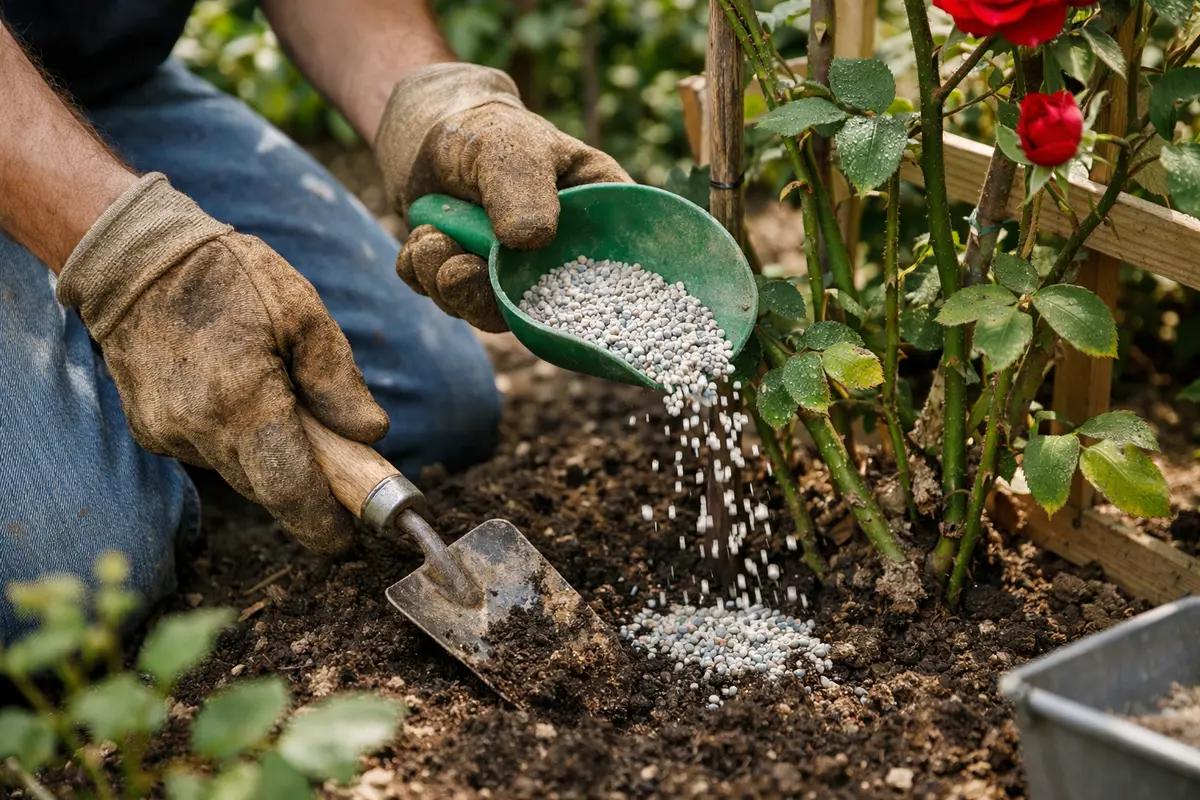
Begin by applying a slow-release fertilizer specifically designed for roses to stimulate their recovery during the summer. You should observe early signs of new shoots, improved leaf coloration, and overall vigor within 2 to 4 weeks after application. Select a fertilizer high in the necessary macronutrients, ideally with a balanced N-P-K (nitrogen-phosphorus-potassium) ratio that suits climbing roses’ needs.
Apply the fertilizer as a side-dressing around the base of the rose bushes, maintaining a distance of at least 4 inches from the stems to prevent root burn, and ensuring the nutrients are readily available for absorption by the roots. This targeted method enhances nutrient uptake compared to foliar application, which can lead to uneven distribution. For best results, water the fertilizer in immediately after application, which will help activate it within the soil. After fertilizing, you should see the plants starting to regain strength, with visible new growth emerging and leaves becoming greener and healthier within weeks.
While fertilizing is essential to replenish nutrients, particularly in hot weather, it’s crucial to monitor your roses for signs of over-fertilization. If you notice leaf burn, evident as crisp brown edges or necrotic patches, or an overabundance of foliage without blooms, this is a clear indication that your roses may be stressed. This contrast in stress symptoms—the presence of lush green leaves without flowering—can disrupt the plant’s energy allocation. Be prepared to flush the soil with water if signs of over-fertilization occur, to help leach out excess salts that could damage root systems. Additionally, during this recovery period, avoid the common mistake of overwatering. Excess water can lead to root rot, particularly if the soil is already saturated. Make watering part of your routine after applying fertilizer to ensure your climbing roses not only receive nutrients but also maintain adequate hydration for optimal growth.
Step 4 – Water Deeply to Prevent Stunted Growth
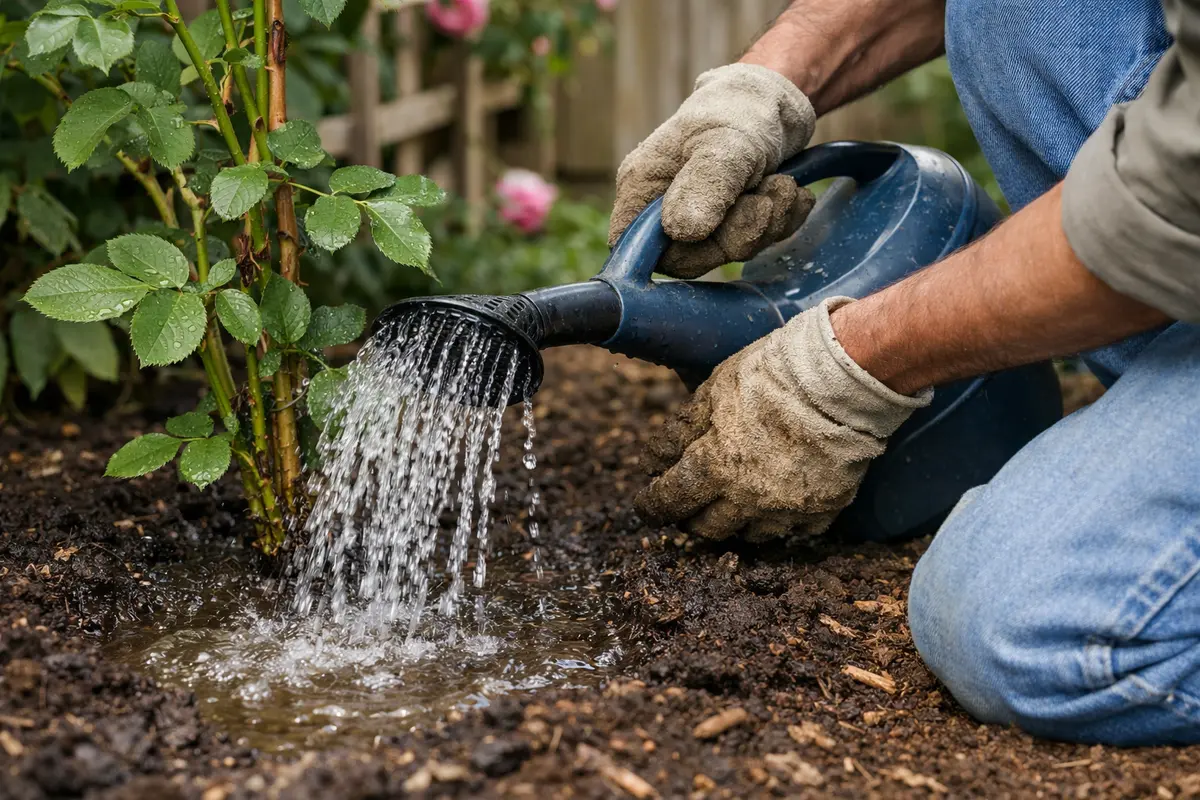
Water your climbing roses deeply once a week to ensure moisture penetrates at least 12 inches into the soil. This practice strengthens root development and promotes robust growth while significantly minimizing the risk of future stunted growth. Adequate watering is essential, particularly as summer temperatures soar, creating additional stress for the plant.
To establish a consistent routine, set a reminder on your calendar for weekly watering, ideally early in the morning to minimize evaporation and allow foliage to dry before evening. Use a soil moisture meter to gauge soil conditions accurately, or perform the finger test—if the top inch feels dry, it’s time to water. If your plants exhibit droopy leaves, it’s a clear sign they require more water; conversely, wilting accompanied by a yellowing hue could indicate overwatering. Monitor this closely; tracking weather patterns can inform necessary adjustments in your schedule, especially during prolonged heat waves when soil moisture can deplete quickly.
In areas experiencing extreme heat, consider adjusting your routine to water every 5 days. During particularly hot spells, monitor soil moisture levels closely, as the stress from heat can increase the plant’s water requirements. Furthermore, if you notice excess moisture on the leaves after watering, switch to using a soaker hose or drip irrigation, which allows for targeted moisture application directly at the root level while keeping foliage dry to prevent fungal issues. Be observant of your climbing roses; if the soil dries out too quickly despite these efforts or if roots surface due to erosion, reevaluate your watering strategy, potentially incorporating mulching to retain moisture better.
Step 5 – Check Climbing Roses for New Growth Weekly
Begin by inspecting your climbing roses for new growth and general health at least once a week. Any visible new growth, such as fresh shoots, signals that your plant is recovering, while vibrant leaf color indicates overall health. During each check, look for signs like increased branching and the emergence of leaf buds, which should become evident within a few weeks after your interventions. This proactive monitoring approach empowers you to detect and address possible returning issues or pest infestations at an early stage.
A fully recovered climbing rose will exhibit lush green leaves and strong new shoots, a clear sign of revitalization. Conversely, if you observe early warning signs such as yellowing leaves, wilting stems, or evidence of pests, you know that problems may be surfacing again. Catching these symptoms promptly enables targeted interventions, which may include adjusting your watering practices or addressing nutrient shortcomings. If you notice that new growth begins to wilt or yellow soon after your corrective measures, it may indicate inconsistent watering or residual nutrient deficiencies, possibly from a long-term issue that still needs adjustment.
If stunted growth symptoms or discolored leaves recur despite your previous efforts, re-evaluate your nutrient applications and watering schedule immediately. A quick reassessment could uncover the need for additional fertilization or adjustments to your care routine for the climbing roses to thrive. Should the issue persist regardless of the adjustments made, consider seeking advice from a local gardening expert who can provide tailored recommendations and solutions for your specific garden conditions. Timeliness is key—if noticeable growth does not materialize within several weeks of implementing changes, broader challenges may be affecting your climbing roses, necessitating more extensive care strategies.
FAQ
How long will it take for my climbing roses to recover from stunted growth?
With proper care, you can expect to see improvement in your climbing roses within 2 to 4 weeks. New growth should appear in direct response to pruning and fertilization. However, recovery may take longer if the stressors were significant or if neglect has been prolonged, so patience and consistent care are crucial to witnessing full recovery. Regular monitoring can help gauge if the routine requires adjustments in alignment with the plant’s needs, keeping you engaged and aware of changes in health.
Can stunted growth in climbing roses spread to other plants?
While stunted growth itself is not contagious, the underlying issues, such as pests or disease, can spread to nearby plants. For instance, if aphids are present on your climbing roses, they can quickly transfer to other plants within proximity. Vigilant monitoring of your garden is essential to prevent any environmental stress from impacting additional plants, as the interconnectedness of your garden can foster unwelcome disease spread. Implementing preventative measures can include introducing beneficial insects to help maintain garden health, which is often a successful strategy in combating pest issues.
Should I remove affected leaves immediately?
Yes, immediately removing any yellowing or diseased leaves can help your climbing roses focus their energy on healthy growth. This action serves a dual purpose: not only does it prevent pests from taking refuge in decaying foliage, but it also minimizes the risk of disease spreading to nearby healthy sections of the plant. Exercise caution, however, to avoid removing too many healthy leaves, as they are essential for photosynthesis and overall vigor. Carefully assess each leaf’s condition before removal to prevent unnecessary stress on the plant and encourage a quicker recovery while maintaining overall health.