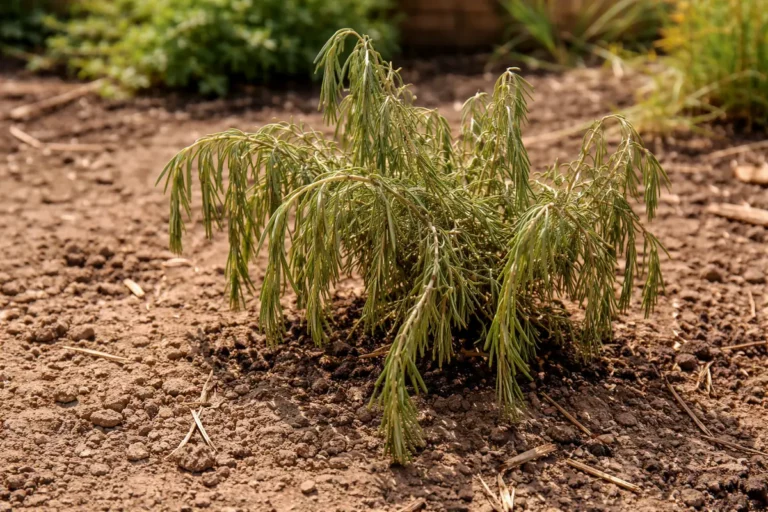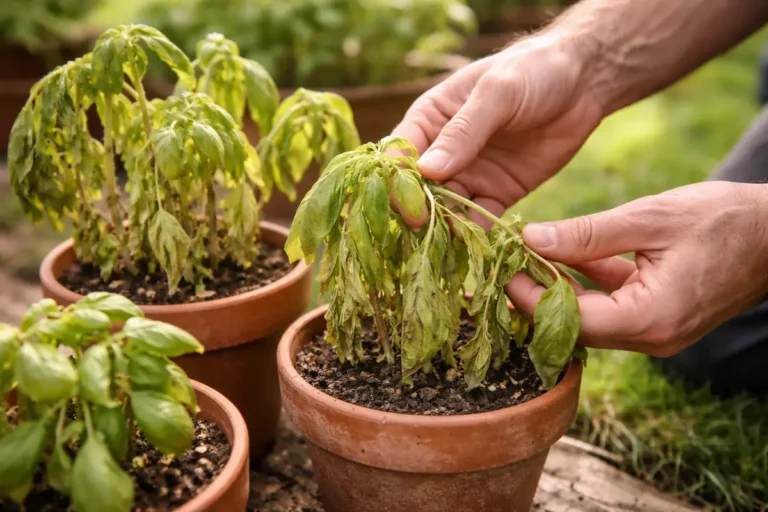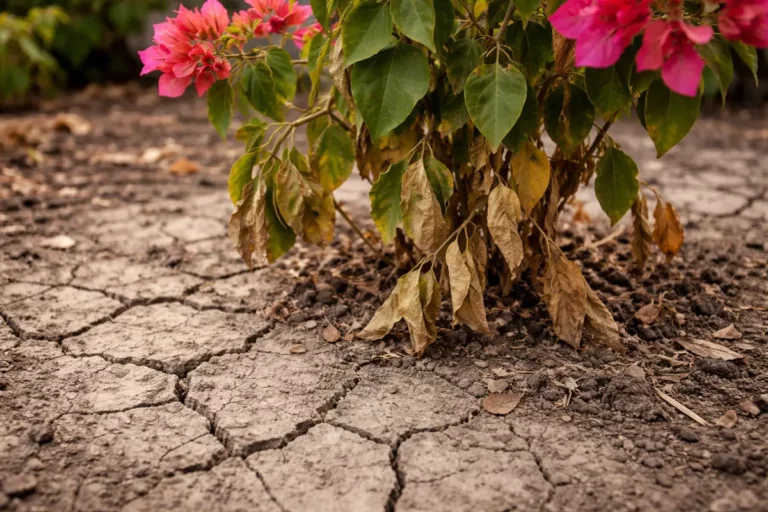
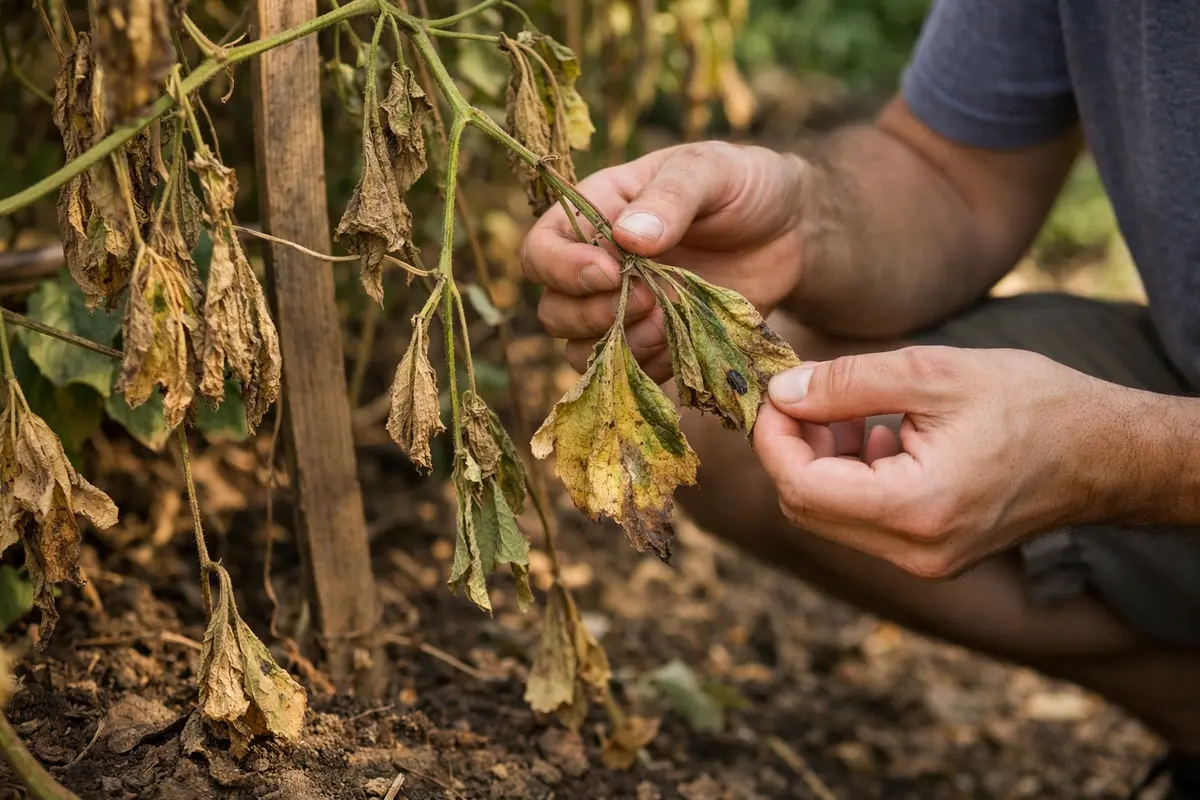
You may notice your once vibrant vines wilting under the intense sun during a heatwave, which is why you need to know how to fix wilting vines during a heatwave. This wilting occurs as the plants struggle to retain moisture, leading to drooping leaves and overall stress. If left unchecked, the situation only gets worse, weakening the plant and making it harder to restore its health. However, you can improve their condition now by adjusting their watering routine and providing some shade to help them recover.
Step 1 – Water Wilting Vines Immediately to Revive
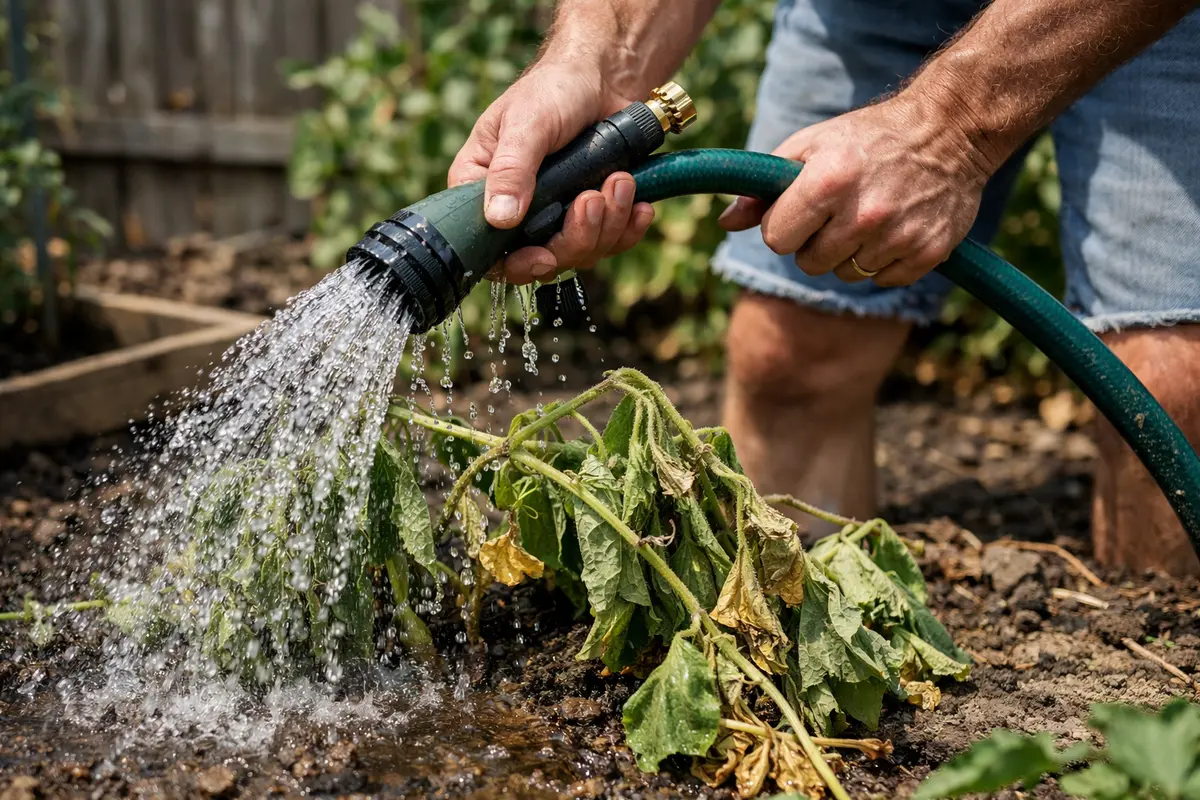
Water the wilting vines deeply right away. You should see the leaves perk up within a few hours as they rehydrate. Ensure that the water penetrates at least 6 inches deep into the soil to effectively reach the roots, which requires a substantial soak. Depending on the size of the vine, this may mean applying up to 2 gallons of water at a time. If the soil appears dry just below the surface, consider giving it a second round of watering after the initial soak.
Rapid hydration is crucial for wilting vines as they typically suffer from dehydration during heatwaves. When vines do not receive adequate water, their leaf cells lose turgor pressure, leading to drooping and wilting. Acting quickly can prevent further damage and support recovery as roots are reestablished to absorb moisture effectively. Check under the surface; it’s essential that the soil feels moist up to the root layer for optimal recovery. If the root zone is still dry after your first watering session, then additional watering is necessary.
A common mistake at this stage is to just sprinkle water on the surface, which doesn’t provide enough moisture to the root zone. This approach can lead to continued wilting as roots remain dehydrated, potentially leading to more severe damage, like prolonged wilting or eventual root failure. Ensure you water deeply and check the soil moisture regularly to confirm that it is thoroughly saturated. Remember, if the soil still feels dry several inches down after watering, you may need to increase your application or adjust how you water. Also, keep in mind that watering should ideally be done early in the day to maximize absorption before the heat of noon hits.
Step 2 – Assess Soil Conditions Affecting Vines
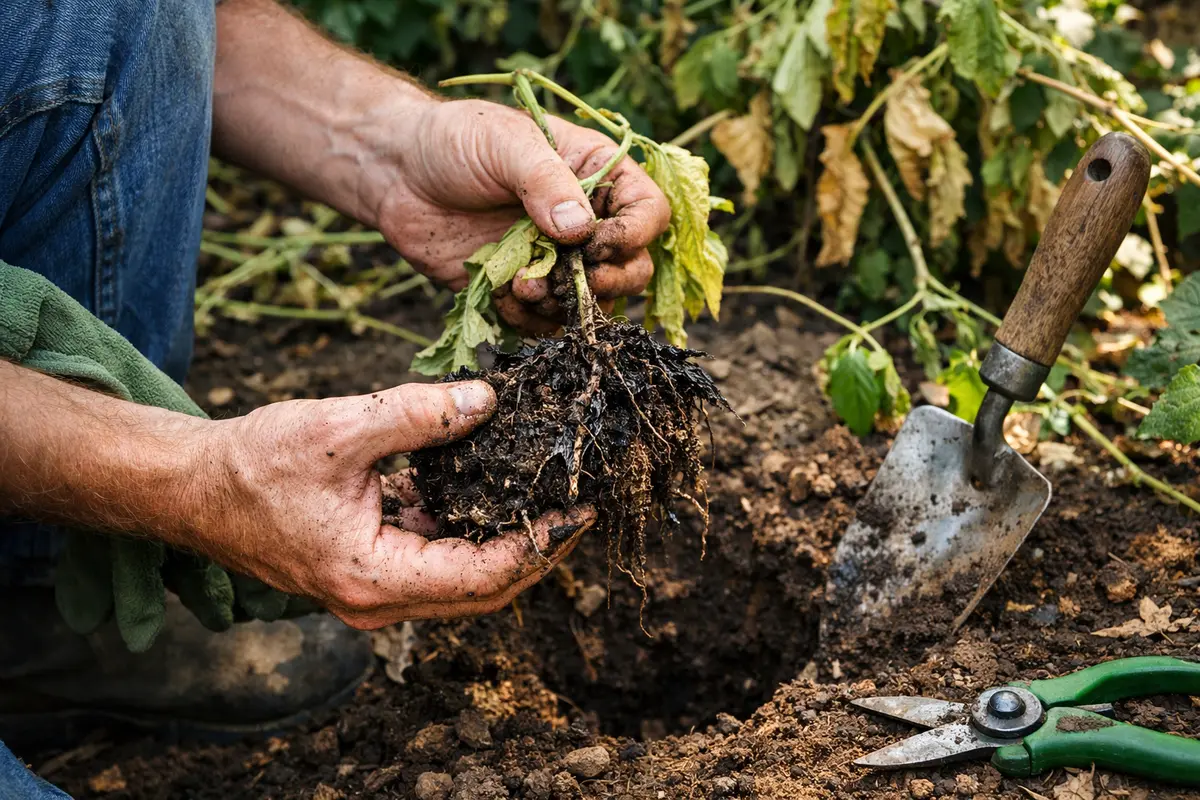
Inspect the soil around your vines for compaction or drainage problems. You will notice if the soil is too dry, hard, or failing to hold moisture, indicating further issues. Use a trowel to dig a small hole and feel the soil — it should be moist but not waterlogged, ideally with a crumbly texture that suggests aeration, which is vital for root health. If you experience resistance in digging, that’s a strong indication of compaction that restricts root growth.
Soil that is too compact restricts root growth and affects the plant’s ability to uptake water, leading to wilting under increased temperatures. Often, clay-heavy soils retain water on the surface, while sandy soils can drain too quickly, leading to inconsistent moisture retention. If your vines are in sandy soil and you’re still seeing wilting, consider the likelihood of quick evaporation and adjust your watering frequency accordingly; a daily watering schedule may be necessary during extreme heatwaves.
If the soil is crumbly and dry, the roots may not be getting adequate water to bind efficiently, hindering the plant’s recovery. On the other hand, if the soil has a foul odor, it may indicate root rot due to overwatering. In such cases, adjust your watering schedule accordingly to boost moisture retention without oversaturation. If compacted soil is found, increased aeration methods such as cultivating the surface or amending the soil with organic matter can improve drainage and moisture retention, which helps the roots establish a better bond. Note that excessive organic matter can also lead to compaction; ensure a balanced use for best results.
Step 3 – Test for Root Rot in Wilting Vines
Start by inspecting the leaves and stems of your wilting vines for signs of dehydration. If the leaves are drooping, curling, or exhibiting a brittle texture, it confirms that the plant is struggling with heat stress and requires immediate attention.
While wilting can also result from overwatering or root rot, these conditions present differently. Overwatered vines often show yellowing leaves that feel soft and mushy, whereas dehydrated vines have dry, crispy leaves and stems. If the stems look firm but the leaves are wilting, lean towards dehydration instead of rot. It is crucial to identify these symptoms early to apply the right treatment without exacerbating the problem.
If the diagnosis remains uncertain, observe the vines over a 24- to 48-hour period. During this time, check the soil moisture level and note any changes in the appearance of the leaves. If the vines become increasingly limp but the soil is wet, you may be dealing with overwatering rather than heat stress. Conversely, if they begin to recover after deep watering, the original issue was likely dehydration. This observation phase is vital for understanding the plant’s response and determining the subsequent action needed.
Root rot occurs when vines are overwatered, leading to poor oxygen flow in the soil and promoting fungal infections. Unlike simple wilting, rotten roots will continue to decay, further damaging the vine even if the top looks healthy. Identifying this problem early can save the plant by allowing you to undertake the right recovery measures, such as adjusting watering habits or applying fungicide if necessary. If root rot is confirmed, it might also be beneficial to amend the soil’s drainage properties with sand or perlite to stop the problem from returning.
If you are uncertain about the diagnosis, leave the plant in its pot for a day to see if it bounces back after watering. If it still droops, yet the roots seem healthy, the problem may stem from too much heat exposure or a nutrient deficiency rather than root rot. Consider factors such as the surrounding environment; if the vine is in direct sunlight during peak hours or near heat-reflective surfaces, the stress level can rise. Excess heat can lead to an increased evaporation rate, raising water needs or causing surface stress if not managed correctly.
Step 4 – Provide Nutrients for Wilting Vine Recovery
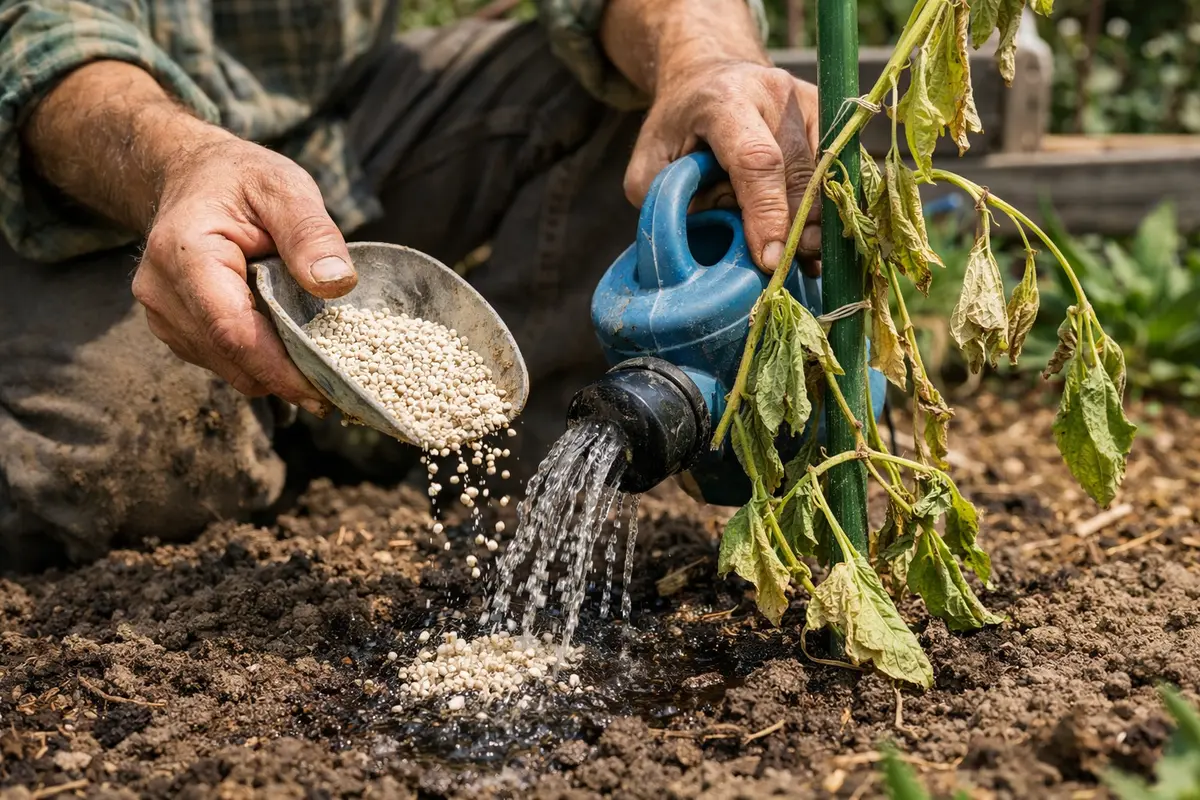
Fertilize the vines with a balanced liquid fertilizer designed for quick absorption. Within a week, you should notice new growth emerging, indicating that the plant is recovering. Ensure you follow the manufacturer’s instructions on the appropriate dilution rates to avoid stress; typically, a ratio of 1 to 2 tablespoons per gallon of water suffices for most liquid fertilizers. Timing your application during cool periods can further enhance effectiveness and reduce stress.
Applying nutrients will help replenish what the plant needs to recover from heat stress, as many essential nutrients may be depleted due to prolonged emotional strain from heat exposure. Composed of nitrogen, phosphorus, and potassium, balanced fertilizers foster overall health and stimulate renewed leaf and stem growth during recovery periods. Incorrect timing in nutrient application can also hinder recovery; applying fertilizer during excessive heat can burn sensitive roots. It’s advisable to wait until after the heatwave peak to apply fertilizers.
A critical error during recovery is over-fertilizing, which can cause additional stress and burn the roots of already affected vines. This often manifests as discolored leaf tips or stunted growth, indicating that the plant may be unable to take up nutrients efficiently. If you notice new shoots but they seem weak or spindly, it might be a sign to reduce the amount or frequency of fertilizer application for a time. Always read and adhere to the labels, as underapplication can also impede recovery, often visible in yellowing or slowed growth.
Step 5 – Water Vines by Drip Irrigation in Heatwaves
Start by establishing a consistent watering schedule for your vines, ensuring they receive deep hydration every three days during the heatwave. With this routine, you will notice improved resilience and recovery in your plants within a week.
Extreme heat and low humidity can sap moisture from the soil and cause vines to wilt, particularly in sandy soils that drain quickly. By maintaining a regular watering cycle, you significantly reduce the chances of stress from dehydration, contrasting with irregular watering which leads to persistent wilting and lack of vigor. If you observe wilting despite consistent watering, check the soil moisture level to ensure it is adequate.
In regions experiencing prolonged dry spells, consider adding a layer of mulch around the base of your vines to retain soil moisture. This layer not only insulates the root zone from extreme temperatures but also suppresses weed growth, providing added benefits throughout the summer months.
High temperatures and low humidity stress vines, causing them to wilt when water loss exceeds absorption. By watering early, the soil retains more moisture throughout the day, directly addressing vine dehydration and preventing recurrence of wilting symptoms. If your vines still droop despite watering, check for compacted soil that could be hindering root absorption. Also, keep an eye on the surrounding landscape; factors like shading can impact moisture retention.
During a prolonged heatwave, consider adding mulch around the base of the vines. This extra layer helps retain soil moisture and regulates temperature, providing a buffer against extreme conditions. If the mulch dries out quickly, adjust watering frequency to ensure consistent hydration. If you notice that mulching isn’t helping retain moisture, using landscape fabric beneath the mulch can improve old soil conditions by trapping more moisture and reducing heat stress at the roots.
Implementing a drip system allows for efficient watering, especially during heatwaves, where conventional methods might lead to inconsistent moisture levels. It also minimizes water waste by providing targeted hydration exactly where it is needed, thus reflecting an environmentally friendly strategy. Each drip emitter should supply about 0.5 to 2 gallons of water per hour to achieve complete soil saturation at the root level without flooding. Pay attention to emitter placement; ensuring even spread across the root zone is crucial for maximizing hydration.
If you live in a particularly hot climate, consider watering in the early morning or late evening when temperatures are cooler, further reducing evaporation. By doing so, you optimize the uptake and health of your vines; however, ensure drip lines are clear and functioning before peak heat hours to prevent poor water delivery. Regularly inspect the system to check for blockages caused by soil or sediment, which can lead to uneven watering and stress on particular vines if not maintained properly.
Step 6 – Inspect Vines for Signs of Recovery Weekly
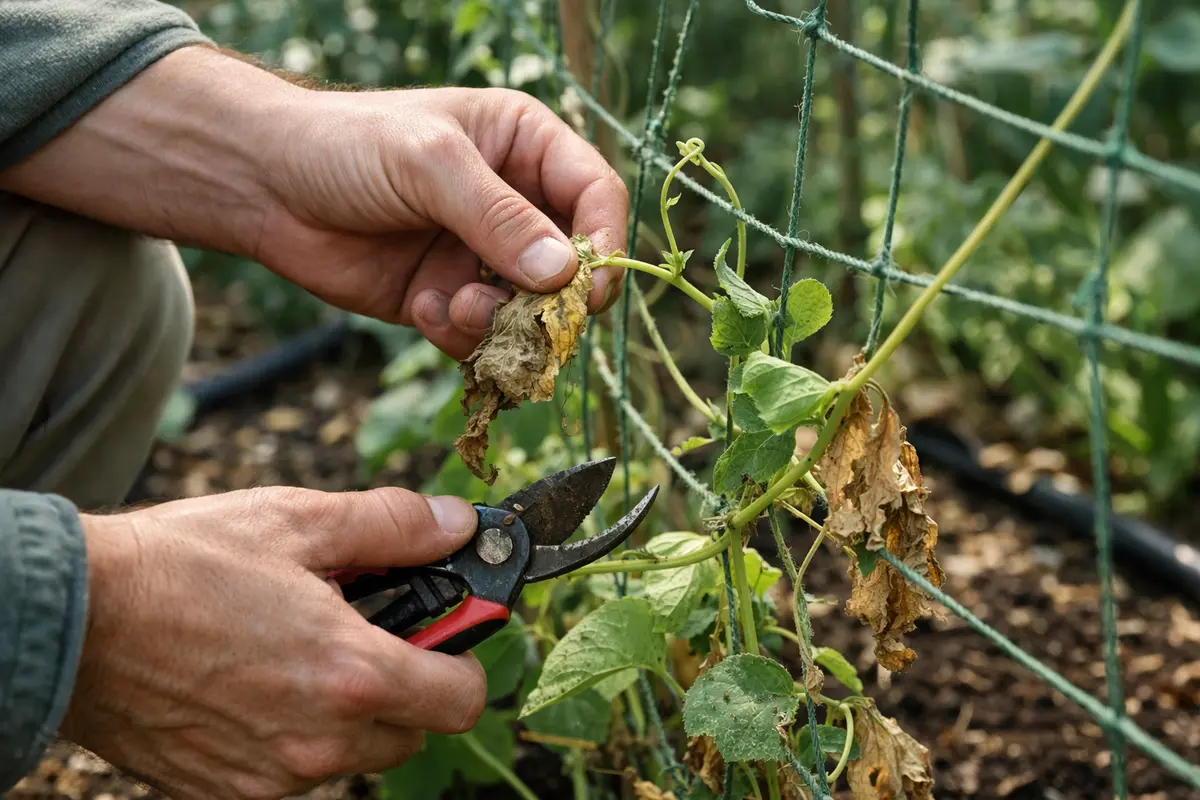
Recheck the vines every week for signs of recovery such as new leaf growth and improved firmness in stems. You should observe a marked difference in the overall health, with more vibrant foliage compared to the wilted appearance initially noted. Look for differences such as increased leaf size and stem sturdiness after additional hydration and nutrient application; both are strong indicators of returning vitality after heat stress. Meanwhile, track daily temperature readings, as higher temperatures can affect weekly assessments.
As the plants recover, look for dark green leaves and strong shoots that are upright, indicating proper hydration and nutrient levels. Healthy leaves and robust growth will suggest that your plants are overcoming the damage caused by the heatwave. If wilting begins to occur again, consider checking soil moisture levels, as it may need additional watering or adjusting environmental conditions. At this phase, assess the watering schedule; an alteration may be necessary to maintain consistent hydration amid changing heat patterns.
If recovery signs are not evident after a week, it might be necessary to reassess your watering routine and soil conditions thoroughly. Prolonged lack of improvement could point to deeper-rooted issues, such as nutrient lockout if excessive salts accumulate in the soil. Knowing to watch for this can save plants from long-term damage; if you see crusting on the soil surface, flushing the soil with water can help reduce salt concentration. Paying close attention to visual cues will help you catch any issues early, ensuring that your vines remain healthy and thriving through the heat.
FAQ
How long does it take for wilting vines to recover?
Recovery can take anywhere from a few days to a couple of weeks, depending on the severity of the wilting and the actions taken. With consistent watering and proper nutrient supply, most vines show significant improvement within 10 days. It’s critical to maintain optimal conditions during this phase to foster the best recovery; documents showing prior success can be helpful references.
Will my vines return to normal after wilting in the heat?
Yes, most vines can recover gracefully if the underlying issues are addressed promptly. New growth and vibrant foliage are signs of successful recovery, indicating that the plants are responding well to remedial actions. Delays in improvement can point to persistent stressors that may still need attention; assessing lighting conditions and surrounding environments can reveal factors affecting recovery.
What should I do if my vines start wilting again?
If wilting returns after initial recovery, check for soil moisture levels and drainage issues. Adjust your watering schedule, ensuring that the soil remains consistently moist, and assess for any root rot or nutrient deficiency that requires addressing. Persistent issues may also warrant looking into environmental factors that could be influencing plant health such as sudden temperature shifts or pest activity.