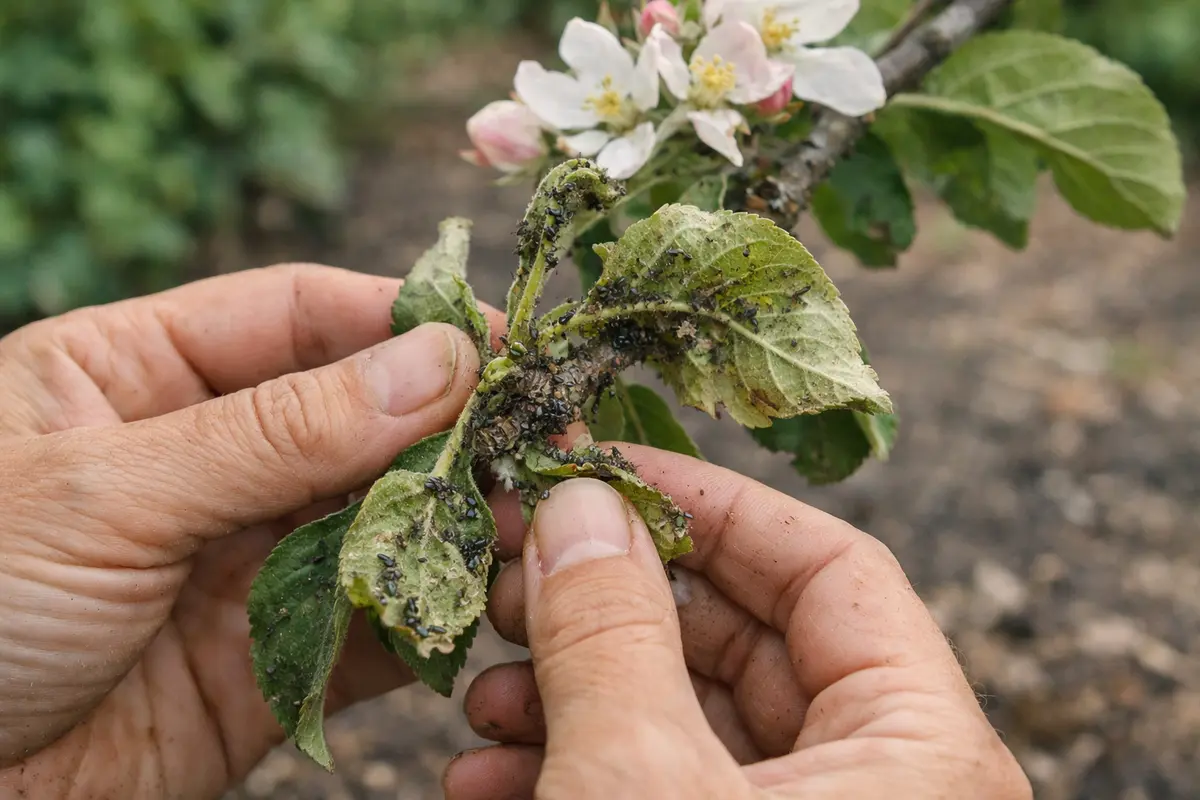
You may notice tiny green pests congregating on your apple trees during flowering, a clear sign that you need to know how to prevent aphids on apple trees during flowering. These sap-sucking insects can cause yellowing leaves and stunted growth, leading to significant damage if not addressed promptly. If ignored, the infestation can spread, weakening the plant and making it harder to fix later, but you can take action now by regularly inspecting leaves and using natural repellents to protect your trees.
Step 1 – Spray Insecticidal Soap on Aphids
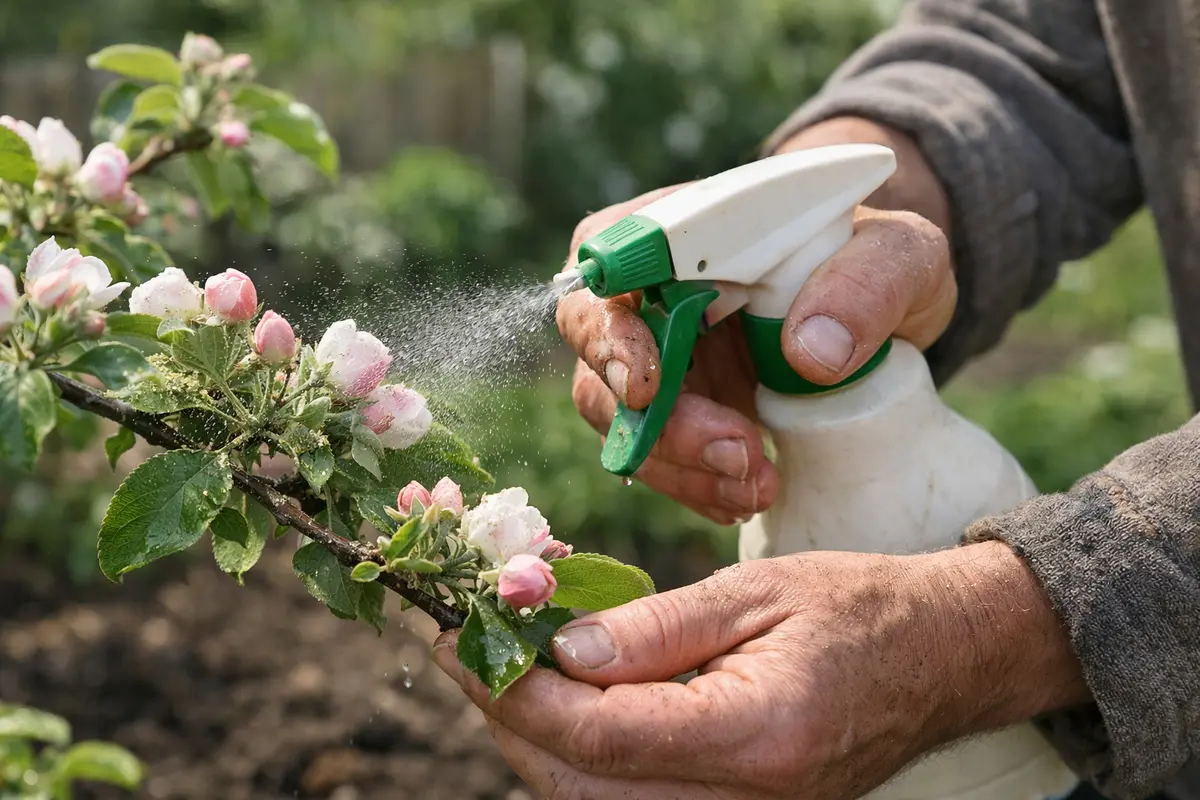
Begin by spraying the affected areas of your apple trees with insecticidal soap. You should see the number of visible aphids decrease significantly within 24 hours. These products work by suffocating aphids, attacking their soft bodies without harming the trees or beneficial insects when applied correctly. Use a pressure sprayer for even coverage, focusing on the undersides of leaves where aphids tend to hide, as this is where the bulk of them often congregate.
The insecticidal soap disrupts the acrid and adhesive layer of the aphid’s exterior, leading to dehydration. The soap application should cover every leaf thoroughly, especially where aphids cluster. Pay particular attention to leaves that appear sticky, as this is often a sign of honeydew secretion from the aphids. If you’ve recently experienced warm weather, check the trees daily as aphids reproduce rapidly in such conditions, and their population can rebound quickly if you’re not careful. If you see ants climbing the tree, they may be tending to aphids, an indication of a connected infestation that requires urgent attention.
Many gardeners fail to apply insecticidal soap thoroughly, missing areas where aphids like to hide. If you see no decrease in the population after 24 hours, reapply the spray to ensure complete coverage. Watch for symptoms of distress in the leaves, such as wilting or curling, as these can indicate subjection to aphid feeding and require prompt remedial measures. Remember that temperatures lower than 60°F can affect soap efficacy, so timing your treatments during warmer days is essential.
Step 2 – Diagnose Aphid Infestation Sources
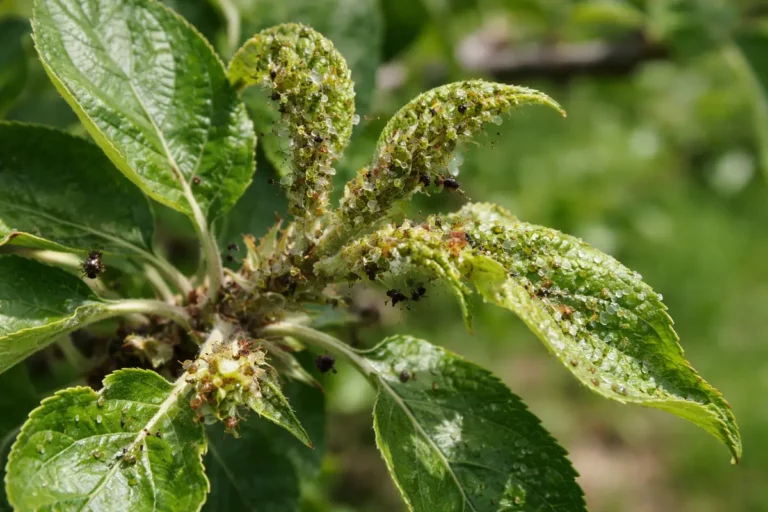
Start by inspecting your apple trees for signs of aphid infestation, such as curled leaves or sticky honeydew on foliage. Remove any affected leaves and treat the tree with insecticidal soap if you detect a significant presence. By taking these actions, you should see a reduction in aphid numbers and healthier leaf structures shortly thereafter.
Aphids thrive when tree vigor is diverted to flowering, leaving fresh shoots and tender leaves vulnerable. As these sap-sucking insects feed on phloem sap, they release toxins that can distort leaf growth. If your trees show leaf curling, they may be struggling with aphids; however, if the leaves appear largely untouched and healthy, focus on checking for other stressors, such as excessive moisture or nutrient deficiency.
If you notice a sour smell from the soil, it could indicate root rot, making your apple trees less resilient to pest attacks. In this case, improve drainage and consider applying a biostimulant to the soil to promote healthy root function. Conversely, if the soil appears dry and hard but your leaves still curl, ensure that you are providing adequate watering while also checking for aphids.
Aphids are sap-sucking insects that thrive when beneficial insects, such as ladybugs, are absent. When you dislodge aphids with water, you not only physically remove them but also create conditions unfavorable for their reproduction, as they prefer a stable and undisturbed environment to multiply. Conversely, if ladybugs are present yet aphid populations stay high, this indicates a potential imbalance in the ecosystem, allowing aphids to proliferate unchecked.
If the water spray does not effectively reduce aphid numbers, check for a secondary issue such as excessive nitrogen in the soil that promotes lush growth, which attracts more aphids. Alternatively, if you notice a lack of beneficial insects despite healthy plants, consider introducing them to help control aphid populations naturally.
Aphids thrive when there is an abundance of soft new growth, which can occur if your tree has been over-fertilized. This excess nitrogen promotes lush foliage that provides an ideal habitat for these pests, leading to stunted growth and distorted leaves. In contrast, healthy apple trees with balanced nutrient levels exhibit robust, compact growth that is less attractive to aphids. If your leaves are curling without the presence of aphids, check for other pests or diseases that could be affecting leaf tissue.
If the application of water does not significantly reduce aphid presence, consider introducing beneficial insects such as ladybugs or lacewings, which are natural predators. These insects can help control aphid populations effectively, especially in wave seasons. Alternatively, if you notice a sticky residue on your leaves, it indicates honeydew from aphids and suggests a more serious infestation needing immediate attention.
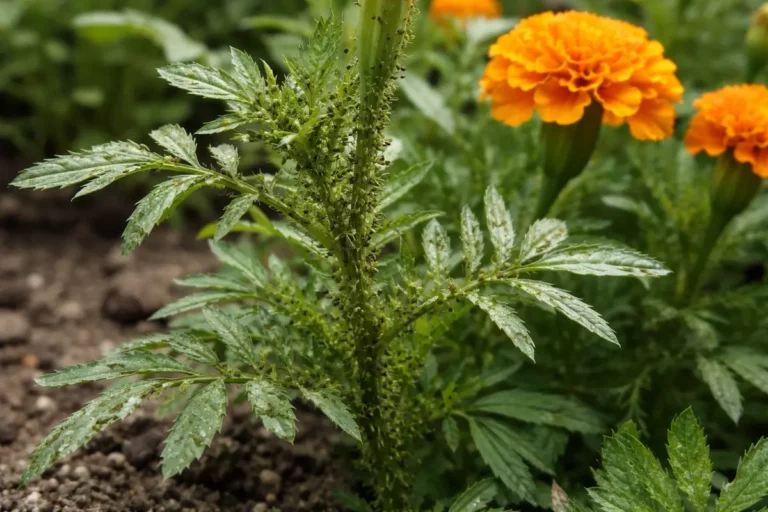
Understanding the habitat of these pests can help you manage and eliminate them effectively. Check for any nearby plants showing signs of distress, such as drooping leaves or yellowing foliage, as they could also serve as aphid reservoirs. In particularly crowded growing environments, such conditions promote the rapid spread of aphids; thus, managing nearby plants will significantly affect your apple tree’s health. If the infestation continues despite your treatments, consider implementing companion planting strategies, such as introducing marigolds or other attractants for beneficial insects like ladybugs and lacewings, which are natural aphid predators.
If you also notice a sour smell coming from the soil, that could indicate over-watering or root rot, suggesting a twofold problem where aphid control efforts must be combined with soil improvement. This condition can weaken roots, making your trees more susceptible to aphids. Check moisture levels to avoid creating an environment that encourages aphid reproduction; if the soil feels mushy, allow it to dry out before addressing the aphids. Diversifying pest control measures will yield better outcomes by not solely relying on soap sprays.
Step 3 – Fertilize Apple Trees for Health
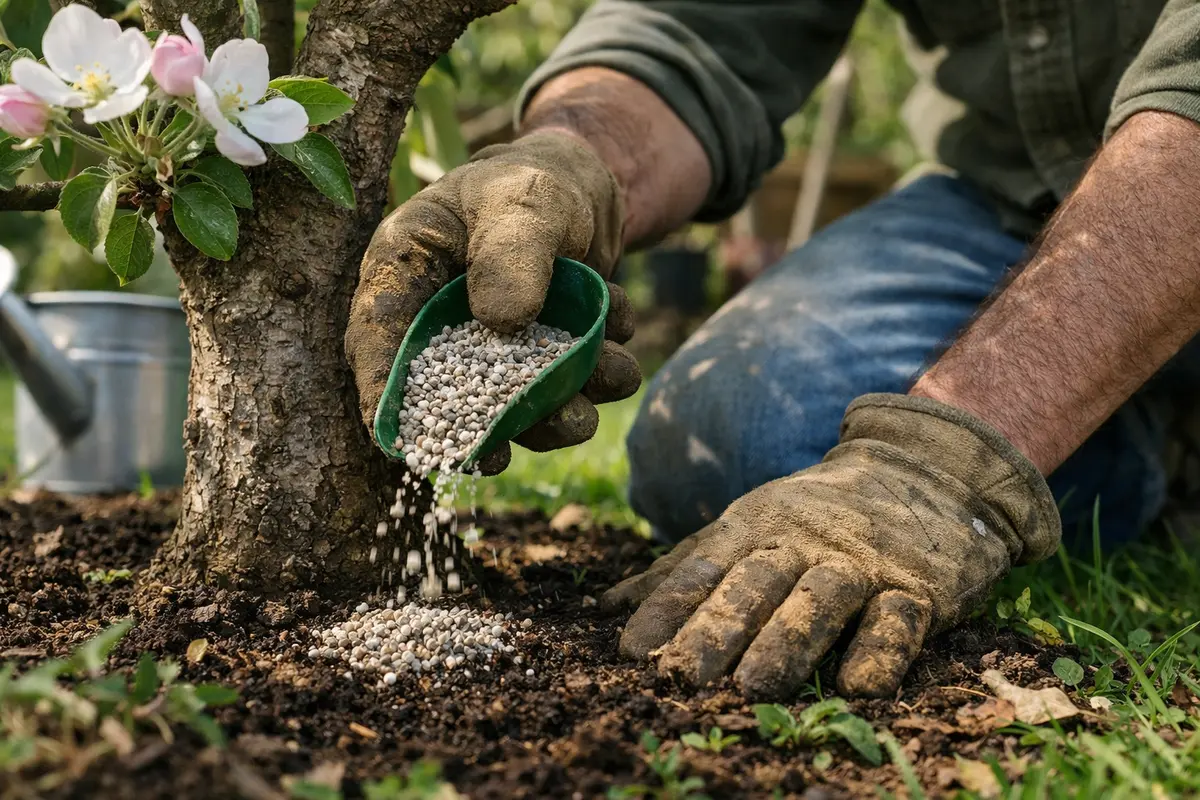
Apply a balanced fertilizer around your apple trees to promote strong growth. You should see visible new leaf shoots emerging within two weeks following application. Fertilization helps restore plant vigor, allowing trees to better resist aphids and other pests. Utilize a slow-release fertilizer to prevent over-fertilization, which can create overly lush conditions that attract aphids. Proper fertilization is crucial because healthy leaves are less appealing to aphids than succulent, over-fertilized new growth.
When apple trees receive sufficient nutrients, they can more effectively withstand stress and recover from pest damage. Fertilizing in early spring, just before blooming, provides essential nutrients to support robust foliage and fruit production. This proactive strategy helps bolster the plant’s natural defenses against aphids since healthier plants produce tougher leaves that are less appetizing to feeding pests. Ensure you follow recommended guidelines for fertilizer application rates to avoid overloading the trees with unnecessary nutrients.
A common mistake is over-fertilizing, which can burn roots and make the trees more attractive to pests. Monitor the soil moisture closely after application; a sudden spurt of soft growth could indicate a nutrient imbalance. If new growth has a pale color combined with sudden wilting, consider adjusting the fertilizer levels. Additionally, keep in mind that applying organic compost can also enhance soil health over time and promote beneficial microbial life that can combat aphid infestation.
Step 4 – Cover Flowers to Deter Aphids
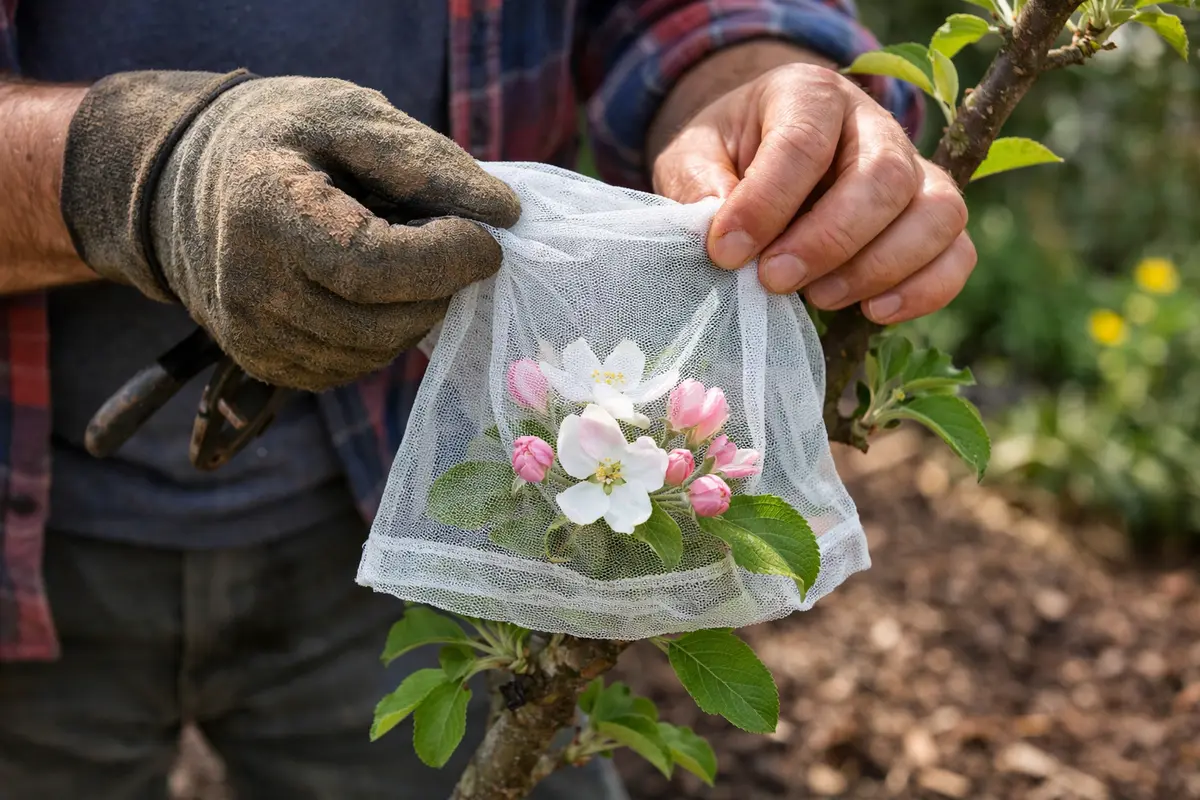
Protect the flowers of your apple trees with lightweight fabric or row covers. If executed effectively, you should notice a reduction in aphid infestations. Using covers not only prevents new aphids from reaching the flowers but also protects the buds during peak flowering periods, acting as a barrier against incoming pests. Ensure that these covers are secured lightly, allowing accessibility for bees and other pollinators essential for fruit set, primarily during the blooming stage of the season.
Aphids are typically attracted to blooms due to the soft tissues and high sugar content present in the flowers. By creating a physical barrier, you deter aphids from accessing these vulnerable areas, considerably reducing their feeding potential. This preventive approach can significantly minimize the risk of repeat infestations throughout the flowering season, especially during vulnerable periods when the tree’s energy is dedicated to blooming. It’s important to balance protection and pollination needs during this critical phase.
Be mindful, however, that if temperatures rise, the covers may trap excessive heat, potentially damaging the buds. Check the weather regularly and remove covers during excessively sunny periods. If you notice yellowing leaves beneath the cover, adjust the covers to increase ventilation or remove them completely for some time to allow light and air to reach the trees. Later in the season, once flowering ends, introduce flowering companion plants nearby to attract beneficial insects; creating a diverse ecosystem around your trees can significantly enhance natural pest control. This ongoing support against aphids is vital to maintaining balance in your garden environment.
Step 5 – Inspect Leaves for New Aphid Activity
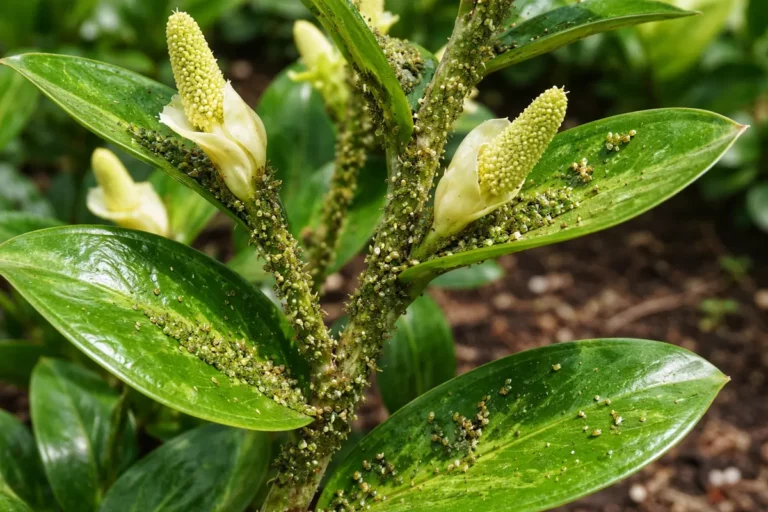
Start by monitoring your apple trees closely during the flowering stage, checking for aphids at least twice a week. Look for clusters of small, green or black insects on the underside of leaves and the stems, as well as sticky honeydew on the leaves, which indicates their presence. Recheck every few days during peak blooming to stay proactive against infestations.
A well-recovered apple tree exhibits robust leaf growth, with vibrant green leaves unfurling and no signs of sticky residue or insect groups. In contrast, early signs of a returning problem include wilting leaves or a visible presence of aphid colonies on new growth. If you notice leaves curling or turning yellow, it’s a clear indicator that aphids may be reappearing on your trees.
If you find aphids returning despite your monitoring efforts and preventive measures, consider introducing beneficial insects, such as ladybugs, which feed on aphids. Alternatively, spray the affected areas with a mild soap solution or neem oil. If infestations persist, escalate your response by contacting local agricultural extensions for targeted insecticidal options.
Healthy leaves do not droop, curl, or show signs of discoloration. If the trees overall appear vigorous, you should continue to monitor their growth for at least two weeks to confirm that pests remain under control. Assess the underside of leaves, where aphids like to hide, and identify if their populations have increased since the previous inspection to guide your pest management decisions. Consistency in inspecting helps in catching any potential outbreaks early, making it much easier to control.
If the aphid population seems to rebound despite your efforts, consult a local extension service or a professional pest control expert for additional remedies. If more aggressive measures are warranted, such as introducing biological controls or using more potent insecticides, these specialists can recommend specific solutions based on actual conditions in your area. Even after diligent monitoring, outdoor variables can shift quickly, so remain ready to adapt your strategies as needed, as conditions change rapidly in the ecosystem.
FAQ
How long does it take for insecticidal soap to work on aphids?
Insecticidal soap typically shows effects within 24-48 hours after application. You should see a significant decrease in live aphids on your apple trees during this time frame. If you do not see results after a few days, consider reapplying to ensure thorough coverage, focusing particularly on areas where aphids were most concentrated.
Can aphids spread to nearby apple trees?
Aphids can quickly migrate to adjacent plants, especially if those plants are stressed or weaker. This can happen within a few days, so monitoring your entire garden for signs of infestation is crucial. Keeping surrounding plants healthy and removing sources of stress can greatly limit their spread to other trees and plants. Awareness of the garden ecosystem’s health can prevent future outbreaks.
Should I remove heavily infested leaves from my apple trees?
If the aphid infestation is severe and causing noticeable damage, remove the affected leaves to prevent further spread. Make sure to do this cautiously to avoid causing additional stress to the tree. Regularly check for healthy regrowth afterward, as new growth indicates that your trees are recovering well and can further bolster their defenses against the pest. This removal method can help the tree redirect energy to healthy growth while controlling aphid populations.