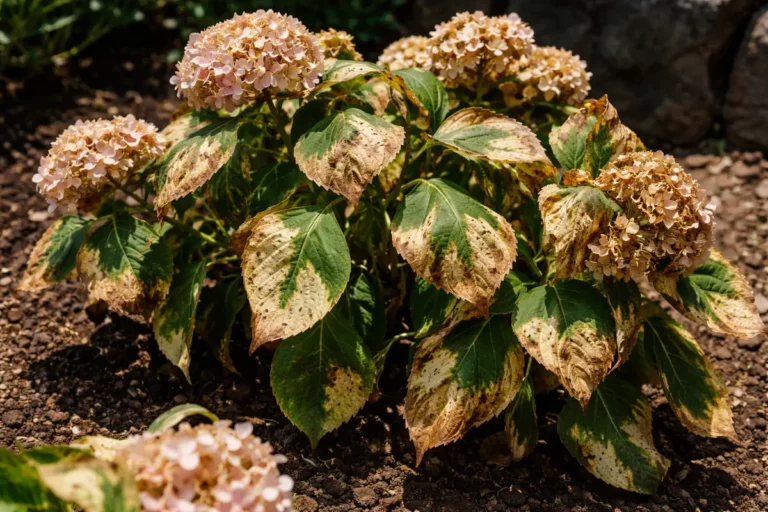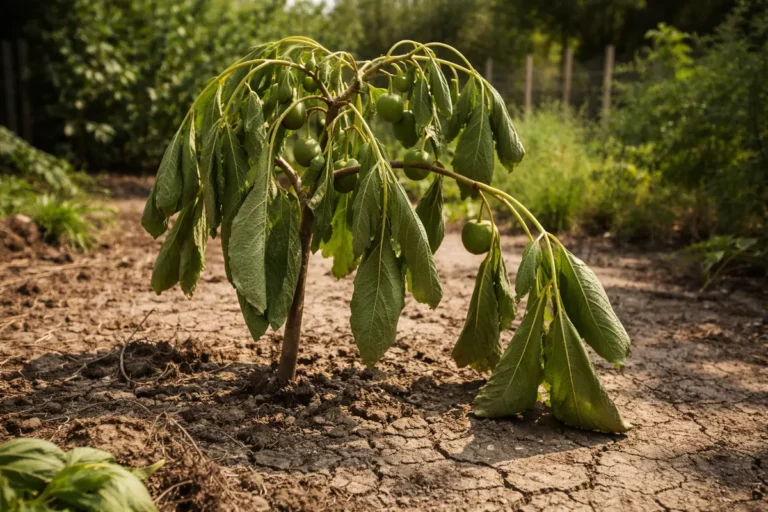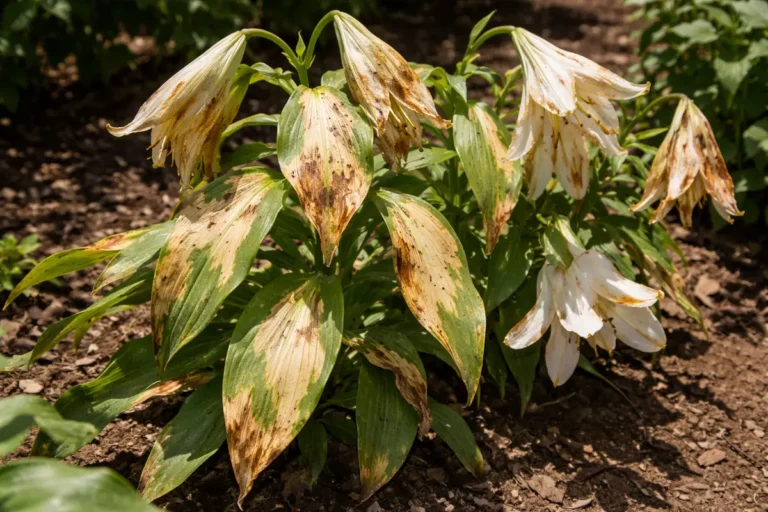
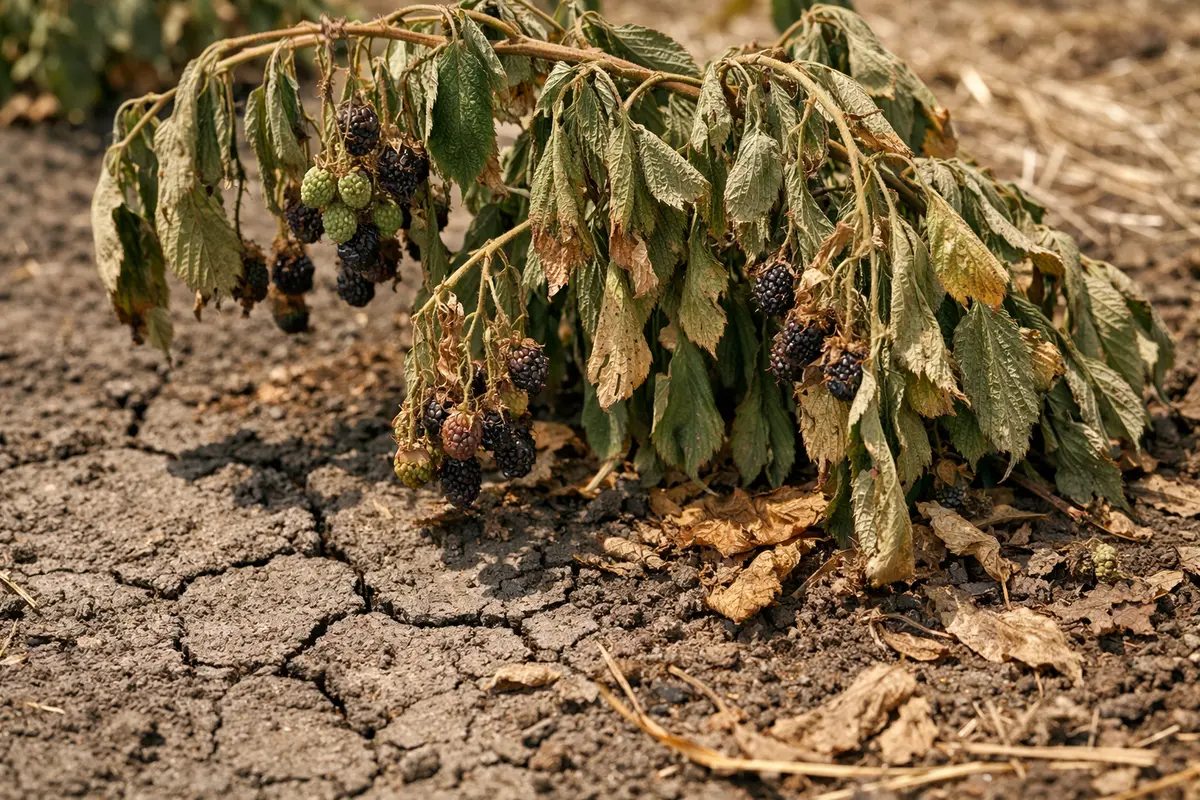
You may notice your berry bushes droop during extreme heat, which is why you need to know what to do when berry bushes droop in extreme heat. This wilting often occurs due to insufficient moisture, leading to drooping leaves and stressed plants. If left unaddressed, the condition can worsen, ultimately weakening the plant, but fixing it is possible now — simply check the soil moisture, water deeply, and adjust your watering schedule accordingly.
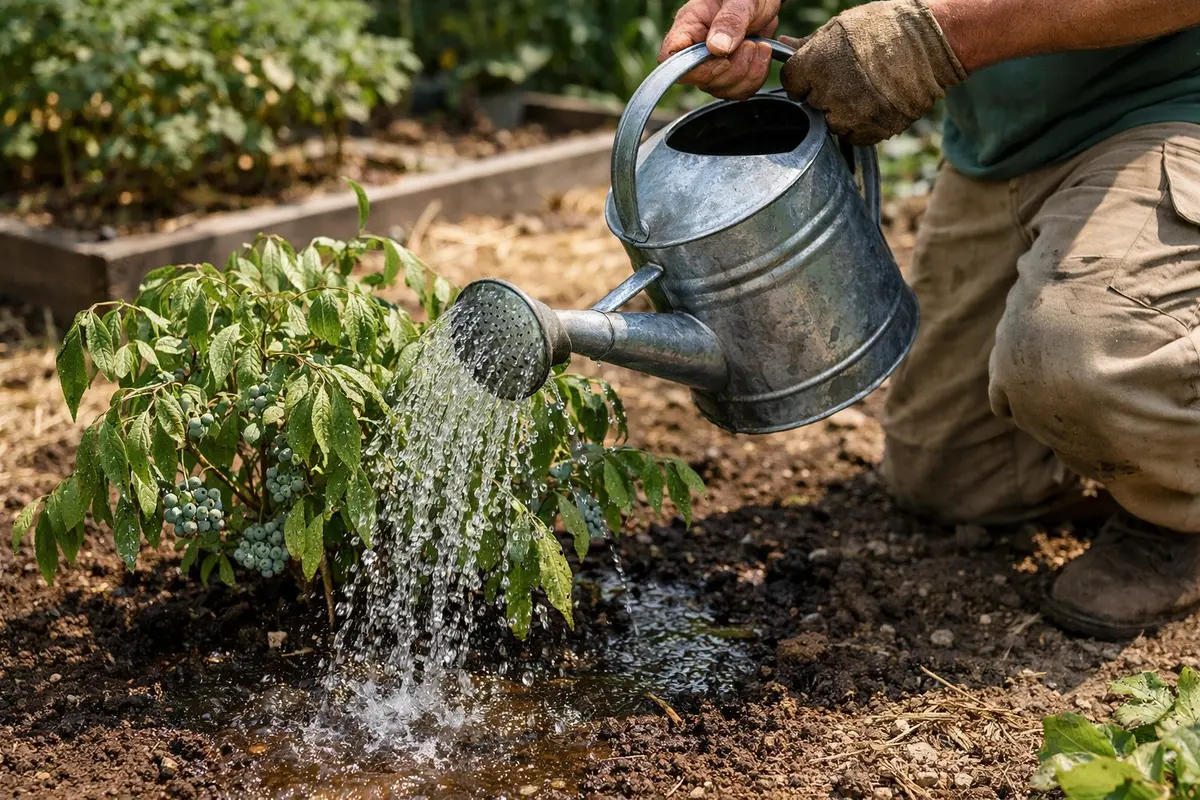
Step 1 – Water Berry Bushes Deeply Right Away
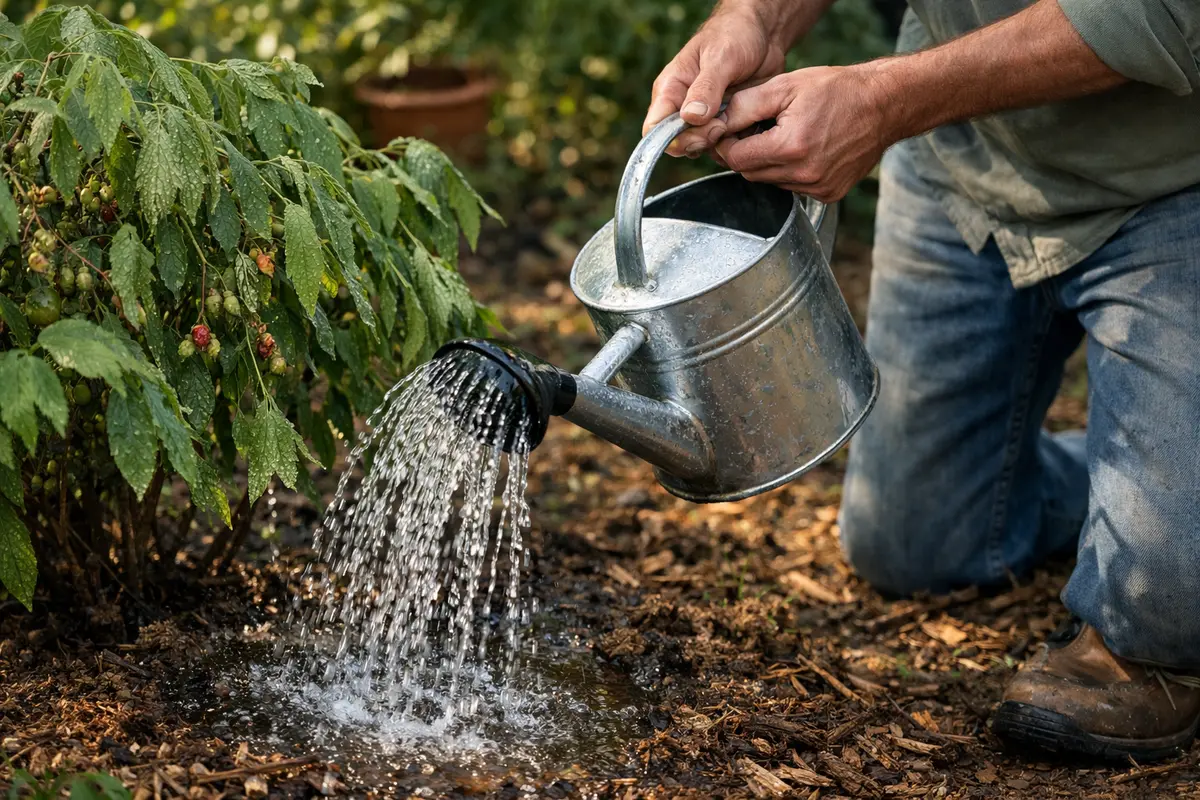
Water your berry bushes deeply without delay. You will notice the leaves start to perk up slightly within a few hours as they begin absorbing moisture. This immediate step is essential for rehydrating stressed plants, especially in extreme heat conditions. To achieve optimal results, aim to deliver at least two inches of water within a 24-hour period. If the temperatures are particularly high, you might need to increase this amount to three inches to ensure thorough penetration.
Deep watering allows moisture to reach the roots where it is crucial for reviving the plant. Berry bushes generally need at least an inch of water per week, but during extreme heat, this may need to be doubled or even tripled to support healthy function. If the drooping persists after a thorough watering, it can indicate a more severe issue like root damage or disease, necessitating further investigation. Use a soaker hose or drip irrigation system to promote efficient absorption and minimal evaporation. If soil temperatures exceed 70°F, this method can particularly help by keeping the moisture concentrated where it is needed most.
A common mistake at this stage is focusing on the surface soil only. Many gardeners simply sprinkle water on top, not realizing that deeper moisture is needed for the roots. If you can dig down a few inches and the soil still feels dry, you must continue watering until moisture reaches about 6 inches down. If the topsoil dries out rapidly, consider evaluating your soil type and using mulch to retain moisture during hotter months. Also, check for signs of runoff during watering; if water rolls away rather than soaking in, you may need to time your watering in shorter intervals to allow for better absorption.
Step 2 – Investigate Soil Compaction Around Roots
Inspect the soil around the base of the berry bushes for compaction. After applying water, you should observe the soil becoming looser and more pliable. Loosened soil improves root access to water and air, which is essential for recovery. A simple test is to insert a screwdriver into the ground; if it struggles to penetrate, compaction is likely an issue. If you find that the screwdriver goes in with minimal resistance, your soil is likely in good condition. Otherwise, compaction may require immediate attention.
Soil compaction often occurs due to heavy foot traffic, the use of heavy equipment, or prolonged periods without aeration, preventing roots from absorbing nutrients effectively. When the soil is too dense, it restricts water movement and can create a suffocating environment, leading to drooping foliage. Addressing this now will prevent further stress and promote healthy growth. To effectively ameliorate soil compaction, use a garden fork to aerate the soil gently, allowing for improved drainage and root health. If you notice indicators like puddles forming after heavy rain or watering, that’s a sign that compaction exists and needs to be dealt with before further long-term damage occurs.
If the soil has a sour smell or the roots feel mushy, this indicates root rot. In such cases, you should remove the affected areas and allow the plant to dry out before re-watering. Additionally, checking for pest infestations can be helpful as root-dwelling pests, such as nematodes or grubs, can also contribute to droopiness. Keeping an eye out for signs like chewed roots or increased gnawing activity can guide your pest control strategies. If parts of the root system appear discolored or are slimy, this is an urgent signal that the health of the plant is compromised and aggressive measures, such as repotting or replacing soil, may be necessary.
Step 3 – Feed Berry Bushes with Nutrient-Rich Fertilizer
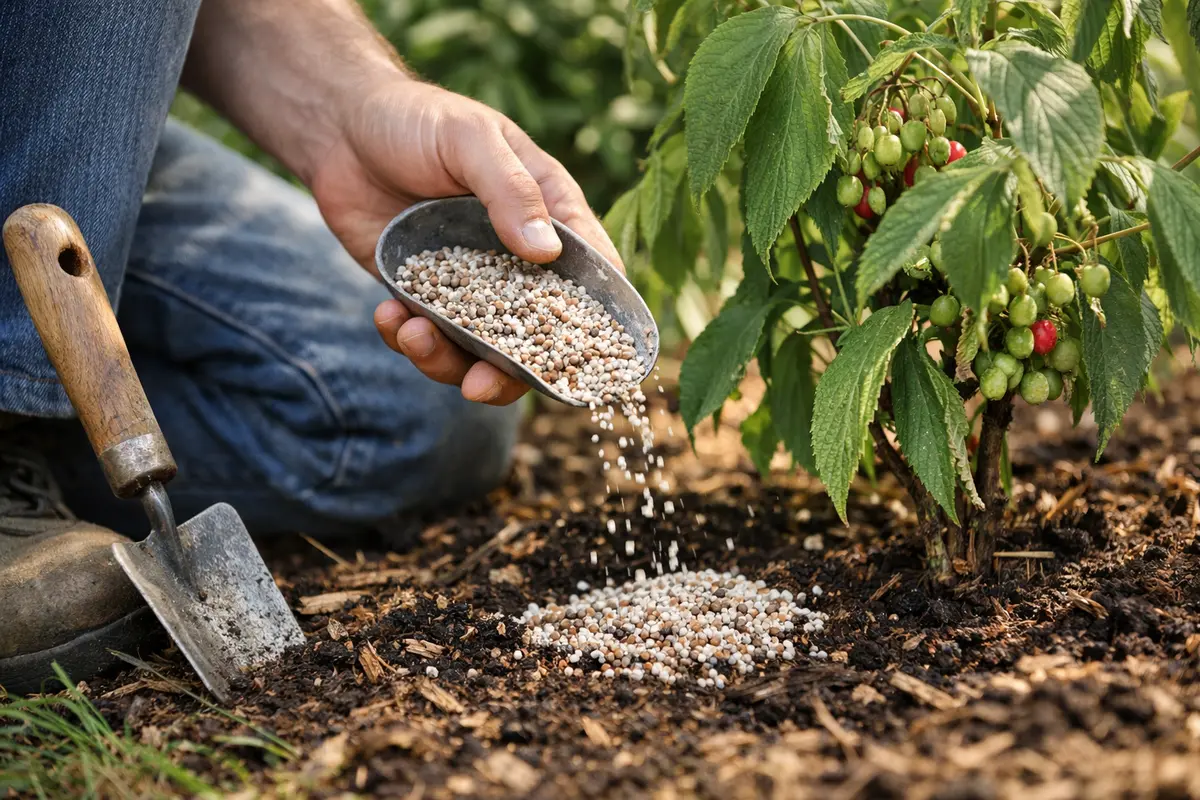
Apply a balanced, nutrient-rich fertilizer to your berry bushes. Within a week, you should see fresh new growth and an overall improvement in leaf color and vigor. This action helps address nutrient deficiencies that may have resulted from heat stress. Fertilizers that contain a blend of nitrogen, phosphorus, and potassium in a ratio of approximately 10-10-10 can provide the necessary nutrients for recovery. Apply the fertilizer at dusk or dawn to minimize loss through evaporation.
Heat stress weakens a plant’s ability to absorb nutrients, leading to subsequent deficiencies, which may result in poor fruit development and drooping. Providing adequate nutrients supports recovery, feeds roots, and ensures they have what they need to thrive in hot conditions. Focus on organic fertilizers with slow-release capabilities to promote steady growth without overwhelming the roots. When applying, use the manufacturer’s recommended rates to avoid over-fertilization, which can damage the root system. Observing the bushes regularly for changes or negative responses after feeding can help fine-tune your approach.
A common mistake is applying too much fertilizer too quickly, which can lead to fertilizer burn and further complicate recovery. It’s better to feed with smaller amounts and monitor the plant’s response over time. In spring and early summer, a light application every month can help keep up with nutrient demands during the growing season. If you observe browning leaf edges after fertilizing, this is a sign that the concentration is too high and you should dilute or reduce the application. If the plant begins dropping its leaves, reevaluate your feeding schedule and consider switching to a fertilizer designed for stressed plants.
Step 4 – Water Berry Bushes Methodically During Heat Spells
Start by applying organic mulch around the base of your berry bushes to retain moisture and regulate soil temperature. This routine will lead to healthier, more resilient bushes that withstand extreme heat more effectively.
Extreme heat often causes soil to dry out quickly, stressing the plants and leading to drooping branches. By adding a layer of mulch, you create a protective barrier that minimizes evaporation. If your bushes are wilting despite adequate watering, check the surrounding soil temperature; if it stays too hot, thick mulch can help cool the roots.
In particularly hot seasons, refresh the mulch every few weeks to maintain its effectiveness in heat management. Alternatively, consider watering early in the morning to ensure that moisture reaches the roots before the heat peaks, further protecting your berry bushes from drooping.
Heat-induced drooping often recurs when watering is erratic. By creating a stable moisture routine, it mitigates the risk of heat stress stemming from fluctuating soil moisture. This routine should be adjusted based on the specific needs of the berry variety and local weather conditions. Observing the soil moisture using a moisture meter can further guide your irrigation needs, ensuring the watering schedule meets the bushes’ requirements accurately. If moisture levels drop markedly, testing the soil moisture before watering can provide a clearer picture of hydration needs.
When high temperatures arrive, consider applying a two- to four-inch layer of mulch around the base of the plants. This not only helps retain moisture but also cools the soil, which is especially beneficial during the height of summer. Additionally, the mulch layer can break down and enrich the soil over time. Carefully monitor the moisture level in the soil—if the mulch becomes overly compacted or the soil beneath it dries out significantly, it may be beneficial to refresh or even replace the mulch layer. Alternatively, a light sprinkling of water on the mulch can help cool it while providing additional moisture to the ground underneath.
Step 5 – Check Leaves for Wilting Signs Regularly
Check the leaves of your berry bushes for wilting or yellowing signs every few days. You should observe the firmness of the leaves increasing as they rehydrate and recover from heat stress. This regular inspection is vital for ensuring that the plant continues along the path of recovery. Measure the flexibility of the stems; when they rebound quickly after a gentle pressure, it indicates adequate hydration. Take note of any leaves that do not improve; they may indicate underlying issues such as disease or pest damage.
A fully recovered berry bush will feature lush, green leaves and stable, upright stems. Look for signs of new growth, such as fresh shoots or blossoms, indicating a return to health. Keep in mind that the gradual unfurling of leaves can be a sign of recovery as well; a bush that begins to open tightly curled leaves is on the right track. If you notice any leaves wilting again, it suggests that the plants might still be struggling with either water uptake or nutrient availability. This dual-check system ensures that if recovery stalls, you can quickly diagnose whether to alter watering or inspect nutrient levels.
If you discover the problem returning despite following your recovery steps, consider re-evaluating your watering schedule or examining for pest infestations. Check the undersides of leaves for pests that could contribute to moisture loss, such as spider mites or aphids. Continuous monitoring ensures any issues are addressed promptly before they escalate, allowing for quick remedies as they arise and ensuring your bushes remain healthy through extreme conditions. If pests reoccur, you might need to explore integrated pest management techniques that focus on balanced approaches for dealing with infestations effectively.
FAQ
How long does it take for drooping berry bushes to recover after watering?
Recovery can typically start within a few hours after proper watering and nutrient application. However, full recovery may take about a week as the plant adjusts to the improved moisture and nourishment, showing both visual leaf recovery and new growth as indicators of success. If symptoms persist beyond this time frame, further investigation around soil health and pest control may be necessary.
Can heat stress in berry bushes spread to nearby plants?
Heat stress does not directly spread but can threaten the health of surrounding plants by competing for limited resources and indicating broader environmental stress. If multiple bushes are affected, it signals a need for immediate attention to watering and care routines to prevent further issues among neighboring plants. If neighboring plants start displaying signs of similar stress, a collective watering approach may be warranted to balance the moisture levels in the area.
Should I remove wilted or yellowing leaves from my berry bushes?
Yes, removing wilted or yellowing leaves can help redirect the plant’s energy towards new growth. However, only remove leaves when absolutely necessary, and ensure that the plant shows signs of recovering before doing so. Utilize clean, sharp scissors to minimize any damage during pruning, preventing additional stress on the plant. If pruning seems extensive, consider waiting until full recovery before reassessing leaf health.