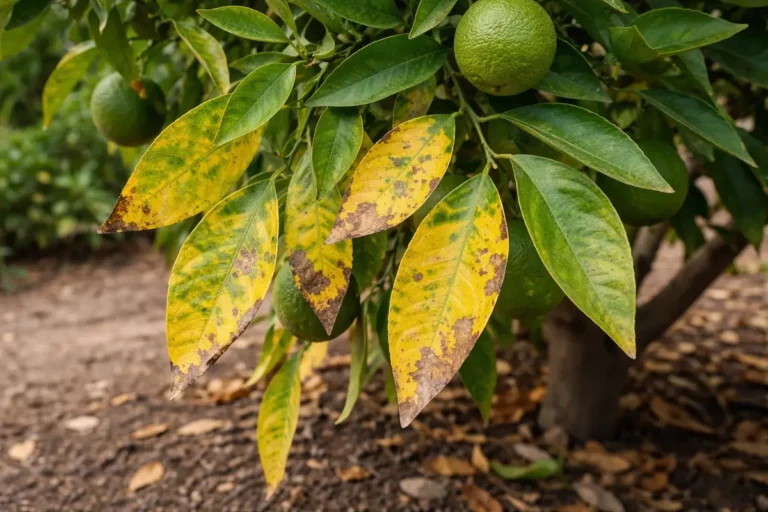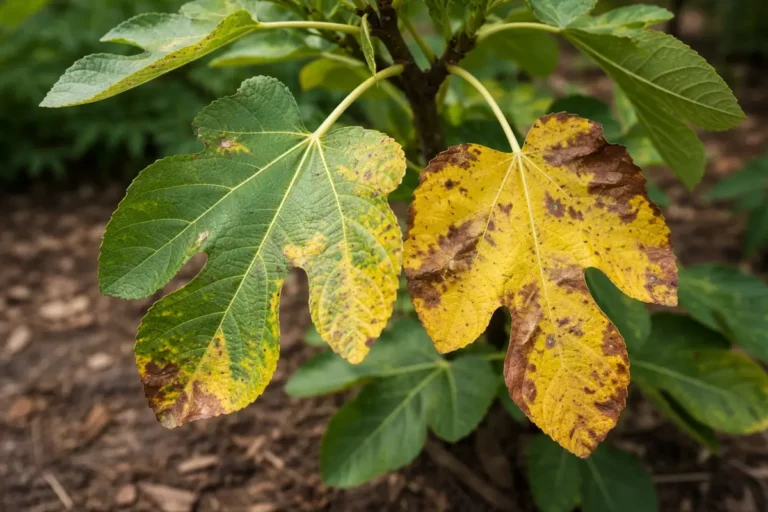
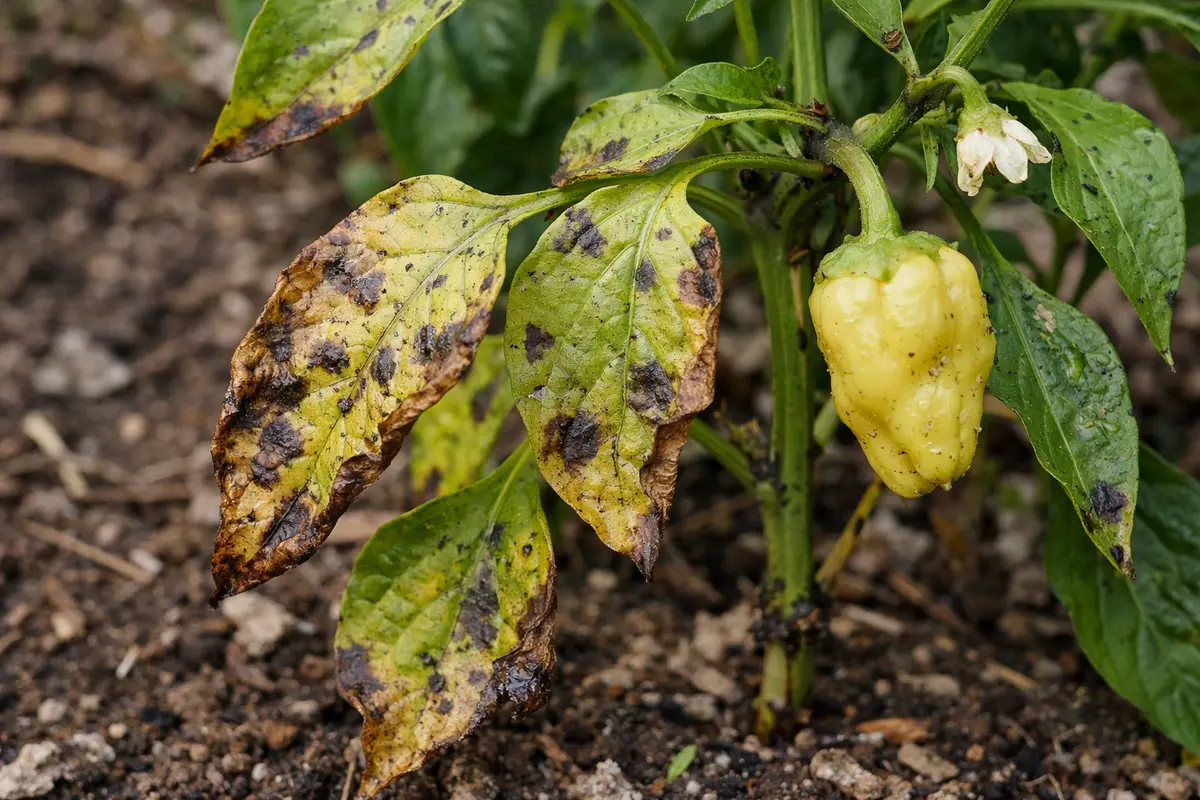
You may notice the vibrant green leaves of your pepper plants turning yellow during the flowering stage, which is why you need to know what to do when peppers turn yellow while flowering. This yellowing can indicate nutrient deficiencies or stress, leading to wilting and overall damage to the plant. If left unaddressed, the problem can spread, weakening the plant and stalling growth; however, fixing it is possible now by inspecting the soil quality and adjusting your fertilization routine.
Step 1 – Trim Yellowing Pepper Flowers Promptly
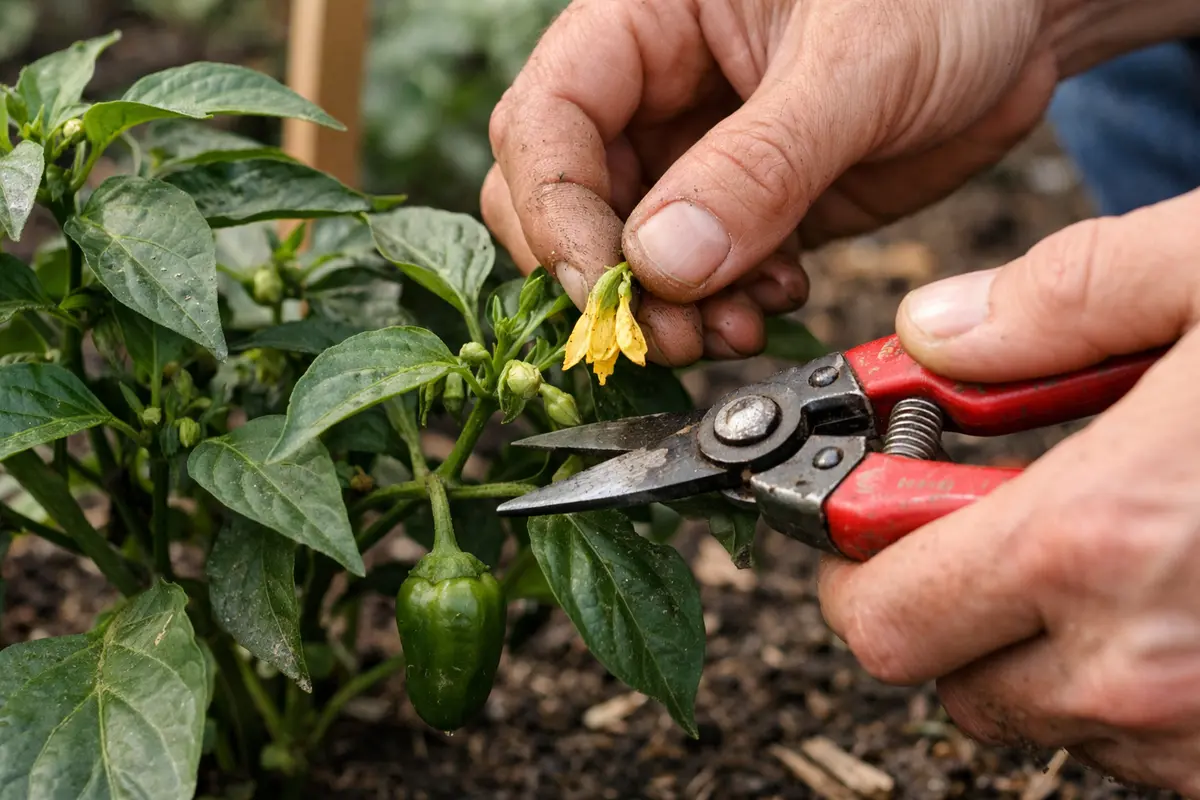
Start by trimming away any yellowing leaves and flowers immediately. You will notice reduced stress on the plant, and the remaining healthy foliage will appear more vibrant within a few days. This prompt action is essential to stop the spread of potential disease and to help the plant divert energy toward healthier growth. If the yellow leaves are extensive, pruning can significantly improve overall light exposure, which is critical during the flowering stage.
This action is critical because yellowing often signifies that the plant is struggling, possibly due to overwatering or nutrient deficiencies. By removing compromised plant material, you allow the remaining healthy parts to receive more light and nutrients, which enhances photosynthesis and growth. For instance, if you trim yellowing leaves on a hot, sunny day, you will likely see the remaining leaves perk up almost immediately, showing signs of recovery within 48 hours. Additionally, trimming regularly at this stage helps prevent the spread of any pathogens that may arise from decaying plant matter.
Common mistakes at this stage include hesitating to make cuts out of fear of harming the plant. If yellowing is extensive and you wait too long, the stress can worsen and lead to more severe flower drop or stunted growth. Therefore, pruning promptly not only helps the plant but also provides a clearer view to assess the overall plant condition. If you find yourself uncertain, remember that it’s better to remove a few leaves than to risk the health of the entire plant. It’s observed that some gardeners will hesitate and leave more yellow leaves than necessary; this often results in prolonging the plant’s distress and stunts recovery.
Step 2 – Diagnose Nutrient Deficiencies in Peppers
Inspect the soil and leaves for signs of nutrient deficiencies. If you observe yellowing primarily in older leaves, consider that nitrogen deficiency might be the cause, while yellowing in younger leaves may suggest a lack of magnesium or iron. Evaluating the specific areas where yellowing occurs can help target interventions effectively. For example, if only the lower leaves are yellow, this often points to a nitrogen deficit, commonly caused by poor soil quality or insufficient organic matter.
Nutrient deficiencies occur when plants cannot absorb adequate resources from the soil, often due to poor soil health or improper pH levels. For instance, low nitrogen levels can result in yellowing leaves as the plant fails to synthesize chlorophyll, leading to overall stunted growth. Testing the soil pH and nutrient levels will help determine the precise nature of the deficiency; consider using a soil testing kit available at garden centers. If your soil pH reads above 7.0, supplementing with sulfur may lower it, improving nutrient uptake. If your soil has a high alkalinity, it may hinder the absorption of micronutrients like iron, compounding the yellowing issue.
If the soil smells sour, indicating possible root rot, switch to checking the drainage of your pots or soil. Consistently wet soils can prevent roots from absorbing essential nutrients, leading to widespread yellowing. Adjust your watering practices if necessary, allowing the soil to dry out slightly before the next watering. It’s advisable to check the drainage holes of your pots; if water pools and doesn’t drain, you may have to re-pot your peppers in fresh soil mixed with perlite or sand for better aeration. This not only helps with water retention but allows excess moisture to escape, preventing root diseases that drive yellowing. A clear indicator that drainage is inadequate would be if water tends to puddle on the surface without soaking in after several minutes.
Step 3 – Revive Flowering Peppers with Balanced Fertilizer
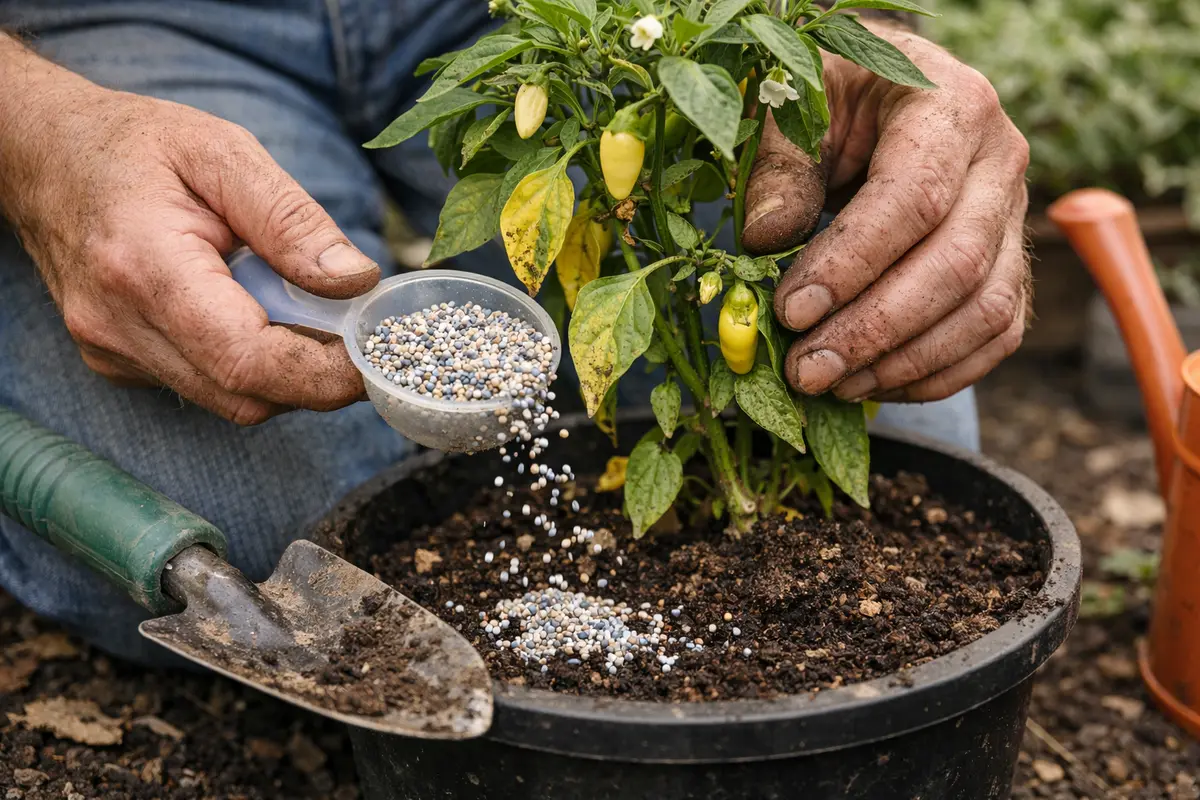
Apply a balanced fertilizer immediately to provide the necessary nutrients. You should observe new leaf growth and a more vigorous flowering phase within a week or two. Look for fertilizers labeled with a balanced N-P-K ratio, such as 10-10-10, which caters to the essential needs of your pepper plants. Applying the correct dosage, usually around 1 tablespoon per foot of plant height, mixed into the top couple of inches of soil, can significantly impact recovery.
Using a balanced fertilizer, ideally containing equal parts nitrogen, phosphorus, and potassium, helps replenish depleted nutrients in the soil. This encourages peppers to produce healthy foliage and flowers, leading to increased fruit yield. Healthy roots can then support the plant during nutrient uptake effectively, fostering a robust structure for flowering. If you apply a granular fertilizer, follow the recommended guidelines and ensure it is mixed evenly in the soil to prevent localized burn. Additionally, for liquid fertilizers, consider diluting to around half-strength if your plant shows severe distress, as this might mitigate the risk of fertilizer burn.
However, avoid the temptation to over-fertilize, which can cause fertilizer burn and lead to further yellowing in the leaves. Timing is everything: fertilize in the early morning or late afternoon to reduce the chance of root damage. If you notice more yellowing shortly after fertilization, it may signal an issue with root health or excess salts accumulating in the soil. Observe how the plant responds in the following week; if harsh yellowing persists, investigate for underlying issues such as compacted soil or root diseases. A common pitfall occurs when gardeners rush to provide immediate nutrient support; if too much fertilizer is applied too quickly, it can lead to the opposite effect and worsen the overall condition.
Step 4 – Guard Against Yellowing in Future Seasons
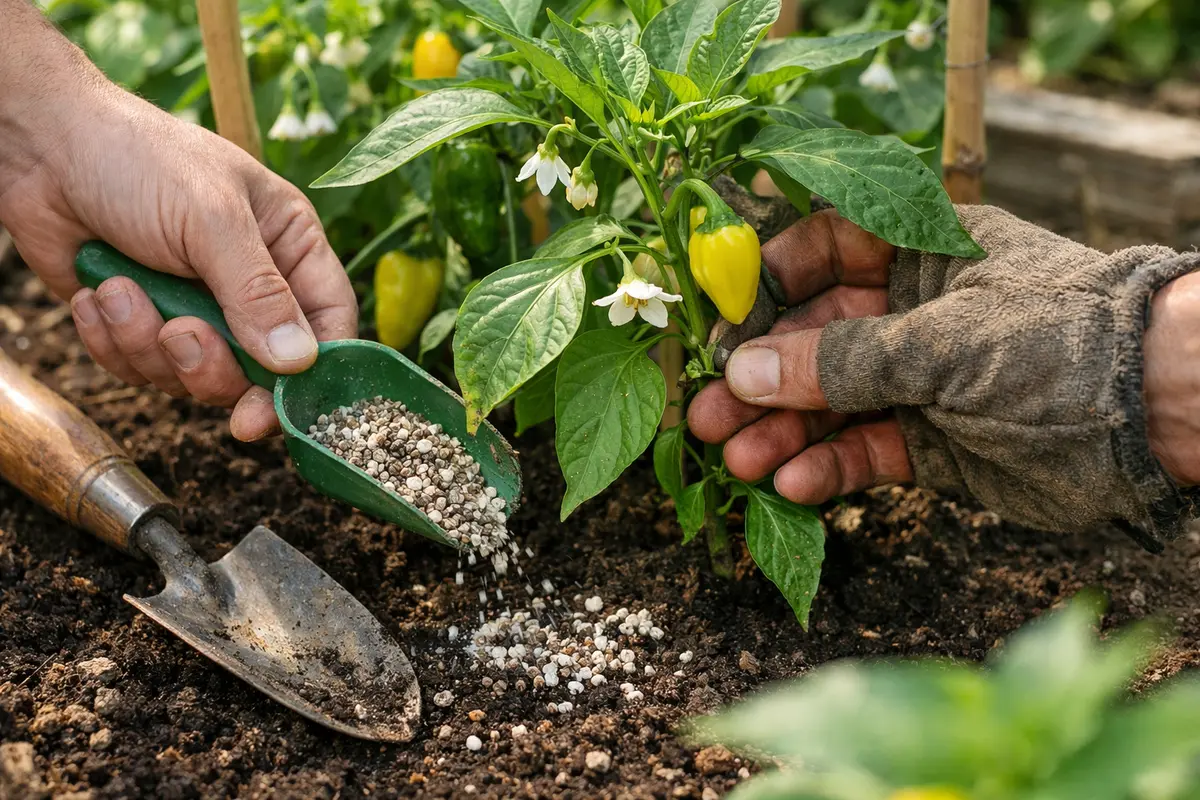
Start by ensuring that your peppers receive consistent moisture without waterlogging the soil. With adequate watering, you will notice a reduction in yellowing leaves and improved flowering which indicates healthier plants.
Yellowing during flowering often stems from inconsistent watering or nutrient deficiency, particularly nitrogen. When peppers experience drought stress, their leaves may turn yellow, contrasting with the deep green of well-watered plants. By establishing a regular watering schedule coupled with balanced fertilizers, you can directly combat the factors that lead to yellowing leaves.
During particularly hot summer months, increase your watering frequency to prevent soil from drying out too quickly. Additionally, applying a layer of mulch can help retain moisture, mitigating temperature fluctuations that otherwise promote yellowing.
Developing a preventative care plan involves monitoring both the soil conditions and plant health. Ensure that you choose high-quality soil amendments and fertilizers tailored to pepper requirements, ideally with slow-release granules that provide consistent nutrient availability. This proactive approach reduces the likelihood of deficiencies causing yellowing leaves. For example, integrating organic compost into your soil can significantly enhance its nutrient profile while promoting beneficial microorganisms that work synergistically with your fertilizer to boost plant absorption. That said, inspect your compost regularly to avoid introducing unwanted pathogens.
In warmer seasons, particularly during flowering and fruiting, check soil moisture levels diligently. If you notice accelerated drying, you may need to adjust your watering schedule or change your mulching practices to retain moisture. This considers fluctuations in weather, helping maintain optimal conditions year-round. For best results, keep moisture checks consistent by digging about an inch into the soil; if it’s dry in this top layer, it’s time to water. Implementing a rotation method for your peppers can also prevent soil depletion and maintain nutrient levels. Lastly, using a mulch layer around your pepper plants can help with moisture retention while also keeping weeds at bay.
Step 5 – Watch Pepper Plants for New Flower Health
Monitor your plants closely following the implementation of these changes. You should observe signs of healthier foliage and flowering sequences within the next 7-10 days, confirming that previous interventions have positively affected plant health. Pay particular attention to new growth appearing at tips of branches, as this is an early indicator of recovery. If any new yellowing appears, however, it’s crucial to act quickly rather than assuming the previous prunings were sufficient.
When recovery is successful, new growth will manifest through firmer stems and deeper green leaves, showing enhanced chlorophyll production. Conversely, if yellowing resumes or the flowers start dropping, it indicates that there may still be underlying issues that haven’t been fully addressed, whether related to soil quality, moisture, or nutrient availability. Document changes in growth with photos so you can recognize patterns or changes that signal further adjustments. Should your plants show resilience but continue to exhibit minor yellowing, re-evaluate your watering methods to eliminate the possibility of over- or under-watering.
If symptoms of yellowing return, consider moving your plants to a different location that offers better sunlight exposure or re-evaluating your watering practices. An imbalance in any critical care aspect—be it under or over-watering—can resurface the same issues, so refine your approach as you gain insight from each growing cycle. Using raised beds or containers can also help mitigate moisture issues by ensuring better drainage compared to native soil, which may hold water too effectively. Additionally, changing your plant positions periodically can stimulate better nutrient use in the soil as roots can spread into more nutrient-rich areas.
FAQ
How long does it take for yellowing peppers to recover after treatment?
Typically, you can expect yellowing leaves to show signs of recovery within 7-14 days of treatment, particularly if nutrient issues are promptly addressed. New growth will be the first observable sign of improvement as the plant re-establishes its health. However, if recovery is slow after two weeks, reassess nutrient levels and soil conditions to identify any overlooked issues.
Can yellowing in peppers during flowering affect the fruit set?
Yes, yellowing leaves can negatively impact flower retention and fruit set. If your pepper plants are stressed, they might drop flowers before they can develop into fruits, leading to reduced yields. Evaluating overall plant health in conjunction with nutrient levels can aid in mitigating this problem early in the flowering phase, enhancing your chances of a successful harvest.
Should I remove yellow leaves entirely from my pepper plants?
Yes, removing yellow leaves and flowers helps redirect the plant’s energy towards healthier parts. This proactive measure not only encourages new growth but can also improve airflow, reducing the risk of diseases. Always make clean cuts with sterilized tools to prevent spreading pathogens when pruning your peppers. Additionally, if you see leaves turning yellow again post-trim, it may be worth considering a different angle of care as you troubleshoot underlying issues.