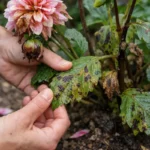
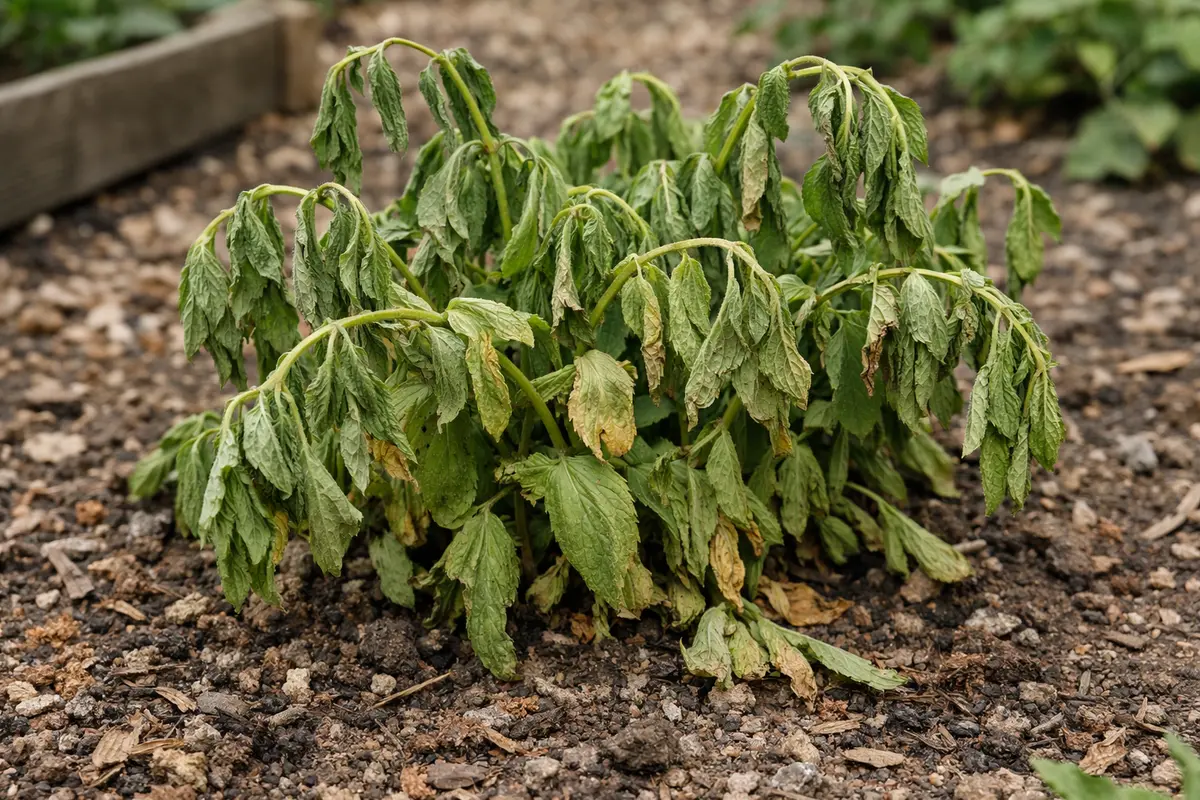
You may notice your mint looking particularly sad and limp during the sweltering heat of summer, which is why you need to know, “Why does my mint droop in hot weather.” This drooping often occurs because the plant is stressed by excessive heat and inadequate moisture, leading to wilting leaves that can no longer support the plant’s vitality. If left unaddressed, this condition can worsen, weakening the plant and making recovery more difficult, but you can improve the situation by checking your watering schedule and adjusting plant placement to provide some shade.
Step 1 – Water Your Mint to Combat Wilting
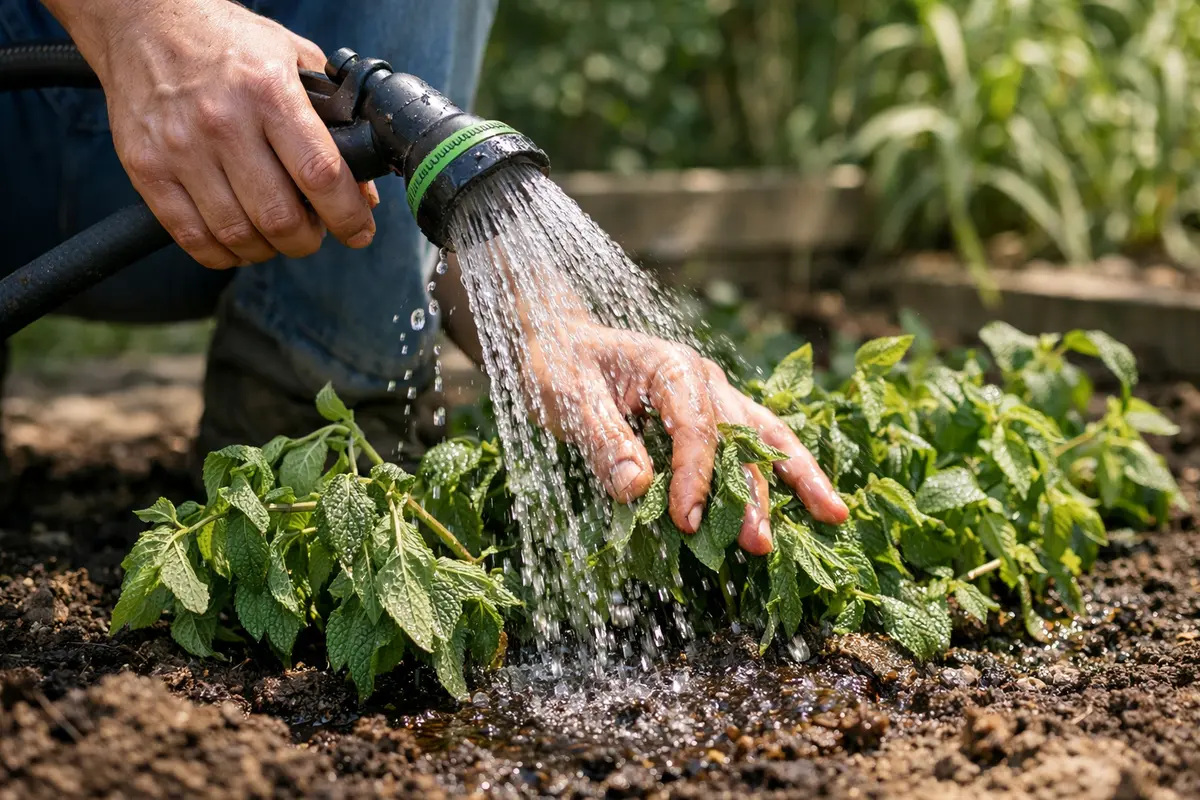
Water the soil around your mint plant thoroughly until it reaches a depth of at least six inches. You will see the leaves begin to perk up within a few hours, returning to a more vibrant state. This immediate action delivers hydration directly to the roots, allowing the plant to process nutrients effectively and quickly counteract the wilting. By ensuring the roots receive an adequate moisture supply, your mint can combat stress and regain its health.
During intense heat, mint plants are particularly susceptible to dehydration. The visible wilting is a clear indicator that the plant is struggling to maintain its water levels, which can lead to severe dehydration and even death. Mint thrives on consistent moisture, especially when environmental temperatures rise. The heat accelerates water evaporation from both the soil and the plant’s leaves, intensifying the need for a swift response. If water is not quickly replaced, leaf drop and stunted growth could follow, severely impacting availability for culinary use. Inconsistent watering schedules sometimes show yellow leaves on eggplant after drought.
A common mistake many gardeners make is waiting too long to address visible wilting, mistakenly believing the issue will improve on its own. Instead, watering the plant immediately upon noticing the droop can significantly enhance its recovery within hours. Check soil moisture by inserting your finger into the dirt; if the top inch feels dry to the touch, it’s crucial to water. If the wilting persists even after watering, assess the leaves’ texture for signs of crispness, which indicates deeper dehydration levels and may require more intensive measures like transplanting into a larger pot for better moisture retention.
Step 2 – Diagnose Heat Stress in Your Mint
First, check the soil moisture around your mint plants by digging about an inch down. If it feels dry, immediately water the plants deeply to restore moisture, which should perk up the drooping leaves within hours.
Mint plants droop in hot weather primarily due to water stress, which occurs when their roots are unable to absorb sufficient moisture. In dry conditions, the soil may lack the hydration needed for the plant’s cellular structures to maintain turgor pressure, resulting in wilted foliage. If you notice the soil is very dry but the leaves remain droopy even after watering, inspect the roots for signs of rot or damage that could be impairing water uptake.
If the soil smells sour and appears overly compacted, this indicates poor drainage and possible root rot, requiring you to repot the plant in fresh, well-draining soil. Conversely, if the leaves are yellowing and drooping, check for signs of nutrient deficiency, which can lead to similar symptoms but require a balanced fertilizer instead.
Heat stress prevents the plant from regulating its internal temperature effectively. As ambient temperatures rise, the uptake of nutrients and water slows down, which is why you may notice the edges of leaves turning brown or becoming crispy. These symptoms occur because the plant’s transpiration rate increases under heat stress, causing it to lose more water than it can absorb. Observing this imbalance is vital in deciding whether to enhance irrigation methods or provide additional shade to minimize direct sun exposure.
If the soil around the roots looks dry rather than adequately moist post-watering, it may be worthwhile to assess its drainage. Poor soil drainage can worsen wilting by suffocating the roots and hindering nutrient absorption. Evaluate the soil for compaction — if it feels dense or fails to retain water properly, switch to a lighter potting mix or amend it with compost or peat to improve aeration and drainage. This adjustment not only promotes healthier soil conditions but can also provide a more sustainable environment for the mint to thrive. Pay attention to the pot’s bottom — if water is pooling, consider switching to a container with better drainage to prevent root rot.
Step 3 – Revive Droopy Mint with Proper Nutrients
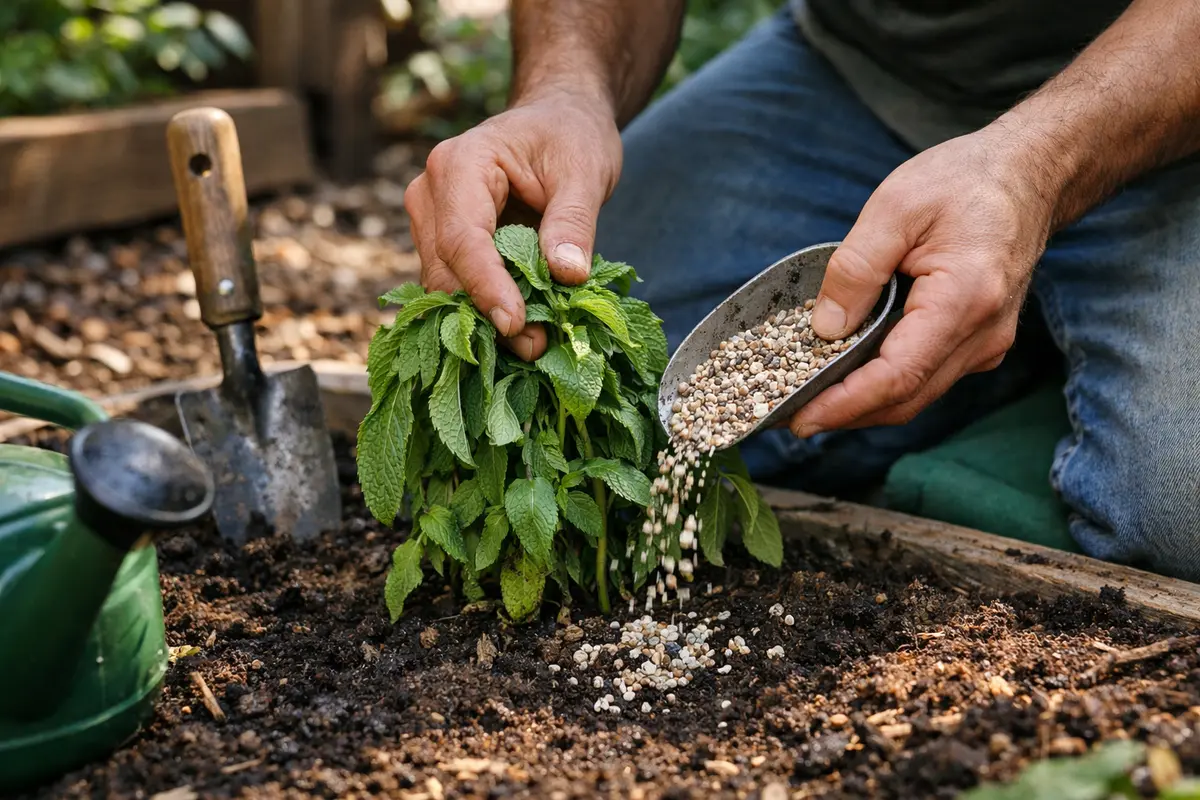
Fertilize your mint with a balanced, water-soluble fertilizer at half-strength to rejuvenate its health. Within about 7-10 days, you should observe new, bright green growth emerging from the center of the plant as a sign of recovery. This nutrient infusion is crucial as it enables the plant to bounce back from heat stress, fostering new leaf development and overall vigor that can withstand future heat waves.
Providing adequate nutrients post-stress helps replenish what the mint needs after its depleting experience in harsh weather. Nitrogen is particularly vital for promoting rapid growth and bolstering the plant’s fortitude against environmental challenges. During warmer months, plants can run through their nutrient reserves quickly due to increased metabolic activity, making them more vulnerable to drooping and other related issues. However, if you notice rapid growth without strong structural integrity, such as leggy stems that flop easily, it may indicate the plant is not receiving the right balance of nutrients and might require more potassium and phosphorus for better root and flower health.
A serious pitfall is over-fertilization, which many gardeners may inadvertently commit. Hastily adding too many nutrients without evaluating the plant’s needs runs the risk of burning the roots or triggering excessive leaf growth that may cause more wilting. Always carefully follow the packaging instructions on fertilizer applications. After fertilization, conduct a follow-up check two weeks later — growth should appear healthy without signs of distress or browning. If signs of excess nitrogen show, such as rapid leaf growth without sturdiness, scale back on feeding until the plant stabilizes. It is best to keep a journal on fertilization to observe what helps or hinders your mint’s progress over time.
Step 4 – Water Mint at Soil Level During Heatwaves
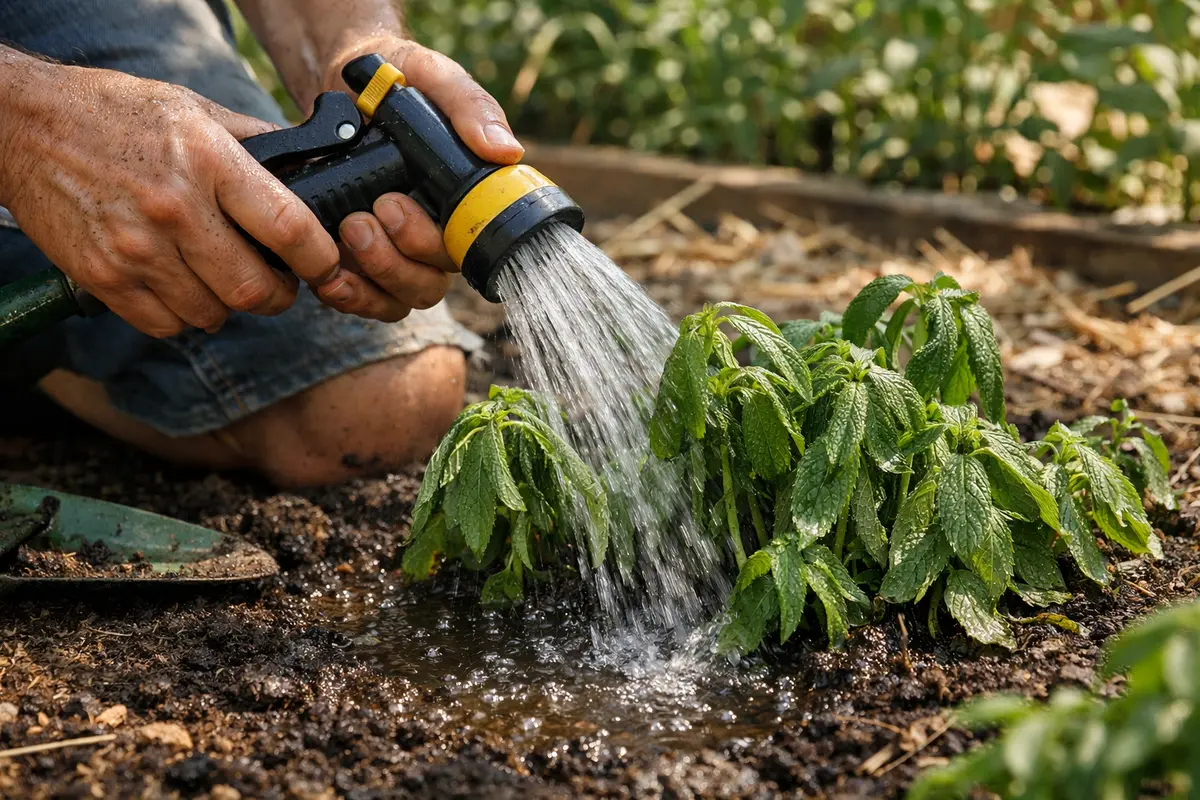
Water your mint directly at the soil level, avoiding overhead watering to promote optimal root growth. This focused approach ensures that moisture penetrates the soil and effectively reaches the roots instead of evaporating rapidly from the leaf surfaces. Establishing this habit during hot weather will help maintain hydration and keep your mint healthy. Utilize a watering can with a narrow spout to direct water precisely where it’s most needed.
Prolonged exposure to intense temperatures leads to quick evaporation, especially when watering from above. By concentrating your watering at the base, you ensure deep hydration, reducing the risk of wilting in the future and encouraging more robust growth. Moreover, incorporating mulch around the base can help retain moisture and regulate temperature at the roots. Use organic materials such as straw or wood chips, which also break down over time to improve soil structure.
During peak summer months, consider adjusting your watering schedule to suit the weather conditions. For example, in a heatwave, monitor the soil moisture every other day and provide water when the top inch feels dry. A proactive approach can make a considerable difference in protecting your mint against the detrimental effects of high temperatures. If temperatures soar beyond 90°F, you might even opt for additional watering daily, but ensure to do it early in the morning or late in the evening to minimize evaporation. Additionally, if winds are high, plan for more frequent checks, as the water may evaporate quicker on windy days.
Step 5 – Check Mint Leaves for Signs of Improvement
Start by checking the moisture levels of the soil around your mint plants, particularly during hot weather. Dig down about an inch with your finger to feel the dampness; if it’s dry, water the plants thoroughly and observe changes in leaf firmness within a couple of hours. Recheck the moisture levels daily to ensure consistency and adjust watering as needed.
A fully recovered mint plant boasts upright, vibrant green leaves without a wilting appearance; the leaves feel firm and plump compared to the earlier signs of drooping and limpness observed when water levels were insufficient. In contrast, if you notice that the leaves are starting to curl or turn brown while still drooping, check if the soil has become too soggy or if there are signs of pests feeding on the leaves.
If the drooping resumes despite consistent watering, consider relocating the plant to a spot with partial shade during the hottest part of the day to reduce stress. Alternatively, if it seems to be suffering from pests, treating the plant with insecticidal soap may be necessary to alleviate the situation. In situations where both adjustments fail, escalating to a soil test for nutrient deficiencies might be warranted.
A fully recovered mint will display lush, vibrant green leaves, and the stems will feel firm to the touch. Early indications of improvement include upward movement in the leaf structure rather than drooping; if the leaves remain droopy or if the soil does not retain moisture, a further assessment is needed. If new growth appears but existing leaves still show signs of damage, that could indicate the plant is still under some stress that needs additional attention. Regular monitoring helps prevent situations where otherwise healthy leaves could fade if conditions unexpectedly alter.
If the wilting returns despite consistent care, consider repotting or checking the roots for signs of rot or pest infestations that might inhibit water uptake. Compacted roots can lead to more significant issues in recovery, requiring either an experienced eye or professional advice to diagnose effectively. Always be prepared to act if the initial improvement stalls, as this may be indicative of deeper-rooting problems that need to be addressed, such as lack of drainage or low soil quality. Furthermore, don’t hesitate to seek local gardening resources or knowledgeable friends if the health challenges persist.
FAQ
How long will it take for my mint to recover from drooping?
Recovery time can vary but typically takes about 1-2 weeks with proper care. You should see noticeable improvements in leaf firmness and new growth a few days after implementing a regimented watering and fertilizing schedule. Monitoring weekly helps ensure the plant continues to thrive without stalling.
Can drooping mint recover if I leave it unattended for too long?
If left unattended, drooping mint may suffer permanent damage, leading to stunted growth or even death due to continued dehydration. Immediate action is essential to prevent further decline; the faster the response, the better the chance of recovery. Major signs like persistent drooping for more than 48 hours are crucial thresholds to act on.
Should I remove the wilted leaves from my mint plant?
Removing wilted leaves can help the plant focus its energy on new growth; however, wait until the plant shows signs of recovery before trimming to avoid inducing additional stress. Only remove leaves that are entirely dead and crispy, ensuring that healthy leaves remain to aid in energy absorption. This strategy helps prevent unnecessary energy loss while still allowing for proper healing of healthier foliage.