
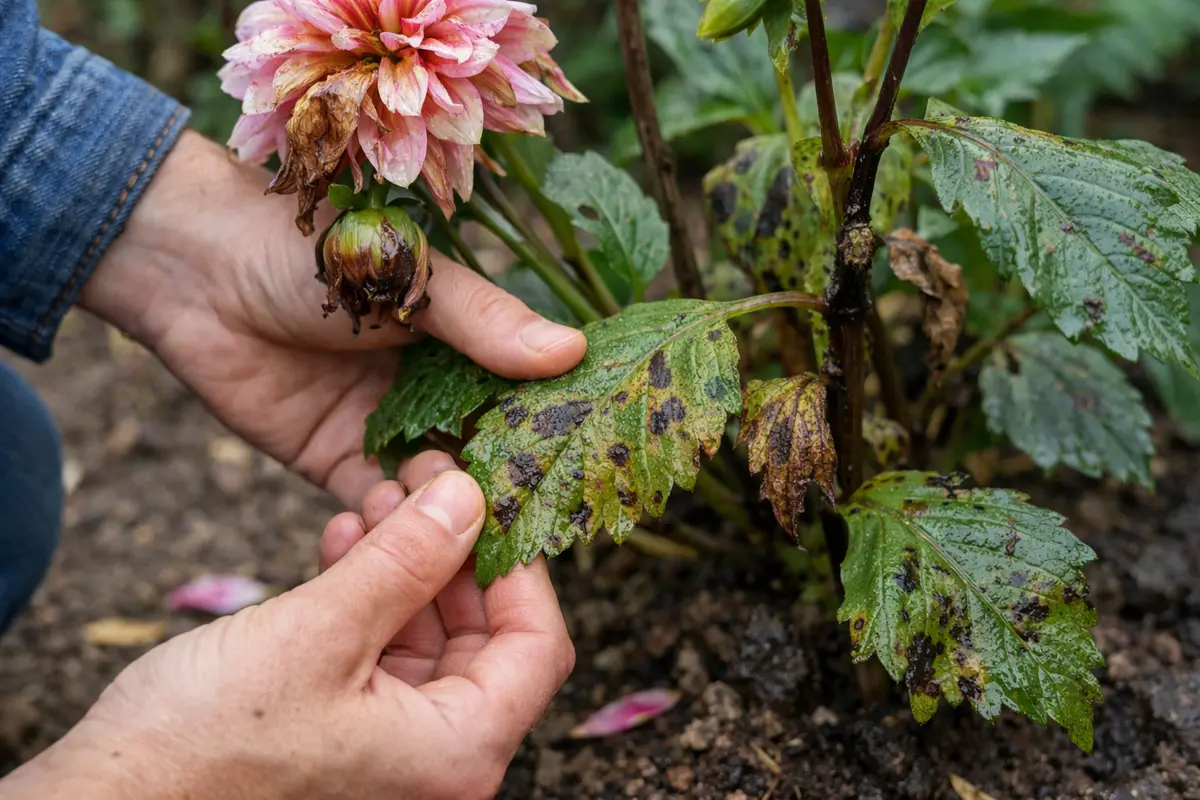
You may notice unsightly spots on your dahlias after heavy rainfall, which is why you need to know how to fix spots on dahlias after heavy rainfall. These spots typically result from excess moisture, leading to fungal infections that can devastate the plant’s leaves. If you do not address this issue promptly, the damage can spread and weaken your dahlias, making recovery increasingly difficult. Fortunately, by inspecting and promptly treating affected areas, you can help improve their health and restore their beauty.
Step 1 – Inspect Dahlia Leaves for Immediate Spots
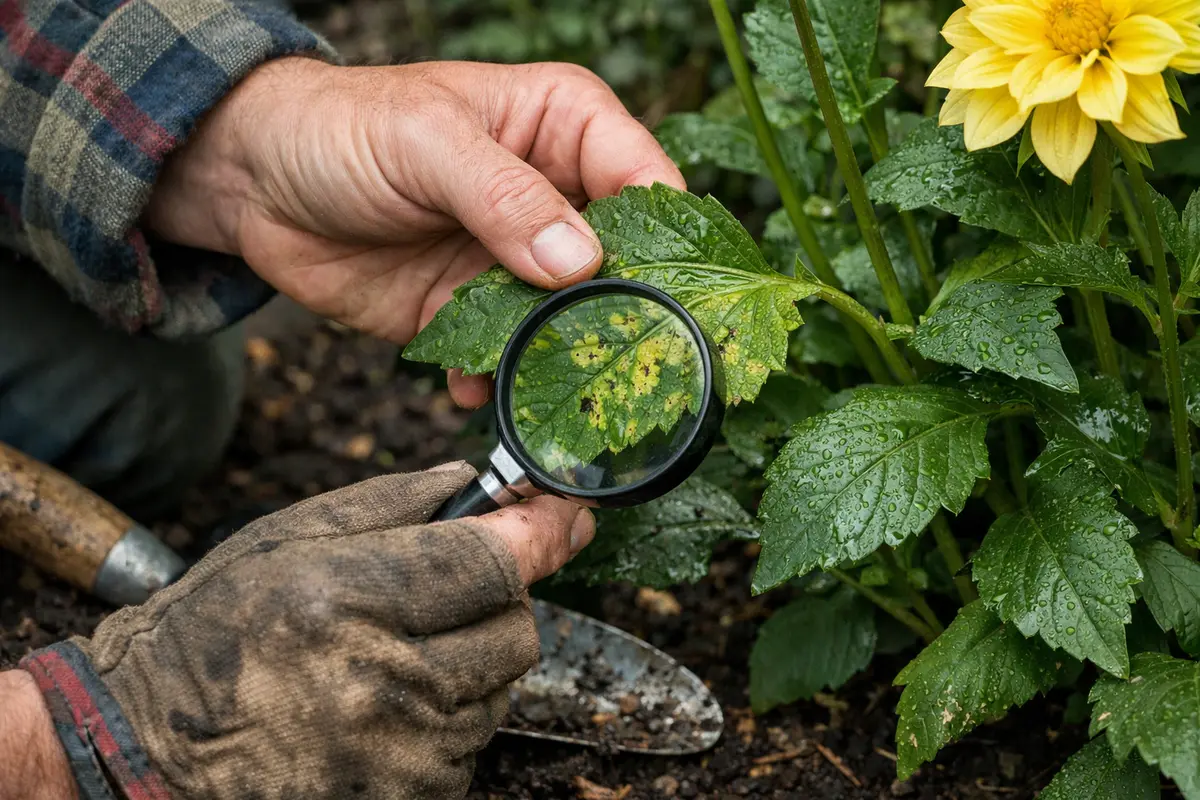
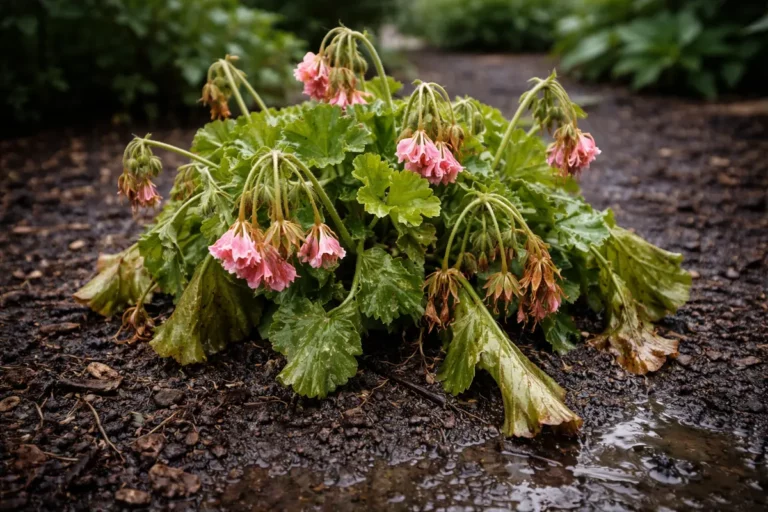
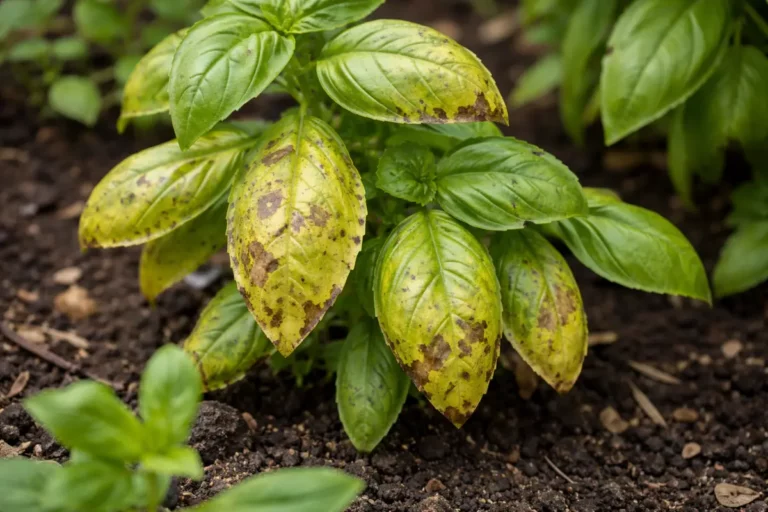
Start by closely examining the leaves of your dahlias for any brown or black spots. You should see clearly defined areas of discoloration, often accompanied by wilting or curling leaves. If you notice these symptoms, it’s critical to act quickly to prevent further spread and damage. Look for any additional signs such as fuzzy growths or powdery residues, which may indicate specific fungal infections requiring targeted treatment.
By inspecting your dahlias immediately, you reduce the chances of infection spreading to unaffected leaves or neighboring plants. A quick assessment allows you to identify the extent of the damage, enabling more effective treatment. Early intervention is crucial because many diseases, such as powdery mildew, flourish in humid post-rain conditions. Wilting can worsen within just a few days, leading to increased leaf loss and stunted growth. If any leaves are soft or mushy, this could mean they are already compromised, necessitating immediate action. Pay attention to the leaf edges, as this is often where the first signs of infection may appear.
A common mistake gardeners make at this stage is overlooking lighter leaf spots, thinking they are insignificant. However, even small lesions can indicate underlying fungal issues. These initial spots can multiply rapidly, leading to a severe infestation that may require more intensive treatment. The situation is often exacerbated by overcrowding, where nearby plants can facilitate the spread of pathogens. Proper spacing should be maintained not just for aesthetics but also for plant health; ensure that dahlias have sufficient airflow to prevent moist conditions that promote disease.
Step 2 – Diagnose Root Issues Causing Leaf Spots
Begin your diagnosis by inspecting the dahlias for signs of waterlogged soil, as this could be the primary cause of the spots. If you notice puddling or overly damp areas around the roots, be prepared to improve drainage. Correcting this issue should yield visible changes, with a reduction in leaf spots within a week as the plants breathe easier and shed excess moisture. Monitor the color and condition of your leaves during this period for any further signs of improvement.
Waterlogged soil often leads to root rot, where the plant roots suffocate and start to decay due to lack of oxygen. This decay can manifest as dark, mushy spots on the leaves, indicating that the roots are unable to deliver sufficient nutrients and water to the rest of the plant. In contrast, if the dahlias display yellow spots without a mushy texture, it may indicate a nutrient deficiency rather than root rot. If you don’t observe root rot symptoms such as a foul odor or soft roots, check for inherent soil issues such as compaction or poor quality. Act promptly, as delaying this check could exacerbate nutrient deficiencies.
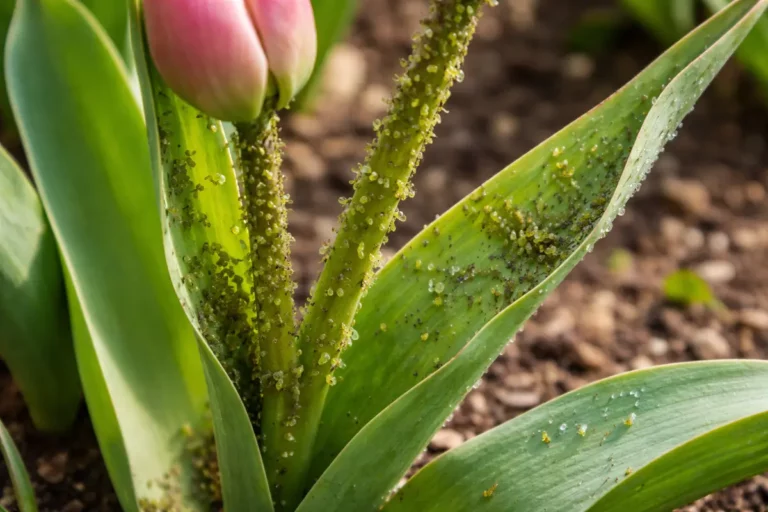
If the soil smells sour when disturbed, it is crucial to aerate it and consider amending with organic matter like compost to improve drainage. You may also want to check the pH level, as dahlias thrive in slightly acidic to neutral soils (pH 6.0 to 7.0). If you find evidence of pest damage on the leaves, such as holes alongside these dark spots, treat the plants with insecticidal soap to eliminate the pests before they complicate the underlying issues further. Newly emerging pests often indicate a thriving environment due to poor conditions.
Understanding the root cause of these spots is essential. Fungal leaf spots typically arise due to excess moisture, creating a conducive environment for spores to thrive. If your dahlias are situated in poorly drained soil or overcrowded arrangements—especially after heavy rainfall—the humidity levels can rise, triggering infections. When you lift the plant and feel extreme saturation at the roots, it’s a significant indicator of potential root rot, which can complicate treatment. If you find the soil remains damp for several days, that could point to a drainage problem.
If the soil continues to feel excessively wet, consider altering your watering method or relocating your dahlias to a spot with better drainage. This adjustment can significantly enhance air circulation and drainage around the roots, both crucial for keeping dahlias healthy. Notably, even if the damp soil seems moderate, pathogens can still proliferate aggressively if the roots are frequently wet, leading to a cycle of infection. Conversely, in highly porous soils, insufficient moisture after rain can put additional stress on the plants, demonstrating that not all saturated areas pose the same risk.
Step 3 – Treat Dahlias to Promote Recovery from Damage
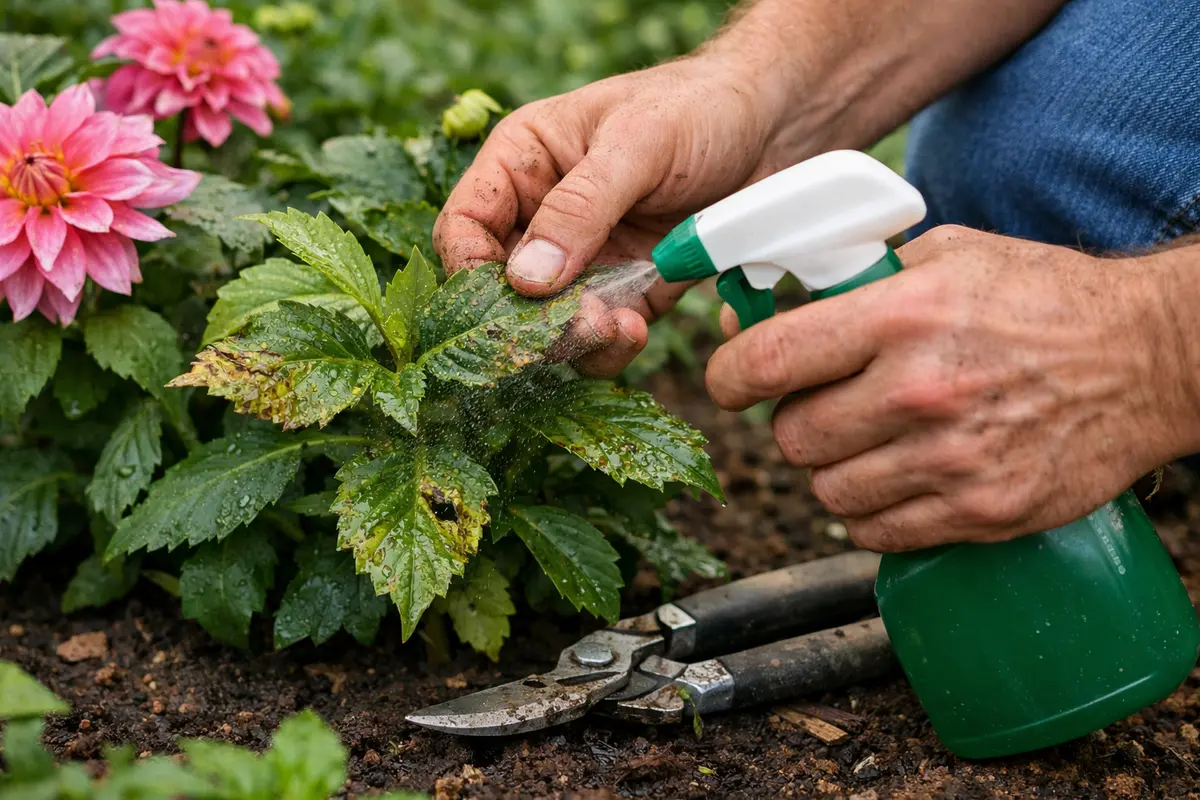
Start by gently removing any affected leaves from your dahlias to help facilitate air circulation and reduce the risk of fungal infections. This action should prompt your dahlias to show signs of recovery, such as new leaf growth emerging from the cut areas within a week or so.
The recovery timeline for dahlias after heavy rainfall can be around two to four weeks, depending on growing conditions. If your dahlias are basking in full sunlight and receive adequate warmth, they are likely to develop new foliage more quickly. Conversely, if the plants remain in shaded areas with poor drainage, you may observe slower regrowth.
Avoid the mistake of overwatering or over-fertilizing your dahlias during the recovery period. Providing too much water can lead to root rot, while excessive fertilizer can harm the delicate new growth. If you notice yellowing leaves that signify nutrient burn, reduce your fertilizer application immediately.
This recovery phase is crucial as it plays a vital role in restoring the plant’s vitality and preventing any future infections. Newly emerging leaves typically appear lighter green and less symptomatic, suggesting an effective response to treatment. The conditions during recovery—such as adequate sunlight, moderate watering, and good air circulation—will also significantly influence how quickly your dahlias bounce back. If you observe ongoing wilting or spotting even after treatment, you may need to reconsider your treatment approach or increase surrounding air circulation by pruning dense foliage. Poor air circulation often hampers recovery efforts and fosters a humid environment conducive to renewed fungal growth.
It’s vital to be cautious during this recovery phase not to over-fertilize, as applying excessive nitrogen can spur excessive leaf growth, leading to vulnerabilities to subsequent fungal infections. Focus instead on ensuring that existing foliage is healthy and free from additional stressors. Keep an eye out for any subtle signs of recurrent issues; if the leaves begin to exhibit increasing necrosis even after applying fungicides, it might indicate a need to consult a gardening expert for alternative treatments. You may also find that some fungicides require repeated applications to be effective against persistent fungal strains, which underscores the importance of strict adherence to treatment protocols.
Step 4 – Water Upright Dahlias Following Heavy Rain
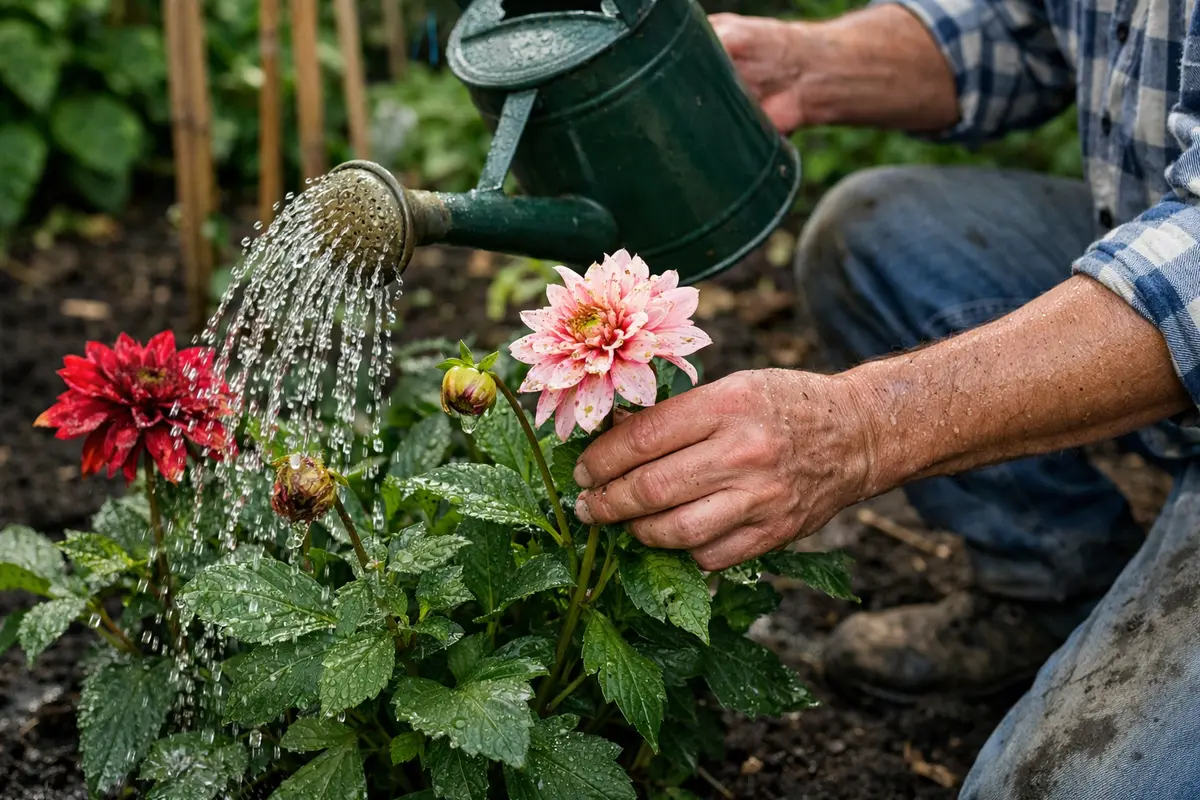
Start by implementing proper drainage around your dahlias by creating channels or using raised beds to divert excess water. This will reduce standing water and moisture retention, helping to prevent spots from developing on the flowers.
Heavy rainfall creates conditions for fungal diseases, like Botrytis blight, which thrives in wet environments and leads to unsightly spots. By ensuring optimal drainage, you disrupt this cycle and significantly reduce the likelihood of these diseases taking hold, allowing healthy blooms to flourish instead.
In areas with high rainfall, consider applying a layer of mulch to manage moisture levels and regulate soil temperature. If you notice spots persisting even with improved drainage, check for poor air circulation around your plants, as this can also encourage fungal growth.
This method is particularly vital as constant moisture and loose soil can precipitate root rot, along with further leaf spot occurrences after heavy rainfall saturates the ground. Also, monitoring soil pH levels and using mulch can assist in regulating moisture retention while enhancing drainage. Maintaining a proper pH level between 6.0 and 7.0 ensures that dahlias avoid stress, which is critical during recovery. To check soil moisture, insert your fingers into the top inch of the soil; if it’s dry, it’s an excellent indicator that re-watering is necessary, particularly after prolonged dry spells.
Be ready to adjust your watering routine in accordance with the changing seasons. For example, during hotter summer months or following extended rainfall periods, monitoring moisture levels every few days becomes necessary. Overwatering during these critical times can result in root suffocation and a greater propensity for disease, so ensure the soil is allowed to dry slightly to maintain health. In times of excessive humidity or torrential rain, implementing drainage channels can be a proactive measure, directing excess water away from the root zone and significantly enhancing the chances of long-term plant health.
Step 5 – Check for New Spots on Dahlias Regularly
Start by checking your dahlias within a few days after heavy rainfall for signs of water damage, including wilted leaves or darkened spots on petals. Continuously observe the soil around the base of the plants for excessive moisture or pooling, both of which can lead to root rot. Re-evaluating these conditions every few days will help you gauge any changes in the leaves or overall structure of the plants, allowing for timely care adjustments as needed. Staying vigilant during this recovery phase is essential to safeguarding against re-infection.
A fully recovered dahlia will boast vibrant colors, healthy green leaves, and firm petals, contrasting sharply with the earlier symptoms of browning edges or mushy spots. If you discover a resurgence of any symptomatic signs, particularly wilting or decay, check for sudden loss of firmness in the petals or wilting leaves even when conditions seem favorable, such as adequate sunlight and airflow. If not this, check for signs of fungal infections, like new fungal spots or mildew developing on surfaces, indicating that the situation may still be unresolved.
If the issue persists despite your diligent care, consider another adjustment to your watering schedule to ensure that the soil dries adequately between rainfalls. Proactive watering checks can dramatically reduce the recurrence risk of pathogens. Additionally, apply a fungicide upon noticing returning fungal growth or rot taking hold; however, seek professional assistance if the condition escalates. Timing and repetitions in treatment are critical, as severe fungal issues may require considerable tactical adjustments in care routines.
A truly well-recovered dahlia will exhibit vibrant foliage without any discoloration, confirming that previous issues have been effectively addressed. Key indicators of successful recovery include robust stems, intact leaf surfaces, and the absence of new spot formations. Continue to provide your dahlias with the necessary care to allow them to thrive, keeping a vigilant eye on their health. Cross-referencing plants on either side of the infected ones can also give insight into early warning signs; if adjacent healthy plants begin to show symptoms, it indicates that the infection may not have been sufficiently controlled. Consider integrating regular sanitation practices, like removing fallen leaves and debris, to reduce fungal spores that can lead to reinfections.
FAQ
How long will it take for my dahlias to recover from the leaf spots?
The recovery timeline for dahlias typically spans 2-3 weeks, depending on conditions and treatments. After applying a fungicide and adjusting care routines, you may notice some improvements within a week as new foliage shows signs of life. Nevertheless, in more severe cases where extensive damage has occurred, it may take longer for the plants to regain a healthy and normal growth pattern.
Can leaf spots spread to other plants in my garden?
Yes, fungal leaf spots can easily spread to other plants in proximity. The transmission of spores can occur through water droplets or wind, making it essential to maintain proper plant spacing and promptly remove any infected debris to protect the overall health of your garden. Implementing a consistent cleaning routine—including sanitizing tools between different plants—can significantly minimize the risk of spread.
Should I remove the affected leaves from my dahlias?
Yes, you should remove the most heavily affected leaves to prevent the spread of the infection. Use clean, sterilized gardening scissors to cut them off at the base, and ensure to dispose of them away from your garden to minimize any risk of re-infection. Additionally, disinfect the scissors after each cut to prevent transferring pathogens from one plant to another, ensuring proper hygiene as you maintain your dahlias.