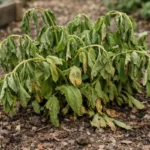
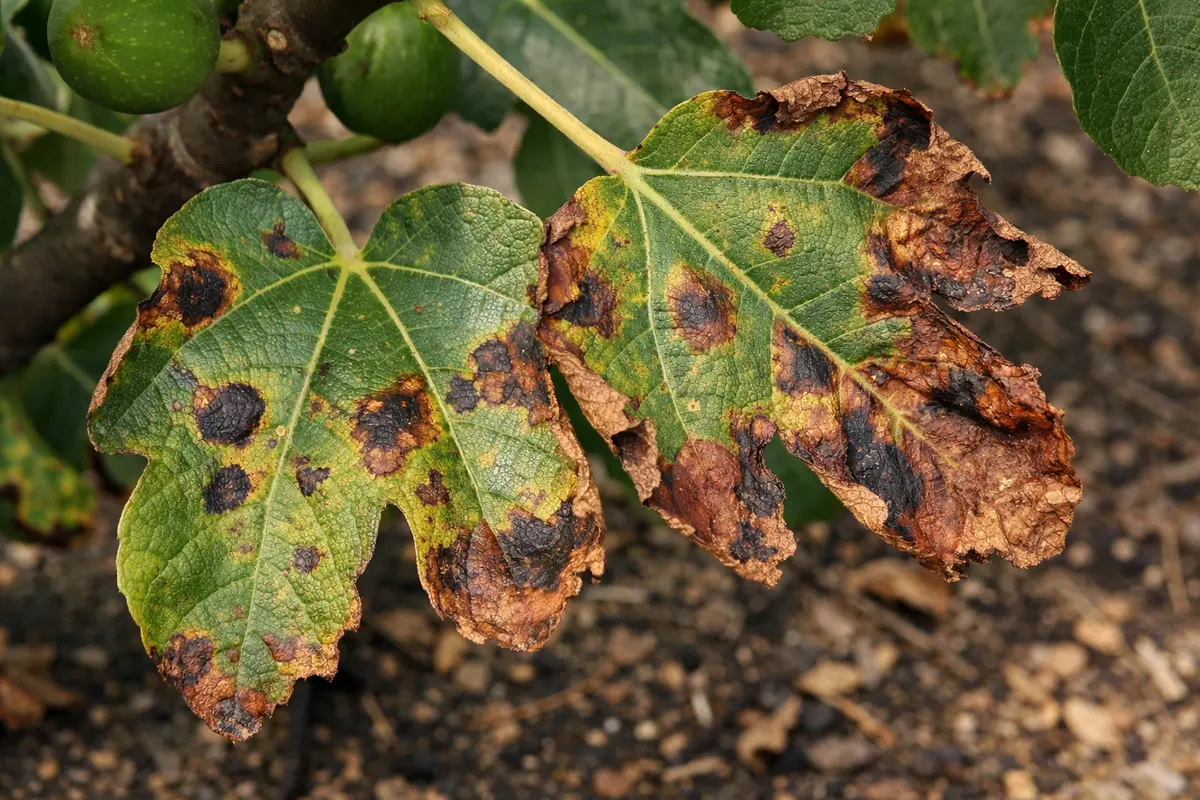
You may notice unsightly spots forming on your fig tree leaves during the humid days leading up to harvest, which is why you need to know how to treat bacterial blight on fig trees before harvest. This bacterial infection causes yellowing and wilting, leading to unsightly damage and reduced crop quality. If left untreated, the condition gets worse, weakens the plant, and can lead to more damage, so it’s crucial to inspect and remove affected areas now to improve the plant’s health and yield.
Step 1 – Prune Infected Fig Leaves Before Harvesting
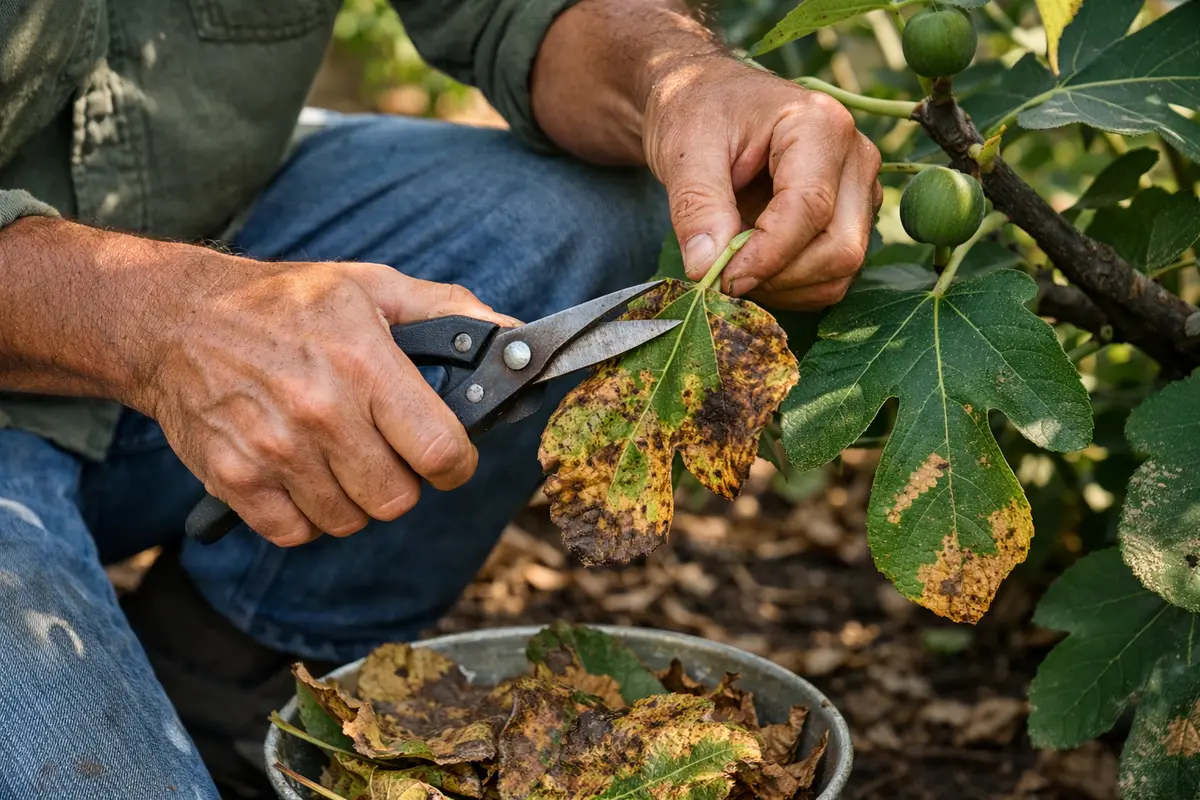
Begin by pruning any visibly infected leaves from the fig trees immediately. This action will reduce the spread of bacteria and stop further damage, allowing healthier leaves to flourish. Aim to remove all infected tissue at the first signs of disease, cutting back to at least 2 inches below any visible lesions to ensure complete removal of the bacteria.
Prompt pruning is crucial because fig trees are susceptible to rapid infections and the pathogen spreads through water splashes or physical contact. Removing the infected parts reduces the overall bacterial load on the tree, which is vital for its health during the stress of the harvest season. In cases of heavy leaf loss, the tree may be unable to produce adequate fruit, ultimately affecting your yield. If left unaddressed, the blight can spread to other leaves and branches, exponentially increasing the risk of widespread damage.
Many gardeners mistakenly believe that simply removing the worst leaves suffices. However, it’s essential to check each branch thoroughly; if you only focus on the most obvious signs, you might miss hidden infections that can worsen over time. For instance, if it suddenly rains or humidity rises shortly after, the unaddressed parts could further exacerbate the problem. Regularly examining the underside of leaves is important as early signs of infection often go unnoticed there—look for darker patches or a slick texture indicating the presence of bacterial ooze.
Step 2 – Evaluate Leaf Spots for Bacterial Blight
Start by inspecting your fig tree for any dark, water-soaked spots on the leaves or fruit. If you notice these symptoms, promptly remove and destroy the affected plant parts to prevent the spread of bacterial blight, resulting in a healthier tree and improved fruit quality.
Bacterial blight is caused by the bacterium Xanthomonas campestris pv. ficus, which thrives in warm, moist environments. When the bacteria infect the leaves, they disrupt the plant’s vascular system, leading to wilting and dieback of tissue. In contrast, if the foliage appears crispy and brown but lacks moisture, this could indicate dehydration rather than bacterial infection.
If the soil has a sour smell, it indicates anaerobic conditions that can worsen bacterial issues; improve drainage and modify the soil with organic matter. Alternatively, if you notice lesions that resemble those from bacterial blight but appear more sunken or darkened, consider checking for fungal infections, which require fungicidal treatments instead.
This step is crucial because understanding whether the leaf spots are indeed bacterial blight helps in effectively managing the conditions affecting your fig trees. Bacterial blight thrives in warm, wet environments, particularly when there is poor air circulation and high humidity—factors that you can control with your garden practices. Ensure your trees are adequately spaced to allow for air circulation, as this environment limits bacterial proliferation. Misdiagnosis can lead to ineffective treatments, which prolong the issue; be cautious of treating a bacterial issue with antifungal solutions, as these will do little to combat the blight. Repeated wet leaf surfaces sometimes precede lawn fungus after evening watering in.
If you notice the leaf spots are angular and have a yellow halo, these indicate bacterial blight; however, if the leaves simply appear browned but firm, it may be due to other stresses like drought or nutrient deficiency. If you’re unsure, it’s wise to take a closer look or consult a local extension service for assistance before proceeding with treatment. Observe the growth pattern of the lesions over a few days; if they expand significantly during this time, it’s a clear indication of bacterial action and confirms the need for intervention.
Step 3 – Test Fig Tree Leaves for Blight Symptoms
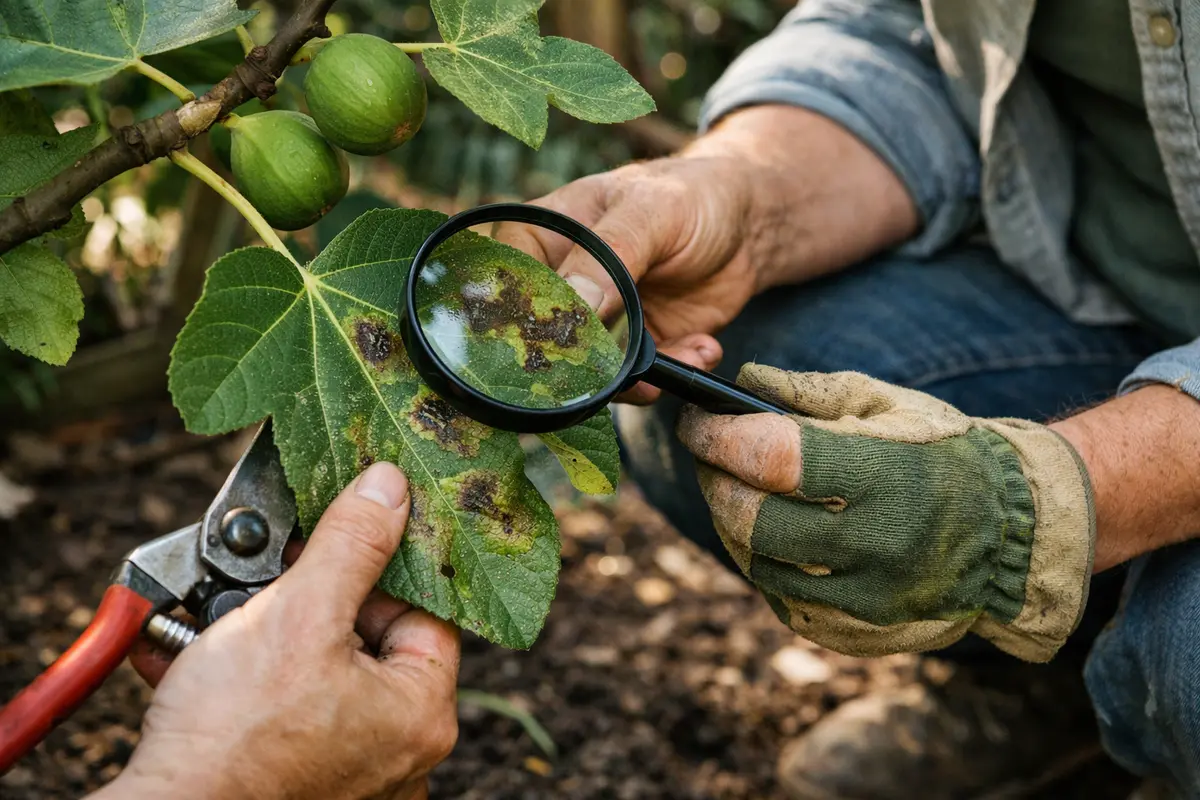
Inspect the leaves closely for the specific symptoms of bacterial blight. This step will reveal confirmed signs such as water-soaked spots that expand over time and can lead to leaf drop. Conduct your inspection early in the morning when dew is still present, as wet conditions can magnify signs of disease and help distinguish between bacterial blight and other leaf conditions.
Identifying these symptoms is fundamental because bacterial blight presents in ways that can be confused with other diseases. Unlike fungal infections, which often present as powdery residues or fuzzy growth, bacterial blight symptoms are more watery and oozy in appearance. You should anticipate that symptoms will become harsher in warm, humid weather, as these conditions allow the bacterial system to thrive. This distinction is vital as it dictates your treatment method—using antifungal treatments would be ineffective for a bacterial problem. As you observe lesions, take note of their patterns; those that are irregularly shaped and expand rapidly signal a higher bacterial load, necessitating swift removal.
In cases of uncertainty about the diagnosis, a helpful next step includes allowing the leaves to remain on the plant for a few more days. Observing if any lesions spread can provide a clearer distinction between blight and other conditions, which aids in deciding the right treatment path. Additionally, look for shedding leaves, which often indicates a severe infection. If this is the case, removal and improving air circulation around the tree become even more critical and urgent.
Step 4 – Water Fig Trees Deeply for Disease Recovery
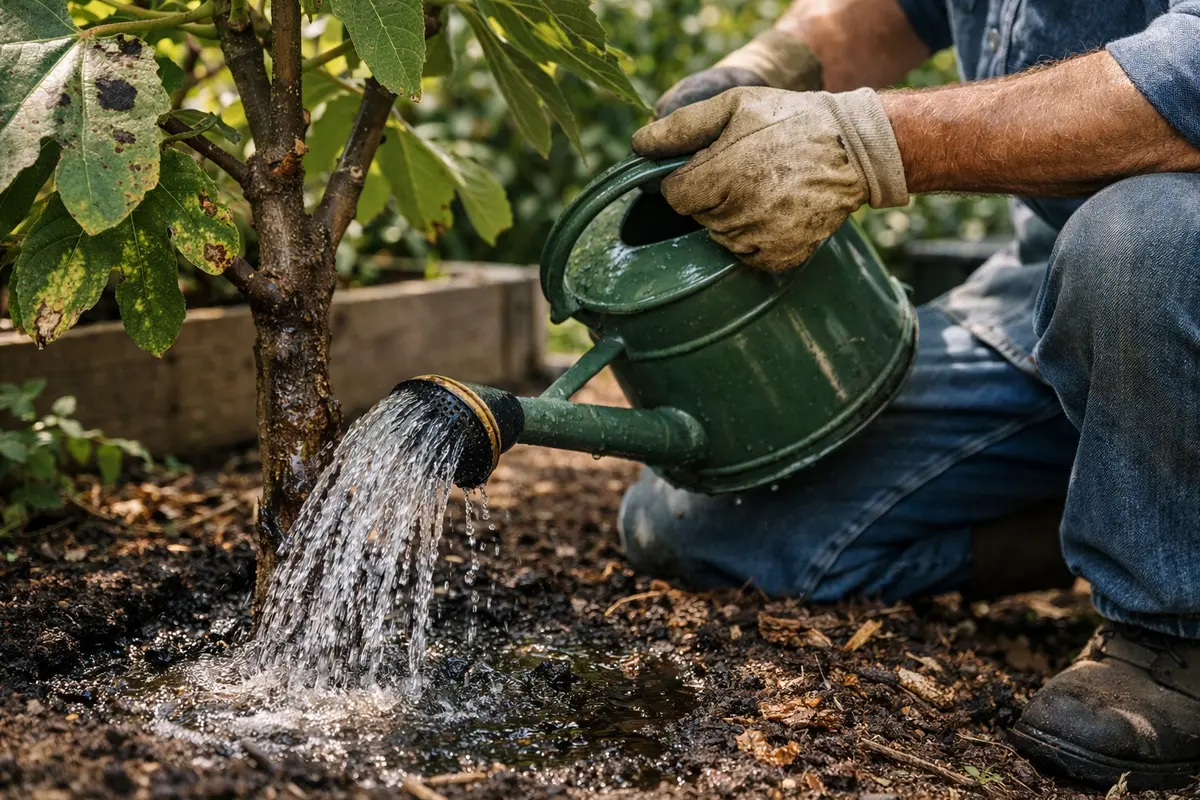
Water the fig trees deeply and ensure the soil is well-drained during recovery. You will notice that watering helps the trees regain some turgor and strengthen the remaining foliage. Aim for at least 2 to 3 inches of moisture penetration into the soil, focusing on the root zone to prevent the top layer from drying out quickly.
Deep watering encourages the roots to grow deeper, which fosters healthy growth while minimizing surface complications from remaining bacterial infections. Beneficial results are most noticeable within a few days as the leaves begin to perk up, indicating that they are receiving adequate moisture and nutrients. Insufficient watering might exacerbate stress and delay recovery, leaving trees vulnerable to further infection. It’s also essential to schedule watering early in the day; this practice minimizes leaf moisture during the night, reducing conditions favorable for bacterial blight.
However, a common mistake gardeners make during the recovery phase is over-watering, believing that more water will speed up healing. This can lead to root rot, where soil saturation drowns the root system, and the tree becomes more susceptible to further diseases. Monitoring the soil for adequate moisture, ensuring it’s moist but not soggy, is key in this stage. An easy test involves inserting a finger or a small stake into the soil; if it comes out muddy or dripping, the soil is overly saturated and should be left to dry out before the next watering.
Step 5 – Protect Figs from Blight During Rainy Seasons
Start by spraying your fig trees with a copper-based fungicide every two weeks during the growing season. This routine will reduce the incidence of bacterial blight and help your trees produce healthier fruit by harvest time.
Environmental conditions such as high humidity and poor air circulation often trigger the recurrence of bacterial blight. By routinely applying fungicide and ensuring proper spacing between trees, you create an environment that discourages the disease. If you notice leaf scorch or wilting, check for these conditions immediately to address potential issues early.
During periods of particularly wet weather or high humidity in late summer, increase the frequency of fungicide applications to weekly. Additionally, adding a layer of mulch around the base of the trees can help retain moisture without creating overly damp conditions that promote blight development.
Bacterial blight thrives in moist environments; therefore, a routine that includes adjusting irrigation practices and increasing airflow around the trees is crucial. Mulching around the base without getting it too close to the stem can help preserve soil moisture while preventing excess water from staying too long on the leaf surface after rains. Over-mulching can trap moisture and exacerbate disease issues; thus, a good rule of thumb is to keep mulch about 2–4 inches away from the base of the tree.
Moreover, if the rainy season is particularly long or heavy, consider using a registered copper fungicide as a preventive measure after consulting with local agricultural extensions. These fungicides can help manage the existing threat while providing a barrier against potential infection. Pay attention to specific weather changes and adjust care accordingly; for instance, a forecast predicting extended rain will require more frequent inspections and possibly additional preventive applications.
Step 6 – Inspect Fig Fruit for Any Signs of Blight
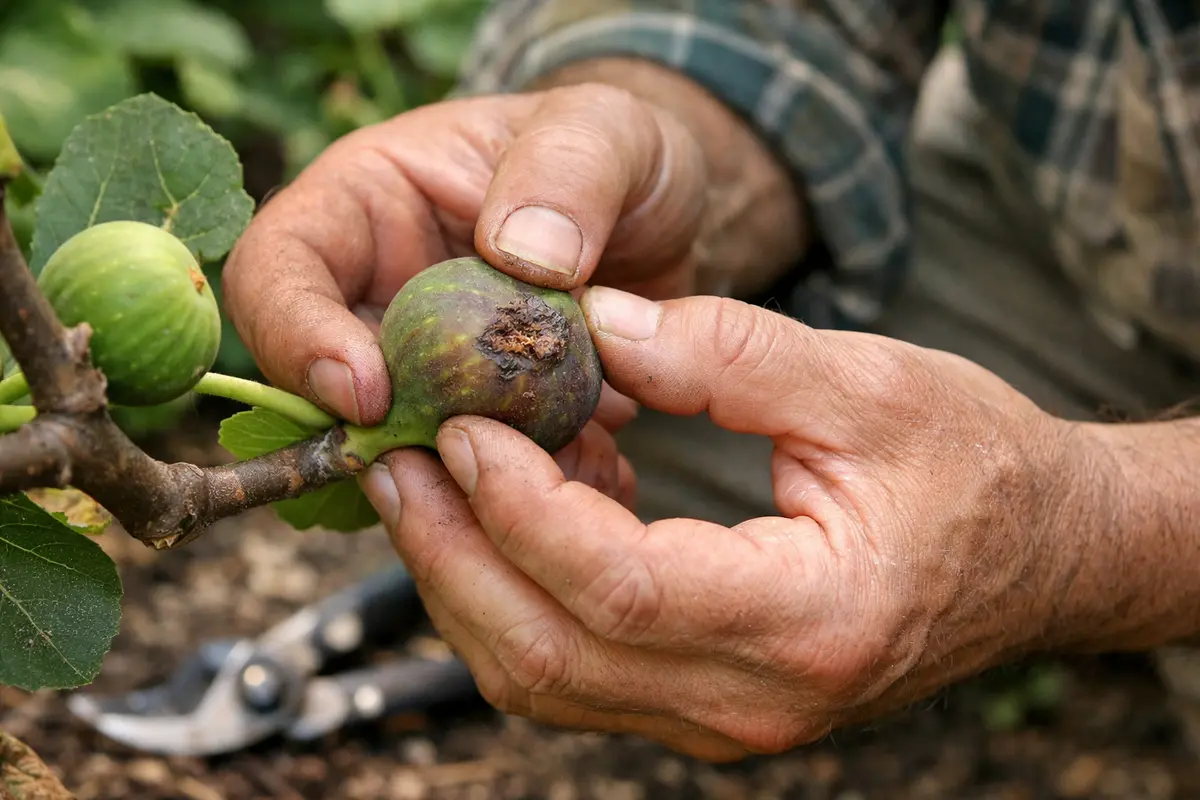
Check the fig fruit regularly for any early signs of bacterial blight or other problems. You should look for discoloration or soft spots on the fruit which indicate that the infection may have traveled down to the developing figs. At this stage, intervention is critical, as fruit quality can diminish rapidly if left unchecked. A healthy fig will typically exhibit vibrant colors and firm texture, while affected fruits will feel mushy and potentially develop dark patches on their exterior.
Monitoring the fruit closely allows you to take preemptive measures before the issue becomes widespread, especially since fig trees can be prone to infections during the final growth stages when they are most stressed from fruit production. Aim to inspect the fruit every few days, particularly during peak ripening periods, when fruits are more susceptible to pathogens. Proactively removing any fruit that shows signs of infection can significantly influence your overall harvest results.
If you notice that the fruit starts showing lesions, do not panic—act quickly by removing affected fruit to prevent spreading. You might also want to consult with local experts for refining care to ensure plants can handle the additional stress from fruiting. This is particularly essential if multiple fruits show signs of decline as it often indicates that systemic treatment may be necessary in addition to immediate corrective actions.
FAQ
How long does it take for fig trees to recover from bacterial blight?
Recovery from bacterial blight can vary significantly based on environmental conditions and how promptly the issue is addressed. Typically, you can expect visible improvements within two to three weeks if proper care measures are taken to combat the problem immediately. Consistent monitoring during this period is crucial for evaluating the tree’s health and making further adjustments as necessary.
Can bacterial blight spread to other plants?
Yes, bacterial blight can easily spread to nearby plants through water splashes or contact with tools used on infected trees. To limit the risk, always sanitize tools after working on infected trees and avoid overhead watering during wet conditions, which can facilitate the spread of bacteria to uninfected plants.
Should I remove all infected fruit from the tree?
Yes, all infected fruit should be removed to prevent the spread of bacteria. This action will help protect the rest of your harvest and promote overall tree health. Additionally, it’s wise to handle infected fruits carefully—dispose of them away from the growing area to minimize recontamination risks.