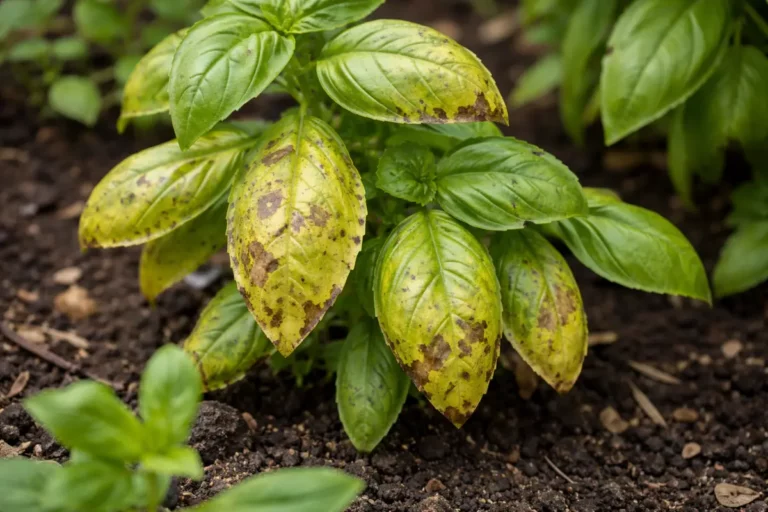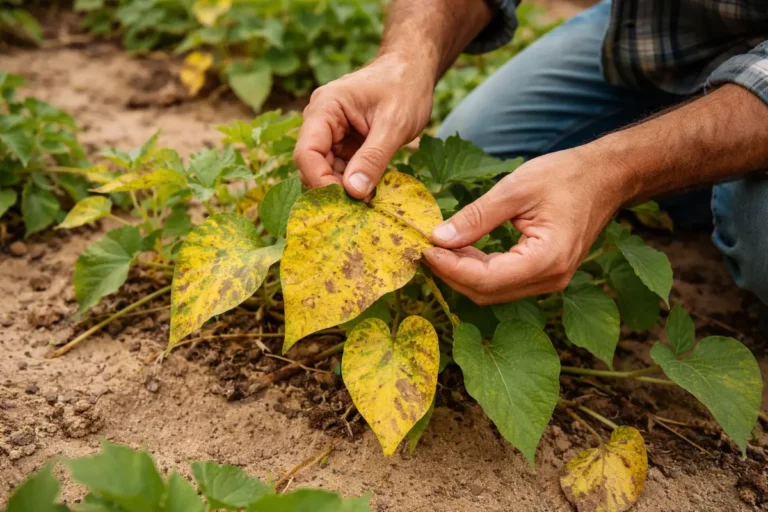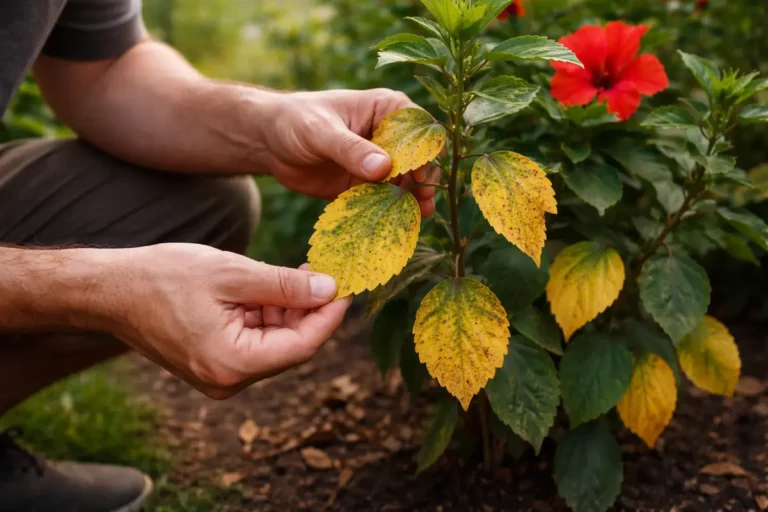
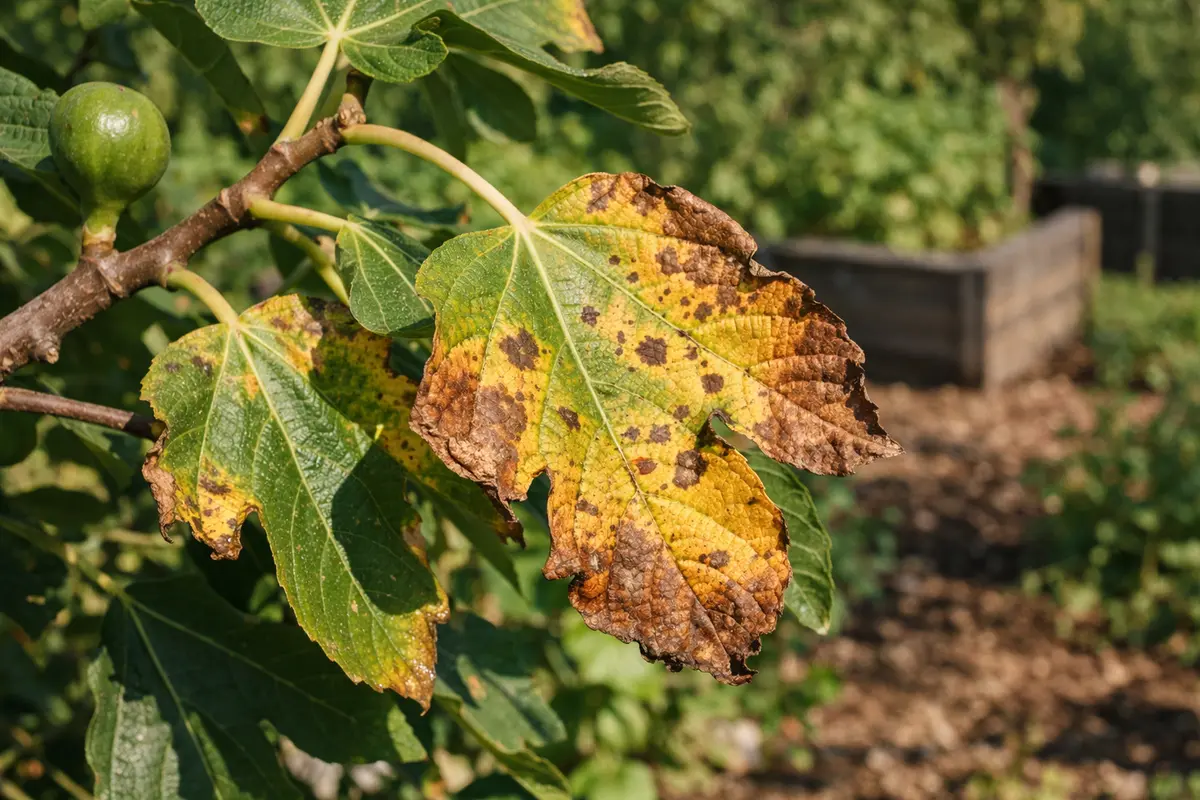
You may notice your fig trees sporting yellow leaves during the summer months, which is why you need to know what to do when fig trees develop yellow leaves in summer. This yellowing often indicates stress, commonly caused by factors such as improper watering or nutrient deficiencies. If left unaddressed, the condition can worsen, leading to further damage and potentially stalling growth, but fixing it is possible now—just check your watering habits and monitor nutrient levels to improve their health.
Step 1 – Inspect Fig Leaves for Pests
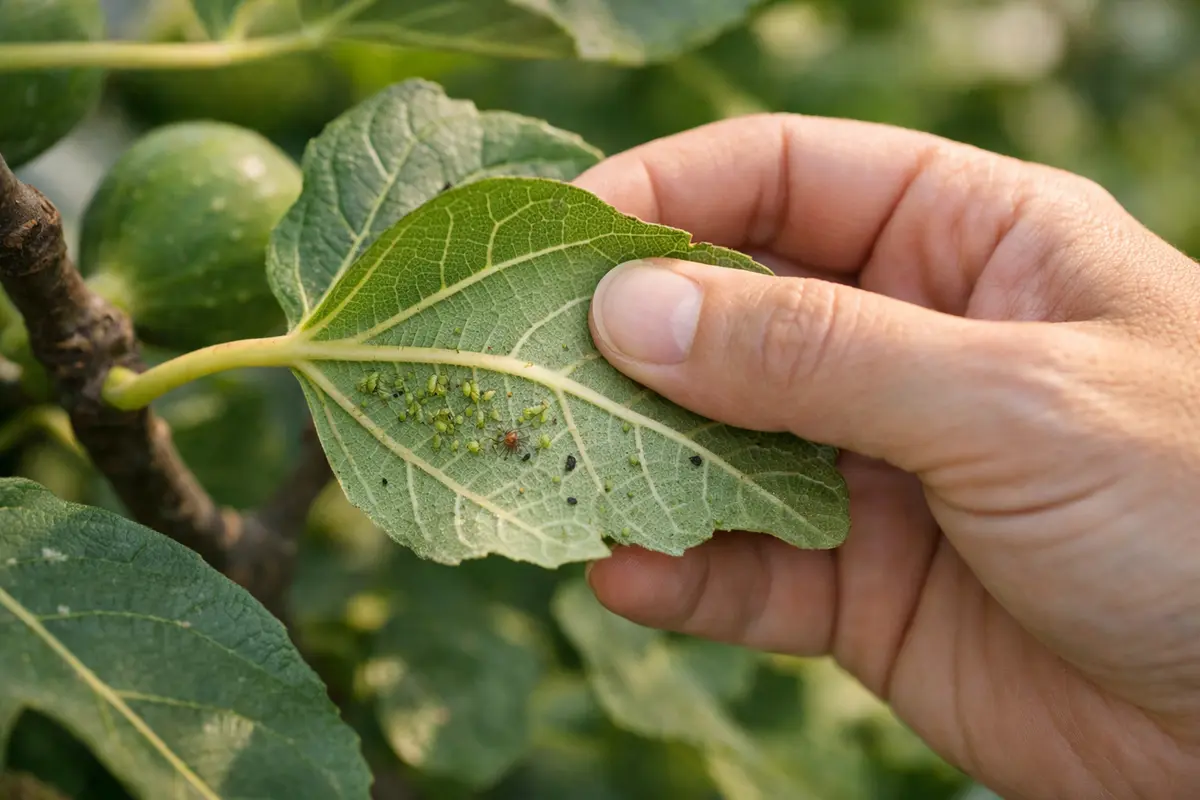
Inspect the leaves for any signs of pests immediately. You will likely notice small insects or webbing present on the affected areas within moments of checking. If you find clusters of tiny insects or silken webs, it suggests an infestation that needs immediate addressing. Focus on both the tops and undersides of leaves to get a full picture.
Acting quickly is crucial because pests can rapidly multiply and spread to healthy foliage. Common pests such as aphids and spider mites feed on the sap of your fig trees, weakening them over time and leading to increased yellowing and leaf drop. Early detection allows you to minimize damage and retain more of your plant’s health. If the leaves appear mottled and sticky, a pest problem is likely starting, indicating the need for intervention. You should also take note of any powdery substance around the base of the tree, which can indicate a more extensive issue, such as a fungal infection. If you are dealing with a related issue, bell pepper leaves covers a similar problem in detail.
A common mistake people make is only looking for visible pests; they may overlook their eggs, which can easily hatch into a larger infestation. If insect presence is minimal, but you notice sticky residue, this often indicates a problem starting to develop and should be treated promptly. Make sure to examine areas where sunlight is blocked, as pests tend to cluster in sheltered spots. If you only treat the top sides, you might miss a larger issue, allowing the infestation to persist and worsen. Using a magnifying glass can help identify smaller pests and their eggs, leading to more effective remedial actions. If no pests are found, check for signs of disease such as dark spots or distorted leaves, which could indicate a different type of underlying issue.
Step 2 – Diagnose Nutrient Deficiency in Fig Trees
Test the soil for nutrient levels immediately. You will see signs of either nutrient deficiency or imbalance reflected in your leaves’ color and texture shortly after applying the test. During this inspection, look specifically for color changes; a general lightening, especially in older leaves, often signals nutrient insufficiencies. Monitoring leaf spot patterns can also help indicate which nutrient might be lacking — for instance, interveinal chlorosis is typically a sign of magnesium deficiency.
Yellowing leaves can signify a nitrogen deficiency, which is vital for healthy leaf growth. If your plants lack essential nutrients like nitrogen, potassium, or magnesium, they cannot photosynthesize efficiently, leading to decreased vigor and fruiting capacity. Soil tests can reveal nutrient levels, enabling you to adjust your fertilization strategy accordingly. For example, a yellowing observed primarily in the lower leaves often indicates a lack of nitrogen. Conversely, if only new leaves are yellowing, that could indicate a lack of micronutrients.
If your soil appears overly compacted or doesn’t drain well, it may retain too much water, leading to nutrient lockout. If you feel a crusty layer on top of the soil, it is an indication that aeration is necessary. In such cases, consider aerating the soil or adjusting your watering habits to facilitate better absorption. Be cautious of over-compacting the soil around your fig trees, as this can suffocate roots. Alternatively, if you suspect too much fertilizer, look for burned leaf tips or edges — lower leaf tips browning while new growth remains lush can indicate salt buildup. Choose a balanced fertilizer to rectify deficiencies while being careful not to overapply, as frequent testing will inform adjustments in nutrient delivery. If you’re unsure about nutrient levels, consider more comprehensive soil testing; this can include a pH check and organic matter content assessment which directly affects nutrient availability. A related fix is explained in weather direct sunlight if you want to compare approaches.
Step 3 – Apply Balanced Fertilizer to Revive Figs
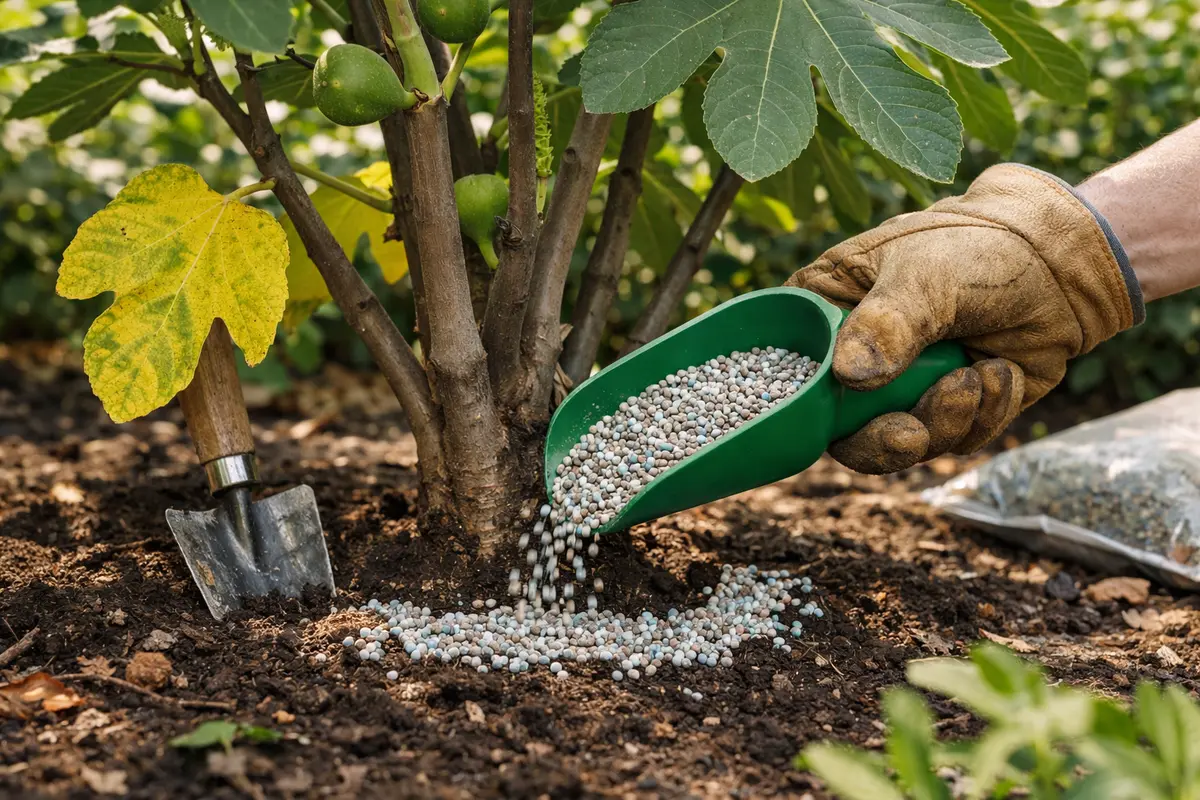
Apply a balanced, slow-release fertilizer to your fig trees right away. You should notice new leaf growth within two weeks if properly nourished. A balanced fertilizer should have a nutrient ratio like 10-10-10, which includes equal parts nitrogen, phosphorus, and potassium, supporting overall growth. Ensuring proper time intervals between fertilizations can also help mitigate the risk of over-fertilization.
Fertilizing your fig trees provides essential nutrients that promote recovery and leaf vitality. A balanced fertilizer will ensure the trees receive nitrogen, phosphorus, and potassium, critical for root growth, flowering, and fruit set. Regular use will facilitate greater photosynthesis and improve the overall health of the trees. When applying, be sure to follow the guidelines provided by the manufacturer, as application times may vary based on the type of fertilizer used and the trees’ specific conditions. Early spring is typically the ideal time to begin fertilization, with a mid-summer boost to enhance recovery and fruiting potential.
A crucial mistake during this stage is over-fertilizing, as this can burn the roots and lead to further yellowing. A good rule of thumb is to follow the manufacturer’s instructions on dosage carefully. For the best results, apply fertilizer evenly and avoid placing it directly against the trunk to prevent root burn. If the plant appears to worsen after fertilizing (e.g., further yellowing and wilting), consider switching to a slower-releasing or water-soluble formula to improve rapid nutrient uptake. Additionally, ensuring the fertilizer is adequately watered in can prevent root burn while promoting absorption. In cases where yellowing persists despite fertilization, a woody or tough appearance of leaves may suggest an underlying issue unrelated to nutrients, like groundwater quality or soil saturation. For a closely related scenario, see yellowing leaves shallot.
Step 4 – Water Consistently to Prevent Yellowing
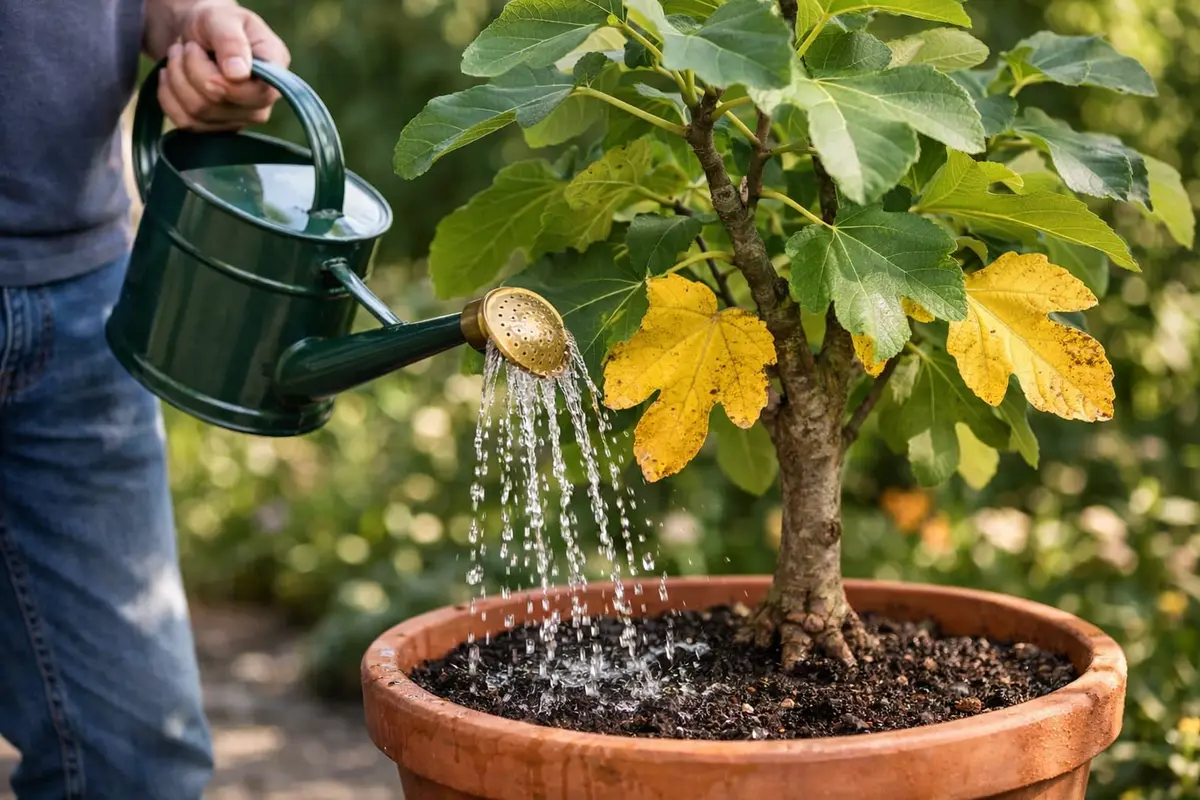
Start by ensuring your fig trees receive consistent watering, providing about an inch of water weekly. This routine helps prevent yellowing leaves and will maintain the tree’s hydration, reducing stress during hot summer months.
Environmental conditions such as inconsistent watering, excessive heat, or poor soil drainage can trigger yellow leaves. When irrigation is irregular, trees can show distress, while trees with stable watering regimens maintain vibrant foliage. If not consistent moisture → check your local rainfall and adjust your watering schedule accordingly. Keep an eye on the soil moisture level; if the top inch feels dry, it’s time to water again.
During particularly hot spells, increase watering frequency slightly, but avoid oversaturation. Additionally, apply a layer of mulch to retain soil moisture and regulate temperature, which adds another protective measure against stress-related leaf discoloration. Consistent watering ensures that the soil remains evenly moist, aiding nutrient uptake and helping your fig trees remain hydrated, particularly during hot summer months. An erratic watering schedule can lead to stress, resulting in further yellowing of leaves. If your fig trees are wilting or dropping leaves despite regular watering, it may indicate root rot or overwatering, rather than underwatering. Check for any slumping of the trunk or darkening of the bark, which can signify poor health stemming from overwatering.
In particularly dry spells, consider using mulch to conserve soil moisture and regulate temperature. Arrange a layer of organic mulch around the base of each tree, which can also help suppress weeds and promote healthier root growth. If the mulch retains moisture effectively, you may be able to extend your watering intervals. Alternatively, during periods of heavy rain, adjust your watering schedule to prevent root rot, as fig trees dislike soggy soil. Be vigilant during sudden weather changes, as transitioning from drought to heavy rains can confuse your tree’s water uptake system, and its roots may suffer if waterlogged. If soil remains soggy for extended periods, it may be worth drenching with water to displace excess moisture and encourage better drainage. For best results, regularly observe the tree after weather events, looking for signs of both drought stress and over-saturation, which may require further adjustments in care.
Step 5 – Check Fig Trees for Leaf Changes Weekly
Start by inspecting your fig tree every few days, focusing on the leaves to check for changes in color and texture. Look for signs of recovery, such as new growth or leaves regaining their green hue, which indicates improvement. Additionally, recheck your tree weekly to monitor for the reappearance of yellow leaves or any other stress signs, as regular observation will help you catch issues early.
A fully recovered fig tree showcases vibrant, deep green leaves that feel firm to the touch, signaling a return to health. In contrast, if early signs of yellowing begin to emerge again, you might notice leaves that appear wilted or have edges that curl slightly, suggesting potential stress. If the leaves continue to yellow but feel dry and brittle, this indicates a deeper issue that must be addressed promptly.
If the problem returns despite following these care steps, consider adjusting your watering schedule or soil nutrients to better address the underlying concern. Additionally, if yellow leaves spread rapidly or you observe signs of pests, escalate the issue by consulting a local expert or applying an appropriate treatment specifically designed for fig trees.
A fully recovered fig tree will exhibit lush new foliage, and any yellowing should significantly reduce. Document changes like leaf color variation and new growth. Regular checks help catch any returning issues promptly, such as pest infestations, nutrient deficiencies, or watering imbalances. Create a checklist while inspecting: are the lower leaves yellowing? Is new growth perky and vivid? Evaluating leaf undersides and petioles can surface additional insights into pest activity or gall formations that may affect leaf health. If leaf yellowing reappears, try to correlate it with external factors like temperature fluctuations or recent changes to your watering strategy.
If symptoms return despite diligent maintenance, it may be worth consulting with a local horticulturist or pest specialist. This is particularly relevant if you observe multiple trees exhibiting similar yellowing. Regular consultations can provide tailored advice, and if problems persist, a soil test might be necessary to identify any additional underlying issues. Take note if distinct conditions, like leaf curl or profound yellowing across various trees, suggest environmental stressors beyond your control, triggering the need for professional evaluation. Establishing a reliable monitoring routine will allow for timely remedial actions, ultimately enhancing the care your fig trees receive over time.
FAQ
How long does it take for fig trees to recover from yellow leaves?
Recovery can take anywhere from a few weeks to a couple of months, depending on various factors like pest damage, nutrient deficiencies, or environmental stress. Consistent care and prompt action can speed up the process, leading to new growth within weeks. If significant recovery doesn’t show in a month, further investigation may be warranted into underlying issues.
Can pests spread if I ignore the yellow leaves on my fig tree?
Yes, failing to address yellow leaves and potential pest issues can allow infestations to spread to otherwise healthy sections of the tree and even nearby plants. Quick action can help contain and minimize damage, and being preemptive can prevent larger problems from taking root. Early action includes both mechanical removal and treatments tailored to the specific threats identified in your inspection.
Should I remove yellow leaves from my fig tree?
Yes, removing yellow leaves can help improve air circulation and prevent the spread of potential pests or disease. However, only remove leaves showing severe yellowing and no signs of healthy tissue to avoid stressing the plant further. Leaving some yellow leaves intact may still assist with the photosynthesis process if there’s healthy tissue present. As you remove leaves, observe their placement, as they can indicate nutrient distribution issues if they cluster mainly in one area.