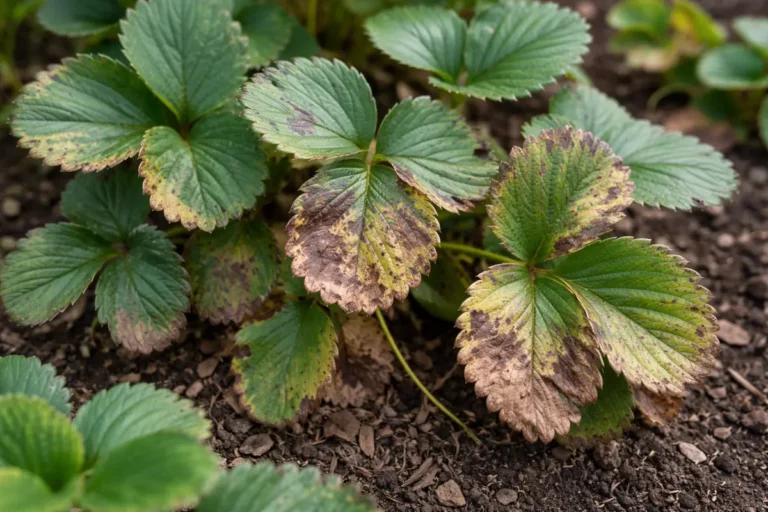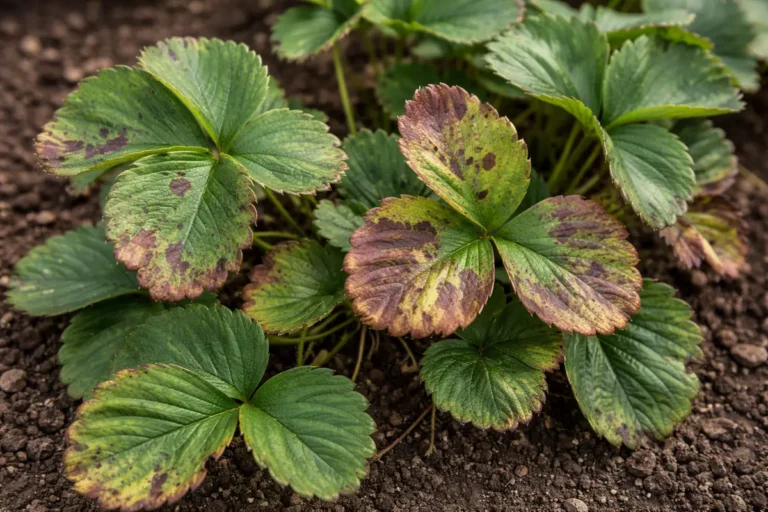
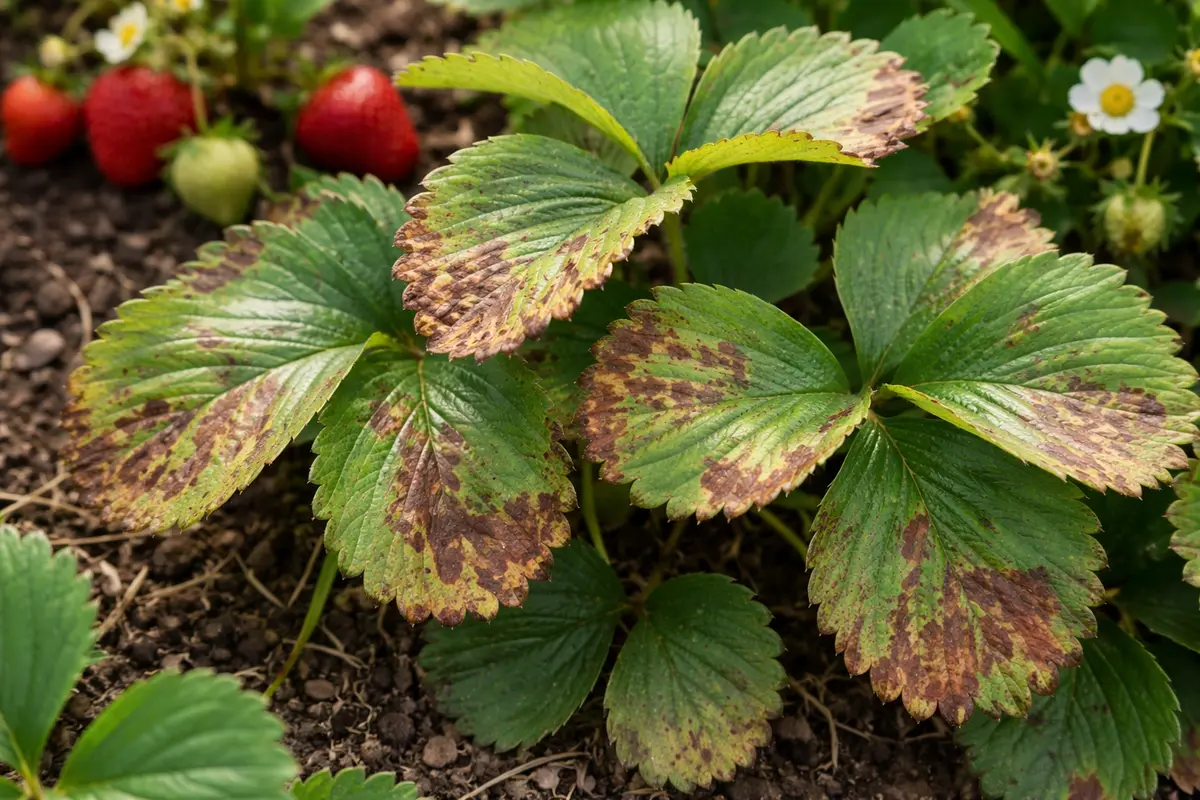
You may notice brown patches appearing on your strawberry plants during hot summer days, which is why you need to know what to do when strawberry plants develop brown patches in summer. This discoloration often results from factors like heat stress or fungal infections, leading to spots that can hinder growth and result in damage. If left unaddressed, the issue can spread, weakening the plant and making it harder to fix, but inspecting and adjusting your care strategies now can improve the situation significantly.
Step 1 – Trim Brown Patches on Strawberry Leaves
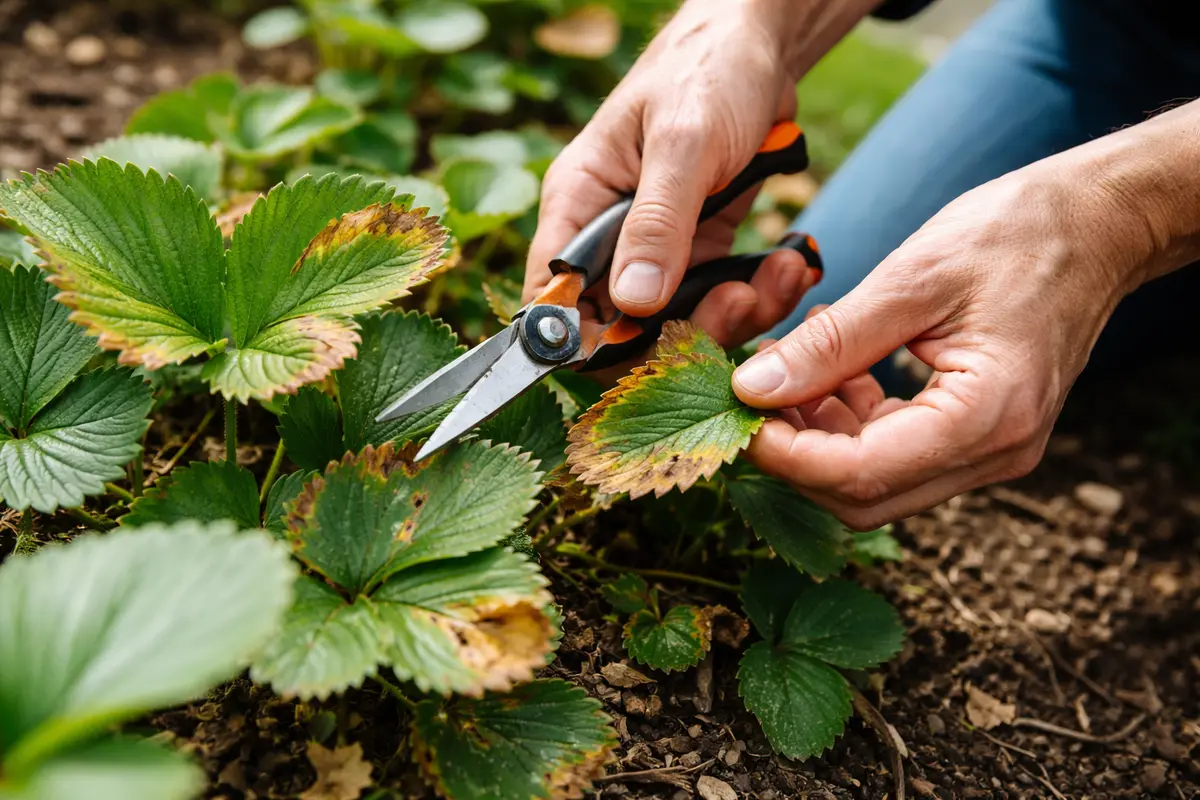
First, inspect the brown patches on your strawberry plants for additional symptoms like wilting or leaf curling. Remove any affected leaves immediately to limit the spread of potential pathogens. You should notice a cleaner plant structure without dead foliage, which will help improve air circulation around the remaining healthy leaves.
Acting quickly is essential because brown patches can be a sign of foliar diseases like leaf spot or fungal infections that thrive in warm, damp conditions. If not addressed promptly, these diseases can spread throughout the plant, leading to wilting and stunted growth. If your strawberry plants exhibit yellowing alongside the brown patches, check for root rot caused by overwatering.
A gardener once delayed removing infected leaves, resulting in a total loss of their strawberry crop that season. In contrast, another grower who promptly acted salvaged most of their harvest by regularly inspecting their plants for emerging symptoms. A common mistake is overlooking early signs of distress, leading to almost complete plant decline before intervention.
Quick action is crucial in this scenario, as leaving the damaged leaves can allow potential infections or diseases to spread to healthier parts of the plant. By removing the affected areas promptly, you help the plant redirect its energy toward new growth instead of trying to repair damaged tissue. This active response also minimizes stress and encourages development of sturdy leaves over time. In the early stages of noticing brown patches, immediate trimming can prevent further deterioration and allow for more vigorous future growth.
A common mistake is not removing enough of the affected foliage. If only a small portion of the damaged leaves is cut away, the underlying cause—be it pests or environmental stress—may still affect the plant. Cutting back extensively can help mitigate any potential issues, but it must be done carefully without stripping the plant of too much healthy tissue at once. For instance, if you only trim the tips of brown leaves, the underlying disease might continue to thrive in less visible parts. Follow up by examining the cut areas for any brown or mottled tissue that could indicate deeper problems requiring more aggressive action. If the remaining leaves still exhibit signs of brown spots, consider applying fungicides or adjusting watering techniques, as these may indicate an ongoing health issue.
Step 2 – Diagnose Diseases Affecting Strawberry Plants
Examine the remaining strawberry leaves for signs of disease or pest issues immediately. You will see a clearer picture of your plant’s overall health, as well as the specific types of stress or disease affecting it now that the damaged foliage is removed. To ensure a thorough check, look on both the top and bottom sides of the leaves, as many pests often hide beneath foliage. If you observe any unusual textures or residues, they could indicate potential trouble, such as powdery mildew or sticky honeydew from aphids.
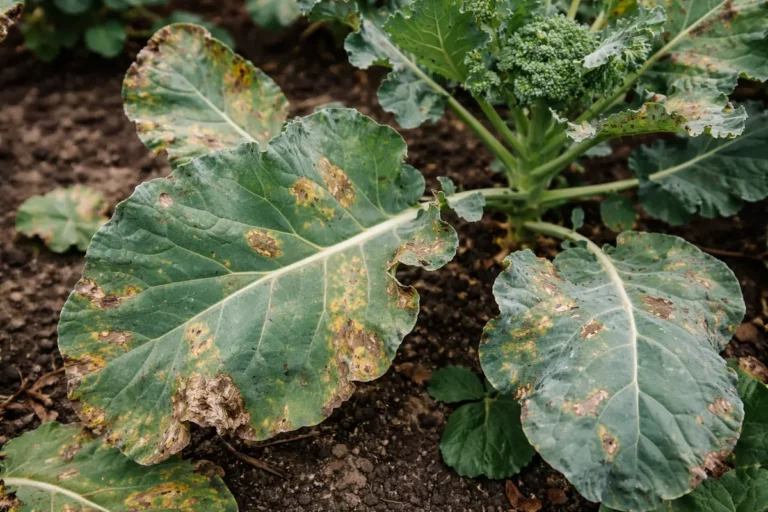
Identifying any diseases, such as leaf spot fungi or brown patch disease, is critical as these issues are often exacerbated by environmental stressors like heat or humidity. If you see signs of mildew or other diseases, prompt action is essential to stop the spread and promote recovery. For example, finding a distinct powdery surface along with leaf spots might suggest powdery mildew affecting your plants, which flourishes under dry conditions with high humidity. Conversely, if you see a sticky residue on the leaves, this might indicate aphid infestations. Your ability to distinguish between these symptoms can dictate the exact treatment strategy to employ. If uncertain about the diagnosis, consider bringing a sample to a local gardening store or extension office for further advice.
If, after your inspection, you notice many leaves with light brown edges but otherwise healthy center tissue, this can indicate a moisture-related issue or potential sunscald from excessive heat. Under these circumstances, overexposure often leads to dehydration stress, which typically manifests as browning across the leaf edges, especially during peak sunlight hours. On the other hand, encountering leaves with a darkened hue accompanied by small black dots may suggest a more severe fungal infection, which requires different management strategies. Each condition requires a different approach, highlighting the importance of accurate diagnosis to guide the subsequent interventions efficiently. If you notice signs that persist despite these initial corrections, you may want to shift focus to root health and soil conditions.
Step 3 – Fertilize Strawberries to Promote Fresh Growth
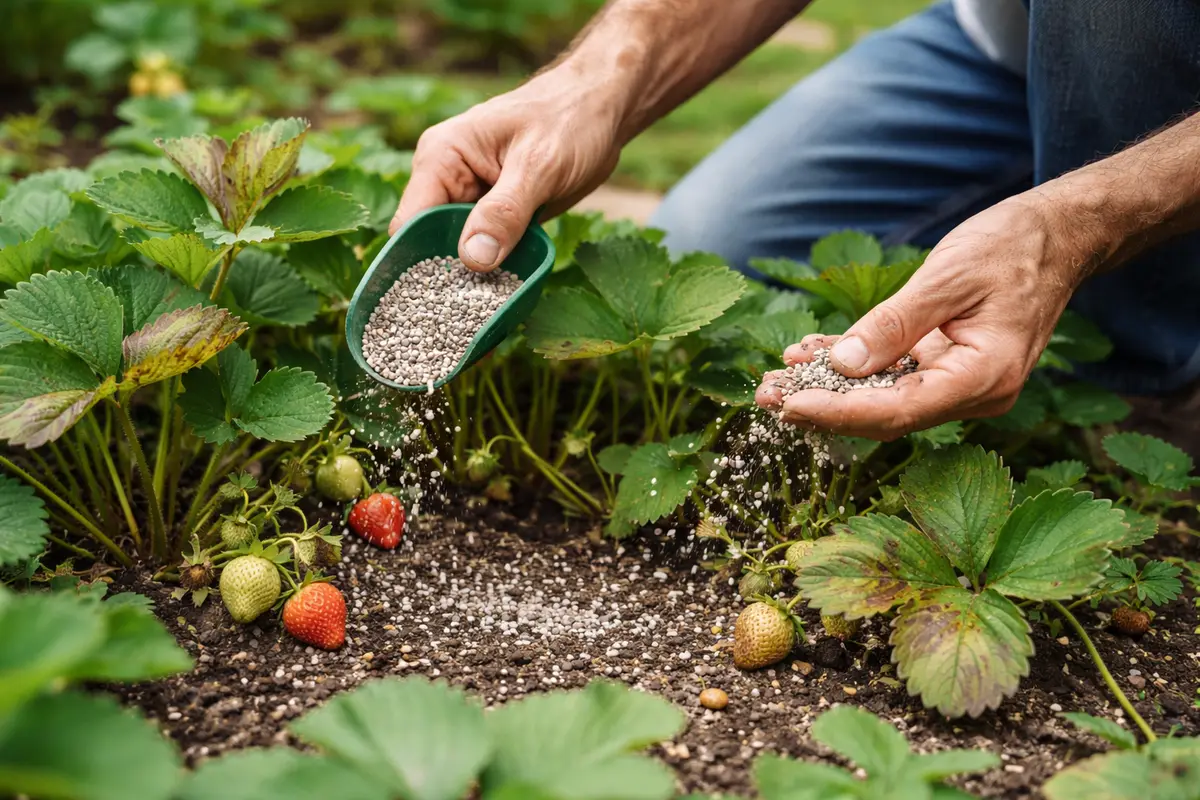
Apply a balanced, slow-release fertilizer around the base of your strawberry plants to encourage recovery. Within a week, you should begin to see new, healthy green growth emerging from the locations where you applied the fertilizer. For best results, follow the package instructions regarding application rates to avoid over-fertilization, as excessive feeding can lead to nutrient burn, which damages roots and hinders growth.
Fertilization is pivotal as it supplies the plants with essential nutrients, specifically nitrogen, phosphorus, and potassium necessary for leaf and root development. Young plants and those under stress can benefit significantly from additional nutrients, particularly following severe heat stress, as their energy reserves may be depleted. The new growth indicates the plants are responding positively to the added nutrition as their overall vitality improves significantly. Additionally, incorporating organic matter into the soil structure can enhance nutrient uptake and retention of moisture, benefiting longer-term plant health.
A mistake many gardeners make is applying too much fertilizer too quickly, thinking that more will yield faster results. However, over-fertilization can lead to nutrient burn, damaging roots and sabotaging recovery efforts. Instead, working in moderate amounts regularly through split doses over several weeks can ensure continued nutritional support without risking plant health. When applying, check for symptoms like leaf curling or browning at the edges; these may indicate nutrient overdose rather than increased growth. If symptoms persist beyond the initial recovery phase, consider consulting with a plant nutrition specialist for tailored advice. Regular soil testing can provide valuable insights into nutrient levels to enhance fertilizer efficiency further.
Step 4 – Water Deeply to Prevent Summer Stress
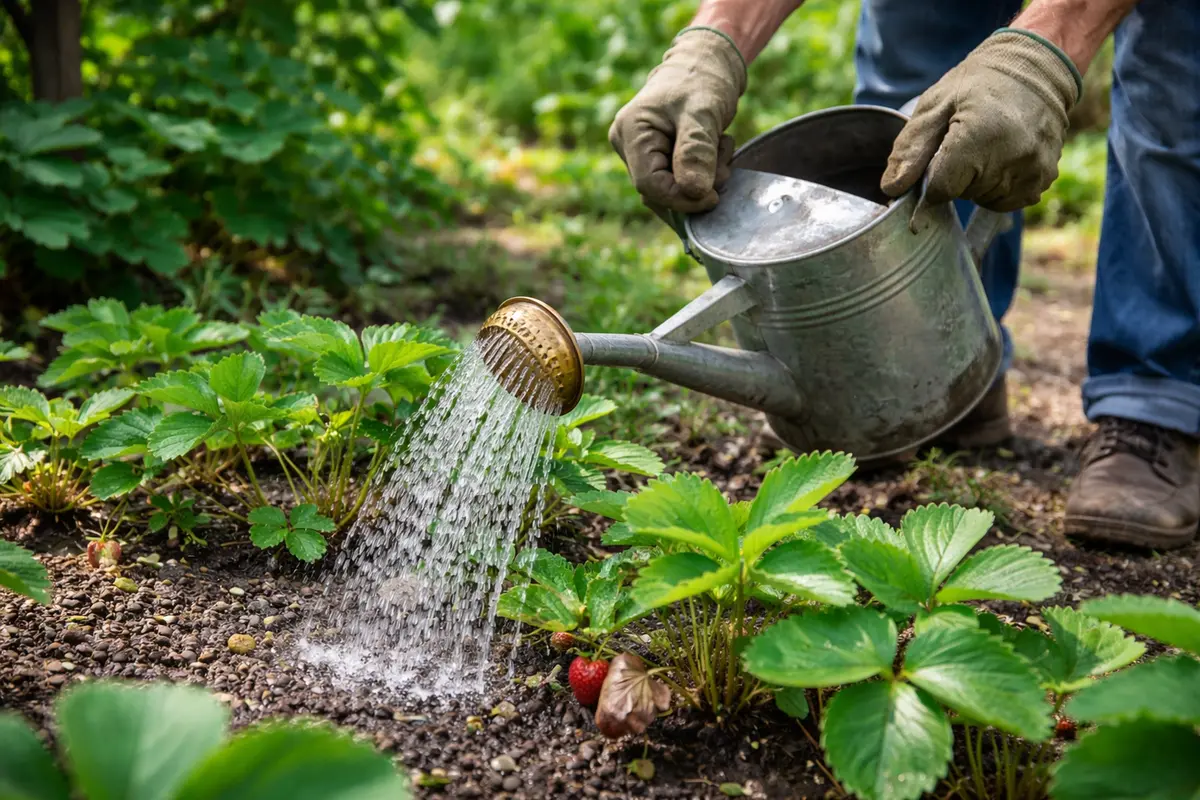
Water your strawberry plants deeply at least once a week to ensure the roots receive adequate moisture. The soil around the plants should feel moist to a depth of 6 inches; achieving this will stabilize plant health and minimize stress. This practice helps establish a robust root system that can support the plant during periods of drought and excessive heat. During particularly hot spells, checking that moisture seeps deep into the soil encourages roots to establish downwards instead of remaining shallow, where they are susceptible to drying out.
Deep watering helps the roots grow stronger and encourages them to penetrate deeper into the soil, which is invaluable during hot summer months. In situations where shallow watering occurs, roots may remain near the surface, making them more susceptible to drying out and heat stress. Consistent moisture keeps the plants hydrated and can prevent browning patches from stress or drought. A visual sign of adequate moisture includes dark, rich soil; cracked soil indicates that you need to water soon. During the hottest months, adjusting your watering schedule based on rainfall or increased temperatures can greatly benefit the plants. If high temperatures persist, consider watering every three to four days to maintain healthy moisture levels.
For the best results, assess your weather conditions: if temperatures soar above 90°F, consider increasing your watering frequency to twice a week to help stave off brown patches. Gardeners should monitor soil moisture by inserting a finger about one inch deep; if the soil feels dry, it is time to water. Additionally, in these hot spells, applying a layer of mulch can assist in retaining soil moisture by blocking sunlight and cooling the ground. This protective layer also prevents weeds, which compete for vital resources. A common error is to rely solely on rain for moisture, particularly when sudden summer storms can obscure soil conditions; therefore, consistent monitoring is essential throughout the season to avoid drought stress.
Step 5 – Inspect Leaves for Signs of Improvement
Check your strawberry plants every few days for new growth and signs of improvement in the remaining leaves. Look for increasing vibrancy and thickness of leaves as indicators of recovery, suggesting that your interventions are effective. It is essential to keep a close watch during this critical recovery period, noting any changes, as improvements can stabilize the plant’s health early, reinforcing the therapeutic effects of your recent care steps.
When successfully treated, your strawberry plants should display firm, vibrant leaves that are void of discoloration, indicating that they are bouncing back. The recovery process after correcting issues typically takes about one to two weeks for noticeable changes to occur, depending on environmental conditions and the extent of the initial damage. As the plants regain their health, you should observe them producing new leaves or runners, which signifies a strong comeback. The presence of new foliage on previously affected areas is a significant sign that your strawberries are thriving, marking a successful turnaround. In contrast, lingering discoloration or wilting despite care might signal stress from other factors such as soil inadequacy or infrequent watering.
If the problem persists despite following through with your care regimen, it might point to underlying issues such as poor soil drainage or continuous pest infestations. If leaves continually remain discolored or start to wilt again, additional intervention may be necessary, such as revisiting fertility levels, investigating water quality, or employing more robust pest control strategies. Recognizing these early signs of regression allows gardeners to recalibrate their approach before things worsen, so monitoring and adjusting care strategies based on what the plants are indicating becomes imperative for successful gardening. Additionally, consider testing the soil for pH and nutrient levels, as imbalances can contribute to ongoing recovery difficulties that need addressing.
FAQ
How long does it take for strawberry plants to recover from brown patches?
Strawberry plants generally take about one to two weeks to start showing signs of recovery after implementing treatment measures. Watch for the development of new shoots and leaves, as these indicate that the plants are bouncing back from the stress. Quick interventions often yield faster results due to reduced levels of stress affecting overall growth potential.
Can brown patches on strawberry plants spread to other plants?
Yes, if the brown patches are caused by a fungal disease, they can spread to nearby plants if not managed properly. It is crucial to act quickly by removing infected foliage and addressing any underlying issues to avoid contagion, potentially jeopardizing other plants in your garden. Additionally, disinfecting your pruning tools between cuts can help minimize the risk of spreading disease.
Should I remove all the brown leaves from my strawberry plants?
While it might be tempting to remove all brown leaves, be careful not to over-trim, as healthy foliage can provide essential energy for recovery. Instead, trim away the visibly damaged leaves while leaving healthy ones intact to allow the plant to focus on regrowth. A thoughtful pruning strategy can ensure that available resources support the plant’s recovery efforts and can often lead to healthier production in the long term. Regular checks can help ensure retention of healthy foliage while maintaining overall plant vigor.