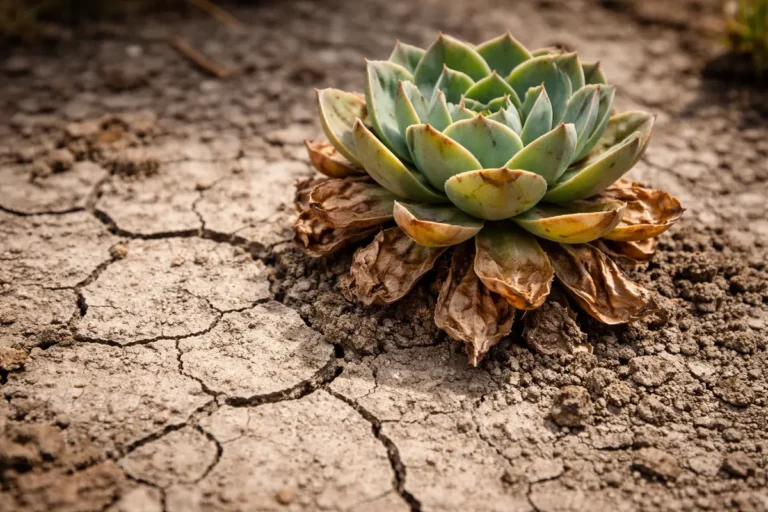
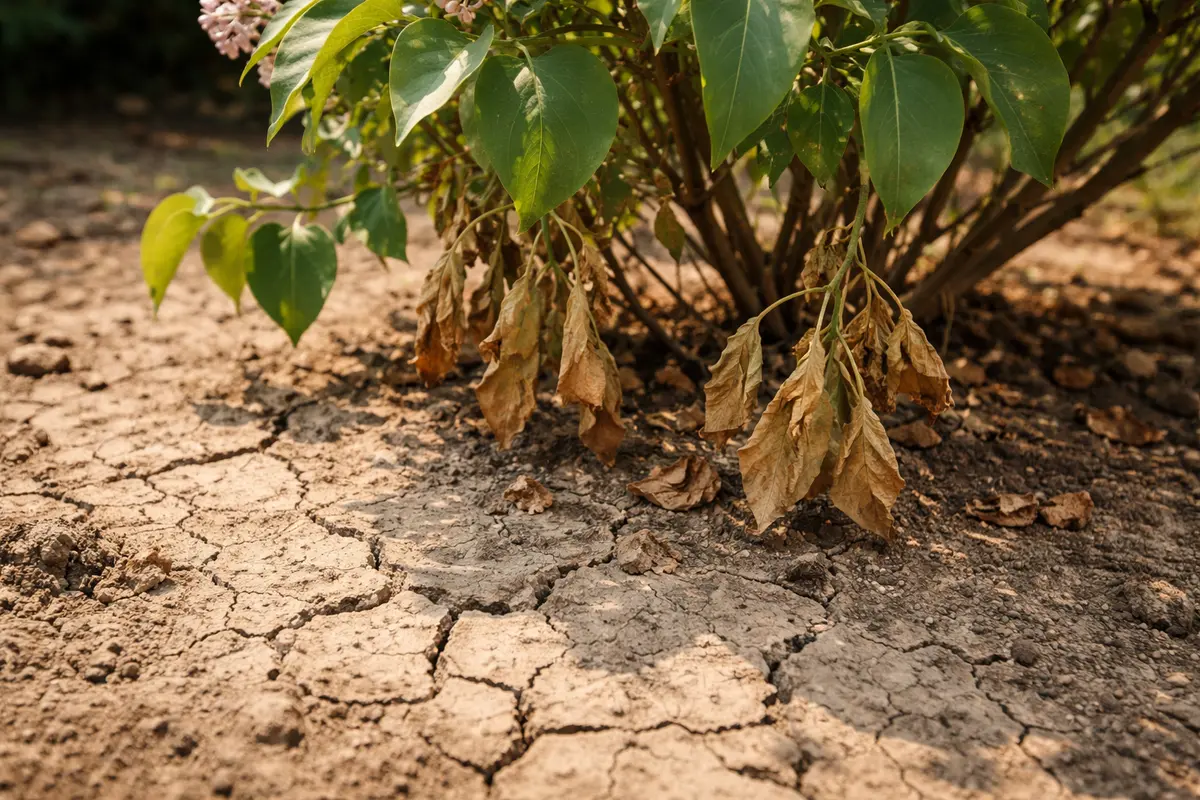
You may notice your lilac plants showing signs of distress during a hot, dry spell, which is why you need to know “Why are my lilac leaves turning brown from drought.” This browning indicates the plant is suffering from stress and may lead to issues such as wilting and leaf drop. If left unaddressed, the condition can worsen and set the plant back significantly, but fixing it is possible now—simply monitor the moisture levels and adjust your watering accordingly.
Step 1 – Water Lilacs Immediately for Drought Stress

Start by watering your lilacs deeply. Aim to deliver around 1 to 2 inches of water per session, ensuring the soil around the roots is fully saturated. Following this action, you should see immediate improvements in leaf turgor within a few hours, showing that your plants are starting to regain their firmness and vibrant appearance. If they are visibly drooping and crispy, immediate intervention is necessary. Early watering can be the difference between recovery and irreversible damage.
Acting quickly prevents ongoing moisture loss that exacerbates browning and aids in rejuvenating your lilacs’ ability to absorb nutrients effectively, which is crucial for their overall health. For best results, water in the early morning or late afternoon; this timing minimizes evaporation and maximizes moisture retention where it’s needed most. Checking the soil temperature can also give clues—if it’s too hot, the moisture will evaporate rapidly before it can be absorbed.
A common mistake many gardeners make is relying solely on surface moisture checks, which can result in a false sense of security. Instead, feel the soil about an inch deep; if it’s dry at that level, the plant needs water. It is crucial to ensure water penetrates at least 6 inches into the soil, particularly for established plants whose roots extend deeper. If water simply runs off or pools at the top instead of soaking in, it may indicate compacted or hydrophobic soil which can further stress the plant and lead to browning. If you notice that even after watering, the surface remains dry for an extended time, consider aerating the soil or adding organic matter to improve moisture absorption.
Step 2 – Assess Leaf Symptoms for Drought Damage
First, check the moisture level of the soil around your lilac by digging a small hole about six inches deep. If the soil is dry and crumbly, water the lilac deeply and ensure moisture reaches the root zone; you should notice the leaves beginning to regain their color and vitality within a few days. Conversely, if soil moisture is present yet the leaves remain brown, a different issue may be at play.
When lilac leaves turn brown due to drought, it indicates that the roots are not receiving enough moisture to support the plant. As a result, the leaves begin to desiccate, losing their turgor and leading to browning. Without sufficient water, the plant struggles to transport nutrients effectively, causing stress that is visibly apparent in the leaf color. If you observe browning primarily on older leaves first, it indicates that the plant is conserving water by sacrificing more mature foliage, which is often the first response mechanism to severe drought conditions.
If the soil seems wet but the leaves are still browning, check for root rot caused by overwatering or poor drainage. Ensure that the area allows for proper water runoff; if not, consider planting your lilac in a spot with better drainage to avoid soggy conditions that can lead to root issues. This investigation into root health can be critical—digging into the soil to feel the texture and check for any foul odors will help determine if overwatering is suffocating the roots instead of sustaining them.
Brown edges on lilac leaves typically indicate that insufficient moisture has reached the foliage due to the plant prioritizing vital functions over leaf preservation. This response often leads to older or more compromised leaves being sacrificed first, revealing the plant’s adaptive mechanisms. If the leaves feel crisp and dry upon touch, the plant has been exposed to drought stress for an extended time. Without timely intervention, the situation may rapidly deteriorate. Observing these signs is an early warning that necessitates prompt action before the leaves become too damaged to recover.
If you find your leaves are brown but also exhibiting other symptoms such as spots or fuzziness, check for the presence of pests or diseases instead. An influx of pests can cause additional stress leading to browning and require immediate attention. In the case where you notice leaf curling along with browning, this could indicate more severe issues like viral infections or that the plant is not adapting well to local climate conditions. Emphasizing these signs and symptoms allows for a more measured approach to diagnosing and addressing the underlying causes, ultimately leading to improved plant health.
Step 3 – Test Soil Moisture Around Lilac Roots

Measure the soil moisture surrounding the roots of your lilacs by digging down about 6 inches and feeling the soil texture with your fingers. Healthy soil should feel moist yet crumbly at this depth, indicating adequate hydration for your flowers. If you use a moisture meter, ensure that it is properly calibrated, as inaccurate readings can lead you to over- or under-water your plants. A reading below 3 suggests severe drought stress that must be rectified immediately.
Testing moisture serves multiple purposes: it not only confirms whether drought stress originates from insufficient watering but also helps identify potential drainage issues. A dry soil scenario suggests immediate watering is needed; however, if the soil feels consistently wet and roots present a mushy texture, it could signal overwatering, which can also result in leaf browning due to impaired root function. Realizing this duality points to the necessity for a cautious and balanced approach in your subsequent care routine. It’s essential to ensure your lilacs are neither deprived of water nor submerged in waterlogged soil. Use your judgment here: if the soil crumbles, it’s dry; if it sticks to your fingers, it’s too wet.
If you are uncertain whether the problem stems from drought or another issue, consider examining the root health directly. Healthy roots are typically green and firm to the touch, while brown, mushy roots may indicate root rot or damaged tissues. If it’s determined that drought stress isn’t the sole issue, you will likely need to adjust your watering schedule or enhance drainage by amending your soil prior to proceeding to a recovery stage. Wait for at least a month before determining major shifts in plant health in response to adjustments; dynamic changes in this routine can take time to influence root development directly.
Step 4 – Feed Lilacs with Nutrients for Recovery

Start by thoroughly watering your lilac plant to ensure that deep, consistent moisture reaches the roots before feeding. Observe the leaves; within a few weeks, you should notice some of the brown edges starting to green, indicating that the plant is beginning to recover from dehydration. During this process, it’s important to avoid any drastic changes; abrupt shifts in feeding can lead to additional stress and hinder recovery.
Typically, recovery from drought stress takes a few weeks to months, depending on environmental conditions like temperature and humidity. Healthy regrowth includes new leaf shoots emerging, which should appear vibrant green, signaling the plant’s restoring vigor. Warmer temperatures and consistent moisture can accelerate recovery; however, extended dry spells or excess heat can significantly slow progress, leaving the plant still struggling to thrive. Routine checks for soil consistency are crucial—if the soil feels dry at switch points in temperature, this could signify that more frequent watering is necessary.
Avoid overcompensating by watering too frequently or applying excessive fertilizer during recovery, as this can lead to root rot or nutrient burn. Common mistakes include moving from minimal to excessive supply of water or nutrients, which can stress already weakened plants. If not careful, the rush to revive the plant can lead to further damage; check for soil moisture before additional watering to avoid the trap of excess moisture bogging down the roots. Implement a fertilizer schedule only if you see signs of growth, and favor slow-release fertilizer options that provide a steady supply of nutrients without overwhelming the plant.
Providing the right nutrients not only enhances lilacs’ resiliency against stress but also equips them to tackle the growing season ahead. Nitrogen promotes lush leaf growth while phosphorus assists in robust root development. Observing how well the plants respond to feeding can provide valuable insight; if you’re not seeing improvements in leaf color or vigor, you may need to reassess your fertilizer strategy. Adopting a food plan that matches your lilac’s needs can strengthen future defenses against drought and other environmental stresses.
One of the most common mistakes gardeners make is over-fertilizing, mistakenly believing that more fertilizer will expedite recovery. Stick to a modest feeding schedule; frequent doses within a brief timeframe can lead to fertilizer burn, especially on already troubled plants. Monitor new growth closely to not only confirm successful nutrient absorption but also to inform adjustments to your fertilization approach, ensuring a healthy recovery. Looking for signs like overly sturdy growth or leaf burn can indicate complications with nutrient intake.
Step 5 – Water Lilacs Regularly During Dry Spells
Begin by watering your lilacs deeply once a week, ensuring the soil reaches at least 12 inches below the surface. You should see new leaf growth as the plant starts to regain its moisture balance, preventing browning in the leaves. An effective way to establish this routine is to create a schedule aligned with local weather variations; during periods of extreme heat, consider watering every four to five days as needed.
Hot, dry weather often leads to stress in lilacs, resulting in brown leaf tips as they struggle to obtain enough moisture. By implementing a consistent deep watering routine, you directly address the lack of water supply that leads to drought stress. This contrasts with plants outside of drought environments, which maintain moisture levels effectively through regular irrigation schedules; these plants demonstrate minimal signs of stress as a result.
In the heat of summer, adjust your watering schedule by increasing frequency during particularly dry spells or using mulch to retain soil moisture. If heavy rains occur, check for soil drainage; well-drained soil can prevent root rot, while poor drainage can exacerbate drought symptoms in dry conditions. The strategy should always center on soil conditions—if surface moisture evaporates too quickly, deeper watering becomes essential; conversely, saturated soil warrants pausing your watering schedule.
Regular watering is vital to prevent the recurrence of leaf browning due to drought. During hot weather, implement a slow and thorough watering strategy; ensure moisture penetrates deeply into the roots instead of just saturating the surface pack. This method encourages the roots to grow deeper, maximizing their access to water sources in varying conditions. Pay particular attention to signs of water stress, such as leaf drop or wilting following watering, to gauge effectiveness. If browning continues despite watering, evaluate other potential causes like soil compaction or root-related issues.
If drought conditions resurface, consider laying down a layer of mulch around the base of the plants to help retain soil moisture. This practice not only diminishes evaporation but also stabilizes soil temperatures, reducing stress during peak growing periods. Maintain a routine of checking seasonal changes that may necessitate adjustments to your watering schedule; adopting a proactive stance is essential for maintaining healthy lilacs.
Step 6 – Check Lilac Leaves for Brown Edges Weekly

Start by examining the moisture levels in the soil around your lilac every few days, ensuring it retains adequate moisture without becoming waterlogged. Check the base of the plant and the top 2 inches of soil for dryness, and observe the leaves for signs of greening or browning. If the leaves begin to regain their green color within a week, it indicates recovery; otherwise, adjust your watering efforts accordingly.
A fully recovered lilac will display vibrant green leaves, firm and supple to the touch, contrasting with the earlier drooping, crispy brown leaves indicating drought stress. When the plant starts flourishing again, you’ll notice new leaf growth and potentially even budding flowers, whereas the early signs of the problem returning include yellowing edges or curling leaves, which signal that the plant is still under stress. If the edges of the leaves turn crispy again, check for consistent watering practices.
If browning reoccurs despite adequate watering, inspect for pests or diseases that may affect moisture retention. You may need to increase watering frequency or amend the soil with organic matter to improve retention. In cases where symptoms persist, consider consulting a local nursery for a more detailed evaluation or professional advice regarding specific treatments.
When your lilacs have fully recuperated, new leaves should emerge with a consistently deep green coloration, signaling hydration and overall vitality. However, if you start observing older leaves beginning to brown again, this may indicate that adequate watering or nutrients have yet to stabilize. Assessing soil moisture regularly can lead to timely interventions—if you notice persistent brown edges, check for potential nutrient deficiencies or environmental stressors like wind exposure.
If the problem resurfaces despite a dedicated care regimen, consider increasing mulching to improve moisture retention or examining for potential root troubles. You might also look into consulting local agricultural extensions for expert guidance tailored to your area’s climate and plant care requirements. Engaging in effective problem-solving ensures that your plants can adapt well to their environment while receiving the necessary support for healthy growth. Further, keep a log of your weekly observations; recording changes in leaf conditions can provide invaluable insights for future care strategies.
FAQ
Why are my lilac leaves turning brown at the tips?
Brown tips on lilac leaves often indicate drought stress. When this happens, the plant lacks adequate moisture during hot and dry periods, leading to dehydration that can affect overall health. In this case, immediate watering and intervention are critical to reversing damage and restoring leaf health.
Should I prune brown leaves off my lilacs?
It’s advisable to prune only the truly dead or severely damaged leaves to prevent unnecessary stress on the overall plant health. Minor browning may not warrant removal, as the plant can often address it during the growing season when targeting new growth. However, if a significant portion of the plant is affected, consider that extreme pruning should be focused on the most impacted areas while allowing for healthier leaves to remain untouched.
Can lilacs recover from drought stress?
Yes, lilacs can recover from drought stress if the correct actions are taken promptly. Consistent watering, monitoring of soil moisture, and providing adequate nutrients allow them to regain health and vitality. Implementing these measures not only improves the immediate situation but helps set the groundwork for stronger defenses against future environmental challenges, establishing a healthier overall plant.