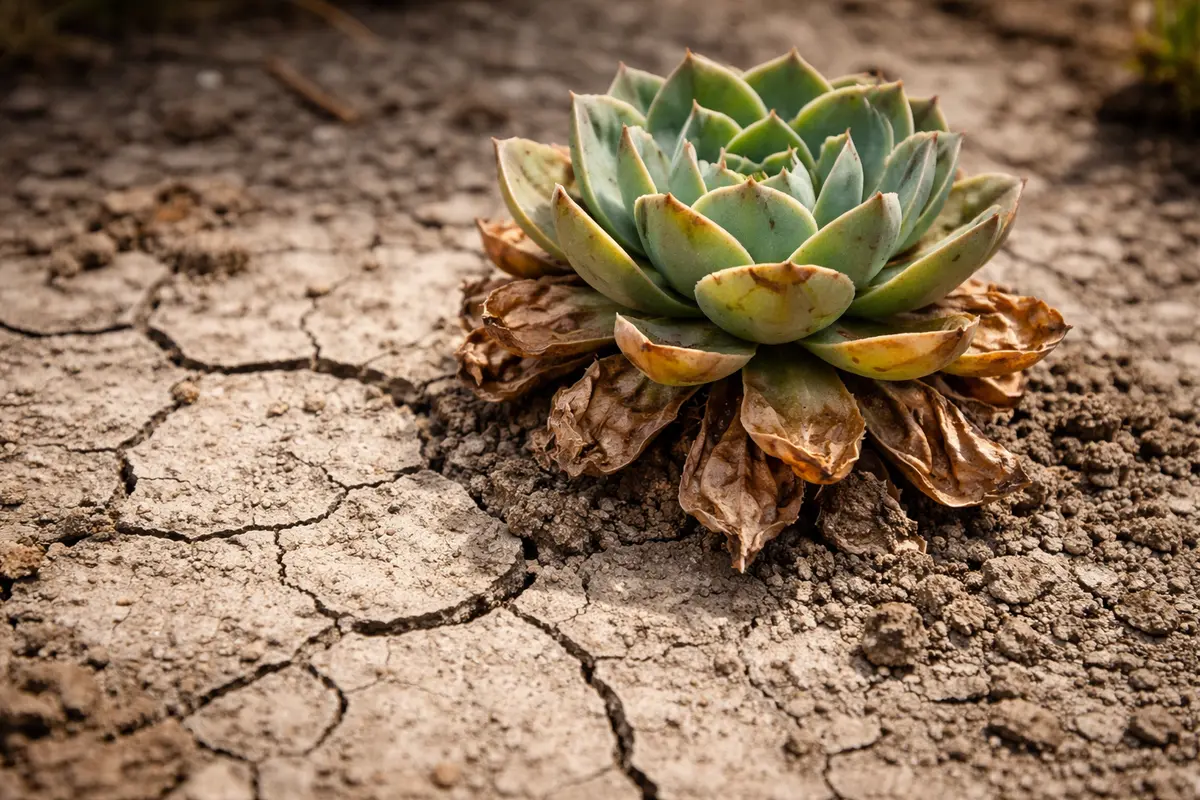
You may notice your once-vibrant succulents showing signs of distress with brown edges or patches, which is why you need to know why are my succulents turning brown during drought. This browning often occurs due to lack of moisture, leading to wilting and damage that reduces the plant’s overall vitality. If left unchecked, this condition can spread and weaken the plant, making recovery more challenging, but you can still improve the situation by monitoring soil moisture and adjusting your watering schedule.
Step 1 – Inspect Succulents for Brown Leaves
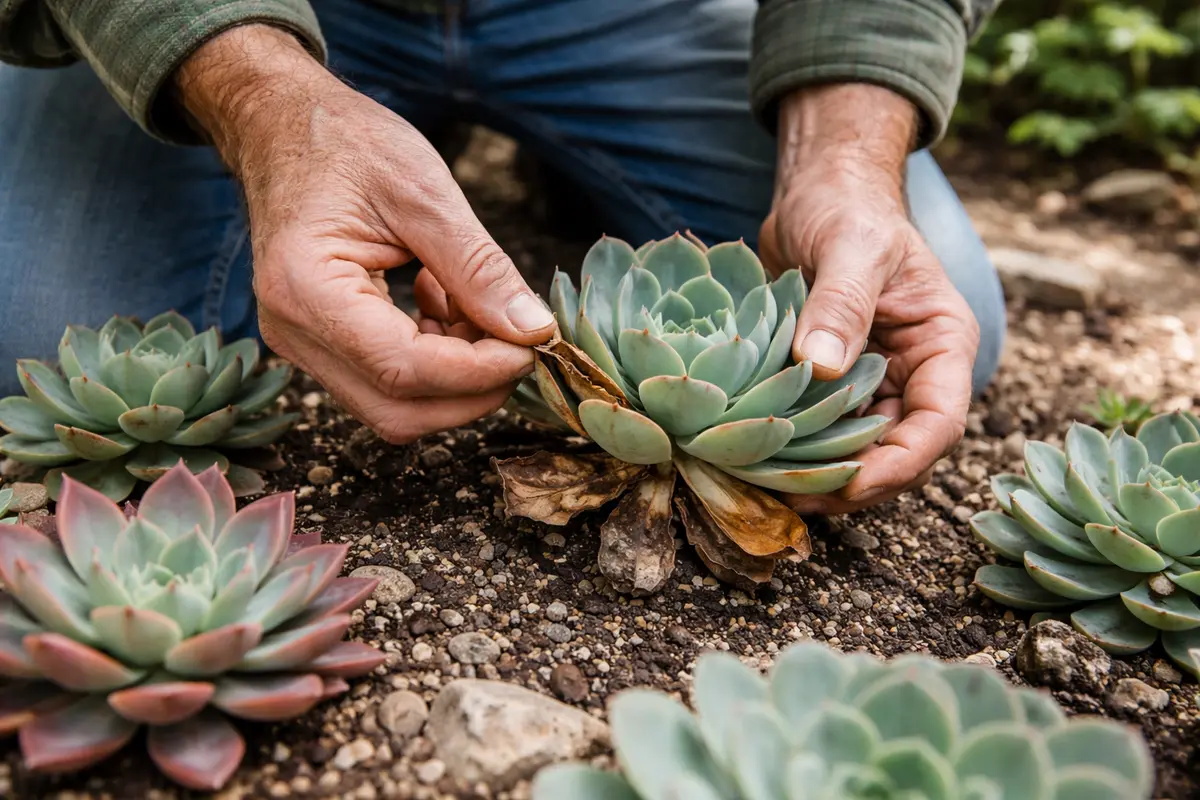
Start by examining the impacted leaves on your succulents. You’ll notice the leaves’ color changing from green to brown or even black, often starting at the tips or edges. If the affected leaves feel soft or mushy to the touch, this may indicate they are on the brink of dying. Pay close attention to whether the discoloration is gradual or sudden, as abrupt changes can signal severe stress.
Initiating early inspections is crucial because identifying the cause at this stage can prevent further damage. Succulents are particularly sensitive due to their thick leaves, which store water, and they may not recover if neglected for too long. If the leaves are still somewhat firm, there may be a chance to reverse the damage. Take note of the leaf condition, as drier, cracked leaves could suggest severe stress. If you observe wilting alongside browning, it’s likely a sign of both drought conditions and potential overexposure to sun.
Common mistakes include moving the plants suddenly to a shaded area without taking stock of their specific watering and sunlight needs. Such hurried adjustments might only add to the stress. For instance, one gardener noticed that shifting their succulents into a dim corner caused a chain reaction where previously green leaves rapidly developed brown edges. A more measured approach, such as gradually adjusting their light conditions while simultaneously adjusting watering schedules, tends to yield better outcomes. It’s also advisable to avoid over-pruning while attempting to remove the damaged leaves; cutting off too much foliage can stress the plant even further during recovery.
Step 2 – Analyze Watering Habits During Drought
Check your recent watering schedule to identify any inconsistencies. You’ll find that if the soil is dry several inches deep, it’s a clear sign that you need to adjust your watering habits. Conversely, if the top layer is dry but the soil below remains wet, it could indicate overwatering despite drought conditions. Utilize a stick or moisture probe to verify soil moistness at varying depths; this can provide a more accurate overview of moisture availability.
Understanding the relationship between drought conditions and succulents is essential. Unlike other houseplants, succulents typically require less frequent watering during hot conditions, but they still need moisture to thrive. For instance, implementing a watering schedule where you don’t exceed watering every two weeks during dry spells can maintain their health without overwhelming them. If the humidity in your environment is particularly low, you might consider adjusting this schedule to weekly watering but in smaller amounts.
If you find that you have significantly reduced the frequency of watering without monitoring the moisture levels, this could lead to rapid browning. You might want to switch to a moisture meter to get precise readings. On the other hand, if the soil is wet and the plant still shows signs of browning, it indicates possible overwatering and could lead to root rot. Identifying these conditions early can mean the difference between saving your succulent or having to replace it. It’s also critical to note that certain potting mixes may retain moisture longer than others, which can mislead your watering strategy.
Step 3 – Test Soil Moisture Levels for Succulents
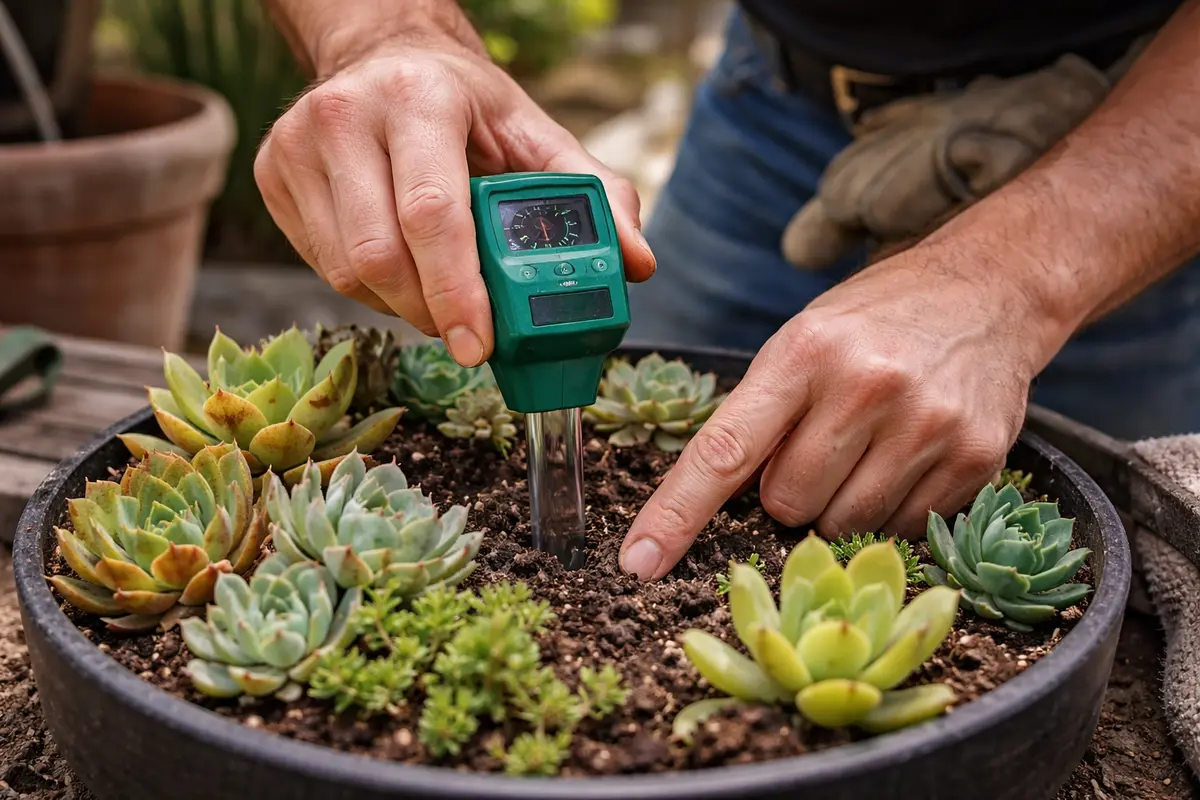
Check the soil moisture levels by inserting your finger about an inch into the soil. If the soil feels completely dry, it indicates that your succulent isn’t getting enough water. Additionally, you should check for compactness; overly compact soil may not allow for proper drainage and could complicate moisture uptake. Testing moisture levels frequently, especially during high temperatures, can ensure you catch issues before they escalate.
Confirming soil moisture is vital since dried-out soil directly affects the plant’s hydration levels and overall health. If the soil remains dry, it results in reduced water uptake, leading to brown, shriveled leaves. In contrast, if the soil feels soggy, you might be overcompensating with water, causing root issues that may not show immediately. If a foul smell arises while testing, it’s often a sign of rot, pointing to chronic overwatering that has deteriorated the root system.
Sometimes, moisture meters might give inaccurate readings due to residual moisture that sits in compacted soil; therefore, if you’re conflicted about the readings, consider allowing the plant to dry out fully, especially if the soil smells sour, which indicates rot, before adjusting your watering habits. Occasionally, heavily compacted soil can hold water longer than expected, leading you to believe the plant needs more water than it really does. A common error is assuming the plant still requires water if the top layer feels dry; always reassess soil condition before adding more moisture. Provide ample time, preferably 7-10 days, between waterings to avoid pool gathering around the roots.
Step 4 – Provide Adequate Water for Recovery
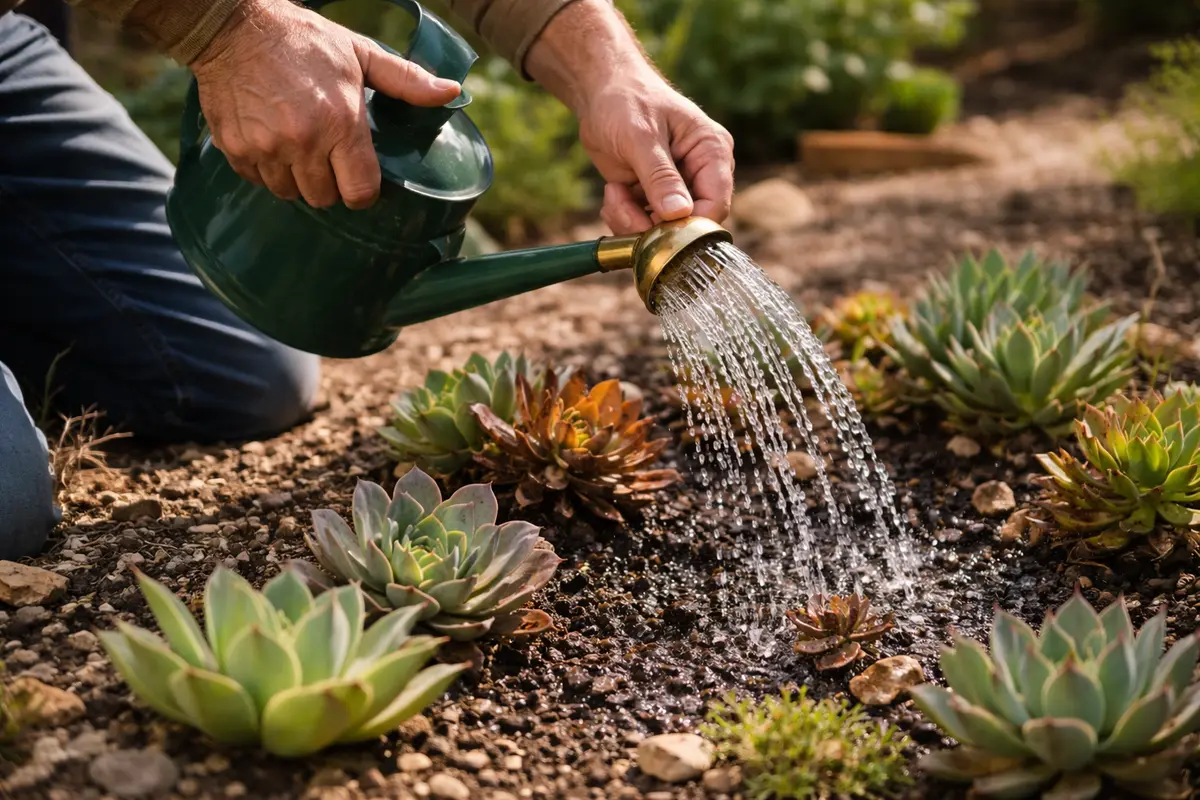
Water your succulent deeply, ensuring that the moisture reaches at least 6 inches below the surface. Give the plant a slow soak so that the water penetrates deeply rather than flooding the surface. You should notice the leaves returning to a more vibrant green within a few days as they start to absorb the much-needed moisture. If leaves continue to droop or remain brown after a week of consistent watering, it may indicate deeper issues like root damage.
This recovery process is critical as it replenishes moisture in the succulent’s cells, which helps in healing the stressed plant tissue. During this time, succulents will begin to absorb water actively, reversing any early signs of browning when given the chance. Pay attention to any signs of wilting in the days following a deep watering; if no improvement is noted, it may indicate a more serious underlying problem requiring immediate attention.
However, avoid overwatering to compensate for the prior drought; this often backfires, causing the roots to rot, which can render the plant unrevivable. Instead, maintain a balanced watering routine moving forward, possibly by adopting a strategy where watering is done every ten days instead of daily or relying on weather conditions as your guide. Visibility of new growth can often serve as your greatest indicator of the plant’s recovery process. If after a month there’s limited change, it might be prudent to unpot the succulent and inspect the roots for rot or other damage.
Step 5 – Water Succulents Less During Hot Days
Reduce the frequency of watering during very hot days, allowing the top few inches of soil to dry out between waterings. As a result, your plants will have a lower risk of developing further brown spots. Track daily temperature readings as part of your watering routine; for instance, irrigation may only be necessary every three weeks when temperatures exceed 100°F. This strategy helps build a rhythm that adapts to environmental changes.
Adjusting the watering routine according to environmental changes significantly aids in maintaining plant health. On scorching days, evaporation rates are higher, and soil drying occurs at an accelerated pace, necessitating fewer waterings to prevent root rot while ensuring moisture retention. Use a soil probe or your fingertip to check moisture content two to three inches below the surface during such high temperatures before each watering.
For example, during extremely hot summer months when temperatures routinely exceed 90°F, it may be necessary to water only once every two weeks instead of weekly. A seasoned gardener attuned to the nuances of their succulent’s needs can significantly enhance recovery and growth by fine-tuning this process. On the other hand, common pitfalls include not considering wind exposure, which can further accelerate moisture loss and necessitate even less frequent waterings if the winds are strong; thus, monitoring both temperature and wind conditions is essential for optimal care.
Step 6 – Check for Signs of Stress After Treatment
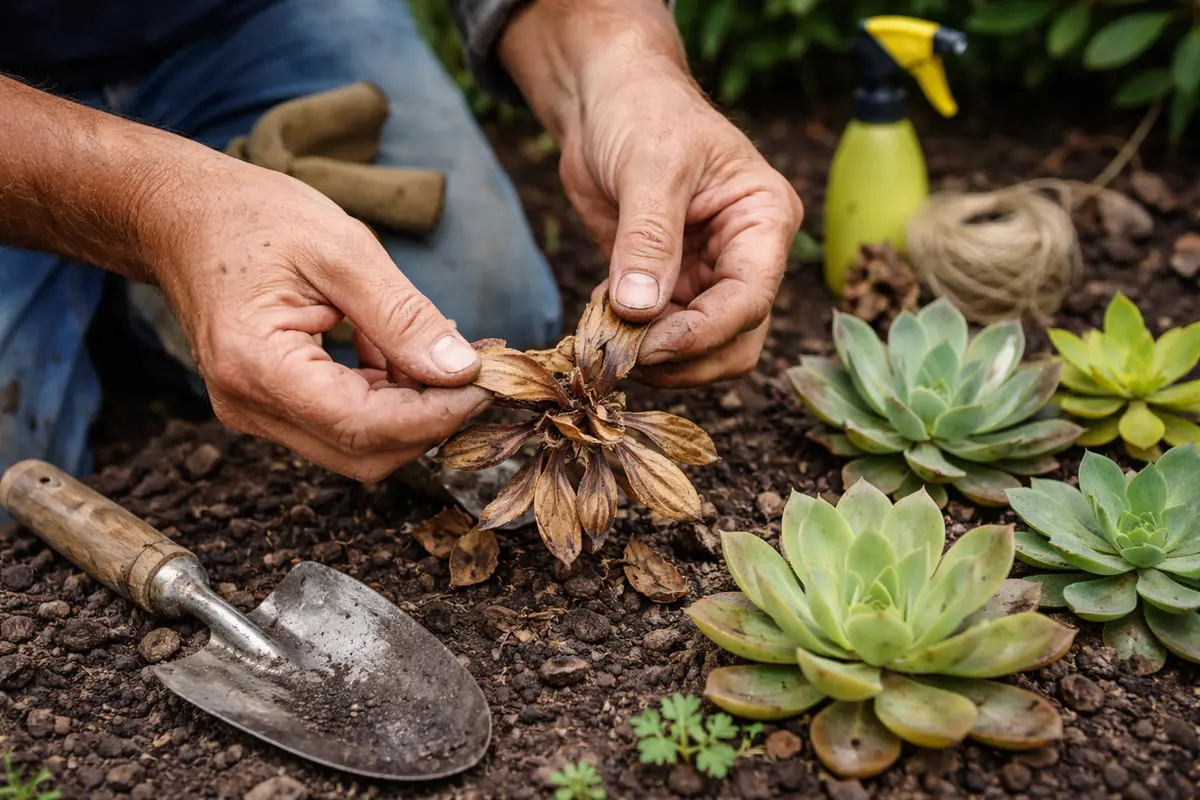
Start by checking your succulent’s soil moisture level and observe the texture of the leaves. If the soil feels dry, this indicates a need for watering. Recheck the moisture level in one week, and also look for color changes in the leaves, which should be returning to their vibrant shades if recovery is occurring.
A fully recovered succulent has firm, plump leaves that display their natural color, while any early signs of the problem returning include brown spots or shriveling alongside dry, brittle leaf edges. If you see leaves that are turning mushy, this might indicate overwatering, contrasting with healthy, thick textures that signal revitalization. If the color is vibrant but leaves remain soft, check for root rot.
If browning persists despite following the previous steps, adjust the watering schedule to provide less frequency, ensuring the pot has proper drainage. If issues continue beyond this adjustment, consider repotting the succulent in fresh, dry soil to shake off any damp, decomposing roots and encourage better airflow.
Monitoring is essential because it helps identify if the previous steps have successfully mitigated the problems. If your plants show signs of recovering, such as new leaves forming or existing leaves firming up, it indicates that the care adjustments are effective. However, if browning resumes or new spots appear, it could signal a need for further intervention, such as reassessing their location or checking for pest infestations. Watch for signs like spider webs or discolored spots that might indicate other underlying issues, which can exacerbate existing problems.
If stress signs persist despite your efforts, consider evaluating other factors such as sunlight exposure and ventilation. It’s vital to ensure that all care aspects are aligned to your succulent’s needs to promote healthy growth. For instance, relocating the plant to a better-ventilated area with filtered sunlight can further bolster its recovery journey. If the situation does not improve in a reasonable timeframe, it might be prudent to consult a local plant care expert or extension service for further diagnosis.
FAQ
How long does it take for succulents to recover after drought?
Recovery can vary, but generally, you will start to notice improvements within a week or two after adjusting your watering habits. Consistent care will encourage the growth of new healthy leaves, indicating that the plant is bouncing back. If your succulents haven’t shown any improvement in this timeframe, reassess environmental factors affecting them, as prolonged neglect may intensify the plight.
Can browning spread to other leaves?
Yes, if not addressed, browning can spread from one leaf to adjacent ones, especially if it’s due to environmental factors like inconsistent watering. If you begin to notice neighboring leaves developing spots, it’s crucial to reevaluate your care routine immediately. This could include isolating the affected plants or applying mild insecticidal soap if you suspect a pest issue, as continued exposure can accelerate leaf decline.
Should I remove badly affected leaves?
Yes, you should prune any completely brown or dead leaves to prevent any potential disease spread to healthier parts of the plant. Make sure to use clean, sharp scissors and remove only what is mauled. Not only does this help the plant focus its energy on healthy growth, but it also improves airflow around remaining leaves, promoting overall plant health. Moreover, applying a fungicide on open cuts after pruning can help mitigate the risk of infection.