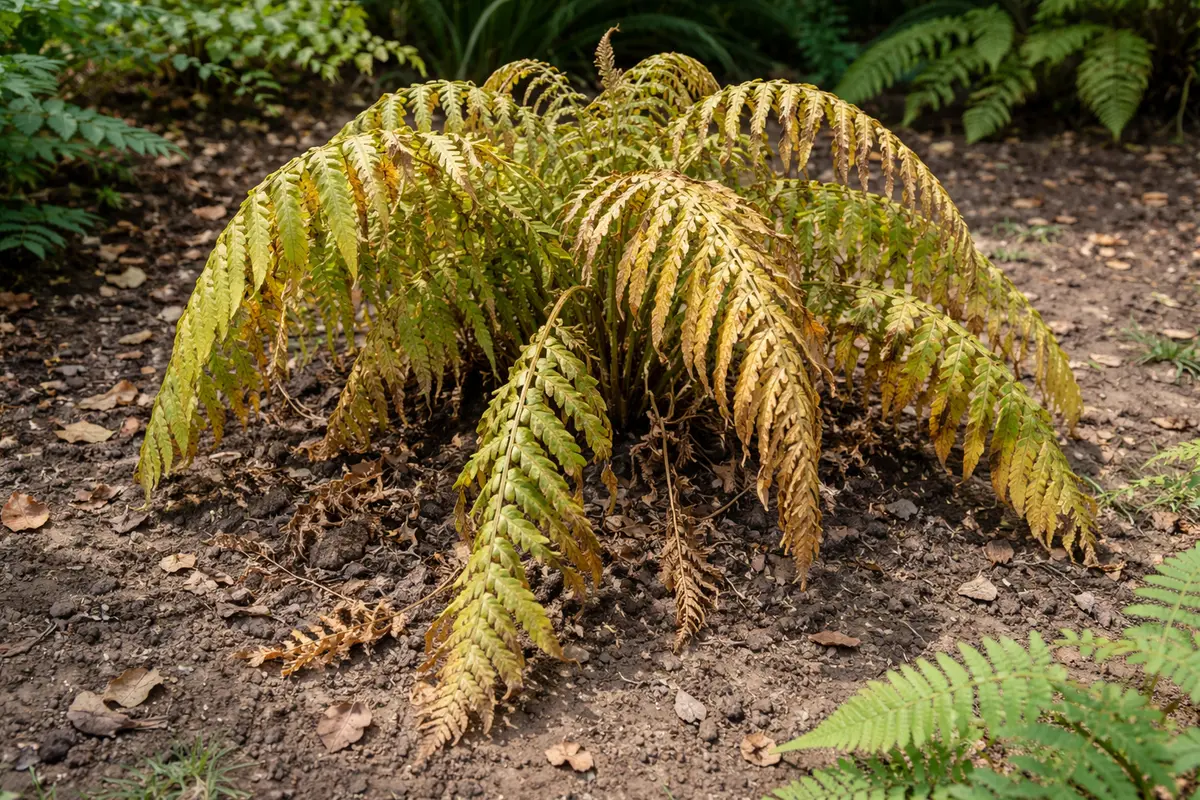
You notice your ferns drooping and showing signs of yellowing after a long day of intense summer sun, which is why you need to know how to recover ferns that are wilting after too much sun. This wilting occurs because excessive sun exposure can damage the leaves, leading to unsightly spots and overall decline in health. If ignored, the problem worsens and weakens the plant, making recovery harder, but fixing it is possible now—simply check for moisture levels and adjust their location to improve their conditions.
Step 1 – Shade Ferns Extreme Sun Exposure
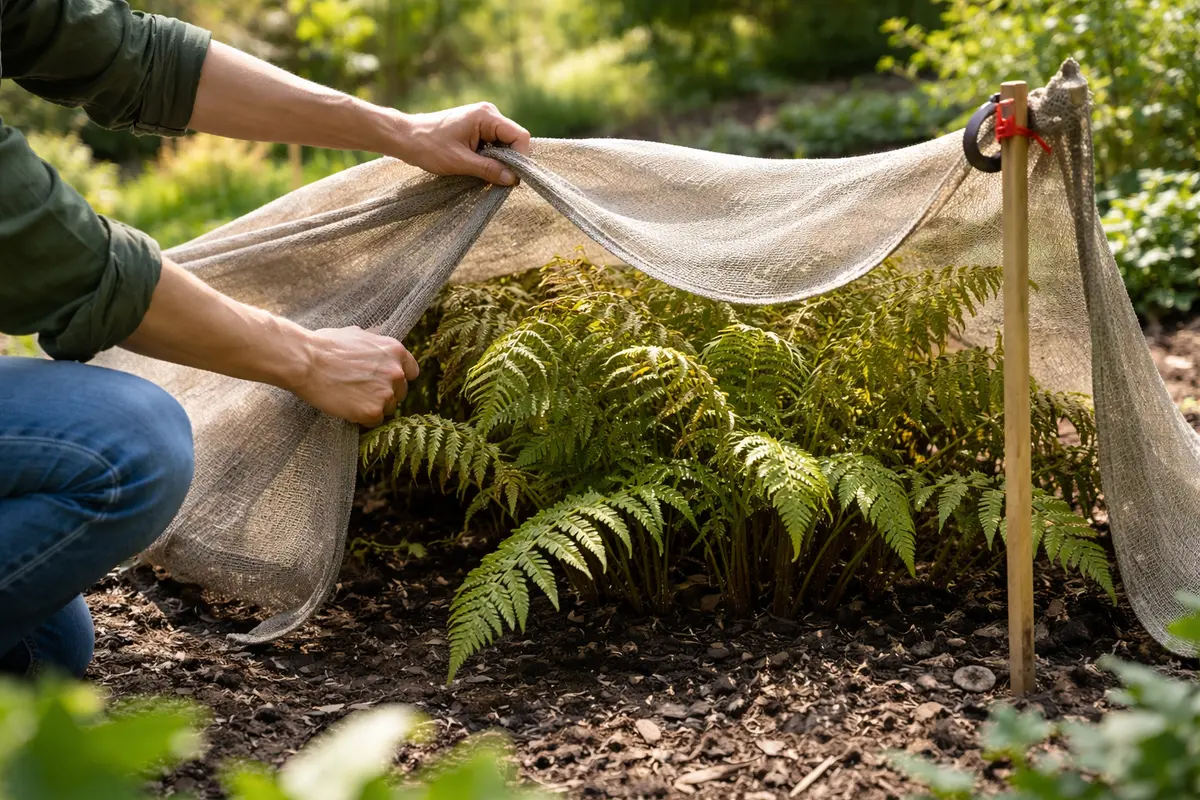
Start by moving the ferns to a shaded area immediately. You will notice a reduction in further wilting almost instantly, as less direct sunlight reduces stress on the leaves. If your ferns are in pots, slide them into a nearby shaded corner or under a tree; if they are planted in the ground, consider using a garden fabric or a temporary shade structure. This action is critical as it offers ferns immediate relief from heat stress. Observably, the leaves may appear less limp, indicating an adjustment to a less punishing environment.
During this process, check the condition of the fronds—healthy leaves will feel firm and slightly moist, while wilted or browning leaves will feel dry and limp. If your ferns show severe wilting or browning despite being moved, the damage may be more extensive, requiring further steps to help them recover. Remember, ferns cannot thrive in full sun and will react negatively when exposed to extreme temperatures. If your ferns have been under harsh sunlight for too long, their ability to photosynthesize effectively is compromised.
In practice, many gardeners mistakenly delay action, allowing damage to intensify. When ferns are left in full sun for extended periods during peak hours, their leaves can severely scorch; this can lead to irreversible damage rather than just temporary wilting. If your plants feel dry to the touch after moving them, it is a strong indicator that they are suffering from too much heat exposure. Quickly addressing this situation is vital, as prolonged exposure can further exacerbate their condition, making recovery much more challenging.
Step 2 – Diagnose Wilting from Sunburned Leaves
Begin by assessing the leaves of your ferns for signs of sunburn and dehydration. You should notice crisp or brown edges, a clear indicator that excess sun exposure has intensified moisture loss and affected the plant’s overall health.
Sunburned ferns experience severe dehydration because intense sunlight accelerates transpiration, causing a disparity in water uptake through the roots. Symptoms such as limp foliage and browning leaf tips arise as the plant struggles to maintain its moisture. If you observe the soil feeling dry at a depth of an inch, it reflects the imbalance between water loss and uptake that is exacerbated by high temperatures.
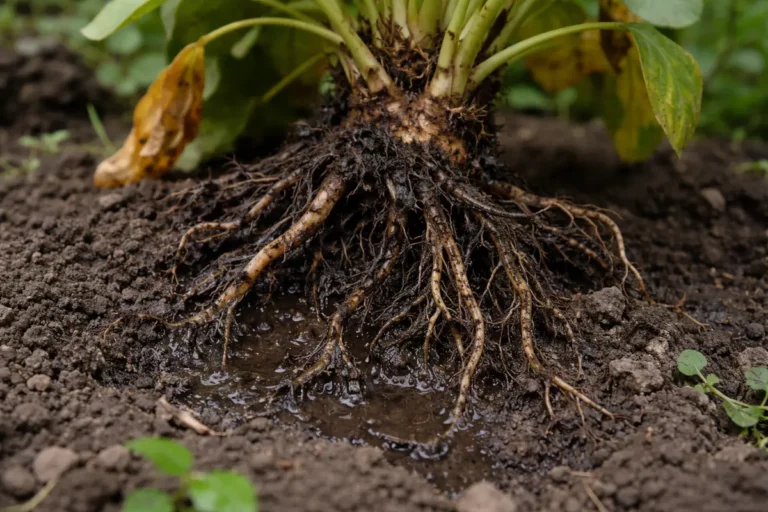
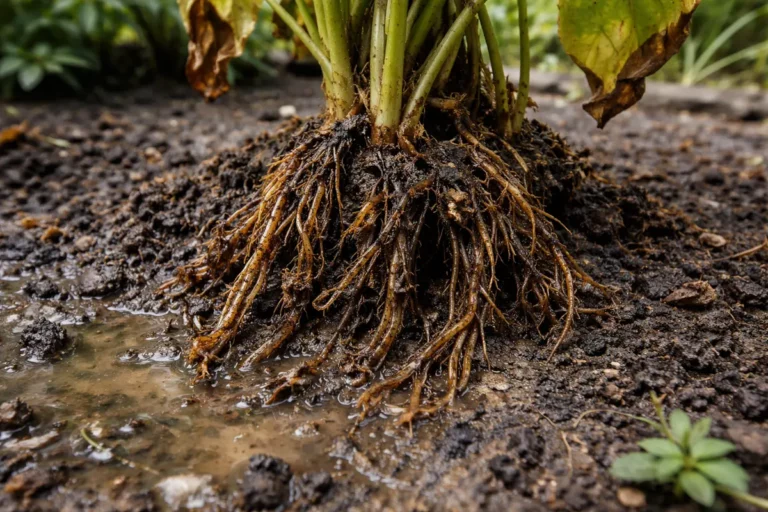
However, if the soil feels overly damp or smells sour, it may indicate overwatering—a leading cause of root rot—which requires a different approach. In those cases, enhance drainage by repotting the ferns into fresh, well-draining soil while holding off on watering until the top layer of soil is dry. Unlike healthy fronds, which maintain a vibrant green, ferns affected by root damage may exhibit yellowing leaves and a mushy texture due to prolonged exposure to saturated conditions.
Recognizing the signs of sunburn is crucial for diagnosing wilting accurately. Severe damage typically arises from rapid moisture loss, leading to transpirational stress where the fern cannot absorb sufficient water to stabilize itself. Timely detection of symptoms differentiates sunburn from other potential issues like water or nutrient deficiencies. If your fronds not only exhibit browning but also feel dry to the touch, it’s a strong indicator of sunburn, as opposed to simple wilting. Additional cues like curling leaf edges signal a critical moisture deficit in the plant.
If your ferns show only minor browning spots, they may recover with care, whereas extensive damage may lead to irreversible decline. An attentive inspection can reveal if just the tips are affected, suggesting the plant may recover if reconditioned properly. Minor sunburn often allows for regeneration of new fronds when the ferns are returned to a suitable environment. Conversely, if the damage is widespread, evidenced by yellowing or basal rot, immediate corrective actions are necessary. Beware of placing a relocated fern back into direct sunlight prematurely, as this could lead to further stress—continue observing soil moisture to determine its readiness for light exposure, as overly saturated conditions may necessitate pruning the damaged leaves to prevent fungal infections from taking hold in the root zone.
Step 3 – Water Ferns for Quick Recovery
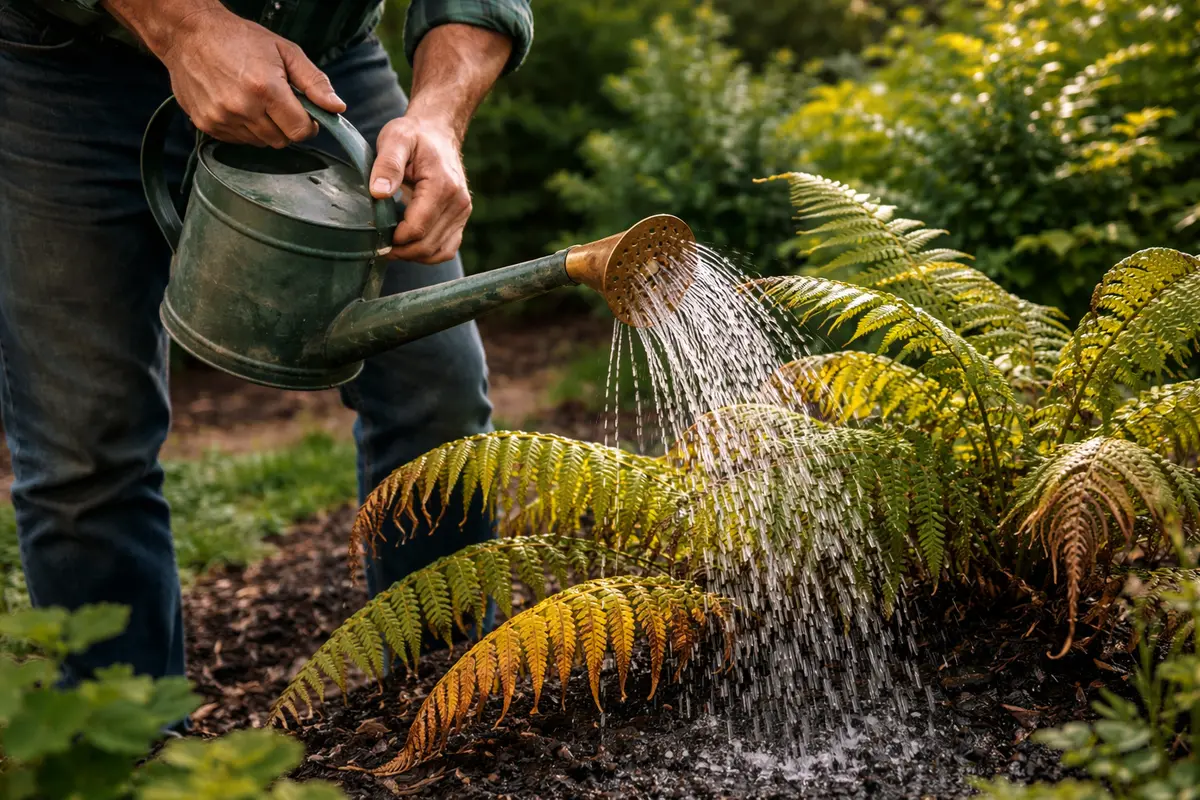
Start by watering the ferns thoroughly to ensure they receive adequate moisture without becoming waterlogged. Visible improvement will be indicated by leaves regaining turgidity and returning to a vibrant green hue. As you water, pay close attention to the condition of the fronds; if they curl or develop spots, that can mean they are still struggling, requiring further adjustments in care.
The recovery timeline for wilting ferns typically shows signs of revival within 48 hours when placed under the right conditions of shade and moisture. If you notice the ferns wilting again soon after, it may be due to exposure to harsh sunlight or insufficient hydration, necessitating adjustments to their shaded location or watering regimen. If it occurs after heavy rain, inspect the soil to ensure it isn’t retaining excess moisture which could lead to root problems.
A common mistake is hastily moving ferns back into direct sunlight after they appear healthy again. Depending on the severity of the wilting, they may need a week or more to fully recuperate and adapt. If you find them struggling, check the soil moisture levels carefully and assess whether they are receiving too much light or not enough.
Recovery generally takes about one to two weeks, contingent upon the initial severity of the wilting. If ferns face prolonged sun exposure again, the weakened root systems may cause them to wilt even more quickly. Look for brown, crispy leaves indicating sunburn versus wilting green leaves suggesting water stress, and adjust your watering practices accordingly.
Be cautious with watering frequency during recovery; overwatering can lead to root rot, a common mistake when attempting to speed up recovery. Always check the soil’s dryness before watering, as soggy soil can harm the roots. If you notice droopy leaves even after watering, inspect drainage conditions to ensure they aren’t sitting in excess water.
Continued recovery takes typically one to two weeks, with visible signs of revival manifesting as greener, firmer fronds. If the ferns persist in wilting despite your shade and watering efforts, underlying issues such as poor soil drainage may need to be addressed. If your ferns aren’t wilting from sunlight, check for possible root rot from overwatering or compacted soil.
As you transition to preventative care, avoid the pitfall of over-watering out of concern for the leaves’ past sun damage. Monitor the watering frequency based on environmental conditions, such as allowing the top inch of soil to dry out before adding more water if your fern is in a shaded area. If wilting continues, humidity levels could be a contributing factor to stress even once the fern is out of direct sunlight.
Recovery can take one to two weeks, depending on the fern’s type and level of sun exposure. If ferns have been subjected to direct sunlight for too long, they may find it difficult to fully recover if their roots also dried out. Conversely, if they are relocated correctly and watered adequately, they will often bounce back quickly and begin to produce new fronds, signaling improved health. If you don’t see improvement within a week, check soil moisture levels closely.
A frequent misconception is that applying fertilizer will hasten recovery; however, over-fertilization can stress recovering ferns even more. If leaves remain brown despite proper shade and watering, allow more time before introducing fertilizers, giving the plant the chance to acclimate naturally to its environment. Tailor these interventions according to your ferns’ specific responses for the best outcomes.
Progress often becomes visible within a week, shown by perkier leaves that indicate hydration. Should the ferns show ongoing drooping or browning despite receiving proper attention, this may signify a return to prolonged sun exposure. If there’s no improvement after a few days, it would be wise to examine the root conditions for any damage that could complicate recovery.
The primary goal is to ensure adequate moisture for ferns that are suffering from sun exposure. Proper watering allows ferns to absorb moisture through both their leaves and roots, facilitating a quicker recovery. When soil moisture is sufficient, fronds can resume their photosynthetic activities, leading to visible increases in color and firmness. Water effectively until excess drainage occurs from the bottom of the pot, confirming that the roots are adequately hydrated. After watering, if no excess water drains after a couple of minutes, it usually indicates the soil may have dried out too much, necessitating more comprehensive watering practices.
For future care, maintain consistent moisture in the soil, particularly during hotter seasons. Regular watering every week or bi-weekly is crucial; adjust this according to how quickly the soil dries out. Keep an eye on the top inch of soil to determine when it’s time to water again. Beware of the common assumption that overwatering immediately post-relocation will speed up recovery, as this can result in root rot in potted ferns. Monitoring soil moisture levels is vital; if the soil feels soggy for days after watering, root damage is likely. Regular checks for effective drainage can thwart any potential compaction issues. If you notice unpleasant odors or signs of mold on the soil’s surface, you may be overwatering, indicating a need to alter your watering approach promptly. Watch for any white, powdery residue, a potential fungus sign indicating immediate adjustment in soil conditions is necessary. It might be wise to reduce watering frequency slightly, especially as cooler nighttime temperatures set in, which can elevate moisture levels.
Step 4 – Inspect Foliage for Signs of Stress
Check the ferns every few days for improvement in wilting or any signs of stress returning. Observe new growth and the overall color and firmness of the leaves as indicators of recovery. Placing a small marker or using colored yarn to hold back fronds can help track changes effectively, and keeping a notebook nearby to jot down any changes can assist in developing a tailored care routine. When tracking progress, look for newly unfurling leaves as primary signs of health, as they are strong identifiers of recovery potential.
A fully recovered fern will exhibit vibrant green fronds with no browning or limpness; young leaves should appear firm and healthy. Compare the conditions of the new leaves against the older ones; if the new growth is lush and vibrant but older leaves remain limp, the fern is improving. However, if you see a repeat of wilting or browning leaf edges on new growth, it indicates the fern continues to struggle with its environment. Regularly inspecting the plant aids in identifying any return of wilting quickly, enabling prompt corrective action. With practice, observing such signs becomes ingrained, allowing an experienced gardener to intervene sooner. Note the timing of growth and stress responses as dramatic light changes might necessitate immediate protective measures.
If wilting returns despite your proper care, consider relocating the ferns to a shadier environment, especially if they continue to receive harsh sunlight. If soil moisture levels are appropriate but stress signals persist, check the root system for signs of rot or damage. Dark brown, mushy roots that emit foul odors indicate compromise. Removing the soil and inspecting the roots may clarify the plant’s health. After a week of attentive care without visible improvement, you may be facing root rot or similar issues, requiring comprehensive treatment—perhaps repotting or applying fungicidal agents to address potential fungal infections. Timely interventions are crucial; addressing these symptoms promptly can distinguish between a thriving fern and one that fails to recover. If not improving, check for the moisture retention capability of your soil which may need to be adjusted.
FAQ
How long does it take for ferns to recover from sunburn?
Ferns may show signs of improvement within 24 to 48 hours after being properly shaded and watered. However, full recovery can take several weeks, as they restore from stress and generate new leaves. As new growth begins to emerge, continue monitoring their progress closely during this time to ensure they are transforming in a positive direction. A steady eye on moisture levels and light exposure remains vital throughout this recovery process.
Can sunburn spread to other parts of the plant?
Sunburn itself won’t spread, but if the plant is inadequately cared for, it may lead to other issues like pests or disease, impacting nearby areas. Maintaining proper watering and light conditions is crucial for blocking this potential spread. Pay close attention, particularly to ensure that new growth remains protected from direct sunlight to prevent recurrences. In light of this, regular preventive measures can ensure a long-term recovery environment.
Should I remove the damaged leaves from my fern?
If leaves are severely damaged and turning brown, it is advisable to prune them to improve airflow and encourage new growth. Removing damaged foliage helps the plant focus its energy on healthier growth instead of trying to sustain dying leaves. This approach should, however, be executed with care; if the fronds are only slightly damaged, it might be best to leave them in position for a while until the ferns have stabilized. Keeping a close eye on how removal affects remaining foliage can guide similar future decisions on plant care.