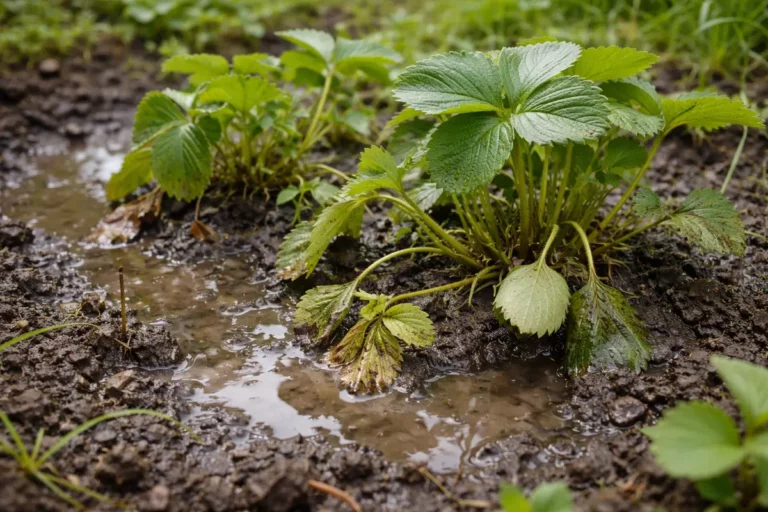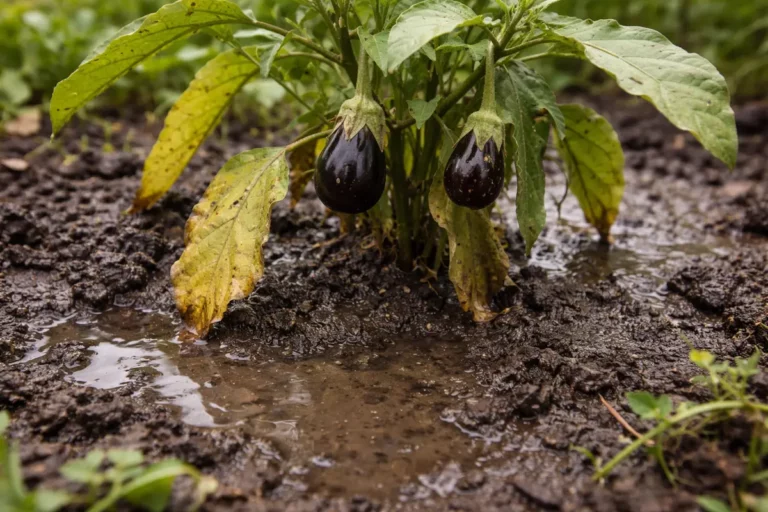
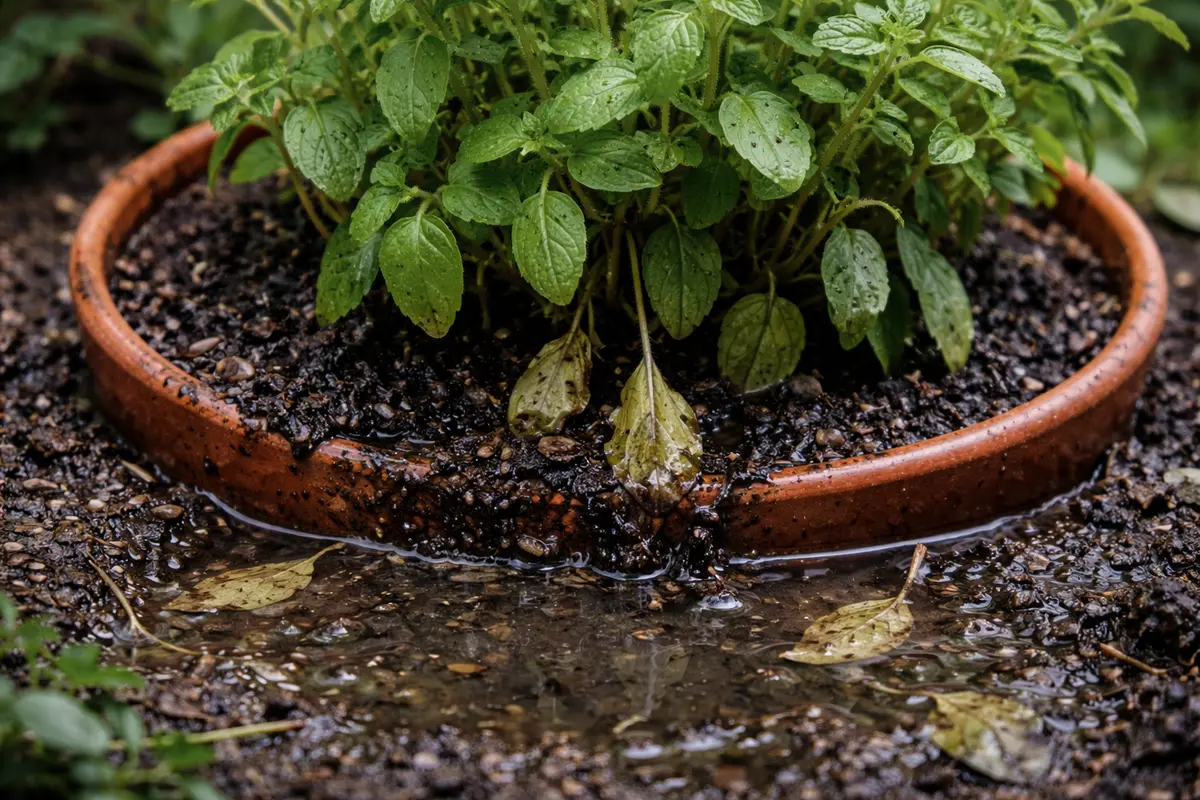
You may notice your potted oregano struggling after rain, with its leaves showing signs of yellowing and wilting, which is why you need to know how to fix poor drainage in potted oregano after rain. This issue typically arises due to excess water accumulation in the pot, leading to rotting roots and potential leaf drop. If ignored, this problem gets worse, ultimately weakening the plant, but fixing it is possible now—just check the drainage holes and adjust the pot’s location for better airflow.
Step 1 – Dig Out Waterlogged Oregano Roots
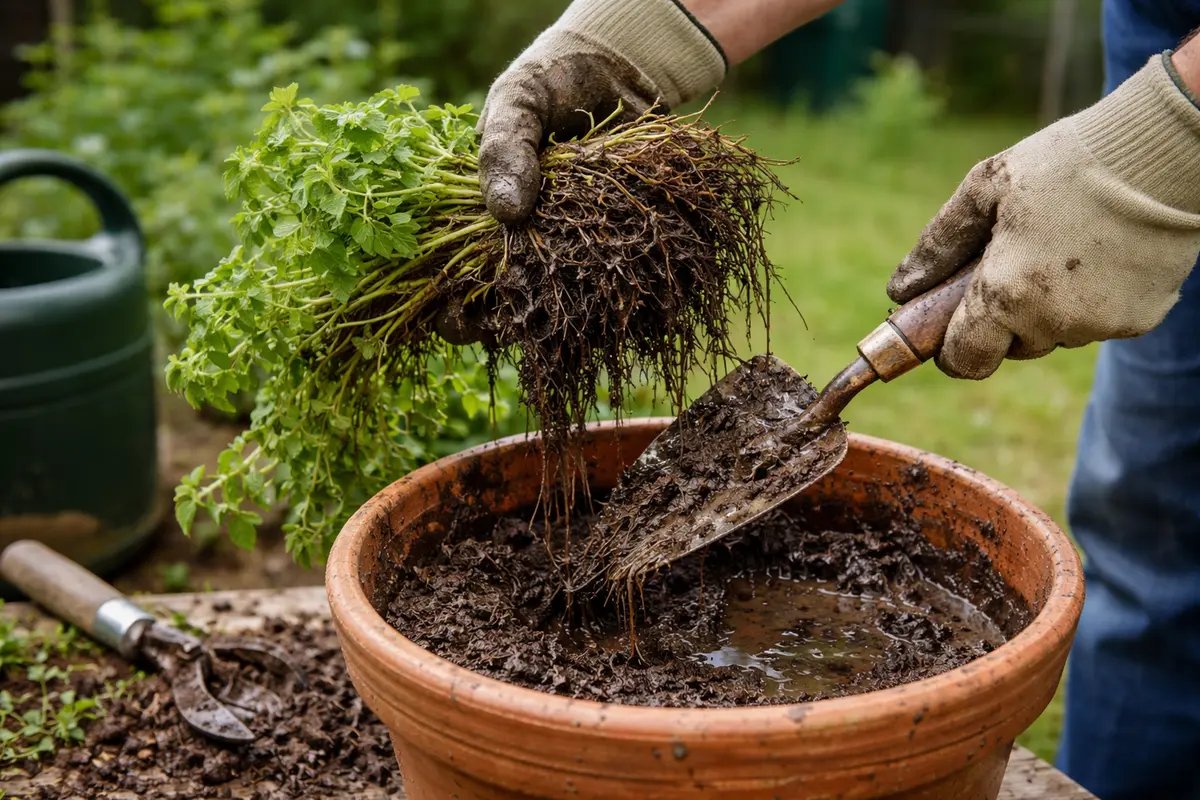
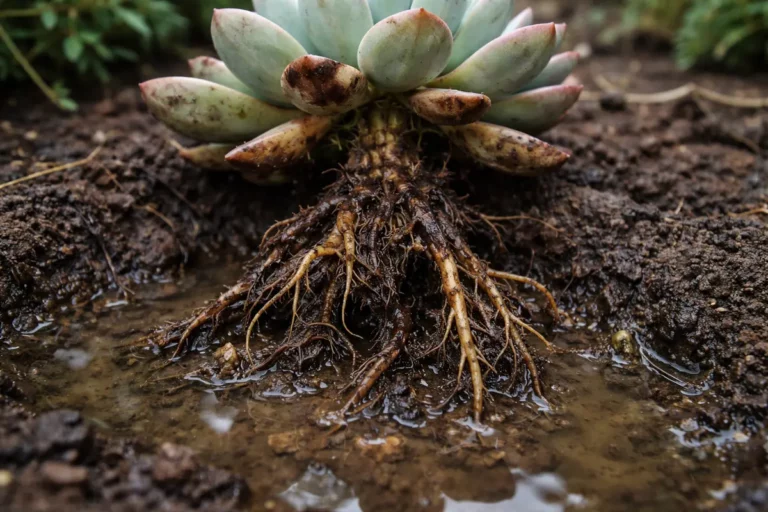
Begin by carefully removing the potted oregano from its container to assess the root condition. You will see the saturated soil clinging to the roots, and possibly some roots may appear brown or mushy. Gently shake off excess soil to reveal the full extent of the moisture damage. If the roots remain saturated with dark, soggy soil, this will contribute to an ongoing decline in plant health.
Acting quickly is essential because waterlogged roots can suffocate your oregano, leading to root rot within a few days. This rot can rapidly spread, disrupting the plant’s ability to absorb nutrients and moisture effectively, which could ultimately lead to its demise. Removing the plant from its pot helps you evaluate the extent of the damage and decide on the next steps. If you notice a strong, foul odor coming from the roots, that’s a strong indication of rot that must be addressed immediately. Repairing or replacing the rotor greatly increases the chance of recovery.
Commonly, gardeners underestimate the importance of checking the roots right after a heavy rain. Many rush to simply add more water or fertilizer, thinking that will help revive the plant. In reality, neglecting to first examine root conditions can lead to irreversible damage, causing the plant to deteriorate further. Make sure to dry any excessively wet soil that remains stuck to the roots before repotting to allow the plant to breathe better. If roots are beyond saving, it may be necessary to propagate healthy cuttings from the plant, offering a fresh chance for growth.
Step 2 – Check Potting Mix Drainage Quality
First, check the pot’s drainage holes for blockages; clear any debris to restore proper flow. You should notice that excess water begins to drain away more effectively, relieving the soggy soil.
When drainage is poor, water accumulates in the pot, leading to root rot and yellowing leaves. Oregano roots are particularly sensitive to standing water, which deprives them of oxygen needed for respiration, a crucial process for survival. A stark contrast can be observed between oregano thriving in well-draining soil and one suffering in overly saturated conditions.
If you notice a sour smell from the soil, it indicates anaerobic bacteria and potential root rot. In this case, repot the oregano in fresh, well-draining soil to help it recover from potential damage. If your oregano is losing leaves but doesn’t smell, examine the pot size; it might need a larger container for better airflow and drainage.
Poor drainage occurs when the potting mix retains too much moisture, often due to a heavy or clay-based soil mix that lacks aeration. This can suffocate the roots, preventing oxygen from reaching them and inhibiting nutrient uptake, which can cause your oregano to struggle. If you find that the soil is dense and boggy after heavy rainfall, it’s crucial to take corrective action immediately. When mixed improperly or too densely with materials like peat moss, these mixes can form a uniform mass that retains water excessively; therefore, fine-tuning soil composition is essential for health.
If the soil smells sour, acknowledge that it may harbor harmful bacteria or fungi. In this case, consider replacing the soil entirely with a well-aerated combination specifically designed for potted herbs, which improves drainage ability significantly. This corrective action prevents further issues like root rot from developing again. Always seek a soil mix that contains perlite or vermiculite, as these components create air pockets that enhance drainage and moisture balance. If you realize your mix remains consistent after replacement, you might need to audit the moisture levels regularly to find the right balance for your oregano.
Step 3 – Add Nutrients to Revive Oregano Growth
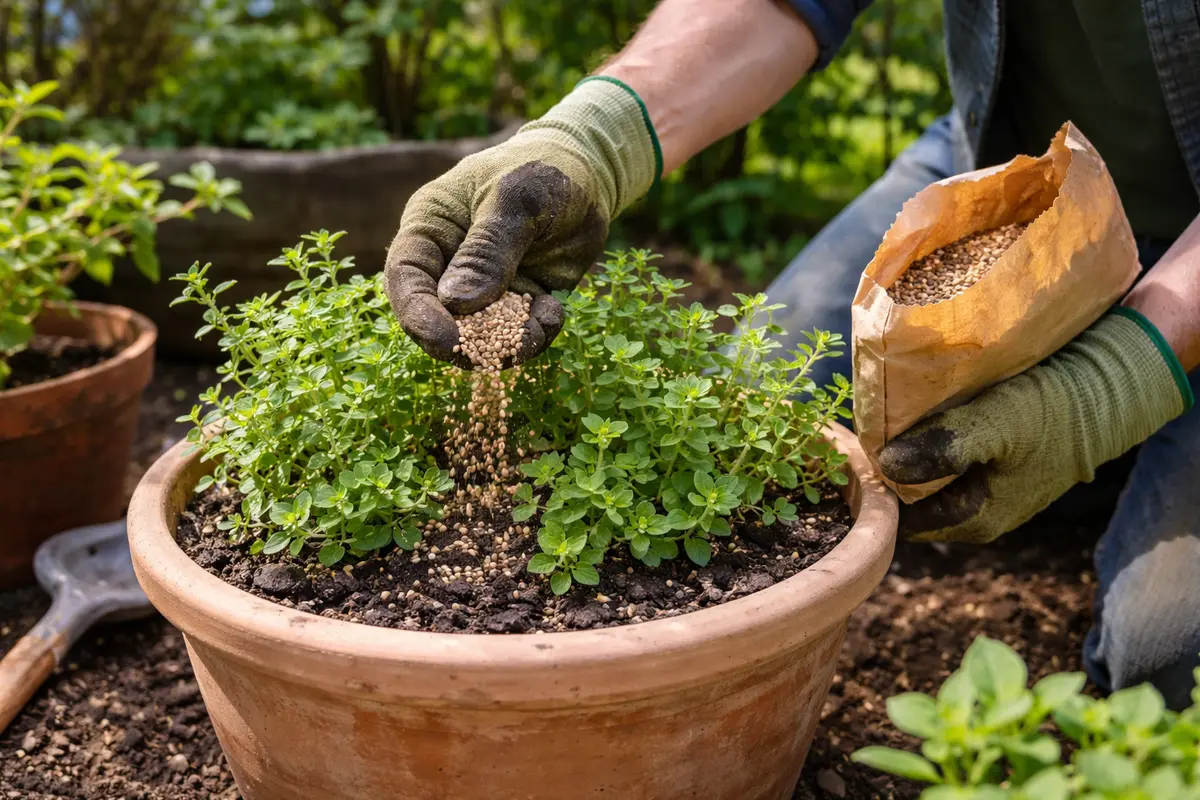
Start by gently removing the oregano plant from its pot and replacing the saturated soil with fresh, well-draining potting mix. Position the pot in a sunny area to encourage evaporative drying, and within a few days, you should see the plant perk up, signaling that it is beginning to recover.
Recovery can take anywhere from a few days to a couple of weeks, depending on the severity of overwatering. Look for new leaves emerging and a more vibrant green color as indicators of successful regrowth. If the oregano appears limp and yellowing, it may need more sunlight or air circulation, so adjust its placement accordingly.
Avoid the common mistake of overwatering during the recovery phase, as excess moisture can hinder root regeneration. If the leaves start to brown shortly after watering, reduce the frequency of watering and allow the soil to dry out more thoroughly between sessions. Timing is crucial—if the weather is particularly humid, check the soil moisture levels more frequently to prevent further waterlogging.
Recovery may take about one to two weeks, during which new leaves should appear healthy and bright green. Ideal conditions include allowing the pot to dry out between watering and ensuring it’s in a well-lit area; an overly damp environment will slow regrowth, while moderate sunlight promotes faster healing. If the leaves start turning yellow and droopy, it’s a sign that the oregano is still struggling with excess water retention.
Avoid the mistake of overwatering; even after heavy rain, it’s tempting to fertilize as a response. Instead, examine the soil moisture; if it’s still wet from the rain, wait until it dries out before adding any nutrients. If not, check for proper drainage to prevent future issues with soggy roots.
The recovery timeline for oregano typically ranges from one to three weeks. Healthy regrowth will manifest as new growth emerging from the center, with leaves that feel firm and vibrant. Poor conditions, such as low light or excessive humidity, can delay progress, while adequate sunlight and consistent but moderate watering can expedite it.
Avoid the mistake of overwatering during recovery, as this can exacerbate drainage issues. If you notice yellowing leaves, reduce water input and check that the pot has sufficient drainage holes. On the other hand, if the oregano appears droopy but the soil is too dry, gradually increase moisture without saturating the plant.
Nutrients are essential for the recovery of any stressed plant, and oregano is no exception. After dealing with the initial drainage issues, replenishing the nutrients will provide your oregano the building blocks it needs to recover fully. Be mindful of the amount and frequency — too much fertilizer can lead to nutrient burn, causing leaf edges to crisp and brown. Consequently, a general rule is to only fertilize every four to six weeks unless the plant shows signs of severe deficiency. If improving conditions and nutrient application do not yield results, you may need to reevaluate the health of your roots further.
A common mistake during recovery is overcompensating with water and fertilizer, believing that more will produce a quicker recovery. In truth, this can cause further stress on the already delicate root system, delaying recovery and fostering more issues. Instead, maintain a balanced approach and monitor your oregano’s reaction to the added nutrients. Incorporating slow-release granules can also assist in providing a steady supply without overwhelming the plant at once. Furthermore, tracking any changes in leaf appearance or growth rates will help adjust future feeding schedules more accurately.
Step 4 – Avoid Overwatering During Rainy Seasons
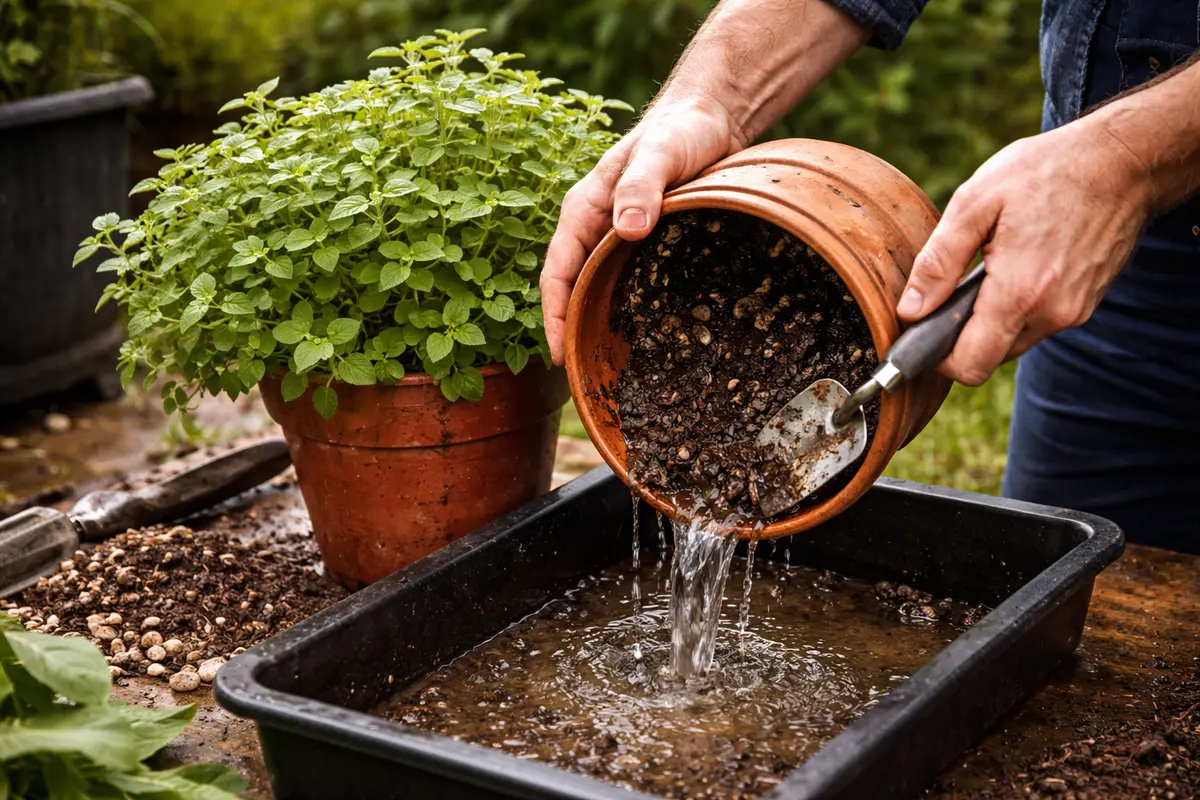
Adjust your watering schedule to prevent overwatering, especially during rainy seasons. You will notice a more stable soil moisture level and a healthier plant as a result. Paying close attention to the weight of the pot; if it feels significantly heavier, it often indicates that the soil is still saturated and does not need additional water. Additionally, consider testing soil moisture with your fingers an inch below the surface before watering to affirm your plants’ needs.
Monitoring external weather conditions is vital, particularly in rainy seasons when excess moisture can severely impact potted plants. Overwatering can often lead to mushy roots and stunted growth, increasing the risk of diseases like root rot. A consistent watering routine based on the weather can help you avoid these conditions from arising in the first place. If you know rain is expected, it might be wise to skip scheduled watering entirely or at least reduce the quantity, ensuring the soil remains well-aerated.
Consider adding drainage stones in the potting mix to facilitate better water movement. In particularly heavy rainy periods, you might need to hold off on watering altogether until the weather clears up. This two-pronged approach ensures both the soil remains well-drained and your oregano stands the best chance against fluctuating moisture levels. Even if you notice pooling water on top of the soil after a rain, refrain from watering until you confirm the surface has dried out, as this will help in avoiding compounding the moisture issue. Always factor in local rainfall trends when planning your watering schedule; you may need to revise your approach based on seasonal shifts.
Step 5 – Inspect Leaves for Signs of Water Stress
Check the leaves regularly for any signs of water stress, such as browning tips or wilting. Look for signs of improvement, which should include firm and vibrant foliage. If the leaves start to turn yellow and become limp, that signals the plant may still be struggling with underlying drainage issues. An effective practice is to routinely check foliage during and after rainfall, as this is when issues may become most apparent.
Monitoring the health of your oregano after addressing drainage issues is essential. If you notice leaves beginning to perk up and show new green growth, it’s a clear indication that the plant is responding to your care. Conversely, if the drooping or discoloration persists despite your interventions, it could signal lingering issues that need further examination. This may involve deeper assessments of root conditions or a thorough check of environmental factors such as light and temperature. If cold drafts or excessive heat are present in the plant’s location, consider relocating it to a more favorable spot for recovery.
If you find symptoms returning, consider re-diagnosing the root situation or soil conditions. A fallback action plan—such as repotting in fresh soil or re-evaluating your watering practices—can save time and frustration in addressing recurring problems. It is always better to check regularly, especially after heavy rainfall, to catch any issues early. By doing so, you not only help your oregano recover but also minimize the likelihood of a repeat scenario in the future. If new growth appears stunted or if foliage color fades unexpectedly, it may signal a need for further intervention.
FAQ
How long does it take for potted oregano to recover after fixing drainage?
Recovery can take anywhere from one to three weeks, depending on the severity of the damage. After improving drainage and providing nutrition, you should start to see new growth within this timeframe. Factors like temperature and light exposure will also play significant roles in how quickly recovery happens, so monitor those aspects closely to ensure optimal conditions.
Can poor drainage spread to other plants in my garden?
Yes, poor drainage can create a breeding ground for pests and pathogens, which can then spread to nearby plants. To prevent this, ensure proper drainage for all your potted plants and monitor them closely for signs of distress. If one plant shows severe symptoms, it might be worth isolating it to prevent any potential spread of disease to your more healthy specimens.
Should I remove any affected parts of the oregano plant?
Yes, if there are visibly damaged leaves or stems, it’s advisable to prune them to encourage new growth and reduce the risk of disease spreading. Trim these parts to promote healthy regrowth in the remaining plant sections. It’s best to use sterilized scissors to minimize any risk of introducing pathogens during the pruning process. Regular trimming will help maintain a healthy structure and facilitate better air circulation around the foliage, which is crucial during recovery.