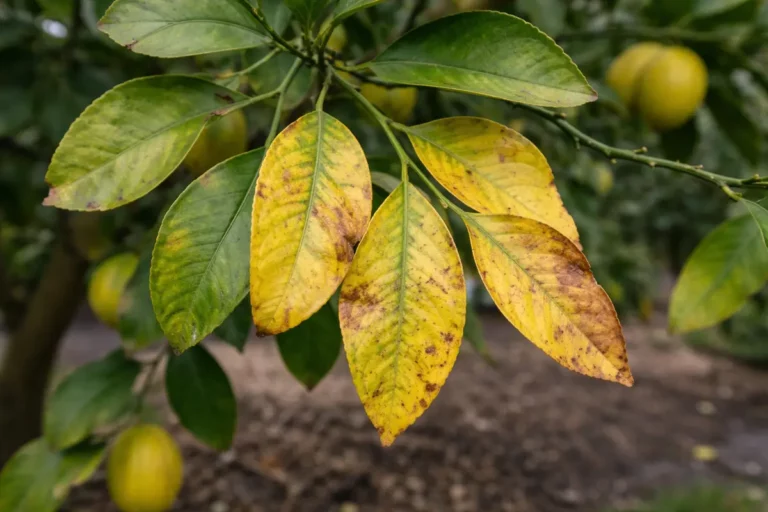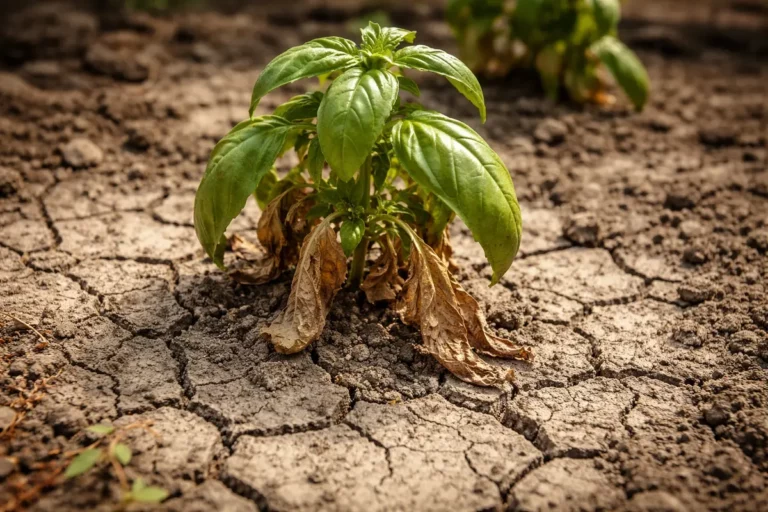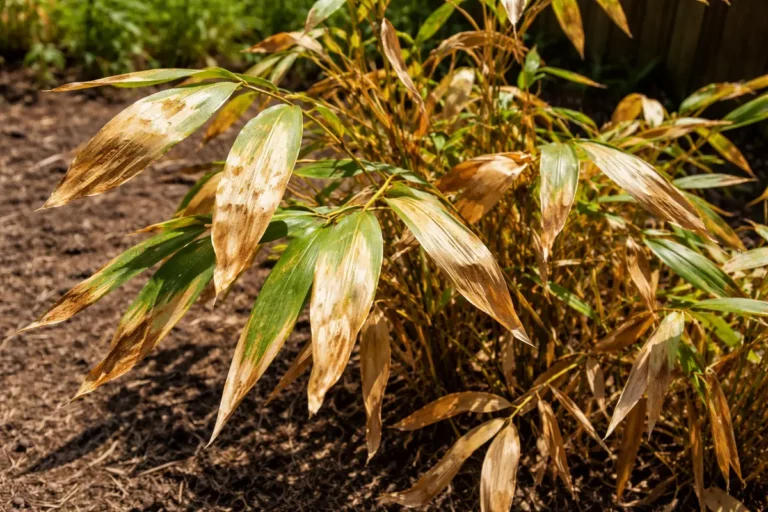
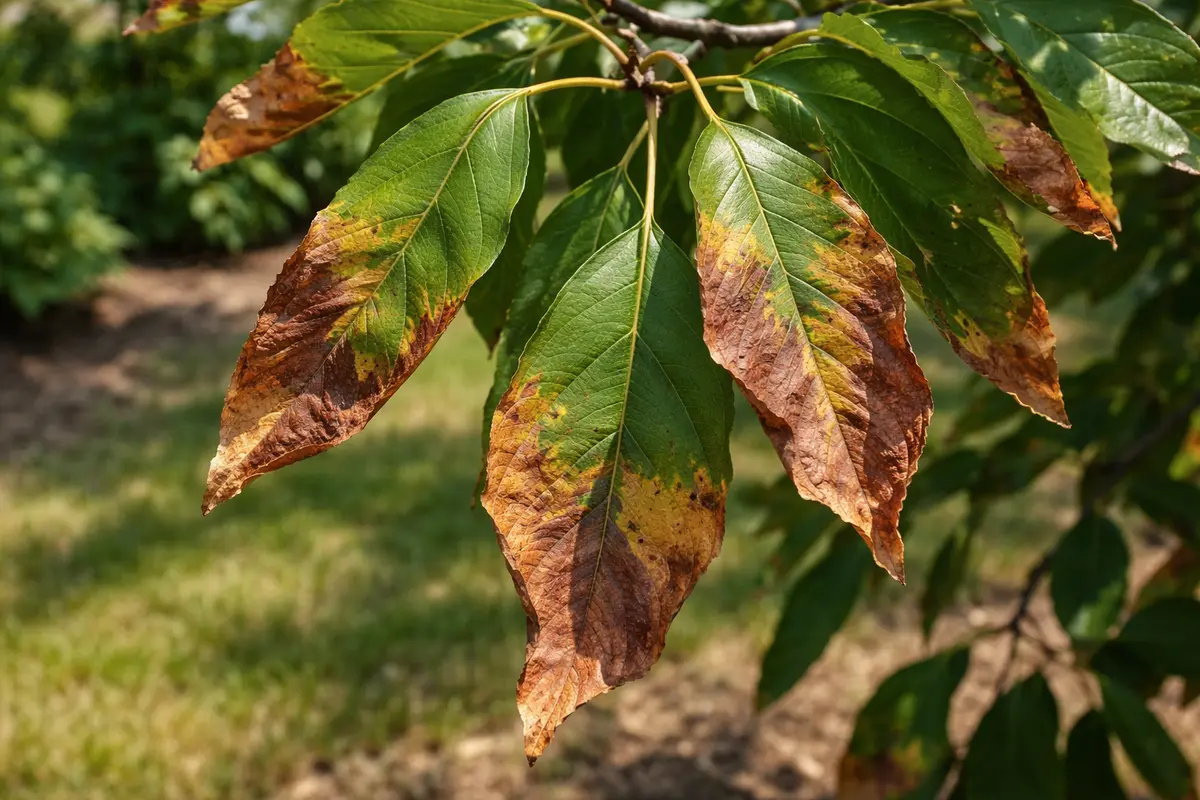
You may notice the leaves of your trees turning brown in full sun during the hot summer months, a clear sign that you need to know what to do when tree leaves turn brown in full sun. This browning typically indicates water stress or sunburn, which can lead to wilting and ultimately damage the leaves. If ignored, the situation can worsen and may even weaken the plant, but addressing it is possible now—simply check the soil moisture, adjust watering, and provide some shade if needed.
Step 1 – Trim Off Brown Leaves Quickly
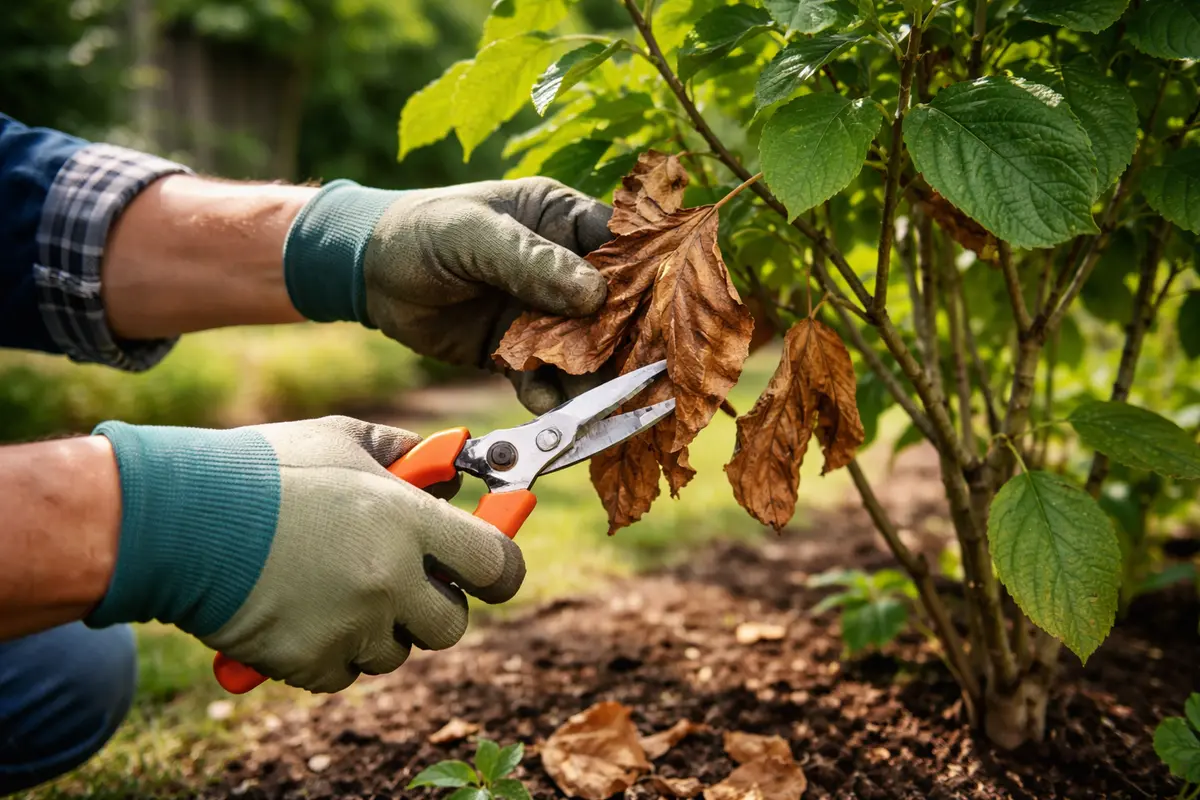
Remove any brown or dead leaves from the tree immediately. You will see a cleaner appearance and allow the tree to focus its energy on healthy growth. Aim for a clean cut at the base of each affected leaf where it meets the stem to promote healing and prevent any potential disease spread.
Acting quickly is crucial because damaged leaves can increase the plant’s stress and hinder its ability to photosynthesize effectively. Photosynthesis is essential for converting light energy into chemical energy, so leaving damaged leaves on the tree can lead to a significant decline in the tree’s overall health. For example, if brown leaves remain on the tree, it can create an imbalanced energy distribution, causing healthy leaves to become stressed due to inadequate nutrients. If left untrimmed, infected leaves can attract pests and diseases, exacerbating the problem and leading to further browning.
A common mistake gardeners make at this stage is to leave the brown leaves on the tree, believing it will recover alone. This can lead to further stress and more extensive damage, particularly if the weather remains hot and dry. For instance, if temperatures continue to rise and the tree is not pruned, you may notice that the browning spreads to nearby healthy leaves, indicating a chain reaction of stress. Timely removal minimizes stress, encourages the tree to expedite new growth, and establishes a clearer pathway for nutrient flow, especially critical as the summer progresses.
Step 2 – Assess Sun Exposure on Leaf Damage
First, check the soil moisture level around the tree. If it feels dry several inches down, provide adequate water immediately, aiming for deep soaking. Over the next few days, observe the tree; if leaf browning slows down or stops, you’ve addressed the root cause of the issue.
When a tree’s leaves turn brown in full sun, it often indicates a lack of moisture in the soil, leading to stress. Roots struggling to absorb water become inefficient, causing the leaves to dry out and brown. In contrast, if the soil is overly saturated and does not drain well, you may notice yellowing leaves accompanied by browning, indicating root rot instead.
If the soil smells sour, it suggests anaerobic conditions leading to root rot; therefore, improve drainage by aerating the soil and creating mounds around the roots. Alternatively, if the browning only affects the tips of the leaves, inspect the soil for nutrient deficiencies, specifically nitrogen, which may require fertilization.
Excessive sunlight can lead to browning leaves due to overexposure to the elements, particularly in trees that are not drought-tolerant. Trees like maples and birches may struggle if planted in full sun without any shade. If it’s determined that the area is too hot for the species, you must decide whether moving the tree is feasible or providing additional shade is reasonable. Temporary solutions, such as patio umbrellas or shade cloth, can reduce impacts until a long-term solution is implemented. Ensure that any shade solution does not trap moisture around the base of the tree, which can cause root issues over time.
If the sunlight exposure looks sufficient but the browning persists, consider inspecting the soil moisture levels. If the ground feels dry several inches down, it may indicate a watering issue. On the other hand, you might be overwatering, leading to suffocated roots from soil saturation. Always check the first few inches of the soil surface and dig deeper to see how moisture distribution varies. Underlying factors like soil compaction may contribute to moisture retention or loss. Each assessment helps you tailor a more effective treatment strategy—if dry, an increase in watering may be necessary; if oversaturated, consider improving drainage or reducing watering frequency.
Step 3 – Water Trees to Revive Brown Foliage
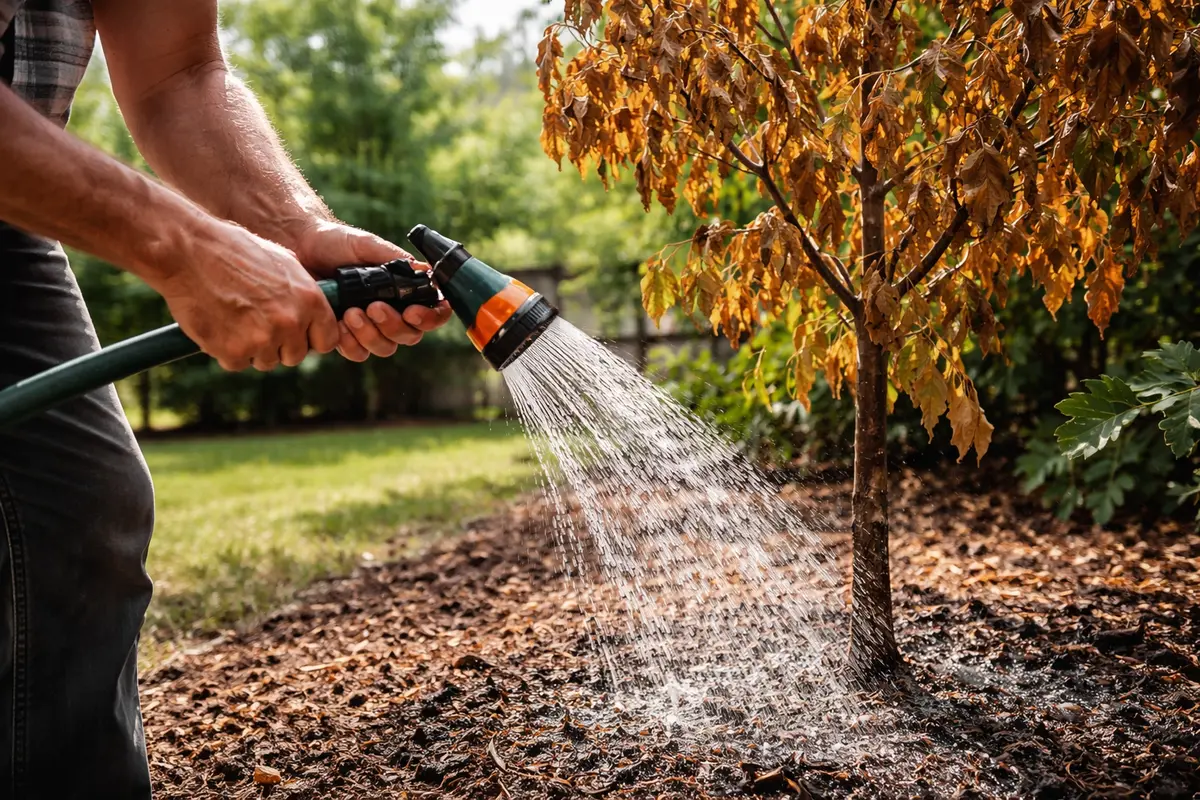
Start by adjusting the watering schedule to ensure the tree receives adequate moisture, especially during peak sun exposure. Water the base deeply every 2-3 days to counteract drying soil, and watch for signs of improvement, such as new green leaf tips or improved leaf texture within a week.
Recovery from sun damage takes time and patience; generally, you can expect to see noticeable regrowth in about 2-4 weeks under ideal conditions. Healthy regrowth appears as vibrant, emerald green leaves emerging from nodes, while a lack of new growth may indicate insufficient hydration or continued sun stress. If conditions are too dry, check the moisture level in the soil; if it’s too wet, ensure proper drainage.
A common mistake during recovery is overwatering, which can lead to root rot, especially for trees that don’t like soggy soil. Instead, focus on consistent but not excessive watering based on the tree type; for example, oaks prefer well-drained soil whereas willows thrive nearby water sources. If there are no signs of recovery within two weeks, reassess the sun exposure and adjust accordingly to avoid prolonged stress.
This action is essential because healthy roots need adequate moisture to stabilize the upper foliage. When trees suffer water stress, particularly in hot conditions, their leaves can turn brown and become crispy. The moisture provided helps transport nutrients throughout the tree, facilitating recovery. Ensuring that the roots have access to deep, consistent moisture helps them recover without pushing the tips to dryness, leading to further browning and stress.
A common mistake during this recovery phase is to oversaturate the roots, thinking that more water will improve the situation. This often leads to root rot, which manifests through stunted growth, wilting, and leaf dropping. Instead of overwatering, adopt a deep-watering strategy while allowing the soil to dry between watering sessions. This approach is particularly vital if your soil has high clay content, which retains water longer and may suffocate roots. If, after a week of consistent watering, the browning hasn’t reduced, consider checking for root health; severe damage may require assistance from a professional arborist.
Step 4 – Shade New Growth to Avoid Sunburn
Start by ensuring your tree receives consistent and adequate watering, especially during hot summer days. Establishing a routine of deep watering two to three times a week can significantly reduce the incidence of brown leaves, leading to a noticeable improvement in leaf color and overall vigor.
Brown leaves often indicate water stress due to high temperatures and insufficient moisture in the soil. When soil moisture drops below optimal levels, tree roots struggle to draw in water, causing the leaves to scorch. By maintaining a regular watering schedule, you address the root cause of leaf browning and prevent recurrence during sunny periods. If you observe wilting during the day or dry soil, then adjust your watering frequency.
During particularly hot spells or drought conditions, increase your watering frequency while ensuring the soil drains well. You can also apply mulch around the base of the tree to help retain moisture and regulate soil temperature. As the seasons change, adapting your watering routine will be essential to prevent stress on your tree as sunlight and temperatures fluctuate.
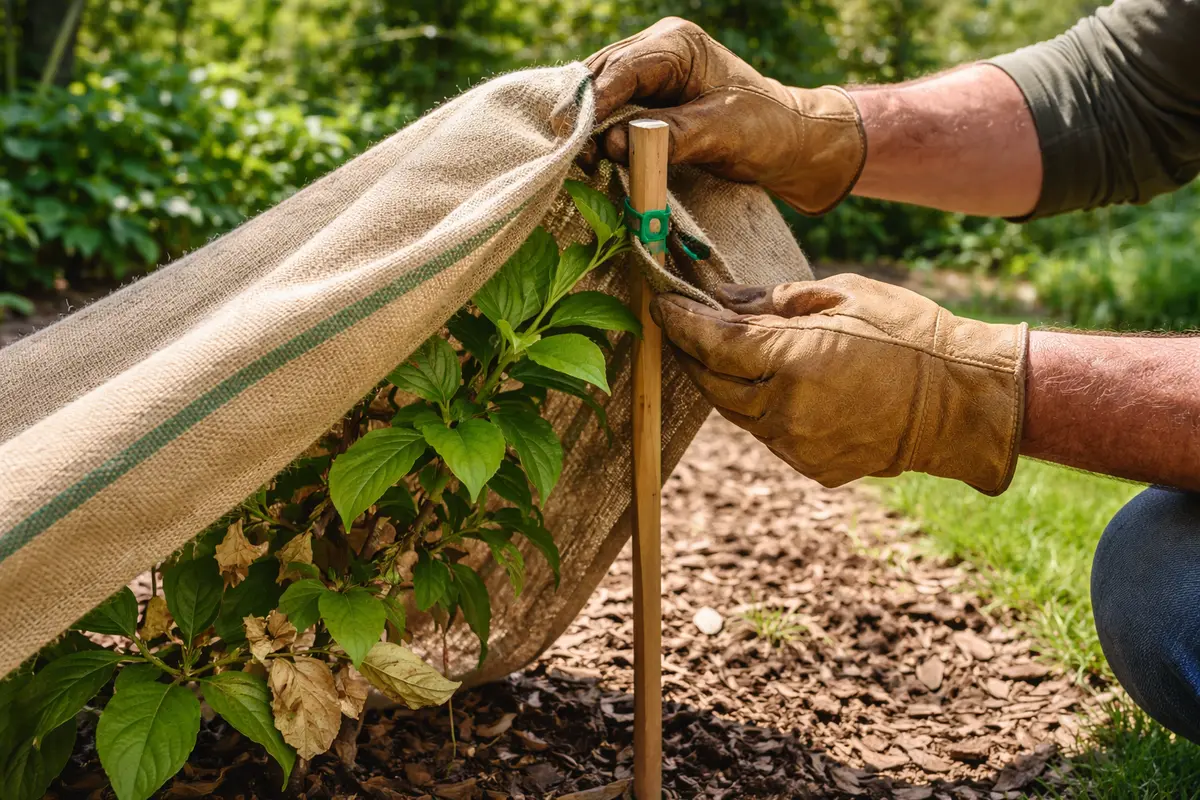
Shade from a garden canopy or even a more robust bush can help mitigate further damage, keeping the tree cool and reducing ongoing evaporation rates during hot spells. Drape lightweight cloths over delicate new foliage during peak sun hours (usually between 10 AM and 4 PM) to shield them from excess sunlight. During this time, it’s beneficial to monitor the temperatures around the tree branches to ensure the soil remains adequately moist and not overly heated. This practice protects new growth while the tree establishes healthier foliage that can eventually handle the heat. Over time, a well-shaded area increases the tree’s ability to adapt to direct sunlight, improving its resilience against environmental stressors.
During particularly hot months, assess the surrounding plants and landscape items regularly. It’s advisable to relocate plants or landscape structures that provide shade when necessary, ensuring they do not block future growth or interfere with the tree’s access to sunlight once it has acclimated. Adjusting what foliage or potted plants surround the tree can make a significant difference, especially if prolonged heat is in the forecast. If the growth continues to suffer, consider gradually removing the shade as the tree strengthens, monitoring how it responds to increased sun exposure weekly to ensure it can manage the changing light levels.
Step 5 – Inspect Leaves for New Browning Weekly
Monitor your trees by inspecting their leaves every week. You should see signs of new green growth emerging along with any browning still occurring, which will guide your next steps. Regular inspections allow you to catch potential issues early before they escalate into bigger problems that might overwhelm the tree.
A well-recovered tree will display rich green foliage with no recurrence of browning leaves; any early signs of the problem returning might include shadows of yellowing or browning edges on newer growth. Identifying these symptoms will help you determine what adjustments in watering or exposure might be necessary to achieve lasting health for your tree. For instance, if you notice yellowing beneath the new green growth, it signals overwatering rather than sunburn, necessitating a timely reevaluation of your watering schedule.
If you notice the leaves browning despite these efforts, consider contacting a local arborist or horticulturist. Their expertise can identify underlying problems that might not be visible at first, such as nutrient deficiencies or hidden pests that may be affecting overall health. Early consultation can save the tree from more damaging conditions that would be difficult to recover from if allowed to advance. Timely intervention can preserve the tree’s health, avoiding prolonged stress or the need for drastic measures like complete removal.
FAQ
How long does it take for a tree to recover from leaf browning?
The recovery time can vary based on the tree type and the conditions it is facing; generally, two to six weeks is common. Expect to see new growth as you provide proper care, but it may take a while for the tree to fully regain its vigor. Factors like soil condition, watering frequency, and weather patterns play significant roles in the recovery timeline across different tree species.
Can leaves turn brown from too much sunlight?
Yes, excessive sunlight can cause leaf scorch, which leads to browning. Trees that are not adapted to full sun exposure, such as young maples, may easily suffer and quickly decline if the condition persists. Monitoring specific sunlight conditions and being aware of your tree’s natural environment can help mitigate risks and keep your tree healthy.
Should I remove all brown leaves immediately?
Yes, it’s crucial to prune away any brown leaves right away to prevent further stress and damage. This release of energy-draining leaves allows the health of the remaining foliage to stabilize, giving the tree a better chance of focusing on recovery. The sooner this step is taken, the more likely you are to see positive changes in the tree’s overall health.