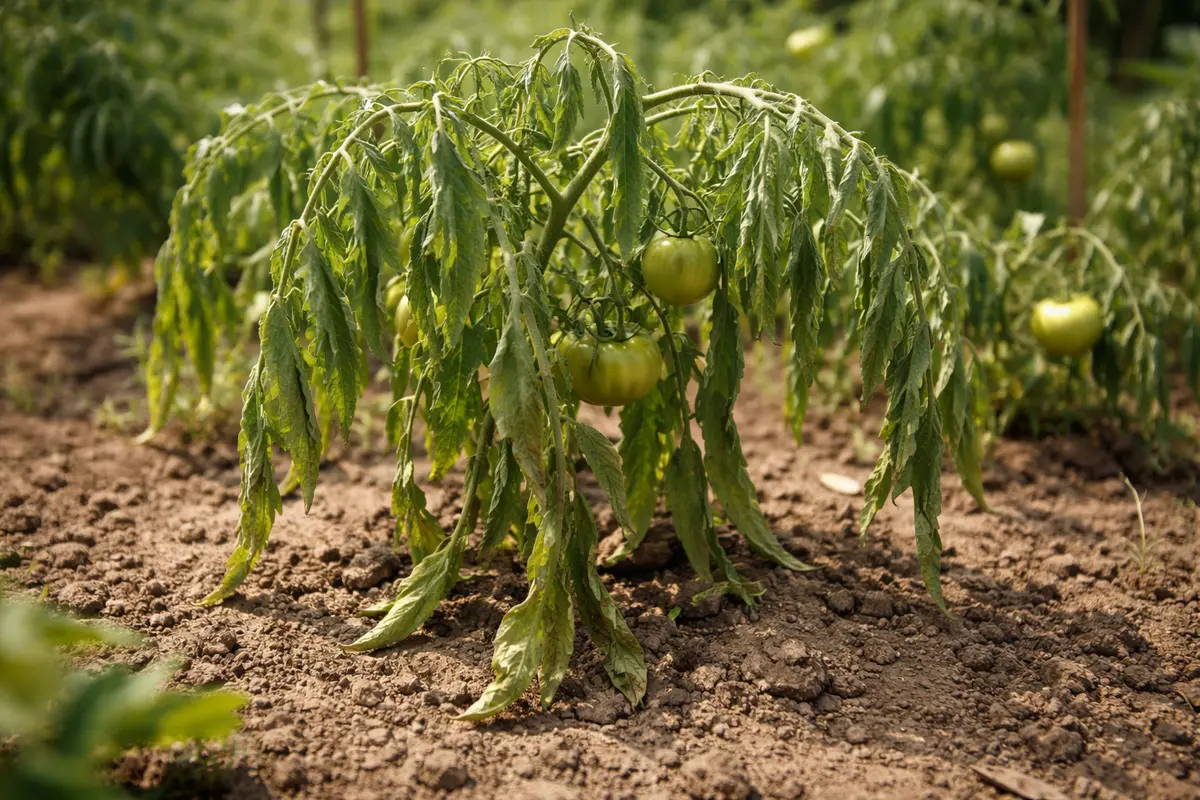
You may notice your tomato plants droop during hot afternoons, which is why you need to know what to do if tomato plants droop during hot afternoons. This wilting typically occurs due to heat stress, as the plants struggle to maintain their moisture levels under intense sun. If ignored, the condition can worsen and lead to more damage or even stunted growth, so it’s important to inspect and adjust your watering routine promptly.
Step 1 – Water Tomato Plants Immediately During Heat
First, move your drooping tomato plants into shade if possible, providing them immediate relief from direct sunlight. Within an hour, you should notice the leaves starting to perk up as they regain turgor, displaying a firmer appearance and vibrant color.
Acting fast is crucial because heat stress can cause irreversible damage to tomato plants, leading to wilting and reduced fruit set. When leaves droop, they signal a lack of water and can quickly result in cell death if the high temperatures persist. If the drooping continues for too long, the plants may struggle to recover, significantly affecting their growth potential.
For instance, a gardener who once delayed watering during a heatwave found their plants permanently stunted, whereas another who quickly relocated their tomatoes to a shaded spot saw them rebound within days. A typical mistake at this stage is overlooking signs of stress until it’s too late; if leaves are droopy during hot afternoons and the soil is dry, take immediate action to provide water or shade.
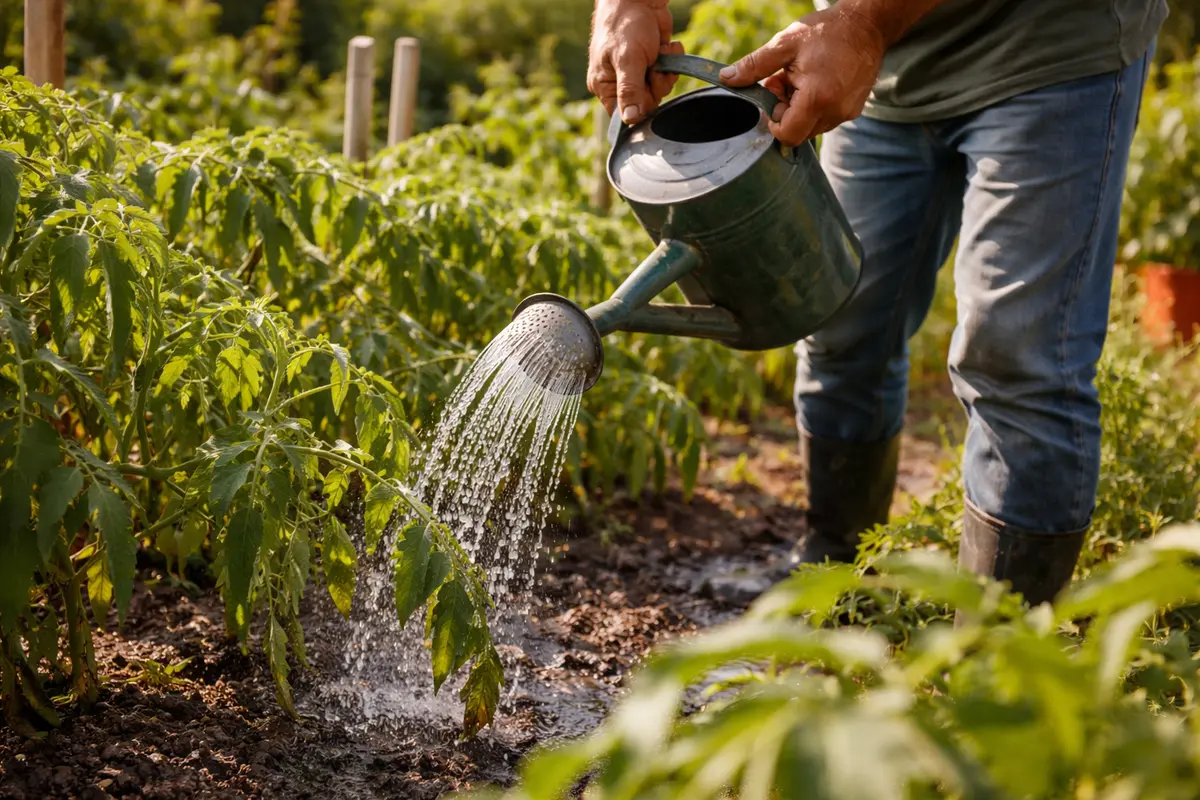
Tomatoes are particularly sensitive to heat and can experience rapid moisture loss through their leaves, leading to drooping as they attempt to conserve water. Adequate watering replenishes moisture in not only the topsoil but also deeper layers, promoting effective nutrient uptake by the roots. If you do not act quickly, prolonged dryness can lead to irreversible damage, diminishing fruit production and affecting the overall robustness of the plants. Regular checks during heat waves can guide such actions — for instance, if temperatures soar above 85°F, it’s time for serious hydration; however, if the soil feels moist a few inches down, reconsider additional watering.
A common mistake gardeners make is settling for shallow watering, only to sprinkle a little water on the surface rather than providing deep watering to reach down to the roots. During intense heat, the upper layer might appear damp while deeper levels remain dry. To grasp this issue, stick your finger into the soil a few inches deep; if it feels dry, direct watering is essential. If you notice wilting persists despite surface watering, it could indicate inadequate moisture reaching the root zone, ultimately leading to continued drooping. If plants droop after a strong watering, this may also imply an over-saturation or rot, necessitating a rethink of water frequency or drainage methods.
Step 2 – Diagnose Stress from High Afternoon Heat
Start by checking the soil moisture level around your tomato plants. If it feels dry to the touch at a depth of about one inch, water the plants deeply to rehydrate them. You should see the drooping leaves begin to perk up within a few hours as they receive the necessary moisture.
Tomato plants droop during hot afternoons primarily due to water stress, which occurs when the roots cannot uptake enough moisture to compensate for evaporation. When soil moisture levels drop, the plant’s cells lose turgor pressure, resulting in wilting and drooping leaves. In contrast, if your soil is consistently wet but the plants are still drooping, this could indicate root damage or disease rather than a lack of water. If not dry soil causing the issue, check for root rot as a potential cause.
If you find that the soil smells sour or has a mushy texture, this indicates over-watering and potential root rot. In this case, you should halt watering immediately and improve drainage around the plants by aerating the soil or moving them to a higher spot. If the drooping persists despite proper drainage practices, inspect for pests that might be attacking the roots, as they also disrupt moisture uptake.
Understanding the soil condition helps determine whether the drooping is merely from under-watering or if other underlying issues are at play. Insufficient moisture means the plant struggles to uptake water effectively, causing the leaves to droop unhappily under extreme heat. Additionally, verify for signs of soil compaction or drainage problems, as these factors could hinder hydration even when watering occurs. This is crucial to observe since misdiagnosing the issue can lead to further unwanted effects, such as applying water to already saturated soil that has poor drainage. If digging reveals hard clumps of soil, it may indicate compaction contributing to your plants’ distress.
If the soil feels dry and your plants droop, increase your watering frequency, especially during hot days — perhaps every day or every other day depending on the weather. A related problem may arise if the roots are overly saturated instead, leading to root rot. In such cases, inspect for signs like blackened roots or a sour smell from the soil, as these indicate the need for better drainage. Assessing your watering routine is vital; if you are watering daily but the soil remains consistently wet without signs of recovery, you may need to adjust your practices immediately. Remember, the signs of stress can vary with temperature; what works in moderate heat might not suffice when the midday mercury spikes significantly above normal.
Step 3 – Apply Fertilizer for Revitalizing Tomato Growth
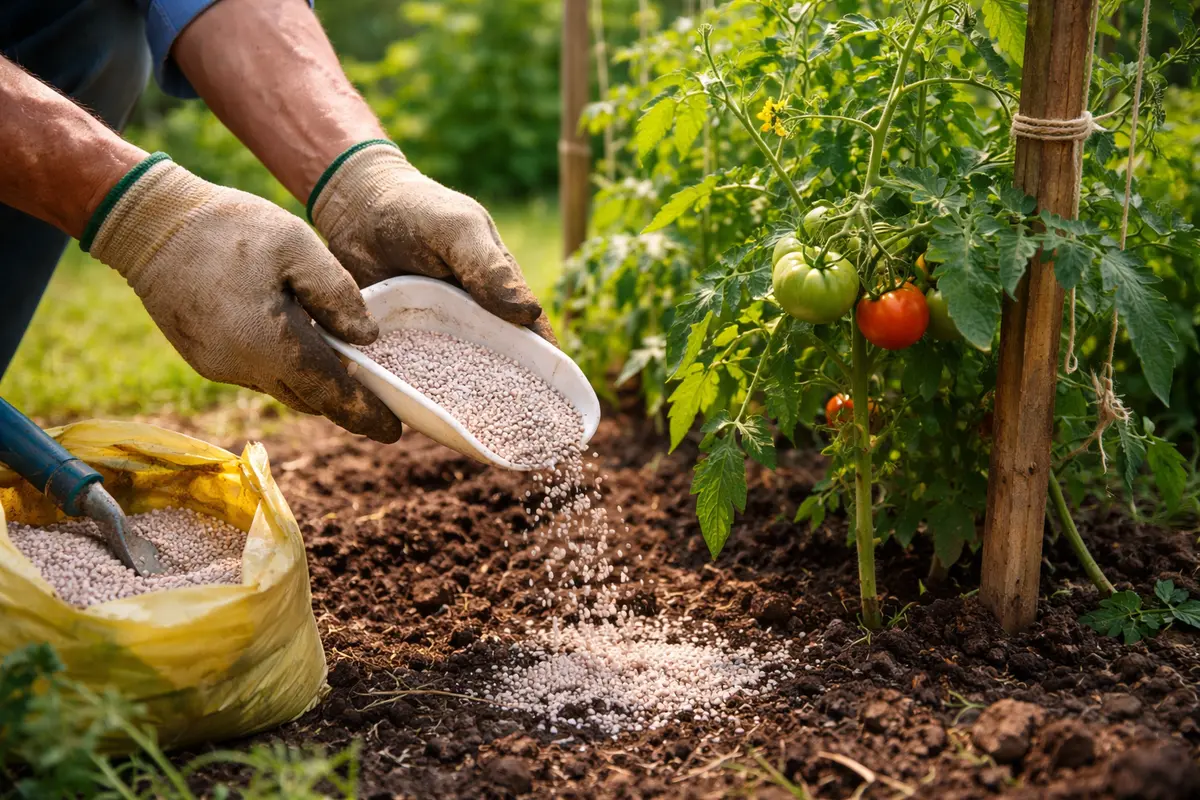
Once your tomato plants have had adequate watering, apply a balanced, slow-release fertilizer to rejuvenate their growth. You should see new growth emerging within a week or two as the plants start to recover from the stress they have endured. Follow package instructions precisely; generally, aim for a balanced 10-10-10 NPK ratio, using about 1 tablespoon of fertilizer per foot of plant height.
Fertilizing effectively replenishes essential nutrients that may have been depleted during periods of heat stress. When they recover from drooping, tomato plants need these nutrients to restore vigor, leading to fresh leaves and flowers once again. Targeting nitrogen, phosphorus, and potassium correctly will foster root development and improve overall plant health, making your tomato plants resilient against future temperature spikes. Monitor how frequently you fertilize; under most conditions, fertilizing every four to six weeks should maintain a healthy nutrient supply without overwhelming the roots.
Be particularly cautious not to over-fertilize; dosage must be balanced, as too much of a good thing can lead to fertilizer burn, which can exacerbate the problem. Gradual application is key. During my gardening observations, I’ve found that the balance of nutrients helps the plants considerably, especially when spread throughout the growing season, rather than dumping a large quantity at once, risking damage to roots struggling to adapt back to favorable conditions. If you notice leaf edges begin to darken or crisp, suspect over-fertilization and scale back the frequency or amount applied.
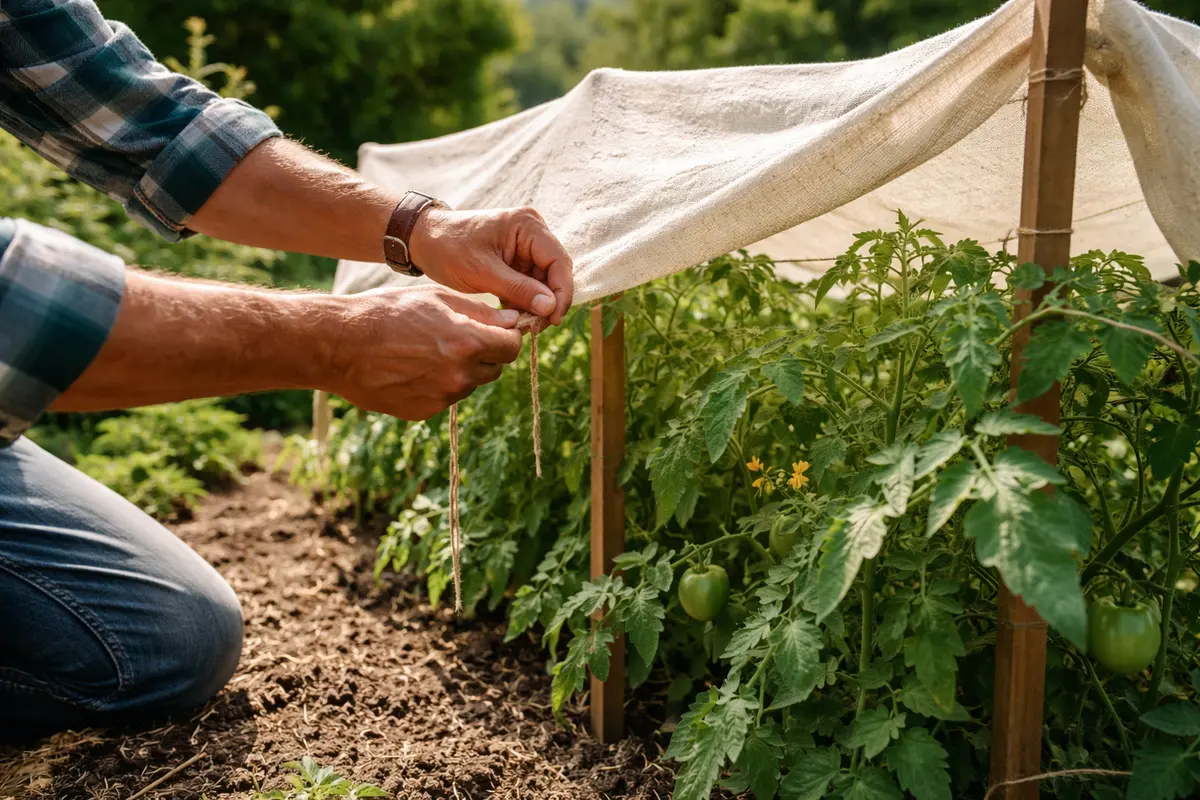
Step 4 – Shade Tomato Plants to Prevent Afternoon Droop
Start by watering your tomato plants deeply every morning before the sun rises, ensuring the soil is moist down to the roots. This consistent moisture will prevent drooping during the hottest parts of the day, leading to stronger plants that stand upright under heat stress.
Hot afternoons can sap moisture from the soil, causing the plants to droop as they struggle to absorb enough water. By establishing a morning watering routine, you address the root cause of moisture loss, enabling the plants to retain hydration as temperatures soar. If you notice drooping despite morning watering, check the soil moisture level to ensure it’s properly retaining water.
During particularly dry spells, supplement your morning watering with a light afternoon misting to cool the foliage and reduce transpiration. This additional layer of care helps combat hot weather effects and maintains plant strength; however, avoid getting water on the leaves close to evening to prevent fungal issues.
Providing adequate shade protects the plants from the direct scorch of the sun, slowing down moisture loss and helping them maintain turgor pressure in their leaves effectively. Methods such as hanging shade cloth, placing garden umbrellas, or using shade-producing plants nearby can create a more manageable environment during hot spells. Adjust your shading approach to the sun’s intensity, noting that too much shade might hinder growth, especially during cooler days, so be prepared to tweak this setup as the seasons change. Test your shading method during peak sunlight hours to ensure it adequately protects without causing excessive darkness.
As seasons shift, it is essential to evaluate how much and what type of shading you apply; for instance, less shade can be beneficial during the milder and more forgiving spring months. Understand that knowing when to apply and remove shading can provide your tomatoes with a balance necessary for comfort and steady growth during the fluctuations of temperature inherent in summer. Poorly timed shade adjustments can lead to stunted growth if the plant receives insufficient light to photosynthesize effectively.
Step 5 – Check Leaves for Wilting Signs After Heat Relief
Start by checking your tomato plants in the late afternoon when drooping is most evident. Observe the soil moisture level since dry soil can lead to wilting; dig about an inch into the soil near the roots to assess its dampness. If the soil feels dry, water the plants deeply and recheck them in an hour to see if they regain their firmness.
A fully recovered tomato plant stands upright with vibrant green leaves that feel firm and plump to the touch, while early signs of returning drooping include limp, droopy leaves that may appear slightly wilted or discolored. Healthy stems will feel sturdy, whereas if they feel soft or spongy, that’s an indication of stress. If the leaves start curling at the edges after regaining firmness, this may signal that an underlying issue is re-emerging.
If the drooping does return despite proper watering, assess for root issues or consider transplanting to a cooler, shadier location to reduce heat stress. If the problem persists, check for pests that might be draining moisture from the plant or inspect for diseases that affect root function, as addressing these concerns promptly can prevent further decline.
The revival signs will typically manifest as vibrant leaves and new growth should appear within a week following the implementation of recovery strategies. Ideally, a fully revived plant will display lush green foliage, and the leaves should stand upright instead of wilting, suggesting a return to health. In contrast, if you notice that wilting lingers or new droops develop, it indicates ongoing duress. This may require investigating the initial steps taken to ensure their adequacy, such as considering if nearby plant competition is reducing resources.
If wilting continues despite your efforts, consider assessing your watering habits — for example, scaling back water intake if symptoms of root rot become evident, such as a musty smell or blackened roots. Additionally, consulting with local gardening experts or considering professional advice can ensure your plants receive the best treatment. Regular monitoring is vital for establishing a routine that helps maintain plant health long term across varying conditions. In extreme cases, failure to improve could necessitate relocating the plants to a less exposed area, ensuring they have the best chance for recovery according to long-term weather patterns.
FAQ
How long does it take for tomato plants to recover from drooping?
Recovery time typically ranges from a few hours to several days, depending on how severely the tomato plants have drooped and how promptly you implement corrective measures. You will often observe visible changes within a week, such as perkier leaves and signs of new growth, affirming the success of your interventions.
Will my tomato plants recover fully if they droop during hot afternoons?
Yes, with timely watering, appropriate fertilization, and proper shading, your tomato plants can recover fully. Early intervention significantly enhances the odds of preventing lasting damage and encourages robust growth for the remainder of the growing season, ensuring a bountiful harvest thereafter.
Can tomato plants droop again after recovering?
Yes, recurrence of drooping symptoms is possible if conditions remain unfavorable, such as prolonged heat exposure or inconsistent watering routines. To prevent a repeat episode, ensure regular checks on hydration levels and adjust shading accordingly based on daily temperatures. A willingness to adapt is key to ongoing health and growth.