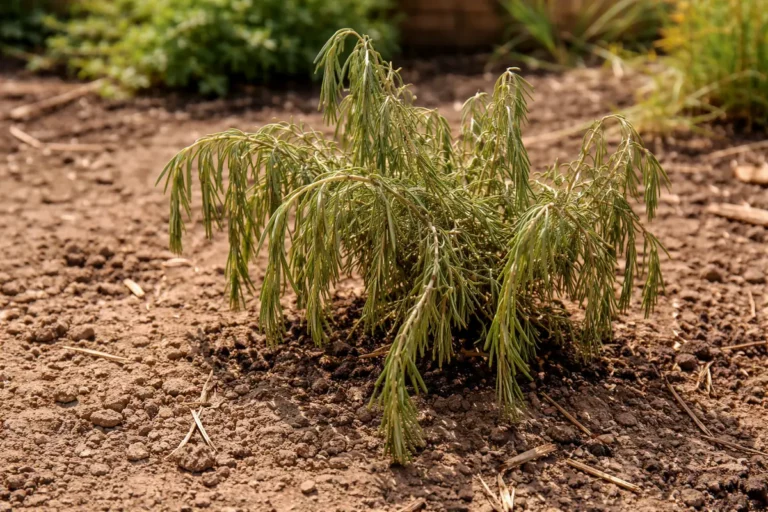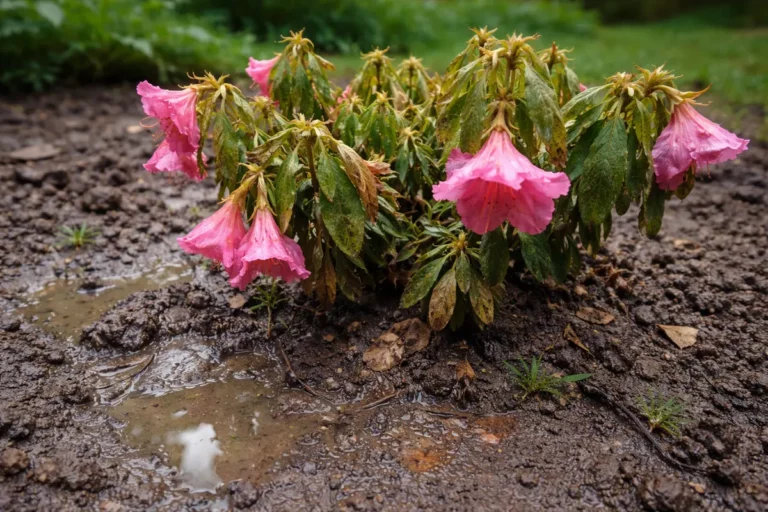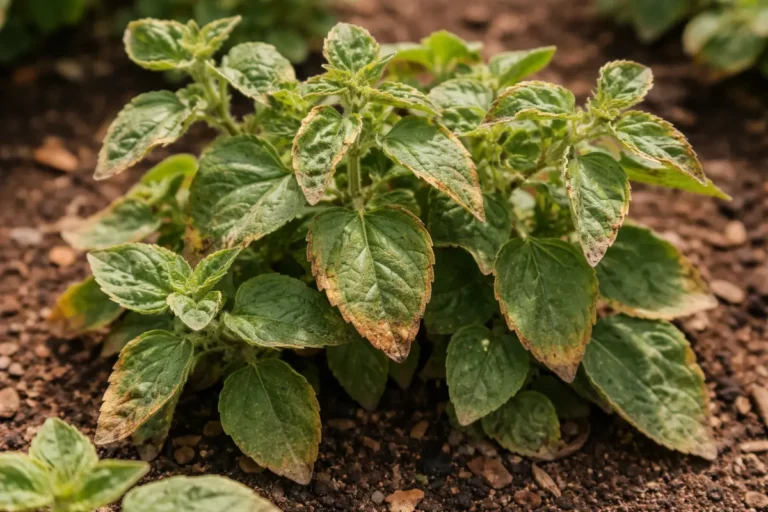
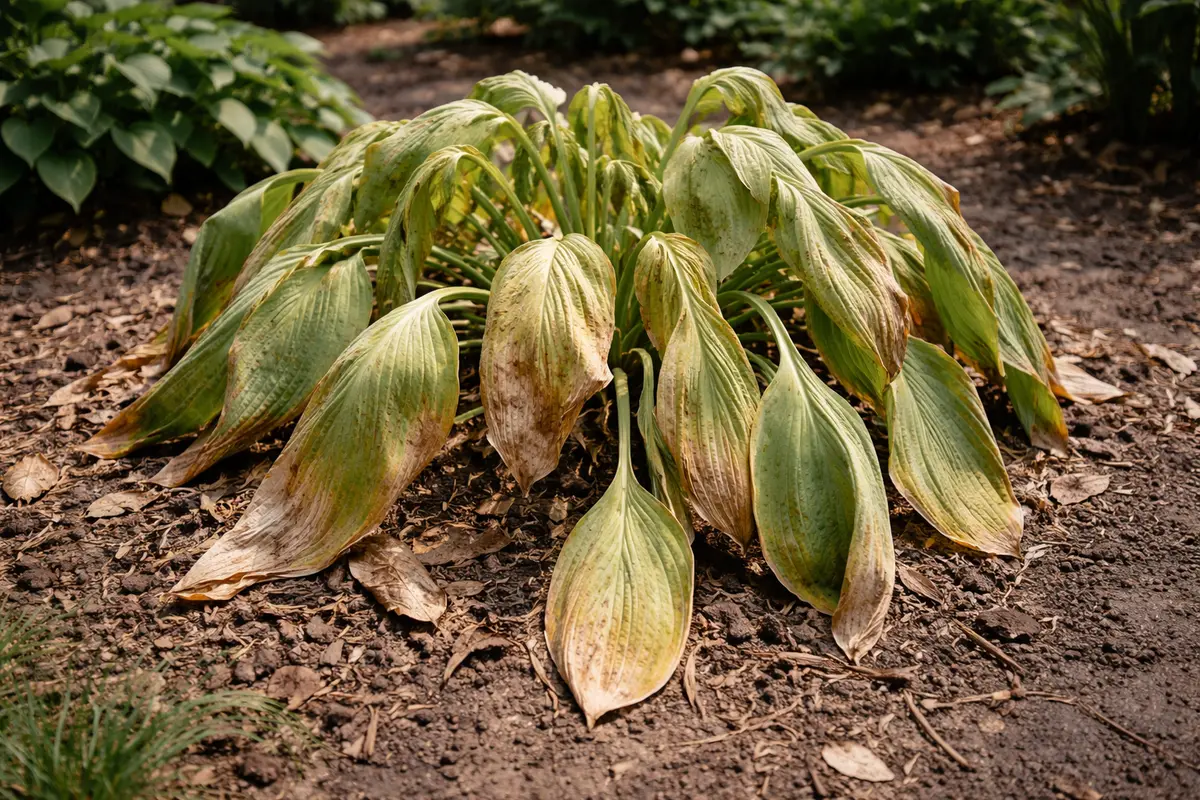
You may notice your hostas drooping and looking distressed during the sweltering days of summer, which is why you need to know, “Why are my hostas wilting in extremely hot weather.” This wilting occurs as the plants struggle to retain moisture under the intense heat, leading to visibly drooping leaves. If ignored, this condition worsens and can weaken the plant significantly, but fixing it is possible now—just monitor the moisture levels and adjust your watering schedule accordingly.
Step 1 – Water Hostas Deeply to Combat Wilting
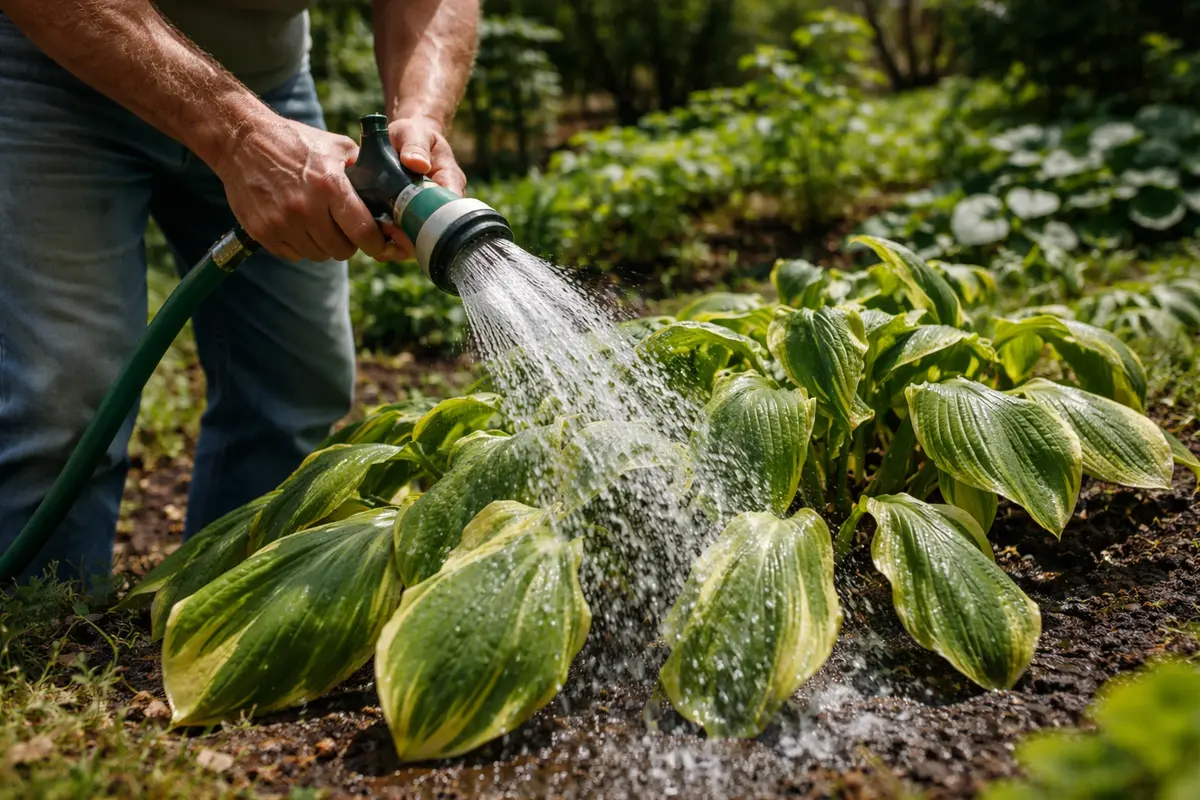
Water the hostas deeply to ensure their roots are well-hydrated. You will notice the leaves perk up within a few hours after this action is taken. Initial watering should involve saturating the soil to a depth of at least 6 inches, allowing the moisture to reach the root zone effectively. Ideally, aim to deliver about 1 to 1.5 inches of water per session, ensuring even distribution around each plant. It’s best to water early in the morning or late in the afternoon to minimize evaporation and enhance absorption. If the wilting persists after watering, re-evaluate your method and consider the soil’s drainage capabilities.
Deep watering is crucial during extreme heat because hostas, like many plants, rely on a sufficient water supply to maintain cell turgor, which keeps their leaves firm. If the soil lacks moisture, the plant will begin to wilt as a defense mechanism to reduce water loss. Inadequate watering can lead to a situation where the plant’s roots dry out completely, which not only causes wilting but can also lead to root damage over time. If wilting persists beyond initial watering, this could indicate that the plants require a more extensive hydration strategy and further monitoring. For instance, use a soil moisture gauge to ensure that moisture has adequately reached the root level, and make adjustments based on those readings.
Many gardeners mistakenly believe that just surface watering is enough to help stressed plants. However, in hot conditions, any surface moisture evaporates quickly, leaving the root zone dry. It’s essential to be thorough; if you notice dry soil after watering, check the first several inches to ensure it feels consistently moist. If the soil remains dry after a deep watering session, increase the frequency or amount of water delivered—especially during extended heat waves when daily watering might be required. Additionally, adjust your watering method if you find that the wilting occurs after heavy rains; sometimes, soil compaction can prevent proper hydration even after adequate rainfall. To support recovery, monitor both the drooping of leaves and the surrounding soil conditions. If the leaves recover quickly after watering, it suggests they were simply stressed and will benefit from a more consistent watering routine. Also, conducting this check during weather changes, such as unexpected heat spikes, can alert you to potential wilting before it worsens.
Step 2 – Analyze Soil Quality for Hostas’ Heat Stress
Check the soil moisture levels around your hostas. If the soil feels dry beyond 2 inches of the surface, it’s time to amend your watering strategy. This observation will indicate whether your hostas are receiving adequate hydration or if the heat has caused rapid evaporation. Using a soil moisture meter can provide precise readings and help you avoid guesswork. If readings indicate high moisture levels yet wilting persists, there may be underlying issues with soil health or root damage that require attention. Assess the moisture at multiple points around the root zone; if one area feels moist but others do not, it may signify uneven watering or drainage issues.
Inspecting the soil quality helps determine whether it can retain moisture effectively. Hostas prefer well-drained but moisture-retentive soil blends, such as those with organic matter like compost or peat moss. Testing the soil’s texture can reveal whether it’s sandy or clay-heavy, affecting how quickly it drains. For instance, overly sandy soil tends to dry out rapidly, while compact clay can retain too much water, frustrating root expansion and nutrient absorption. A simple handful test reveals much; if it crumbles easily, it may lack sufficient organic matter. However, if it holds together like a ball, it might demonstrate adequate moisture retention but could signal compaction, which obstructs root growth.
If the soil is compacted or overly sandy, the moisture might drain too quickly, so consider integrating organic matter or mulch to enhance retention. Applying a 2-3 inch layer of mulch can further help with moisture retention while keeping temperatures favorable for roots. Conversely, if the soil smells sour or feels excessively wet after recent watering, root rot may be an issue, indicating it’s best to reduce watering frequency and improve soil drainage instead. If your hostas wilt even after regular watering, excessive drainage may require a pause on watering or an organic amendment to improve moisture retention balance. A common diagnostic method is to gently pull back the mulch and check the texture of the soil; if the soil is clumping, it may be overly wet, whereas crumbly soil indicates good drainage. To achieve optimal moisture retention, also consider planting hostas in well-draining trenches or mounds to facilitate drainage and aeration. Regular soil testing after rainfall or extensive watering will help you establish accurate moisture levels and guide further care strategies.
Step 3 – Apply Mulch to Help Hostas Recover
Start by thoroughly soaking the soil around your hostas to help them rehydrate and recover from wilting. Look for signs of visible improvement, such as perked-up leaves and a return to vibrant color within a few hours after watering. To prevent future wilting, establish a routine of deep watering in the morning during extremely hot weather, particularly when temperatures exceed 85°F. Continuous soil hydration is critical during these times, especially in areas where local humidity is particularly low.
Hostas recover relatively quickly in favorable conditions, typically within a day or two after adequate watering. However, if the heat persists without sufficient moisture in the soil, the plants may wilt again, especially during peak sun exposure. If you see your hostas wilting in the afternoon while thriving in the early morning, it is imperative to check moisture levels underneath the mulch, as it can create a false sense of hydration, hiding underlying dryness. If the soil feels dry at that depth, this can often lead to additional wilting.
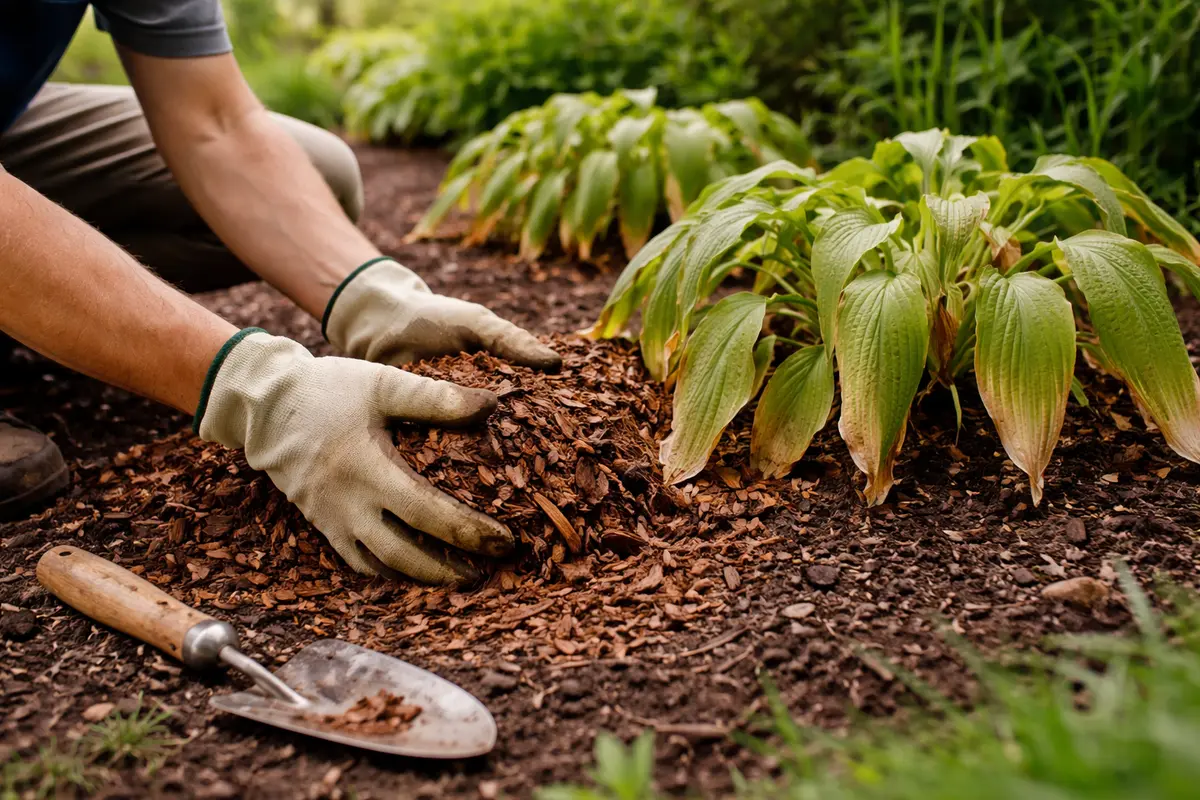
A common mistake during recovery and prevention is over-fertilizing, which can exacerbate stress on hostas in heat. Excess nutrients can increase water demand and lead to further wilting, so instead, reduce fertilizer use while monitoring moisture. If temperatures soar above 90°F, consider providing afternoon shade using cloth or temporary structures to mitigate harsh sunlight, as this can prevent stress-related wilting until the heat subsides. Applying mulch offers multiple benefits; it retains soil moisture, regulates soil temperature, and prevents weed competition, all of which contribute to healthier hostas. Ensure that a mulch layer of 2 to 4 inches is consistently maintained to maximize these benefits.
Insulated soil temperatures are particularly important during hot weather as it helps protect delicate root systems, making conditions less severe for the plants. Also, mulch can mitigate evaporation, slowing the drying out process significantly during intense heat. If the mulch layer breaks down quickly due to heat and humidity, consider adding another layer more frequently to ensure continued benefits throughout the season. Be wary of excessive compaction around the base of your hostas from mulch, as it may limit air circulation and lead to mold growth. Implementing a layer of breathable fabric between the soil and mulch can also enhance moisture retention without promoting mold. Pay close attention to signs of fungal growth in the mulch; if you notice a musty smell or visible fungus, it may indicate moisture retention issues that require addressing.
A common mistake post-mulching is neglecting to monitor soil moisture beneath it. If mulch leads to increased soil retention but regular watering isn’t adjusted, you risk overwatering or creating a damp environment conducive to pests or diseases. Regularly checking soil moisture beneath the mulch, perhaps every 5 to 7 days, helps avoid oversaturation or mold growth, which can compromise hosta health. An ideal test is to insert a finger or a moisture meter beneath the mulch; if it feels overly moist, consider reducing watering frequency while continuing to monitor for signs of decay. Moreover, observe weed growth in mulched areas; if weeds are thriving, consider increasing mulch thickness to better suppress their growth.
Step 4 – Check Hostas for Signs of Heat Damage Weekly
Monitor your hostas each week for signs of heat damage or recovery. Look for consistent leaf firmness and vibrant green color as indicators of improvement. Mark your calendar for weekly check-ins to carefully observe how your plants respond over the coming weeks. You might even notice new leaves unfurling, indicating that the hostas are successfully recovering. If you observe continued wilting or browning on previously healthy leaves, this could signal that your hostas are either stressed by environmental changes or aren’t receiving adequate hydration despite your efforts. Assessing foliage color and texture is crucial; yellowing may indicate overwatering, while browning suggests underwatering. Consider that some leaf browning is natural for older leaves during transitional weather.
A fully recovered hosta will have leaves that are plump and standing upright; any signs of browning edges or limpness indicate ongoing water stress or possible root issues. If recovery is underway, you should also observe fresh growth beginning to arise from the center of the plants within a few weeks. Regularly documenting your observations helps identify patterns and predict stressors effectively over time. Engage with the foliage, and note any fungal infections or pest activity that may hinder recovery, especially on the undersides of the leaves, where pests tend to thrive.
If any signs of wilting return, reassess the moisture conditions and environmental factors affecting your hostas. Be prepared to adjust watering schedules or investigate other sources of stress like exposure or pests if the problem persists. Regularly checking for other indicators of stress, such as the leaves’ resilience to bending and overall vibrancy, can alert you to shifts in care needs. Timely interventions can prevent further damage and facilitate a quicker recovery. Keep your eyes peeled for new growth or any signs of declining health, as proactive management is essential in maintaining the vitality of your hostas throughout seasonal changes.
FAQ
How long does it take for wilting hostas to recover?
It typically takes several days to a week for wilting hostas to show signs of improvement after proper watering and care. You’ll start noticing leaves perking up and new growth emerging once conditions are stable. However, factors such as the extent of the wilting and the ongoing weather conditions can affect recovery time. If conditions remain hot and dry, recovery may take longer, so continuous monitoring is essential. Frequent temperature fluctuations can also delay recovery, as consistent stress resists full recuperation.
Can heat stress spread to other plants nearby?
Heat stress in hostas does not directly spread to other plants but can indicate inadequate watering practices across your garden. If the surrounding plants face similar low moisture levels, they may exhibit corresponding wilting or stress signs as well. It’s vital to check other nearby plants to ensure they are adequately hydrated, as adjustments needed for hostas may also apply to similar varieties nearby. Changes in wind patterns or shade from neighboring structures can alter local humidity, increasing the risk of heat distress in nearby foliage.
Should I remove wilted leaves from my hostas?
Yes, if the leaves remain wilted for an extended time, they can be removed to redirect energy to healthier parts of the plant. Removing damaged leaves can improve airflow around the plant, an essential factor in high-heat situations. This helps the plant focus on recovery, particularly when temperatures stabilize and water conditions improve. It’s advisable to make cuts at the base of the stem to minimize damage to the plant. Watch for new growth in the following weeks to ascertain recovery status and ensure your plant is on the mend.