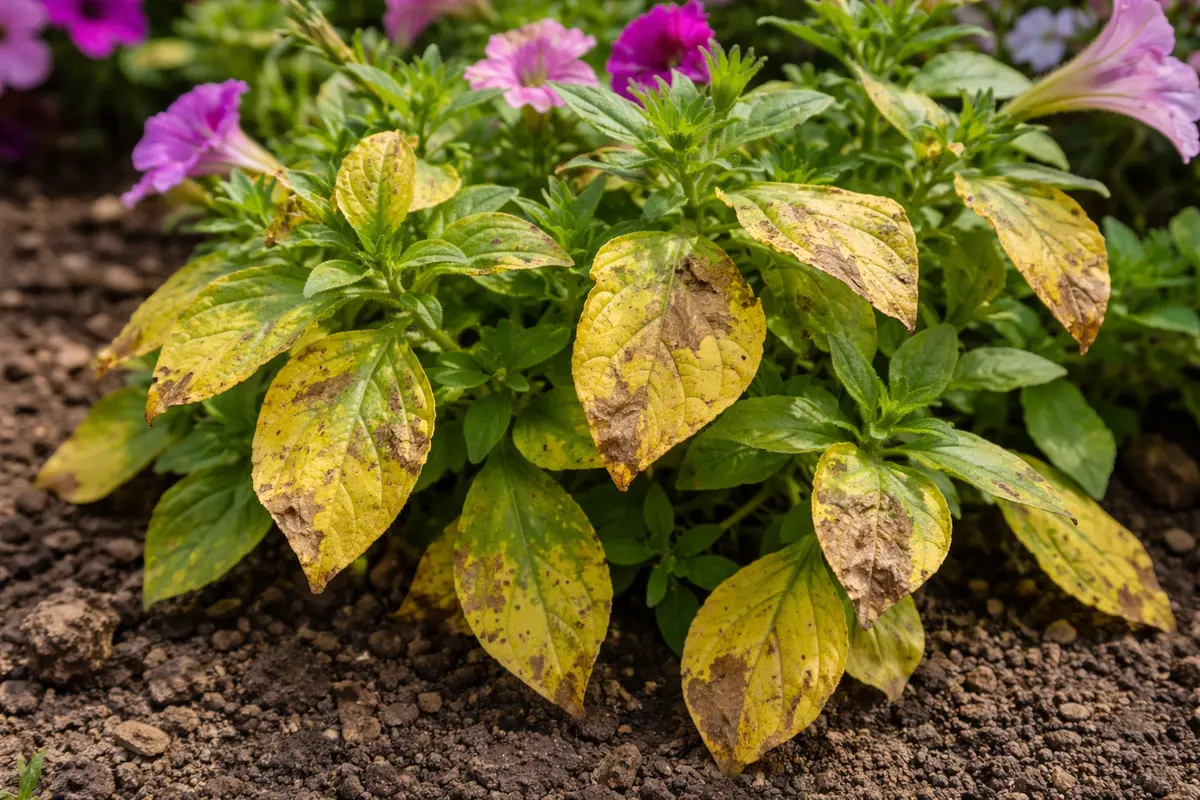
You may notice your petunias looking less vibrant during a heatwave, which is why you need to know why are my petunias turning yellow in hot weather. This yellowing often indicates stress from excessive heat or dehydration, leading to wilting leaves and overall plant strain. If left unaddressed, the condition can worsen, weaken the plant, and lead to more damage. Fixing it is possible now—just check your watering schedule and adjust as needed to keep them healthy. Addressing the issue promptly can be the key to reviving your petunias and ensuring they continue to thrive throughout the summer months.
Step 1 – Inspect Petunia Leaves for Yellowing Signs
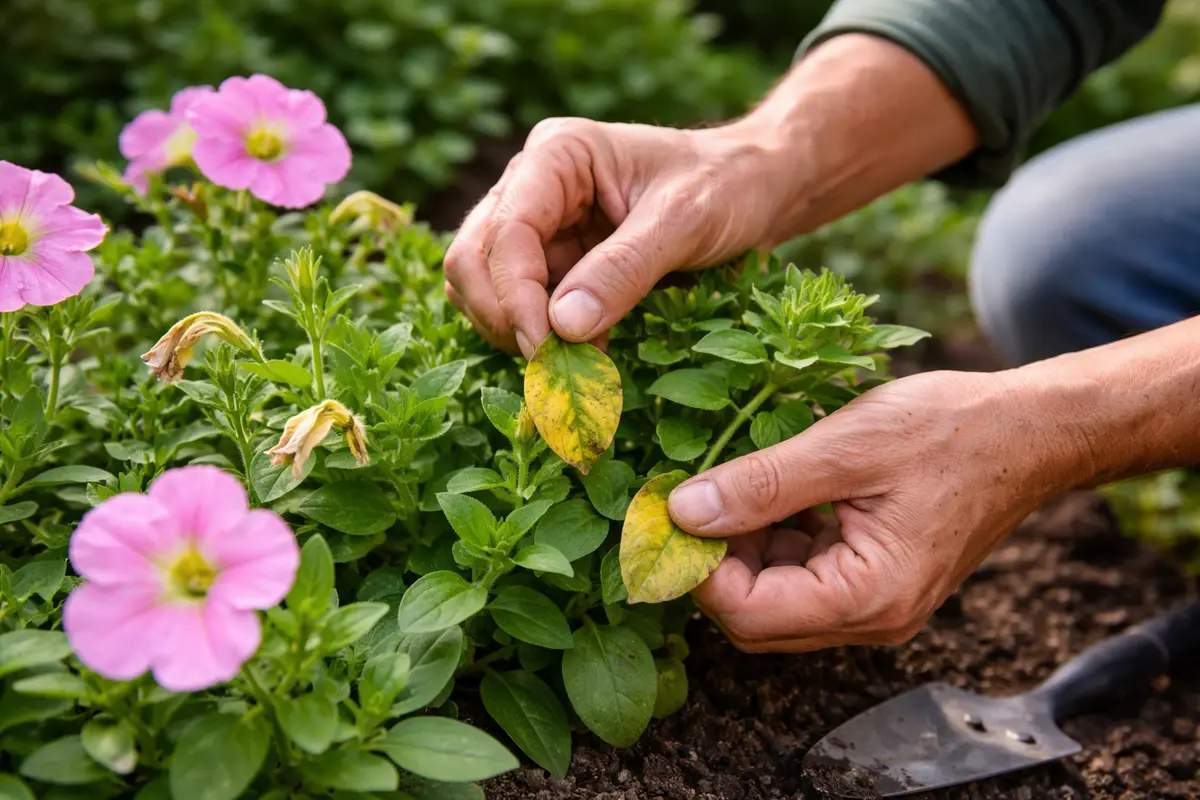
Check the leaves of your petunias for yellowing signs immediately. You will notice which leaves are discolored, helping you identify the severity of the issue. The extent of yellowing affects how you proceed with treatment; some leaves may show just a hint of yellow, while others might appear crispy and brown, indicating different levels of stress. If you find that the first signs of yellowing occur at the lower leaves, then it is critical to act quickly, as this indicates the plant is under significant stress. Categorizing the yellowing can guide your immediate response—pale yellow leaves may signal nutrient deficiencies, while dark yellow or brown edges could suggest dehydration or root problems.
Prompt inspections are crucial because early identification of yellowing prevents stress from escalating. Petunias can suffer irreparable damage when stress persists, especially if not addressed quickly. Pay close attention to leaf texture; a soft, limp feel suggests overwatering, while a dry, brittle texture indicates underwatering. Understanding the leaf coloration can provide insight into the specific problem; for example, a mottled pattern may indicate pest damage, while a uniform yellow suggests other stressors.
A common mistake is waiting too long before checking leaves, allowing the symptoms to escalate from mild to severe. If you see yellowing accompanied by wilting, the plant is experiencing significant stress, necessitating quick action to adjust care routines. A quick rule of thumb: if the top leaves start to show yellowing, check your watering immediately. Take note of the color; lighter yellow may indicate a lack of nutrients, while a deeper yellow could signal larger issues such as root stress or soil imbalances. If the damage is extensive with crunchy edges, often from prolonged drought, consider more drastic measures like adjusting your watering frequency or even assessing for pests affecting the plant.
Step 2 – Analyze Soil Conditions Impacting Petunias
Examine the soil around your petunias for any signs of poor drainage or unusual moisture levels. You should see if the soil is overly dry or excessively moist, which will dictate your next steps. Proper soil moisture supports nutrient absorption, directly affecting leaf coloration. Dig into the soil at least one inch deep, and also test deeper at about three inches if the surface feels dry. If the top layer feels dry but the bottom is soggy, root problems may be imminent.
Hot weather can exacerbate previously manageable soil conditions. If your petunias are sitting in wet soil, this may lead to root rot, which will cause yellowing leaves due to lack of oxygen around the roots. Conversely, dry, dusty soil suggests underwatering, which can negatively affect nutrient uptake, leading to visible yellowing in your plants. Recognizing soil texture and smell is critical; if it smells sour or has a mushy texture, root rot may be present. If you note soil that holds moisture but smells earthy and fresh, it typically indicates a healthier environment.
If the soil appears dry yet firm, consider deeper watering to alleviate stress and allow roots to revive. Moisture needs to reach a depth of around 6-8 inches, as shallow watering promotes weak root systems that cannot access moisture during high heat. If the soil smells sour, indicating potential rot, improve drainage by adding mulch or changing the potting mix with a blend that enhances aeration. Immediate attention to soil conditions will prevent exacerbated yellowing and stress; neglecting this step can quickly lead to broader plant mortality. If soil is compacted, aeration may be necessary—use a garden fork or tiptoed gardening tool to gently perforate the soil surface to allow air and moisture to penetrate deeper.
Step 3 – Fertilize Petunias to Aid Recovery from Stress
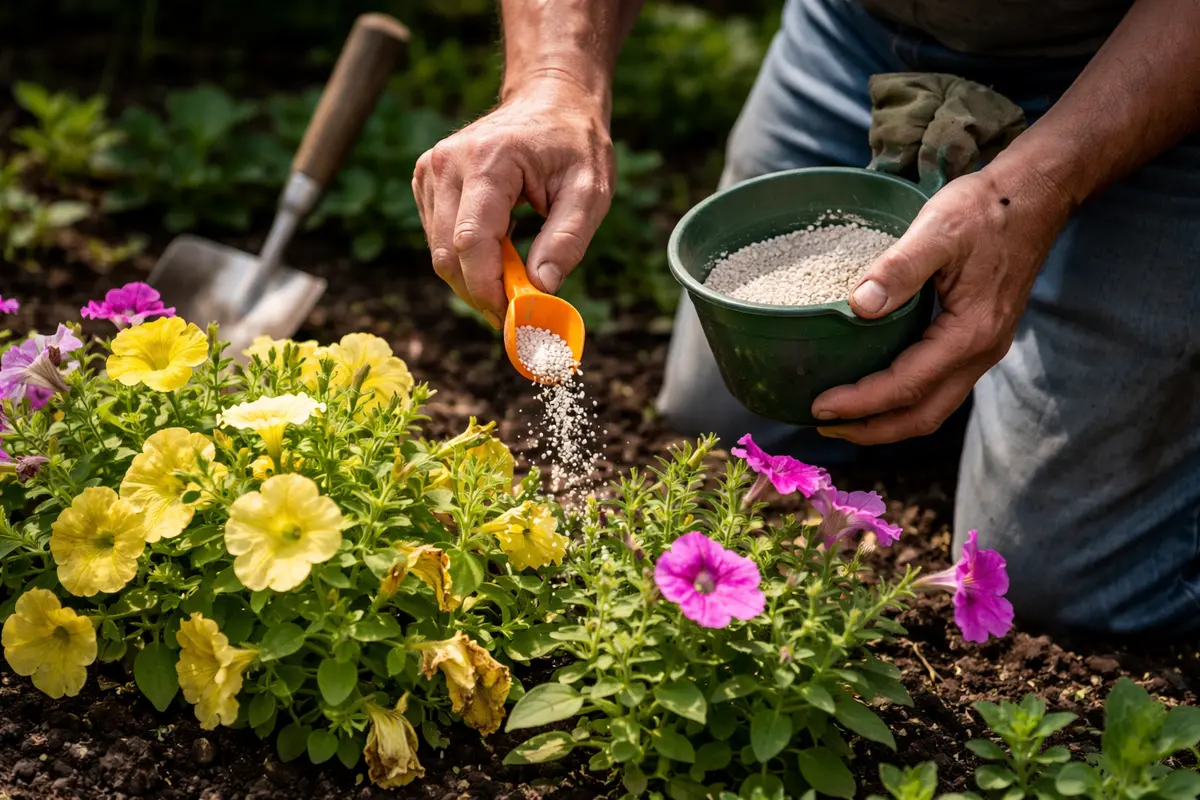
Apply a balanced fertilizer to your petunias to promote recovery. You should see a return to greener foliage within a week as the plants respond to the additional nutrients. Target fertilizers formulated for flowering plants, containing nitrogen, phosphorus, and potassium in balanced ratios; typically a 10-10-10 formulation works well. Ensure the fertilizer is evenly distributed around the base of the plants, avoiding direct contact with the stems to prevent burning; a three-inch radius around the base is sufficient. After applying, water light mist over the leaves to protect from sunburn.
Fertilizing provides necessary nutrients that may have been depleted from the soil, particularly if the plants have been under stress due to poor moisture management. During recovery, pay attention to the N-P-K ratio; nitrogen promotes foliage growth, phosphorus aids in root and flower development, and potassium strengthens overall plant health. Be careful to follow recommended application rates carefully; over-fertilization can lead to fertilizer burn, complicating recovery and potentially leading to more yellowing leaves. If your fertilizer calls for two tablespoons per gallon of water, ensure you do not exceed that dosage, which can lead to nutrient buildup in the soil.
A common pitfall is applying too much fertilizer too quickly, risking plant burn and further complicating recovery. Petunias usually respond better to light but frequent fertilization rather than infrequent heavy doses; splitting the application over several days may yield better results. After fertilizing, observe the leaves for rapid return of green—if leaf yellowing persists beyond one week, examine your soil composition and adjust your watering practices as needed. This is crucial, as nutrient deficiencies might persist even with new fertilizer if soil conditions are unfavorable; consider also doing a soil test to verify elemental balances.
Step 4 – Water Petunias Consistently in Hot Weather
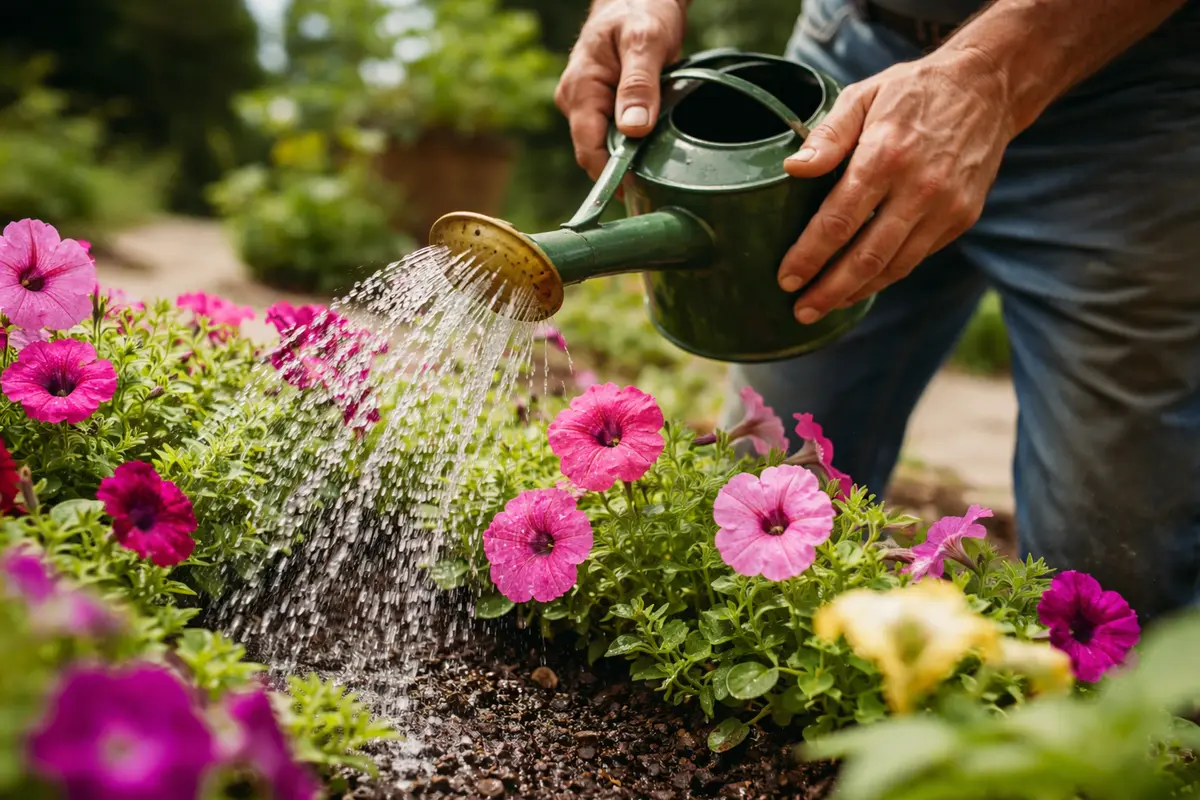
Water your petunias deeply and consistently during hot weather. You will notice that the soil remains evenly moist, which keeps your plants hydrated and prevents yellowing leaves. Aim to maintain soil moisture by watering at least two to three times a week, especially during heat waves, as this helps to prevent the soil from drying out completely. When you water, make sure to saturate the root zone to a depth of around 6-8 inches, ensuring the roots access enough moisture; use a moisture meter if necessary for accurate readings.
Hot weather causes water to evaporate quickly, increasing the need for regular maintenance; keeping the soil moisture balanced helps mitigate heat stress effectively. If soil dries out too often, roots may become damaged, leading to issues such as nutrient accessibility that manifests as yellowing foliage. If you happen to water superficially without saturating the root zone, you may inadvertently promote shallow root growth, making plants more susceptible to heat stress. Consistency is key, so you may also want to consider incorporating a mulch layer to minimize evaporation and maintain consistent moisture levels around the roots.
It’s crucial to adjust watering schedules during extended heat waves. For instance, if temperatures exceed 90°F for several days, you may need to water daily, but ensure your potting mixture drains well and does not retain excess moisture on cooler days. Skipping watering for several consecutive days can cause drastic decline, while overly frequent shallow watering might complicate the issue by creating a cycle of moist surface and dry layers below. If soil stays consistently too wet as a direct result of poor drainage, consider using a moisture meter to avoid overwatering; it can also be helpful to switch to self-watering containers if this is an ongoing challenge. Adhering to this method will help keep your petunias properly hydrated, ensuring they have the best chance to thrive.
Step 5 – Check Petunia Foliage for New Yellowing Weekly
Start by checking the soil moisture levels every few days, ensuring they are consistent but not overly saturated. Observe the leaves for changes: look for a deepening green color and the gradual return of vibrant blooms. Recheck your petunias weekly, noting any signs of wilting or persistent yellowing, to determine if your adjustments have had a positive effect.
A fully recovered petunia displays lush green leaves that are firm to the touch, with blossoms that are bright and abundant. In contrast, the early signs of a returning issue often include yellowing leaves that feel soft and limp, suggesting inadequate hydration or nutrient deficiency. If the leaves start to curl or you see new yellow spots emerging, these are indicators that the problem might not be resolved yet.
If yellowing persists despite your interventions, implement a balanced fertilizer to address potential nutrient deficits, and ensure your watering routine is adjusted to meet the plant’s needs during hot spells. If the situation does not improve, consider relocating the pot to a slightly shaded area during the hottest part of the day to reduce stress on the plants.
A fully recovered petunia will exhibit vibrant, deep green leaves and beautiful blooms—a stark contrast to the yellowing leaves you observed before. Prompt detection of new yellowing allows you to react quickly to factors affecting your plants. Keep in mind that environmental changes like sudden humidity shifts can also influence growth; maintain vigilance in your care practices. If yellowing reappears, you might have to delve deeper into soil conditions and watering routines to ensure consistency in care, especially if new irrigation methods were introduced.
If you notice persistent yellowing despite following routines, consider reevaluating your watering and nutrient application further. Occasionally, pests like aphids or broad mites might emerge, necessitating targeted treatments such as insecticidal soap, which can combat infestations without inflicting further stress on the plants. If you suspect nutrient issues, testing for soil pH and nutrient levels can provide insights into any imbalances causing those ongoing symptoms. By closely monitoring conditions and adapting practices, you can ensure long-term health and vibrancy for your petunias.
FAQ
How long does it take for petunias to recover from yellowing?
Recovery from yellowing can take anywhere from a few days to a couple of weeks, depending on the underlying issues addressed. If nutrient deficiencies or minor water stress were the culprits, you might see improvement within a week with appropriate care. However, if root rot is present, recovery might take a longer time due to the complexity of restoring root function; sometimes, new growth won’t become visible until the plants have had adequate time to recuperate and recover.
Can overwatering spread the yellowing problem in petunias?
Yes, overwatering can lead to problems such as root rot, which may cause yellowing to spread throughout the plant. It is crucial to allow the soil to dry somewhat between watering sessions to prevent this issue from escalating into more significant problems that hamper recovery. If left unaddressed, continuously overwatered petunias are prone to various fungal diseases that could further inhibit their recovery; thus, closely monitoring moisture levels is a foundational part of healthy plant care.
Should I remove yellowing leaves from my petunias?
Removing yellowing leaves can assist in allowing the plant to focus its energy on healthy growth. However, this should be done judiciously and only after addressing the underlying causes of yellowing. If associated diseases are suspected, be particularly careful in their removal, as improper handling risks spreading the issue throughout the plant; using clean tools and correct cutting techniques minimizes this risk while promoting overall recovery. If you find substantial dieback, proper hygiene management becomes key to preventing re-infestation or disease spread.