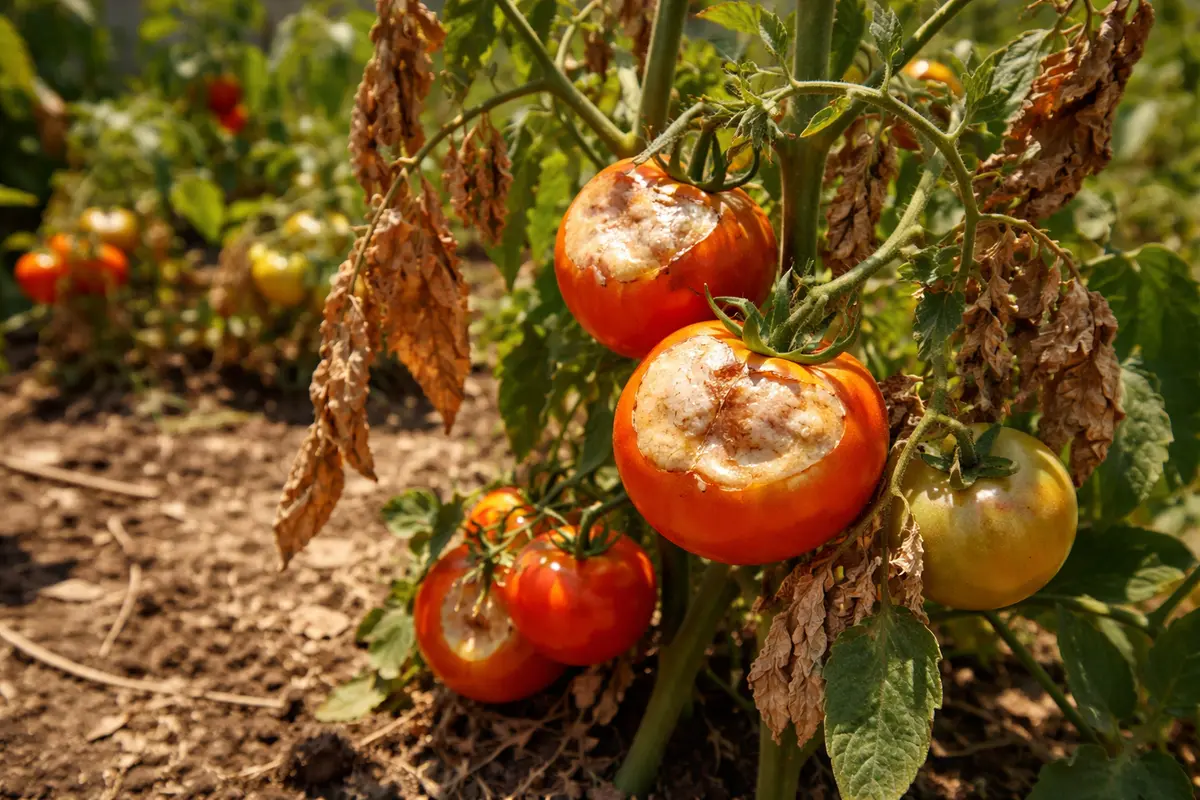
You may notice your tomato plants starting to exhibit yellowing leaves during a heatwave, which is why you need to know why are my tomatoes turning yellow during a heatwave. This yellowing is often a sign of stress from the plant’s inability to cope with excessive heat, leading to damage like wilting and nutrient deficiencies. If ignored, the problem gets worse and can spread throughout the plant, leading to more damage, but fixing it is possible now if you check your watering routine and inspect for any signs of pests or diseases.
Step 1 – Inspect Leaves for Sunburn Symptoms
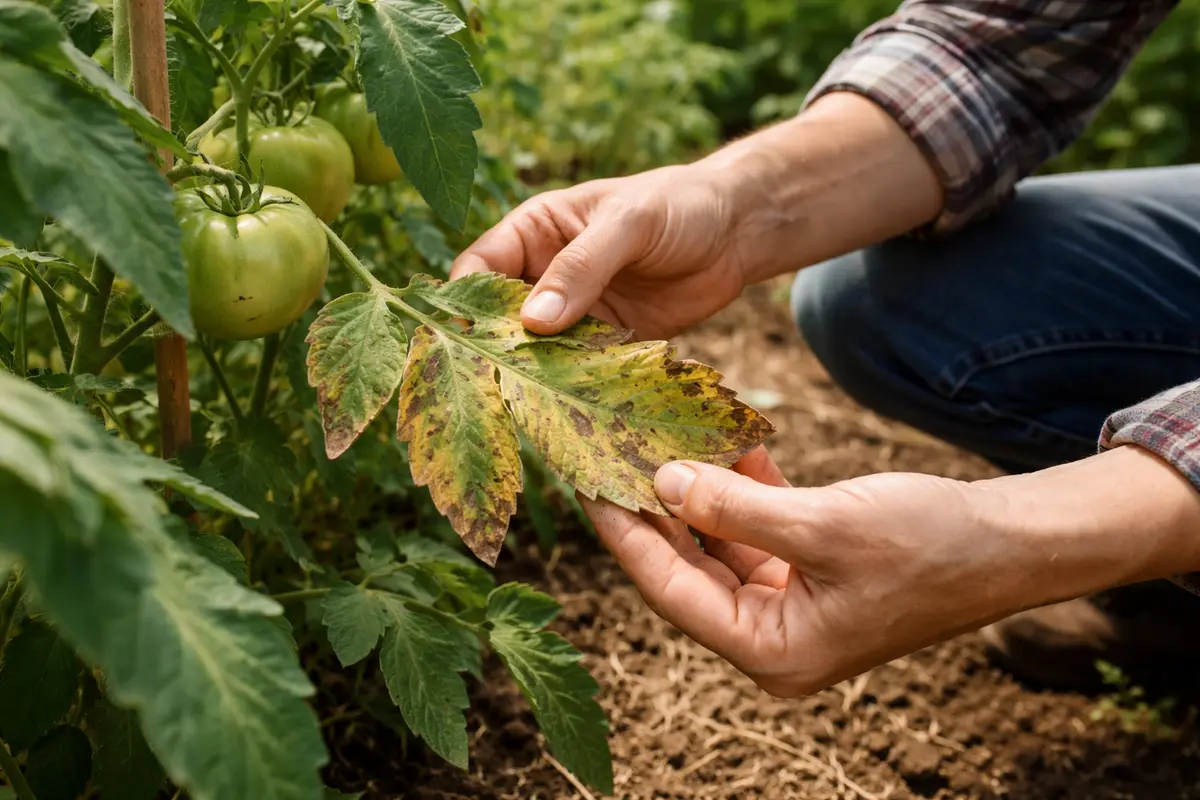
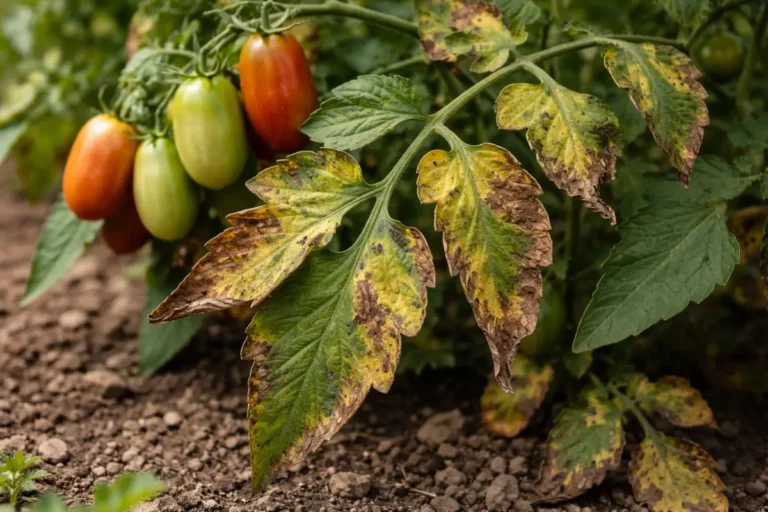
Begin by closely examining the leaves for signs of sunburn or heat stress. Signs to look for include yellowing leaves along with crispy edges and darkened spots that develop within a few hours of prolonged sun exposure. This inspection is crucial as identifying immediate damage can prevent further stress on the tomato plant and assist in devising a responsive care strategy. The earlier you catch these symptoms, the sooner you can implement changes to improve the plant’s health.
Inspecting the leaves promptly is essential because sunburn can significantly impact the plant’s ability to photosynthesize, which is vital for its overall health and fruiting capability. When leaves are subjected to excessive sunlight combined with high temperatures, they suffer damage that leads to yellowing. If this condition is allowed to persist, it could accumulate stress, resulting in irreversible damage to the structural integrity of the leaves and the overall vigor of the plant. If the yellowing is accompanied by wilting or a weakened stem structure, immediate action should follow to mitigate further damage.
A common error gardeners make at this stage is failing to assess environmental impacts before making adjustments. For instance, some may hastily increase watering without first verifying if sunburn is actually the root cause of the yellowing. By making a focused evaluation of the leaf condition prior to modifying other care practices, you can ensure that you’re addressing the core problem rather than applying a one-size-fits-all solution that may exacerbate the situation. Another mistake involves neglecting to provide shade during peak sunlight hours; using shade cloth can help filter out the harshest rays, protecting the leaves from additional sunburn.
Step 2 – Assess Watering Patterns Causing Yellowing
Start by checking the soil moisture levels around your tomato plants. If the soil is dry to the touch, water deeply and consistently to ensure the roots receive adequate hydration. Within a few days, you should notice less yellowing in the leaves as the plants begin to recover and re-green. Deep watering should penetrate at least 6 to 8 inches into the soil to effectively hydrate the root zone, which is essential for nutrient absorption.
Tomatoes can turn yellow during a heatwave primarily due to stress from insufficient water. As temperatures rise, water evaporates quickly from the soil, leading to drought stress that inhibits the plant’s ability to transport nutrients effectively. If your plants are receiving too much sun without proper hydration, the leaves may exhibit yellowing while the veins remain green, indicating nutrient deficiency from dehydration. Monitor the moisture levels routinely; if they fluctuate rapidly between dry and saturated, your plants may also suffer from additional pressure.
If the soil smells sour, which indicates root rot, shift your approach by improving drainage immediately. Consider loosening compacted soil around the roots or amending with organic matter to enhance drainage properties. Also, check for signs of pests such as aphids, which can also cause yellowing leaves but require targeted insecticidal soap treatments instead of watering adjustments. Addressing these issues promptly can help restore the health of your tomato plants, preventing further spread of stress symptoms.
Insufficient watering has a detrimental effect on tomato plants, especially during heatwaves when evaporation rates surge and can rob the soil of its moisture resources. When roots do not receive adequate hydration, they struggle to efficiently transport vital nutrients to the leaves, causing them to turn yellow. The inability to maintain proper hydration can stress the plant, inhibiting its growth, and even stunting fruit production as the plant diverts energy to survive rather than thrive. Check soil moisture daily and adjust your watering schedule based on temperature fluctuations and recent rainfall to strike the right balance.
If the soil is persistently dry, yet yellowing continues, it may suggest underlying issues such as root damage or pest activity. Consequently, if you observe wilting leaves even with regular watering, it’s prudent to check the root zone to ascertain whether pests or pathogens like root rot are affecting water uptake, which can further complicate recovery. Being vigilant in spot-checking will enable you to target more complex problems effectively as they arise. Overwatering should also be a concern; note that consistently soggy soil can lead to similar yellowing and wilting symptoms, reinforcing the need for precise watering techniques.
Step 3 – Test Soil Moisture to Confirm Drought
Start by inspecting the leaves of your tomato plants for yellowing, particularly those at the bottom. This symptom typically indicates stress due to excessive heat, showing a lighter green or bright yellow color than healthy leaves. If yellowing is accompanied by wilting, it strongly suggests heat damage alongside water stress. Use your finger to probe the soil up to the second knuckle; if it feels dry, immediate action is required.
In some cases, yellowing can be mistaken for nutrient deficiencies, like nitrogen shortage, where the entire plant exhibits pale coloration while the lower leaves die off first. However, nutrient deficiencies usually present with more widespread yellowing and stunted growth rather than the localized effect seen with heat stress. If the yellowing is primarily on older leaves with healthy, firm new growth above, it’s more likely heat-related. Keep in mind that if the yellowing is specific to older leaves, it reinforces the likelihood that water stress rather than nutrient inadequacy is the root issue.
If you’re unsure whether heat stress is the issue, observe your plants over the next few days. Check for any other signs like leaf curling or dry spots, which can confirm heat-related problems. If these symptoms persist without improvement, consider performing a soil test to rule out nutrient deficiencies as the cause of the yellowing. By observing other signs of distress, you can create a targeted action plan to address the specific conditions affecting your plants.
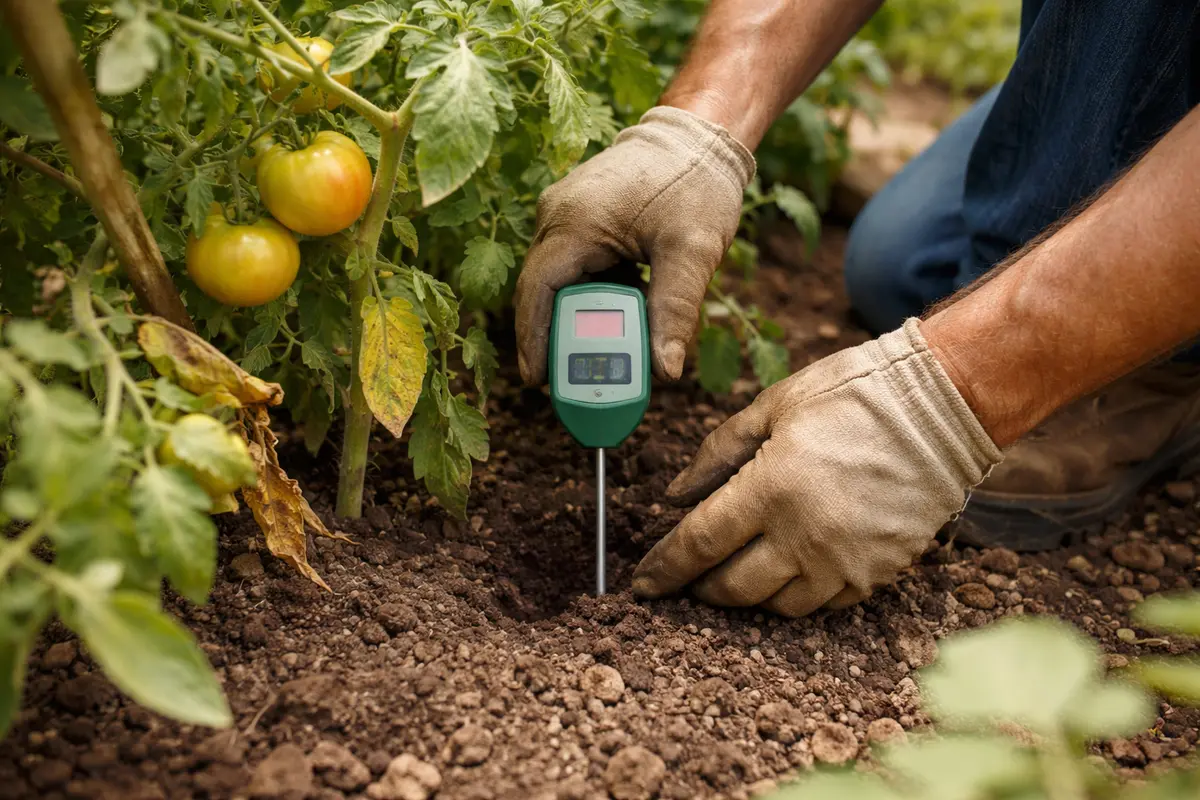
Identifying moisture content helps confirm if drought stress is indeed the reason for the yellowing. If the top two inches of soil feel dry to the touch, it’s a clear sign that your tomatoes are not getting sufficient water, which could lead to harmful nutrient deficiencies and further exacerbate the yellowing. Alternatively, if the soil remains consistently moist even after checking, that might indicate overwatering or drainage issues, both of which can lead to similar yellowing symptoms in leaves. The use of a moisture meter can provide a deeper understanding of how much water your soil retains and where additional adjustments are necessary.
If you’re uncertain whether the yellowing is due to drought conditions, consider looking for other indicators as well. For instance, if the leaves feel soft or mushy in addition to yellowing, it may indicate root rot, which hampers the roots’ ability to absorb water and nutrients efficiently. Taking this secondary test will help ensure you are diagnosing the right issue, allowing you to move on to recovery steps more confidently. It’s essential to approach the situation with a well-rounded perspective, as combining multiple diagnostic tools will yield the best results in preserving your tomato plants’ health.
Step 4 – Feed Tomatoes with High Nitrogen Fertilizer
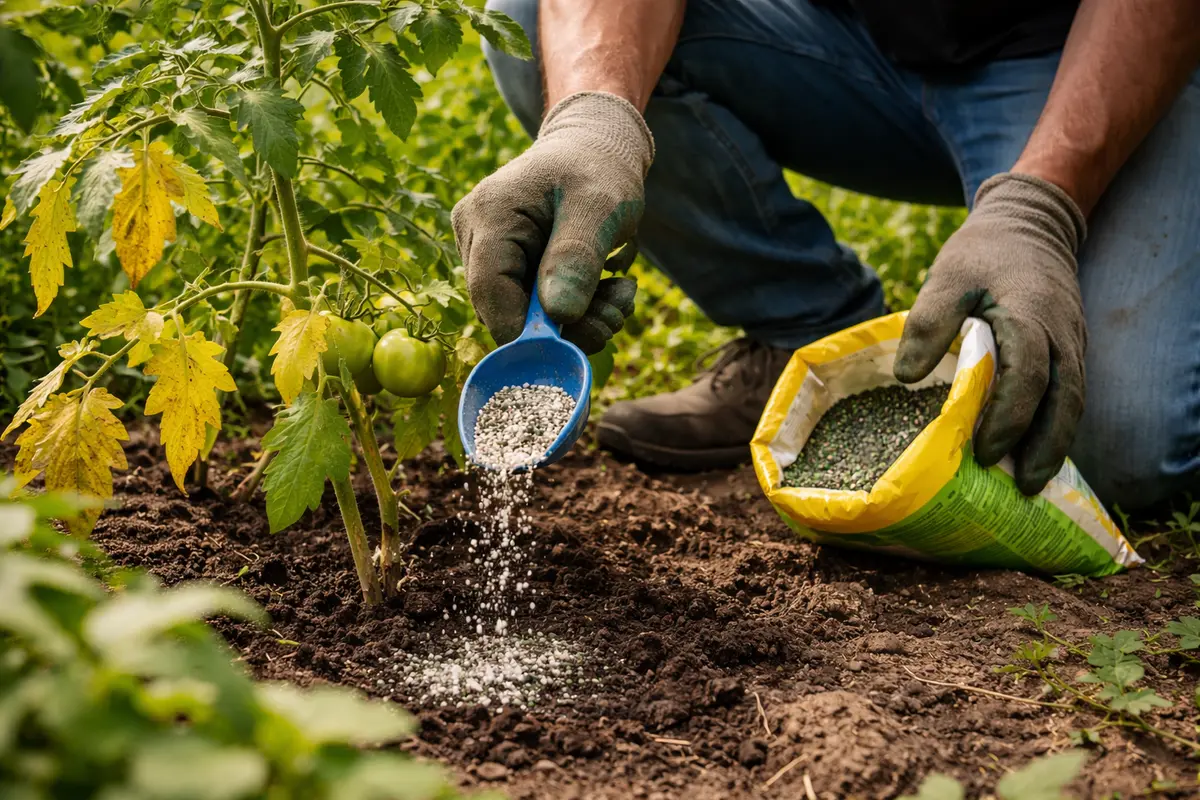
Apply a nitrogen-rich fertilizer around the base of your tomato plants to assist in restoring their nutritional balance. After application, you should begin to observe improvements, such as dark green foliage starting to re-emerge within a week, signifying recovery from the nutrient deficiencies that may have caused yellowing for your plants during high-stress conditions. Ensure this fertilizer is applied in accordance with package instructions for best results; typically, a general ratio of 5-10-5 can significantly aid recovery.
Nitrogen is essential for robust leaf growth, particularly when the plants are faced with adverse environmental conditions like heatwaves that can deplete essential nutrients from the soil. Tomatoes that lack sufficient nitrogen typically display yellowing leaves, a telltale sign that they are unable to produce adequate levels of chlorophyll necessary for photosynthesis. Addressing this nutrient deficiency promptly allows the plants to rejuvenate their color and overall vitality. Be cautious when mixing the fertilizer with water to avoid creating hotspots that can burn roots if applied excessively.
A common mistake during the recovery process is over-fertilizing in a desperate attempt to speed up results. Excess nitrogen can lead to an abundance of leafy growth while sacrificing fruit production, making plants more susceptible to further stress. Therefore, it’s crucial to balance your fertilization with proper observation of the plants’ overall growth during the recovery phase, ensuring they are not overwhelmed by nutrient input. Monitor the impact of your fertilization strategy closely; if the plants tend to overgrow with little to no fruit set, you may need to adjust nutrient levels or ratios.
It’s also essential to understand that while fertilization can alleviate some immediate issues, it cannot replace sound watering practices. Implementing a simultaneous approach of feeding while maintaining deep, consistent watering will create more holistic progress. For best results regarding timing, coordinate fertilizer application right after a deep watering to help the fertilizer evenly permeate the soil and reach the plant roots effectively.
Step 5 – Water Tomatoes Deeply During Dry Spells
Water your tomatoes deeply, ensuring that moisture infiltrates at least 6-8 inches into the soil. By following this method, you will observe that the topsoil becomes significantly moist within a few minutes after watering. This deep watering routine secures a consistent moisture supply for the roots throughout dry spells, providing the hydration necessary for the plants to withstand extreme temperatures. Aim for watering every other day during particularly hot spells, adjusting as weather conditions dictate.
Committing to a deep watering schedule can dramatically enhance your tomatoes’ ability to withstand heat stress during future dry spells. Regularly conducting shallow watering may contribute to weak root development, which makes the plants vulnerable to fluctuating environmental conditions, including sudden heat. Consequently, maintaining a properly hydrated root zone promotes healthier growth and effectively reduces the occurrence of yellowing leaves, allowing your plants to focus energy on producing fruit rather than merely surviving.
Moreover, consider incorporating a layer of mulch around your plants to further retain soil moisture. As temperatures rise, mulch acts as a barrier to minimize evaporation and will help keep the root environment cooler. In regions frequently experiencing heatwaves, implementing this prevention strategy can profoundly benefit tomato plants’ survival and production potential during periods of extreme weather. If you see signs of mulch breakdown, replace or replenish the layer; newly applied organic mulch can offer additional nutrients as it decomposes and further protect the soil’s moisture content.
Step 6 – Check for New Yellowing Leaves Weekly
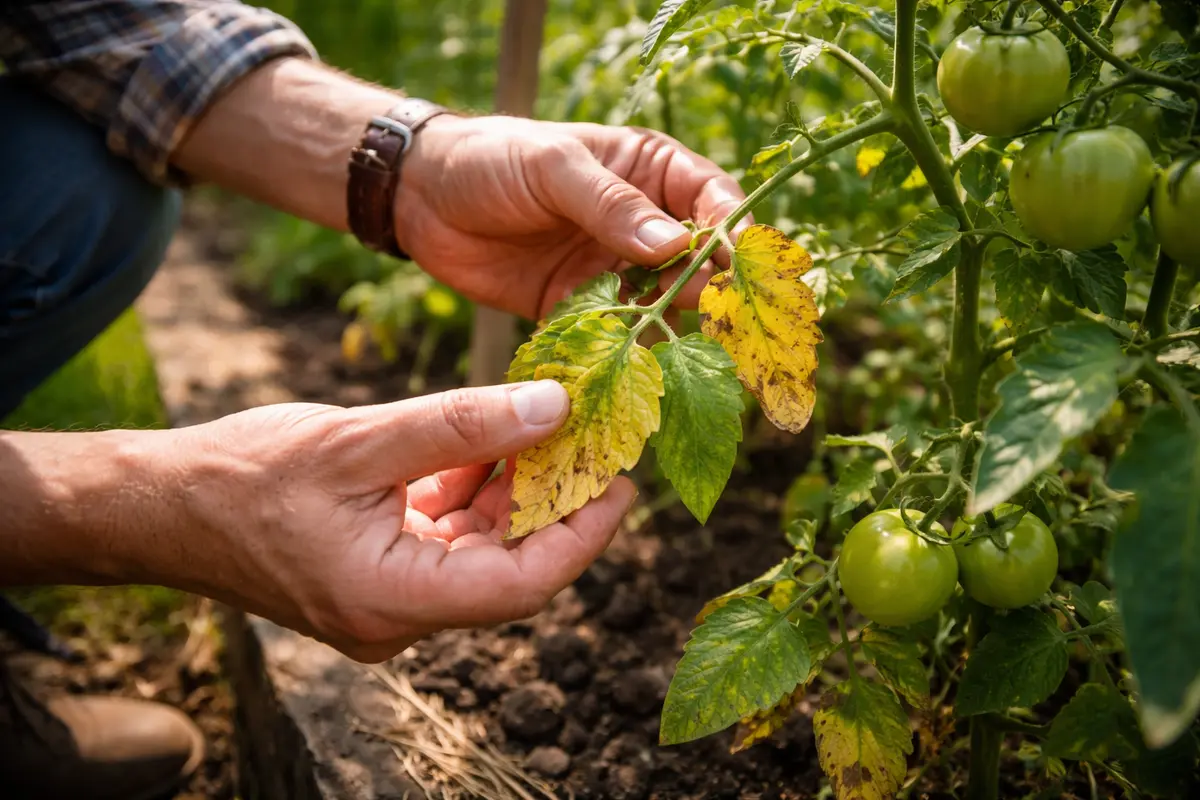
First, check your tomato plants daily during the heatwave. Look for signs of wilting or leaf discoloration, particularly yellowing leaves that may indicate ongoing stressors. If you notice these issues, recheck the plants every few hours to assess any changes, especially during the hottest parts of the day. Making observations consistently allows for any immediate adjustments in care to be made before conditions worsen.
A fully recovered tomato plant shows vibrant green leaves with firm, healthy stems and abundant fruit. In contrast, if early signs of the problem return, you may see the leaves turning yellow again or curling at the tips. If the leaves appear dry and crispy instead of supple and lush, it’s crucial to address the stressor immediately. Utilize this weekly check as a proactive measure; noting any changes in leaf texture and color over time could reveal patterns related to care adjustments or environmental shifts.
If yellowing resumes despite following these steps, increase watering frequency and consider providing shade during peak heat hours. Alternatively, implement mulch around the base of the plants to help retain moisture and regulate soil temperature. If problems persist, you might need to investigate nutrient deficiencies or consider relocating the plants to a less exposed area. Take note of the specific days that the yellowing appears or worsens; linking this with heat levels can help establish patterns for future prevention.
A fully recovered tomato plant will show vibrant green leaves alongside robust growth patterns, whereas new signs of yellowing might suggest that previous issues remain unaddressed or have re-emerged. Compare the texture and saturation of new leaves with that of older, affected leaves to assess the progress of recovery. Healthy, newly sprouted leaves should appear lush and firm, indicating that the plant is recuperating from prior stressors. If in doubt, take a step back; consider adjusting your care and reassessing the overall growing environment with a fresh perspective to ensure that your plants thrive.
FAQ
How long does it take for yellowing tomatoes to recover?
Once proper care is established, you can expect tomatoes to display signs of recovery within about 5 to 10 days. With adequate nutrient replenishment and a consistent watering regime, these plants can encourage rapid growth restoration and recapture their vibrant green color.
Can yellowing tomatoes spread the issue to nearby plants?
While yellowing itself does not directly spread diseases, it can be indicative of environmental stress that might also impact adjacent plants negatively. Consequently, ensure that all plants in close proximity receive sufficient care and closely monitor for potential pests or diseases that could arise from weakened plants.
Should I remove yellowing leaves from my tomato plants?
Yes, removing severely affected leaves can help the plant concentrate its energy on recovery and healthy growth. However, be cautious to leave some leaves intact because they play a crucial role in photosynthesis, and removing too many can hinder overall plant health and growth.