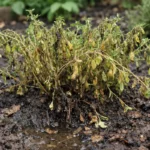
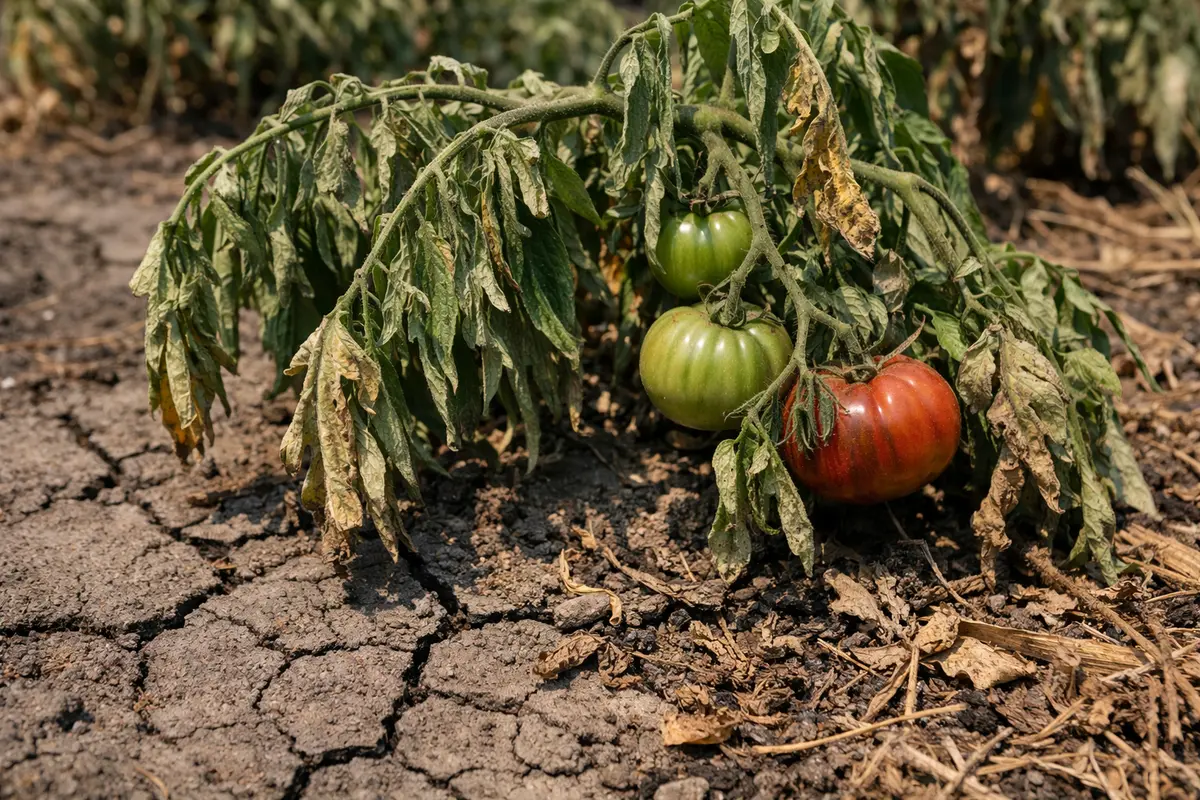
You may notice your heirloom tomato plants drooping in the heat of summer, a concerning sight that indicates a potential problem, which is why you need to know why are my heirloom tomato plants drooping in heat. This drooping is often caused by wilting due to lack of adequate moisture or extreme temperatures, which can lead to serious stress on the plants. If left unaddressed, the situation gets worse and can spread to other parts of the plant, weakening it even more. Fortunately, you can fix this now by checking the soil moisture and adjusting your watering schedule to improve conditions for your tomatoes.
Step 1 – Water Heirloom Tomato Plants Immediately
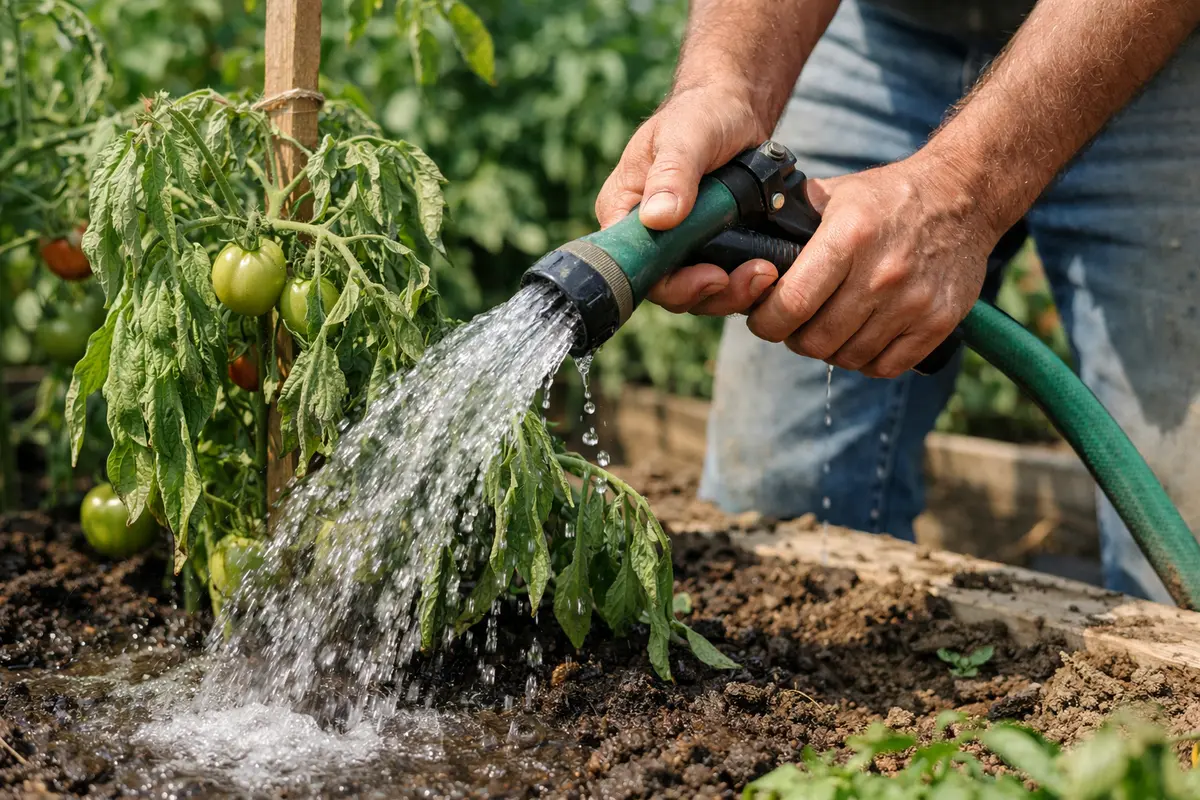
Water your heirloom tomato plants thoroughly without delay. After watering, you will notice that the leaves start to firm up within a few hours. To ensure the water reaches the roots, soak the soil until moisture penetrates at least six inches deep, as this depth allows the roots to access the water they need, reducing the chances of heat-induced drooping. Watering should be done in the early morning or late afternoon to minimize evaporation losses and help the tomato plants reset from the stresses of the day.
When checking for dryness, use your finger to probe the soil, checking down to a depth of at least three inches initially; if it feels dry, that’s your signal to water. If the soil feels dry, particularly around the root zone, the plant’s stomata may close due to drought stress, resulting in wilting. When tomato plants cannot absorb sufficient water, droopy leaves appear as a visible sign that stress is affecting their overall health. A surprising observation is that plants can enter survival mode, effectively limiting growth and fruit production if this issue persists. If you missed watering and see wilting after a hot day, take immediate action to reverse these symptoms by saturating the root area properly, allowing time to observe if leaves begin to perk up.
Common mistakes include only watering the surface or waiting too long to address drooping leaves. Surface watering only moistens the top layer of soil but leaves the deeper roots dry, stunting recovery. Always check the soil moisture below the surface by feeling a handful of soil; if it feels dry—especially deeper than the top inch—then that’s a sign to water! If you’ve noticed leaf droop, do not delay watering, as drought stress can escalate quickly. Conversely, if the soil beneath feels damp yet the plants continue to droop, it could indicate root rot or another underlying soil issue that may require a different intervention. Excessive watering can create conditions that lead to disease, thus highlighting the need for careful monitoring.
Step 2 – Diagnose Heat Stress in Your Tomatoes
Examine the leaves and stems of your tomato plants for signs of heat stress immediately. You’ll observe that affected leaves may be curling, becoming crispy, or turning yellow within a few hours of diagnosis. Recognizing these symptoms allows you to take the next corrective step effectively, speeding up your plants’ recovery. Heat stress is dangerous because without intervention, it can lead to permanent damage or crop failure. Look for signs involving leaf curling inward, which indicates excessive moisture loss, as well as browning edges, which is a sign that the leaves cannot manage their temperature properly.
Heat stress often occurs during particularly hot weather, especially when combined with humidity or insufficient watering. If the air temperature exceeds 90°F and the soil remains dry, the tomatoes will display visible stress, typically in the form of drooping leaves or wilting stems. The increased temperature and dry soil lead the plants to lose moisture faster through transpiration than the roots can replenish, resulting in that unsightly droopiness. Be vigilant about local weather forecasts and prepare your plants by providing shade or more consistent watering in advance of predicted heat waves. Consider placing garden cloths or shade cloths over the plants in extreme conditions to provide relief.
Should your plants display wilting despite moist soil, there could be underlying issues such as root rot or pest infestations. Gently check the roots for mushiness and malodorous signs; if you notice soft, brown, or smelly roots, immediate intervention is necessary. If you identify such issues, it’s crucial to stop watering immediately to allow the soil to dry out and prevent further stress. Adjust your watering habits to be less frequent and more thorough, and consider repotting your tomatoes into fresh, well-draining soil if the issue persists. Recognizing these early warning signs can be key; healthy looking white threadlike roots are a good indicator of plant health, while browning or mushiness signals potential trouble. Early intervention can save your plants from irreversible damage.
Step 3 – Feed Plants to Aid Recovery from Heat
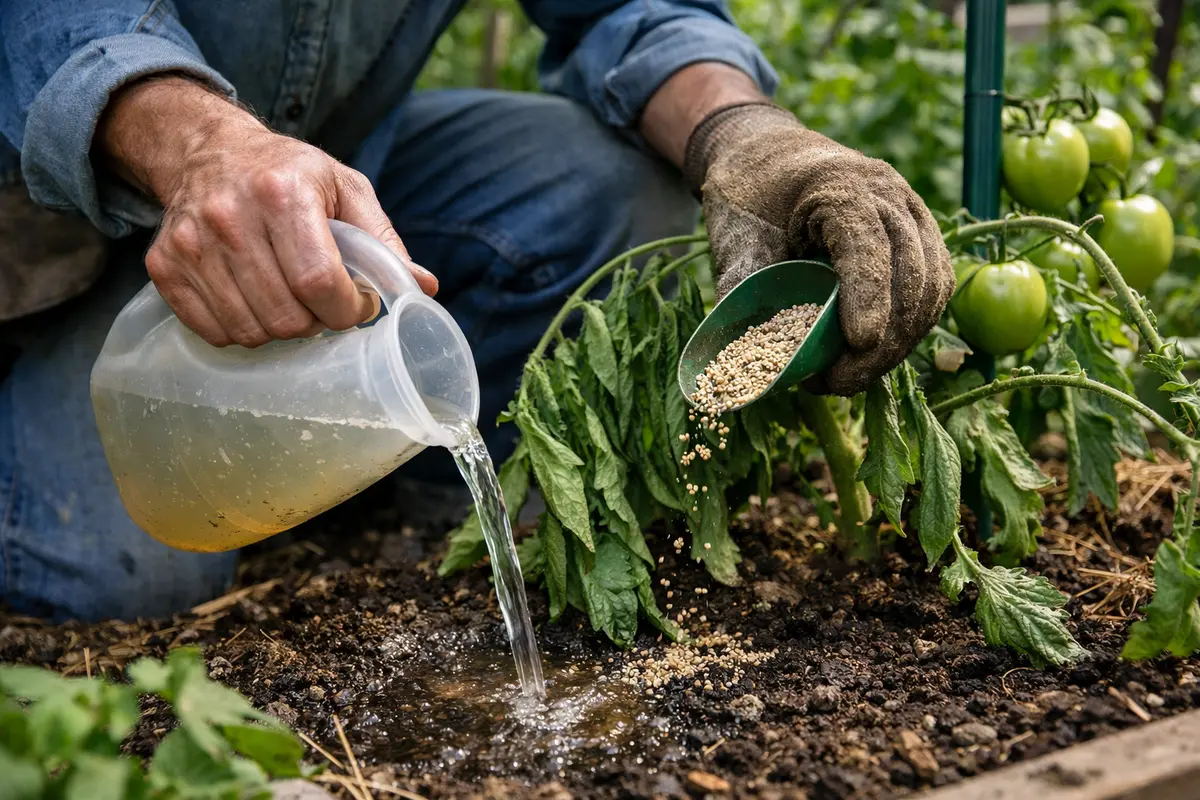
Apply a balanced fertilizer designed specifically for tomatoes to boost recovery. After application, you should expect to see new growth and firmer leaves within a week. Fertilizers containing nitrogen, phosphorus, and potassium provide essential nutrients that help combat the effects of heat stress and accelerate recovery from wilting, directly addressing nutrient depletion caused by extreme weather conditions. Measure a balanced fertilizer according to the label instructions, usually one to two tablespoons per square foot of soil. Mix it into the top layer of soil lightly to avoid burning the roots while making sure to follow with a thorough watering.
Feeding your tomato plants is vital because it replenishes nutrients lost due to high transpiration rates in extreme heat. Nutrient deficiencies can exacerbate the symptoms of heat stress, leading to extended recovery times and eventually reduced yields. Widely spaced fertilizer applications, every 4 to 6 weeks during the growing season, can help ensure your plants don’t experience nutrient bottlenecks. When you apply fertilizer, be sure to adjust your watering schedule accordingly; too much irrigation can wash away vital nutrients, while too little can starve the plants. Monitor the weather too; skip feeding during heavy rain periods to prevent leaching of nutrients.
A key mistake is neglecting nutrient replenishment while focusing solely on watering. If you apply nutrients but fail to maintain the appropriate moisture level, it’s possible for salts from the fertilizers to accumulate in the soil—potentially leading to nutrient lockout or even root burning. Watch for signs of nutrient overload, such as leaf burn or depriving the plant of essential elements, and consider alternating fertilizers if you notice prolonged symptoms. Follow a consistent schedule that includes nourishing your plants with fertilizer and proper watering, particularly after an intense heat period. After fertilizing, closely observe the plants’ response; if yellowing persists or new growth fails to materialize, you may need to adjust your fertilizer application and ensure its balance with existing soil conditions to avoid specific nutritional imbalances.
Step 4 – Check Tomato Leaves for Wilting Signs
Inspect your tomato plants every few days for signs of wilting or new growth after implementing your watering and feeding strategy. After successful intervention, you should observe firmer leaves and potentially new shoots developing within one week to confirm recovery. A close eye on your plants will ensure you catch any recurrence of the symptoms quickly and accurately. Tracking changes in color and texture helps signal the future health of your plants. Document weekly changes; this will help spot patterns that can indicate when your plants are at risk during heat events.
Fully recovered tomato plants will visibly exhibit vibrant green leaves, feel robust, and show signs of new growth, such as budding flowers or fresh foliage. Conversely, if you notice continued wilting, yellowing leaves, or drops, the plants may be experiencing deeper systemic issues that require further attention. This is especially true if you see wilting occurring on new growth only, which may indicate deeper fertility issues or even fungal infections. Pay particular attention to the texture of the leaves; healthy leaves should feel resilient to the touch and might slightly resist downward pressure, while wilting leaves can feel soft or limp, indicating ongoing stress and the need for more focused interventions.
If wilting persists despite your interventions, consider rechecking soil drainage and aeration conditions. Compacted or waterlogged soil can lead to root problems, making it crucial to occasionally aerate the soil or check your planting conditions to encourage healthier growth. Will your plants respond better in garden plots compared to pots? Understanding the setup can influence how well they retain moisture or drain excess water. Moreover, it’s worth evaluating the pot size; if your containers are too small for optimal root growth or if the soil retains too much moisture, repotting into slightly larger containers with fresh, well-draining soil may be necessary to improve drainage and support overall plant health. A tip for container gardening is to choose pots that are at least 5 gallons for an individual tomato plant to provide enough room for root expansion.
FAQ
How long does it take for heirloom tomatoes to recover from drooping?
Recovery can take anywhere from a few days to a week, depending on the severity of the heat stress. If you provide adequate watering and nutrients promptly, you should see significant improvements within several days. Leaf firmness and color revival are good indicators of progress. However, if conditions remain challenging, such as ongoing high temperatures or inconsistent water supply, recovery may extend beyond a week, necessitating a more consistent care regimen. In extreme cases, consider seeking advice from a local horticulturist for specialized support, especially if multiple plants are affected.
Can heat stress spread to nearby plants?
Heat stress itself does not directly spread from one plant to another, but continuous hot and dry conditions can exacerbate stress among surrounding plants due to shared environmental factors. This environmental influence is often a significant factor in a gardener’s broader landscape, raising the need for regular monitoring of temperature and moisture levels. Maintaining appropriate watering and mulching practices can help avoid widespread stress among your crops, creating a ripple effect of environmental impact while improving moisture retention in the soil around affected plants. Consider companion planting to create a microclimate of support and shade.
Should I remove drooping leaves from heat-stressed tomatoes?
Only remove leaves that appear completely unhealthy, turning yellow or brown. Pruning minor drooping leaves is generally not necessary and can actually hinder the plant’s recovery efforts by reducing its photosynthetic capability. Focus on supporting the plant’s recovery through proper watering and feeding, as healthy leaves are crucial for generating energy during recovery from heat stress. Regularly assessing leaf health not only supports the recovery process but also minimizes the spread of diseases that could arise from decaying plant matter.