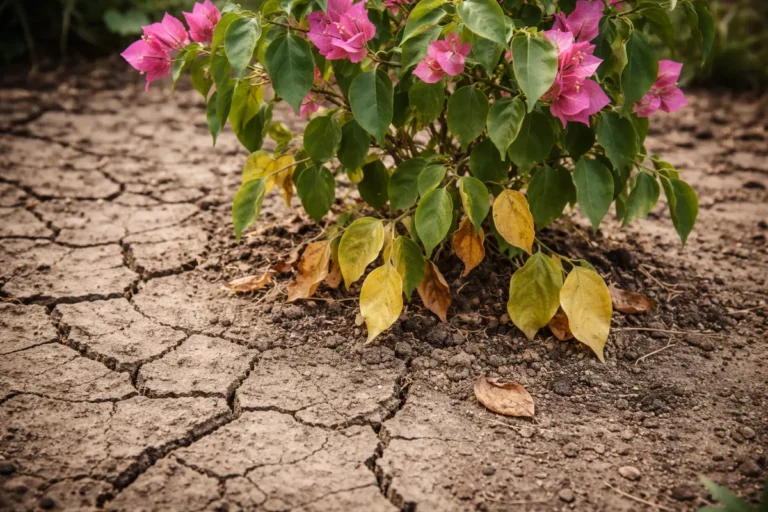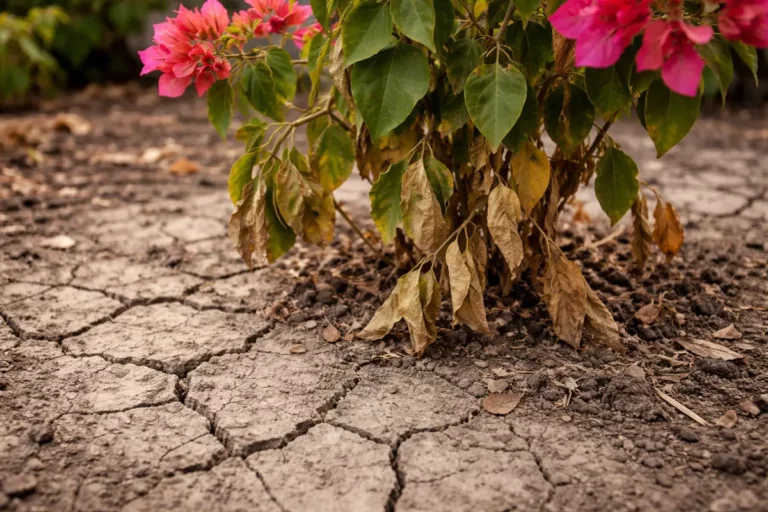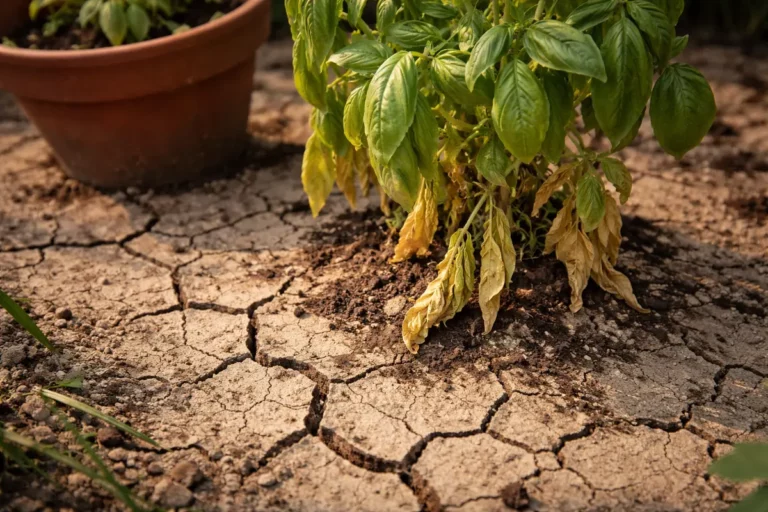
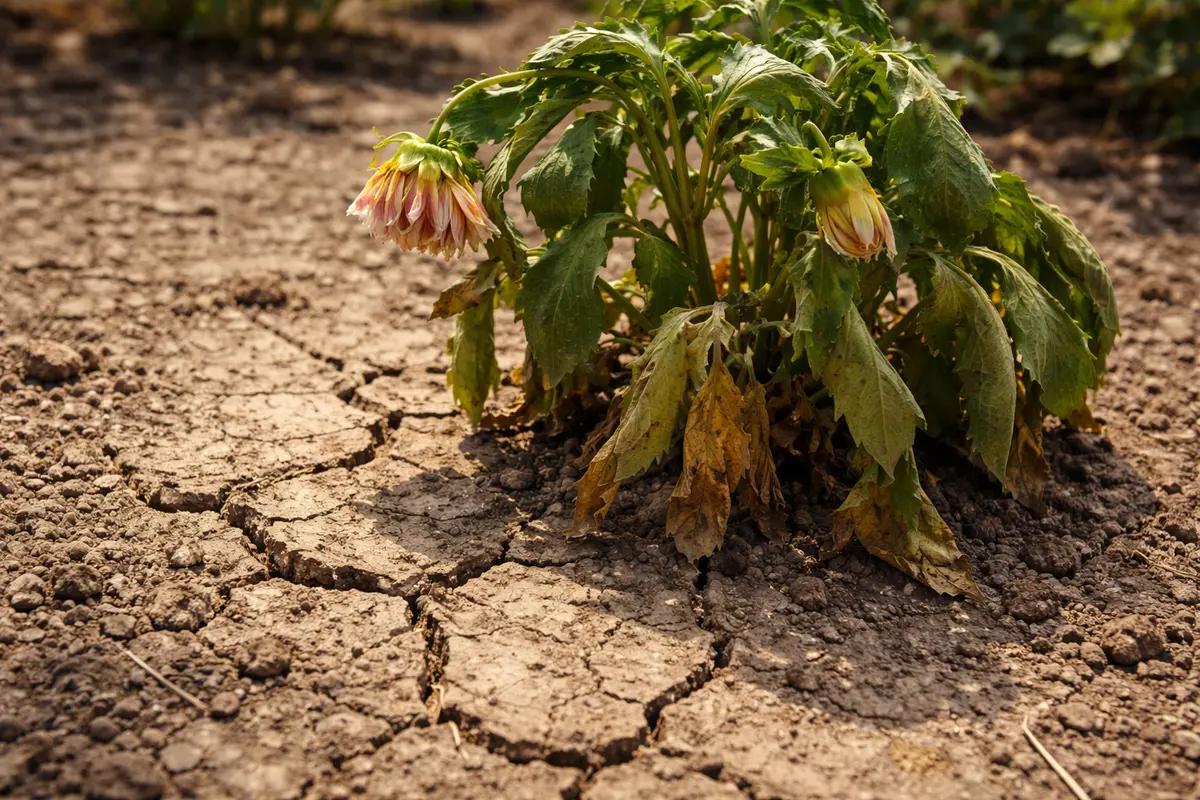
You may notice your dahlias drooping and losing their vibrant color during a long drought, which is why you need to know how to fix wilting dahlias after long drought. This wilting typically occurs due to inadequate moisture, leading to damage and yellowing of the leaves. If left unaddressed, the problem gets worse and can weaken the plant, but taking action now to water them properly and check the soil can improve their condition significantly.
Step 1 – Water Wilting Dahlias Immediately
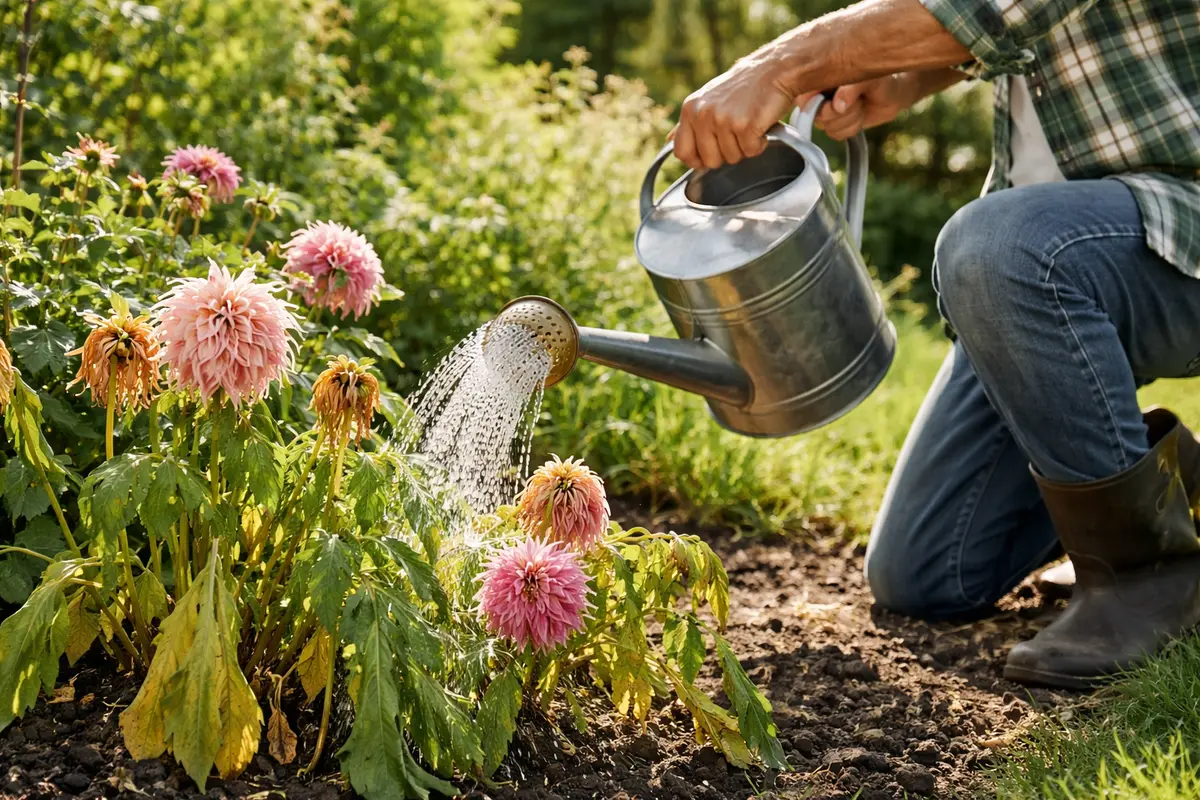
Water the wilting dahlias thoroughly, soaking the soil until moisture reaches at least six inches deep. You will see improvement in the leaves and stems within a few hours, as they start to perk up again. This vital step helps to prevent further stress and restore necessary hydration to the plants. When assessing the moisture level, dig down with your finger to feel if the soil is still dry beneath the surface. If it is, you’ll know that the roots are not getting enough water.
Immediate watering is crucial because dahlias are sensitive to prolonged dry spells, which can impair their water uptake. When the soil becomes too dry, roots struggle to absorb moisture, leading to wilting and other stress symptoms. Quick intervention helps rejuvenate the plant by replenishing its water supply, allowing it to recover its turgor pressure, which is essential for cell health. Make sure that the water penetrates deep into the soil to reach the roots effectively, as just wetting the surface may lead to temporary relief without resolving the underlying issue.
Many gardeners mistakenly water just the surface or wait too long to address wilting. Common errors include choosing the wrong time of day for watering, such as mid-afternoon when evaporation rates are high, which can waste water and fail to provide the desired relief. During hot afternoons, browsed-over dahlias can show immediate signs of stress, which could prompt doubts about their recovery. Ensuring deep, effective watering instead helps the plants to regain their strength sooner, allowing for better root hydration.
Step 2 – Examine Soil for Drought Impact
Inspect the soil around your dahlias to determine the extent of drought impact. You should observe the soil’s texture and consistency, which can indicate whether the issue is due to prolonged dryness or compaction. This diagnostic step allows you to tailor your recovery approach effectively. A good strategy is to probe the soil with a trowel or spade, to check if the soil is clumping or crumbling, which can provide insights into moisture retention.
Examining the soil’s condition is essential to understanding how moisture is retained or lost. If the soil is hard and dry, it may not hold water effectively, which means you’ll need to improve its structure to facilitate water absorption. Conversely, if you find areas with compacted soil or crusting on the surface, it may restrict root growth and necessitate aeration. To improve drainage, consider breaking up heavy soils or adding organic matter to enhance water retention and soil structure for healthier growth.
For example, if you discover that your soil is sandy, it may drain quickly, making it harder to retain moisture. In contrast, clay-heavy soils can become waterlogged after rain, leading to root suffocation. If you find that your soil smells sour, indicating anaerobic conditions, this points to overwatering as a contributing factor alongside drought, and you may need to amend your watering strategy accordingly. Over time, poor soil conditions could lead to chronic wilting, making your dahlias more resistant to recovery.
Step 3 – Test Soil Moisture Before Treating for Drought
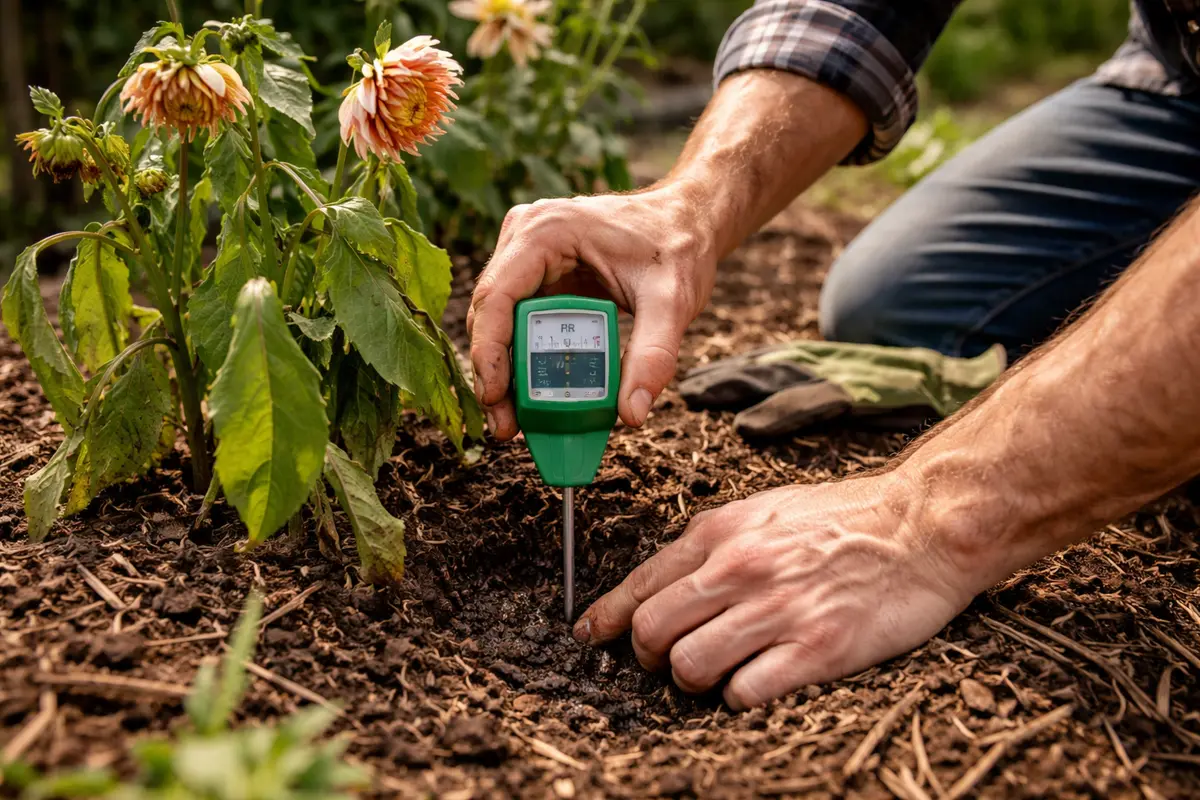
Check the moisture level of the soil using your finger or a moisture meter to see if it’s still dry at a depth of two inches. If the soil feels dry, you’ll confirm that the wilting is indeed a result of drought conditions. This check ensures that you address the right issue before taking further action. Accurate moisture readings help in avoiding excessive watering, which can introduce a whole new set of problems such as root rot.
Confirming soil moisture helps differentiate between drought stress and other potential plant problems, such as overwatering or root rot. Dry soil often feels crumbly and may appear pale, while overly wet soil can be dark and compacted, possibly with foul odors. Understanding these distinctions will guide you in administering the correct care and ensure you avoid repeating mistakes. Proper diagnosis also prevents mismanagement of resources, as treating for drought when roots are already saturated can cause further damage.
If you find the soil is adequately moist but the dahlias are still drooping, consider checking for root health or potential shock from transplanting. An effective method to assess root health is gently lifting the plant from the soil to inspect the root ball for signs of rot or disease. If the problem is unclear, waiting a few days for any signs of recovery or deterioration could give you better information about the next steps needed. Monitoring for gradual improvement can indicate whether the plants are recovering or require a different intervention.
Step 4 – Apply Fertilizer to Promote Dahlia Recovery
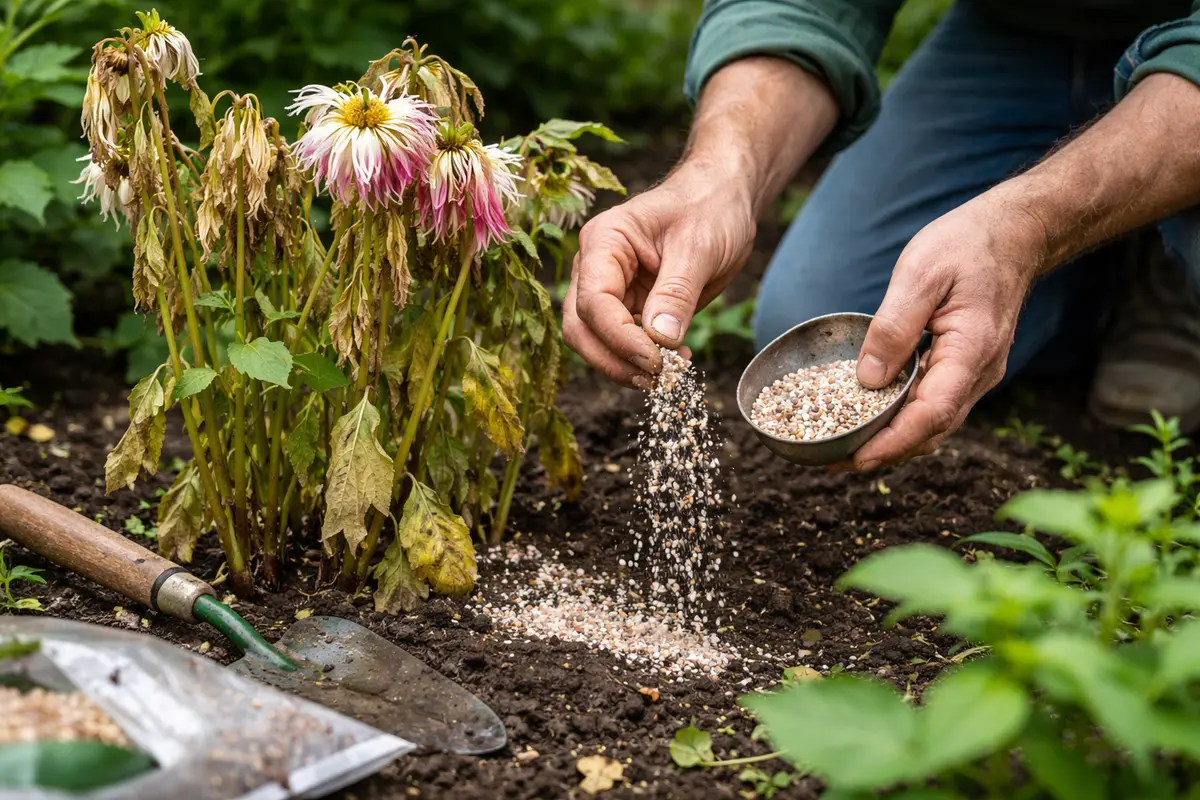
Apply a balanced, water-soluble fertilizer to the newly hydrated dahlias to support their recovery. You should notice an increase in growth and a healthier appearance within a week as the dahlias respond to the nutrient boost. This step is vital for enhancing root development and revitalizing any stressed foliage. Consider using a fertilizer with an NPK ratio suited for flowering plants, as it can provide a balanced nutrient intake for stressed dahlias.
Fertilizing helps provide the essential nutrients that your plants lost during drought, supporting their energy needs for leaf and root regrowth. Dahlias thrive on nutrients such as nitrogen for leafy growth, phosphorus for root development, and potassium for flower formation. A well-timed application can harmonize with the plant’s natural recovery efforts after it receives sufficient water. However, timing the application is equally critical; applying fertilizer during dormancy can waste the nutrients and harm the plant.
A common error is to over-fertilize immediately after a drought, thinking more nutrients will hasten recovery. Instead, follow recommended application rates, as applying too much fertilizer can lead to nutrient burn or further stress. Over-fertilization can manifest as leaf discoloration or stunted growth, which can further hinder the recovery process. As temperatures fluctuate in early spring, like sudden cool spells, monitor your plants’ need as growth resumes, and adjust feeding frequency based on their signs of health.
Step 5 – Water Dahlias Consistently During Dry Spells
Start by irrigating your dahlias deeply at least once a week during dry spells. You should notice the soil remains moistened and the plants start to perk up as their roots absorb water more effectively.
Repeated drought conditions stress dahlias, causing them to wilt as they struggle to draw moisture from dry soil. By establishing a consistent watering schedule, you ensure that the soil retains moisture, providing a reliable source of water that reduces wilting incidents. If you observe wilting even after watering, check the soil for compaction that may be restricting root access to moisture.
In extremely hot summer months, increase your watering frequency to twice a week to combat rapid evaporation. Additionally, mulching around the base of your dahlias can help retain soil moisture during these periods by reducing surface temperature and evaporation rates.
Environmental conditions such as prolonged drought and excessive heat can lead to wilting, as dahlias require consistent moisture to thrive. The regular watering routine counteracts these triggers by ensuring that soil retains adequate moisture, reducing stress on the plants to prevent future wilting episodes.
During hotter months, increase your watering frequency slightly, as the soil tends to dry out faster. If you notice the soil has dried to a depth of more than two inches, check your routine and consider adding mulch around the base to retain moisture throughout the hotter days.
Consistent watering ensures that soil moisture levels remain stable, safeguarding your dahlias against the risks of drought or heat stress. Identify your local weather patterns and adjust your watering routine accordingly, applying deep watering sessions at least once or twice a week. Using drip irrigation can provide a steady moisture supply, which encourages root growth without over-saturating the soil. This technique limits evaporation and allows roots to absorb the moisture they need, which is especially important during periods of low rainfall or high temperatures.
Remember that seasonal shifts can dictate how often you need to water. For example, during hot summer months, you might need to increase frequency, while autumn might allow for less. An excellent method is to mulch around the dahlias to reduce moisture evaporation, which provides an extra buffer against drying out. Apply organic mulch about three inches deep to control weeds and maintain soil temperature, ensuring the dahlias have the best environment for recovery and continued growth.
Step 6 – Inspect Leaves for Signs of Revitalization
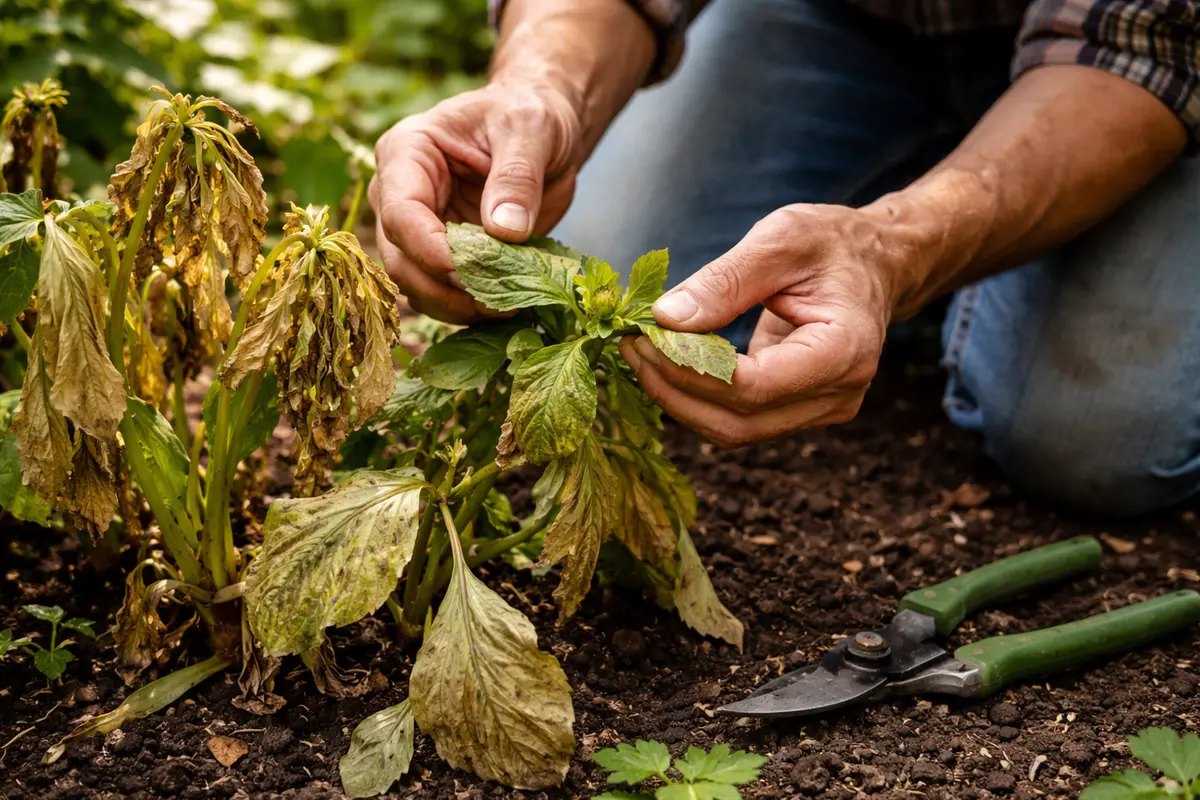
Next, check the surrounding soil moisture every couple of days to ensure it remains consistently damp but not waterlogged. Use your finger to probe down into the soil about 2 inches; if it feels dry, water thoroughly. Observe the dahlias for changes in leaf texture and color — healthy leaves will feel firm and crisp rather than limp and discolored.
A fully recovered dahlia showcases vibrant, robust foliage with bright green leaves, while an early sign of the problem returning includes curling or yellowing leaves that droop at the tips. If the stems lack strength, they may lean or bend, indicating stress. If the leaves appear abnormally dry or crispy yet the soil remains moist, check for signs of pests or disease.
If wilting returns despite following the recovery steps, immediately consider adjusting the watering schedule to ensure consistent moisture that encourages deeper root growth. Alternatively, if the wilting is accompanied by discolored leaves or a stunted growth pattern, investigate potential root rot or fungal issues that may require more specialized treatment.
A fully recovered dahlia should exhibit vibrant green color, with leaves that offer a firm, crisp feel. If you start to notice yellowing leaves or limp edges reappearing, it may indicate that the plant is still experiencing stress or that its roots are not recovering adequately. Using this observational strategy lets you assess overall plant health and readiness for future growth. When checking for signs of revitalization, be aware that rapid environmental changes can trigger stress responses in dahlias.
If your dahlias do not show improvement despite ongoing care, consider reevaluating your soil conditions and watering habits. In some cases, damming can lead to prolonged issues that warrant a deeper investigation of nutrient availability or root complications. Check specifically for root diseases that may not have been resolved through watering, as untreated pests or pathogens can counteract recovery efforts. If problems persist after checking these factors, seek out expert advice to help determine a more effective response.
FAQ
How long does it take for dahlias to recover from drought stress?
Typically, dahlias can start showing signs of recovery within a week after rehydration. With proper watering and nutrient support, leaves may begin to perk up as early as a few days. However, full recovery might take longer, depending on how severely the plants were affected. Long-term monitoring will ensure that you can assess ongoing health risks.
Will fertilizing help my dahlias recover faster?
Yes, applying a balanced fertilizer can accelerate recovery by providing essential nutrients needed for new growth. Fertilizing supports root development and encourages stronger foliage, especially after the plant has been stressed by drought. Just be sure to follow recommended application rates to avoid overpowering the plant, as excessive fertilization may burn roots or foliage.
Can wilting dahlias spread their stress to other plants?
While wilting itself won’t directly spread, underlying issues such as root rot or pests can jeopardize the health of neighboring plants. It’s essential to monitor the overall garden conditions regularly and address any issues quickly to prevent potential spread. Keeping plants healthy prevents the likelihood of sharing stress-related challenges and encourages a more robust ecosystem.