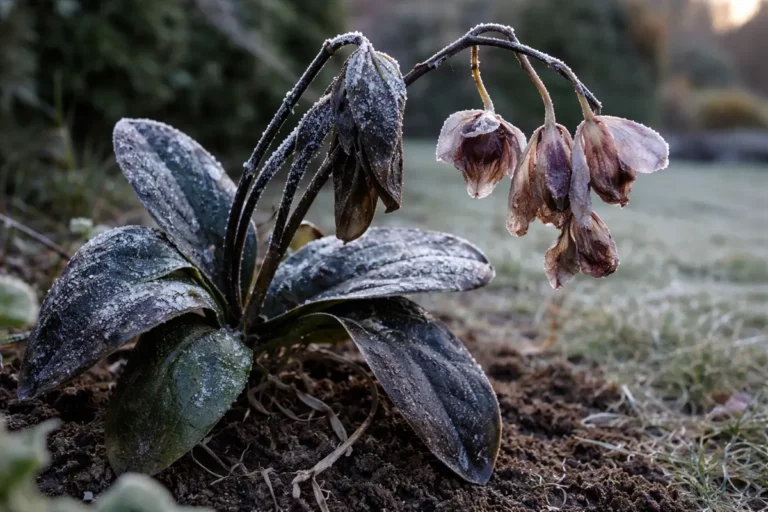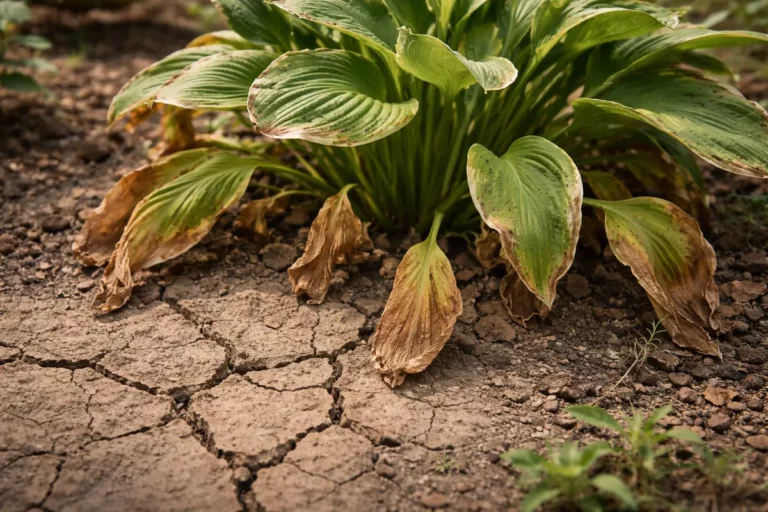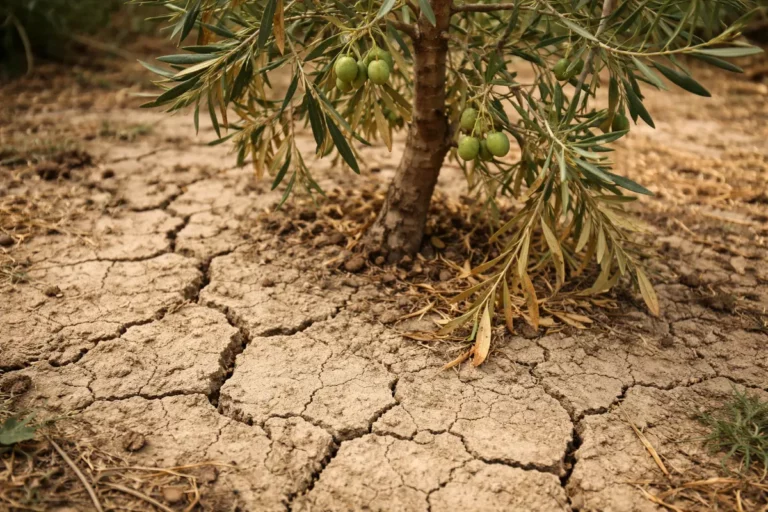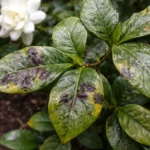
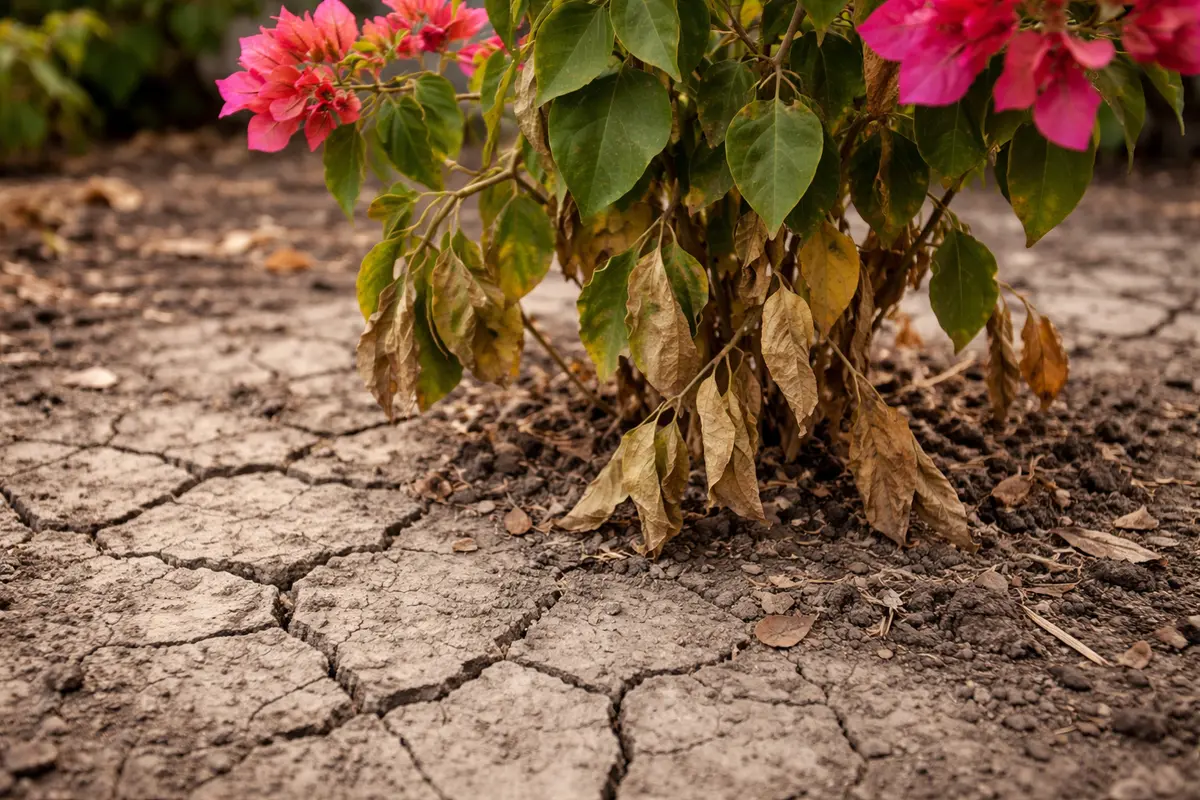
You may notice your bougainvillea displaying signs of distress during drought, specifically with its once-vibrant leaves now wilting and drooping, which is why you need to know how to treat wilting leaves on bougainvillea due to drought. This wilting occurs as the plant struggles to conserve water, leading to significant leaf damage and even spots of discoloration. If ignored, this condition can spread and worsen, ultimately weakening the plant and resulting in stunted growth, yet fixing it is possible now if you check for water needs and improve care techniques.
Step 1 – Rehydrate Wilting Bougainvillea Leaves Immediately
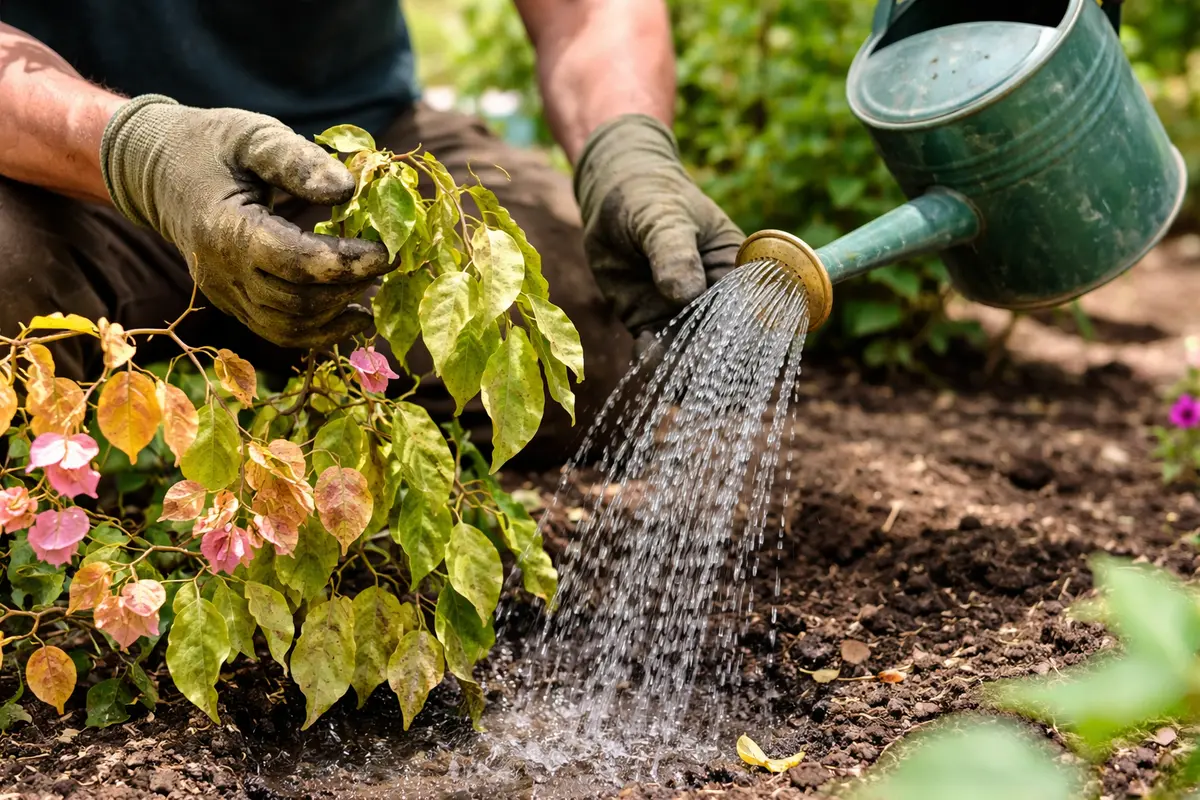
Water the bougainvillea deeply, ensuring that moisture reaches at least six inches into the soil. You will notice the leaves beginning to perk up within just a few hours, indicating a positive response. This rapid stabilization of hydration is crucial during drought conditions, as a quick response can save severely stressed plants. If you do not see improvement within eight hours, you may need to adjust your watering technique to ensure effective absorption.
Immediate rehydration is vital for bougainvillea plants since they are particularly susceptible to drought stress. The plant relies on water absorption to maintain turgor pressure in its leaves. When soil moisture is low, the plant cannot absorb adequate water, causing wilting. By ensuring that the water penetrates deep into the root zone, you promote healthy root function and nutrient uptake, both of which are essential for recovery—notice how quickly the upper leaf surfaces change from crisp and dull to supple and vibrant. The more rapidly the plant regains its turgor, the more likely it is to resume normal growth patterns.
Many gardeners make the mistake of applying only surface water, which may lead to superficial hydration without reaching the root zone. For instance, if the soil feels dry two inches down and you water lightly, the roots may still not access sufficient moisture. As a result, the wilting can worsen, and the plant’s recovery gets delayed. Always check the moisture level at six inches—if it still feels dry, continue watering until it is adequately moist. This attention to depth helps establish a robust root system capable of handling sporadic drought conditions more effectively.
Step 2 – Assess Soil Moisture Levels for Bougainvillea
Check the soil moisture levels by inserting a finger or a soil probe into the ground around the bougainvillea. If the soil feels dry to the touch at a depth of six inches, it indicates that the plant is experiencing drought stress and needs more water. This assessment clarifies if further hydration is necessary, and you should mark your calendar for a follow-up check in two days to adjust your watering schedule accordingly and ensure ongoing care.
Understanding soil moisture levels is crucial because they affect the bougainvillea’s ability to uptake water and nutrients. In well-draining soil, moisture can evaporate quickly, especially during hot weather. Keep in mind that seasonal factors influence soil moisture retention. The frequency of checks should vary; summer may require checks every couple of days while cooler months might extend checks to once a week. Tailoring your watering strategies to these conditions enhances your plant’s health and minimizes the risk of stress.
However, if the soil feels consistently dry but shows signs of blight or root rot, this situation indicates your bougainvillea could be suffering from overwatering due to poor drainage rather than just drought stress. Diagnosing correctly is critical; if roots are digging through the pot’s drainage holes, consider relocating the plant to one with better drainage. Alternatively, amend heavy soil with sand or organic material gradually to enhance drainage and promote better root health, but remember to monitor plant responses during this adjustment period to avoid shocking the system.
Step 3 – Test Soil Moisture Before Treating for Drought
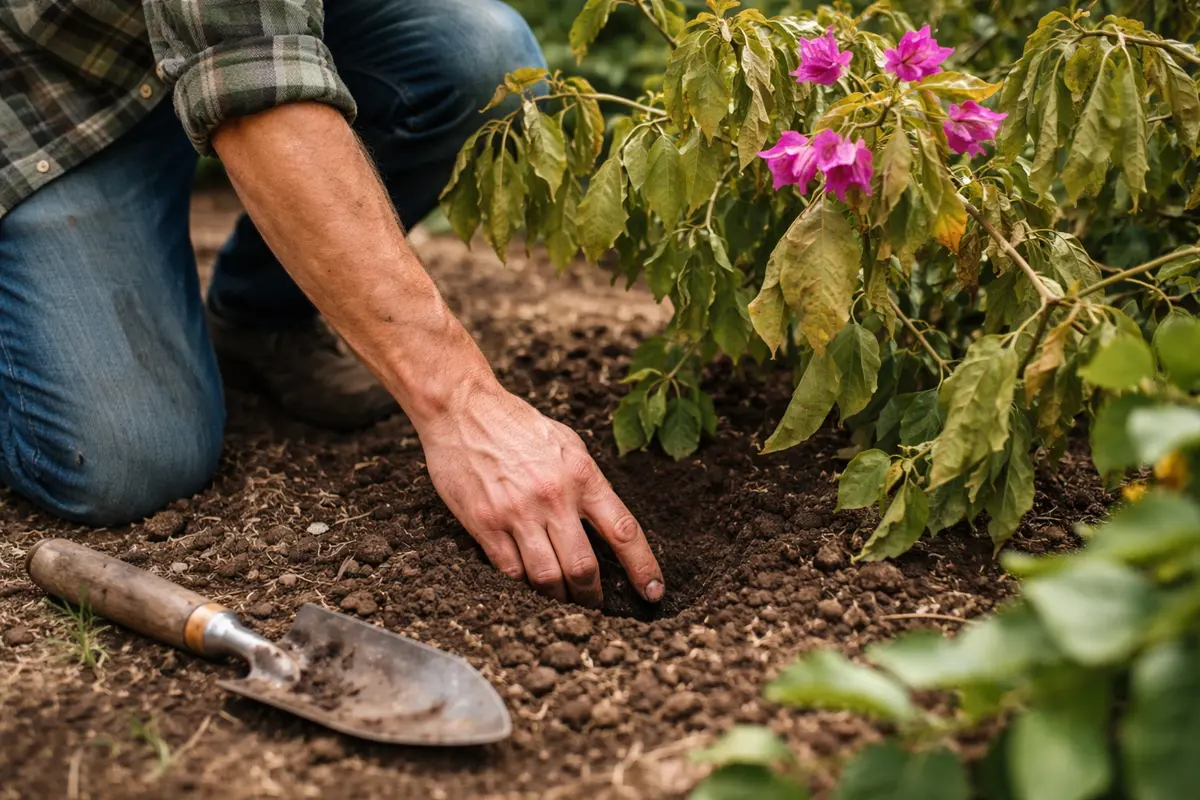
Inspect the soil surrounding your bougainvillea before proceeding to apply any treatments such as fertilizers. You should observe whether the soil is bone dry or still retains some moisture. This clear distinction will help confirm whether the wilting is primarily due to drought or if other underlying issues exist, accurately guiding your next steps. Timing is crucial; waiting one full day between checks can yield significant changes in moisture readings, helping you understand the real condition of the soil.
If the soil appears to be dry but the roots are mushy, it may indicate a problem such as root rot rather than drought stress. Soft or mushy roots can confuse gardeners, leading to inappropriate treatments that fail to address the real issue. A proper diagnosis, using moisture and root health checks, ensures that recovery efforts effectively target the right problems, significantly improving your chances of saving the plant—usually, severe root rot might be characterized by a foul smell, indicating decay.
If you encounter uncertainty during your inspection—for example, if the roots seem firm yet the soil is dry—consider waiting a day or two and observing if any changes develop in the plant’s condition before continuing with potential treatments. Taking a cautious approach can prevent unnecessary drastic measures that could exacerbate stress on the plant. If wilting continues, observe for changes in leaf color or texture to better understand if dehydration persists or if another issue arises.
Step 4 – Use Fertilizer to Aid Bougainvillea Recovery
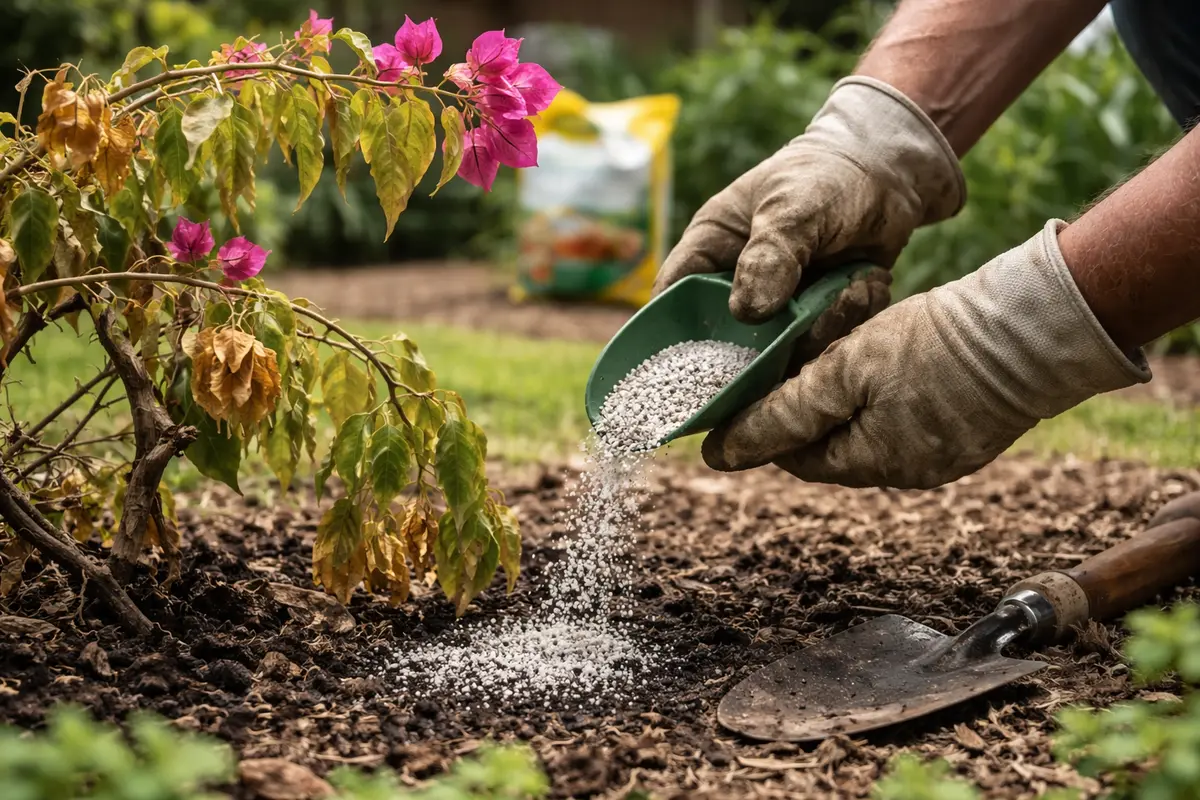
Apply a balanced fertilizer specifically designed for bougainvillea after rehydrating the plant. You should begin to see new leaf growth and color returning within a week or so, indicating that the plant is absorbing the nutrients needed for recovery effectively. If there is no noticeable improvement after ten days, it may be time to reassess the type of fertilizer, application method, or even consider a soil test to gauge nutrient deficiencies directly.
Providing necessary nutrients supports the overall health of the bougainvillea and promotes new growth essential for recovery. Fertilization works to replenish any nutrient deficiencies exacerbated by drought stress. If left unaddressed, nutrient deficiencies can lead to stunted growth patterns or faded leaves, both of which indicate a failing recovery process. This highlights the necessity of regularly reviewing both the nutrient levels of the soil and the type of fertilizer used to ensure a balanced approach, reinforcing the plant’s resilience against future droughts.
However, caution is needed to avoid over-fertilizing, as this can lead to root burn or nutrient imbalances that further stress the plant. Watering plants thoroughly before fertilizer application can dilute the concentration in the root zone, minimizing the risk of root damage. A common mistake is applying fertilizer too soon after watering without checking the soil condition; this can stress the plant further due to imbalanced nutrition uptake. Allow the plant a few days to stabilize after initial watering before applying fertilizers to ensure nutrient needs align with hydration levels.
Step 5 – Water Bougainvillea Deeply During Dry Spells
First, apply a deep watering technique to your bougainvillea, ensuring that the soil receives moisture down to a depth of at least 12 inches. This approach will allow the plant to absorb water more effectively, substantially reducing leaf wilting and promoting a more robust recovery. The drying-out process can create a cycle of stress, so consistent moisture is key to break it.
Dry spells usually trigger wilting leaves in bougainvillea due to insufficient water uptake from the roots. Establishing a regular deep watering routine addresses the primary issue of drought stress, preventing the recurrence of wilting that can frustrate many gardeners during hotter periods. If you notice leaves wilting immediately after watering, check if drainage is obstructed, as trapped water can lead to root rot and further complications. Frequent checks post-watering will inform you if your watering efforts are effective—look for soil moisture and plant response.
During hotter months, increase the frequency of watering to at least twice a week to compensate for evaporation rates. Additionally, applying a layer of mulch around the base of the plant will help retain soil moisture, creating a secondary barrier against drought conditions. A beneficial practice includes inspecting mulch depth to ensure that it is not too thick; excessive mulch might stifle root access to air and moisture. A layer of around two to four inches, left open at the base of the plant, aids in moisture retention while promoting a healthy root environment.
Bear in mind that different soil types can change the effectiveness of your watering, as clay soils retain water longer than sandy soils. Regularly checking soil feel and moisture after watering should suggest whether you need to adjust your technique or frequency based on drainage capability and weather changes.
Step 6 – Inspect Bougainvillea Foliage for New Wilting Weekly
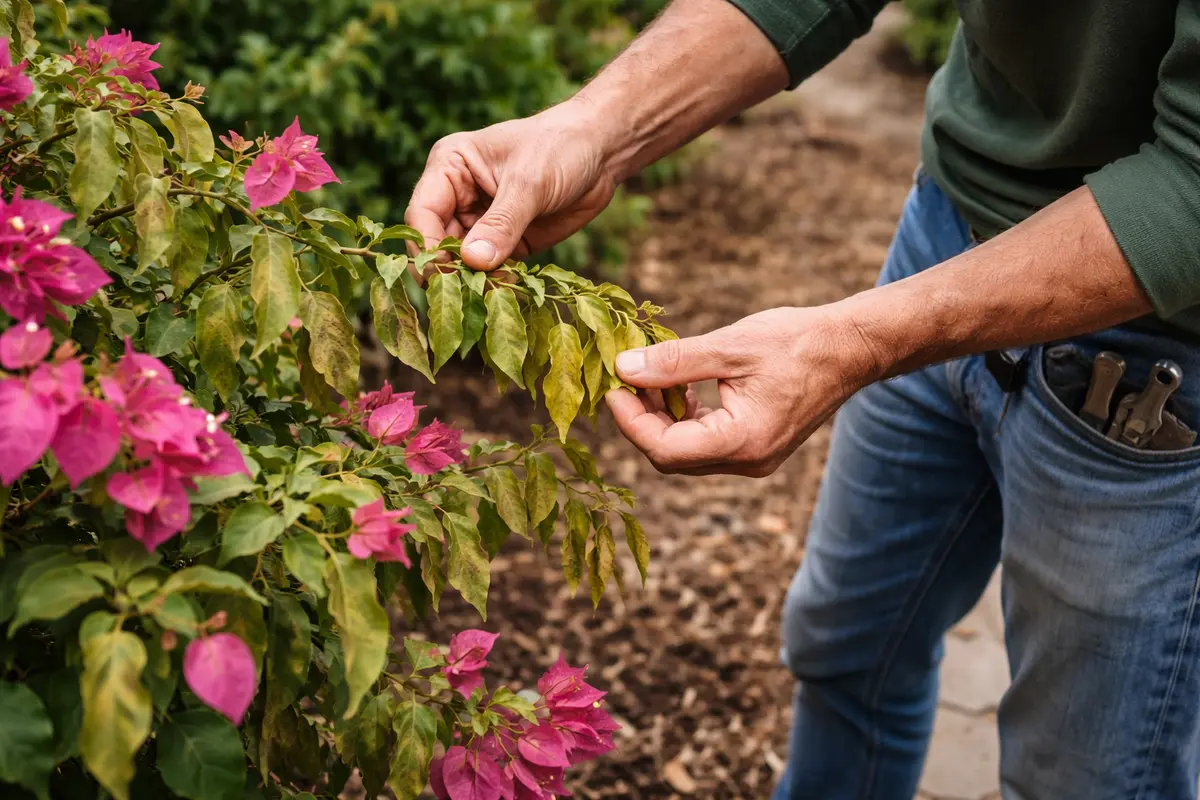
Start by regularly checking the soil moisture around your bougainvillea. Use your finger to probe about an inch into the soil; if it feels dry, it’s time to water. Observe the leaf texture and color—if they remain limp or discolored after watering, recheck in a couple of days for any signs of improvement. Visual cues can inform future adjustments; for instance, if foliage appears glossy shortly after watering, it may signal healthy rehydration.
A fully recovered bougainvillea showcases vibrant, firmly textured leaves that are lush and upright, contrasting sharply with wilting, droopy leaves that may have a dull appearance. Early signs of the problem returning manifest as leaves once again becoming limp, crispy, or developing brown edges, which are critical indicators that the problem persists. If your plant’s leaves feel dry and brittle again,analyze the environment for potential changes such as temperature spikes or pests that might be reintroducing drought stress.
If wilting returns despite your watering efforts, evaluate your watering technique; ensure you adequately soak the soil without creating waterlogged conditions. Repeatedly check for signs of root rot, considering amending the soil with organic matter to improve moisture retention. Perhaps most importantly, consistently re-evaluate your watering strategy based on changes in weather and your plant’s responses. If problems persist, consider consulting a local gardening expert during your inspections for tailored advice to your unique gardening circumstances.
A fully recovered bougainvillea should exhibit strong, perky leaves with new growth visibly emerging. When addressing any return of drooping leaves despite proper care and consistent watering, it’s crucial to investigate immediately for underlying challenges, whether it be inadequate watering, poor drainage, or pest issues. Addressing root causes with timely interventions can significantly influence recovery rates, ensuring your bougainvillea thrives in the face of adversity.
If you notice any early signs of wilting again despite proper care, take action right away by checking soil moisture and watering if necessary. Additionally, consider conducting a soil test to assess nutrient levels, demonstrating the plant’s needs versus what is currently present in the soil. Proactive measures will ensure the problem does not escalate into more significant issues that jeopardize your bougainvillea’s health.
FAQ
How long does it take for bougainvillea leaves to recover from drought stress?
The recovery time for bougainvillea leaves from drought stress varies, but you can typically start to see improvements within one week after consistent care and proper rehydration. After a few weeks, vibrant growth should appear, signaling recovery. However, ensure that care remains consistent to prevent recurring issues, such as subsequent wilting. Keeping a journal of watering and observed conditions can help support effective ongoing adjustments for optimal plant health.
Can overwatering cause wilting leaves on bougainvillea?
Yes, overwatering can lead to wilting leaves on bougainvillea, saturating the roots and depriving them of vital oxygen. This condition often presents symptoms like yellowing leaves or soft, mushy roots. To remedy overwatering, it is crucial to ensure good drainage and to allow the soil to dry out between watering sessions. Additionally, paying close attention to seasonal moisture levels based on weather patterns can help avoid this issue by adjusting watering frequency accordingly.
Should I remove wilting leaves from bougainvillea?
Yes, removing significantly wilting or dead leaves can help redirect energy to healthier parts of the plant. Trim back any foliage that appears severely affected once the plant starts showing signs of recovery. This not only improves the appearance but also promotes airflow and light penetration, enhancing future growth potential. Be careful not to prune excessively, as this can further stress the plant, especially if it is still recovering from drought or nutrient deficiencies.