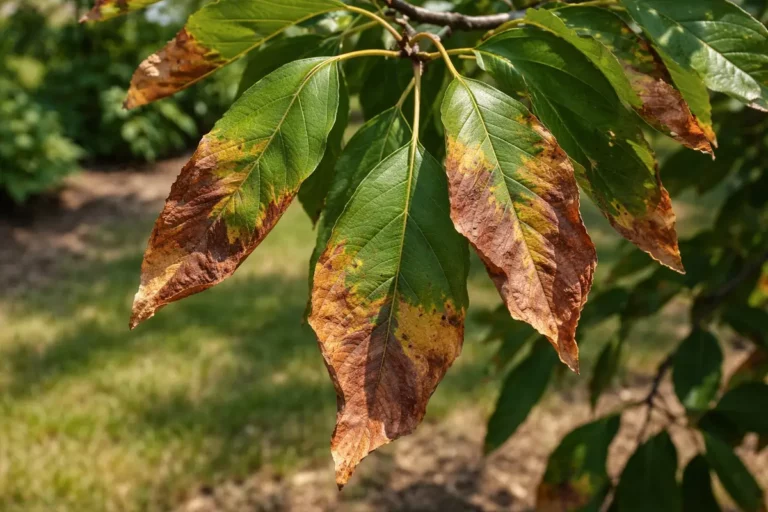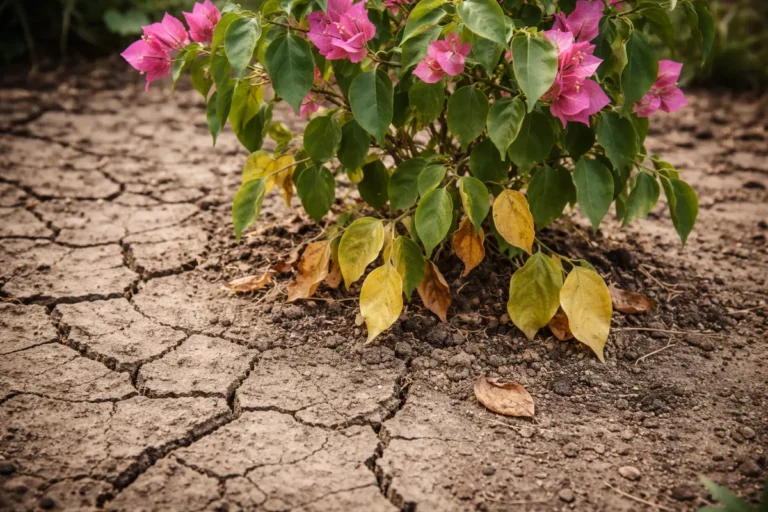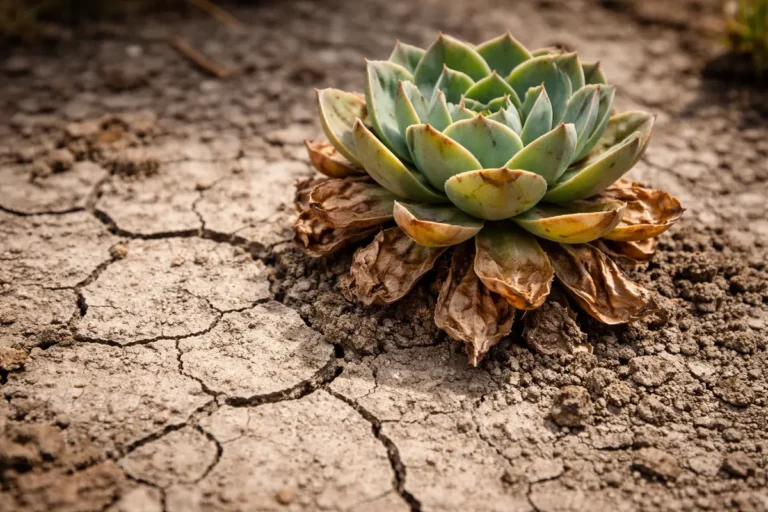
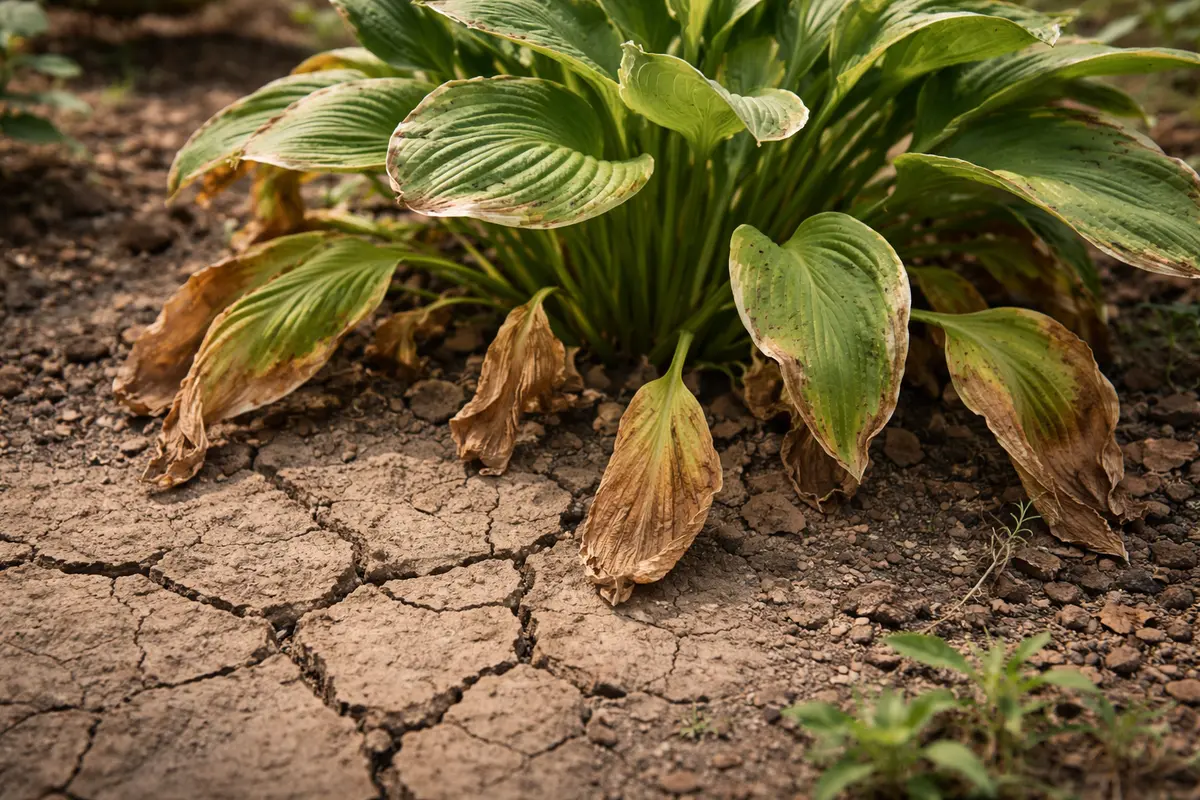
You may notice that during the hot summer months, your hostas start to show signs of stress, particularly around the edges of their leaves, which is why you need to know how to stop browning edges on hostas from drought stress. This browning is caused by a lack of moisture, leading to damage that manifests as crispy, wilting leaf edges. If left untreated, this issue can spread and ultimately weaken the plant, but you can reverse the problem now by checking your watering habits and adjusting the care you provide.
Step 1 – Trim Browning Hosta Leaves Immediately
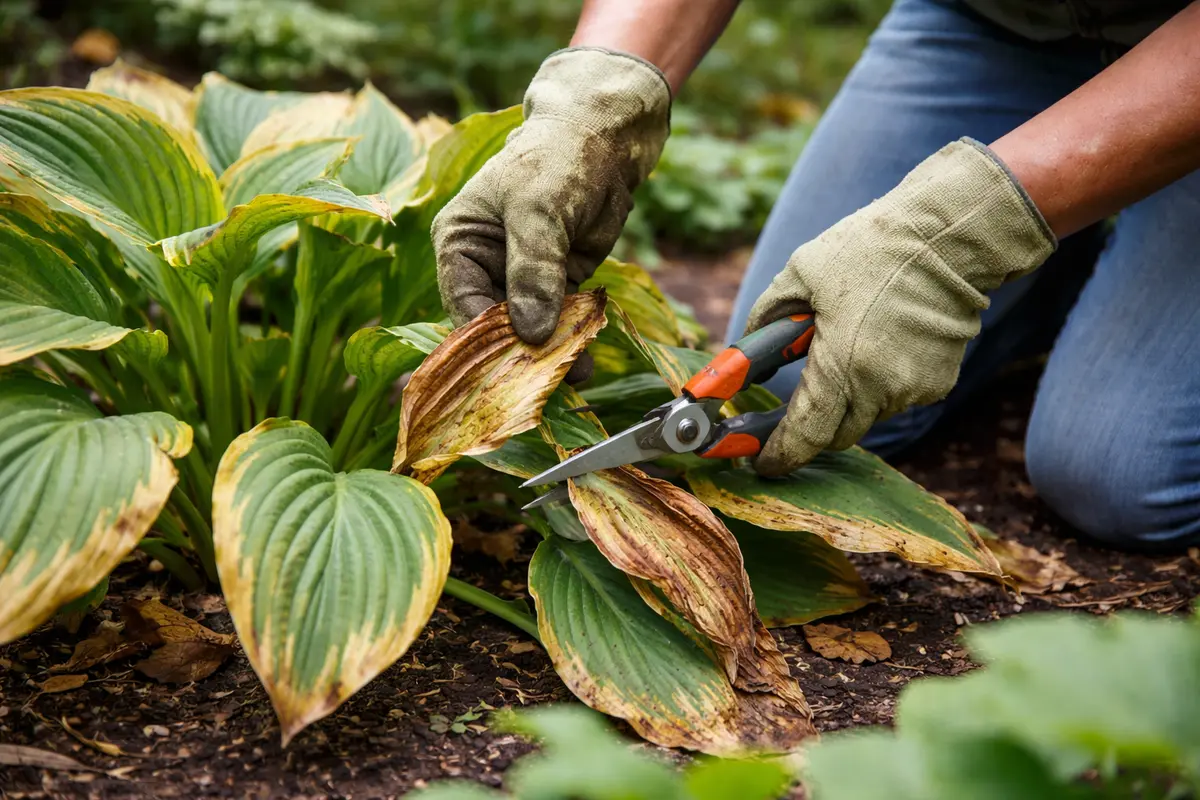
Trim any browning leaves on your hostas right away. You will see a better overall appearance of the plant and prevent the browning from spreading further within a few hours of doing this. When you cut away the damaged foliage, it helps redirect the plant’s energy toward healthy areas. This immediate action allows the plant to refocus its resources, which is critical in reducing potential stress during recovery.
Removing the affected leaves is crucial because browning is a sign that the plant’s cells are drying out due to insufficient moisture. If left unchecked, leaf browning can lead to more extensive dieback and decline in plant vigor. Trimming also stimulates new growth from the base, particularly when you remove older leaves that are no longer contributing to the plant’s vitality. Opting for sharp, clean pruning shears will make a cleaner cut, promoting quicker healing and minimizing the risk of infection that may occur from ragged edges.
A common mistake gardeners make is waiting too long to address browning leaves. Delaying this action can allow the problem to worsen, as the plant becomes increasingly distressed from loss of foliage. If you find yourself hesitating, remember that a strong scent of decay from the leaves may indicate more serious issues, such as root rot. This symptom necessitates immediate intervention to save the plant from further decline, as rotting roots may not recover, leading to irreversible damage. Therefore, follow up the trimming with a thorough check of the surrounding leaves for any signs of further issues.
Step 2 – Assess Soil Moisture Needs for Hostas
Check the soil moisture level around your hostas immediately. You will notice whether the soil feels dry a couple of inches down or retains moisture after watering. Stick your finger into the soil at least two inches deep; if it feels dry, it’s time to take action. Being proactive about soil moisture will greatly influence your hostas’ recovery from drought stress.
Hostas require consistent moisture, especially during hot weather. Dry, cracked soil indicates insufficient water reaching the roots, which can cause the plant to show signs of drought stress like browning leaf edges. It’s vital to create an environment where the irrigation method matches the moisture needs of the hostas. For instance, sandy soils dry out much faster than clay soils, which may require a different watering frequency to meet the same moisture levels. If you dig down and the soil appears crumbly and dusty, that means the roots aren’t receiving the hydration they need to flourish.
If you find the soil is overly dry, adjust your watering schedule to include deeper, more frequent watering sessions of about 1-2 inches per week. On the other hand, if the soil retains too much moisture, it can lead to root diseases, and you may need to improve aeration or drainage to prevent rot. Many gardeners mistakenly assume surface dryness indicates the overall soil condition; check at least two to three inches deep for a more accurate assessment. Waiting too long to water after noticing dryness can result in severe stress, making recovery more challenging and potentially leading to irreparable damage to the root system. Signs of surface dryness can often be misleading, as roots may be suffering even if a light rain moistens the topsoil.
Step 3 – Test for Root Rot in Hostas
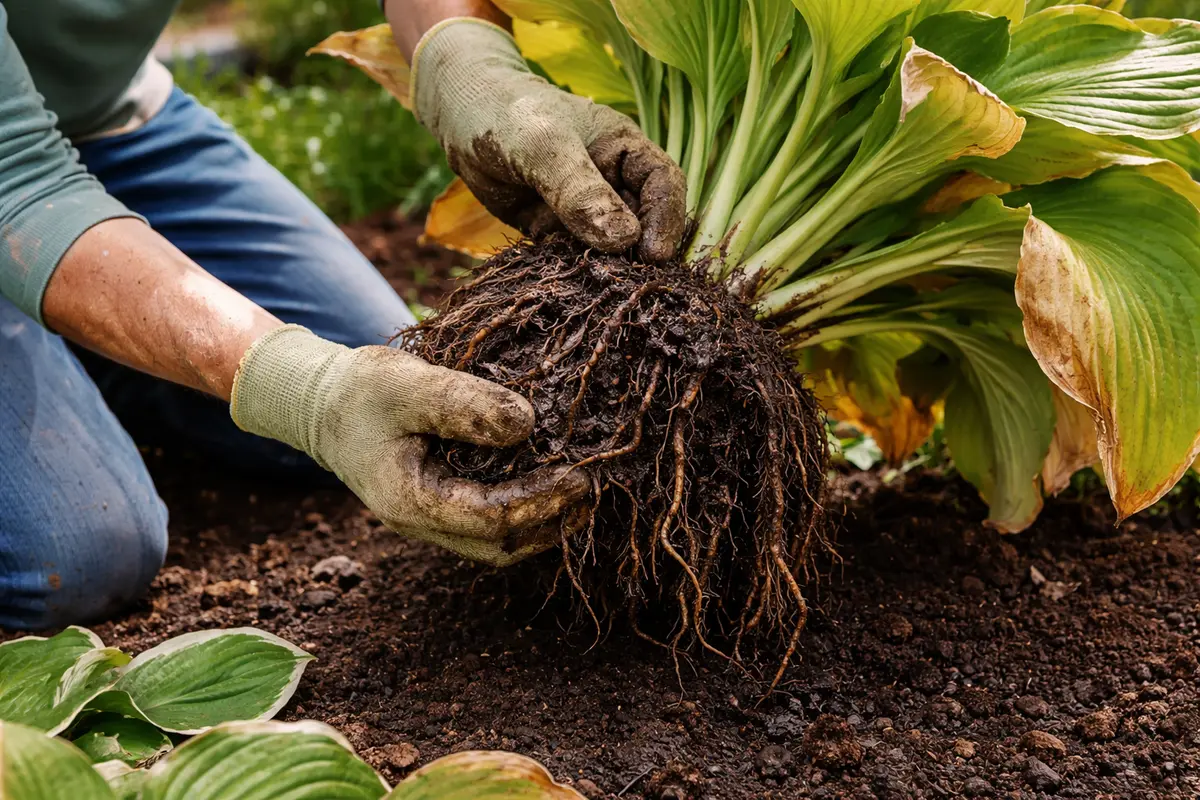
Inspect the root system of your hostas for signs of root rot. Healthy roots should appear white and firm, while rotting roots will be brown and mushy. If the roots feel slimy and exhibit a foul odor at the base, it’s time to diagnose root rot. Detecting this early can save your plant from complete failure, so thorough inspection is critical.
Root rot can develop when the roots cannot absorb water due to prolonged wet conditions or poor drainage. The affected areas typically smell foul and may feel unusually damp compared to healthy roots. If you notice roots appearing slimy or smelling distinctly sour, that’s a clear indication of root rot, necessitating immediate action to salvage your plant. When checking, if the root ball is unusually heavy and lacks firmness, this can suggest excessive water retention leading to rot. Additionally, consider that root rot can progress quickly; if this problem develops, time is of the essence.
If root rot is suspected, remove the affected plant from its pot and inspect the roots closely. Trim back any rotting sections to healthy tissue and repot the plant into fresh, well-draining soil. Be cautious of using any chemical treatments without confirming this diagnosis, as unnecessary treatments can lead to additional stress on the plant instead of helping it recover. In cases where the rot has spread significantly, replanting entirely may be necessary, so consider seeking advice from a gardening professional to evaluate any remaining plant material. If you do not address noticeable rot promptly, it can escalate quickly, leaving only a small window for saving your plant.
Step 4 – Water Deeply to Revitalize Hostas
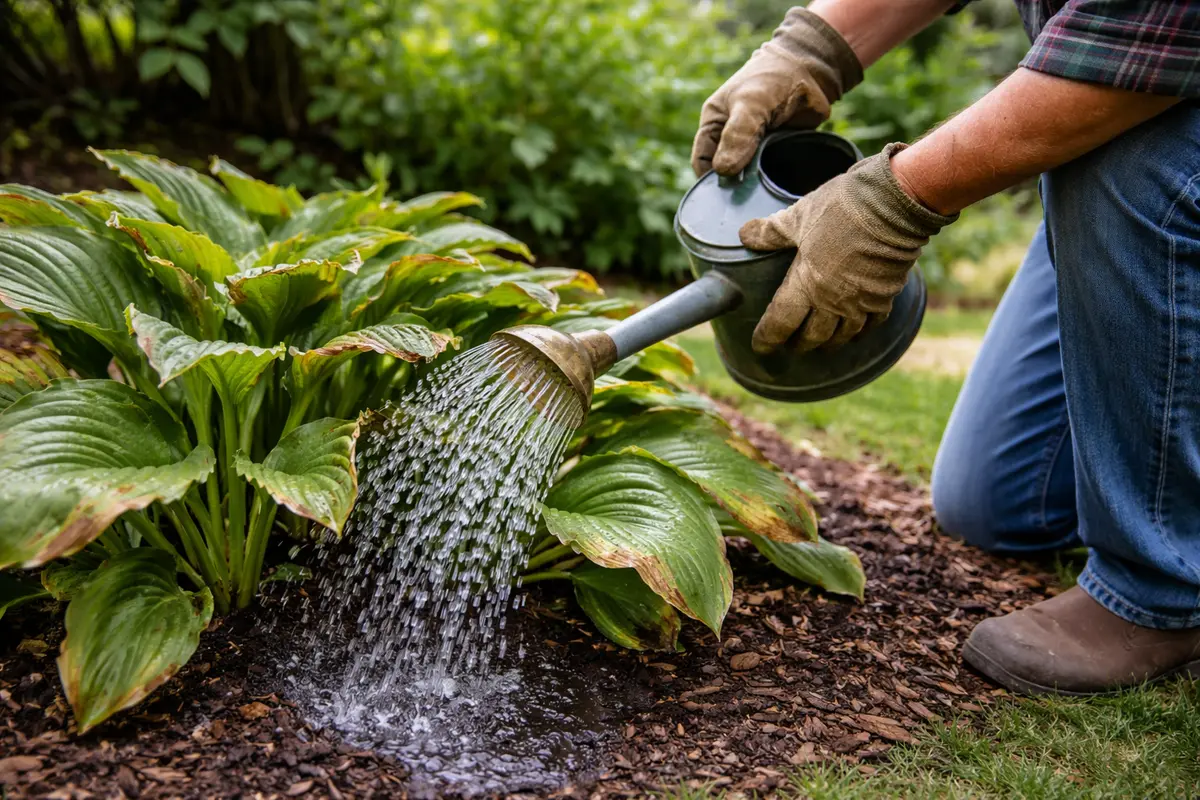
Water your hostas deeply to rejuvenate them after addressing surface symptoms. You will see the leaves begin to perk up within hours of adequate watering, signaling recovery. Apply water gradually at the base of the plant to ensure it penetrates deep into the soil, which encourages robust root development. This targeted watering method ensures water reaches the root zone where it is most needed, combating the effects of drought stress effectively.
Deep watering is essential as it promotes healthy root growth and hydration, especially important for hostas struggling with drought stress. This method allows moisture to penetrate deeply into the soil and reach the root zone efficiently, promoting better health and reducing future browning. Aim to ensure that water penetrates at least 6-8 inches deep into the soil, particularly if it has been parched. Additionally, ensure the foliage is dry before nighttime to prevent fungal issues, which can occur if nighttime humidity levels are high and leaf surfaces are damp.
Be careful not to overfeed your hostas with fertilizers immediately after watering; this can lead to chemical burns on stressed plants. Instead, wait a few weeks until the plants show signs of recovery before applying any fertilizers to prevent further stress. Timing is also crucial; water early in the morning or late in the evening when evaporation is minimal. If you neglect watering during extreme temperatures, the plant could suffer irreversible damage, so consider setting reminders for yourself during particularly hot weeks or after long, rainless stretches to maintain strict adherence to your watering schedule. Additionally, adjust the amount based on atmospheric conditions; if it’s unusually windy, increase your watering regimen as the wind can exacerbate moisture loss.
Step 5 – Protect Hostas from Future Drought Stress
Start by establishing a regular watering schedule for your hostas, ensuring they receive at least one inch of water per week. By consistently providing adequate moisture, you will prevent the browning edges that occur due to drought stress and maintain vibrant foliage throughout the growing season.
Environmental conditions leading to browning edges often include prolonged heat waves and insufficient rainfall, both of which contribute to drought stress. By implementing a routine watering schedule, the hostas’ roots can access the moisture necessary to thrive, significantly reducing the risk of browning. If your hostas start to show browning despite regular watering, check for compacted soil that may restrict root growth.
During particularly dry summer months, consider increasing your watering frequency and incorporating mulch around the base of your hostas. This additional layer helps retain soil moisture while regulating temperature, further protecting against drought stress. Adjust this routine based on seasonal changes; for example, after heavy rainfall, reduce watering to prevent over-saturation.
Brown edges on hostas frequently occur during hot and dry weather when the roots don’t receive sufficient moisture. By maintaining a steady watering routine adapted to temperature changes, you counteract drought conditions and allow roots to absorb necessary hydration. If your hostas show browning but the soil seems moist, checking for compacted soil conditions may reveal restricting factors affecting water absorption that can be corrected. Soil compaction can lead to poor water infiltration, making it critical to aerate the soil if problems persist.
During the peak of summer, when evaporation rates increase, consider adding a layer of organic mulch around your hostas to retain soil moisture effectively. Mulching not only regulates soil temperature but also reduces the need for more frequent watering, thereby providing a buffer during heat waves. Organic mulch materials, such as wood chips or shredded bark, can not only improve soil health as they decompose over time but also deter weeds that compete for moisture.
Hostas typically require about 1-2 inches of water per week, especially during dry periods. Investing in a rain gauge will enable you to monitor the amount of moisture your plants are receiving precisely. When applying mulch, ensure that it does not cover the crown of the plants; excess moisture can lead to rot where the plant meets the soil. Depending on your climate, seasonal adjustments may be necessary; during extraordinarily hot summers, you might need to increase watering frequency or depth to accommodate plant hydration effectively. Keep an eye on forecasted weather changes too, as unexpected dry spells can catch even the most prepared gardener off guard.
Step 6 – Check Hostas for New Browning Tomorrow
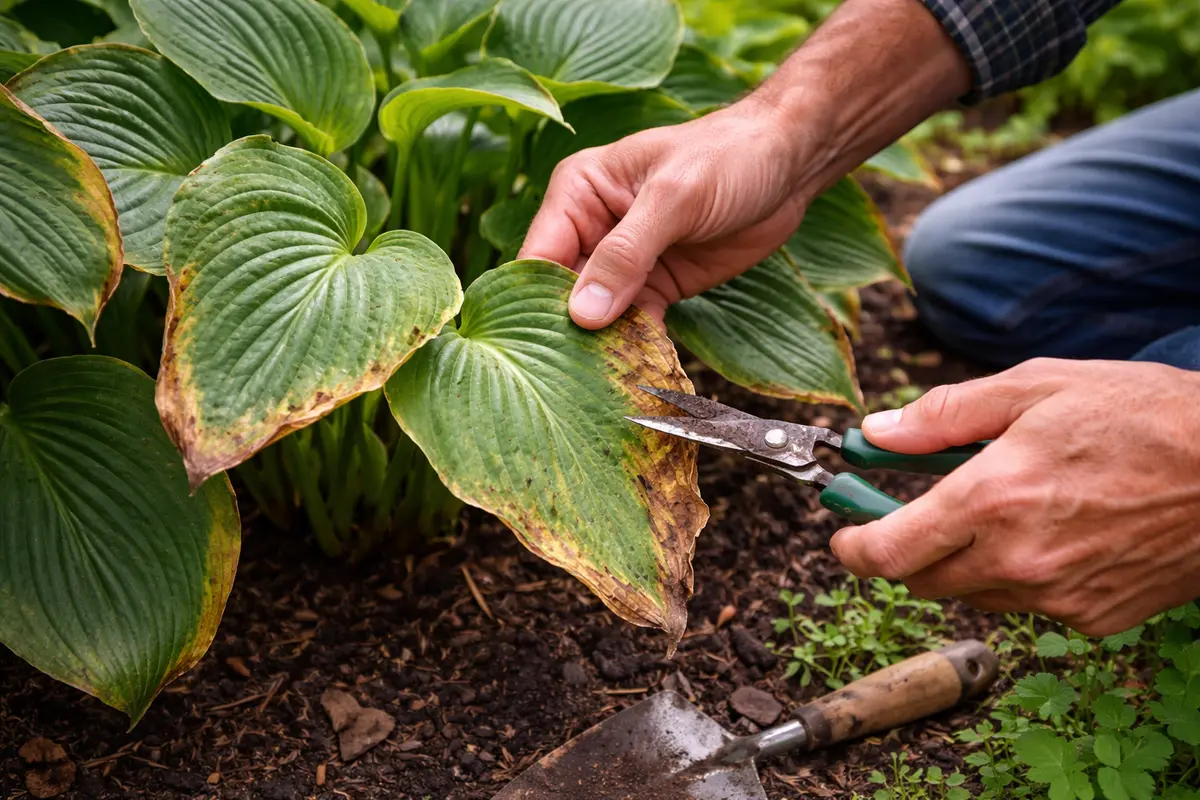
Recheck your hostas the next day to observe any new browning. You should see significant improvement in the appearance of the leaves if the preceding steps were successful. Look for fresh growth and lively, firm leaves that signify a positive response to your interventions. Identifying these signs early can prevent more severe issues down the line.
If you notice new browning edges again, this might indicate that the water levels are still insufficient, or hidden issues such as disease or pests could be affecting your plants. Regular observation allows you to catch these potential complications early, thus preventing lasting damage. Vigilance is necessary; if the browning persists, a detailed check for pests or diseases, combined with soil moisture testing, may identify underlying issues that require intervention. Even slight curling of leaves may signal a problem that warrants further investigation.
For ongoing care, document the symptoms and strategies you’ve tried, noting the effectiveness of each intervention over time. This record will be beneficial for determining patterns and adjusting your methods to improve plant health continually. If the browning persists despite your diligent efforts, consider consulting a gardening professional for an in-depth assessment of potential underlying issues, as chronic problems can often be more complex and difficult to address effectively without help. Staying proactive allows for the timely rectification of any future concerns, maintaining the vigor of your hostas and other garden plants.
FAQ
How long does it take for hostas to recover from drought stress?
After proper care, you can expect your hostas to show signs of recovery within a week. New growth should be visible, and the leaves should appear greener and more vibrant as long as moisture levels are consistently maintained. However, in cases of severe root damage, recovery may take several weeks, so patience and continued care are essential for full recovery.
Is it necessary to remove all affected leaves from hostas?
Removing the most severely browned leaves is beneficial to prevent further stress on the plant. However, if only some edges show minor damage, you can leave those leaves to continue photosynthesis until they brown more significantly. Periodically reassessing the leaf condition can help you make informed decisions about which leaves should remain and which should be removed; keeping even slightly damaged leaves can bolster the plant’s overall energy production.
Why do browning edges occur on hostas after a dry spell?
Browning edges on hostas typically arise from insufficient water absorption due to drought conditions. When soil moisture drops too low, it prevents the plant from adequately hydrating its leaves, leading to browning and wilting. If not managed effectively through timely watering and soil checks, persistent drought can intensify the plant’s stress responses, aggravating the condition.