

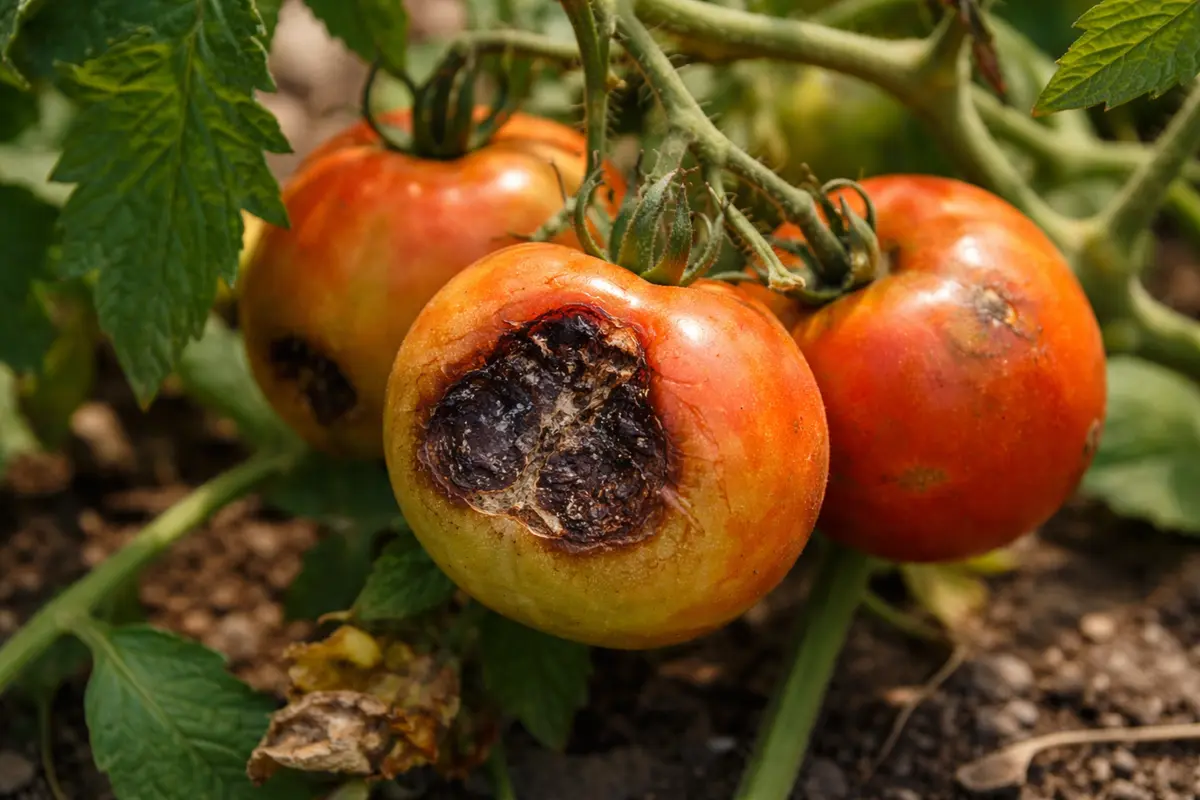
You may notice your tomato plants developing unsightly black spots on the bottom of their fruit during a prolonged heatwave, which is why you need to know how to prevent blossom end rot in tomatoes during heat. This troubling phenomenon occurs when plants are unable to absorb enough calcium, leading to rotting at the blossom end of the fruit. If left unaddressed, the issue gets worse, ultimately weakening the plant and leading to more damage, but you can still fix it now by adjusting your watering schedule and ensuring proper soil nutrition.
Step 1 – Water Tomatoes Deeply to Address Heat Stress
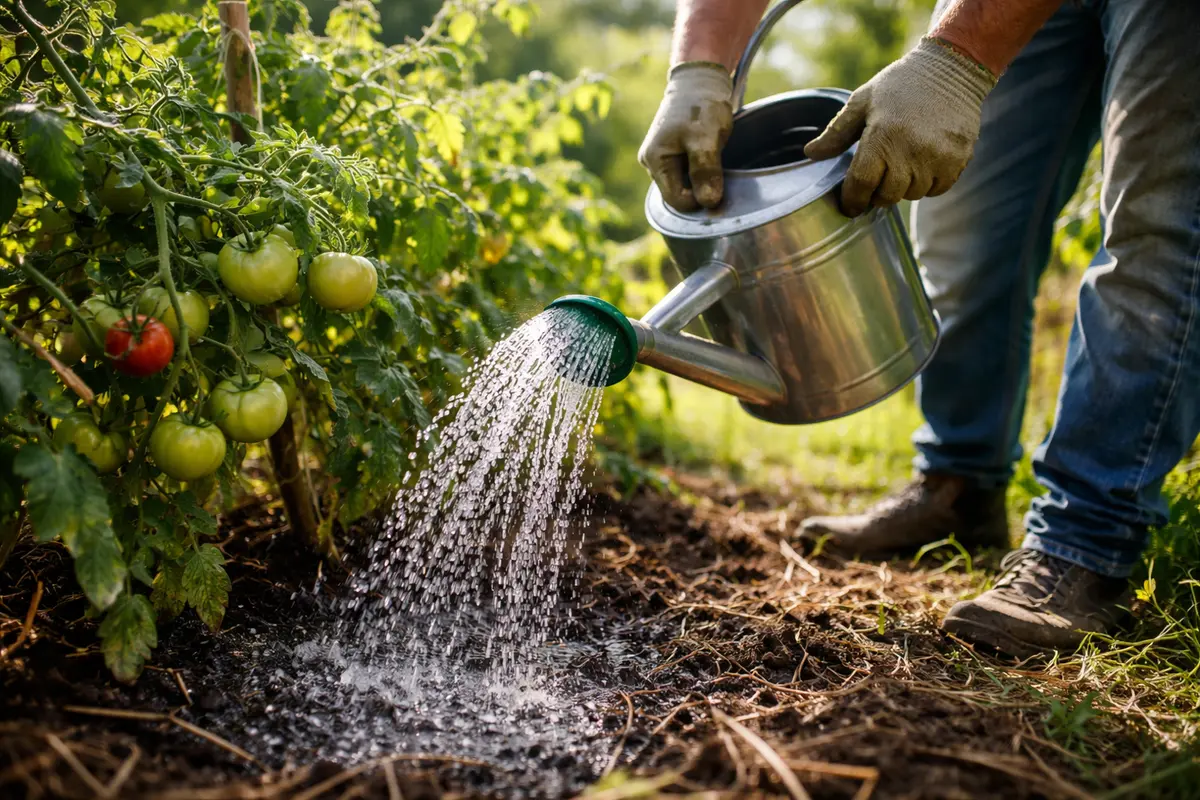
Water your tomato plants deeply by applying at least two inches of water directly to the soil around their base at least once or twice a week. You should see the wilting leaves perk up and the soil surface start to revitalize within a few hours if this step is done correctly. However, if the soil remains dry or compacted, leading to underwatering, the plants will exhibit signs of stress, such as drooping leaves or discolored fruit.
Deep watering ensures that moisture penetrates down to the root zone, preventing immediate dehydration during hot periods. Without adequate moisture deep in the soil, tomato plants may draw moisture away from the fruit, which directly contributes to blossom end rot. When the soil is consistently dry, the plant struggles to deliver necessary nutrients, resulting in nutrient-deficient fruit development. Monitor the moisture level consistently, aiming for soil that feels moist but not saturated.
A common mistake gardeners make at this stage is relying solely on surface watering, which may not reach the deeper roots where hydration is critical. For example, in sandy soils, moisture can evaporate quickly and roots may not be adequately hydrated if monitored improperly. It’s essential to verify soil moisture by checking the depth—insert your finger into the ground about two inches; if it feels dry, it should prompt immediate action for watering. If your soil is hard and crusty, loosening it with a hoe or rake can also improve water penetration.
Step 2 – Check For Calcium Deficiency in Soil
Start by checking the soil moisture levels around your tomato plants, ensuring consistent watering to maintain a balance of 1-2 inches a week. If the soil feels dry below the surface, increase your watering frequency to prevent blossom end rot, which will show improvement in fruit development within a few days.
Blossom end rot is primarily caused by a calcium deficiency in the developing fruit, which often results from irregular watering patterns. When the soil is too dry, the roots struggle to uptake calcium, leading to the characteristic dark, sunken spots on the fruit. In contrast, if the soil is consistently saturated, it could cause root rot, hindering nutrient absorption as well.
If the soil appears overly compacted or has a sour smell, consider aerating it to improve drainage and nutrient availability. Alternatively, if you see blossom end rot but not dry soil, check for high nitrogen levels in the soil, as too much nitrogen can promote leafy growth at the expense of fruit development.
Calcium deficiency manifests as characteristics consistent with blossom end rot, as this nutrient is essential for cell wall formation in developing fruit. When soil lacks calcium, the plants struggle to transport vital calcium ions efficiently to the fruit, leading to darkened, weak bottoms that can collapse under stress. Soil testing enables you to determine if nutrient imbalances are causing the issues you’ve been observing so far, ensuring your action targets the correct deficiency.
If the soil test reveals high acidity, indicated by a pH below 6.0, this can exacerbate calcium uptake issues. In such cases, amend the soil with lime, which can take time to dissolve and affect soil chemistry, so plan accordingly. Conversely, if your testing reveals sufficient calcium, check other factors, such as watering consistency or temperature fluctuations—both critical in ensuring calcium uptake remains stable throughout all growth stages. Keep in mind that a rapid increase in soil pH after lime application can cause temporary nutrient lockout, so monitor your plants closely. An immediate response is crucial; incorporating lime typically takes a couple of weeks to raise pH and increase nutrient availability, so don’t delay in making those amendments.
Step 3 – Feed Tomatoes with Calcium-Rich Fertilizer
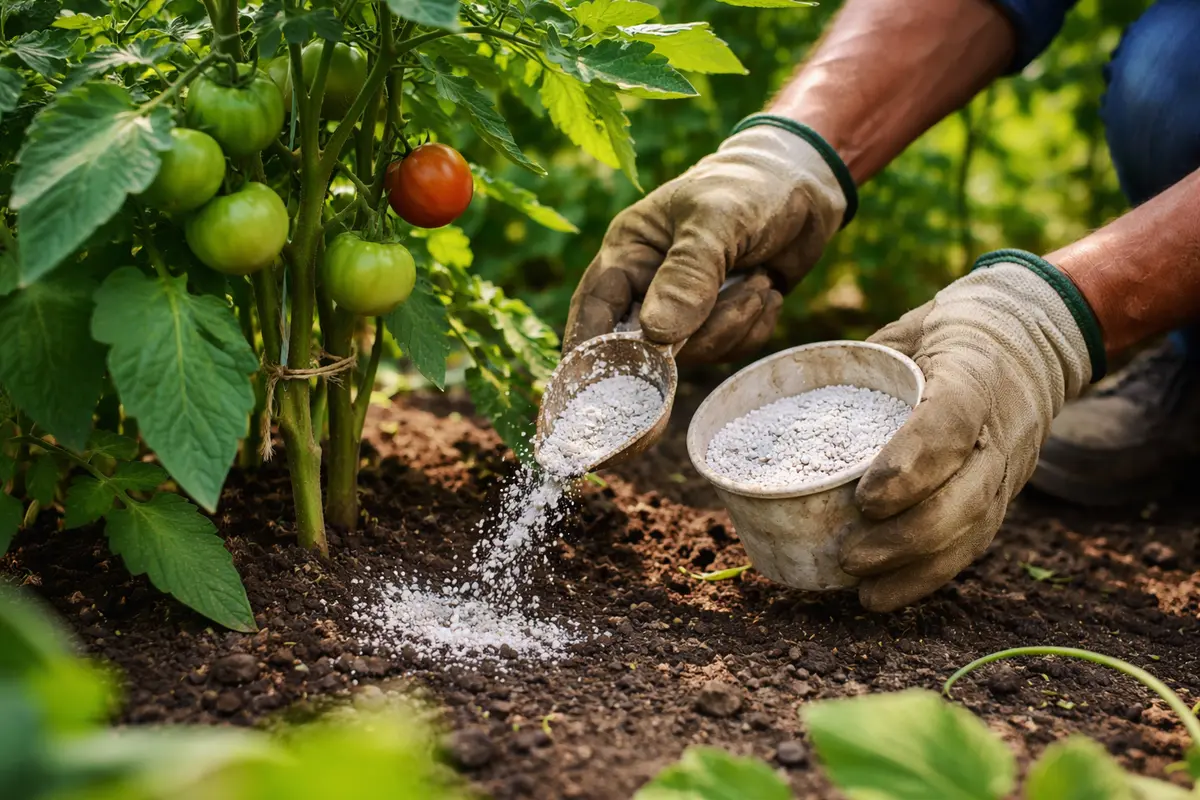
Apply a balanced fertilizer with low nitrogen content to your tomato plants to stabilize nutrient levels and promote calcium uptake. Within a week, you should observe improved leaf color and the emergence of new fruit sets, indicating the plants are recovering from the stress of blossom end rot caused by calcium deficiency.
Recovery from blossom end rot typically takes about two to three weeks, during which newly formed fruit should appear firm and free of dark spots. Conditions such as consistent watering practices and maintaining soil moisture aid in quicker recovery, while extreme temperatures and inconsistent watering can hinder progress. If the leaves are still discolored after a week, check for any irrigation issues that may be causing stress.
Avoid overcompensating by applying too much water or excessive fertilizer during this recovery phase, as this can lead to further nutrient imbalances. Sticking to a regular watering schedule ensures even moisture levels; if you notice wilting leaves despite adequate watering, check soil drainage as poor drainage can restrict root growth and exacerbate blossom end rot symptoms.
Typically, expect to see noticeable recovery within two weeks, with leaves regaining their luster and fruit developing without dark, sunken lesions. Favorable conditions like mulching can help retain soil moisture, while excessive heat can delay recovery; look for curled leaves as a sign of heat stress. If you see ongoing wilting, check the soil for dryness rather than assuming your watering is adequate.
Avoid overcompensating with high-nitrogen fertilizers, as this can lead to excessive leaf growth at the expense of fruit production. Instead, use balanced fertilizers to ensure that your tomatoes concentrate on recovering their fruit load. If your tomato plants are bushy but still developing blossom end rot, reduce feeding frequency and focus on consistent watering instead.
In a few weeks, expect to see new shoots forming as the plant recovers from disease pressures. Healthy regrowth typically manifests as vibrant, green leaves unfurling, while unhealthy regrowth may appear yellowed or stunted. Warm temperatures and adequate humidity can accelerate this recovery, while cold nights or overly wet soils may slow it down. If new growth is absent, check for lingering pathogens in the soil or surrounding plants.
Avoid over-fertilizing during this recovery phase, as it can lead to lush growth that attracts further pests or diseases. Instead, focus on balancing nutrient delivery with proper watering to strengthen your tomato plants against recurrent infections. If you notice signs of fungus after treatment, reduce humidity around the plants by ensuring adequate airflow.
Utilizing a concentrated calcium product supplies the plants with the necessary nutrients that assist them in building strong cell walls. Without this critical input, weakened cellular structures can make tomatoes more susceptible to environmental stressors, directly contributing to the onset of blossom end rot. Regular applications help maintain nutrient levels; however, avoid over-fertilization, as excessive nutrients can harm the roots and impede overall nutrient absorption.
If you notice signs of over-fertilization, such as leaf curling or browning, this indicates you may be applying too much fertilizer. It may be beneficial to select a balanced fertilizer that contains not only calcium but also essential nutrients like nitrogen and potassium, which are vital for overall health without overwhelming the plant. Many gardeners overlook the fact that applying calcium too close together can lead to nutrient lockout, so be cautious; it’s essential to space applications out according to product guidelines to maintain balance in plant nutrition.
Step 4 – Water Consistently to Prevent Blossom End Rot
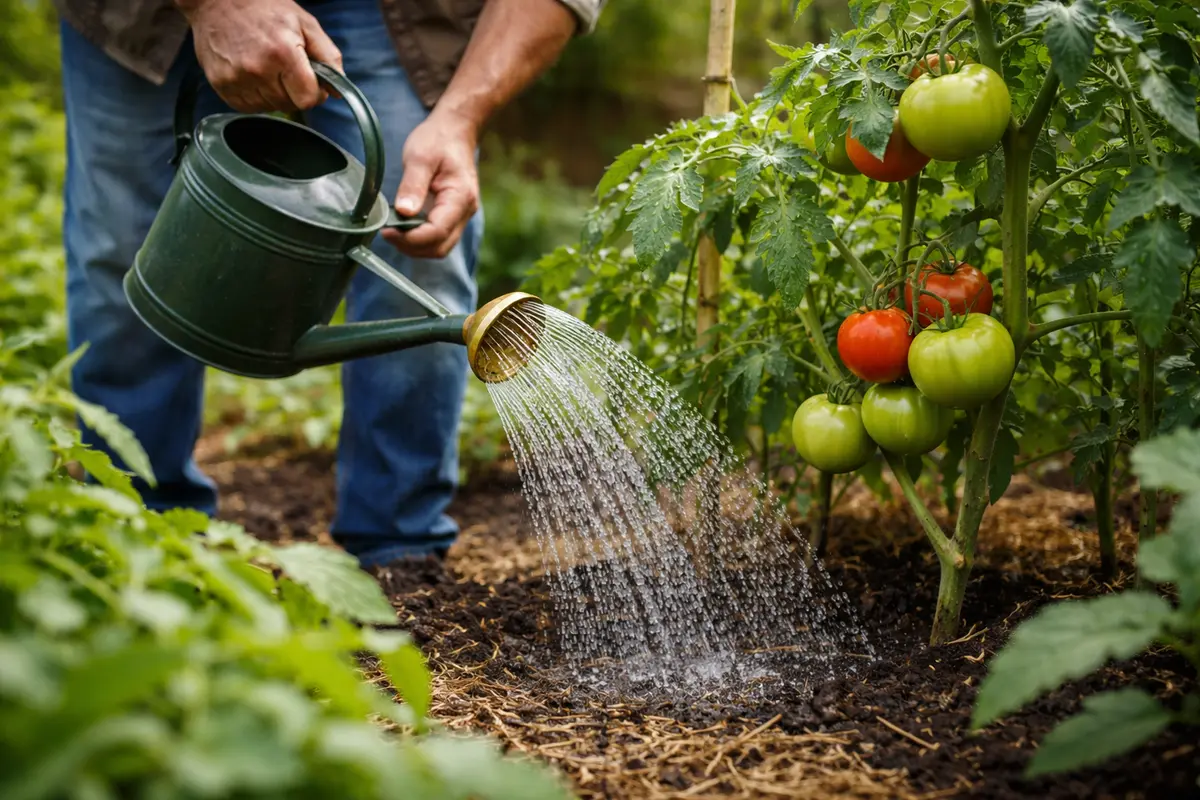
Start by maintaining consistent soil moisture through regular deep watering, ideally at least once a week. By doing this, your tomato plants will show fewer signs of blossom end rot, and you’ll promote more stable fruit development through extreme heat.
Fluctuations in soil moisture, often caused by high temperatures and inconsistent weather patterns, can lead to the calcium deficiency that results in blossom end rot. When the soil becomes too dry during heat waves, your plants struggle to absorb nutrients efficiently, leading to fruit malformations. If plants are consistently watered and monitored, they can maintain nutrient uptake, minimizing the risk of this issue.
During particularly hot spells, adjust your watering schedule by adding mulch around the base of your tomato plants to conserve moisture and reduce soil temperature. If the weather continues to rise above normal averages, also consider using shade cloth to protect the plants from extreme sun exposure while trying to keep the soil consistently moist.
Maintaining consistent watering patterns stabilizes soil moisture levels, preventing rapid fluctuations that commonly lead to calcium deficiencies and blossom end rot. During hotter periods, it’s easy for gardeners to overlook soil hydration; being vigilant about checking moisture levels is key. Distributing irrigation during the cooler parts of the day can yield better results, allowing for improved absorption and reducing evaporation losses—watering early morning or late evening works best.
Adjust your watering schedule according to seasonality—during hotter months, you might find that your plants require watering every couple of days rather than once a week. Furthermore, incorporating mulch around your plant bases can help retain soil moisture while decreasing evaporation. This layer protects against temperature extremes; however, ensure that mulch does not touch the base of the plants, as excess moisture can lead to stem rot. Remember, overwatering can also be a significant issue, leading to root rot; soil should be moist but not saturated, and the drainage must always be adequate.
Step 5 – Inspect Fruits for Signs of Blossom End Rot
Start by checking the soil moisture levels daily during periods of extreme heat. Observe the soil’s texture; it should feel damp but not soggy. Recheck after heavy watering or rainfall, ensuring consistent moisture to help prevent blossom end rot.
A fully recovered tomato plant will display firm, evenly colored fruit without any sunken or dark spots on the bottom. In contrast, early signs of blossom end rot include light brown, leathery patches on developing fruits. If the leaves appear lush but the fruits show uneven growth, it signals a possible recurrence of the issue.
If the problem returns despite following previous steps, immediately adjust your watering practices and consider adopting a calcium supplement specifically designed for tomatoes. If leaves begin to droop while still retaining a rich green color, check for nutrient imbalances, especially calcium levels, before taking further action.
A fully recovered tomato plant should display healthy, firm fruit devoid of any signs of rot or distress. Look for color changes; healthy tomatoes exhibit vibrant hues that indicate good nutritional uptake. Moreover, it is crucial to distinguish between recovering fruits and those still developing symptoms of blossom end rot; ongoing observation can help identify if further interventions are needed. When checking for fruit health, ensure to look for any signs of moisture buildup that could foster bacterial growth—if you notice conditions deteriorating, consider seeking guidance on alternate treatments.
If problems persist even after addressing previous concerns, don’t hesitate to seek guidance from local gardening experts or resources for additional advice. Community gardening groups often have valuable insights and observations tailored to specific climate conditions or soil types prevalent in your location. Be vigilant; recognizing the first signs allows for proactive measures to tackle issues before they escalate, enhancing your overall gardening success.
FAQ
How long does it take for tomatoes to recover from blossom end rot?
Recovery can typically take one to two weeks after correcting soil moisture and nutrient levels. During this time, you should see new growth forming alongside healthier fruit on affected plants as long as care procedures are maintained. If conditions remain optimal, the plants should begin producing fruit without stress within this timeframe.
Can blossom end rot spread from one tomato to another?
Blossom end rot itself does not spread like a traditional disease; however, the underlying conditions that cause it can impact multiple fruits on the plant. Maintaining a consistent watering and nutrient schedule across all plants will help prevent similar issues, keeping your entire crop healthy and robust. Additionally, proper pruning and spacing between plants can reduce airflow problems that might exacerbate humidity levels.
Should I remove affected tomatoes immediately?
Yes, removing any tomatoes showing severe blossom end rot is essential to prevent the plant from wasting energy on unhealthy fruit. This allows the plant to direct available resources towards the growth of healthy fruit. Ensure that you leave any healthy fruit on the vine to encourage further growth while minimizing stress to the plant; it’s also wise to monitor for any new, emerging fruit to assess ongoing health and issues.