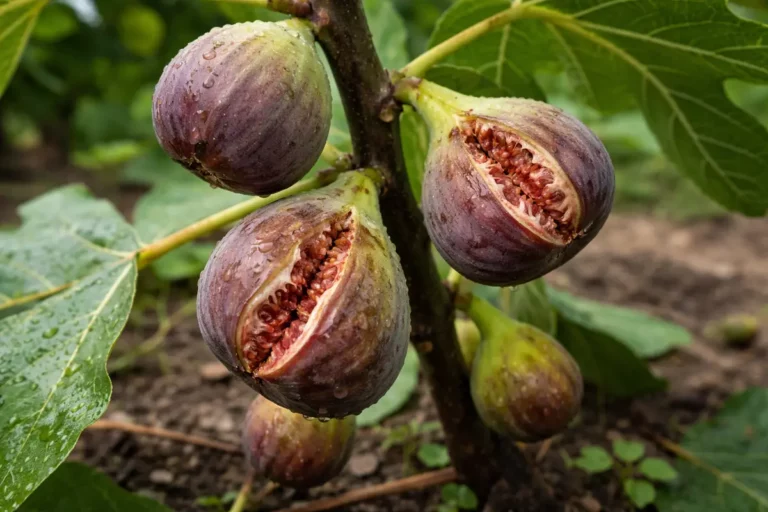
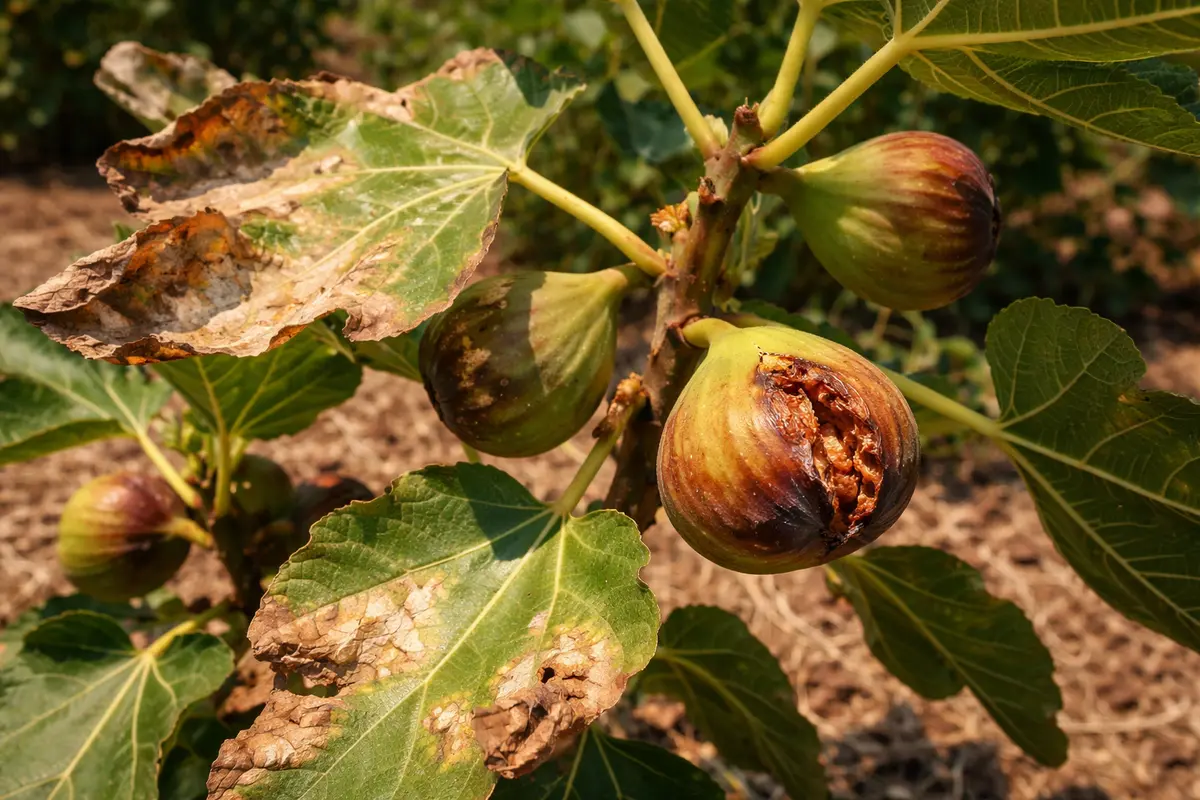
You may notice that your fig trees are suffering from unsightly splits and cracks in their fruit during heatwave conditions, which is why you need to know how to prevent fruit cracking in figs during heatwave. This cracking occurs when the fruit absorbs too much water too quickly, leading to significant damage and a mushy texture. If left unaddressed, the problem gets worse and can weaken the plant, stalling growth and reducing yield, but you can still fix it now by adjusting your watering practices and monitoring the tree for signs of stress.
Step 1 – Water Fig Trees Deeply During Heatwaves
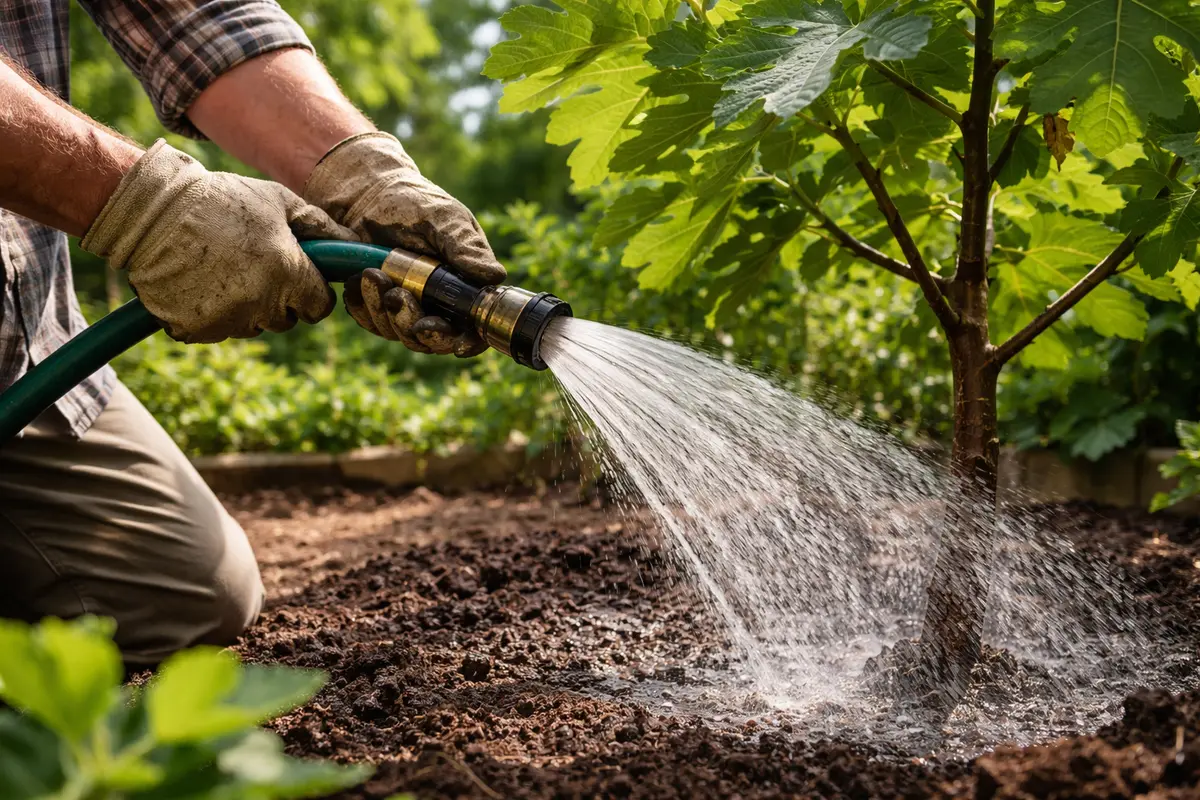
Start by watering your fig trees deeply, allowing water to penetrate at least 6 inches into the soil. You should notice that the soil becomes more saturated and the leaves perk up within a few hours. Deep watering helps to restore moisture in the root zone, reducing stress caused by high temperatures.
Fig trees require consistent moisture, especially during heatwaves. If the soil dries out, the trees struggle to maintain hydration, and the fruits are more likely to crack as their expansion is inhibited. Rapid changes in water availability can shock the plant’s system, contributing to cracking as the inner fruit expands faster than the outer skin can compensate. Before watering, checking the soil moisture level is essential; moisture should feel damp, not just on the surface but at a depth of around 6 inches to ensure effective hydration.
Many gardeners mistakenly assume that frequent shallow watering is sufficient. This can lead to roots being too close to the surface, where they cannot access deeper moisture under extreme heat. Instead, focus on lengthening your watering routine. Consider using a soaker hose to provide consistent moisture around the base of the tree. If your fig trees are in sandy soil, you may need to water more often than if they are in clay-heavy soil, which retains moisture better. The difference in soil composition directly impacts how your figs respond during a heatwave, making warnings about soil type critical in deciding your watering strategy.
Step 2 – Assess Soil Moisture Levels in Fig Beds
Start by monitoring soil moisture levels and watering your fig trees deeply at least once per week during a heatwave. This will help maintain consistent hydration, allowing the tree to better manage the high temperatures and reduce the risk of fruit cracking. After implementing a regular watering schedule, observe that the fruit develops more uniformly without the splitting associated with rapid water uptake.
The primary cause of fruit cracking in figs during a heatwave is erratic water supply, which affects osmotic pressure and nutrient uptake in the plant tissue. When the tree experiences stress from dry conditions followed by sudden overwatering, the rapid expansion of fruit cells leads to cracks. In contrast, maintaining steady moisture levels can allow for gradual fruit expansion and prevent these cracks from forming. If your soil feels dry and crumbly, check for even moisture distribution before adjusting your watering regime.
If you notice that your soil retains too much moisture and smells sour, consider adding organic matter to improve drainage. Conversely, if the soil appears compacted and waterlogged, you’ll need to aerate it to encourage better moisture flow. Different moisture conditions call for specific actions, so always assess soil texture before making adjustments to your watering strategy.
Moisture levels affect how well the figs develop. If the soil is too dry, figs will not have enough hydration to form properly, leading to them becoming brittle. The weather can exacerbate this condition; high temperatures increase evaporation rates, further cutting down available moisture. Fig roots need consistent hydration to support fruit development and avoid stress. Consider using a moisture meter to check moisture levels more accurately, which can help you determine whether further watering is necessary without overdoing it.
In cases where you notice that the soil smells sour or is overly compacted, this suggests poor drainage, making it crucial to amend with compost or coarse sand. If the roots struggle due to saturated conditions, it could mean stepping back on watering and ensuring enhanced drainage. If you find your soil remains perpetually wet, consider testing and improving drainage before the next heatwave strikes. Observing the soil moisture after significant rainfall or watering is vital; if it stays muddy for long periods, this could indicate an underlying drainage issue that needs addressing.
Step 3 – Test for Pests and Diseases in Fig Leaves
Start by inspecting the fig trees closely for any signs of fruit cracking, particularly after a heatwave. Look for splits or fissures on the surface of the figs, which indicate that the fruit has absorbed too much water too rapidly due to temperature fluctuations.
While inspecting, be mindful of other issues such as sunburn or pest damage, which may mimic fruit cracking. Sunburn presents as dark, water-soaked spots on the skin of the fruit, while pest damage can cause irregular holes or surface blemishes. In contrast, cracked figs will show jagged openings along the fruit’s surface, often but not always accompanied by a soft texture beneath the cracks; feel the fruit gently to evaluate this.
If you are uncertain about whether the issue is cracking or something else, allow the figs to sit for a few days while observing any changes. Monitor moisture levels in the soil as well; if the soil is overly dry or saturated, these conditions can contribute to rapid fluctuations in fruit development. If the fruit’s condition worsens, proceed with targeted recovery strategies based on your observations.
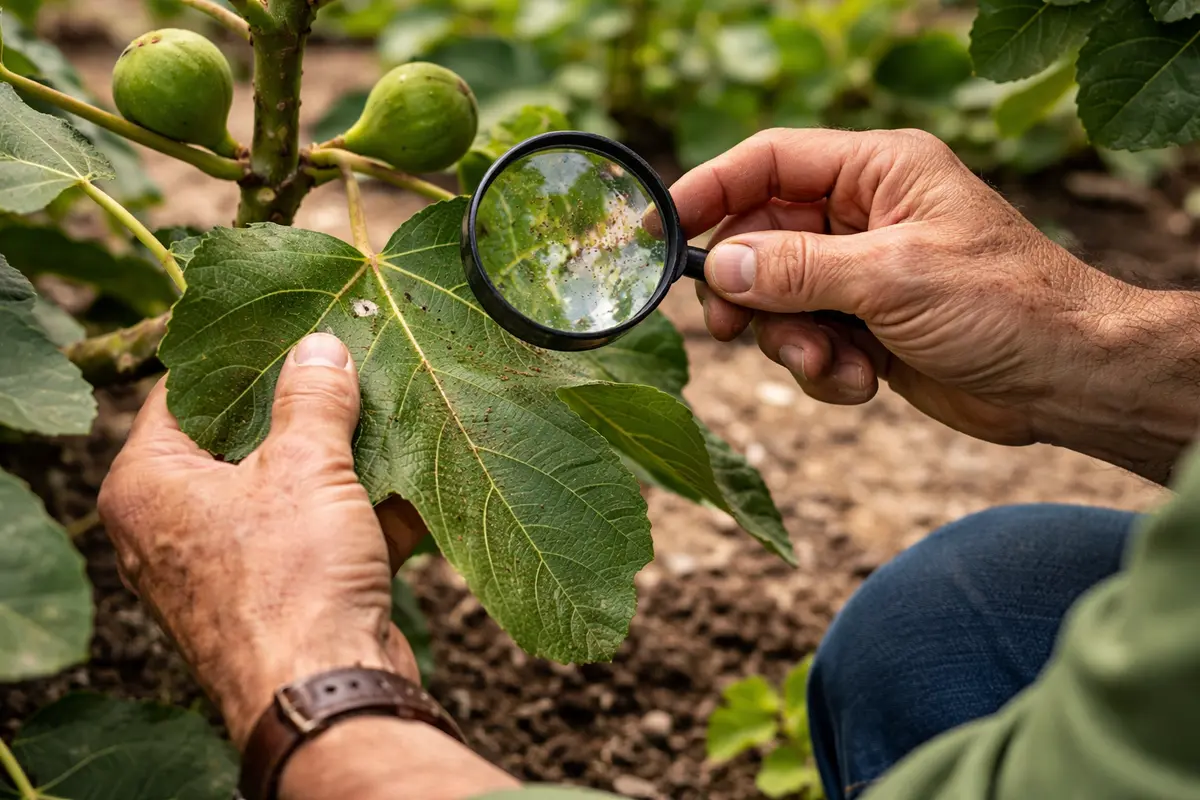
Pests can create further stress for your fig trees, leading to weaker plants that are more susceptible to cracking under pressure. If left untreated, infestations can worsen, causing significant harm to both the leaves and fruits of the trees. Look for signs of leaf curling or wilting which often accompanies pest problems; compare your infected plant leaves with healthy ones nearby. A quick visual comparison can save time and help you determine the severity of an infestation quickly.
If you aren’t sure whether the issue is pest-related, try using a simple soap solution to wash the leaves thoroughly. This may clear some surface pests and allow you to observe improvements promptly. If the symptoms persist after washing, consider consulting with a local nursery or cooperative extension about potential treatment plans. Additionally, regular monitoring is crucial; checking your fig trees every week can help catch pest issues before they escalate into serious problems that threaten the health of the tree.
Step 4 – Apply Organic Fertilizer to Support Fig Recovery
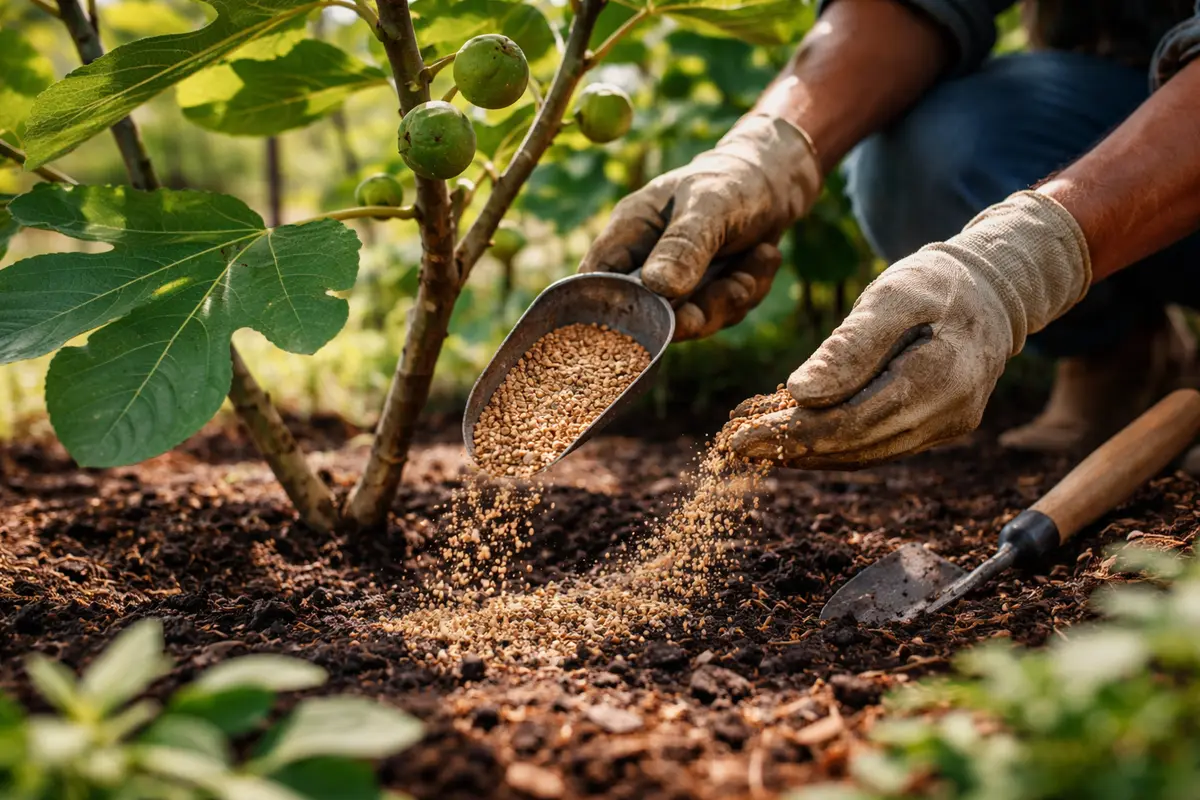
Apply an organic fertilizer designed for fruiting trees to help replenish nutrients lost during heat stress. You should see the trees regaining vigor with new leaf growth and a reduction in further cracking. Nutrient-rich soil helps support fruit swelling and development more robustly. Optimal fertilization practices involve applying the fertilizer at the root zone during early morning or late afternoon to avoid scorching the foliage in the midday sun.
Nourishing the fig trees is essential after the stress of heat waves. The right amount of nitrogen, phosphorus, and potassium in your fertilizer aids in sustaining healthy growth and fruit formation. Plus, healthy foliage provides shade and intercepts sunlight which can significantly reduce the risk of fruit cracking. When applying the fertilizer, ensure you are following the manufacturer’s instructions for dosage; over-fertilization can lead to root burn and exacerbate your stress issues rather than alleviating them.
A common mistake is over-fertilizing too quickly in hopes of reviving the tree. This can lead to root burn that may further stress your figs. Instead, follow the application rates suggested on packaging, and be mindful of the weather conditions—wait until there’s a cooler period after applying to allow absorption without causing additional stress. Fertilizer should be applied during the active growing season, typically in early spring and again in early summer, to align with the tree’s natural growth cycles.
Step 5 – Mulch Around Fig Roots to Prevent Cracking
Apply a layer of organic mulch around the base of your fig trees to conserve moisture and keep soil temperatures stable. You will see that the mulch holds moisture in the soil, leading to improved hydration levels during hot spells. Mulching helps in maintaining consistent moisture, protecting roots from the heat. To maximize effectiveness, apply mulch about 3 to 4 inches thick and spread it out to cover the roots while avoiding direct contact with the trunk to prevent rot.
Mulch serves multiple purposes: it reduces surface evaporation, suppresses weed growth, and maintains a more even soil temperature. In high temperatures, the ground can heat up significantly, which can lead to moisture evaporation that stresses your fig trees. By mulching, you create an environment conducive for healthy growth even in challenging conditions. Use wood chips, straw, or shredded leaves as mulch materials—these not only provide insulation but also break down over time to enrich the soil.
Seasonal conditions dictate the depth and type of mulch to use. For instance, during scorching summers, use thicker layers of mulch to maximize water retention. However, in wetter climates, too much mulch can trap moisture and lead to root rot, so keep a close watch on your soil moisture levels to adapt accordingly. An occasional check beneath the mulch can reveal whether soil moisture levels are remaining stable or if conditions are shifting, guiding further watering efforts and adjustments to your mulching strategy.
Step 6 – Check Fig Fruit Surface for Signs of Stress
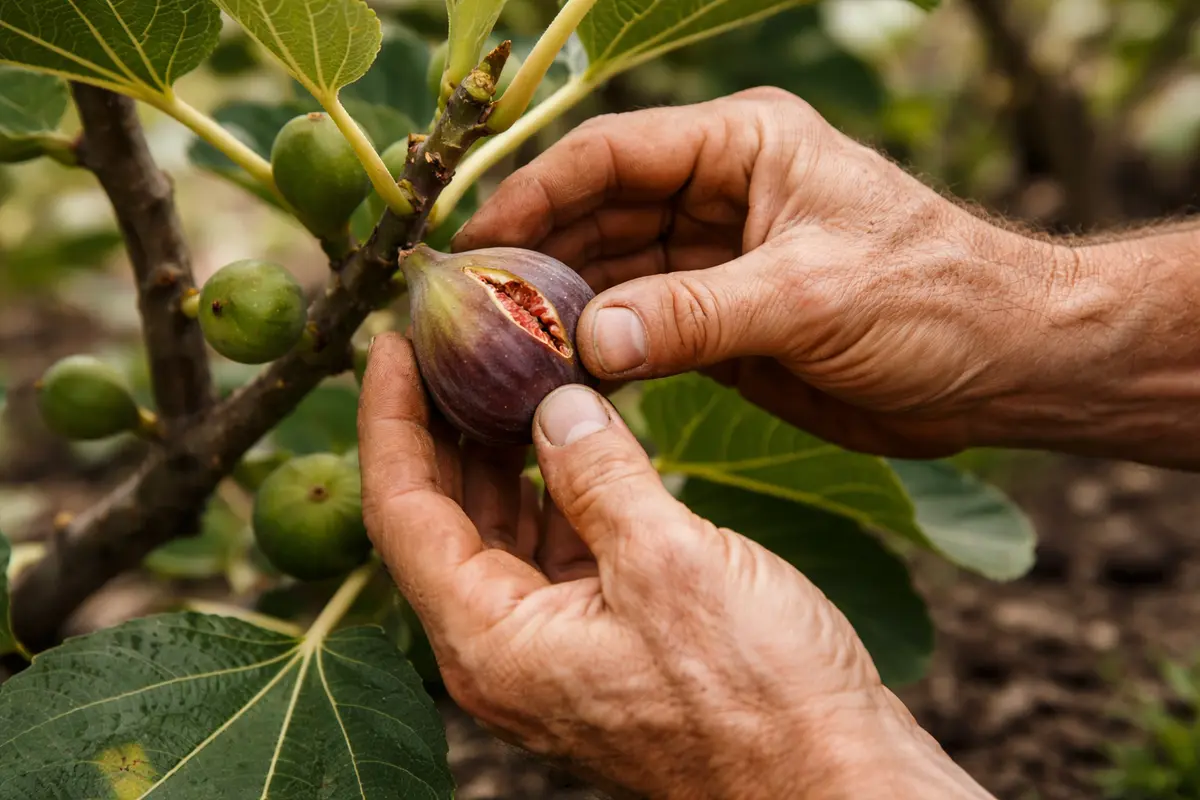
Monitor your figs regularly for signs of stress, particularly visual signs like pitting or cracking. You should observe color changes in the fruit, usually indicating either a lack of water or overexposure to sunlight. Frequent checks will enable you to catch early warning signals of distress sooner rather than later. Pay attention to your figs in their later ripening stages as they become more sensitive; this is when the signs of cracking can appear suddenly.
An ideal recovery looks like firm, smooth-skinned figs that show no further signs of cracking. With consistent monitoring, you can also identify if the environmental conditions worsen again, allowing quick intervention. It is essential to differentiate between normal growth and signs of stress so timely responses address any arising issues. If you see light cracking on figs, assess also the weather outlook—if you expect another round of high heat, proactively enhance your watering schedule.
If you notice that cracking persists after all necessary measures, it could signal that the fig tree might need further assessment by a professional. Call an arborist to check for any underlying issues that need specialized attention to restore tree health. Always revisit your watering and nutrient routines as your figs recover so that conditions remain optimal. Routine evaluations every two weeks can help maintain an eye on fruit conditions, allowing you to adjust care tactics swiftly in alignment with any emerging stresses.
FAQ
How long does it take for figs to recover after cracking?
Figs typically take 2 to 4 weeks to show visible signs of recovery after cracking if stressors are managed correctly. With the right care, including deep watering and nutrient replenishment, you should start to see new growth within this timeframe. Well-planned care during this recovery period will be essential in determining the figs’ marketability and overall fruit quality when harvest comes.
Can cracked figs still be harvested?
Cracked figs can still be harvested, but they may not be suitable for long-term storage due to higher chances of fungal infections. Use them promptly in fresh recipes or preserves to avoid spoilage. Regular inspection and prompt picking of those with significant cracking can help prevent spread to the remaining fruit.
Should I remove cracked figs from the tree?
Removing cracked figs can prevent pests or diseases from spreading to healthier fruit on the tree. If the cracking is severe, it’s best to pluck those fruits and allow the tree to redirect energy towards ripening unblemished figs. To reduce further stress, harvest figs quickly after discovering severe cracks; this will enhance the tree’s chance of recovering enough to produce a healthy following crop.