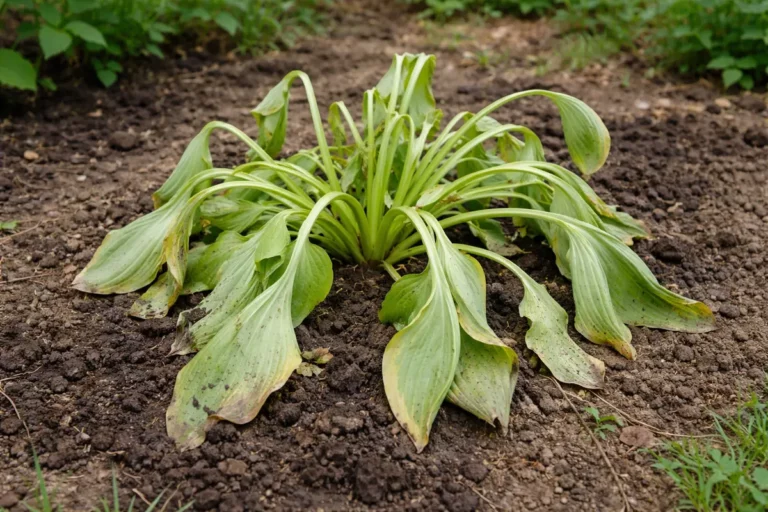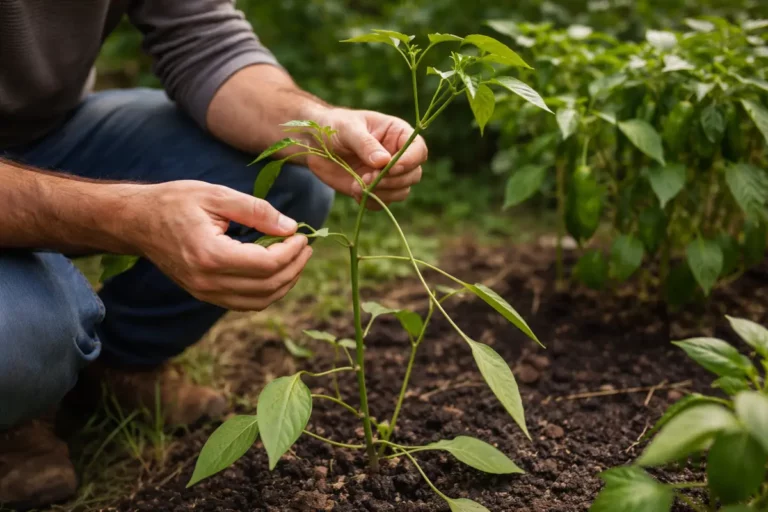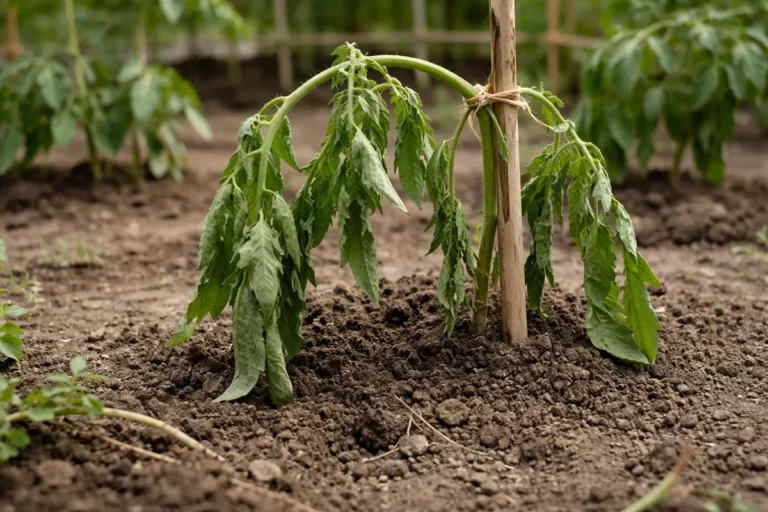
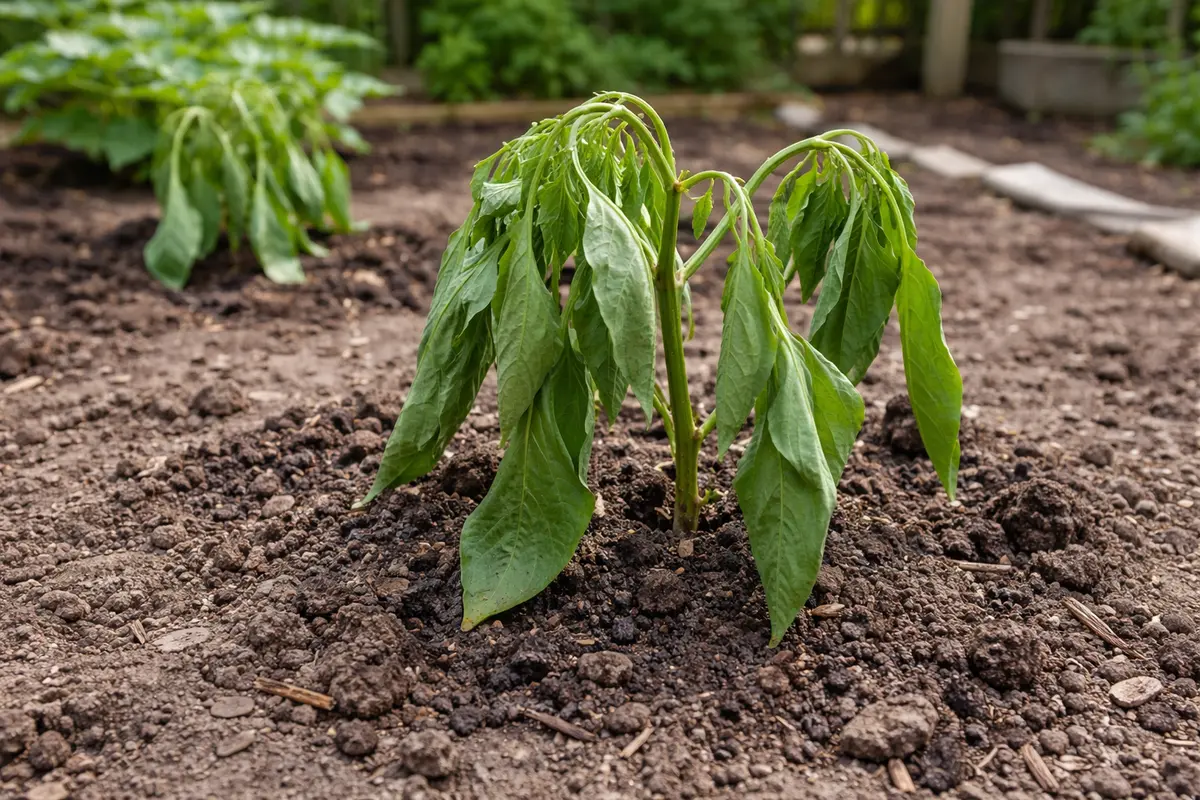
You may notice your pepper plants drooping after transplanting, which is why you need to know what to do when peppers droop after transplanting. This drooping occurs because the roots are still adjusting to their new environment, leading to wilting and stress as the plant struggles to establish itself. If ignored, this condition can worsen and stall growth, making it harder to fix later, but you can improve the situation by inspecting the roots and adjusting your watering routine.
Step 1 – Water Peppers Immediately to Combat Drooping
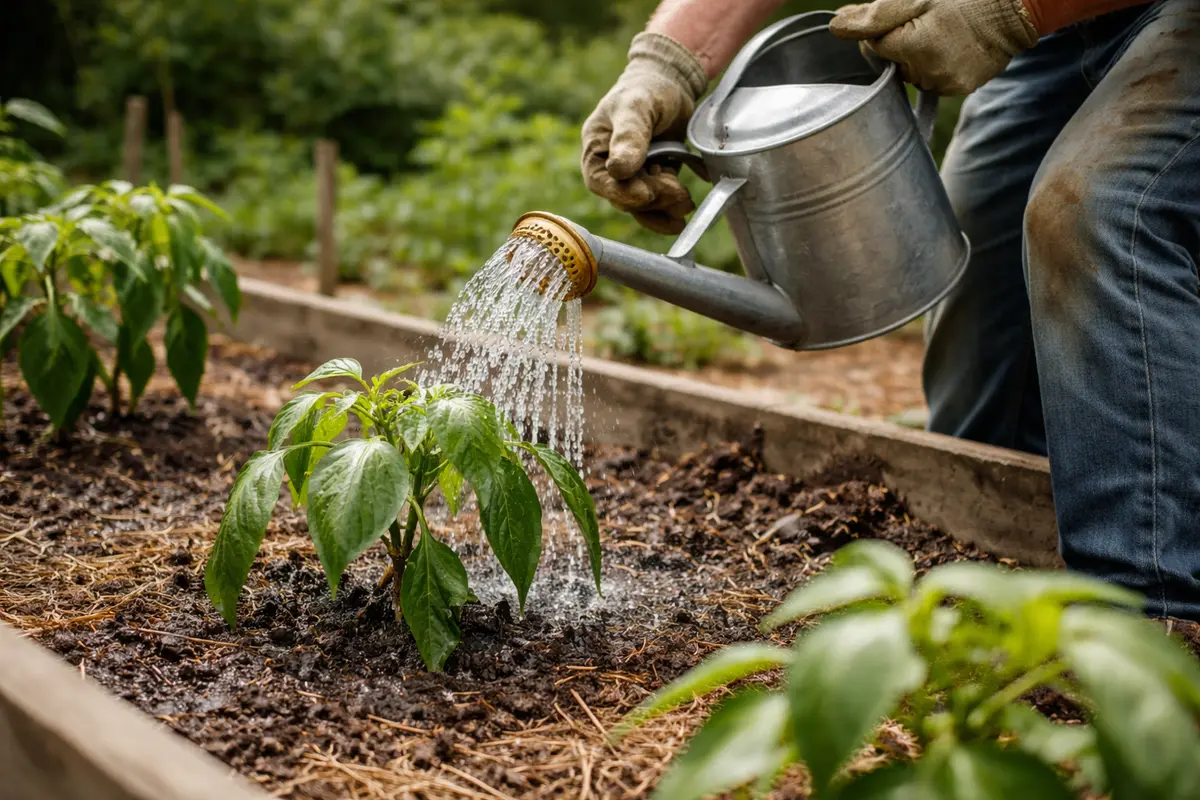
Water the peppers thoroughly at the base using 2-3 cups of water for each plant. Within just a couple of hours, you should see the leaves beginning to perk up, indicating that hydration is being restored. This immediate infusion of moisture helps relieve the stress caused by transplant shock, significantly improving the plant’s condition. If you notice that leaves are still drooping after this initial watering, check soil drainage and consider increasing the amount of water, especially if your soil tends to dry out quickly.
One possible reason for the drooping is the root system being unable to access adequate water post-transplanting. When the roots are exposed, they can dry out quickly, leading to wilting. By hydrating the soil promptly, you help the roots recover and re-establish moisture levels essential for their optimal functioning. Visually monitor how the water seeps into the soil; if absorption takes longer than two minutes, the soil may be compacted or poorly draining. Observe that the top inch of soil should feel moist but not waterlogged, as too much moisture can lead to further issues. Do not be alarmed if the top layer of soil appears wet while the bottom remains dry; check deeper down to ensure adequate moisture penetration, aiming for at least 6-8 inches of wet soil to ensure the roots can tap into it successfully.
A common mistake during this stage is to water the leaves instead of focusing on the roots. Spraying the foliage can lead to superficial moisture while neglecting the root zone, where water is critically needed. Delaying your watering action can escalate stress levels, making recovery more difficult. Check that the water saturates the soil at least 6 inches deep; inadequate penetration can prevent roots from recovering effectively. If the improvements are minimal within a couple of hours, proceed to test soil moisture levels directly by sticking your finger into the soil. If it feels excessively dry or overly damp, adjust your watering strategy accordingly. In cases of persistent dry soil, try using a soaker hose or drip irrigation to ensure moisture can steadily reach deep into the root zone.
Step 2 – Diagnose Root Issues Causing Pepper Wilting
Begin by examining the soil moisture level to determine if the wilting is due to overwatering or underwatering. If the soil feels excessively soggy and saturated, it may indicate overwatering, while dry soil calls for an urgent watering response. Both scenarios can contribute to drooping leaves and must be addressed promptly. If you identify that your soil is persistently wet after a heavy rain, investigate whether nearby trees or shrubs are competing for moisture, as their root systems might absorb essential water that your peppers need.
Overwatering often leads to root suffocation as it deprives the roots of the oxygen necessary for healthy function, whereas underwatering directly limits water accessibility. Knowing the exact moisture state will help guide your next steps effectively. Watch for signs like yellowing leaves; they can indicate root issues specific to the plant’s water intake capabilities. If the leaves appear droopy but the soil feels moist, fungal root rot could be responsible due to excessive moisture disrupting root functionality. Investigate any foul odor when you dig slightly below the surface, as this can signify dead roots from root rot. Act quickly, as recognizing these signs early can mean the difference between recovery and complete plant failure.
If your finger test reveals wet soil conditions but leaves remain limp, assess for potential drainage issues. Heavy clay soils can retain excessive moisture, promoting root rot, while sandy soils dry out rapidly, leading to quick wilting if not properly watered. Adjust your watering routine to suit the soil type; for instance, clay may require less frequent watering, with possible amendments like compost to improve drainage. When issues persist, conduct a basic soil pH test and inspect nutrient levels, as deficiencies in critical nutrients, such as nitrogen, may also hinder plant recovery. Should you find your peppers in heavy clay soil, consider replanting with a more porous soil mixture to allow better aeration. If heavily compacted, amend your existing soil with organic matter to improve both structure and moisture retention.
Step 3 – Revive Peppers with Nutrient-Rich Fertilizer
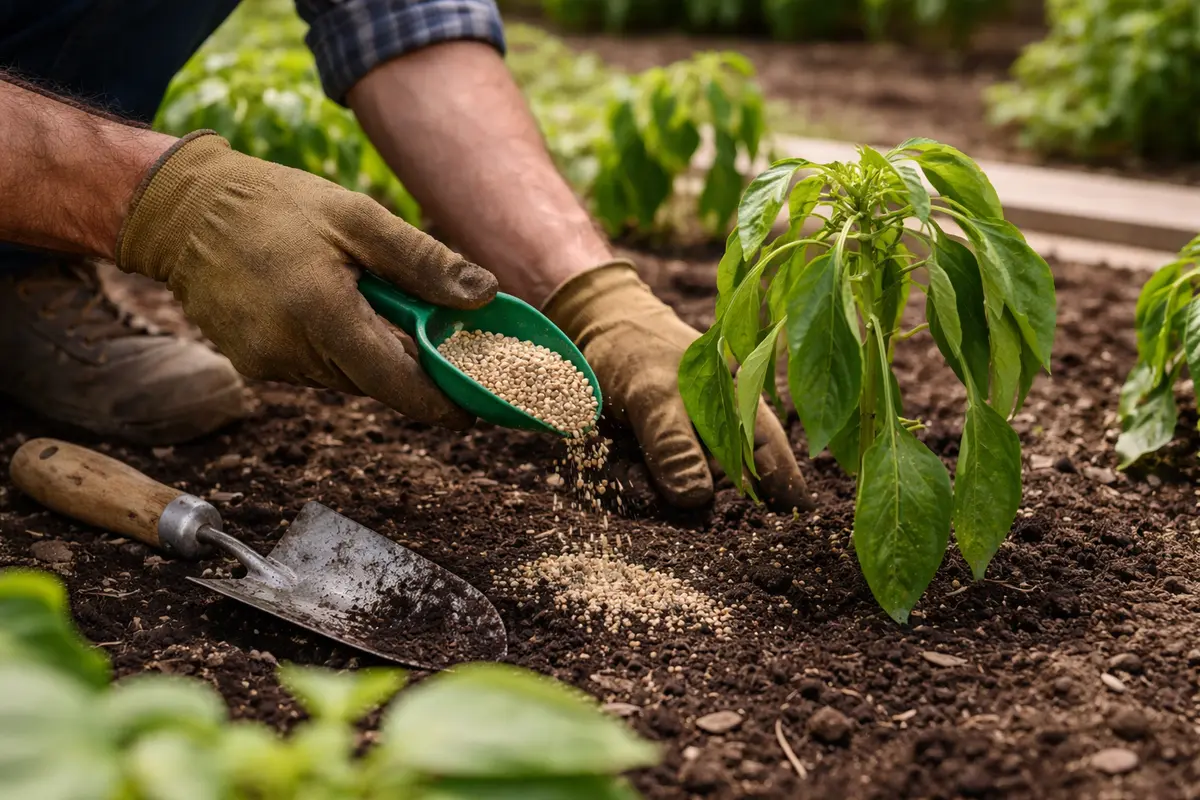
Start by gently watering your transplanted peppers to provide moisture without soaking the soil. After a few days, you should notice the leaves becoming firmer and more upright, indicating their recovery is underway. If improvements don’t appear as expected, switch to a liquid fertilizer instead of granular since it provides faster nutrient uptake. A balanced fertilizer, such as a 10-10-10 or 5-10-5 (N-P-K), helps address deficiencies more effectively in the early recovery phase.
Realistically, expect the recovery timeline to vary; some peppers may perk up within a week while others may take two weeks or longer. Healthy regrowth includes new leaves that unfold brightly and firm stems, while a lack of progress could suggest issues like poor drainage or nutrient lockout due to pH imbalance. If the leaves remain droopy despite regular watering, check for root damage or insufficient sunlight. Insufficient light can contribute to weaker stem structures that fail to support the developing foliage, compounding the drooping problem.
A mistake to avoid during recovery is overwatering, which can lead to root rot and further drooping leaves. For peppers, it’s best to wait until the top inch of soil is dry before watering again. If the soil feels overly soggy, check for proper drainage to prevent compounding issues. If using a general-purpose fertilizer, observe the instructions closely; failure to dilute properly can cause nutrient burn, resulting in symptoms like browning leaf tips or edges. Generally, a dilution of 1 tablespoon of fertilizer per gallon of water stimulates good growth without overwhelming the plants. For peppers in nutrient-poor soils, side-dressing with compost or aged manure at least 6 inches from the plant base can help provide a steady supply of nutrients without risking root damage.
Step 4 – Protect Transplanted Peppers from Future Stress
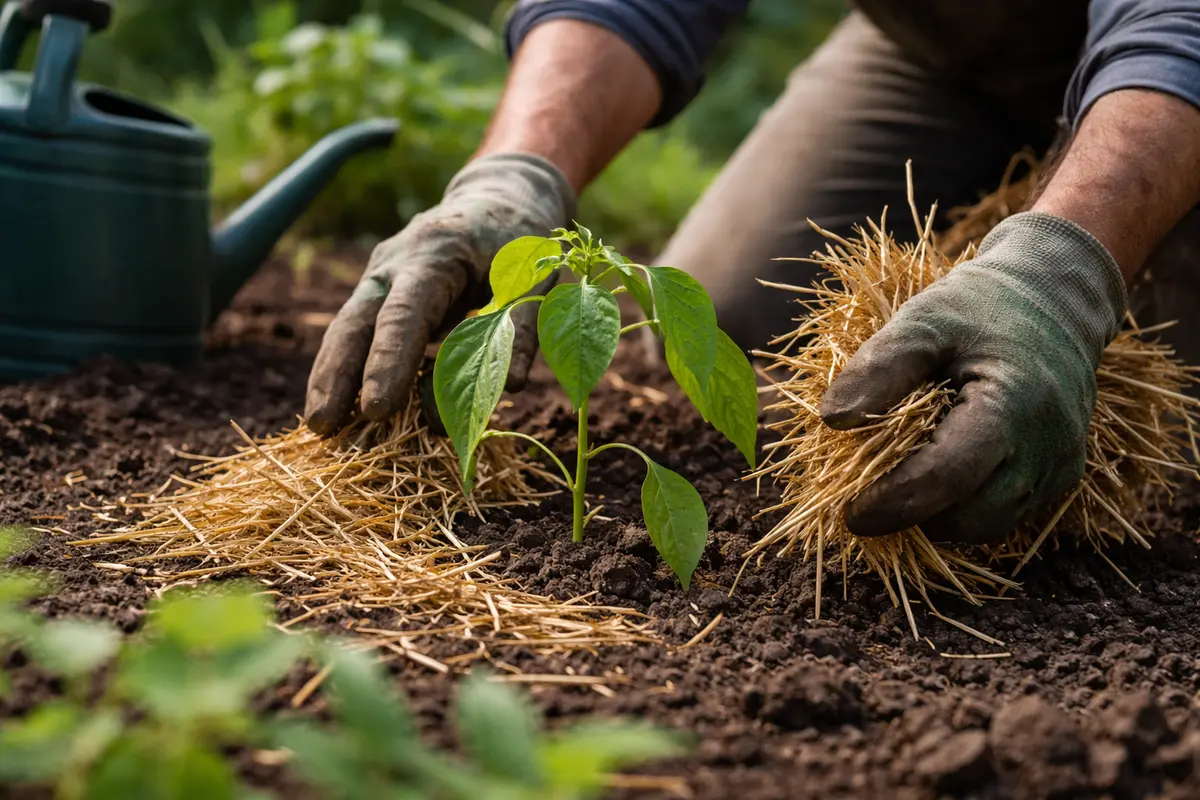
Water your pepper plants thoroughly after transplanting to ensure the soil is consistently moist but not soggy. Expect to see the plants perk up within a few hours as they absorb the moisture and begin to regain their turgor pressure. For continual health throughout the growing season, monitor the moisture levels regularly, especially during initial weeks following transplanting to prevent another bout of drooping. If drooping occurs again, repeat your assessment practices.
Transplanted peppers often droop due to transplant shock, which can occur from sudden environmental changes such as moisture levels or temperature. When you water immediately after transplanting, you mitigate the shock by providing the plants with the necessary hydration. If moisture is lacking, their leaves may droop, while lush, well-watered plants will stand upright, signaling their recovery. Notice that during extreme weather fluctuations, such as swift temperature changes, peppers may show symptoms of stress if not adequately watered.
In hotter seasons, increase the frequency of watering following transplanting to counter higher evaporation rates. Consider mulch around the base of the plants to retain soil moisture, especially when temperatures soar, as a secondary prevention layer ensuring that the root system stays hydrated. A layer of mulch that is 3 inches thick can significantly reduce soil temperature and moisture loss. Factors like extreme sunlight exposure or irregular watering can precipitate a resurgence of drooping in peppers. Establish a watering schedule that involves assessing soil moisture levels at least twice a week. This will help mitigate fluctuations and prevent stress reactions due to sporadic hydration. Incorporating mulch around the base of each plant can help maintain soil temperature and moisture levels by slowing evaporation rates. Additionally, watering in the early morning hours allows plants to absorb moisture before the heat of the day exacerbates stress.
It is also important to consider seasonal changes; during periods of intense heat, plants will likely require additional watering and possibly shelter from direct sun. Keep an eye on weather forecasts and adjust your watering flexibly during heatwaves or dry spells. If unexpected weather events knock over neighboring plants, assess their proximity regularly and make necessary space adjustments to avoid compaction and ensure sufficient airflow. Thinning overcrowded areas can prevent competition for nutrients and ensure all plants receive adequate sunlight. If neighboring plants are overwhelming your peppers, thinning them out can significantly improve growing conditions, leading to improved vitality.
Step 5 – Inspect Pepper Leaves for Signs of Recovery
Check your pepper plants every 2-3 days for visible signs of new growth and improved leaf firmness. Witnessing lush green leaves, new shoots, and vibrant color is a positive indicator of the plant’s recovery. Simultaneously, observe for any returning or persistent drooping or yellowing leaves, as these may signify ongoing issues that require immediate attention. If leaves remain limp long after being watered, reassess the soil composition and consider the need for organic amendments to enhance vitality.
A fully revived plant typically showcases upright, robust leaves and new shoot growth after about a week of targeted care. If symptoms persist beyond this timeframe, check your watering practices or soil conditions, ensuring that your adjustments match the prevailing climate. For example, in cooler conditions, less frequent watering may be required, while warmer weather may necessitate more frequent checks. Re-evaluate surrounding conditions, such as exposure to wind or heat, which could hamper the plant’s recovery despite adequate hydration.
If the symptoms persist, consider repotting your plant into fresh, organic matter-rich soil with improved drainage properties. Oftentimes, compacted or contaminated soil hinders long-term recovery despite initial watering or nutrient boosts. Check for root binding by gently lifting the plant from its pot; if roots circle densely, trimming them lightly can encourage new growth. After repotting, allow a period of acclimatization for a few days before reassessing their condition. This gradual exposure reduces shock and helps establish a robust root network capable of thriving. Additionally, after repotting, a light watering may help the roots settle in without overwhelming them, ensuring they prime themselves for optimal growth.
FAQ
How long does it take for drooping peppers to recover?
Typically, you can expect visible signs of recovery roughly within 5-10 days after implementing the right care tactics. Indicators such as firm, upright leaves and the appearance of new growth will provide confidence that the plants are on the mend. If recovery does not occur within this timeframe, it may be necessary to reevaluate your watering and soil conditions for necessary adjustments.
Can overwatering spread drooping to other plants?
Yes, overwatering can indeed lead to root rot, which invites pests and diseases that can potentially spread to nearby plants. It’s vital to maintain well-draining soil, especially when tending multiple plants in proximity. Employing individual pots or ensuring proper distances between plants can effectively minimize the risk of moisture-related issues impacting other greenery in your garden.
Should I remove yellowing leaves from my pepper plants?
Removing yellowing leaves can conserve energy and help the plant focus on nurturing healthy growth. However, proceed with care; addressing too many leaves at once can overly stress the plant. It’s advisable to target the most affected leaves first, ensuring the plant reallocates energy efficiently to produce robust new growth rather than struggling to maintain unhealthy foliage.