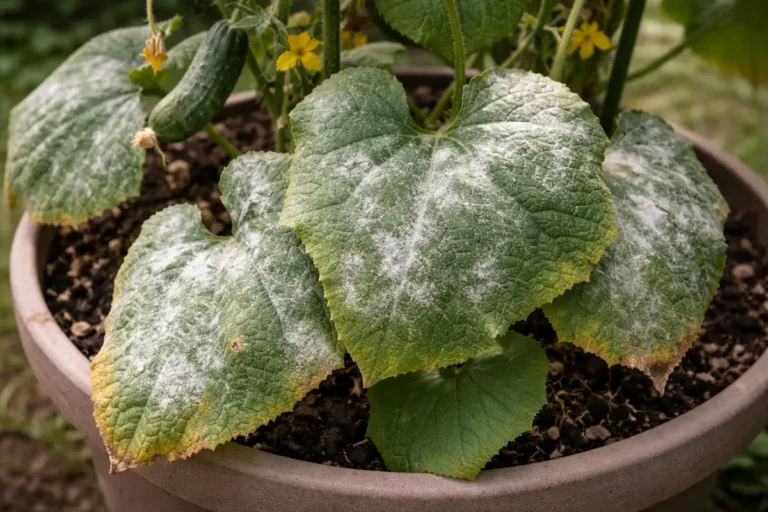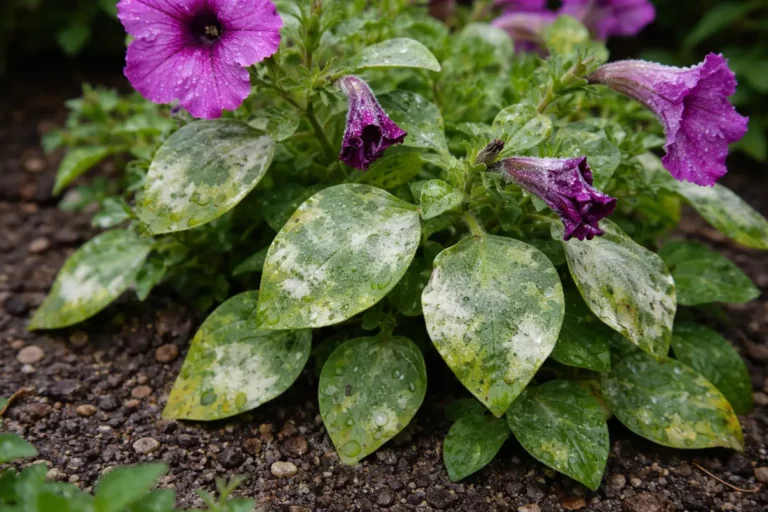
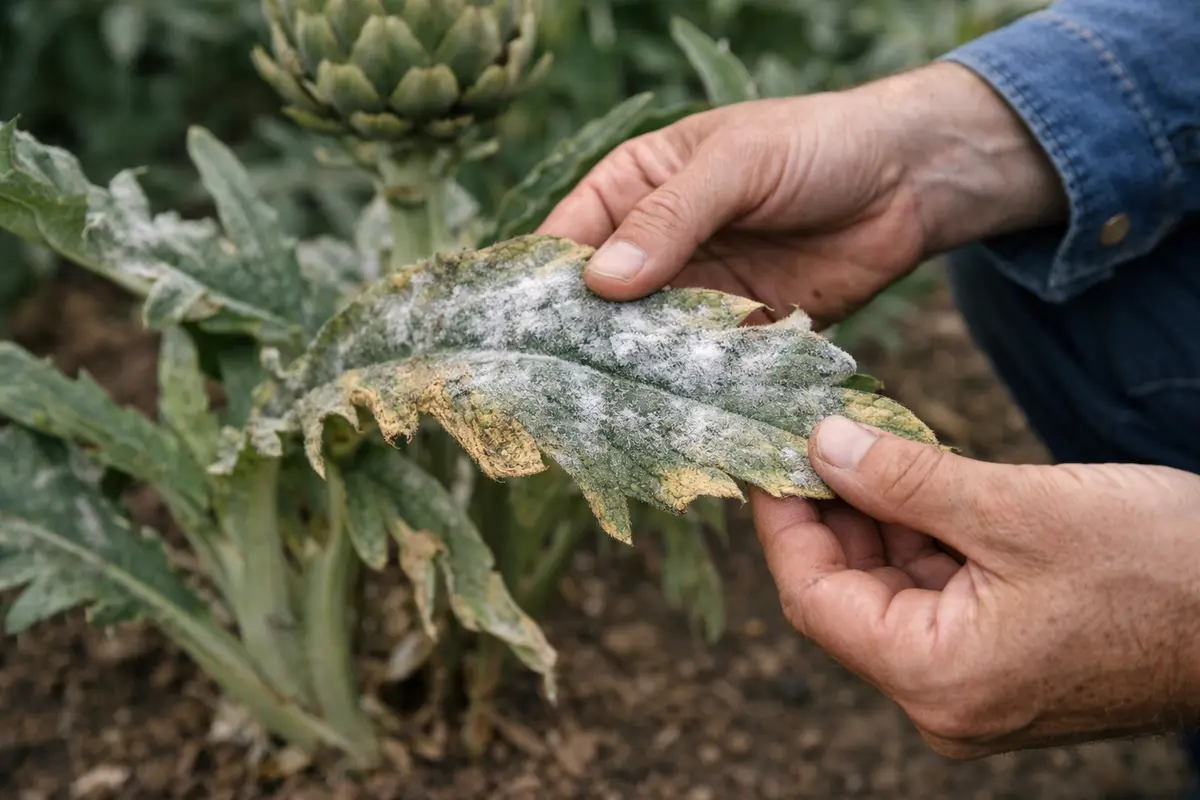
You may notice a white, powdery coating on your artichoke leaves during humid nights, which is why you need to know how to treat powdery mildew on artichokes during humid nights. This fungal disease thrives in damp conditions, leading to unsightly spots and potentially damaging the leaves. If left unchecked, the mildew can spread rapidly, weakening the plant and making it harder to fix later on, but with prompt action, you can improve the situation by checking for affected areas and reducing moisture around the plants.
Step 1 – Spray Artichoke Foliage with Fungicide Immediately
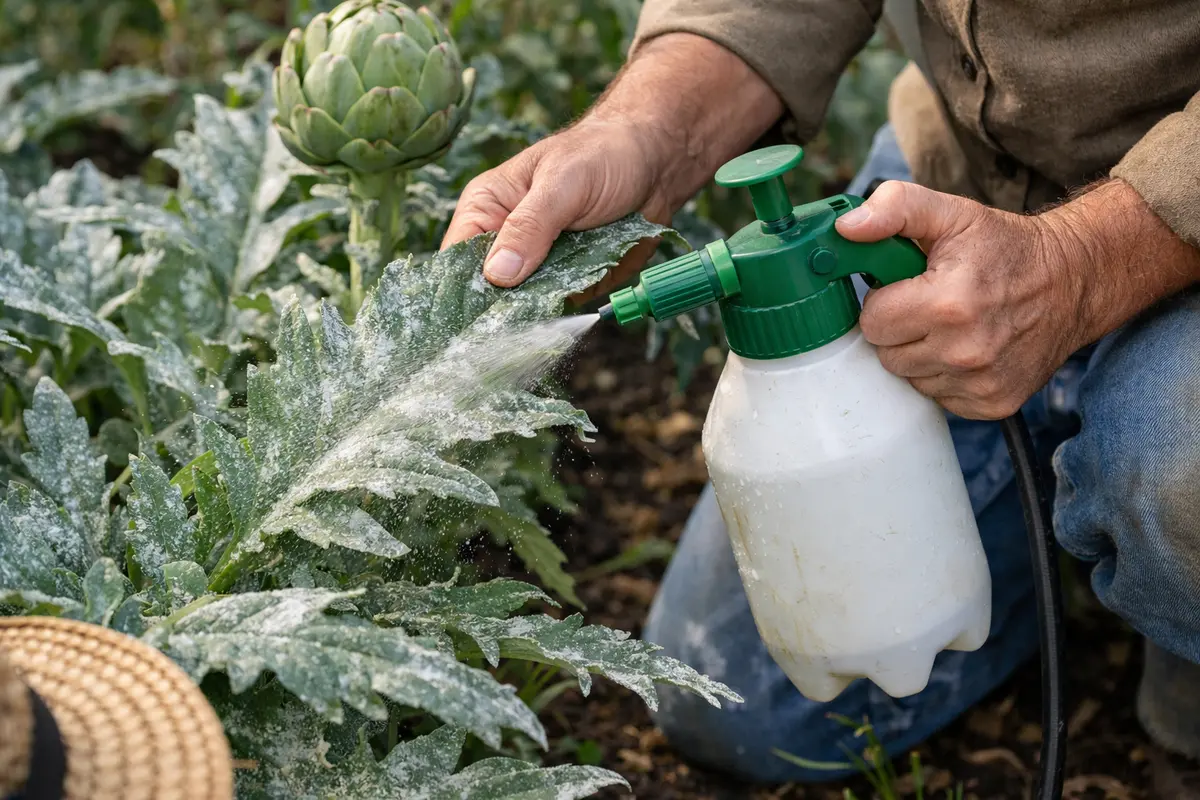
Spray the affected artichoke foliage with an organic fungicide as soon as you notice signs of mildew. You will see a noticeable reduction in the visible white patches within a few days, especially if conditions remain steady. Effective fungicides target the spores of the fungus, inhibiting further growth and preventing spread, which can save your plants from serious damage. The key is to saturate the foliage thoroughly, ensuring that both the upper and lower leaf surfaces are treated, as mildew often hides under the leaves.
Acting fast is crucial in managing powdery mildew since it can spread rapidly from one leaf to another. In a humid environment, where moisture levels are high, the spores can take hold on healthy leaves within hours. If you delay treatment, the mildew can lead to severe foliage loss, which ultimately impacts the plant’s ability to photosynthesize and produce artichokes. Signs that mildew is becoming more severe may include leaves turning yellow or dropping prematurely, marking a point of concern that requires swift intervention. If you see brown, crispy edges or fading leaf color, that indicates the plant is under stress beyond just mildew.
A common mistake many gardeners make is to only treat once after spotting mildew. However, continued monitoring and reapplication every 7-14 days, especially during prolonged humid nights, is often necessary for complete control. In fact, if you apply fungicides ineffectively—for instance, when rain is imminent—the treatment can wash away before it has a chance to work, rendering your efforts useless. Additionally, applying fungicides during the heat of the day can lead to rapid evaporation and reduced effectiveness. Consider applying fungicides during the early morning or late evening when temperatures are cooler to ensure optimal absorption. Note: If you’re experiencing consistent rain, a different product may be necessary; look for rain-resistant fungicides in those cases. Warm nights with lingering dampness can encourage rust on peonies after rainy spells.
Step 2 – Check Humidity Levels That Cause Mildew
First, remove any affected leaves and improve air circulation around your artichokes by pruning surrounding plants. By doing this, you will notice reduced powdery mildew spread as fewer spores will be present in a more open environment. Aim for a spacing of at least 18 inches between plants to facilitate better airflow, which is vital in humid conditions.
This fungus thrives in humid conditions where moisture settles on leaves, creating the perfect environment for growth. When it accumulates, it disrupts photosynthesis by covering the foliage, causing the plant to yellow and stunt their growth. If you see powdery spots on the upper leaf surface but no wilting or yellowing, it’s early enough to take action. If wilting starts occurring, it could indicate a secondary problem, like root rot, which needs immediate attention.
If your artichokes have poor drainage and the soil smells sour, treat the immediate area with a dilution of baking soda and water (one tablespoon baking soda to a gallon of water) to combat mildew while improving drainage. If the leaves aren’t only powdery but also show signs of wilting, investigate for root rot instead, as it may necessitate different approaches like soil amendment. High humidity creates an ideal environment for powdery mildew to thrive, as moist air can cling to leaves, preventing them from drying out and encouraging fungal growth. To counteract humidity, improving ventilation is critical.
Techniques such as proper plant spacing and airflow management between rows can decrease the moisture accumulation that promotes mildew. If artichokes are growing too close together, humidity can rise, creating a microenvironment that favors mildew growth. In addition, elevate the soil slightly to promote drainage if water tends to pool. If the ambient humidity consistently stays above 80% during both day and night, consider relocating pots or adjusting plant spacing to ensure better airflow.
For example, if your artichokes are densely planted and the humidity is high, thinning out the plants can facilitate better air circulation. Moreover, incorporating drought-resistant companion plants that tolerate dryer conditions can absorb excess moisture from the air, thus gradually improving conditions for your artichokes. On the other hand, if the humidity remains low, yet mildew still poses a problem, check for underlying issues such as poor drainage. Excessively wet soil, especially from improper watering practices, could create a breeding ground for mildew spores as well. Monitoring soil moisture is essential; overwatering can create pockets of excess moisture conducive to mildew spore development. In many backyards, excess moisture first appears as discover why your succulent is turning.
Step 3 – Feed Artichokes with Organic Fertilizer for Recovery
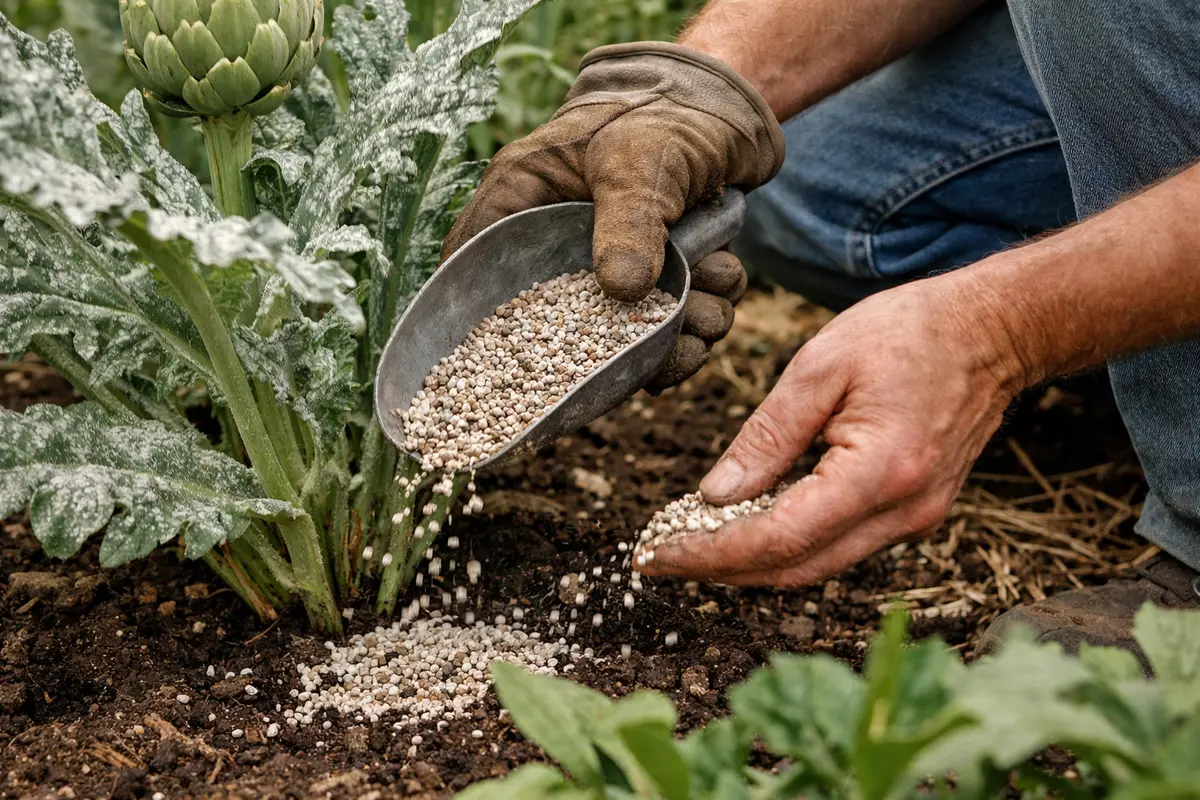
Apply a balanced organic fertilizer to the soil surrounding your artichokes to promote vigorous recovery. You can expect to see healthier growth and the emergence of new leaves within a couple of weeks if the conditions are managed well. This should include a mix that has a ratio of 5-10-10 or similar, which provides nitrogen for growth, phosphorus for root health, and potassium for disease resistance. Providing nutrients enhances the plant’s resilience against future fungal infections and fosters overall robustness. Signs of recovery will include a greener hue in the foliage and the appearance of new unblemished leaves.
Nutrients from fertilizers support essential metabolic processes and bolster plant defenses against invading pathogens like mildew. A well-nourished plant tends to exhibit greater resilience and capacity to recover from stressful factors, including fungal infections. During recovery, focus on fertilizers that contain nitrogen, phosphorus, and potassium, as these elements are crucial for robust leaf development and root health. It’s important to ensure that the soil is adequately moist when you apply this fertilizer—consider watering the soil the day before application.
A common mistake during this recovery phase is over-fertilizing, which can cause nutrient burn and further stress the plants. Always adhere to the recommended dosage on the fertilizer package. If your artichokes begin to show signs of stress, like wilting, discoloration, or browning leaves, reduce feeding promptly. For optimum results, mix in some compost that can provide a slow release of micronutrients, enhancing the soil structure. Also, it’s advisable to apply fertilizer after a significant watering to help with absorption. A crucial detail to monitor is soil moisture – persistent overwatering can create conditions that allow mildew to flourish again. If soil feels consistently soggy three inches down despite regular watering, consider revising your schedule and drainage arrangements to promote a healthier environment.
Step 4 – Water Artichokes Early to Prevent Powdery Mildew
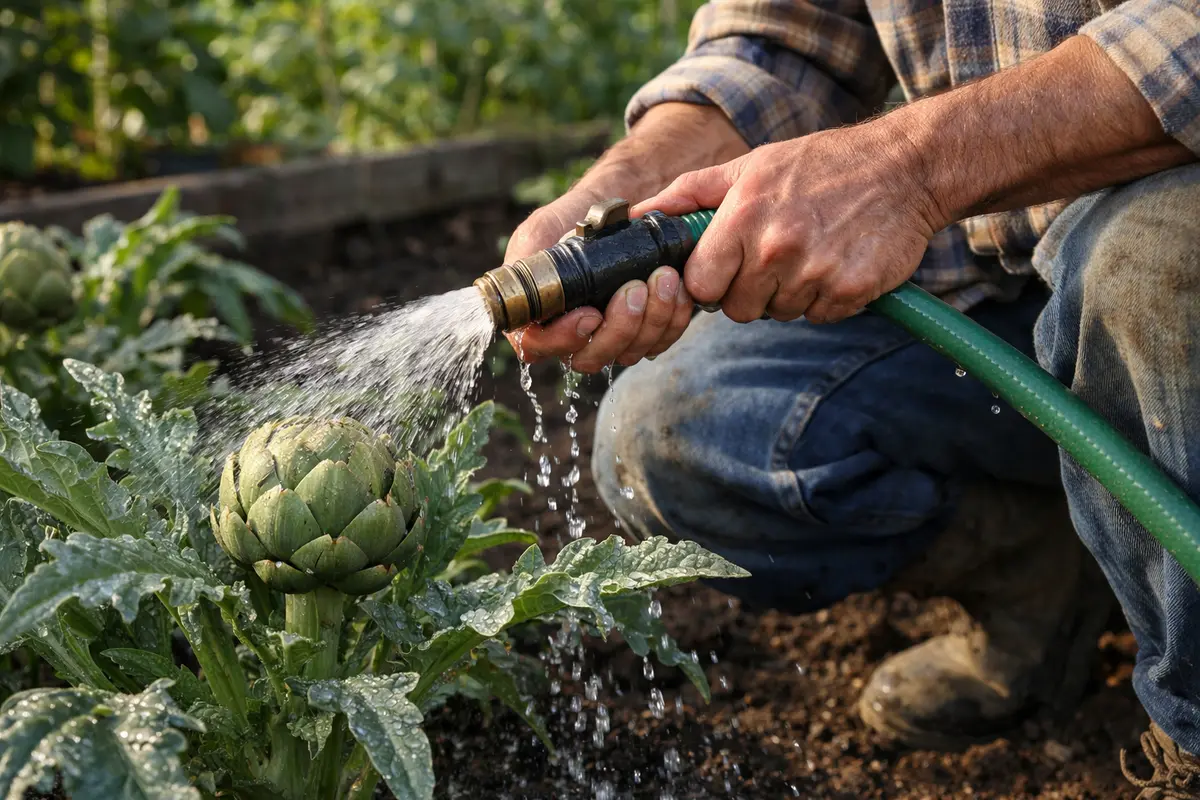
Water your artichokes in the early morning to significantly reduce the onset of powdery mildew. You will notice that early watering allows for moisture to evaporate throughout the day, notably decreasing the time that leaves stay wet. An effective watering schedule can lower humidity levels and create less favorable conditions for fungal development, protecting your plants. Observe that watering early results in drier leaves by midday, which indicates that conditions are changing positively.
The timing of watering greatly influences the prevalence of powdery mildew. When plants are watered late in the evening or at night, moisture accumulates on leaves overnight, encouraging mildew growth. Establishing a routine of morning watering optimizes moisture levels in the root zone while minimizing excess moisture on leaf surfaces that favor mildew proliferation. This practice allows leaves to dry quickly, especially on warm days, reducing disease pressure considerably.
If unexpectedly heavy rains are forecasted, consider creating a mulch layer around the base of your artichokes. This can help optimize moisture retention in the soil without saturating the foliage, protecting your plants from potential mildew burst during wet conditions. Natural mulches, such as straw or wood chips, can also improve soil structure and moisture retention while preventing moisture from pooling near the leaves. During periods of extreme heat or prolonged dry spells, you may need to adjust your watering schedule to maintain balanced soil moisture. Regularity in your watering routine fortifies plants and can reduce susceptibility to future diseases. If watering becomes inconsistent, plants may experience stress that affects their defense mechanisms against pathogens.
Step 5 – Inspect Artichoke Leaves for Signs of Mildew Growth
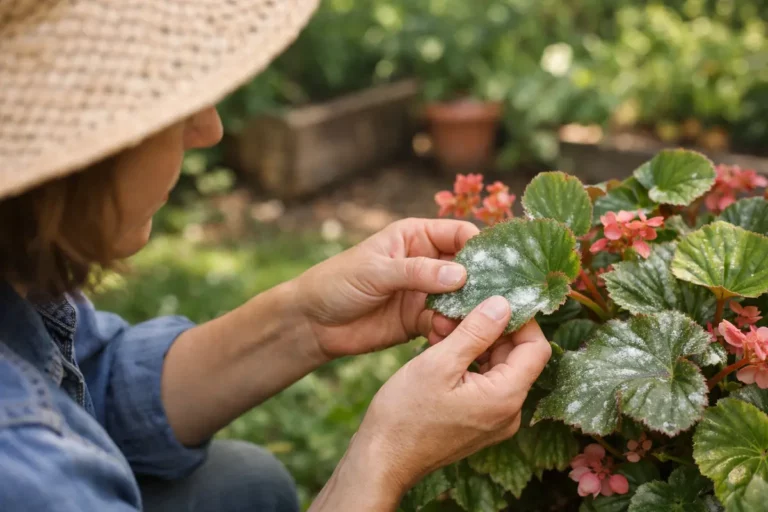
Inspect your artichoke leaves every few days for any new signs of mildew growth. You should observe a decline in white spots if the previous steps were effective; look for new leaf growth indicating the plant is recovering. Regular checks allow you to take immediate action if problems reoccur, helping you maintain a healthy garden. An active intervention strategy can prevent the resurgence of mildew, especially if conditions shift suddenly or a new wave of humidity occurs. Focus on both the upper and lower sides of the leaves during inspections, as mildew often hides where air circulation is lowest.
As your plants recover, healthy leaves should feel firm and exhibit vibrant color. Conversely, leaves infested with returning powdery mildew may droop and appear fuzzy or powdery, which signals to reassess your care practices. Pay attention to the timing of your checks, preferably after anticipated periods of rainfall or high humidity, to catch any resurgence before it overwhelms the plant. Early identification of these signs allows for timely interventions, which is critical to preventing a small problem from escalating into severe damage, especially affecting younger leaves still developing. Always remember, intervening early is often less labor-intensive than dealing with a fully established infestation.
If you notice that mildew returns despite implementing preventive measures, reexamine environmental factors such as humidity levels and watering schedules. Failure to maintain optimal conditions could create a conducive environment for mildew spores. Check for underlying issues like poor air circulation or dense planting that could trap humidity. If the issue persists across multiple plants, it may become necessary to replace the affected plants with disease-resistant varieties better suited to your regional climate and conditions. A hybrid strain may offer enhanced resistance to conditions typical in humid regions. Additionally, consider utilizing companion planting strategies to help confuse and deter pests or pathogens that target artichokes. Remember, keeping soil moisture balanced is essential to circumventing future outbreaks of powdery mildew; it’s a delicate balance between prevention and recovery that requires consistent attention and adjustments based on changing weather patterns.
FAQ
How long does it take to see improvement after treating powdery mildew?
You can expect visible improvement within a few days after treatment, particularly if an effective fungicide was applied promptly. Ideally, new growth should emerge healthy and free from mildew, indicating that the treatment regimen is working as it should. However, remember to maintain monitoring, as complete recovery can take several weeks depending on environmental conditions and the severity of the initial outbreak.
Can powdery mildew spread to other plants nearby?
Yes, powdery mildew can easily spread to other plants if not controlled. Spores can be carried by wind and water splashes, making it crucial to treat infested plants immediately and monitor surrounding vegetation. Maintaining proper airflow between plants and using mulch can help to protect neighboring plants from getting infected. Implementing preventative measures such as ensuring adequate spacing can further mitigate this risk.
Should I remove affected leaves to help the plant recover?
Yes, removing severely infected leaves can enhance airflow and significantly reduce the chance of spread to healthier parts of the plant. Ensure that you dispose of these leaves far away from your garden to prevent reinfection, as even slight remnants can harbor spores waiting to infect other plants. Regular inspections paired with careful pruning can be crucial to ensuring your artichokes thrive in an optimal growing environment.