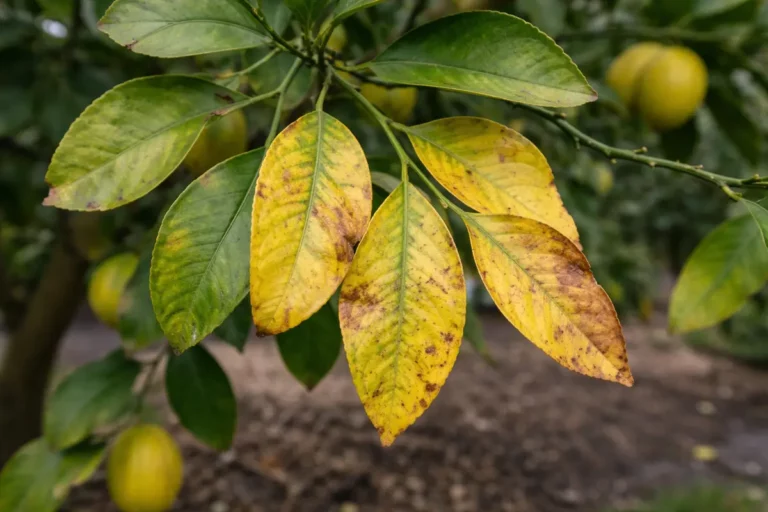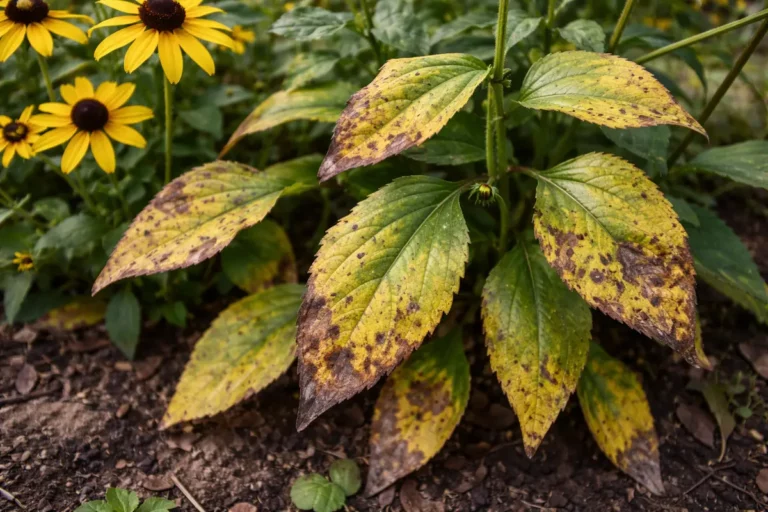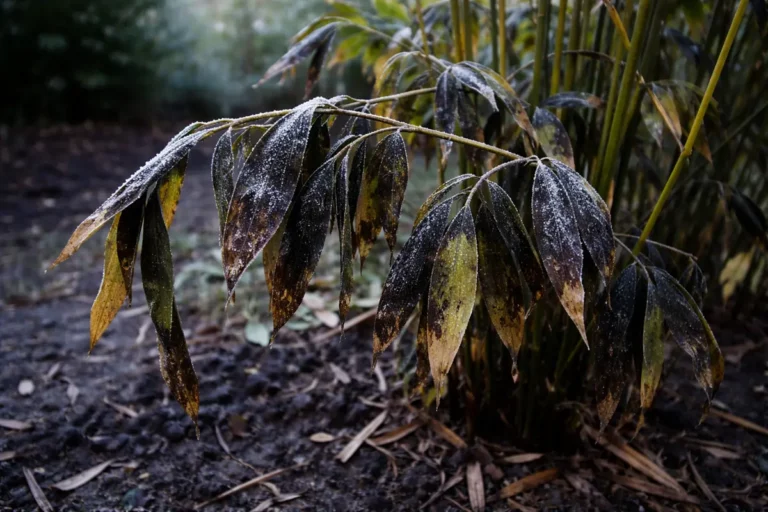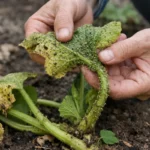

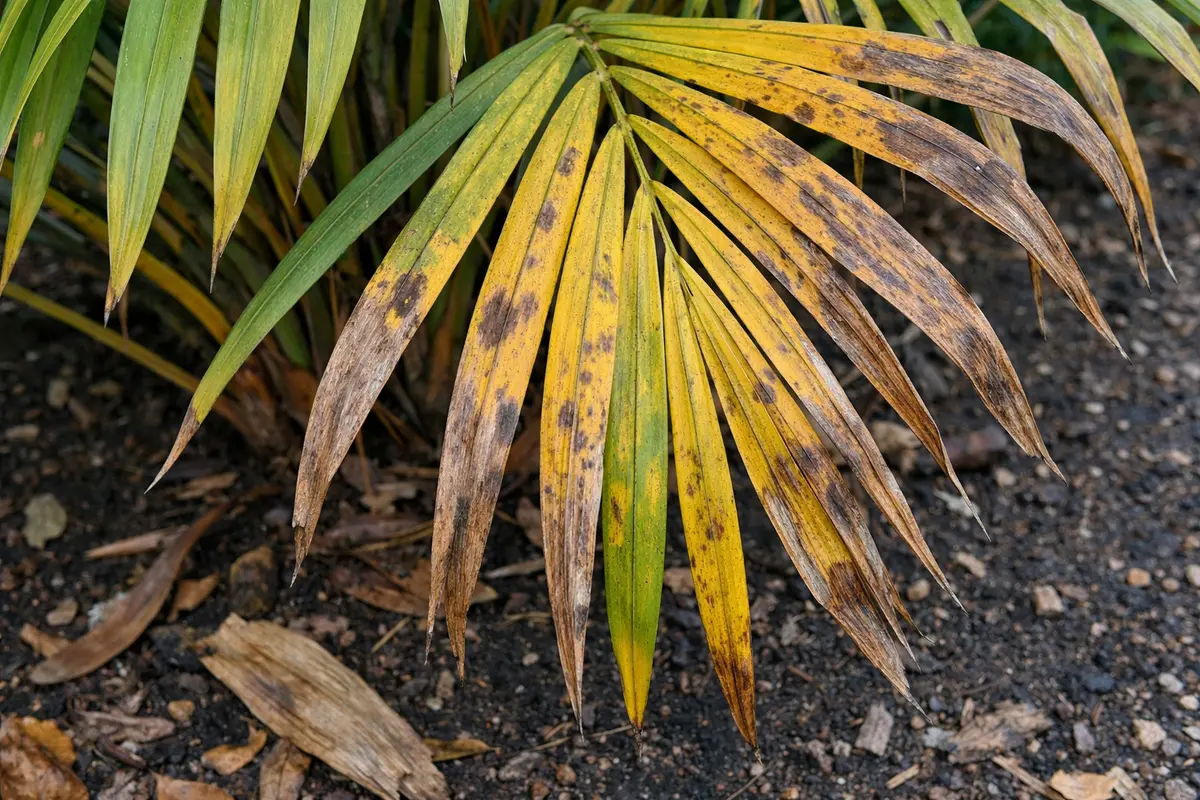
You may notice your palm fronds turning yellow during the colder winter months, which is why you need to know what to do if palm fronds turn yellow in winter. This yellowing is often caused by environmental stress, leading to damage in the plant’s leaves that can manifest as spots or an overall wilted appearance. If ignored, the problem can spread, weakening the plant and making recovery harder, but fixing it is possible now—just inspect the fronds and adjust your care routine accordingly.
Step 1 – Trim Yellowing Palm Fronds Immediately
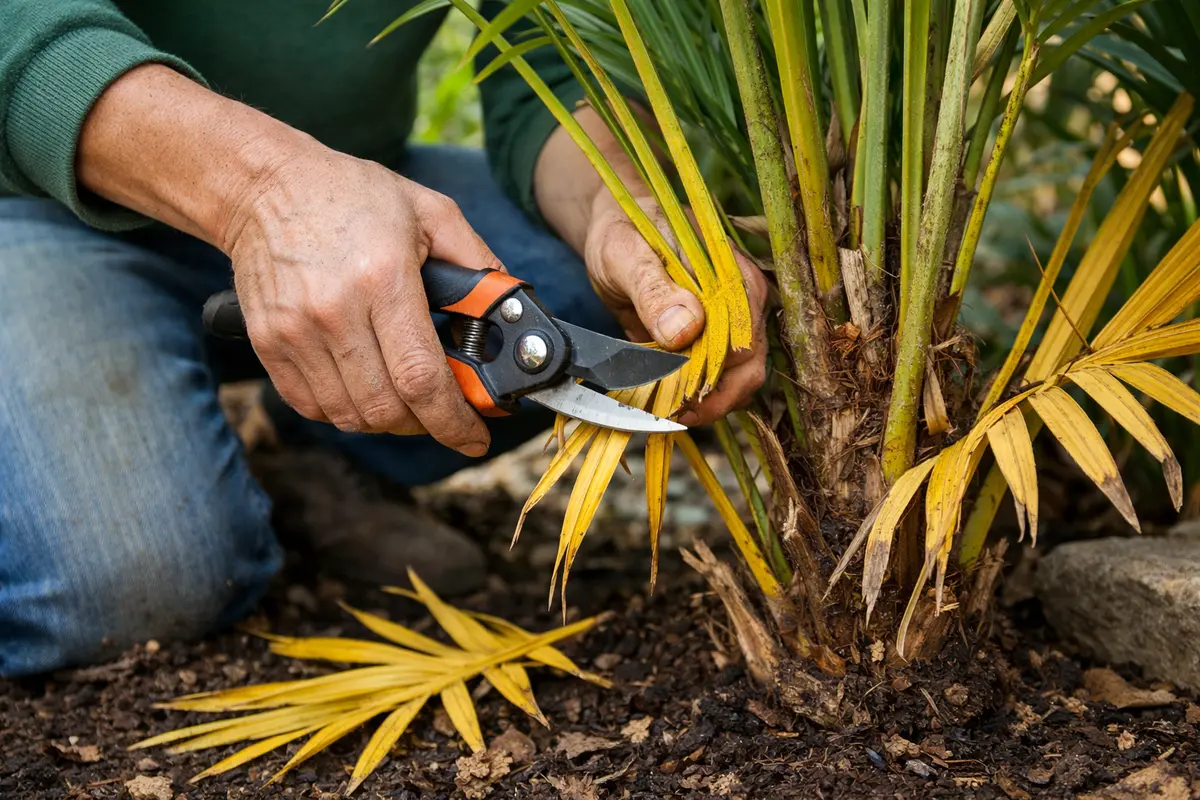
Remove any yellowing fronds immediately to prevent the spread of potential diseases. You will notice less stress on the remaining healthier leaves within a few days as energy is reallocated from the unhealthy fronds. Trimming not only improves the plant’s appearance but also directs valuable resources to the healthy portions of the palm, promoting overall plant vigor. Within 3 to 7 days after trimming, signs of new growth may begin to appear, indicating that the palm is redirecting its energy effectively.
Acting quickly on yellowing fronds is crucial because weakened fronds can harbor pests or diseases, which can weaken the plant further. Removing them gives the healthy parts of the palm a better chance to thrive. If you wait too long, such as allowing several weeks to pass, the potential for extensive damage increases, and you could lose valuable time in recovery. Additionally, dead or dying fronds can provide a habitat for pests like scale or mealybugs, which may complicate your palm’s health. This is particularly important in colder months when the plant’s defenses are already compromised.
A common mistake gardeners make during this stage is trimming too many fronds at once or neglecting to inspect them beforehand. It’s vital to identify which fronds are truly unhealthy and might be contributing to the problem. For instance, if your palm is halfway through winter, checking for any signs of frost damage instead of solely focusing on nutritional deficiencies is essential. If you find fronds that appear just slightly yellow but are firm and healthy, it’s better to leave them while addressing the outright yellow ones. Over-pruning can sap the plant’s strength and delay recovery.
Step 2 – Assess Nutrient Deficiencies in Palm Trees
Check the soil and fronds for signs of nutrient deficiencies such as nitrogen, potassium, and magnesium. If you identify deficiencies, the fronds may begin to look greenish at the tips or exhibit light yellowing in younger leaves. Correcting nutrient levels will enhance your palm’s overall resilience and health, supporting robust regrowth that should be visible in around two to three weeks once nutrients reach the roots.
Nutritional deficiencies often occur due to poor soil quality or imbalanced pH levels. For instance, if your soil pH is too high (alkaline), palm trees can struggle to absorb essential micronutrients, leading to yellowing. Checking soil pH with a soil test kit allows for quick corrections. A pH reading around 6.0 to 6.5 is generally optimal for palms; if your testing shows otherwise, amendments like sulfur or iron sulfate can help lower pH levels effectively. If the soil remains out of balance for long periods, you may notice persistent symptoms despite adding fertilizers.
Consider inspecting the soil down to about 6 inches deep. If it feels compacted and hard, it might be retaining too much moisture and inhibiting root health, which leads to nutrient issues. For example, if your soil shows signs of being overly saturated, it may harbor conditions like root rot that are detrimental. Additionally, take care to look for any areas of discoloration among your fronds. If you notice a sour smell from the soil, this often points to root rot, necessitating immediate action, such as revising your watering schedule or even repotting your palm in better-draining soil. If you check soil moisture levels and find it often too wet or soggy, consider adjusting your watering frequency or using amendments like perlite to enhance drainage.
Step 3 – Apply Fertilizer to Revive Palm Health
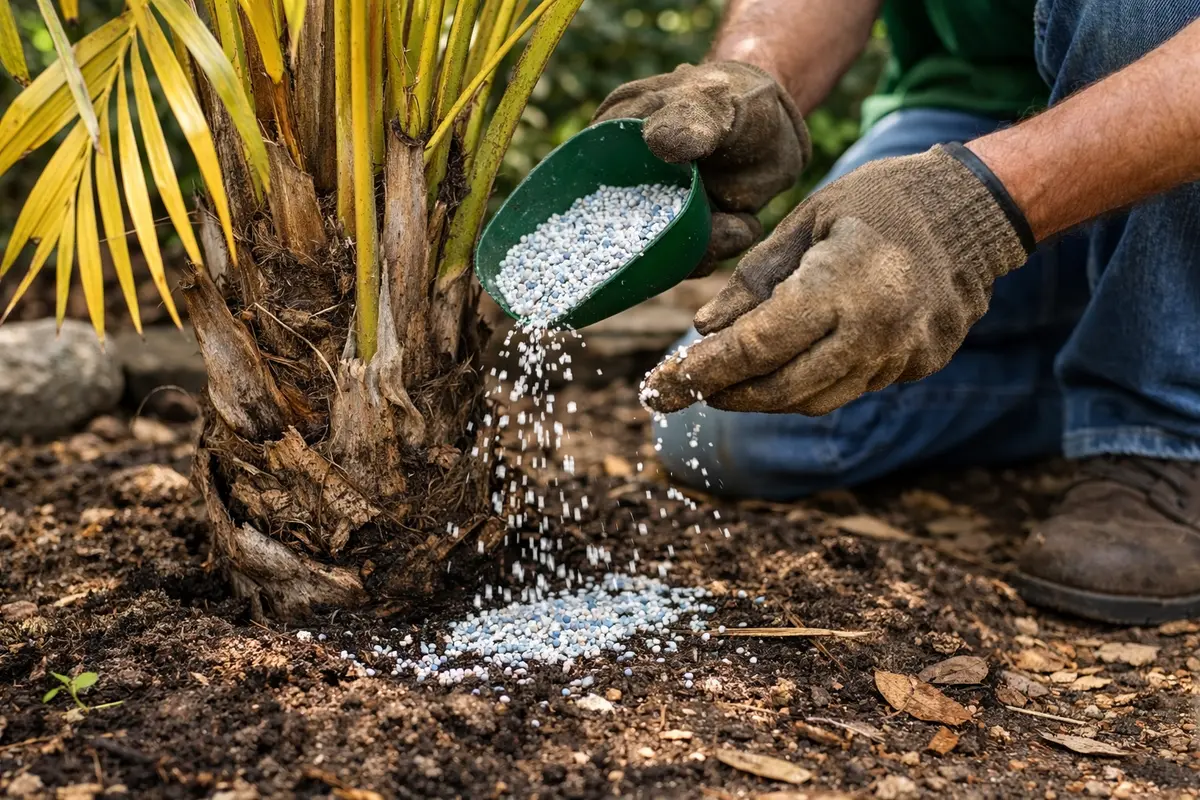
Remove any yellowing fronds from your palm to encourage new growth and reduce stress on the plant. As you remove these fronds, you should observe improvement in the health of the remaining leaves, showing a gradual return to green within weeks.
Recovery typically takes several weeks, with visible signs like new green fronds emerging alongside the older ones. Ensure the palm is in a light-filtered area and is watered only when the soil becomes dry; too much water can lead to root rot, while too little can stress the plant. If you notice that yellow fronds persist despite these adjustments, check the drainage of the pot or soil composition.
Avoid the mistake of over-fertilizing, as this can lead to nutrient burn and further yellowing. Instead, apply a balanced fertilizer carefully, focusing on the growing season. If you notice growth stalling after fertilization, check the moisture level in the soil to ensure it’s neither too wet nor too dry.
When the right fertilizers are applied, they promote new leaf growth, healthier fronds, and vibrant colors. Palm trees particularly benefit from potassium and magnesium, which help in chlorophyll production, increasing the deep green color of the leaves. If your palms appear more vibrant and robust within a month, it is a strong indication that nutrition was effectively restored. However, if you notice no change after several weeks, reassess your fertilization strategy, and consider additional soil testing for hidden nutrient lockouts. Regularly testing can help in fine-tuning the nutrient mix as needed.
A common mistake is over-fertilizing, which can lead to fertilizer burn—evident by brown edges on the fronds. Therefore, it is crucial to follow the recommended dosage on the fertilizer label closely, taking care to adjust based on your soil testing results. In cases of significant nutrient deficiencies, applying small doses more frequently can help avoid shocking the plant. It’s prudent to perform a patch test in a small area before broadly applying any new fertilizer, especially with soil amendments. If the recovery is slow or signs of burn are evident, it might be beneficial to test your soil for salinity levels, as high salinity can inhibit nutrient uptake as well, making it harder for your palms to benefit from the fertilizers that you’re applying.
Step 4 – Shield Palms Against Winter Cold Stress
Start by regularly inspecting your palm fronds for signs of yellowing and adjust your watering schedule accordingly. Watering deeply but less frequently will ensure that the roots receive adequate moisture, leading to more vibrant fronds.
Yellowing fronds during winter often indicate root stress caused by overwatering or inadequate drainage, as cold temperatures can slow down root function. By establishing a consistent watering routine, you address the moisture imbalance and promote healthier roots that are less susceptible to winter-related stressors.
As temperatures fluctuate, adjust your watering habits accordingly; during unusually warm spells, you may need to water slightly more to prevent stress. If not watering, check for proper drainage to ensure excess water flows away from the roots during wet periods.
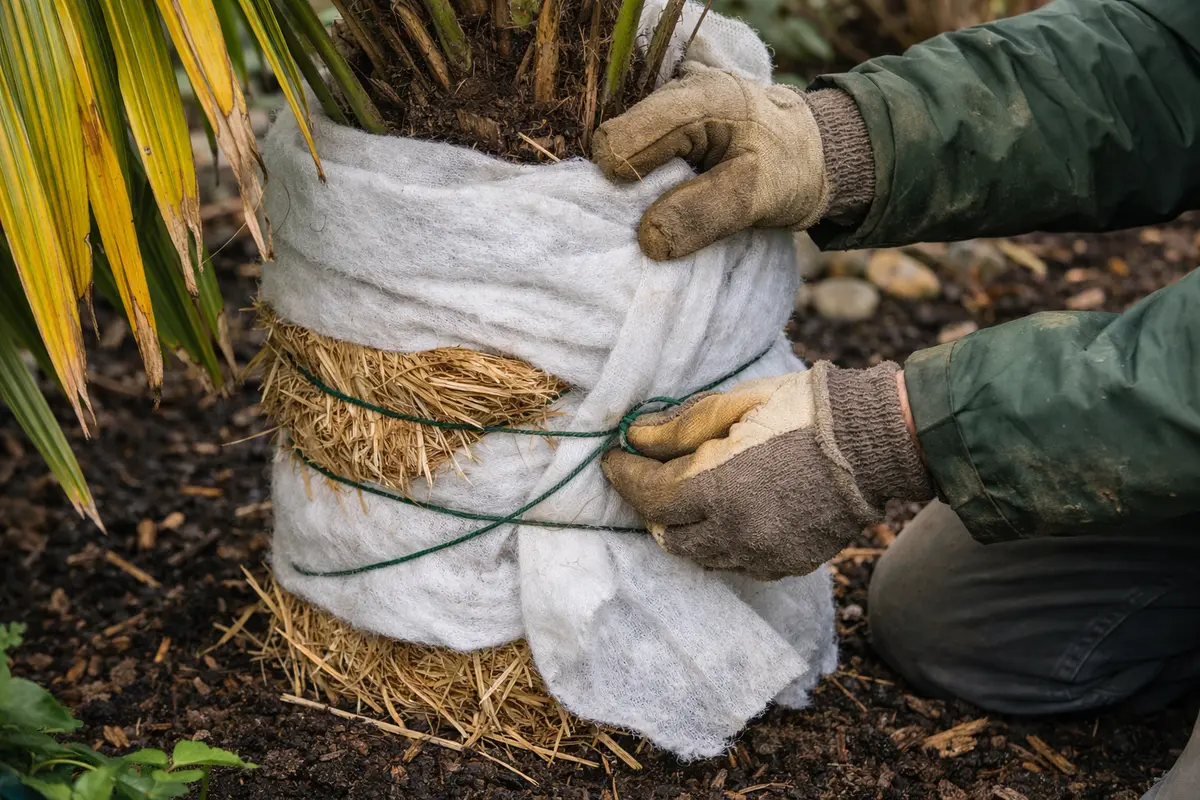
Cold stress can weaken palm trees, causing them to lose more water through their leaves than can be absorbed through their roots. Insulation techniques, such as wrapping trunk bases, slow this process down, allowing palm trees to weather winter more effectively. Proper insulation not only protects against critically low temperatures but also reduces the chances of desiccation and other winter-induced damage. If the palms are exposed and in windy areas, additional windbreaks or coverings will be beneficial to shield them against harsh gusts.
As part of your winter care routine, routinely check that the mulch level remains around 2 to 4 inches thick; it must be replenished as needed, especially after heavy rains when it can disperse quickly. If the temperature forecast indicates a severe cold snap, adding an extra layer of mulch can provide additional protection and help maintain a consistent temperature in the surrounding soil. Additionally, avoid watering the palms during late fall when temperatures dip, as overwatering can lead to root rot. Check that the top 2 inches of the soil are dry before watering again, to ensure that roots remain healthy and oxygenated during winter dormancy.
Step 5 – Inspect Fronds for New Yellowing Each Month
Inspect palm fronds monthly for any new yellowing or stress indicators to catch problems early. You should look for signs of new growth and improved leaf color over the next few weeks after adjustments. This continuous monitoring is not only essential for evaluating the effectiveness of your interventions but also serves as a preventive measure against potential recurring issues. Make a note of your observations over time to see if specific care approaches lead to improvements.
A fully recovered palm should display firm, green fronds without any brown or yellow edges. Conversely, if you observe yellowing recurring or new fronds wilting, this signals that issues remain unresolved, potentially requiring more intensive intervention. Consistent observations reveal whether your plants are thriving or still struggling. Implementing a calendar-based inspection schedule can help ensure that you don’t miss any changes, particularly monitored after heavy rain or snow.
If yellowing returns despite implementing your strategy, reassess your cultural practices and check for any underlying issues. Environmental changes such as sudden temperature drops or excessive watering can trigger setbacks. For instance, if you notice the yellowing happens right after a warm winter spell, it might indicate root stress from fluctuating soil moisture levels, which often requires adjusting your watering technique or a deeper monitoring of soil conditions. Assessing factors like nutrient balance and root health should also become part of your monthly checks.
FAQ
How long does it take for yellow fronds to recover after applying fertilizer?
Recovery can take anywhere from a few weeks to a couple of months, depending on the extent of the nutrient deficiency. Newly applied nutrients will gradually improve leaf color and growth as the palm absorbs them, typically becoming noticeable within three to four weeks if the response is favorable. Keep monitoring conditions to ensure nutrient uptake continues.
Can cold temperatures cause permanent damage to palm fronds?
Yes, if palm fronds experience freezing temperatures for extended periods, it may lead to permanent damage. However, timely intervention, such as wrapping or winter protection measures, can help mitigate further loss and support recovery in healthier fronds. Regular monitoring is essential to assess the overall health after cold exposure and make necessary adjustments.
Should I remove all yellow fronds immediately?
No, only remove fronds that are severely yellow and appear dead. Leaving some may provide shade and help protect newly growing fronds from harsh conditions. Gradually removing fronds allows the plant to focus on recovery without excessive stress from sudden pruning. This approach maintains plant balance during recovery time.