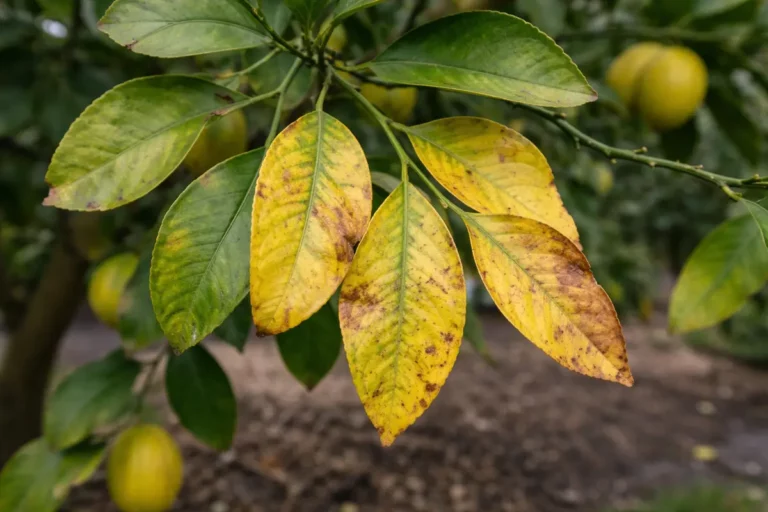
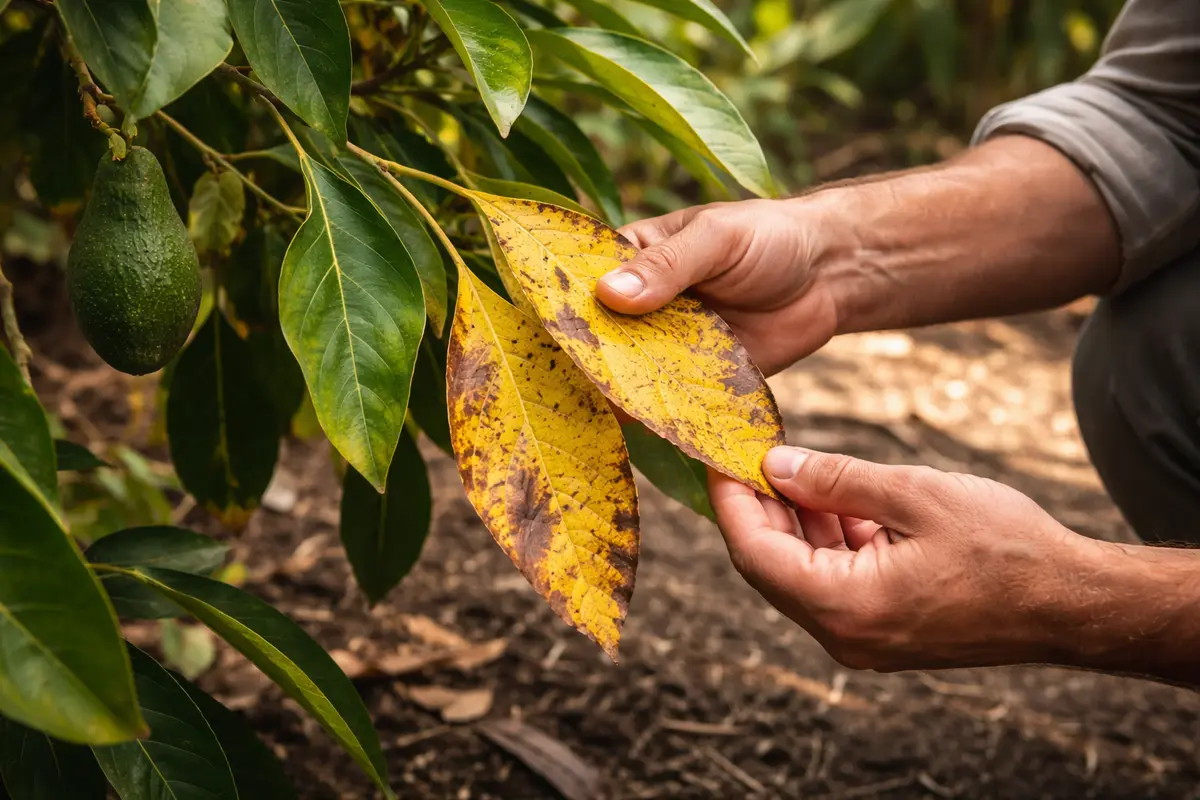
You may notice your avocado leaves turning yellow during hot afternoons, which is why you need to know how to fix yellow leaves on avocados during hot afternoons. This yellowing often indicates stress from excessive heat or insufficient water, leading to potential damage like wilting or leaf drop. If left unaddressed, the issue can spread, weakening the plant and making it harder to fix, but you can improve the situation now by adjusting your watering routine and monitoring the plant’s environment.
Step 1 – Water Avocado Immediately to Reduce Stress
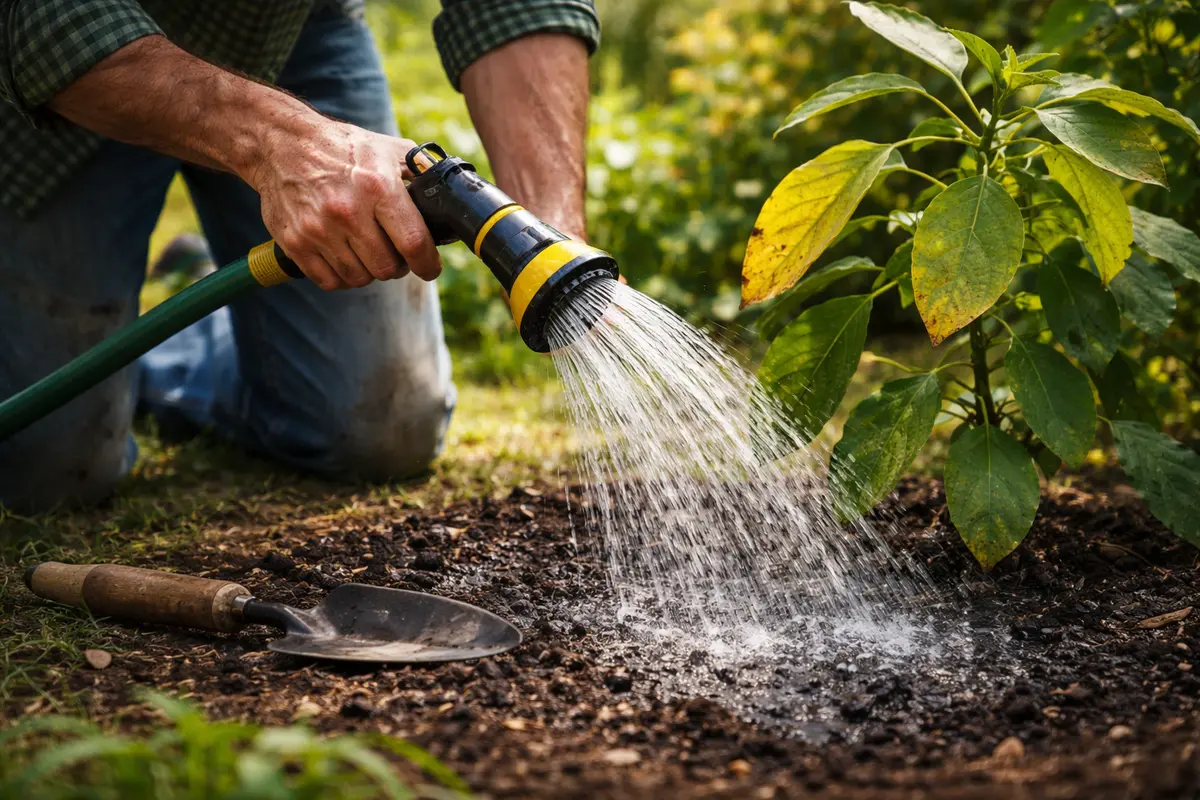
Water the avocado tree thoroughly to relieve immediate stress. You’ll see the soil become moist, and within a few hours, the leaves should begin to perk up slightly as the plant rehydrates. This visible improvement is a sign that the roots are absorbing essential moisture and, if done correctly, can lead to greener and more vibrant leaves soon after.
Immediate watering is crucial because avocados are sensitive to drought conditions, especially during hot afternoons. As they struggle with the heat, their leaves may turn yellow due to dehydration that compromises the tree’s ability to photosynthesize, which may eventually lead to leaf drop. By providing ample water right away, you ensure that the roots absorb necessary moisture to alleviate stress and promote recovery.
A common mistake many gardeners make is not watering deeply enough. They may only wet the surface, which doesn’t reach the roots effectively. To counter this, ensure to water until the moisture reaches at least 6 inches below the soil surface, especially if the soil is sandy and drains quickly. If watering for 10-15 minutes doesn’t yield noticeable improvement in leaf color within a day or two, check for possible drainage issues or root damage, as these may exacerbate the symptoms. In cases where the yellowing has persisted, you may be dealing with a deeper-rooted issue requiring intervention in your watering strategy.
Step 2 – Diagnose Soil Drainage Issues for Avocados
Start by checking the soil moisture levels around your avocado tree. If the soil feels dry several inches down, water the plant deeply to restore moisture and observe the leaves for improvement in color within a few days. Healthy leaves should transition from yellow to green as the tree rehydrates and recovers.
Your avocado tree might display yellow leaves during hot afternoons due to root stress from insufficient water. When the soil dries out, roots cannot absorb enough moisture, which leads to chlorosis in leaves. This imbalance causes the plant to signal distress, and yellowing occurs as chlorophyll production diminishes, contrasting with lush green foliage in adequately watered trees. If yellow leaves persist despite watering, check for root-bound conditions.
If the soil feels compact or smells sour, that may indicate root rot rather than just dry conditions. In this case, gently remove the plant from the pot, trim away any affected roots, and repot in fresh, well-draining soil to encourage healthy growth. This differs from simply adding water because it addresses underlying issues related to oxygen flow in the roots.
Soil drainage issues can cause root rot, preventing the plant from taking up essential nutrients and water, which leads to yellowing leaves. If water sits too long around the roots, it suffocates them and eliminates their ability to function properly, causing the whole plant to exhibit stress symptoms like yellowing leaves. By diagnosing these issues early, you can take corrective action before significant damage occurs.
If you notice a sour smell coming from the soil, it’s a strong indication of root rot. Coconut husk or wood chip mulch can exacerbate these symptoms if they retain moisture too effectively. In this situation, consider improving drainage by amending the soil with organic matter like peat moss or compost to enhance overall soil structure. If the avocado is rooted in heavy clay, planting it in raised beds can improve water flow and root health, thus minimizing yellow leaf symptoms. Additionally, ensure that mulch around the base does not pile too high against the trunk, as this can restrict airflow and contribute to rot. If you’ve amended the soil and yellowing persists, it may be time to seek professional advice on potential root issues or soil testing to evaluate pH or salinity levels that might be affecting your plant’s health.
Step 3 – Apply Fertilizer to Revive Yellowing Avocado Leaves
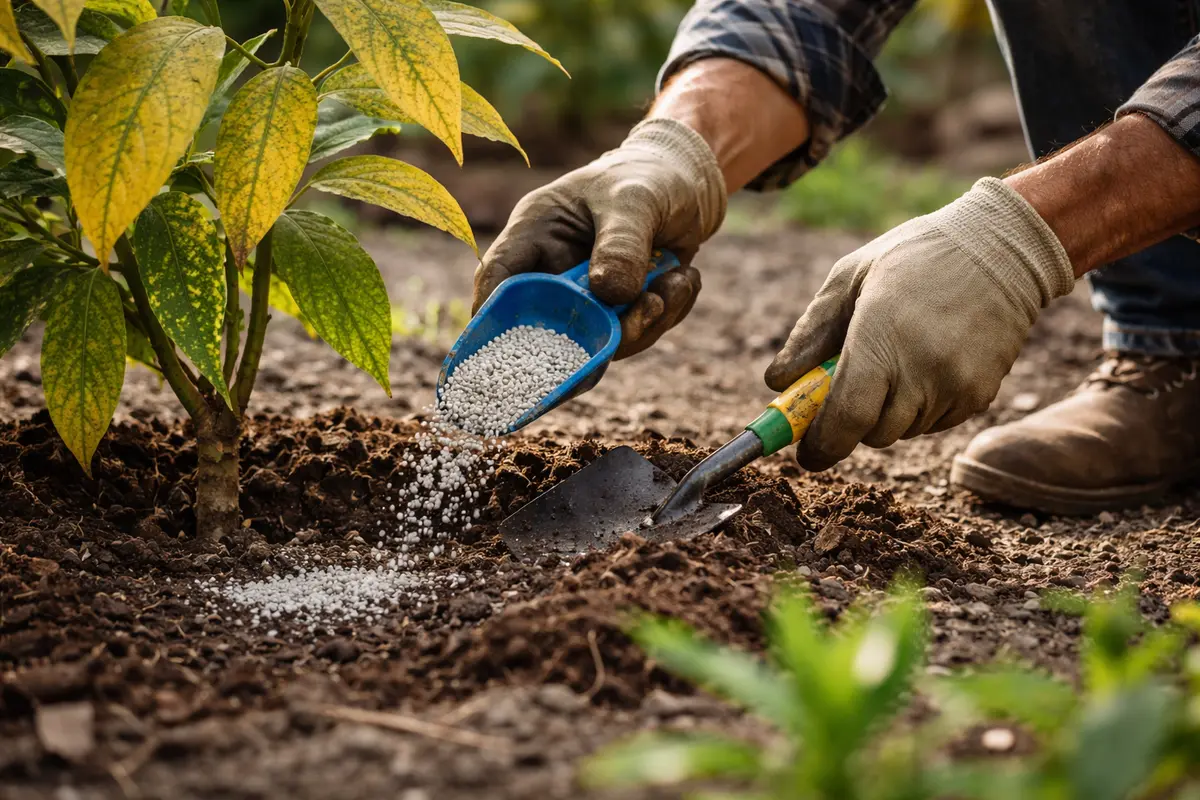
Apply a balanced fertilizer immediately to provide necessary nutrients and water adequately to the base of the avocado tree. Over the next few days, watch for a subtle green hue returning to the leaves and a reduction in the number of yellowed leaves, indicating your avocado is responding positively to the added nutrients and water.
Recovery from yellow leaves can take anywhere from a week to several weeks, depending on the severity of the stress your avocado is experiencing. Healthy regrowth typically shows bright green new leaves emerging, while prolonged yellowing may signal nutrient deficiencies that develop due to consistently high temperatures. If leaves remain yellow after fertilizer application, check for soggy soil as overwatering may hinder recovery.
A common mistake during recovery is overcompensating with water or fertilizer, which can further stress the avocado. Maintain consistent moisture without saturating the soil to promote gradual, stable recovery. If yellowing persists despite adequate watering, check for root rot caused by overly wet conditions as it may require further intervention.
Fertilizing helps replenish lost nutrients, which are vital during hot weather when avocado trees are under stress. The yellowing can indicate that the plant is lacking in essential nutrients such as nitrogen, iron, or magnesium, which directly affect leaf color and the overall health of the plant. For optimal results, apply fertilizer at the onset of the growing season when the plant is actively taking in nutrients.
Be cautious not to over-fertilize, as this can lead to root burn or additional stress on the plant. Many gardeners mistakenly think that more fertilizer speeds up recovery; however, this can backfire. Stick to the manufacturer’s guidelines, typically around 1 tablespoon of fertilizer per foot of tree height, and monitor the avocado’s response closely. If, after two weeks of applying fertilizer, you see no improvement or symptoms worsen, it may be best to reevaluate your watering routine and soil conditions instead of adding more fertilizer. Additionally, keep an eye on application methods; for instance, applying granules directly on wet soil can help prevent nutrient burn, whereas dry soil could lock nutrients away from the plant roots.
Step 4 – Shield Avocados from Scorching Afternoon Sun
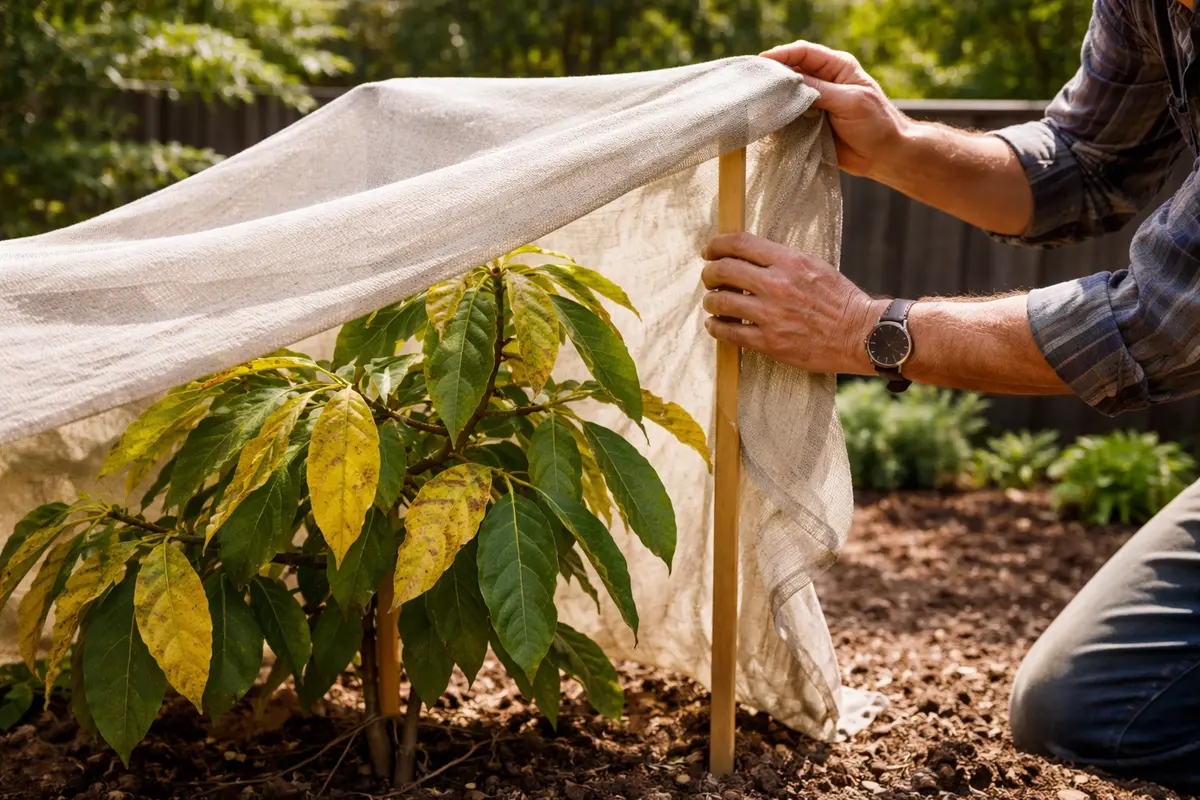
Start by providing your avocado tree with adequate afternoon shade, such as using shade cloth or planting companion plants that can block direct sunlight. You should notice a reduction in yellow leaves as the tree receives relief from scorching temperatures, leading to an overall healthier appearance.
High temperatures combined with intense sunlight can cause leaf scorch, leading to yellowing. When you shade your avocado during hot afternoons, it mitigates stress and helps maintain moisture in the soil, addressing the root cause of yellow leaves. Conversely, an unshaded avocado in the same heat will often exhibit wilting leaves, indicating excess transpiration and reduced nutrition from the roots.
In hotter summer months, increase your preventive efforts by watering more frequently in the morning to ensure the tree is hydrated before the heat of the afternoon. If you notice leaves yellowing again despite shading, check your soil moisture levels to ensure they remain consistent, as fluctuations can stress the tree further.
Excessive heat can scorch the leaves, exacerbating the stress that can lead to long-term damage if not addressed. By reducing sun exposure during peak afternoon hours, you lower the risk of heat stress and give the plant a chance to recover. This proactive measure also helps maintain humidity around the tree, which further alleviates the shock caused by intense sunlight. Monitor temperature fluctuations; if the weather cools significantly, remove the shading gradually to allow acclimatization.
In addition to shade cloth, consider your surrounding environment; planting companion plants that offer additional shade or increasing mulch coverage can help retain soil moisture and keep root temperatures lower. It’s also essential to adjust shading strategies with the seasons; for instance, while shade is crucial in summer, more sunlight in cooler months can help maximize photosynthesis. Keep track of your location’s climate; in areas with persistent extreme heat, maintain consistent shade. If nighttime temperatures drop in your area, gradually reduce shade to let the plants absorb full-spectrum sunlight, aiding recovery. Your monitoring will yield insights—observe if the leaves regain vigor with the introduction of shade and modify accordingly.
Step 5 – Watch for New Yellow Leaves After Watering
After implementing these fixes, monitor the tree for new yellow leaves over the following weeks. You should observe healthy, green new growth, indicating that your efforts are paying off. Regular observation will allow you to catch any new symptoms early on and adjust your care accordingly. Set specific days for checking on the tree—this routine will enhance your attentiveness to its recovery process.
Check the avocado tree every few days to identify whether the yellowing persists or if new leaves are beginning to appear. Look for signs of improved vigor, including leaves regaining their rich green color and new shoots emerging. This consistent monitoring phase is crucial as it enables you to take action swiftly if yellowing returns, allowing for immediate intervention before the situation worsens. If yellowing continues despite positive changes, consider both your watering regime and any recent fertilization, as imbalances in these two areas often manifest visibly.
If, despite your diligent care, yellowing reoccurs, reassess the watering schedule and soil moisture levels immediately. Test the soil for compactness; if it feels waterlogged or excessively dry, recalibrate your approach accordingly. If all efforts fail and yellowing resumes without clear cause, consider consulting a local extension service or professional garden expert to evaluate underlying issues, including potential pest infestations or severe nutrient deficiencies, and avoid potential serious damage to the plant. Document symptoms and treatment outcomes to discuss with experts, as this information can significantly aid diagnosis and solutions.
FAQ
How long does it take for avocado leaves to recover from yellowing?
Under optimal conditions, you can expect to see improvement within 1 to 2 weeks of addressing watering and nutritional issues effectively. Healthy growth, along with the regaining of vibrant color in affected leaves, signifies recovery, though full normalization can take longer, particularly in elevated stress environments.
Can heat stress spread to other parts of the plant?
While heat stress does not spread in the same manner as a disease, it can adversely affect healthy leaves and branches if the overall health of the plant is compromised. Promptly addressing any signs of stress is vital to prevent any long-term damage to the tree and ensure it recovers fully.
Should I remove yellow leaves from my avocado tree?
Yes, it’s beneficial to remove yellow leaves as they will not recover. Pruning these leaves allows the tree to direct energy toward healthy growth, thus promoting stronger foliage across the plant moving forward. Aim to prune judiciously, as excessive removal can also stress the plant. Utilize sharp, sterilized pruning shears to minimize infection risk and make clean cuts close to the branch.