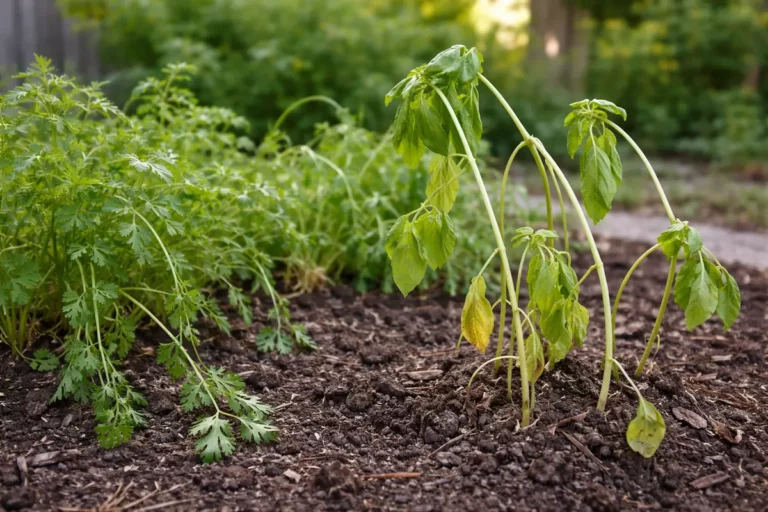
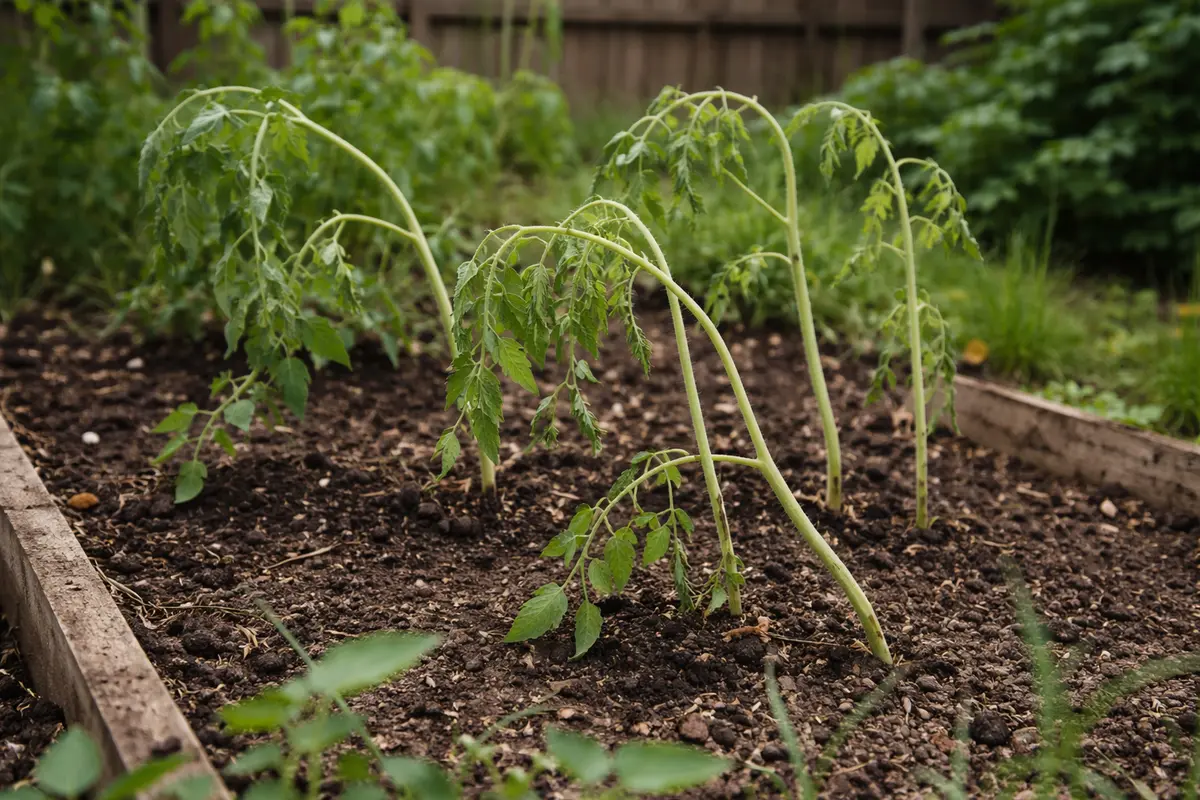
You may notice your tomato plants stretching toward the light during the shorter days of fall, which is why you need to know how to fix leggy growth in tomatoes during low light. This leggy growth occurs as the plants compete for sunlight, often leading to drooping stems and weak structures. If left unaddressed, the condition can worsen and weaken the plant, making it harder to fix later on. Fortunately, you can improve the situation now by adjusting their light exposure and trimming back the overly long stems.
Step 1 – Prune Elongated Tomato Stems Immediately
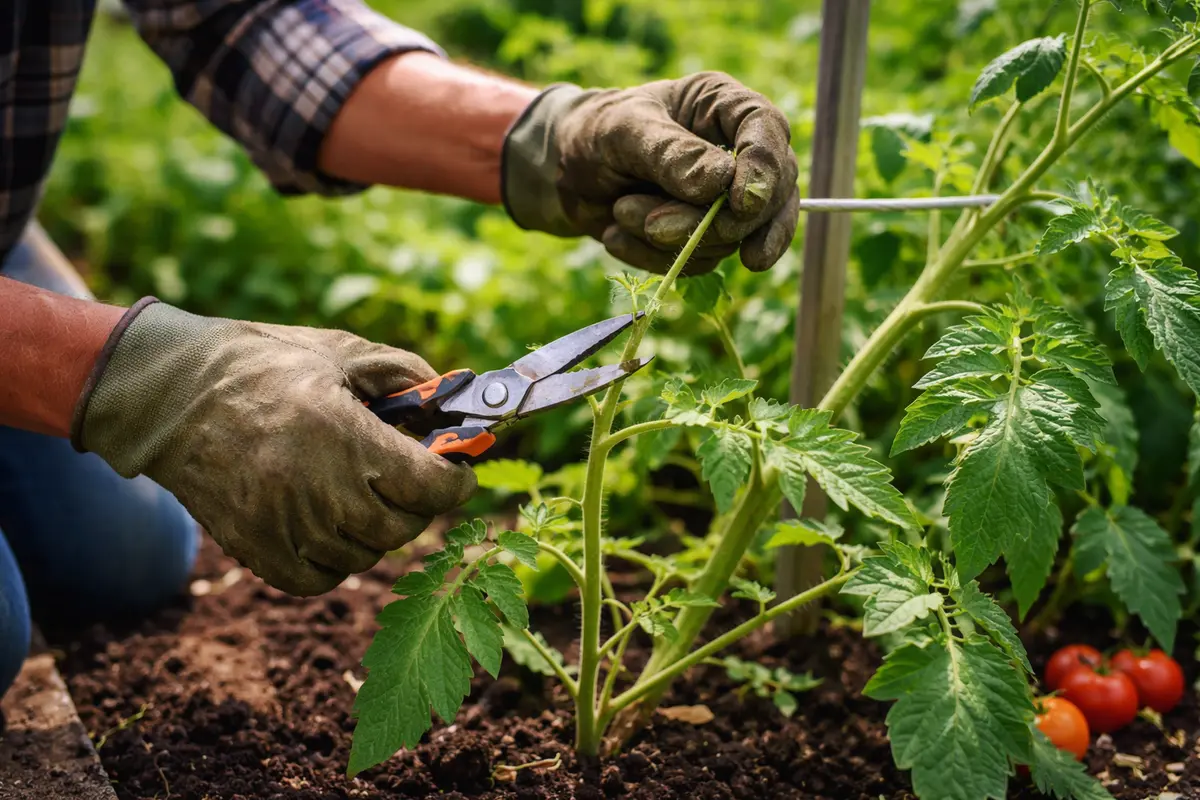
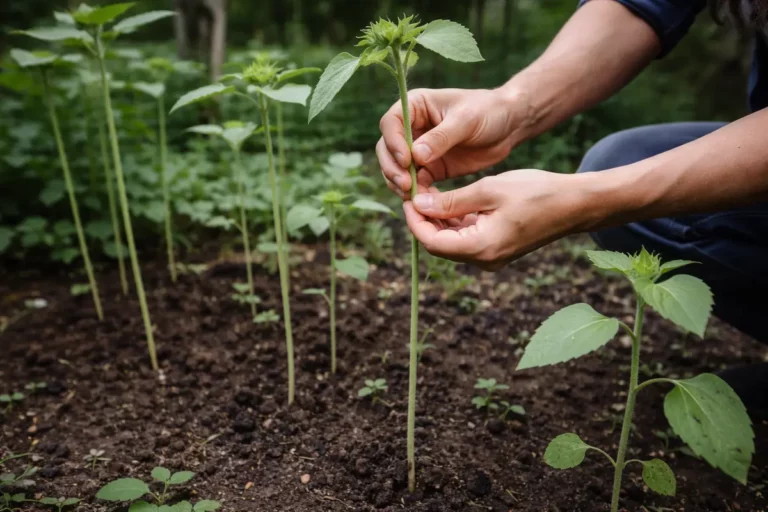
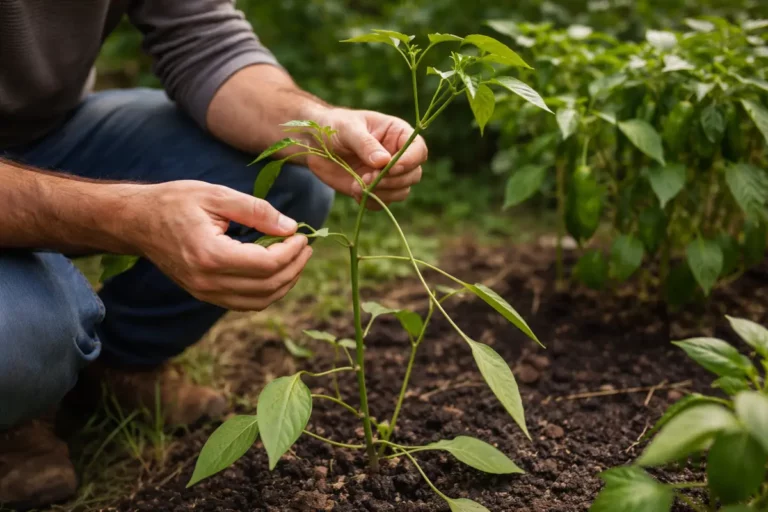
Start by pruning the elongated stems of your tomato plants without delay to halt any further stretching. You will notice an immediate reduction in height and a more compact structure. This action is critical to redirecting energy away from weak growth toward healthier areas of the plant, enhancing overall stability and nutrient distribution. Make sharp cuts with clean scissors or pruning shears to avoid damaging the surrounding healthy tissue. Ensure you cut about a quarter inch above a node where healthy leaves are branching out to prevent inviting disease.
Immediate pruning stabilizes the plants by preventing them from becoming excessively leggy, which can further compromise their structural integrity. When you cut back those elongated limbs, energy that would have supported growth in those spindly stems is redirected toward producing stronger, bushier growth instead. Additionally, by removing weak growth, you limit competition for light among the plant’s remaining structures, thus allowing them to thrive and potentially enhancing fruit set later. As you prune, observe the plants; a darker green at the pruned sites often indicates improved nutrient flow, while any persistent lighter color may suggest that underlying issues still need addressing. This is particularly relevant if the darker green growth occurs rapidly after pruning, potentially indicating that energy is being effectively redirected.
A common mistake many gardeners make is to wait too long to prune, hoping their plants will naturally regain vigor. If you notice stems that have become floppy or spindly, this signals an urgent need for action. Take swift measures today to enable your plants to redirect energy toward new, robust growth rather than struggling to support weak limbs. Remember, excessive leafiness without structural support usually means that the plants are prioritizing height over stability. If other branches also stretch excessively, cut those back as well while focusing on creating a balanced and supported structure. After the pruning session, consistently check back on the plants; if new sprouts begin forming at the cut locations, that indicates a healthy recovery process is underway, confirming that your corrective measures are yielding positive results.
Step 2 – Check Light Exposure for Tomato Plants
Start by inspecting the light exposure around your tomato plants to confirm they receive adequate illumination. Within a few days, you should see changes in stem positioning and possibly new growth directed towards the light source. Pay particular attention to the time of day when light conditions are optimal.
Tomatoes thrive on at least six to eight hours of direct sunlight daily; insufficient light causes them to stretch towards the available source, resulting in leggy growth. When you observe unusually tall plants with weak stems, it’s a clear sign they’re not getting enough sunlight. Check for nearby objects that may be casting shade, such as overgrown bushes or adjacent potted plants. Even minor adjustments in their environment can improve light absorption significantly, so consider moving plants to a brighter area if necessary. If you confirm that neighboring plants are receiving sunlight and thriving, this could validate your tomatoes’ poor conditions due to shade.
If your tomatoes are already near a window yet still appear leggy, consider relocating them to a location with better natural light or introducing supplemental grow lights. Position these lights no more than 12-24 inches above the plants to ensure they receive sufficient intensity without risking leaf burn. Opt for LED grow lights as they are energy-efficient and generate less heat. On the other hand, if your plants are getting what seems to be adequate light but still look spindly, explore other issues such as nutrient deficiencies or stress from temperature fluctuations. When utilizing grow lights, ensure they provide both blue light for leafy growth and red light for flowering, as this balance is critical for proper development. Monitor the plants over several days, noticing how changes in light conditions impact their growth and health. If improvements are not observed, you may need to further adjust the duration or intensity of the light exposure to meet their demands properly.
Step 3 – Feed Tomatoes with High-Quality Fertilizer
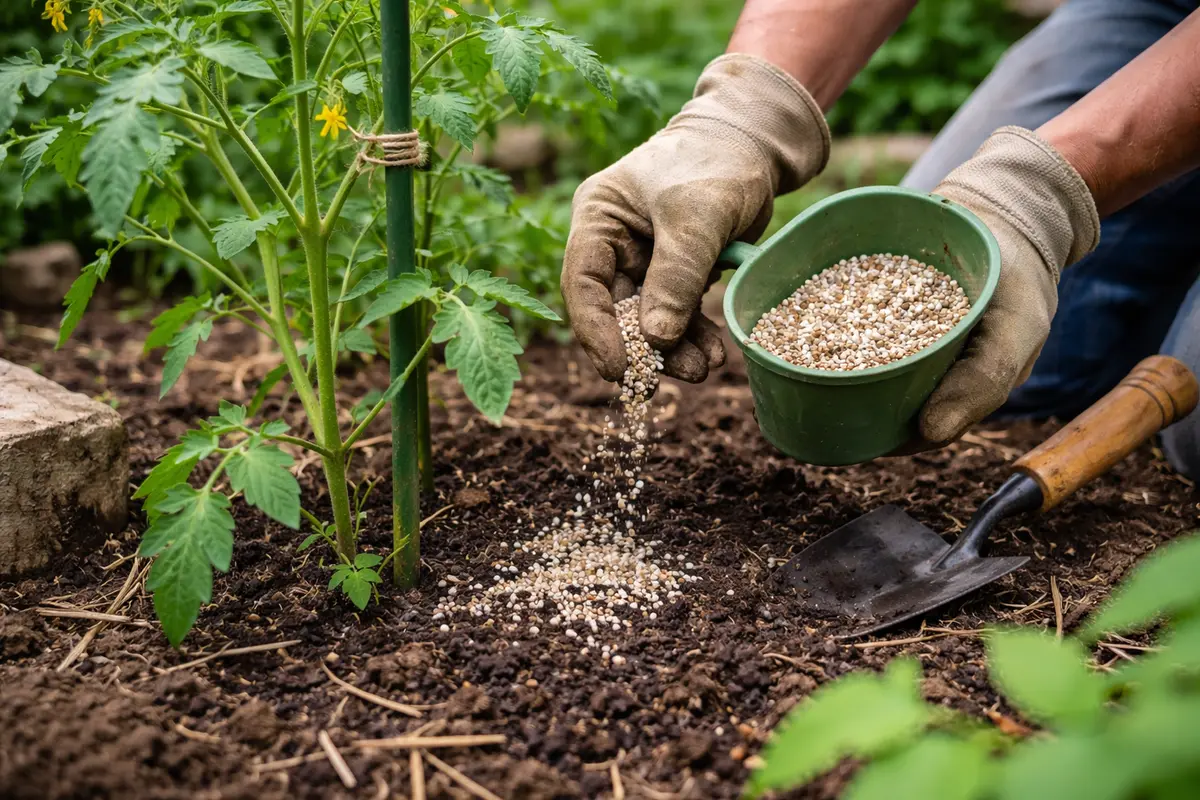
Apply a high-quality, balanced fertilizer to your tomato plants to support their recovery and growth. You will start to notice improved leaf color and overall vigor within one to two weeks. The right nutrients will help the plants regain strength and prevent further issues, such as nutrient deficiency, which can lead to continued leggy growth if left unaddressed. For best results, choose a fertilizer with an N-P-K ratio of 5-10-10, specifically tailored for tomatoes to enhance both root development and fruit production. Mix the fertilizer thoroughly into the soil to facilitate better absorption and reduce the risk of root burn, particularly important if the soil moisture is low.
A slow-release formula is beneficial, providing a consistent supply of nutrients to support ongoing recovery. Observe the plants closely; if the fertilizer is helping, you should see a gradual increase in both stem thickness and leaf size. If you notice that the new growth is not vibrant or is becoming discolored, adjust your fertilization approach or check for root-related issues; yellowing leaves can indicate too much or too little moisture in conjunction with nutrient uptake.
Fertilizing your tomatoes with the right nutrients directly contributes to robust, healthy growth. A balanced fertilizer encourages stronger stems, lush foliage, and a bountiful fruit set. Consider incorporating organic options, such as compost or well-rotted manure, which not only enrich the nutrient content but also significantly improve soil health and structure. Adhere to the manufacturer’s recommended application rates; over-fertilization can lead to salt buildup in the soil, ultimately harming plants and worsening leggy growth symptoms. Signs of excess fertilizer include browning at the leaf edges and wilting, which can mislead you into thinking plants are simply suffering from low light. If you observe these signs alongside poor growth, scaling back on fertilizer amounts or switching to a liquid feed may be advantageous, as liquid fertilizers can provide faster access to nutrients without the risks associated with buildup. Evaluating and documenting soil conditions should precede any feeding—understanding your soil’s baseline nutrient content will guide proper fertilization practices.
Step 4 – Inspect Tomato Foliage for New Growth Weekly
Begin by inspecting your tomato plants weekly for signs of new healthy growth and changes in leaf color. Look for vibrant green leaves and denser foliage within a week, which indicates that your corrective measures are taking effect. Regular inspections can catch any setbacks quickly, ensuring your plants respond positively to interventions. Pay special attention to the newest leaves; a dark green hue signifies healthy growth, while fading or yellowing may indicate a need for further adjustments. If new leaves remain small or underdeveloped, this could signal an ongoing requirement for increased light or nutritional support. Make it a habit to note the plants’ progress, including any environmental changes or setbacks—these could provide critical insights.
A healthy tomato plant should exhibit bright green leaves, firm stems, and bushy growth within a few weeks after implementing corrective measures. Monitor the tips of the stems for new growth; if you observe leaves beginning to droop or discolor again, this could suggest a resurgence of leggy growth due to insufficient light or nutrient supply. Yellowing leaves, particularly at the base of the plant, may indicate nutrient deficiencies or overwatering—both common contributors to weakened stems. Additionally, maintain vigilance for pests or diseases, such as aphids or powdery mildew, as they can exacerbate leggy growth issues. Addressing these problems promptly is crucial for maintaining plant health, as unchecked pest infestations can severely compromise your tomato plants’ well-being and lead to further leggy symptoms.
If you do not observe signs of recovery within two weeks, it is vital to reevaluate your corrective measures. Enhancing light sources might be necessary, or it could be time to revisit your fertilization strategy based on observed growth changes. Keep a growing log that tracks when you pruned, fertilized, or moved the plants; this can help clarify their progress over time. Document environmental conditions like temperature and humidity as well, providing further insight into their health. If persistent issues occur despite these efforts, consult local gardening resources or extension services for tailored advice based on your region. If multiple plants in your area are similarly affected, it may indicate a broader environmental problem warranting attention, such as overall soil quality or temperature-related stress.
FAQ
How long does it take for tomatoes to recover from leggy growth?
Recovery from leggy growth can typically be observed within two to four weeks after implementing corrective actions like pruning and fertilization. However, the exact timeframe may vary based on light conditions, watering practices, soil health, and overall plant vitality; optimal care leads to faster recovery rates. Consistent care during this period is crucial, especially in ensuring balanced light and nutrient levels. Keep a close eye on any developing flowers or fruits during recovery; their health can also indicate the plant’s overall recovery status, with thriving blossoms often signaling successful intervention.
Should I remove leggy tomato stems completely?
Yes, removing significantly elongated stems is advisable to prevent nutrient depletion and stability issues of the plant. However, make sure that you leave healthy shoots capable of further growth. Noting whether the stems you are cutting have productive leaves can guide your pruning decisions; maintaining healthy parts of the plant can aid in future recovery and flowering. If you see buds or new foliage at the base of the pruned stems, it will likely encourage more compact growth if you prune consistently. Be cautious with pruning timing; overly aggressive cutting early in the season can hinder growth and yield.
What should I do if my tomatoes are still leggy after corrections?
If your tomatoes continue to exhibit leggy growth despite corrections, double-check their light exposure and consider increasing the amount of time they receive direct sunlight. Introducing supplemental lighting or enhancing their nutrient input could further rectify the issue. This might also include targeting specific deficiencies with specialized fertilizers, ensuring the plant’s watering needs are met consistently, without over-saturation or drought stress. Adjust and reassess frequently based on visible growth and health; documenting both successes and setbacks for future reference will help refine your approach as conditions change. If your plants are still not responding, consult with local gardening experts who can assist with diagnosing potential environmental issues that may not be immediately visible, addressing underlying soil and light conditions effectively.