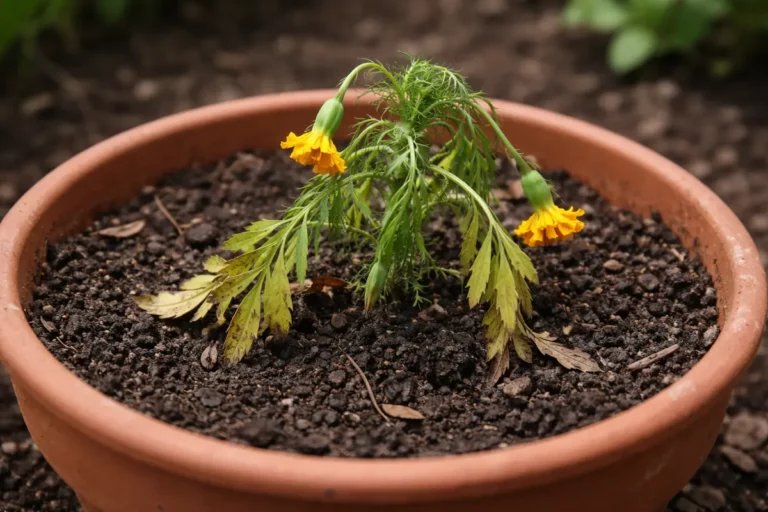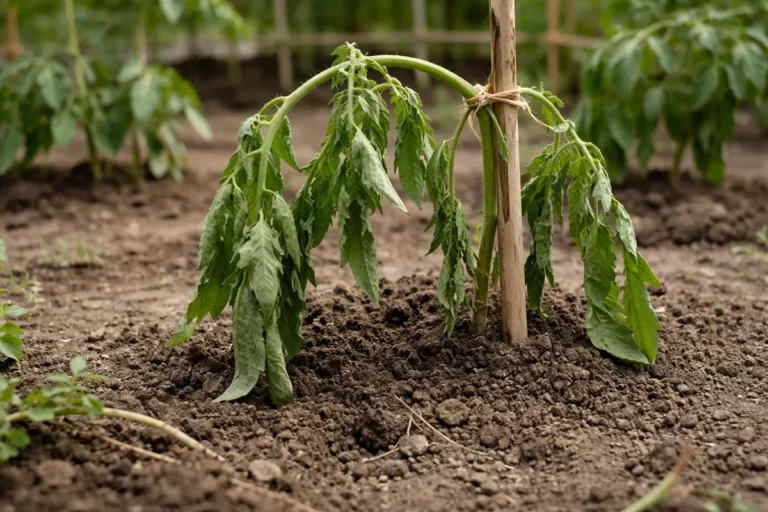
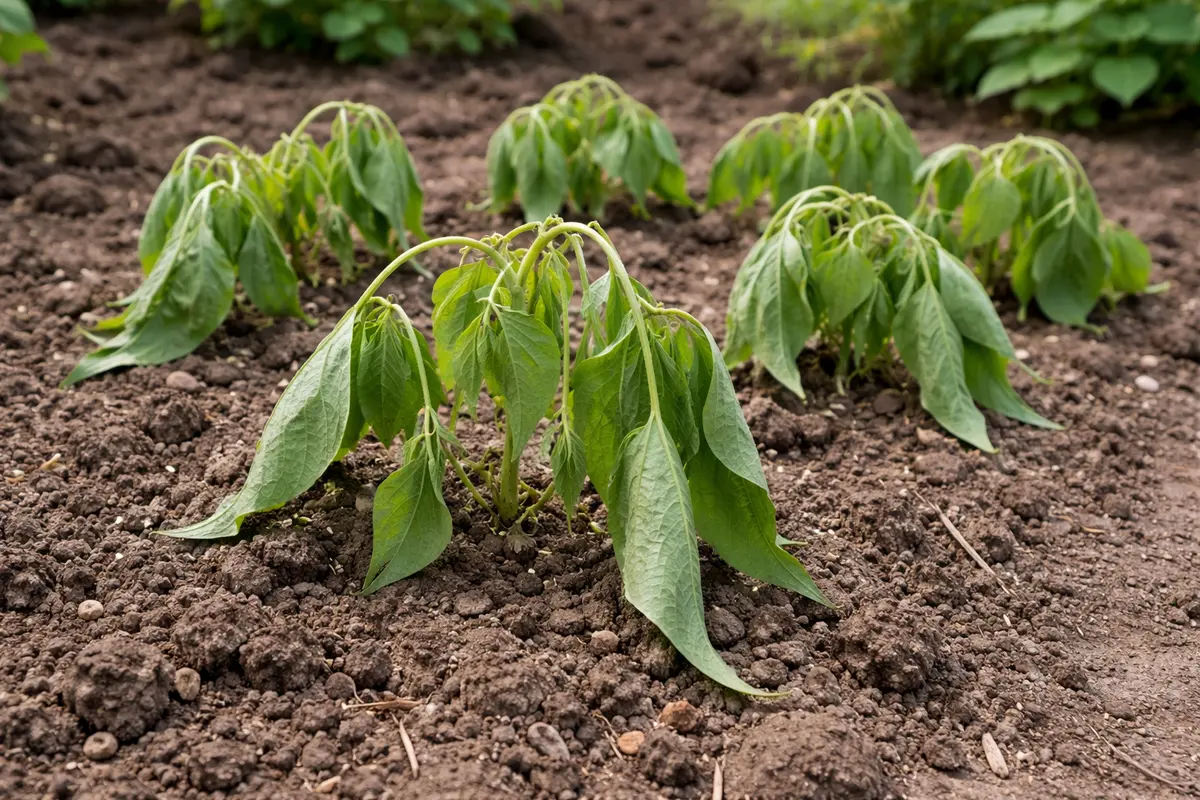
You may notice your bush beans droop after transplant during hot, sunny days, which is why you need to know what to do when bush beans droop after transplant. This wilting is typically caused by transplant shock, where the plants struggle to adjust to their new environment and moisture levels. If left unaddressed, this condition can worsen, weakening the plant and stalling growth, but fixing it is possible now if you inspect the soil and adjust your watering routine. Monitoring the plants closely can help ensure their recovery and encourage healthy growth moving forward.
Step 1 – Assess Drooping Bush Beans Immediately
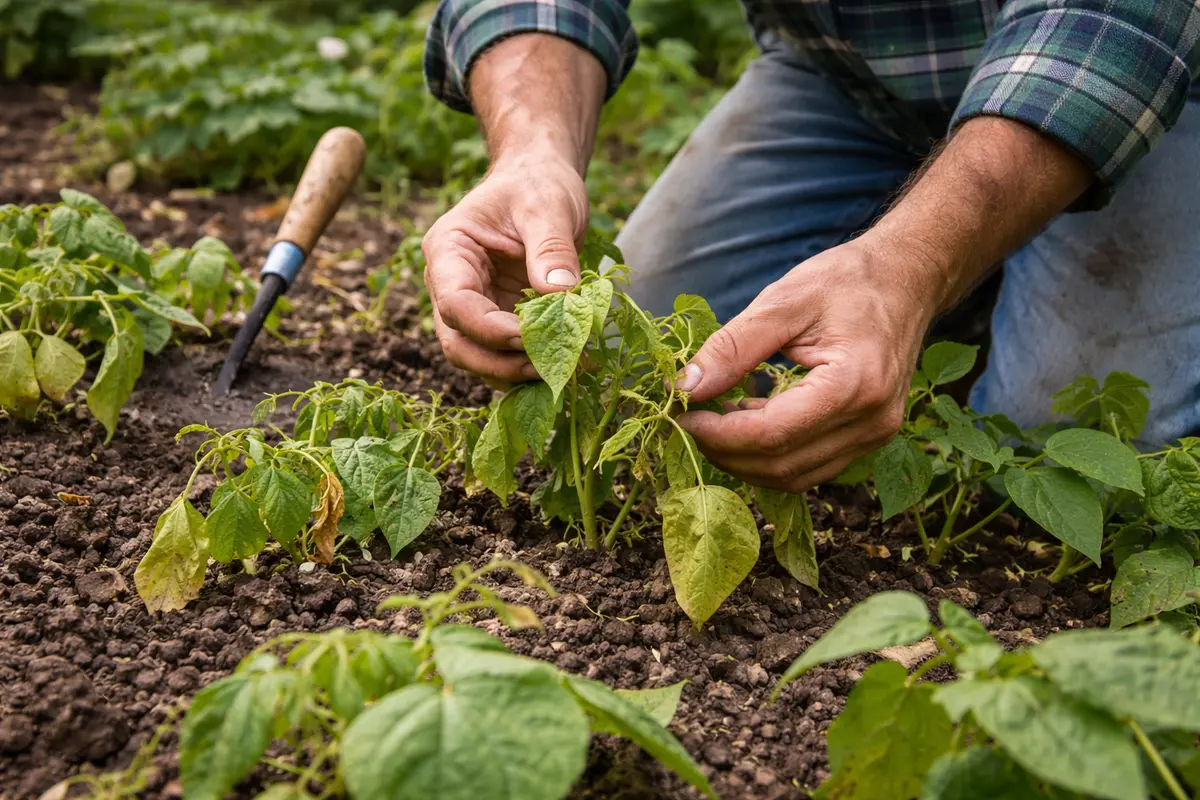
Inspect the base of the bush beans right away to determine the moisture level of the soil. Start by digging lightly around the roots to feel the moisture level and assess drainage. You will notice how the texture of the soil can change from crumbly to compact; recognizing these variations will guide your decisions going forward. Check for signs of color changes in the leaves as well; yellowing or browning can indicate stress linked to moisture issues.
Understanding the soil’s condition is vital because both overwatering and underwatering can exert stress on your plants. For instance, if the soil feels dry and crumbly, the roots might be dehydrated, which can cause immediate drooping. On the flip side, if the soil feels excessively wet, it might starve the roots of oxygen, which also leads to wilting. Each of these scenarios can cause the plant to droop and fail to thrive. In cases of moisture imbalance, the first observable sign may be limp leaves, which highlight the importance of swift action.
A common mistake at this stage is neglecting to check the root moisture or simply mistaking surface dryness for adequate soil condition. This often leads to applying more water or fertilizer, compounding the issue. Always ensure you’re checking below the surface, as roots are most vulnerable when they first settle into new soil. Moreover, if the disturbance to the roots is excessive, it may lead to even greater stress, compounding the drooping issue. Remember to dig in a way that preserves the root system; too much disturbance could exacerbate transplant shock.
Step 2 – Check Soil Conditions Affecting Bush Beans
First, check the moisture level of the soil around your bush beans. If the soil feels dry several inches down, water the plants deeply to ensure the roots receive adequate hydration. Within a few hours, you should notice the leaves beginning to perk up as the plants rehydrate.
The drooping of bush beans often occurs when the roots are not receiving enough water, causing them to lose turgor pressure. When the soil is too dry, the plant’s tissues cannot maintain their structure, leading to wilted leaves. If the drooping is due to overwatering, however, you may notice yellowing leaves and soggy soil, indicating root rot is beginning to set in.
If the soil smells sour or you observe a mushy texture, stop watering immediately and improve drainage by loosening the soil around the roots or moving plants to a drier area. Alternatively, if the plant appears leggy with yellow leaf tips but not wilting, it may need more sunlight; in this case, consider relocating it to a sunnier spot.
When bush beans droop after transplanting, this typically indicates inadequate moisture, affecting their ability to uptake water and nutrients. The roots may be struggling to establish in the soil due to dryness, leading to wilting and drooping leaves. Conversely, if the soil is excessively wet and waterlogged, the roots might not get enough oxygen, causing similar drooping symptoms.
If the soil smells sour or has a slimy texture, it indicates root rot, necessitating immediate action such as improving drainage. Alternatively, if the drooping occurs coupled with yellowing leaves, this might indicate nutrient deficiency, requiring a balanced fertilizer application instead.
When bush beans droop after transplanting, it often indicates that the roots are experiencing water stress due to insufficient soil moisture. The roots might be unable to uptake water, leading to wilting leaves and a weakened stem structure. In contrast, if the soil is waterlogged and the plants are yellowing, the issue could be root rot rather than drought stress, which requires a different intervention.
If the soil smells sour, which suggests anaerobic conditions, immediately aerate the soil by gently loosening it around the roots and ensure proper drainage. Alternatively, if the drooping is accompanied by yellowing leaves but the soil is not overly dry or sour, inspect for pests like aphids, which can also cause similar symptoms and require targeted treatment.
Roots need to breathe; if the soil is compacted or too wet, it can suffocate them, leading to drooping leaves. The health of the root system is critical for nutrient uptake, and poor drainage can lead to root rot, evident through a sour smell or mushy roots. Conversely, overly dry conditions leave the roots unable to absorb sufficient water, contributing to drooping issues, especially in high temperatures when moisture evaporates quickly. The combination of air pockets and adequate moisture levels is essential for maintaining root vitality.
If you find that the soil has a foul odor, it indicates root rot, demanding immediate corrective action—root rot can spread quickly, rendering the plant weak and gradually killing it. In contrast, if the soil is compacted, aerating it using a fork by creating small holes around the root zone is essential to allow air and water flow. An effective aeration method involves making holes approximately six inches apart and venturing about six inches deep to maintain optimal conditions for the roots. If you detect dry soil with no moisture retention, it’s essential to incorporate compost or organic material like peat moss to retain moisture better—improve the soil structure for optimal growth. The goal is to create a balance that facilitates drainage while ensuring moisture retention, enabling roots to thrive.
Step 3 – Water Bush Beans for Better Recovery
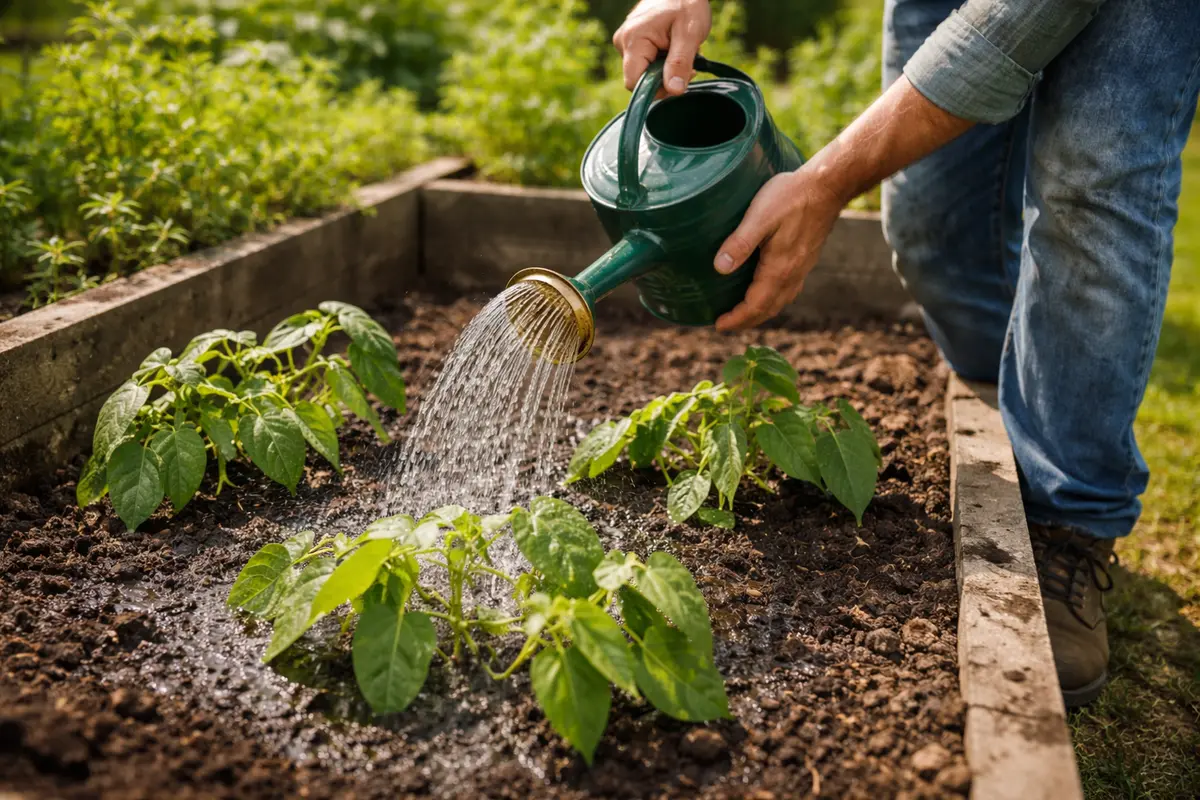
Water the bush beans thoroughly until moisture reaches at least six inches deep into the soil. You should begin to see signs of hydration, such as the leaves starting to perk up within a few hours. This deeper watering helps alleviate immediate stress by allowing the roots access to necessary moisture—this method reduces the risk of roots sitting in stagnant water, which would aggravate symptoms. Use a garden hose or a watering can for precise water placement, ensuring that roots receive adequate hydration without saturating the surface soil excessively.
Watering correctly ensures that the roots can start to recover and absorb moisture effectively. Fresh, hydrated soil helps reset the plant after transplant shock, allowing nutrients to flow smoothly from the soil to the plant. However, overwatering could still drown the roots, so it’s essential to strike a balance between hydration and drainage conditions; if water pools excessively, then you may need to adjust the frequency of your watering sessions. An effective way to check moisture balance is to monitor the soil’s texture daily, feeling for moisture retention without excess pooling over the surface. This immediate feedback helps you calibrate your watering approach effectively.
One mistake to avoid during recovery is to reduce watering drastically after the initial fix. If the soil begins to dry out quickly in hot weather, your plants might revert to drooping again. Instead, observe the soil daily; check for moisture levels two inches down, and then adjust your watering schedule based on the weather conditions—hot days may require watering every other day, while milder conditions may allow for longer intervals between watering without stress. Don’t forget that signs of drooping can reappear if environmental changes occur, such as sudden increases in temperature or humidity. Addressing moisture needs proactively can minimize the risk of recurring issues.
Step 4 – Avoid Transplant Shock for Future Success
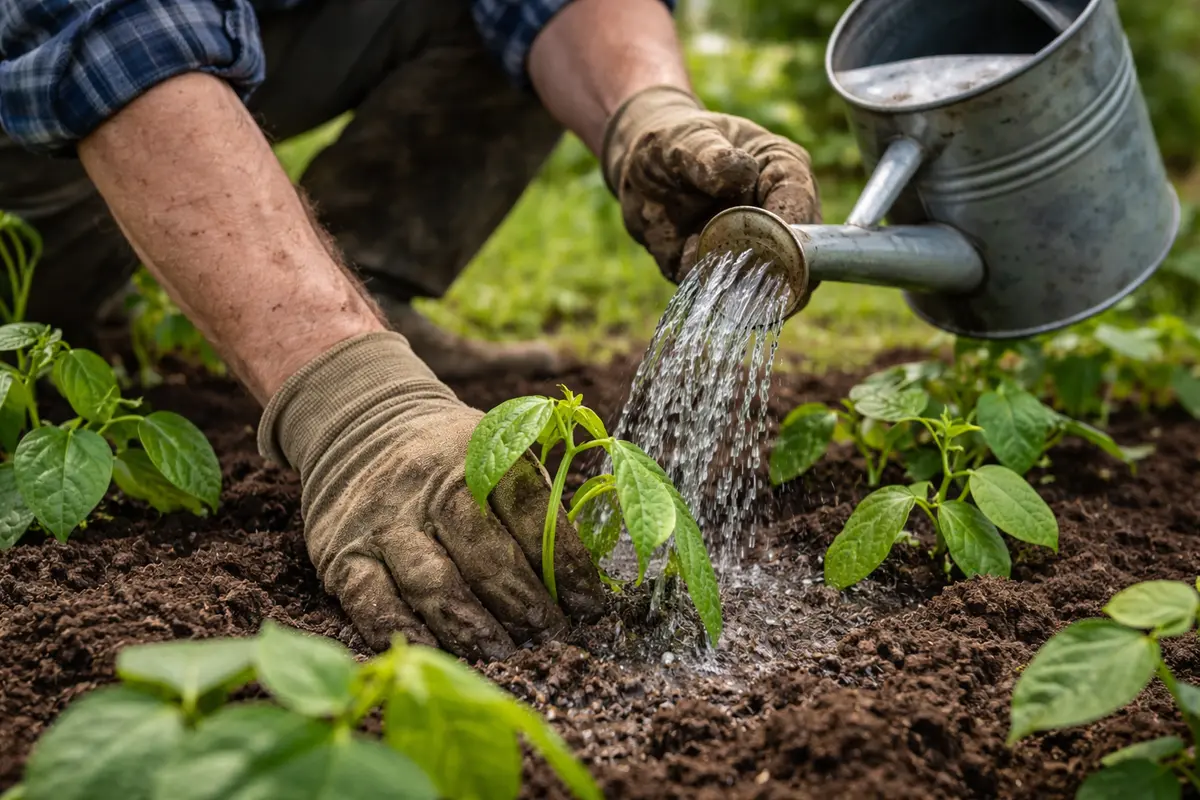
Start by providing your bush beans with consistent moisture after transplanting by watering daily or as needed to maintain evenly moist soil. This habit prevents drooping and encourages the plants to establish robust root systems.
Environmental factors like fluctuating soil moisture can trigger drooping, particularly after the stress of transplanting. If the soil dries out too quickly or remains too wet, the beans may struggle to absorb necessary nutrients and water. Maintaining a balanced watering routine directly addresses the inconsistency that leads to stress-induced drooping.
In extremely hot weather, increase the frequency of watering to prevent quick evaporation from the soil. Alternatively, if you notice persistent drooping despite regular watering, check for root damage from over or under-watering, which can mimic the symptoms of insufficient hydration.
Mulch acts as a barrier, reducing evaporation and maintaining a steady temperature for the roots. When the soil remains consistently moist without excessive drying or overheating, it mitigates stress, establishing a robust growth pattern. For instance, coarse mulch like bark chips may offer better insulation and slow down evaporation compared to straw, giving your bush beans a fighting chance against fluctuating weather. This strategy allows for efficient moisture retention, which is paramount after stress from transplanting.
Consider seasonal adjustments, as different weather patterns affect moisture retention in varying degrees. In hotter months, a thicker layer of mulch will help retain moisture; however, during rainy seasons, it may be beneficial to reduce the thickness to avoid overly saturated soil conditions. Keep an eye on how mulch affects soil temperature and moisture levels; adapting your strategy allows for the best chances for ongoing healthy growth—potentially rotating or replenishing mulch material helps maintain its effectiveness over time. Moreover, consider that if the mulch becomes too compacted or decomposed, it may need to be turned over or replaced to ensure it continues to perform well.
Step 5 – Inspect Bush Beans for Signs of Stress
Check the bush beans every few days for any signs of wilting or discoloration post-recovery. You should notice a gradual improvement in leaf firmness and overall vigor within a week. Consistent inspection will strengthen your ability to detect any signs of reverting symptoms quickly, allowing you to act decisively and avoid backtracking on recovery. Pay attention to changes in leaf texture, as wilting leaves may appear softer and less resilient than their healthier counterparts.
Look for indications such as brightening leaf color, firm stems, or new growth emerging from the top. Fully recovered plants will typically exhibit vibrant green leaves and a bright, healthy appearance, signaling that both roots and foliage are working effectively again. However, early signs of revert may include limp or drooping leaves, indicating potential issues with watering patterns, root damage, or plant nutrition. If leaves start curling in addition to drooping, it’s often a sign of nutrient deficiency, which might require further inspection of your soil quality.
If recovery signs do not improve within a week, consider re-evaluating moisture levels and checking for pests or disease. If you see stopped growth or colored spots, returning symptoms may imply an underlying issue that needs another look, such as soil health or nutrient levels that weren’t sufficiently addressed earlier. Consult your soil’s nutrient profile if possible, or observe any external factors like pest infestations that could impede recovery. If necessary, seek help from a local agriculture extension service, which can offer insights into specific deficiency symptoms relating to local conditions. Immediate attention to root health is vital for preventing further decline.
FAQ
How long will it take for my bush beans to recover?
Recovery for bush beans can take a few days to a week, depending on the severity of the drooping and how quickly corrective measures are taken. As you follow up with proper watering and soil checks, you should start seeing signs of recovery, such as perkier leaves, in as little as 24 hours. However, be vigilant; longer recovery periods may indicate the need for a more intensive approach to soil conditions or pest management.
Should I remove drooping leaves from my bush beans?
It is generally not necessary to remove drooping leaves right away, as they will often recover if the underlying issues are addressed. However, if you notice leaves that are yellowing or browning and remain limp even after corrective action, trimming them back can help redirect the plant’s energy to healthier foliage. This complementary action can also prevent the spread of any potential disease affecting the wilting leaves, and can encourage new growth where energy is directed effectively.
Can I prevent drooping next time I transplant bush beans?
Absolutely, you can prevent drooping by preparing the transplant environment ahead of time. For best results, ensure you gradually acclimatize the plants to their new surroundings and maintain consistent moisture levels right after transplanting to reduce stress and shock. Monitoring the weather conditions and assessing soil health regularly will set the groundwork for future successful transplants, ultimately fostering a healthier garden ecosystem. Implementing a gradual introduction is the key to successful transplanting; taking these steps can lead to robust, thriving bush beans in your garden.