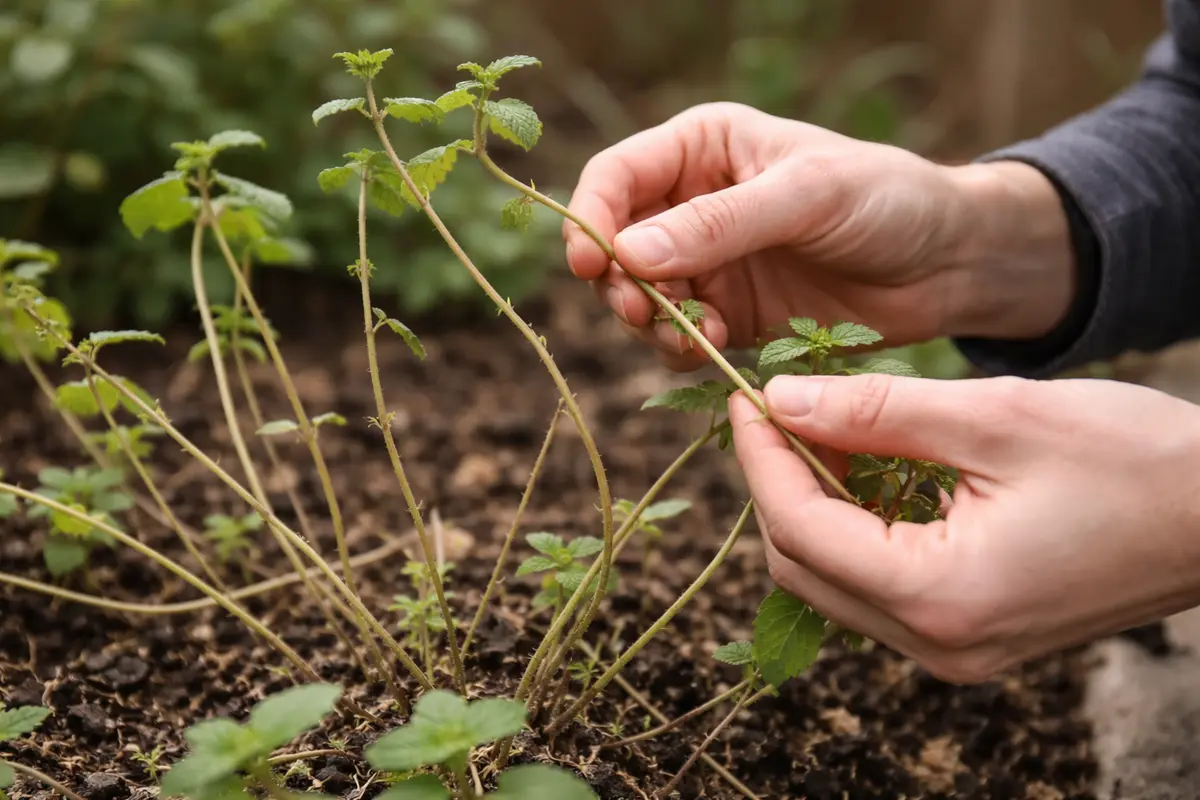
You may notice your indoor mint stretching toward the light during winter, which is why you need to know how to fix leggy growth in indoor mint during winter. This leggy growth occurs as the plant struggles to obtain adequate sunlight, leading to wilting and weak stems. If ignored, the problem gets worse and weakens the plant, making it harder to fix later on, but you can improve its health now by trimming back the spindly growth and adjusting its light exposure. Taking action early is crucial; the longer you wait, the greater the risk of permanent damage to the plant’s structure.
Step 1 – Trim Leggy Mint Stems to Encourage Growth
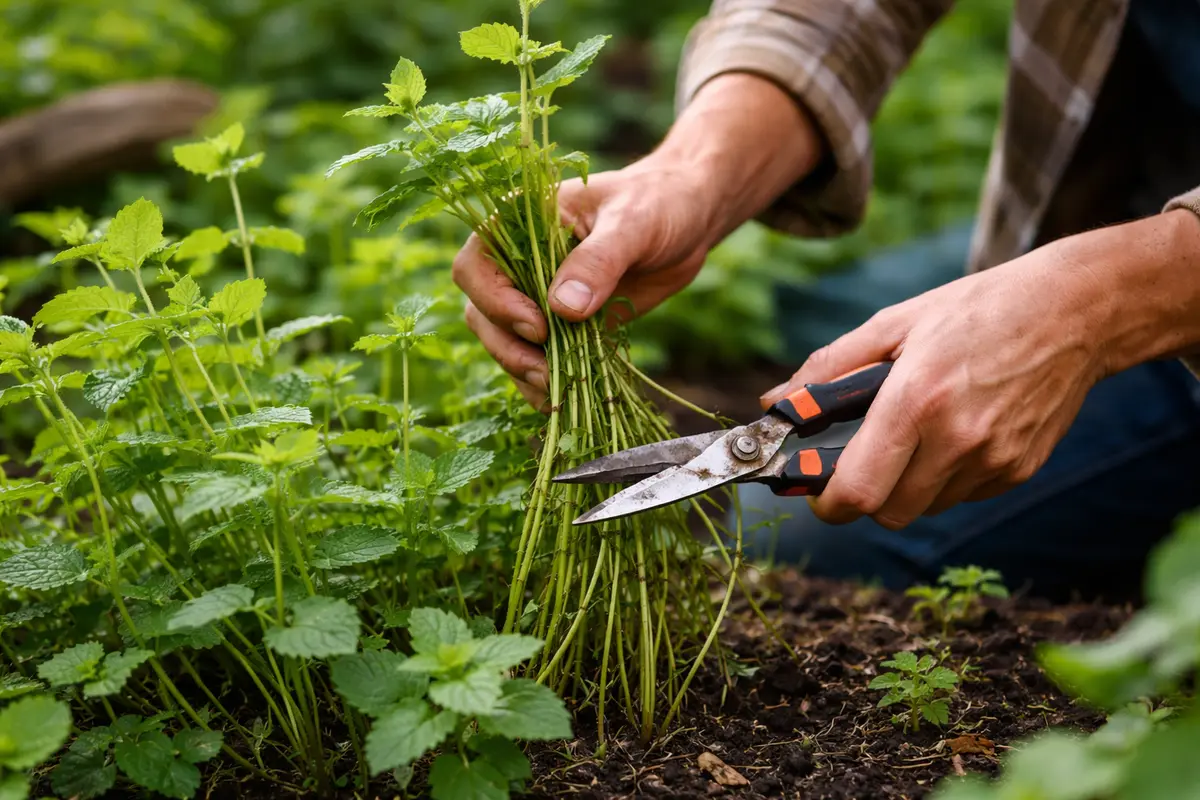
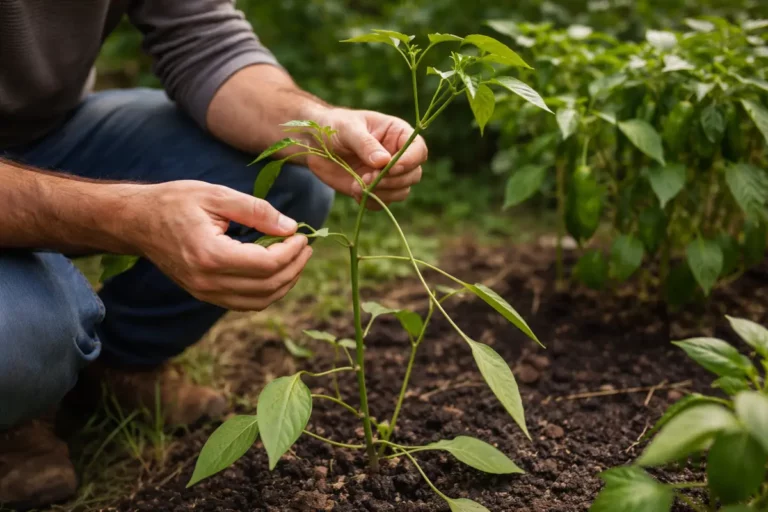
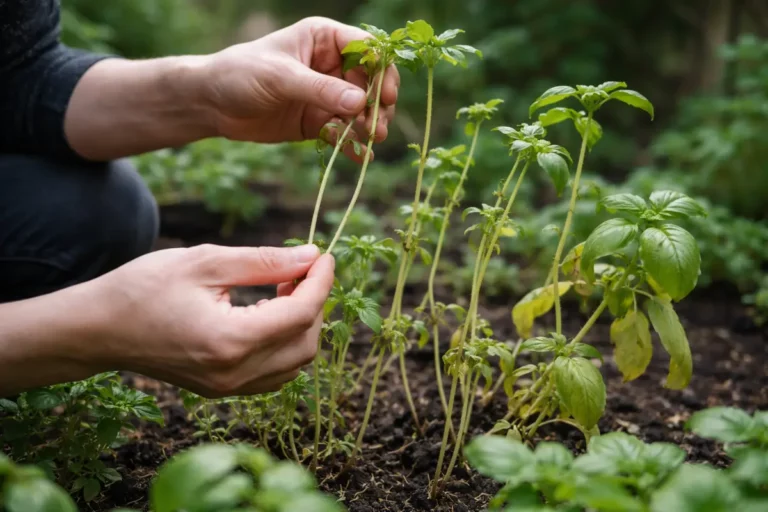
First, examine your mint and identify any excessively long stems with sparse leaves. After confirmation, prune these leggy stems back to just above a leaf node, which will encourage bushier growth. Within a few days, you should notice more compact growth emerging from the cutting points, transforming the plant’s appearance and vitality.
Acting quickly matters because mint that continues to stretch for light will divert energy away from the main stems, leading to even thinner growth over time. By pruning early, you stop this runaway growth and trigger the plant to focus on creating fuller foliage instead. If left unchecked, those leggy stems will not only become unattractive but also rely on weakened biological processes that can make the plant more vulnerable to pests.
For instance, a gardener who delayed pruning noticed that their mint lost significant vigor, while another who pruned promptly saw a quick revival, showcasing a stark contrast between these two approaches. A common error is leaving the leggy growth in hopes it will self-correct; if you find the plant still growing leggy after pruning, check the light source to ensure it is getting sufficient coverage.
Trimming mint stems is essential because it encourages the growth of lateral branches, leading to a fuller and more robust plant. Mint can develop leggy growth when it doesn’t receive enough light, pushing it to reach for brighter areas, which weakens its structure over time. By cutting back these stems early, you create an opportunity for fresh growth that is better suited to the winter light conditions. Use sterilized scissors or garden shears to make clean cuts—this will minimize the risk of introducing pathogens. If the stems are cut too short, however, this can stress the plant unnecessarily and impede vigorous regrowth; hence, monitoring cut lengths is crucial. If after a week you see new growth shooting from the base, that’s a strong sign of successful pruning. Conversely, if regrowth is stunted or non-existent, it may signal a need to re-evaluate other growth conditions.
Many gardeners often delay pruning until spring, thinking they should let all the growth remain. However, failing to trim back leggy stems can result in further unruliness and stress for the plant, as they become too weak to support their own weight. If you’ve noticed any wilting leaves or a lack of new sprouting, it’s time to make that cut to rejuvenate your mint. Assess growth progress for about two weeks post-pruning. If the leaves still appear droopy or yellow after this period, consider reevaluating the light and watering conditions. A common mistake is trimming too conservatively; cutting only the topmost inch may not relieve the legginess effectively. Instead, cutting back enough stem to encourage robust new growth is critical.
Step 2 – Assess Light Levels Causing Mint Legginess
Check the light levels where your mint is located. You should expect to see improved foliage quality within a few days after making necessary adjustments. Ensuring your mint receives at least six hours of adequate light will significantly enhance its growth pattern, transforming leggy stems into sturdy branches. If direct sunlight is scarce, artificial light alternatives may be necessary. Observationally, shifting the pot closer to a bright window can yield faster results, especially if it has been set back several feet. If your mint still appears leggy even after adjustments, this indicates the need for further evaluation of the environment.
Mint requires plenty of bright light to remain healthy, especially during the short days of winter. When the light is insufficient, plants stretch towards the source, resulting in weak growth. Adjusting the light conditions can improve photosynthesis, leading to stronger stems that can support the plant’s foliage without falling over. If you notice your mint still leaning towards the light even after adjusting its position, this indicates an urgent need for more robust lighting solutions; consider options like full-spectrum LED grow lights positioned close to the plant. This can be particularly effective if the window is north-facing, where light can be insufficient. If the light is too harsh, however, this can lead to scorching; balance is key here.
If your growing setup allows, aim to rotate the pot every week to even out light exposure. A common mistake is allowing the pot to remain stationary, which can privilege one side of the plant at the expense of the other. When you observe uneven growth patterns, such as one side becoming particularly tall, it highlights the need for a systematic approach to positioning the light source. If the leaves on one side start to yellow or fall off, this typically points to inadequate light distribution. To verify light levels, consider using a light meter which can indicate whether your indoor conditions are adequate, or simply pay attention to how quickly the plant responds after making lighting adjustments. Remember, if natural light is insufficient, adding grow lights can significantly shift growth patterns, but placement matters—too close can burn, too far can stretch. Aim for about 12-18 inches away, adjusting based on observed leaf health.
Step 3 – Fertilize Mint to Aid Recovery This Winter
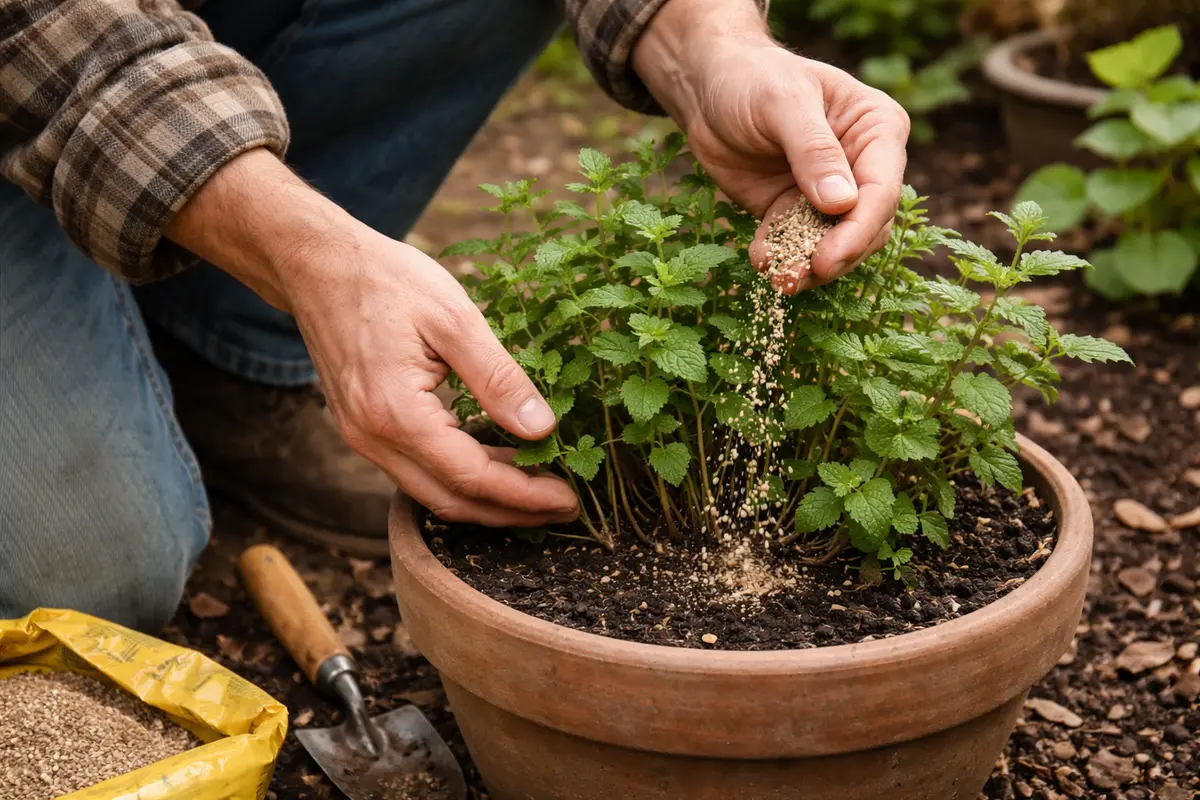
Apply a liquid fertilizer specifically formulated for herbs every two weeks to encourage recovery. After fertilizing, you should notice more vibrant green leaves and new growth beginning within a week. Providing this essential nutrient boost during winter helps strengthen the plant’s resilience and overall vitality. If the growth seems stagnant despite fertilizing, however, it may be time to assess other factors that are influencing the plant’s health. Recognizing signs of nutrient deficiency, such as pale leaves, can cue you to correct your fertilization schedule.
Fertilizing indoor mint provides it with the necessary macro and micronutrients it may lack due to shorter growing conditions in winter. Mint typically thrives on nitrogen-rich fertilizers, which promote lush foliage growth and healthy root development. By enriching the soil with nutrients, you are supporting the recovery of the plant while preparing it for the upcoming growing season. It’s also advisable to follow the dilution instructions on the fertilizer label closely to prevent over-fertilization. Watch for symptoms of over-fertilization, such as browning leaf tips or a crusty buildup around the soil surface due to salt accumulation. Should you notice any crusty formations on the soil surface, it’s a clear indicator that you need to flush the soil with plain water to dilute these salts. If your mint does not respond positively even after a few fertilizations, checking the soil drainage may also be warranted to avoid root rot.
However, avoid over-fertilizing, which can lead to nutrient burn if the roots are already struggling. A common mistake is applying too strong a concentration or fertilizing too frequently, resulting in the opposite of the intended effect. If your mint starts developing brown leaf tips or crispy edges after fertilizing, it’s a sign to cut back on the frequency or dilution of your fertilizer mix. Conduct a simple test on a small section of the soil to determine how the plant reacts over a week before adjusting broader applications. Regular observation becomes critical at this stage; if the plant displays signs of distress, cut back on fertilization until stability is restored. Consider transitioning to a slow-release fertilizer if frequent applications prove problematic. Also, aim to amend the soil during transplanting; using a slightly richer mix can be beneficial to provide immediate nutrients while maintaining a balanced approach.
Step 4 – Inspect Mint Leaves for New Growth Regularly
Check your mint every few days for new growth or signs of recovery after making adjustments. You should observe fresh shoots developing and existing leaves maintaining their vibrant color. Regular monitoring is crucial to understand the effectiveness of your interventions. If a week passes without any noticeable difference, further evaluation of care practices may be necessary. This indicates that adjustments to light, water, or nutrients may not yet be adequate, as a healthy plant should respond fairly quickly to optimal conditions.
A healthy mint plant post-recovery should exhibit firm stems, abundant green foliage, and new leaf growth. The leaves should be thick and lush, indicating adequate moisture and nutrient uptake. If you notice old leaves drooping or a return of leggy growth, further investigation into light or water levels may be required to identify recurring issues. Test consistency within watering routines; fluctuations between overly dry and soggy conditions often lead to setbacks in recovery growth. Observing changes in leaf texture can provide clues—smooth, glossy leaves indicate robust health, while dull or ragged edges suggest the need for better care. If any constant yellowing persists, a deep dive into soil health and root conditions is warranted, as this can hint at root-bound plants or overall substrate degradation.
If the problem persists despite regular care, it may be time to review other environmental conditions or consider repotting into a more suitable potting mix. Sometimes, poor drainage or soil health can affect plant vitality too. Monitoring light exposure, humidity, and soil conditions can help keep your mint thriving and prevent future leggy growth. You can often determine if the soil is too compacted by gently feeling around the roots to see if they are constricted. Recognizing these signs early can mean the difference between a quick recovery or a prolonged struggle. Additionally, if potting soil has broken down significantly, nutrients may become locked up; making a change can rejuvenate the growing environment.
FAQ
How long does it take for leggy mint to recover after pruning?
Typically, mint can show signs of recovery within a week after proper pruning. You might see new growth starting to sprout from the cut areas or remaining strong stems, indicating that it is responding well to the trimming. However, it’s important to monitor other care factors, such as light and moisture, to facilitate consistent recovery. If after two weeks no new growth is visible, consider that other environmental factors may need adjustment.
Can I cut back mint in winter?
Yes, cutting back mint in winter is beneficial, particularly if it becomes leggy. This process encourages the plant to concentrate its energy on new growth rather than supporting weak stems. Ensure you follow this with appropriate light and nutrients to enhance recovery efforts, as the conditions can significantly affect the plant’s response. Should the mint remain leggy even after cutting back, it may indicate a drastic need for improved light conditions or adjustments in fertilizer usage.
Will my mint survive after being leggy for a long time?
Mint can often survive leggy growth if the proper adjustments are made, such as improving light conditions and fertilizing appropriately. With the right care, the plant can bounce back and thrive again, especially if you remain observant of its needs during the recovery phase and appropriately respond to any emerging issues. Addressing the root cause of leggy growth through careful monitoring will be imperative for sustaining long-term health.